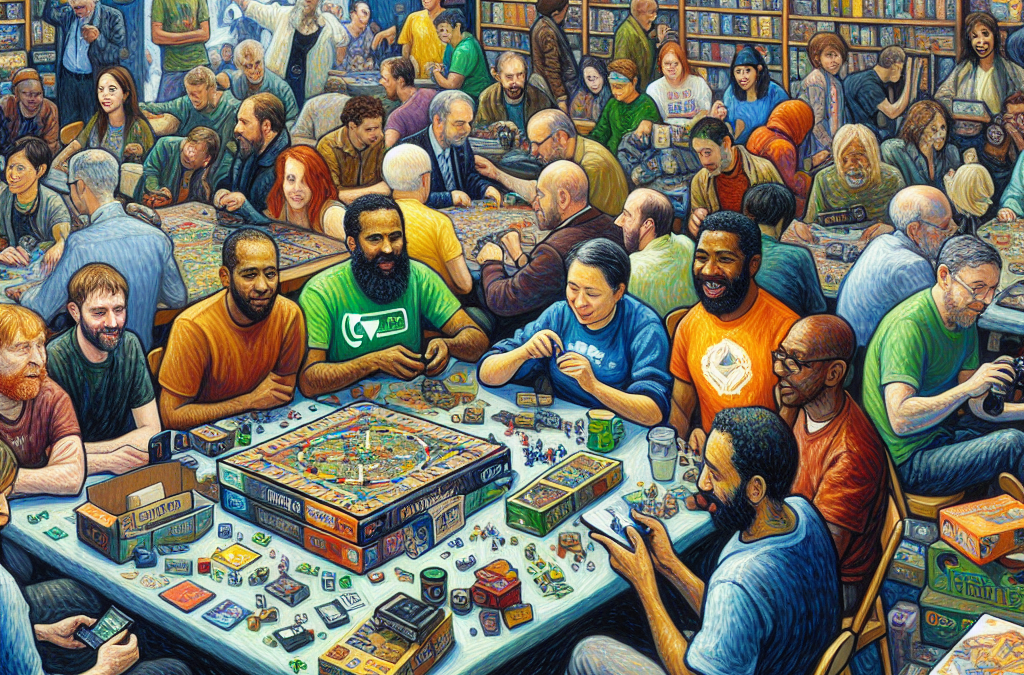
Unleashing Your Strategic Mind: A Look At Board Game Classics
By Tom Seest
At BestBoardGameNews, we help people who love board games by collating information and news about board games.
Be sure to read our other related stories at BestBoardGameNews to learn more about board games.
What Are Some Examples Of Strategy Board Games?
When it comes to strategy board games, we’re diving into a realm where intellect meets opportunity, and the only limit is your capacity for cunning. These games don’t just challenge your brain—they put friendships to the test, forge rivalries, and sometimes create legendary tales of victory and defeat. So, if you’re ready to pull your friends from their screens, gather ‘round the table, and unleash a little competition, let’s explore some exemplary titles in the world of strategy board games that keep players coming back for more.
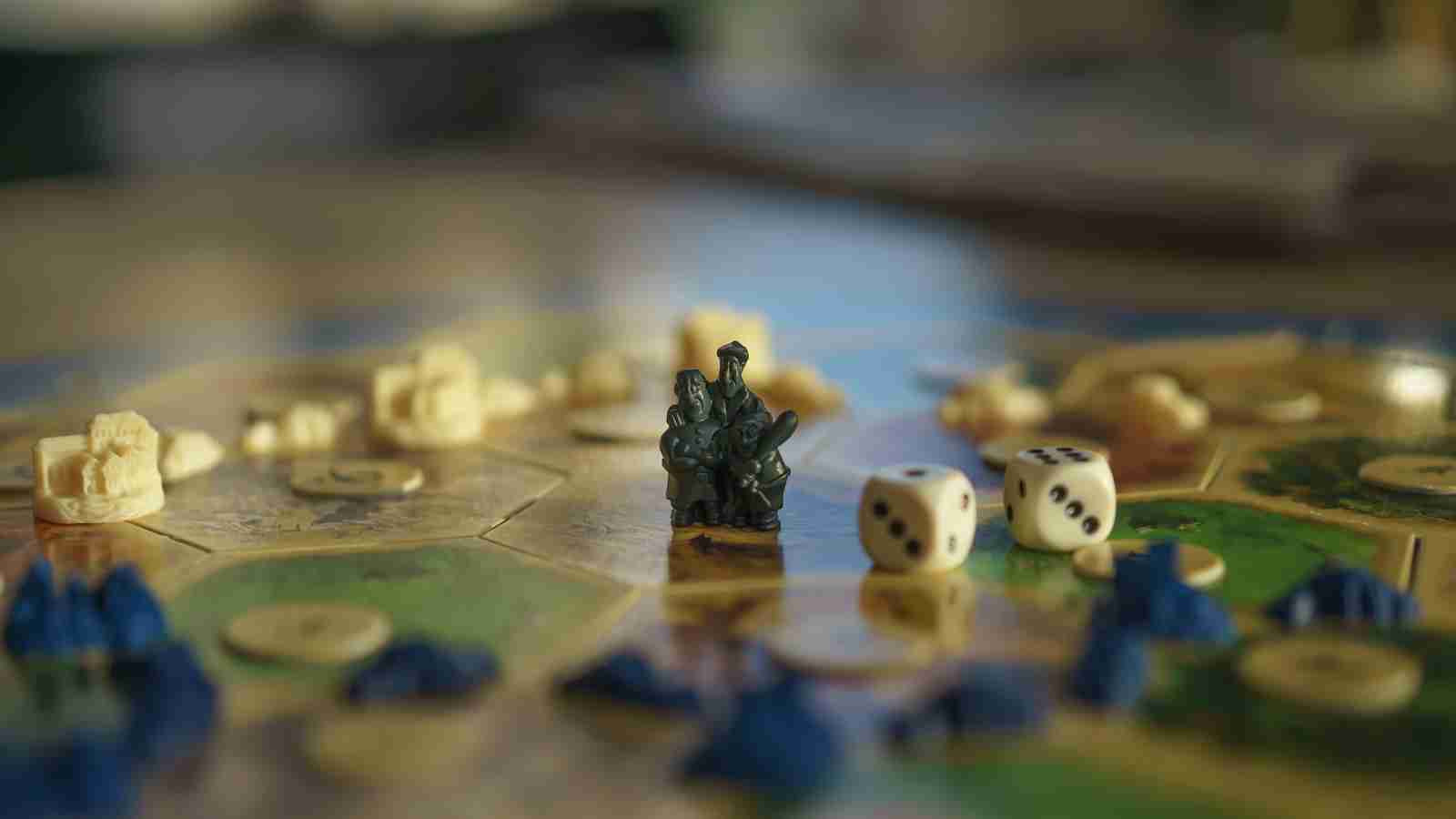
First up, we have the classic “Catan.” Now, you might have heard of it—it’s the gateway that leads many to the rich universe of board gaming. Imagine a landscape filled with resources! You’re trading wood for sheep or swindling a brick from your friend—strategic negotiation is your new best friend. As you build roads, settlements, and cities, the path to victory is paved with cunning tactics and a bit of luck. But be warned, alliances shift like the tides; this is not a game for the faint of heart.
Next on the list is “Ticket to Ride,” a game where you’ll channel your inner railroad tycoon. It’s all about claiming routes and connecting cities across the great map. The strategy here is simple yet profound: choose your routes wisely, anticipate your opponents’ moves, and adapt when the tracks you hoped to claim are snagged right from under you. The beauty lies in its blend of simplicity and depth—perfect for newbies and veterans alike.
Now, let’s not forget about “Risk,” a true titan in the strategy genre. Colonize continents and wage war with your friends, all from the comfort of your dining room table. This game requires a keen understanding of diplomacy and military tactics. You’ll make alliances only to backstab them at the most opportune moment—this is a game where trust is as fragile as a paper bridge.
For something a tad more cerebral, consider “Pandemic.” Here, you and your comrades are a team of specialists racing against time to stop a global outbreak. Cooperation is the name of the game; defeat isn’t just a loss for one person, but a defeat for all. Trust me, nothing can spark a night of deep camaraderie (or fierce debates) quite like fighting for the future of humanity.
Each of these games offers a unique flavor of strategy, challenges your thinking, and provides countless hours of fun. Make sure you gather some snacks, clear the table, and prepare for battle—your game night is about to get strategic.
What Are Some Examples Of Strategy Board Games?
What Are Some Examples Of Strategy Board Games?
- Strategy board games blend intellect and opportunity, testing friendships and rivalries.
- “Catan” is a classic gateway game involving resource trading and strategic negotiation.
- “Ticket to Ride” allows players to connect cities and claim routes, balancing simplicity and depth.
- “Risk” involves colonizing continents and requires diplomacy and military tactics.
- “Pandemic” is a cooperative game where players work together to stop a global outbreak.
- Each game offers unique strategies, challenges, and hours of entertainment.
- Prepare for battle by gathering friends, snacks, and clearing the table for game night.

What Are Some Examples Of Strategy Board Games?
Table Of Contents
- What Are Some Examples Of Strategy Board Games?
- What Is A Strategy Board Game?
- Why Are Strategy Board Games Popular?
- What Makes A Game A Strategy Board Game?
- Can You Name Some Classic Strategy Board Games?
- What Are Modern Examples Of Strategy Board Games?
- How Do Strategy Board Games Differ From Other Types?
- What Skills Do Players Develop Through Strategy Games?
- Are There Strategy Board Games For Beginners?
- What Is The Average Playtime For Strategy Board Games?
- How Do You Choose The Right Strategy Board Game For You?
- What Should You Consider When Buying A Strategy Board Game?
- Are There Cooperative Strategy Board Games Available?
- How Do Expansion Packs Enhance Strategy Board Games?
- What Role Does Player Count Play In Strategy Games?
- How Do Strategy Games Promote Critical Thinking?
- Conclusion
- Other Resources
- Glossary Of Terms
- Other Questions
- Haiku
- Poem
- Checklist
What Is A Strategy Board Game?
When you think of strategy board games, picture a battlefield where wits, planning, and a dash of cunning reign supreme. These games are not just pass-time distractions; they are intricate mental gymnastics that challenge players to think several moves ahead, much like a chess master positioning their pieces for the perfect checkmate or a general orchestrating a military campaign.
At the heart of a strategy board game is a simple premise: players must devise a plan to outsmart their opponents. This goes beyond just having a winning strategy; it’s about adaptability, foresight, and occasionally, a little bit of luck. You might find yourself managing resources, building empires, or elbowing your way to victory by outmaneuvering your friends and family. Each decision matters, and the long-term consequences of your choices unfold as the game progresses.
Take Settlers of Catan, for instance. This game isn’t just about rolling dice and trading resources; it challenges players to negotiate, broker deals, and position settlements with an eye on future expansion. It’s a microcosm of life’s complex interactions, teaching you that sometimes the best laid plans need to be adjusted on the fly. Here, the interaction between players is as crucial as the gameplay itself; the social dynamics can shift just as quickly as a die roll can change the fate of your settlement.
Another example is Risk, where alliances are fragile, and trust is a commodity in short supply. Players must balance aggression with diplomacy as they vie for global domination. Each roll of the dice can send your empire sprawling or watch it crumble into dust. The beauty is in the chaos that unfolds. You can meticulously plot your takeover, but the moment your adversary betrays your trust, your grand strategy can unravel like a poorly knit sweater.
Then there’s the classic of classics: chess. With its 64 squares and 32 pieces, chess is the epitome of strategy board games. It’s a pure form of mental combat where every move counts, and each piece has its role—an elegant dance of knights, bishops, and pawns, all maneuvering toward victory or defeat.
In essence, strategy board games offer more than entertainment; they invite players into a world where critical thinking, planning, and social interaction collide. So, whether you’re building an empire or plotting world domination, prepare yourself for a thrilling mental challenge that’s anything but ordinary.
What Is A Strategy Board Game?
What Is A Strategy Board Game?
- Strategy board games are complex mental challenges that require players to think several moves ahead.
- At their core, these games involve devising plans to outsmart opponents, emphasizing adaptability and foresight.
- Players engage in resource management, empire building, and strategic maneuvering for victory.
- Settlers of Catan exemplifies negotiation and adjustment of plans based on player interactions and dice rolls.
- In Risk, players balance aggression and diplomacy while dealing with fragile alliances and unpredictable outcomes.
- Chess represents the pinnacle of strategy games, focusing on every move as pivotal in a battle of wits.
- Overall, strategy board games merge critical thinking, planning, and social dynamics for an engaging experience.
What Is A Strategy Board Game?
Why Are Strategy Board Games Popular?
Let’s face it: in a world that often feels like it’s spinning a mile a minute, there’s something irresistibly charming about gathering around a table and playing a good old-fashioned strategy board game. It’s a delightful escape from the digital chaos that floods our daily lives—an opportunity to connect with friends and family, face off against formidable opponents, and engage in something that’s equal parts cerebral and fun.
First, let’s consider the thrill of competition. Humans have a natural inclination to challenge one another, and strategy board games tap into that primal instinct. You throw down the gauntlet, you devise your master plan, and you navigate through your opponents’ tactics, all while trying not to spill your drink in the heat of the moment. Each game transforms a social gathering into an exhilarating battleground, where clever moves and cunning strategies reign supreme. Nothing feels quite as satisfying as outmaneuvering someone who thought they had you cornered—it’s as sweet as a well-aged bourbon after a long day.
Then there’s the intellectual stimulation that comes from strategic games. Let’s be honest, our minds crave the challenge. In an age of smartphones and mindless scrolling, strategy board games demand a different kind of engagement. They require critical thinking, planning, and foresight. Each player contemplates their next move, anticipating others’ actions like a game of chess on steroids. This mental workout isn’t just fulfilling; it’s downright addictive. Those hours spent analyzing, recalibrating, and executing moves sharpen our minds, making us not just better players but better problem solvers in all aspects of life.
Next, we can’t overlook the social aspect of these games. They create bonds, laughter, and even the occasional heated debate—just ask anyone who’s been deeply invested in a game of Settlers of Catan. They bring people together, and there’s something refreshing about elbow-to-elbow gathering in a world where face-to-face interaction sometimes takes a backseat to screens and social media. In the heat of competition, alliances are forged and rivalries are born, creating narratives and memories that last long after the final pawn has been moved.
In short, strategy board games are more than just a way to pass the time; they are a celebration of human nature—our competitive spirit, our thirst for connection, and our unrelenting desire to challenge our minds. They stir up laughter, rivalry, and genuine human connection, making them a timeless favorite for both seasoned players and new enthusiasts alike. So next time you find yourself staring at a board covered in pieces and wondering who will claim victory, remember: it’s not just a game, it’s a journey worth taking.

Why Are Strategy Board Games Popular?
Why Are Strategy Board Games Popular?
- Strategy board games offer a charming escape from digital distractions, fostering connections among friends and family.
- They fulfill our innate desire for competition, turning social gatherings into exhilarating battlegrounds.
- The thrill of outmaneuvering opponents can be deeply satisfying, akin to enjoying a well-aged bourbon after a long day.
- These games stimulate the mind, requiring critical thinking, planning, and foresight—similar to an intense game of chess.
- Playing strategy board games enhances problem-solving skills and sharpens mental acuity.
- They create memorable social experiences, encouraging laughter, debate, and the forging of lasting bonds.
- Ultimately, strategy board games celebrate human nature, blending competition, connection, and cognitive challenge into a timeless pastime.
Why Are Strategy Board Games Popular?
What Makes A Game A Strategy Board Game?
When you sit down at a table, pieces spread in a colorful jumble before you, you’re on the edge of something great. But what exactly distinguishes a strategy board game from the countless others crowding your shelves? It’s not just the dice, cards, or even the whimsical theme; it’s about the thinking that catapults a game from mere fun to a cerebral showdown.
First off, let’s unpack the term “strategy.” At its core, strategy involves planning, foresight, and a little bit of cunning. In a strategy board game, players must make choices that impact the game not only in the immediate moment but also in the long run. Every move has weight, and every decision can swing the balance of power. You’re not merely reacting to the whims of the die; you’re plotting, scheming, and anticipating your opponents’ moves while simultaneously guarding your own interests.
Take a classic like chess, for instance. It’s the quintessential strategy game where no two games unfold the same way. You’re not just playing against an opponent; you’re engaged in a mental duel, each piece a soldier in your grand battle plan. The beauty lies in the layers of strategy; the ability to think not only about your next move but also your opponent’s.
But strategy board games go beyond just direct competition. There’s often an element of resource management and tactical positioning at play. Take games like “Settlers of Catan” or “Carcassonne.” Here, you aren’t just trying to outsmart your buddies; you’re also managing resources, negotiating trades, and optimizing your territory. This adds a robust layer to the game, demanding players remain adaptable and sharp.
Another characteristic is the significance of player interaction. A good strategy game thrives on engagement—not just with the game mechanics but also with the other players. Bluffing, alliances, and rivalries come into play. You’ve got to read the room, size up your competitors, and adapt your strategy on the fly. It’s like playing poker without the cards, with wit replacing luck.
So, what makes a game a strategy board game? It’s a blend of tactical decision-making, foresighted planning, resource management, and interactive gameplay. When you sit down to play one of these gems, you’re not just having fun—you’re stepping into a battlefield of wits, where every move is a step towards victory or defeat. In the world of strategy board games, it’s more than just a game; it’s a test of intellect and skill, where every player is a player in the grand theater of competition.
What Makes A Game A Strategy Board Game?
What Makes A Game A Strategy Board Game?
- Strategy board games distinguish themselves through planning, foresight, and cunning decision-making.
- Every move in a strategy game impacts both the immediate situation and the long-term outcome.
- Classic examples like chess highlight the depth of strategy, engaging players in mental duels.
- Many strategy games involve resource management and tactical positioning, increasing game complexity.
- Player interaction is crucial, with elements like bluffing, alliances, and rivalries enhancing engagement.
- Successful gameplay requires adaptability and the ability to anticipate opponents’ strategies.
- Ultimately, strategy board games are tests of intellect and skill within a competitive framework.
What Makes A Game A Strategy Board Game?
Can You Name Some Classic Strategy Board Games?
When we think of games that have stood the test of time and captivated the minds of generations, strategy board games come to the forefront. They’re the cerebral gymnasiums where battles are fought, alliances are forged, and cunning plans come to life—all from the comfort of your living room. These games don’t just entertain; they engage your brain, challenging your wit and patience in ways that few other activities can. Let’s take a stroll down memory lane and highlight some classic contenders that have earned their places in the pantheon of board game history.
First up, we can’t overlook “Chess.” This ancient duel of kings and queens is the epitome of strategy. With its 64 squares and 32 pieces, two opponents engage in a high-stakes contest of intellect, where every move can shift the tides of battle. The beauty of Chess lies in its simplicity, yet the depth of strategy is seemingly endless—making it a staple in both casual kitchens and prestigious tournaments alike.
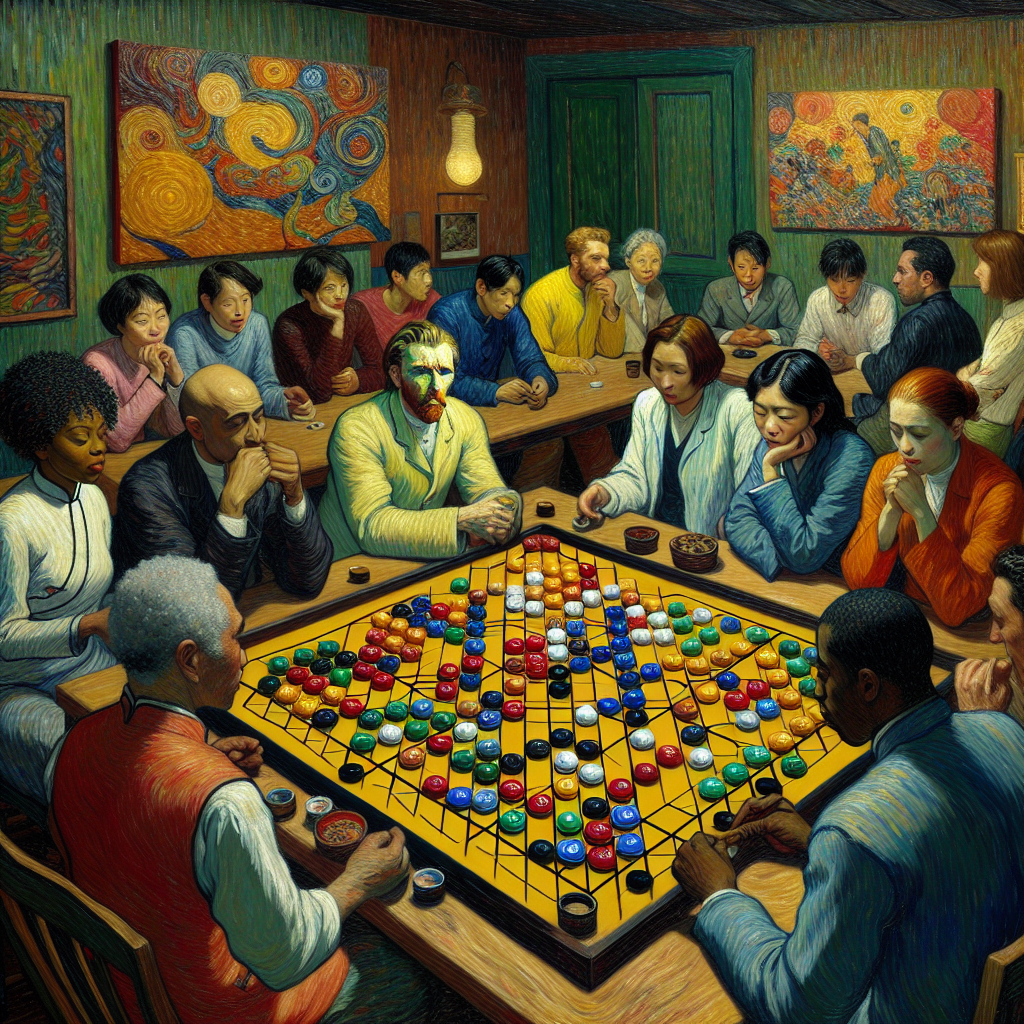
Then, we have “Go,” a game hailing from ancient China, celebrated for both its straightforward rules and its profound complexity. The goal? Enclose more territory than your opponent using black and white stones on a gridded board. Yet, don’t let its simple mechanics fool you; Go is a game that can take a lifetime to master. Players often find themselves lost in thought, plotting and scheming several moves ahead, developing strategies as intricate as a fine tapestry.
Next on the list is the fiercely competitive “Risk.” This game of world domination is all about conquering territories, forging alliances, and outsmarting your opponents on a geopolitical stage. Its blend of luck and strategy keeps players on their toes, as they jockey for power and aim to control the entire globe. Just remember, behind every successful general, there’s a whole lot of mischief and betrayal brewing.
And we can’t forget “Settlers of Catan.” A more recent classic, this game revolutionized board gaming in the ’90s, enticing players to gather resources, build roads, and vie for settlements on the island of Catan. Negotiation, resource management, and even a bit of wheelin’ and dealin’ are all part of the game’s charm, making it a fantastic gateway for newcomers to the world of strategy games.
These classics are merely the tip of the iceberg, yet each holds a special place in the hearts of players. Their timeless appeal lies in the way they invite us to think, compete, and engage with one another, reminding us that some of the best battles are fought without a sword in hand. So dust off that old board, gather your friends, and get ready to wage some friendly warfare. It’s time to strategize!
Can You Name Some Classic Strategy Board Games?
Can You Name Some Classic Strategy Board Games?
- Strategy board games have captivated generations, combining entertainment with cerebral engagement.
- Chess is a timeless classic, known for its simplicity and depth of strategy, played on a 64-square board with 32 pieces.
- Go, an ancient Chinese game, is celebrated for its straightforward rules and complex strategies, focusing on territory control with black and white stones.
- Risk is a fiercely competitive game centered around world domination, balancing luck and strategy in battles for territory.
- Settlers of Catan revolutionized board gaming in the ’90s through resource management and negotiations among players.
- These classic games foster competition and strategic thinking, often played in a social and engaging setting.
- Playing these games invites friendly warfare, providing an opportunity for fun and intellectual challenge.
Can You Name Some Classic Strategy Board Games?
What Are Modern Examples Of Strategy Board Games?
When you think about board games, you might picture family game nights filled with laughter and the occasional friendly bickering. But peel back the layers a bit, and you’ll find a vibrant world of modern strategy board games that engage not just your inner child, but also your inner general. These games have evolved from the classic Monopoly and Clue, diving deep into complex mechanics that challenge players to think critically and plan several moves ahead. So, what are some shining examples of this captivating genre?
First up, let’s talk about Catan. Once known as Settlers of Catan, this gem has captivated players since its debut in 1995. The premise is wonderfully simple: settle an uncharted island by collecting and trading resources like wood, brick, and sheep. But don’t let the idyllic setting fool you; Catan is a ruthless battlefield of negotiation and strategy. Each roll of the dice can change the course of your empire, and the player-to-player deals can feel like high-stakes poker—trust is key, but so is the art of the bluff.
Next, consider Ticket to Ride. This game is all about building train routes across a colorful map full of destinations. The objective? Connect cities to score points while managing your hand of train cards. With simple rules and a competitive twist, it manages to bring out the strategist in everyone, all while fostering a little lighthearted rivalry. It’s a journey through strategic planning and resource management—all aboard!
For those who crave a deeper experience, Terraforming Mars takes the cake. Here, players assume the role of corporations tasked with transforming the Martian landscape into a habitable environment. The game is rife with tactical decision-making as you manage resources, develop technologies, and collaborate—or conspire—with other players. Each round feels like a race against time as you strive to raise the temperature, create oceans, and form green spaces before your opponents beat you to it.
And then there’s Gloomhaven, an epic blend of tactical combat and role-playing elements. In this massive campaign, players engage in thrilling battles, navigating through a detailed storyline that unfolds with each decision. With its leveling system and character development, Gloomhaven creates a rich, immersive experience that can captivate gamers for hundreds of hours.
These games are more than just dice and cards; they’re about strategy, negotiation, and the age-old quest for victory. Whether you’re forging trade routes, battling for dominance, or transforming distant planets, modern strategy board games offer a delightful challenge that keeps players coming back for more. So gather your friends, roll up your sleeves, and get ready for some serious brainpower!

What Are Modern Examples Of Strategy Board Games?
What Are Modern Examples Of Strategy Board Games?
- Board games evoke family game nights filled with laughter and friendly bickering.
- Modern strategy board games engage players with complex mechanics, challenging critical thinking.
- Catan, originally Settlers of Catan, involves settling an island through resource collection and trading.
- Ticket to Ride focuses on building train routes and connecting cities for points through strategic planning.
- Terraforming Mars has players transforming Mars into a habitable environment while managing resources and technology.
- Gloomhaven combines tactical combat and role-playing, offering a deep immersive experience through a detailed storyline.
- Modern strategy board games emphasize strategy, negotiation, and the pursuit of victory, providing lasting challenges.

What Are Modern Examples Of Strategy Board Games?
How Do Strategy Board Games Differ From Other Types?
When it comes to board games, there’s a vast universe out there, teeming with options that cater to every whim, fancy, or competitive spirit. Yet, among this bustling market, strategy board games stand apart like a sturdy oak in a field of daisies. They’re not just about rolling dice and drawing cards; they require thought, planning, and more than a sprinkle of cunning.
First off, let’s break down the core element of what makes a strategy board game tick: the decision-making process. While many games thrive on luck—think rolling a six to move forward or flipping a card to determine your fate—strategy games ask players to dive deep into their cerebral reserves. Every choice you make matters. You’re not just playing the game; you’re playing your opponent as much as the board. This means weighing risks and rewards, forecasting potential outcomes, and positioning your pieces like a chess grandmaster eyeing the board for the best move.
Take classic examples like “Settlers of Catan” or “Risk.” Here, your decisions influence the game’s pace and direction. You trade resources, forge alliances, and sometimes break them—all while trying to outmaneuver your competition. Every step can lead to triumph or disaster, and that adds a tantalizing layer of tension. Unlike simpler games where the outcome can swing wildly based on the luck of the draw, strategy games offer a more predictable arc shaped by skill and intelligence.
Now, let’s not ignore the mental gymnastics involved. Engaging with a strategy board game is like a workout for the mind. You’re thinking several moves ahead, calculating probabilities, and employing tactics you’ve learned—or failed to learn—in past games. It’s where critical thinking meets creative problem-solving. Players become strategists, navigating through intricacies that might intimidate the average weekend gamer.
Moreover, the social aspect is elevated here. Gather a group of friends around the table, and suddenly, it’s less about the game and more about the shared experience. There’s camaraderie in plotting against the lead player, and nothing bonds acquaintances quite like being involved in a nail-biting race for victory.
In a world teeming with instant gratification, strategy board games remind us of the merits of patience and thoughtfulness. They’re a cerebral challenge, showcasing not just who can win, but who can think, adapt, and outsmart. In short, they’re a battle of wits dressed up as a game—and that makes all the difference.

How Do Strategy Board Games Differ From Other Types?
How Do Strategy Board Games Differ From Other Types?
- Strategy board games require thought, planning, and cunning, differentiating them from games based on luck.
- Decision-making is a core element; players must weigh risks and rewards and anticipate opponents’ moves.
- Classic examples like “Settlers of Catan” and “Risk” illustrate how player decisions influence game dynamics.
- Strategy games provide a more predictable outcome shaped by skill and intelligence, reducing reliance on luck.
- Engaging in these games serves as a mental workout, enhancing critical thinking and problem-solving skills.
- The social aspect of strategy board games fosters camaraderie through shared experiences and competitive interactions.
- They emphasize patience and thoughtfulness, showcasing the importance of strategically outsmarting opponents.
How Do Strategy Board Games Differ From Other Types?
What Skills Do Players Develop Through Strategy Games?
Strategy games are often dismissed as mere entertainment, but those who dive into their intricacies discover a treasure trove of skills that extend far beyond the screen. When players engage in these games, they’re not just passing time; they’re sharpening vital life skills that can benefit them in countless ways.
First and foremost, let’s talk about critical thinking. Strategy games require players to evaluate situations, anticipate opponents’ moves, and plan several steps ahead. This mental exercise is akin to chess, where each piece holds its own power and potential. Players learn to analyze complex situations quickly, weighing risks and rewards before making a decision. Such analytical skills become second nature, translating to real-world scenarios where sound judgment is crucial.
Communication is another key area where strategy games shine. Whether players are coordinating with teammates in multiplayer formats or navigating alliances in single-player modes, effective communication is paramount. They learn to articulate thoughts clearly, share strategies, and negotiate terms—skills that are undeniably valuable in both professional and personal relationships. The ability to convey ideas succinctly and persuade others can provide an edge in team projects, sales pitches, and beyond.
Let’s not overlook the importance of resource management, either. Many strategy games immerse players in situations where they must manage limited resources wisely. Whether it’s allocating troops, investing in technology, or juggling time and priorities, careful planning leads to success. This focus on maximizing resources can help players become more efficient in their everyday lives, whether they’re budgeting finances or tackling daily chores.
Moreover, strategy games instill a sense of resilience and adaptability. Players often encounter setbacks—maybe an unexpected ambush, a resource shortage, or a poorly executed strategy. The key is to learn from these failures, adjust the game plan, and try again. This cultivated resilience fosters a growth mindset, encouraging players to embrace challenges rather than shy away from them.
Lastly, let’s appreciate the camaraderie that often arises from strategy games. Whether forming teams or forging rivalries, players learn the value of collaboration and competition. They discover that while individual skills matter, the ability to work together toward a common goal can yield remarkable outcomes. After all, aren’t many of life’s greatest challenges easier to face with allies by your side?
So, the next time someone questions the merit of strategy games, remind them of the invaluable skills being honed with each round played. These games are not just fun; they are a training ground for critical thinking, communication, resource management, resilience, and teamwork—all essential skills for navigating the complexities of the world.

What Skills Do Players Develop Through Strategy Games?
What Skills Do Players Develop Through Strategy Games?
- Strategy games develop essential life skills beyond mere entertainment.
- Players enhance critical thinking by evaluating situations, anticipating moves, and planning several steps ahead.
- Effective communication is cultivated through teamwork and negotiation in both multiplayer and single-player modes.
- Resource management skills are honed by managing limited resources and making strategic decisions.
- Players build resilience and adaptability by learning from setbacks and adjusting their strategies.
- Camaraderie and collaboration are fostered through team formations and competitive rivalries.
- Strategy games serve as a training ground for critical thinking, communication, resource management, resilience, and teamwork.
What Skills Do Players Develop Through Strategy Games?
Are There Strategy Board Games For Beginners?
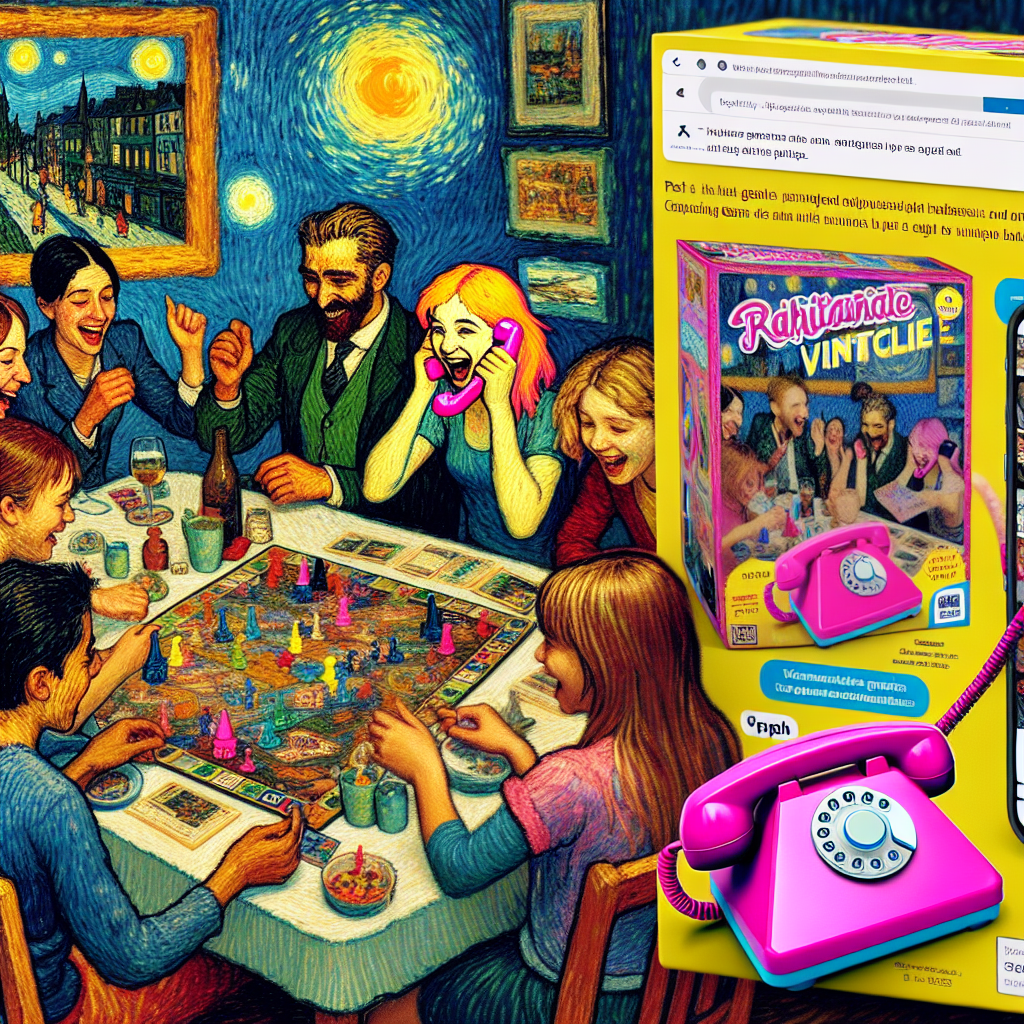
When it comes to breaking into the world of strategy board games, many folks find themselves staring at a shelf full of boxes, each adorned with intricate artwork and promising hours of engaging gameplay. But let’s be honest. It can be a bit intimidating, especially when the words “worker placement” and “engine building” start floating around like confetti at a debutante ball. Fear not, for the realm of strategy board games holds plenty of gems that are perfectly suited for novice players.
First off, let’s set the scene: you’re gathered around a table with friends or family, and the last thing you want is for the mood to be sucked dry by rules heavier than the weight of a grizzly bear. This is where games like *Catan* and *Ticket to Ride* come into play. These titles are like the friendly bouncers at a club – they manage to keep things fun while gently introducing you to what makes strategy gaming tick. In *Catan*, you’ll be trading resources and building settlements, all while trying to monopolize those precious wheat and ore. It’s simple to learn, yet deep enough to keep you engaged.
Next up, let’s talk about *Carcassonne*. It’s like watching a landscape unfold right before your eyes, where players take turns laying tiles to build cities, roads, and fields. The beauty lies in its straightforward mechanics, allowing you to jump right in without feeling like you need an engineering degree to enjoy it. That’s the sweet spot: a game that doesn’t require an encyclopedia-sized rulebook but still gets those strategic gears turning.
For those who fancy a bit of a cooperative twist, *Pandemic* is the one to beat. It’s perfect for beginners because everyone’s on the same side, working together as you strive to save the world from global outbreaks. This not only softens the competitive edge that can sometimes sour a game night but also emphasizes the importance of teamwork and strategic thinking.
Finally, if you’re itching for something with a bit more narrative flair, try *Flash Point: Fire Rescue*. Here’s a game where you’re firefighters dashing into a blazing inferno, working together to save victims and keep the fire from spreading. It’s an exhilarating experience that weighs heavily on collaboration, and honestly, who doesn’t enjoy a bit of heroics?
So fear not, intrepid gamer. The world of strategy board games is not just for the pros and the seasoned veterans. With the right selections, you can dive headfirst into this captivating hobby and enjoy every moment of it—one roll of the dice or card flipped at a time.
Are There Strategy Board Games For Beginners?
Are There Strategy Board Games For Beginners?
- The world of strategy board games can be intimidating for beginners.
- Games like Catan and Ticket to Ride offer easy entry points while keeping gameplay fun.
- Catan involves trading resources and building settlements, appealing to players with its simplicity and depth.
- Carcassonne allows players to build landscapes through tile-laying, featuring straightforward mechanics.
- Pandemic introduces cooperative gameplay, encouraging teamwork to combat global outbreaks.
- Flash Point: Fire Rescue adds a narrative element where players act as firefighters collaborating to save victims.
- With the right game choices, even novices can engage in the captivating hobby of strategy board gaming.
Are There Strategy Board Games For Beginners?
What Is The Average Playtime For Strategy Board Games?
When you sit around the table for a good old-fashioned strategy board game, you’re not just passing the time, you’re diving into a world of tactics, decision-making, and sometimes downright cerebral warfare. But as any seasoned tabletop warrior will tell you, strategy games come with a unique beast of a clock. So, how long does the average game last? Well, strap in folks, because the answer is a bit more nuanced than you might think.
On one end of the spectrum, you’ve got the lighter fare—games like “Carcassonne” or “Ticket to Ride.” These titles are designed for quick setup and quick plays—think around 30 to 60 minutes. They’re the friendly neighbors of the game night lineup, welcoming one more player without a second thought and giving you a satisfying experience in a short burst. You can play one, take a breather, and maybe even fit in a second round before dessert.
Now, let’s shift gears to the heavier artillery. Games like “Twilight Imperium” and “Gloomhaven” are the deep-sea fishing expeditions of the board game world. They can span anywhere from three to six hours—or even longer, if your table’s got a particularly chatty bunch. Just think of it: you can lose yourself in sprawling galaxies or intricate dungeons for an entire evening, and all the while that clock is ticking. These games aren’t just played; they’re experienced. You emerge from the battlefield (or the coffee table) with a sense of camaraderie—or perhaps a healthy dose of rivalry—depending on how the chips fell.
Most strategy games, hanging out in the middle of this spectrum, usually call for around 60 to 120 minutes of your life. Quite the commitment, but not so daunting that you feel like you’re gearing up for a marathon. Games like “Catan” or “7 Wonders” fall nicely into this category, providing meaty, engaging gameplay that allows for strategic depth while still leaving enough time for dessert, or at least a chat about how you totally should have seen that move coming.
So, the average playtime for strategy board games really varies, but that’s part of the charm. Whether you’re in for a quick skirmish or an epic clash, there’s a strategy game waiting with just the right clock. And isn’t that why we love them? Each game offers its own unique timeline—one where friends gather, rivalries bloom, and stories unfold. Welcome to the table!
What Is The Average Playtime For Strategy Board Games?
What Is The Average Playtime For Strategy Board Games?
- Strategy board games provide a blend of tactics, decision-making, and intellectual challenge.
- Lighter games like “Carcassonne” and “Ticket to Ride” typically last 30 to 60 minutes.
- These lighter games are easy to set up and can accommodate more players without hassle.
- Heavier games such as “Twilight Imperium” and “Gloomhaven” can take 3 to 6 hours or longer.
- Middle-range games like “Catan” and “7 Wonders” usually require 60 to 120 minutes to play.
- The varied playtimes of strategy games enhance their appeal and adaptability to different preferences.
- Each game brings unique experiences, fostering friendships, rivalries, and memorable stories.
What Is The Average Playtime For Strategy Board Games?
How Do You Choose The Right Strategy Board Game For You?
Choosing the right strategy board game can feel a bit like picking the perfect tool for a job. You want something that not only gets the job done but also sparks joy, invites camaraderie, and challenges your intellect. So, if you find yourself wandering the aisles of your local game store, here are some pointers to guide your selection process.
First, consider your audience. Are you playing with seasoned strategists who revel in the intricacies of complex gameplay? Or are you gathering friends and family who might appreciate a lighter touch? Understanding the experience level of your companions is crucial. A game that’s too complex can lead to confusion and frustration, while a game that’s too simple might leave seasoned gamers yawning.
Next, think about the amount of time you’re willing to invest. Some strategy games can stretch on for hours, while others can provide a fulfilling experience in just under an hour. If your group is pressed for time or if you’re the sort who usually finds yourself on a tight schedule, look for games that offer depth without stretching out too long.
Theme also matters. Are you drawn to medieval kingdoms, intergalactic trade routes, or perhaps the mystery of ancient civilizations? The theme sets the tone and can heavily influence your emotional engagement with the game. Everyone has their preferences; a pirate adventure may ignite the imaginations of one group while another revels in the tension of a Cold War standoff.
Don’t overlook the mechanics. Each game has a unique way of playing—turn-based play, worker placement, resource management. Understanding these mechanics will help you find a game that not only suits your interests but feels comfortable in execution. Many people have preferences; some may enjoy direct confrontation with opponents, while others prefer cooperative strategies.
Lastly, don’t forget to read the reviews and watch gameplay videos. The internet is a treasure trove of resources, giving you a chance to peek into the game before you commit. Customer feedback can provide insight into the game’s longevity and replay value.
Remember, the right strategy board game is about more than just winning; it’s about the connections you build and the joy of the challenge. Choose wisely, and may the odds be ever in your favor.
How Do You Choose The Right Strategy Board Game For You?
How Do You Choose The Right Strategy Board Game For You?
- Choosing the right strategy board game should spark joy, foster camaraderie, and challenge intellect.
- Consider your audience’s experience level; complex games can frustrate, while simple games may bore seasoned players.
- Evaluate the time commitment; some games take hours, while others provide fulfilling experiences in under an hour.
- Themes are important; they can influence emotional engagement, with preferences varying across pirate adventures, medieval kingdoms, etc.
- Understand game mechanics such as turn-based play, worker placement, or resource management to find a comfortable fit.
- Research reviews and watch gameplay videos to gain insights into a game’s longevity and replay value.
- The right game is about connections and enjoyment, not just winning; choose wisely for a fulfilling experience.

How Do You Choose The Right Strategy Board Game For You?
What Should You Consider When Buying A Strategy Board Game?
When it comes to selecting the perfect strategy board game, there’s a lot more at play than just plucking the shiniest box off the shelf. It’s akin to finding a reliable toolbox for a DIY project; you want to ensure you have the right instruments to craft an unforgettable experience. So, let’s break down what you should consider before diving headfirst into the world of board games.
First and foremost, think about the gameplay mechanics. Each game can vary widely in complexity—some are straightforward, while others demand strategic thinking and meticulous planning. If you’re bringing in a mix of friends and family, it pays to know your audience. Are you introducing novice players? Look for games that are accessible without being overly simplistic. On the flip side, if you’re among seasoned strategists, consider those deeper, more intricate titles that can spark fierce competition and clever tactics.
Next, consider the player count and compatibility. Some games shine with small groups, while others thrive in larger environments. Check the game’s recommended player count and ensure it aligns with your usual gaming crew. Also, don’t overlook the duration of gameplay. Some people love an epic four-hour battle of wits, while others just want a quick half-hour affair. Yes, we know that time is precious, and you don’t want a commitment that stretches past your bedtime!
Let’s talk about themes and art. The aesthetic of a board game can greatly enhance the experience. Whether it’s the vibrant artwork or the rich narrative, a well-crafted theme can galvanize players and draw them into a world of strategy and suspense. So, how does the theme resonate with you and your group? If it captivates your imagination, chances are it’ll translate to a memorable night around the table.
Don’t forget to read reviews and watch gameplay videos. There’s nothing like hearing from others who’ve battled through the game you’re contemplating. Their insights can shed light on potential pitfalls, the learning curve, and whether it’s genuinely fun.
Last but not least, consider your budget. There are fantastic options at all price points, but don’t feel pressured to spend excessively. Sometimes the best games are those unassuming boxes at the local game store or the ones you’ve never heard of.
In sum, choosing a strategy board game demands a thoughtful approach. Reflect on your player group, consider gameplay mechanics, explore themes, read reviews, and keep an eye on the budget. With these factors in mind, you’ll be well on your way to creating countless memorable game nights!
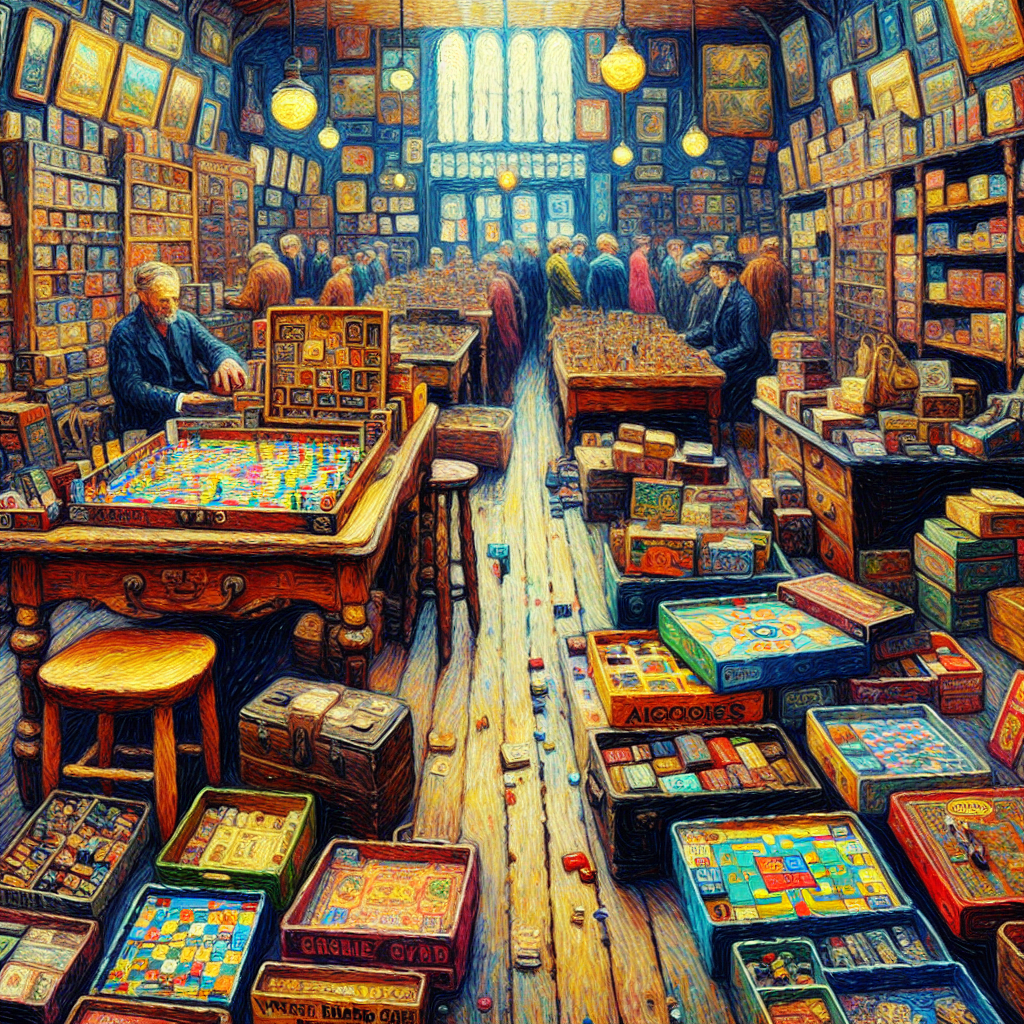
What Should You Consider When Buying A Strategy Board Game?
What Should You Consider When Buying A Strategy Board Game?
- Choosing a strategy board game involves careful consideration, much like selecting the right tools for a DIY project.
- Gameplay mechanics vary in complexity; choose games based on the experience level of your group—novices may prefer accessible games while seasoned players may enjoy intricate titles.
- Consider the recommended player count and how well it fits with your regular gaming group.
- Game duration is important; ensure it aligns with your group’s preferences—some may want a quick game while others might enjoy longer sessions.
- Themes and art can significantly enhance the gaming experience; choose a game with a theme that resonates with your group.
- Reading reviews and watching gameplay videos can provide valuable insights into the game’s fun factor and learning curve.
- Keep your budget in mind; great games can be found at various price points without overspending.

What Should You Consider When Buying A Strategy Board Game?
Are There Cooperative Strategy Board Games Available?
When you think about board games, you might picture a tense battlefield where players schemingly plot one another’s downfall, but let’s shift gears for a moment. Imagine a table bustling with laughter, teamwork, and a shared mission; that’s where cooperative strategy board games come into play. These gems of the tabletop realm allow players to join forces rather than face off against each other.
Think of cooperative games as a collective workout for your strategic thinking. You’re not just stacking tokens or rolling dice; you’re collaborating—feeling the thrill of triumph or the agony of defeat as a unified group. The objective? To beat the game itself. It’s a refreshing twist on the traditional gaming scene, making it an appealing choice for families, friends, and even coworkers looking to build connections outside the office.
So, what’s out there, you might wonder? Well, the market is glowing with a plethora of cooperative strategy games, and the variety is truly astounding. “Pandemic,” for example, invites players into a harrowing race against time to stop global outbreaks of disease. You won’t simply strategize for your own survival; you must communicate, plan, and execute joint decisions as you work to save humankind.
Want something a little more epic? Try “Gloomhaven.” It’s the kind of game that offers players a sprawling fantasy world ripe for exploration, with intricate tactical challenges. Cooperation is key as you all step into the roles of adventurers, strategizing your moves to navigate treacherous encounters and uncover secrets. Bring your thinking caps, folks; this one will test your wits as a team, and the payoff is nothing short of exhilarating.
And don’t forget about “Spirit Island,” where you’ll embody powerful nature spirits defending their island from colonizers. Each spirit has unique abilities, requiring you to share insights and adapt strategies to protect your home. It’s a rich, immersive experience that teaches unity through adversity.
But wait, there’s more! From “Forbidden Island” to “Mansions of Madness,” each game brings its distinct flavor and challenges. The beauty lies in the journeys these games lead you on—together. So gather your friends, roll up your sleeves, and dive into the world of cooperative strategy board games. After all, teamwork is where the magic happens, and the victories are always sweeter when celebrated as a team.
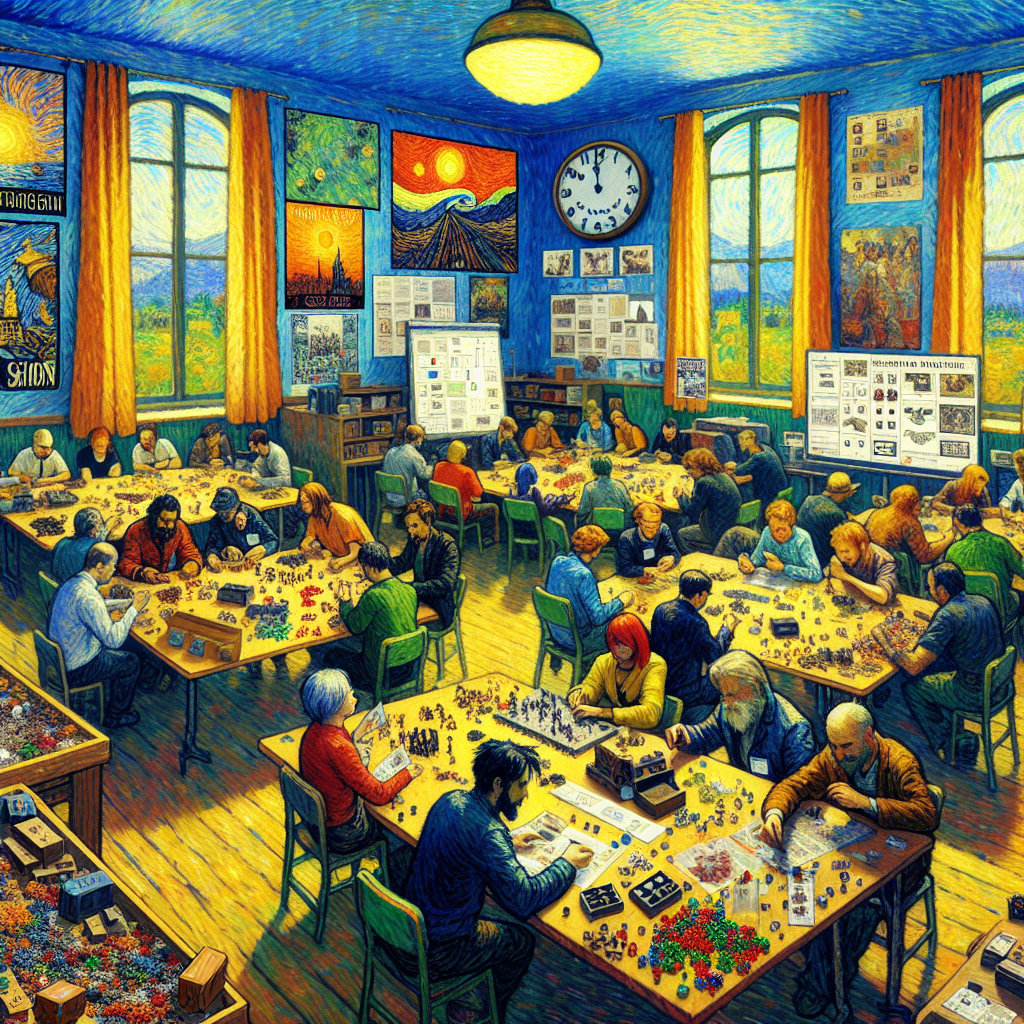
Are There Cooperative Strategy Board Games Available?
Are There Cooperative Strategy Board Games Available?
- Cooperative strategy board games offer a fun alternative to traditional competitive games.
- Players work together toward a common goal, enhancing social connections and teamwork.
- These games challenge strategic thinking through collaboration and joint decision-making.
- Popular titles include “Pandemic,” where players must stop global disease outbreaks.
- “Gloomhaven” offers an expansive fantasy world with intricate tactical challenges requiring teamwork.
- “Spirit Island” allows players to embody nature spirits defending their island from colonizers.
- There is a wide variety of cooperative games, each providing unique experiences and challenges.
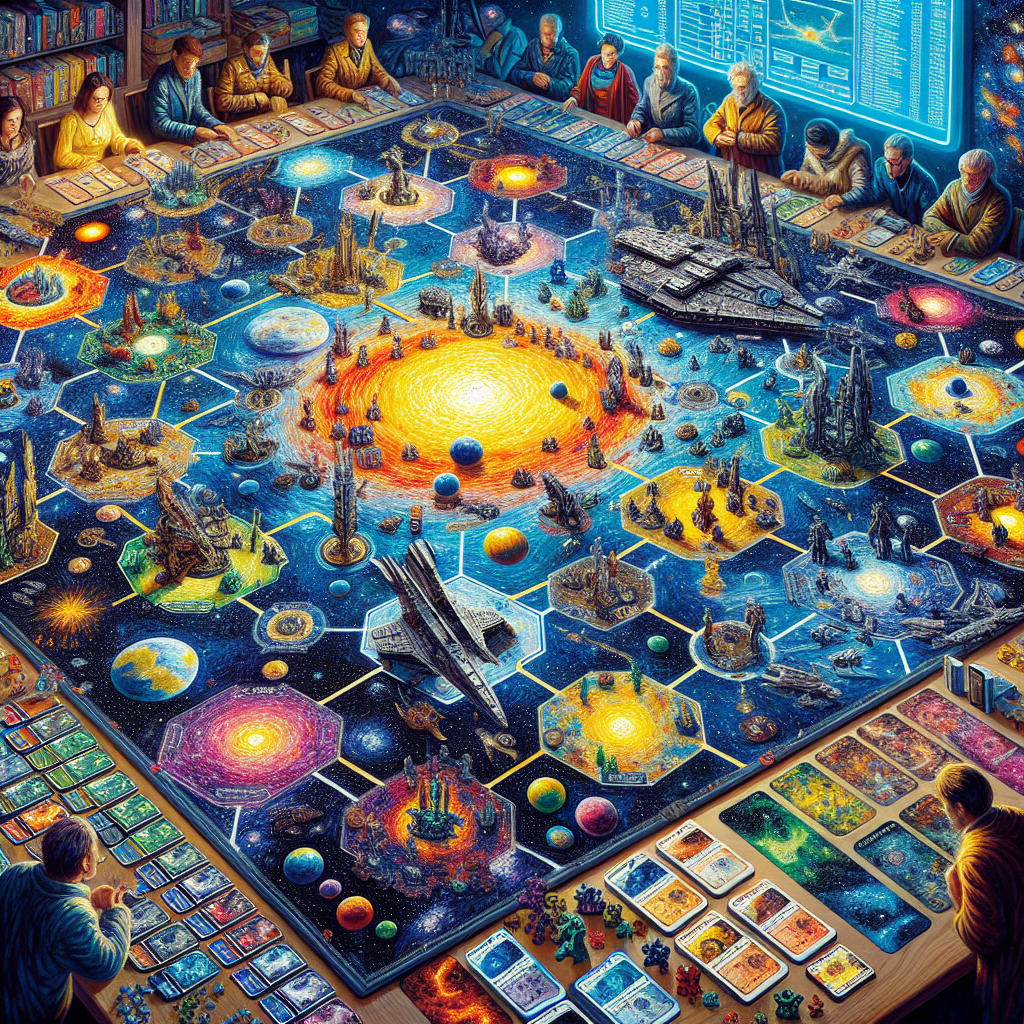
Are There Cooperative Strategy Board Games Available?
How Do Expansion Packs Enhance Strategy Board Games?
When it comes to strategy board games, expansion packs are like a shot of espresso for your game night—unexpected, invigorating, and packed with power. These expansions don’t just add bells and whistles; they fundamentally transform how you approach your favorite games. If you’re a casual player, you might wonder what all the fuss is about. Let’s break it down.
First off, expansion packs inject fresh life into games that may have become familiar, even stale. Take a game like “Catan.” After a few rounds of trading wood and sheep, you might find yourself in a rut, building the same roads and settlements in predictable patterns. Now, toss in an expansion that introduces new resources and mechanics, like “Catan: Cities & Knights.” Suddenly, those wood pieces you once hoarded take on new significance. Complex strategies arise, and every turn feels like a new challenge instead of a rerun.
But it’s not just about shaking things up; it’s also about layering depth. Many expansions introduce new factions, abilities, or goals that deepen the strategic choices players must make. Imagine playing “7 Wonders.” The base game is fantastic, but add an expansion, and you suddenly have new civilizations and strategies that can turn the tide of the game in unexpected ways. You’re not just collecting resources anymore; you’re thinking two or three steps ahead, engaging not just with the game, but with every player at the table in a thrilling dance of tactics.
And let’s not overlook the social aspect. Expansions often offer alternative ways to play, accommodating more players or introducing new game modes. Want to crowd your table with friends? An expansion may allow you to invite a few more players into the fray, changing the dynamics entirely. You’ll experience camaraderie and competition in a whole new light. Lively discussions become part of the game as alliances shift and new threats emerge; friendships may be tested, and rivalries will inevitably bloom.
In short, expansion packs are more than just extra pieces in a box. They’re like the secret sauce that elevates a dish from ordinary to extraordinary. By enhancing the gameplay, introducing new strategies, and bringing players together in fresh ways, expansions ensure that your strategy board games remain engaging, exciting, and endlessly replayable. So, if your game shelf is looking a little too comfortable, don’t hesitate to spice things up with an expansion. You’ll thank yourself when game night feels like a whole new adventure.
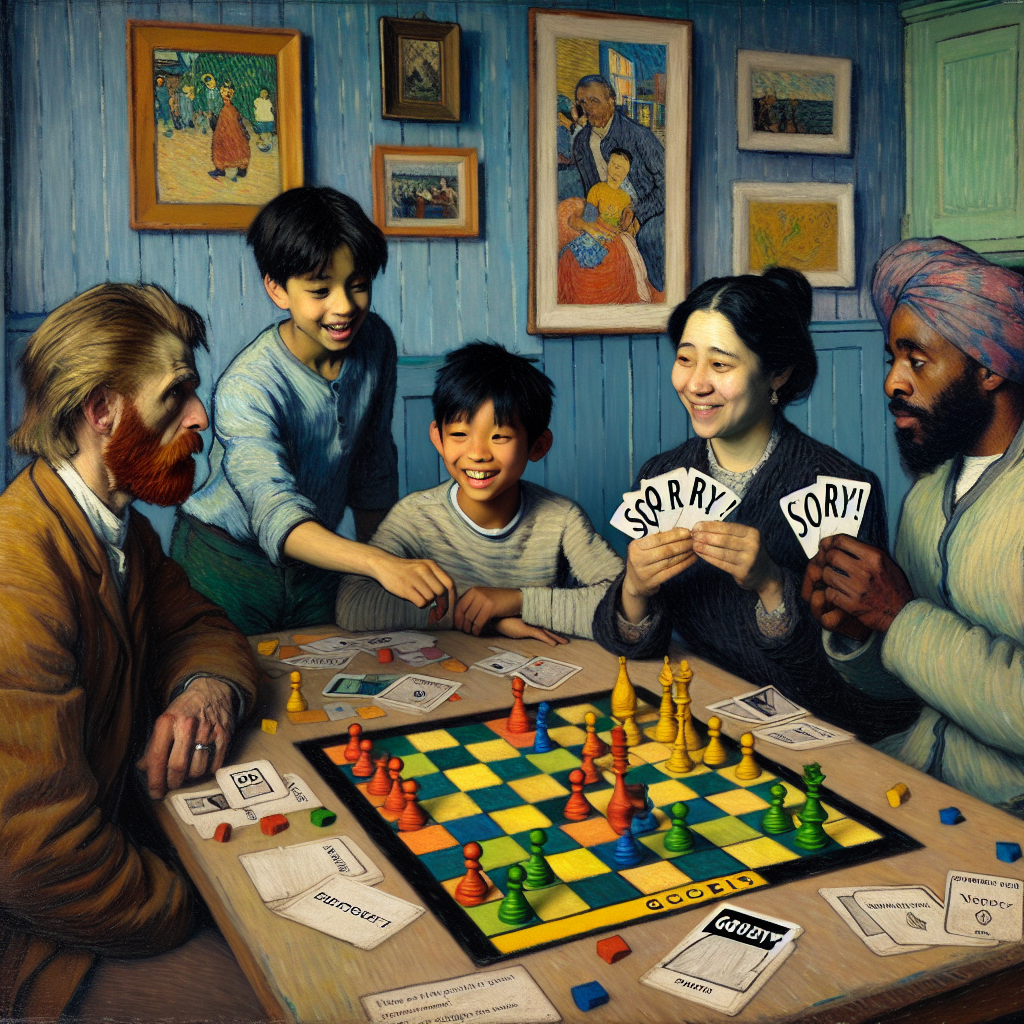
How Do Expansion Packs Enhance Strategy Board Games?
How Do Expansion Packs Enhance Strategy Board Games?
- Expansion packs for strategy board games provide a refreshing and invigorating experience.
- They can revitalize familiar games, such as “Catan,” by introducing new resources and mechanics.
- Expansions add complexity and depth through new factions, abilities, and goals.
- They enhance strategic choices, allowing players to think multiple steps ahead.
- Expansions often accommodate more players, changing game dynamics and fostering social interaction.
- They create opportunities for camaraderie and competition, with shifting alliances and rivalries.
- Overall, expansion packs elevate gameplay, ensuring that board games remain engaging and replayable.

How Do Expansion Packs Enhance Strategy Board Games?
What Role Does Player Count Play In Strategy Games?
When it comes to strategy games, player count can change the battlefield in profound ways, much like varying the ingredients in a recipe alters the final dish. Whether you’re pitting your wits against a handful of opponents or coordinating with a legion of players, the dynamics shift with each additional participant.
Imagine a classic turn-based strategy game, where each player takes their time plotting their next move. With just a few players, the pace is contemplative, the strategies deep, and the room for thoughtful discussions is vast. It’s like a quiet chess match in a sun-dappled park, where every move is weighed carefully, and the tension is palpable. You engage with your opponents, forging alliances, scheming behind the scenes, and executing well-laid plans in a measured manner. The fewer the players, the more significant the individual contributions feel, transforming the game into an intricate dance of wit and anticipation.
Now, throw a dozen players into that mix and suddenly, the scene resembles a bustling marketplace. There’s energy, chaos, and a cacophony of thoughts bouncing around like pinballs. In large-scale strategy scenarios, the game becomes less about individual brilliance and more about collective effort. Players must learn to navigate through the noise, focusing not just on their own strategy but also on the myriad movements of others. Here, the alliances may be fleeting, built on the ever-shifting sands of circumstance. Teamwork and diplomacy take center stage, where constantly assessing the landscape is essential.
Moreover, player count also affects the gameplay mechanics and available strategies. With more participants, the resources become scarce, the competition intensifies, and the stakes are raised. Players are often forced into a more aggressive posture, token trades become currency, and strategic deception may be your best ally. The larger the group, the more room there is for unexpected moves; a single clever maneuver can shift the tide of battle dramatically.
Ultimately, player count is not merely a logistical concern but a fundamental aspect that shapes the strategy, pace, and emotional resonance of the game. It can transform an ordinary match into a complex web of interactions, where friendships are forged, rivalries ignited, and stories woven in the heat of competition. Whether you prefer the intimacy of a few or the noisy excitement of many, the number of players is the invisible hand that can elevate your strategy gaming experience to new heights.

What Role Does Player Count Play In Strategy Games?
What Role Does Player Count Play In Strategy Games?
- Player count in strategy games significantly alters gameplay dynamics, similar to changing recipe ingredients.
- Fewer players create a contemplative, strategic environment akin to a quiet chess match, promoting deep discussions and thoughtful moves.
- With more players, the game transforms into a chaotic, energetic atmosphere resembling a bustling marketplace.
- In larger games, focus shifts from individual skill to collective effort, requiring players to navigate through a cacophony of strategies.
- Increased player counts complicate gameplay mechanics, leading to scarcity of resources and heightened competition.
- Players are often pushed into aggressive tactics, with strategic deception and clever moves becoming vital to success.
- Overall, player count influences the strategy, pace, and emotional impact of the game, enhancing the gaming experience.
What Role Does Player Count Play In Strategy Games?
How Do Strategy Games Promote Critical Thinking?
When it comes to sharpening the ol’ mental toolkit, strategy games are akin to a well-worn pair of work boots: they may not always look flashy, but they get the job done. Diving into a strategy game is like stepping into a workshop filled with tools designed to fine-tune your brain’s capacity for critical thinking. With every move you make on the virtual battlefield or during your turn at the table, you must filter through a whirlwind of choices, consequences, and potential outcomes that can either lead to glorious victory or crushing defeat.
Let’s break it down. In a typical strategy game, you’re often placed in a complex scenario where resources are limited, and time is of the essence. You can’t just charge in guns blazing or toss coins and hope for the best. Nope, you need to think a few steps ahead. Your decisions have ripple effects. Every action could spawn a series of reactions that could either bolster your position or leave you vulnerable.
Think of it this way: when you’re commanding an army or managing a kingdom, you must evaluate the terrain, gauge your opponent’s strengths, and continually adapt your strategies to suit the ever-changing circumstances. This constant evaluation mirrors real-life situations where you have to weigh options and think critically about outcomes. You learn to analyze data, assess risks, and even outsmart an opponent—all without the pressure of real-world stakes.
Moreover, strategy games often require collaborative thinking. Whether it’s with teammates or negotiating with adversaries, you’re thrust into social dynamics that require effective communication and shared problem-solving. These interactions help build your ability to articulate thoughts clearly while also honing your capacity to listen and adapt to other perspectives.
And let’s not forget about failure—an essential part of the strategy experience. Losing a game stings, but it’s a potent teacher. You’re compelled to reflect on what went wrong and how you can revise your approach next time. This cycle of trial and error is a cornerstone of critical thinking; it encourages resilience, adaptability, and growth.
In essence, strategy games don’t just entertain; they arm you with invaluable skills that extend far beyond the screen or the game board. So the next time you find yourself engrossed in a battle of wits, remember: the skills you’re honing aren’t just for games—they’re essential tools for tackling the challenges of everyday life.
How Do Strategy Games Promote Critical Thinking?
How Do Strategy Games Promote Critical Thinking?
- Strategy games sharpen critical thinking skills, functioning like reliable tools for mental sharpening.
- Players face complex scenarios with limited resources and time, requiring strategic planning and foresight.
- Decisions in strategy games create ripple effects, highlighting the consequences of actions in a controlled environment.
- Games encourage evaluating variables such as terrain and opponents’ strengths, mirroring real-life critical analysis.
- Collaborative thinking is fostered, emphasizing effective communication and problem-solving skills in social dynamics.
- Failure is a significant aspect of strategy games, promoting reflection, resilience, and continuous improvement.
- The skills gained from strategy games transcend entertainment, equipping players with tools for real-life challenges.
How Do Strategy Games Promote Critical Thinking?
Conclusion
As we culminate this exploration of strategy board games, it’s clear we’re not just talking about a casual night of fun with friends. No, these games serve as battlegrounds of intellect, where cunning strategies, decision-making prowess, and social skills collide. From classic heavyweights like Chess and Risk to modern titans such as Catan and Gloomhaven, these games challenge players to think ahead, adapt, and sometimes throw a curveball when least expected.
Every roll of the die or placement of a piece offers a chance to sharpen critical thinking skills, coaxing you to analyze the choices laid before you and anticipate others’ moves. It’s not merely a matter of luck, either; strategic gameplay demands that players engage, negotiate, and collaborate—or conspire—against one another. You learn to read the room, forming alliances and rivalries that can change on a dime, mirroring the unpredictable nature of real-life interactions.
Whether you’re elbow-deep in resource management in Catan or feverishly fighting a global pandemic alongside your comrades, these games create an avenue for social connection that taps into the core of human nature. They remind us to gather, face off, bond, and sometimes even bicker—because what’s friendship without a little friendly competition?
And let’s not forget the adaptability required amidst player count changes. A table packed with friends shifts the atmosphere entirely, making your tactics, alliances, and strategies dance in ways you couldn’t imagine with a smaller group. This versatility speaks volumes about how strategy games reflect real-life scenarios—collaboration and quick thinking reign when you’re up against the numbers.
So, the next time the game night invitation comes around, remember that diving into a strategy board game is not just about claiming victory. It’s about stepping onto a stage where every decision counts, and every mistake provides a lesson, all while building relationships that transcend the tabletop. Dust off that game shelf, gather your friends, and prepare for an intellectual showdown. Whether you win or lose, the experience is what truly counts—with stories, laughter, and perhaps a few hard-fought rivalries to boot. Welcome to the world of strategy board games, where every move, every strategy, and every interaction is an adventure waiting to unfold.

Conclusion
Conclusion:
- Strategy board games are battlefields of intellect, involving critical thinking, decision-making, and social skills.
- Classic games like Chess and Risk, along with modern games such as Catan and Gloomhaven, challenge players to think ahead and adapt.
- Every action in these games sharpens critical thinking and requires anticipation of opponents’ moves.
- Strategic gameplay encourages engagement, collaboration, negotiation, and adaptation to shifting social dynamics.
- These games facilitate social connections, allowing players to bond, compete, and navigate alliances and rivalries.
- Player count affects the game experience, highlighting the need for adaptability in tactics and strategies.
- Playing strategy board games is about more than winning; it enriches relationships and creates memorable experiences.
Conclusion
Other Resources
Other Resources
Here is a list of other resources you can review online to learn more:
- 20 Best Strategy Board Games Of All Time Ranked – Looper
- 15 Strategy Board Games You’ll Love (and Where to Get Them) – Reader’s Digest
- The best strategy board games – Wargamer
- Strategy game – Wikipedia
- The 10 Best Strategy Board Games For Adults – Bustle
Other Resources
Glossary Terms
What Are Some Examples Of Strategy Board Games? – Glossary Of Terms
1. Abstract Strategy: A genre of board games that emphasize strategic decision-making without relying heavily on chance or luck.
2. Area Control: A game mechanic where players compete for dominance over specific regions on the game board.
3. Action Points: A system where players have a limited number of points to spend on actions during their turn.
4. Bluffing: A strategy where players deceive their opponents about the true state of their hands or intentions.
5. Card Drafting: A mechanic where players select cards from a shared pool, often leading to strategic decision-making as they build their hand.
6. Cooperative Game: A type of game where players work together towards a common goal, rather than competing against each other.
7. Deck-Building: A game mechanism where players build and customize their decks of cards as part of gameplay, often using cards acquired during the game.
8. Economic Strategy: Games focusing on resource management, trade, or economic development as the primary means of victory.
9. Endgame: The phase of the game that occurs after the main objectives have been pursued and players are nearing victory conditions.
10. Expansion: Additional content for a board game that introduces new rules, components, or scenarios, increasing replayability.
11. Factions: Distinct groups within a game that often have unique abilities, strengths, and weaknesses, influencing strategy.
12. Hex Grid: A board layout using hexagonal tiles, facilitating more complex movement and positioning strategies.
13. Victory Points: Points earned through various actions in a game that contribute to winning; the player with the most points typically wins.
14. Modular Board: A game board made up of interchangeable tiles or sections that provide varied layouts each time the game is played.
15. Pawns: Tokens representing players’ pieces in a game; often used to denote movement and control of territory.
16. Resource Management: Mechanic where players collect, trade, and utilize resources effectively to develop strategies and achieve objectives.
17. Social Deduction: A game type that requires players to deduce the identities and intentions of other players through social interaction.
18. Take That Mechanics: Elements where players can take actions that negatively affect opponents, enhancing competition and player interaction.
19. Tile Placement: A game mechanism where players place tiles to build upon their board or influence the game state.
20. Two-Player Strategy: Games designed specifically or effectively for two players, emphasizing direct competition and strategic depth.
21. Turn Order: The predefined sequence in which players take their actions; can greatly influence strategy and decision-making.
22. Worker Placement: A mechanic where players assign workers to specific tasks or locations in order to acquire resources or accomplish objectives.
23. Hidden Movement: A game where one player moves secretly, and others must deduce their location through limited information.
24. Scenarios: Specific setups or conditions under which a game is played, often providing unique challenges or goals.
25. Victory Conditions: The specific requirements that players must achieve to win the game, which can vary widely depending on the game.
26. Strategic Depth: The complexity and variety of meaningful choices in a game that can lead to diverse outcomes based on player decisions.
27. Thematic Elements: Story or context that enriches gameplay, providing players with an immersive experience through setting and narrative.
28. Clutch Moments: Critical points in the game where decisive actions or strategies can significantly alter the outcome.
29. Game Balance: The concept of fairness within a game, ensuring that no single strategy, faction, or player is overwhelmingly dominant.
30. Replayability: The ability of a game to provide unique experiences upon repeated playthroughs, often due to varying strategies or outcomes.
Glossary Of Terms
Other Questions
What Are Some Examples Of Strategy Board Games? – Other Questions
If you wish to explore and discover more, consider looking for answers to these questions:
- What are the most beginner-friendly strategy board games?
- How do you host a strategy board game night?
- What skills do children develop through strategy board games?
- Are there online platforms to play strategy board games?
- How can strategy board games help with team building in a corporate setting?
- What makes a strategy board game a classic?
- Are there strategy board games designed specifically for two players?
- How do you manage player conflict during a strategy board game?
- What strategies can improve your chances of winning in popular games?
- Can strategy board games be played solo?
Other Questions
Haiku
What Are Some Examples Of Strategy Board Games? – A Haiku
Gather ’round the board,
Cunning minds clash, tales unfold—
Strategy and friends.
Haiku
Poem
What Are Some Examples Of Strategy Board Games? – A Poem
A Game of Wits
Gather ’round the table, friends converge,
In the realm of strategy where thoughts emerge.
Not just for fun, but a challenge anew,
Crafting alliances, and rivalries too.
Catan’s rich lands, where resources are traded,
Build roads and cities, your fortunes debated.
Ticket to Ride unfolds with routes to claim,
A railway tycoon’s thrilling, tactical game.
In Risk, continents call, as empires collide,
Trust hangs by a thread, in battles, confide.
While Pandemic’s pressure ignites team strive,
United to heal, ensuring we thrive.
Wits sharpen like pawns on a checkered domain,
Every decision ranked, a strategic campaign.
From chess masters plotting, to Go’s ancient fight,
Each piece holds a story beneath dimming light.
The thrill of a challenge, the joy of a win,
Amid laughter and banter, let the games begin.
For each roll of dice and play of a card,
Sparks of connection, both vibrant and hard.
Cooperative games rise, forging bonds tight,
With teamwork our weapon, we conquer the night.
Gloomhaven awaits, with quests to explore,
Together we face what we’re fighting for.
So choose your next battle, take heed to the crowd,
In games filled with strategy, play bold, play loud.
Each session a story, with memories to share,
In the heart of the game, find connection laid bare.
Poem
Checklist
What Are Some Examples Of Strategy Board Games? – A Checklist
Preparing for Your Next Game Night
1. Gather Required Materials
_____ Ensure you have the board game(s) you plan to play.
_____ Gather all necessary components (cards, tokens, dice, etc. ).
2. Check the Rules
_____ Read or review the game rules before game night.
_____ Consider watching a video tutorial for visual guidance.
3. Set Up Your Game Space
_____ Choose a clean, spacious, and well-lit area to play.
_____ Arrange a large enough table to accommodate the game components.
4. Gather Your Players
_____ Decide on the number of players—check player limits for the games you’ll play.
_____ Consider the skill levels of each player (novice vs. veteran).
5. Allocate Time for Play
_____ Estimate the average playtime for each game (30-120 minutes or up to several hours).
_____ Consider scheduling breaks, especially for longer games.
Choosing the Right Game
6. Identify Game Genres
_____ Decide if you want competitive, cooperative, or a mix of both.
_____ Consider the theme (science fiction, fantasy, historical, etc. ) that appeals to your group.
7. Assess Complexity Level
_____ Choose games that match the experience level of your players (beginner vs. advanced).
_____ Look for games with simple mechanics to ease newcomers into strategy elements.
8. Incorporate Expansion Packs
_____ If you love a game, consider exploring expansion packs to enhance your experience.
_____ Test and discuss what expansions might add depth without overwhelming new players.
Enhancing the Experience
9. Focus on Player Interaction
_____ Encourage communication and collaboration among players, especially in cooperative games.
_____ Foster a friendly competitive spirit to enhance engagement.
10. Prepare Snacks and Drinks
_____ Stock up on snacks and drinks to keep energy levels high.
_____ Consider arranging items so they don’t interfere with the game setup.
Post-Game Reflections
11. Debrief with Players
_____ Discuss what strategies worked and what didn’t.
_____ Talk about memorable moments and decisions from the game.
12. Gather Feedback for Next Game Night
_____ Ask players what they liked or disliked about the games played.
_____ Use feedback to choose future games and improve the experience.
Additional Skills Development
13. Cultivate Critical Thinking
_____ Reflect on your decision-making process during the game.
_____ Discuss how the game strategies can be applied in real-life scenarios.
14. Strengthen Communication Skills
_____ Note how effectively players expressed their strategies and negotiated in-game situations.
_____ Encourage players to articulate ideas during discussions—this practice can benefit everyday interactions.
15. Practice Resilience and Adaptability
_____ Remind everyone that losing is part of the game, encouraging them to learn from mistakes.
_____ Discuss the importance of adapting strategies based on opponents’ moves and changing dynamics.
Use this checklist to prepare for and enrich your strategy board gaming experience, fostering deeper connections and improving critical skills along the way! Enjoy your game night!
Checklist
At BestBoardGameNews, we help people who love board games by collating information and news about board games.
Be sure to read our other related stories at BestBoardGameNews to learn more about board games.