Unleash Your Imagination With Storytelling Board Games
By Tom Seest
At BestBoardGameNews, we help people who love board games by collating information and news about board games.
Be sure to read our other related stories at BestBoardGameNews to learn more about board games.
What Are Storytelling Board Games?
When you think of board games, you might picture rolling dice, moving pieces around a colorful board, or perhaps battling it out over snacks and bragging rights. But there’s a whole other realm of board gaming that invites players to weave tales, build worlds, and experience narratives in a way that traditional games simply can’t touch. Enter storytelling board games — where fun meets imagination in a dance of creativity and collaboration.
At their core, storytelling board games are about crafting narratives together. They invite players to take the spotlight, encouraging everyone around the table to contribute to a shared story. Some games provide a structured framework, offering prompts or scenarios that guide the narrative. Others enable players to develop characters and scenarios entirely from their own minds. Make no mistake: this isn’t just about winning or losing. It’s about the journey you take with your fellow players, and the unexpected twists and turns that come along with it.
Take games like “Gloom,” for instance, where you’re not just trying to win — you’re trying to tell the story of your characters’ tragic lives in the most entertaining way possible. Or consider “Dread,” which uses a Jenga tower to build suspense and tension, requiring players to navigate a horror narrative that evolves with each carefully pulled block. These games create a thrilling blend of strategy and storytelling, where the mechanics work hand in hand with your imagination.
One of the most intriguing aspects of storytelling board games is their ability to foster connection and camaraderie among players. In a world saturated with screens and distractions, gathering around a table to craft a narrative encourages meaningful conversations and sparks genuine laughter. Who hasn’t found themselves bonding over a ridiculous plot twist, or rallying the troops to save the day against insurmountable odds?
Additionally, these games can serve as a fantastic introduction to role-playing for those hesitant to dive into more extensive tabletop RPGs. They strip away some complexities, allowing new players to dip their toes in without diving headfirst into a pool filled with rules and backstories.
So, whether you’re an experienced gamer or someone looking to have a creative outlet with friends, storytelling board games are an enticing option — an invitation to buckle up and embark on a narrative journey that makes every gathering a unique adventure. Grab a game, gather your crew, and let the stories unfold.
What Are Storytelling Board Games?
What Are Storytelling Board Games?
- Storytelling board games focus on crafting narratives collaboratively among players.
- They encourage creativity and imagination, moving beyond traditional board game mechanics.
- Games often provide structured prompts or allow players to create stories from scratch.
- Examples like “Gloom” and “Dread” emphasize storytelling over winning, enhancing player engagement.
- These games foster connection and camaraderie, encouraging meaningful conversations and shared laughter.
- They serve as a gateway for newcomers to role-playing games, simplifying complex rules.
- Storytelling board games offer a unique adventure for both seasoned gamers and creative enthusiasts.
What Are Storytelling Board Games?
Table Of Contents
- What Are Storytelling Board Games?
- What Defines A Storytelling Board Game?
- How Do Storytelling Games Differ?
- What Are The Key Elements Of Storytelling Games?
- Why Are Storytelling Board Games Popular?
- What Age Groups Enjoy Storytelling Games?
- How Do You Play A Storytelling Board Game?
- What Are Some Popular Storytelling Board Games?
- Can Storytelling Board Games Enhance Creativity?
- What Skills Can Be Developed Through These Games?
- How Do Storytelling Games Encourage Social Interaction?
- Are There Storytelling Board Games For Solo Play?
- What Themes Are Common In Storytelling Board Games?
- How Can Storytelling Board Games Be Used In Education?
- What Makes A Good Narrative In A Board Game?
- How Do Cooperative Storytelling Games Work?
- Conclusion
- Other Resources
- Glossary Of Terms
- Other Questions
- Haiku
- Poem
- Checklist
What Defines A Storytelling Board Game?
At its core, a storytelling board game is an intricate dance between narrative and play, where the real magic happens in the spaces between the dice rolls and the card draws. Unlike your typical game night fare, where victory hinges solely on strategy or chance, storytelling board games are rich tapestries woven with the threads of character, plot, and emotion. Picture a cozy living room engulfed in the ambiance of flickering candlelight, where players transition from mere competitors to collaborative storytellers, crafting a shared saga that both challenges and delights.
What distinguishes these games from others is their emphasis on narrative arc. It’s not just about reaching the finish line first; it’s about the journey undertaken to get there. Players inhabit fantastical roles—brave warriors, cunning thieves, or wise sages—each bringing unique abilities and perspectives to the table. The game mechanics often encourage character development and decision-making that stray from the typical win-at-all-costs mentality. Players are not just moving pieces on a board; they’re making choices that shape the outcome of the story, weaving their fates together in unpredictable and often hilarious ways.
Central to the experience is the element of choice. Players confront dilemmas that test their morals and ingenuity, facing moments when their decisions can lead to triumph or catastrophe. These choices aren’t merely tactical; they are narrative forks in the road, propelling the players deeper into the world crafted before them. The stakes rise with every twist, turning even the quietest player into a vocal collaborator, bursting forth with ideas and ambitions that enrich the collective narrative tapestry of the game.
The mechanics of storytelling board games often provide scaffolding for creativity. Whether it’s through world-building elements, character backstories, or plot twists, these games thrive on the engagement of the imagination. As players interact with one another, the game facilitates relationships and rivalries that fuel the narrative, making everyone feel like a vital part of the unfolding story.
Ultimately, storytelling board games remind us why we gather around that table in the first place. They celebrate the age-old tradition of sharing tales, urging participants to leave their everyday worries behind and step into a world where their imaginations can roam free. So, roll the dice, lay down your cards, and let the adventure begin—it’s not just a game; it’s a shared experience, an invitation to create meaning together, one story at a time.

What Defines A Storytelling Board Game?
What Defines A Storytelling Board Game?
- Storytelling board games blend narrative and gameplay, creating magic in the interactions between dice rolls and card draws.
- These games focus on the storytelling journey rather than simply achieving victory through strategy or chance.
- Players assume fantastical roles, each contributing unique abilities and perspectives to the collaborative storytelling experience.
- Game mechanics promote character development and decisions that enhance the narrative rather than a win-at-all-costs mentality.
- Choices within the game serve as narrative forks, impacting outcomes and encouraging players to engage with the story more deeply.
- The mechanics support creativity through world-building and character interactions, fostering relationships and rivalries that enrich the narrative.
- Ultimately, storytelling board games celebrate the tradition of shared storytelling, inviting players to escape reality and co-create meaningful narratives.
What Defines A Storytelling Board Game?
How Do Storytelling Games Differ?
When we talk about storytelling games, it’s easy to paint them all with the same brush. You’ve got your role-playing games, your tabletop affairs, and even those digital escapades where you click your way through an adventure. But before you lump them all into one box, let’s cut through the noise and break it down a bit. Different storytelling games serve different purposes, and understanding that can elevate your experience.
First off, let’s look at tabletop role-playing games (RPGs) like Dungeons & Dragons. Here, players step into the shoes of their characters, forging their paths through elaborate worlds constructed by a Dungeon Master. The beauty lies in the collaborative nature of the experience. You’re not just a lone hero; you’re part of a team with collective goals and shared narratives. As dice clatter and choices loom, every action creates ripples in the story, weaving a tapestry that’s as much about the group’s dynamic as it is about individual exploits.
Now, switch gears to story-driven video games. These might lure players in with stunning graphics and immersive soundscapes, but the essence often hinges on predetermined narratives. In these worlds, your character’s journey is unique to your choices, but the overarching storyline remains largely fixed. Whether it’s a sprawling fantasy realm or a gritty urban landscape, game designers have crafted a narrative that guides, nudges, and sometimes confines you. While you get to take part, it’s akin to riding a roller coaster—thrilling, for sure, but there’s not much room to change the track.
Then there are storytelling board games, which combine elements of both. Picture a game like “Gloom” where players manipulate the stories of their characters through cards and strategic choices, all while competing to see whose tale ends in the most tragic disaster. Here, creativity flourishes within structured chaos, and you often find new twists and turns to the story with every playthrough.
And let’s not forget the narrative-driven apps and mobile games. These bite-sized experiences cater to our on-the-go lifestyles. With a tap and a swipe, players can dive into vivid stories complete with choices that can affect outcomes. It’s like reading a book where you get to influence the ending, albeit without the weight of pages.
Whether it’s the depth of tabletop RPGs or the cinematic pull of video games, each storytelling game has its own flavor. Understanding these nuances not only enriches your gaming experience but also redefines what it means to be part of a story worth telling. So choose your adventure wisely, and make sure it resonates with the storyteller in you.
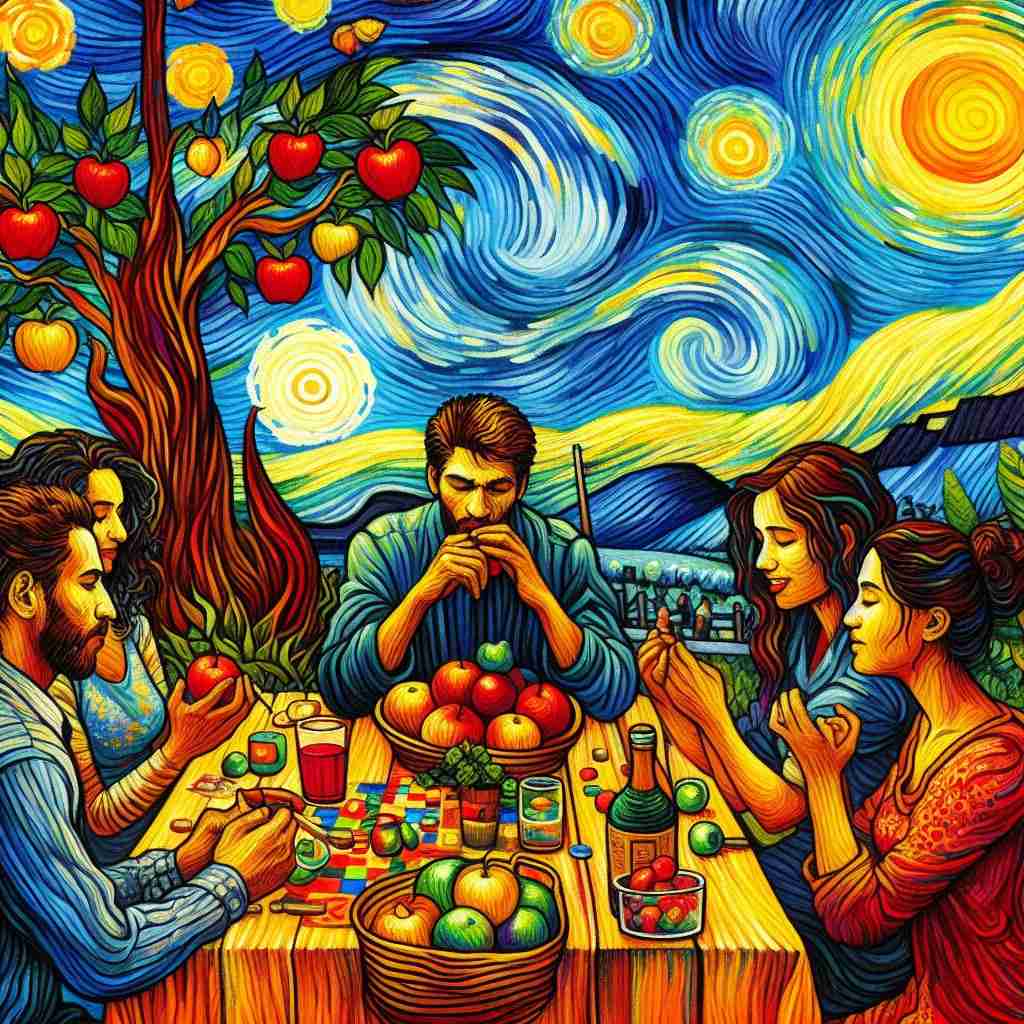
How Do Storytelling Games Differ?
How Do Storytelling Games Differ?
- Storytelling games can include various formats such as role-playing games (RPGs), tabletop games, and digital adventures.
- Tabletop RPGs like Dungeons & Dragons emphasize collaborative storytelling where players share goals and influence the narrative.
- Story-driven video games offer unique character journeys but follow a predetermined overarching storyline, providing a guided experience.
- Storytelling board games, like “Gloom,” blend elements of competition and creativity, allowing players to manipulate their characters’ narratives.
- Narrative-driven apps and mobile games provide quick, on-the-go storytelling experiences where players can influence story outcomes.
- Each type of storytelling game has distinct qualities that enhance understanding and enjoyment of the stories being told.
- Choosing the right storytelling game can deepen your connection to the narrative and enrich the gaming experience.

How Do Storytelling Games Differ?
What Are The Key Elements Of Storytelling Games?
When it comes to storytelling games, there are some key elements that elevate a simple game into an engaging narrative experience. First and foremost, you’ve got to understand characters. Not just any characters, mind you. We’re talking about fully fleshed-out individuals with their own desires, fears, and quirks. It’s vital that players get invested in these characters—root for them, despise them, or maybe even feel a little sympathy. Characters should have arcs that evolve throughout the game, keeping players hooked and eager to discover what happens next.
Now, it’s important not to overlook the setting. A well-crafted setting can be as captivating as the plot itself. Whether you’re traversing a fantasy kingdom or navigating a gritty post-apocalyptic wasteland, the environment should be rich and immersive. Details matter. Descriptive landscapes, atmospheric sounds, and even a fitting soundtrack can transport players into the heart of the story. When a game succeeds in creating an engaging setting, every decision players make is infused with significance, as they feel the weight of their environment.
Next up is conflict, the heart of any compelling narrative. A story without conflict is like a car without an engine—it just doesn’t go anywhere. Whether it’s an internal struggle within a character or an external battle against formidable foes, conflict propels the plot and brings tension to the gameplay. Players thrive on overcoming obstacles, and the stakes should be high. Every choice should feel impactful, leading to unforeseen consequences that ripple through the story.
Let’s not forget pacing, another crucial element. A good storytelling game navigates the balance between tension and release, keeping players engaged without overwhelming them. Moments of intensity should be artfully interspersed with quieter, reflective scenes that allow players to process what’s happening. This ebb and flow keeps the narrative dynamic and players invested through the highs and lows.
Finally, we come to player agency—the holy grail of storytelling games. Players want their choices to matter. Every decision they make should shape the narrative, leading to multiple branching paths and various outcomes. This gives players a sense of ownership over the story, making the experience uniquely theirs. When players feel they can influence the direction of the tale, it transforms the game from a mere pastime into a personal journey.
In short, effective storytelling games weave together characters, setting, conflict, pacing, and player agency into a seamless narrative tapestry. When all these elements come together, you’re not just playing a game; you’re living a story. Now, that’s something worth getting excited about.

What Are The Key Elements Of Storytelling Games?
What Are The Key Elements Of Storytelling Games?
- Understanding Characters: Fully fleshed-out individuals with desires, fears, and arcs that evolve throughout the game maintain player investment.
- Captivating Setting: A rich and immersive environment enhances the narrative, making decisions feel significant.
- Conflict: The core of compelling narratives; essential for driving the plot and adding tension through internal struggles or external battles.
- Pacing: Balancing moments of intensity with reflective scenes keeps players engaged and allows them to process the narrative.
- Player Agency: Choices matter and shape the narrative, offering multiple paths and outcomes, enhancing the sense of ownership.
- Seamless Integration: Effective storytelling weaves together characters, setting, conflict, pacing, and player agency into a cohesive experience.
- Living a Story: When these elements combine, players engage in a narrative that transforms gameplay into a personal journey.
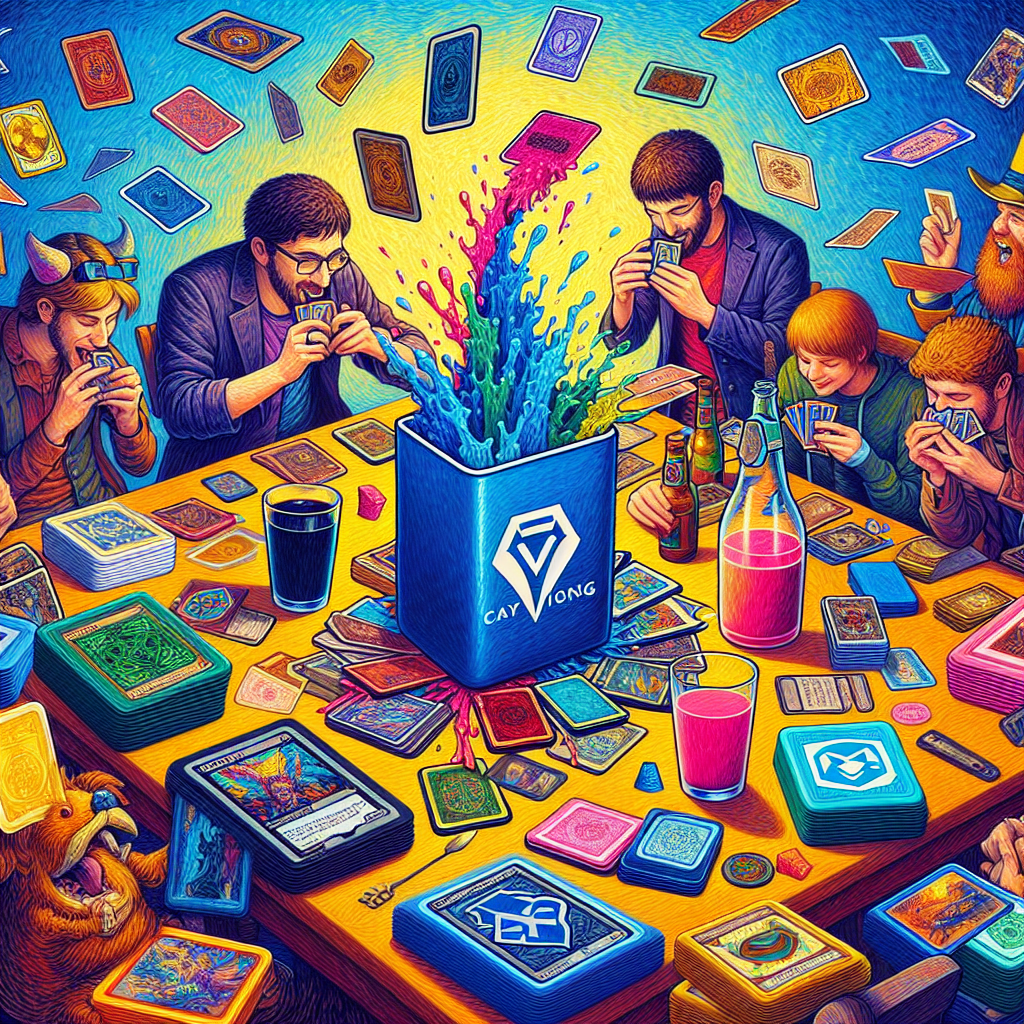
What Are The Key Elements Of Storytelling Games?
Why Are Storytelling Board Games Popular?
In a world increasingly dominated by screens and hyper-virtual interactions, the resurgence of storytelling board games has struck a resonant chord with many. It’s like the world collectively decided to unplug for a bit and embrace something that feels as visceral as a handshake—something tactile, something that invites genuine human connection.
First off, the simplicity of these games is part of their charm. They transport players into imaginative realms without requiring a degree in complex mathematics or endless hours of instruction. Just gather around a table, shuffle some cards, and let the magic unfold. It’s a communal experience, and let’s be honest, there’s something deeply satisfying about flipping a card and diving headfirst into a shared narrative. In an age where many of us are isolated by our digital devices, these games form bonds through laughter, competition, and sometimes, even strategic betrayal. Each player becomes a co-author of a story that no one else will ever recreate in exactly the same way.
Another compelling factor is the versatility of storytelling games. They come in various themes and settings—from medieval fantasy to science fiction, or even absurd humor. This means there’s always a game that resonates with the mood of the group or the time of year. Halloween? Dive into a spooky narrative. Winter? Let’s build a cozy, heartwarming story, perhaps by the fire. The sheer diversity enables players to select a game that speaks not just to their tastes, but to their current emotional landscape.
Moreover, storytelling board games tap into something primal within us: the desire to share experiences and convey meaning through narrative. Humans have been telling stories for millennia, and these games provide a modern-day canvas for that age-old tradition. It’s more than just rolling dice; it’s about expressing creativity and exploring the shared human experience through character arcs and plot twists.
Lastly, let’s not forget the social aspect of it all. With our lives becoming busier and more fragmented, these games offer an opportunity to gather friends or family, put aside distractions, and immerse ourselves in a world of imagination and influence. In a time when social connections can feel tenuous, gathering around a board encourages conversation, collaboration, and often, a hearty dose of laughter.
In short, the popularity of storytelling board games can be boiled down to their ability to unite people, stoke creativity, and offer a refreshing reprieve from our digitized lives. It’s about connection, and in these times, that’s a game worth playing.
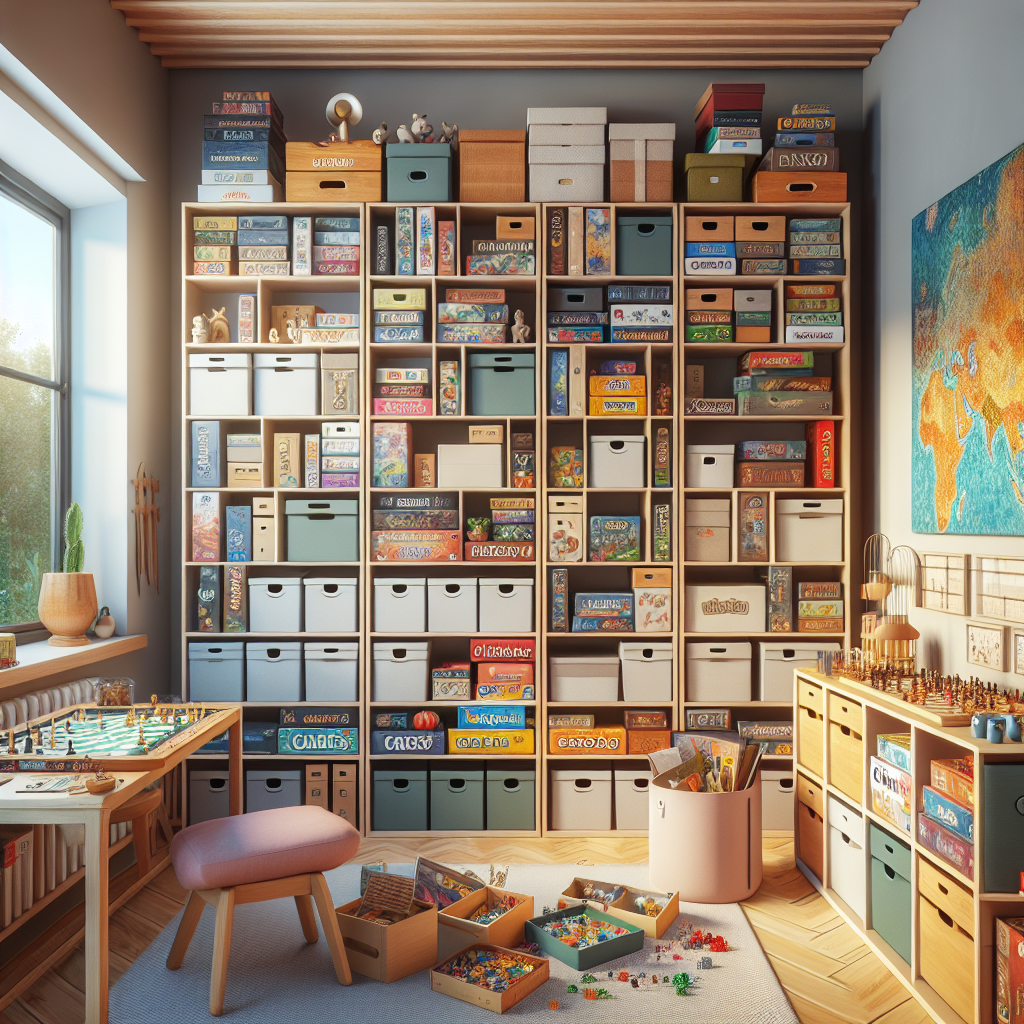
Why Are Storytelling Board Games Popular?
Why Are Storytelling Board Games Popular?
- Storytelling board games are experiencing a resurgence in a screen-dominated world.
- The simplicity of these games fosters genuine human connection and engagement.
- Players become co-authors of unique narratives that encourage collaboration and laughter.
- These games offer versatility with various themes, allowing players to choose based on mood or occasion.
- They tap into the primal human desire to share experiences and convey meaning through storytelling.
- The social aspect of these games promotes conversation and strengthens relationships among players.
- Their popularity is rooted in their ability to unite people and provide a break from digital interactions.
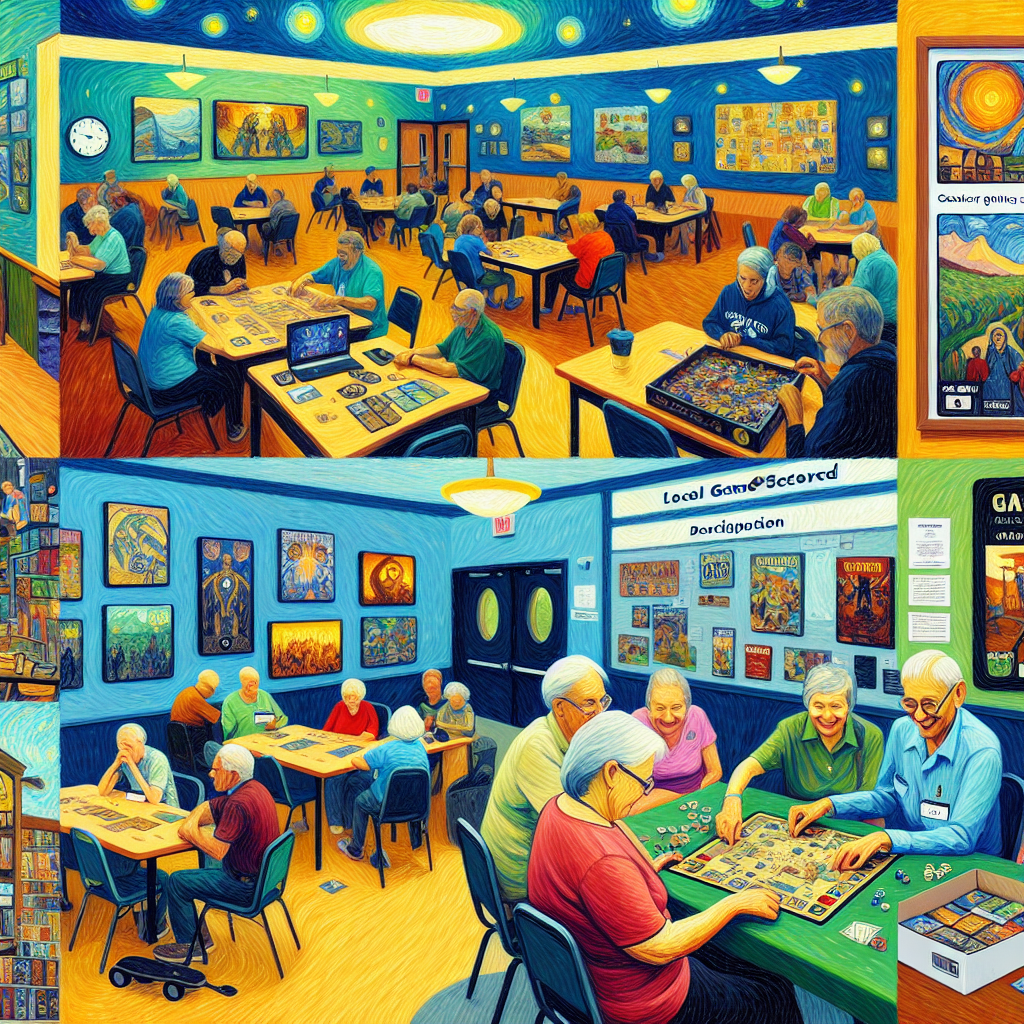
Why Are Storytelling Board Games Popular?
What Age Groups Enjoy Storytelling Games?
When you think about storytelling games, it’s easy to picture a cozy circle of friends huddled over a board game or a group of kids gathered around a digital screen. But storytelling games have a special knack for transcending age boundaries, appealing to a diverse range of players, from toddlers to seasoned adults.
Starting with the youngest audience, preschoolers and early elementary children are often captivated by storytelling games, particularly those that emphasize simplicity and interactivity. These games, often designed as imaginative adventures filled with colorful visuals and playful mechanics, ignite a fire of creativity in young minds. For instance, games that allow children to develop characters and craft narratives alongside their peers help hone linguistic skills and promote social interaction. This isn’t just playtime—it’s a vital part of their cognitive development.
As kids mature into their teenage years, they dive into more complex storytelling games that demand strategic thinking and collaborative storytelling. These games often feature intricate plots, deeper character development, and nuanced choices, appealing to their growing desire for engaging narratives. Whether they’re battling dragons in a fantasy realm or making moral decisions in a sci-fi universe, teens relish the chance to shape stories through their decisions. It’s not just about gaming; it’s about exploring identity and personal agency in a safe environment.
Now, let’s not overlook the adults who’ve thrown their hat in the ring. Young adults and seasoned folks alike often find themselves drawn to the immersive experiences that storytelling games provide. These games often serve as a much-needed escape from the rigors of daily life, offering a space to unwind with friends while sharing laughter, suspense, and even a bit of healthy competition. Game nights that revolve around narrative-heavy themes allow adults to relive that spark of imagination they cherished in their youth, creating an environment where nostalgia and modernity can coexist.
Finally, we have the older generations. Believe it or not, grandma might just be a hidden storytelling game aficionado! Many older adults are discovering the charm of narrative games, often as a way to bond with grandchildren. They find joy in shared experiences—whether it’s through cooperative board games or community-driven RPGs. These games not only entertain but also provide an avenue for connection, where grandparents can pass on wisdom while learning something new in return.
In short, storytelling games appeal to all demographics, proving that a good story—whether spun from the lips of a child or an elder—has the power to unite us all. So, grab your dice and let the narratives unfold!

What Age Groups Enjoy Storytelling Games?
What Age Groups Enjoy Storytelling Games?
- Storytelling games are versatile and appeal to a diverse age range, from toddlers to adults.
- Preschoolers and early elementary children enjoy simple, interactive storytelling games that foster creativity and language skills.
- As teenagers, players engage in more complex games with intricate plots and character development, exploring identity and agency through their decisions.
- Adults participate in storytelling games for immersive experiences, providing relaxation and opportunities for social interaction.
- Narrative-heavy game nights help adults reconnect with their youthful imagination and enjoy nostalgia alongside modern gameplay.
- Older generations, including grandparents, are increasingly embracing storytelling games to bond with younger family members.
- Overall, storytelling games unify people of all ages, emphasizing the power of shared narratives to create connections.
What Age Groups Enjoy Storytelling Games?
How Do You Play A Storytelling Board Game?
How Do You Play a Storytelling Board Game?
Diving into a storytelling board game is a little like stepping onto a stage without a script. Your mission? To craft a narrative with your fellow players, using creativity, imagination, and a healthy dose of improvisation. It’s not just about winning or losing; it’s about weaving a tale that would make even your high school English teacher nod in approval.
First, gather your cast—this isn’t a one-person show. Depending on the game, this could range from a small, tight-knit group to a raucous gathering of eight or more. Each player brings their unique voice and perspective, which is crucial because in storytelling, diverse input leads to richer narratives.
Next, set the stage by familiarizing yourself with the game’s rules and structure. Many storytelling games come with a central theme or a world—like a mystical forest or a post-apocalyptic wasteland. Before you dive in, take some time to soak it all in. Know your characters, understand the setting, and even familiarize yourself with any overarching plotlines. Think of it as preparing for a role in a play: you want to nail your part, but also support your fellow players in theirs.
Once everyone is on the same page, it’s time to roll the dice—or draw the cards—whatever your game entails. With each turn, players introduce or build upon elements of the story, often leading to unexpected twists and turns. A simple decision can create an entirely new subplot, and this is where the magic happens. Keep your mind open to unexpected developments, and don’t shy away from taking risks; they often yield the best stories.
As narratives unfold, remember that storytelling is not just about what happens, but how it’s conveyed. Infuse your characters with quirks, motivations, and distinct voices. Engage with your fellow players, building on their ideas, and adding your own flair. The beauty of a storytelling board game is that it’s a collaborative effort—everyone contributes an essential thread to the narrative tapestry.
Finally, embrace the unexpected. Every great story has its surprises, and that’s what keeps it engaging. If your character suddenly decides to ride a dragon into battle, go with it! The heart of storytelling is in those unpredictable moments.
So, gather your friends, spin a yarn, and get ready to embark on an adventure where the only limit is your imagination. After all, in storytelling games, it’s not merely about the endpoint; it’s about the journey you take to get there together.

How Do You Play A Storytelling Board Game?
How Do You Play A Storytelling Board Game?
- Storytelling board games focus on crafting narratives collaboratively, prioritizing creativity and improvisation over winning or losing.
- Gather a diverse group of players to enrich the narrative with various perspectives.
- Familiarize yourself with the game’s rules, theme, setting, and characters to prepare for effective participation.
- During gameplay, players take turns to introduce or build upon story elements, embracing unexpected twists and turns.
- Characters should have distinct voices, quirks, and motivations, enhancing the storytelling experience through collaboration.
- Embrace surprises and unpredictable moments, as they keep the narrative engaging and dynamic.
- Ultimately, the journey of storytelling is collaborative, emphasizing the experience over the endpoint.

How Do You Play A Storytelling Board Game?
What Are Some Popular Storytelling Board Games?
Let’s face it, there’s something inherently human about gathering around a table, cards and dice strewn about, each player waiting for their turn like kids waiting for the ice cream truck. Board games have long been a staple of leisure, but when you mix in the element of storytelling, well, you’ve got a recipe for a memorable night. Gone are the days of simple die rolls; today, storytelling board games have evolved into dynamic experiences, allowing players to weave intricate narratives with every move they make.
Take “Gloomhaven,” for instance. This game is a beast, and not just in its size. Players step into the worn shoes of mercenaries, battling through a fantasy realm filled with enemies and moral quandaries. What makes “Gloomhaven” special is how each action can affect the world around you; choices can lead to different outcomes in future scenarios, effectively creating a living, breathing narrative that unfolds over time. This game demands strategy and cooperation, but it’s the stories that emerge from each decision that keep the players coming back for more.
Then there’s “Tales of the Arabian Nights,” which flips the traditional concept of gameplay on its head. Instead of just winning or losing, players embark on adventures where the journey is just as significant as the destination. Each choice leads to a new entry in the storytelling book, resulting in a plethora of outcomes ranging from hilarious to downright unpredictable. It’s a bit like being in an interactive storybook, where every twist and turn is dictated by player choices and chance.
Not to forget “Once Upon a Time,” a game that features players creating a tale together—each one adds to the narrative until they reach a resolution. With cards representing different story elements and themes, players draw on their creativity to build a story that could rival those of the Brothers Grimm. The collaboration, competition, and occasional sabotage keep the energy high, making it perfect for those who like to stretch their storytelling muscles.
And then there’s “Legacy” games, such as “Pandemic Legacy.” These games not only involve storytelling but also bring a persistent world that evolves with each playthrough, leading to decisions that matter long after the session ends. The stakes feel high, and the consequences are real, creating an emotional investment in the narrative and the game itself.
So, gather your friends, shuffle those decks, and prepare to dive into a world of stories. Whether through heroic quests or collaborative tales of hijinks, these storytelling board games prove that sometimes, the best journeys are those taken together.

What Are Some Popular Storytelling Board Games?
What Are Some Popular Storytelling Board Games?
- Board games foster a social atmosphere, reminiscent of childhood gatherings.
- Storytelling elements enhance the gaming experience, creating memorable moments.
- “Gloomhaven” allows players to influence a living narrative with strategic choices.
- “Tales of the Arabian Nights” emphasizes the journey with varied outcomes based on player decisions.
- “Once Upon a Time” encourages collective storytelling, blending competition and collaboration.
- Legacy games, like “Pandemic Legacy,” feature evolving narratives that carry over between sessions.
- These games promote shared experiences, showcasing that the best adventures are those enjoyed together.
What Are Some Popular Storytelling Board Games?
Can Storytelling Board Games Enhance Creativity?
In the realm of recreational pursuits, few activities hold the potential to spark creativity quite like storytelling board games. These games bring together an eclectic mix of imagination, strategy, and human interaction, forging a unique environment that nurtures creative thought. In a world where screens often dominate our playtime, the tactile experience of rolling dice and moving pieces around a colorful board beckons players back to a simpler, yet profoundly impactful, form of entertainment.
First off, let’s talk about the power of collaboration. Many storytelling board games require players to work together to weave narratives, solve problems, or complete quests. This camaraderie not only fosters a sense of community but also serves as a fertile ground for innovative ideas. When seated around the table, engaged in a make-believe world, players are prompted to step outside their comfort zones, share outlandish concepts, and build upon one another’s thoughts. You could be a humble farmer or a daring dragon-slayer, but the beauty of it lies in how everyone’s contributions shape the narrative.
Moreover, the structure of these games often presents players with challenges that compel them to think on their feet. Faced with unexpected plot twists or whimsical events—thanks to a cleverly designed game mechanic—players must adapt their strategies and narratives in real time. This adaptive thinking sharpens mental agility, encouraging players to explore paths they might never have considered otherwise. Regular engagement with this kind of spontaneous storytelling can shape a more flexible mindset, ready to tackle real-life problems with creativity and flair.
Then there’s the sheer joy of imagination. Board games that pivot on storytelling liberate players from the rigid confines of traditional narratives. Everyone has the chance to don a cape or wield a sword, plunging into a world where the only limits are the confines of one’s own imagination. Whether it’s creating a treacherous dungeon or embarking on a whimsical adventure, these narratives promote divergent thinking—the ability to generate multiple ideas or solutions to a single problem.
Ultimately, storytelling board games are not just about winning or losing; they are a celebration of collective creativity. By fostering collaboration, promoting flexible thinking, and inviting players into the realm of imagination, these games leave us better equipped to tackle the grand stories we encounter in our daily lives. So, gather your friends, roll those dice, and let the adventures unfold—you might just discover a newfound spark of creativity along the way.
Can Storytelling Board Games Enhance Creativity?
Can Storytelling Board Games Enhance Creativity?
- Storytelling board games foster creativity through imagination, strategy, and social interaction.
- They promote collaboration, allowing players to weave narratives and solve problems together.
- Engagement in these games encourages players to share ideas and build upon each other’s concepts.
- Players face challenges that require them to think adaptively and adjust their strategies in real time.
- The games liberate players from traditional storytelling, allowing limitless imaginative exploration.
- They enhance divergent thinking by encouraging diverse ideas and solutions to problems.
- Overall, these games celebrate collective creativity and prepare players for real-life challenges.
Can Storytelling Board Games Enhance Creativity?
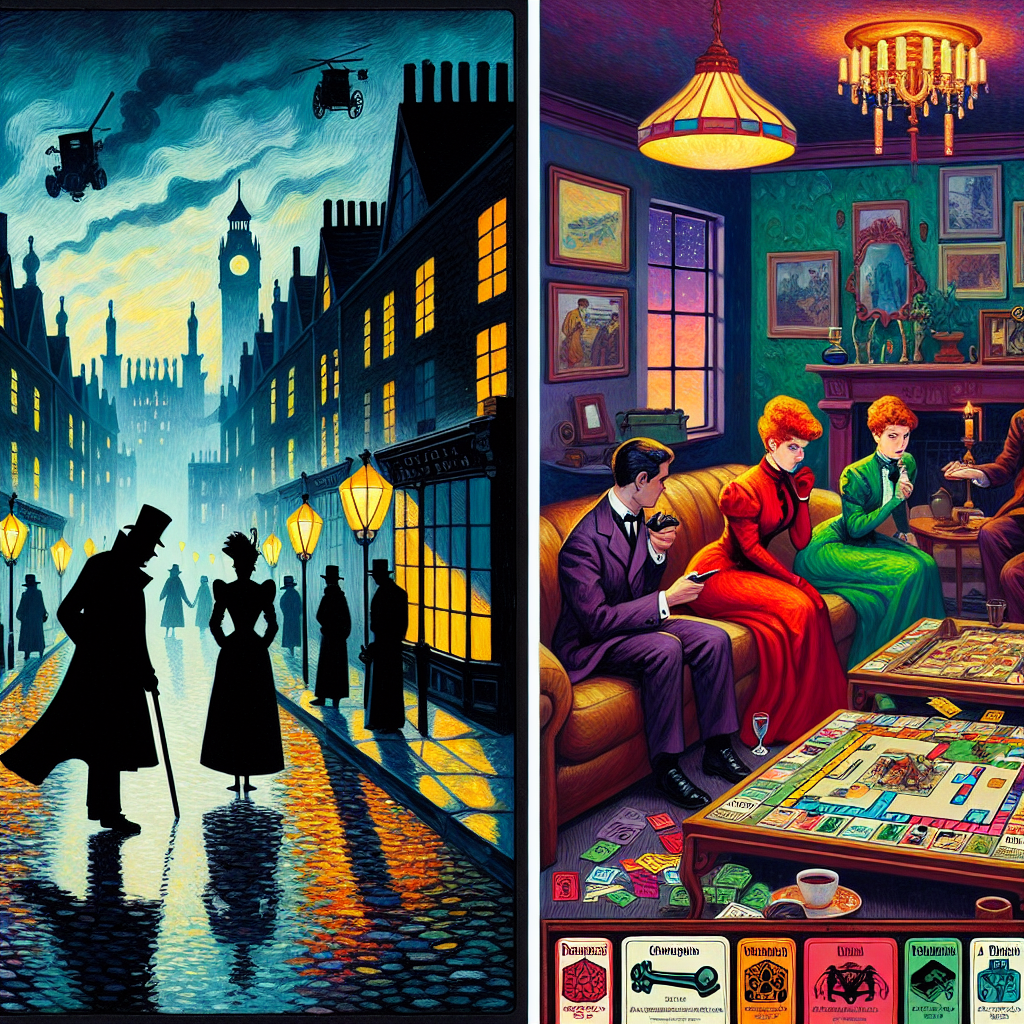
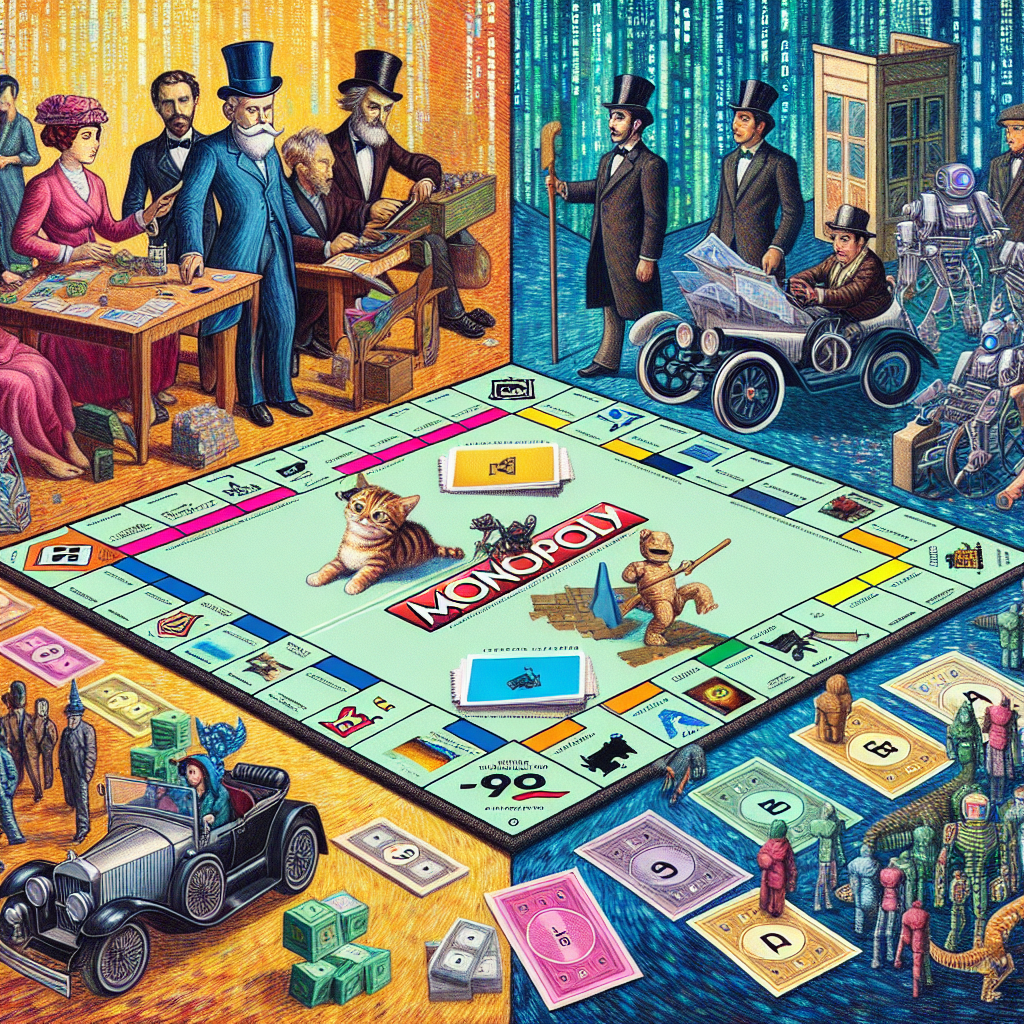
What Skills Can Be Developed Through These Games?
When we think of games—whether they’re video games, board games, or outdoor challenges—we often view them as simple pastimes or distractions. But scratch beneath the surface, and you’ll find a treasure trove of skills waiting to be unearthed. Just like any craft, these games can serve as training grounds for a myriad of abilities that extend well beyond the screen or game board.
First off, let’s talk about critical thinking. Many games are designed in a way that forces players to engage their brains actively. They require you to analyze situations, evaluate risks, and devise strategies to outsmart your opponents or solve complex puzzles. This analytical prowess can easily translate to real-world situations—be it in business, academics, or daily life decisions. The next time you’re playing a strategy game, remember: you’re honing your ability to think on your feet.
Next up is teamwork. Many modern games place a heavy emphasis on collaboration. Whether it’s gathering resources with friends in a virtual landscape or strategizing moves in a board game, these experiences foster communication and cooperation. This camaraderie can nurture interpersonal skills that are essential in both professional environments and personal relationships. After all, learning to play well with others is a fundamental life skill.
Let’s not overlook creativity. Several games require players to construct, invent, or improvise. From designing a character’s backstory to building an entire civilization, these creative exercises can stimulate your imagination and inspire innovative thinking. A little push in creativity can enhance your ability to think outside the box, which is increasingly vital in today’s fast-paced world.
And then there’s perseverance. Every gamer knows the frustration of failing to conquer a level or achieve a goal. Yet, it’s in these moments of struggle that real grit is developed. The challenge of picking yourself up after a setback and trying again helps cultivate resilience. In life, that ability to push through adversity can be a game changer, whether in your career, relationships, or personal endeavors.
Lastly, let’s not gloss over the dexterity and hand-eye coordination that many games demand. This isn’t just a skill for athletes; it’s relevant in numerous fields, from surgery to programming. Developing these physical skills can produce a sharper, more agile mind and body.
So, the next time you sit down to play, remember that you’re not just passing the time. You’re sharpening critical life skills that can give you an edge in the real world. Embrace it, and enjoy the ride!
What Skills Can Be Developed Through These Games?
What Skills Can Be Developed Through These Games?
- Games foster a variety of skills beyond mere entertainment.
- Critical thinking is enhanced through strategic analysis and problem-solving.
- Teamwork is developed by collaborating and communicating with others during gameplay.
- Creativity is stimulated through imaginative tasks like character design and civilization building.
- Perseverance is cultivated by overcoming challenges and learning from failures.
- Dexterity and hand-eye coordination improve through gameplay, benefiting various professions.
- Playing games sharpens critical life skills applicable in real-world scenarios.
What Skills Can Be Developed Through These Games?
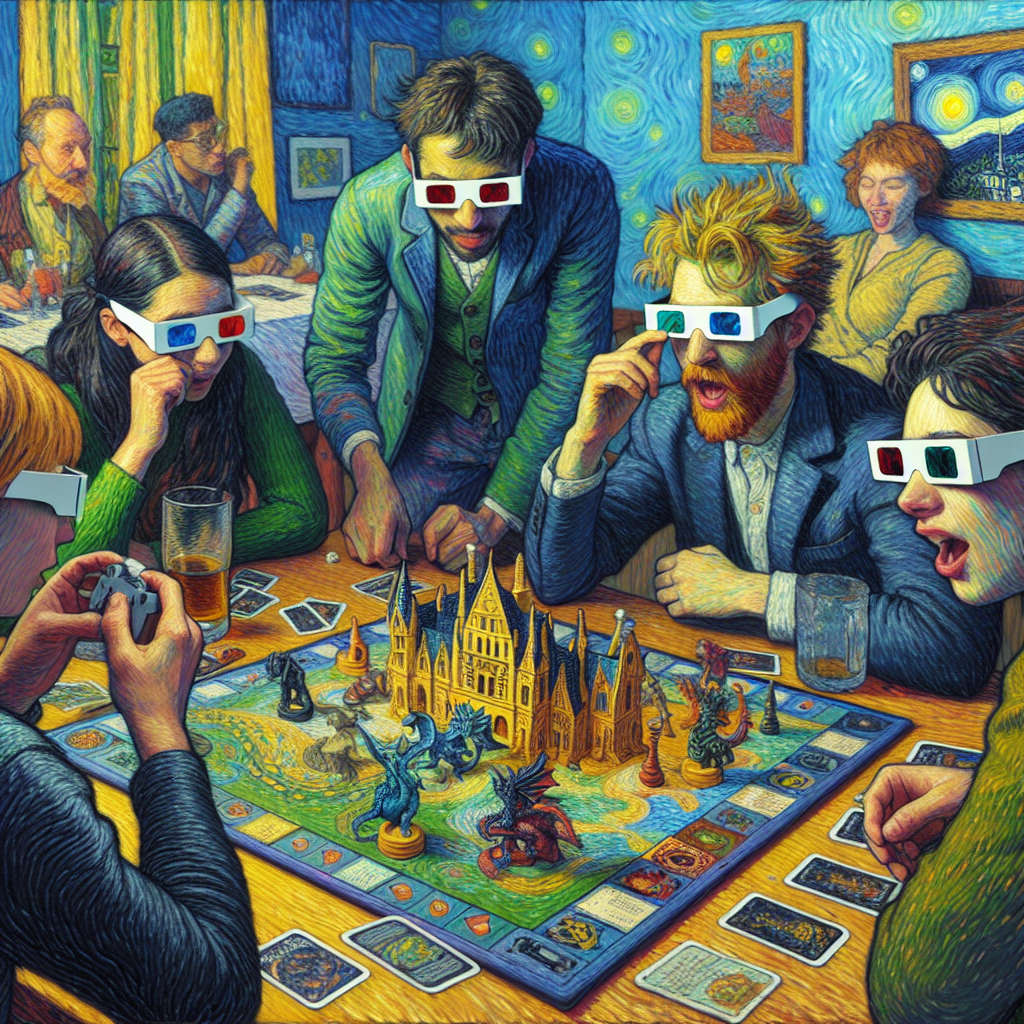
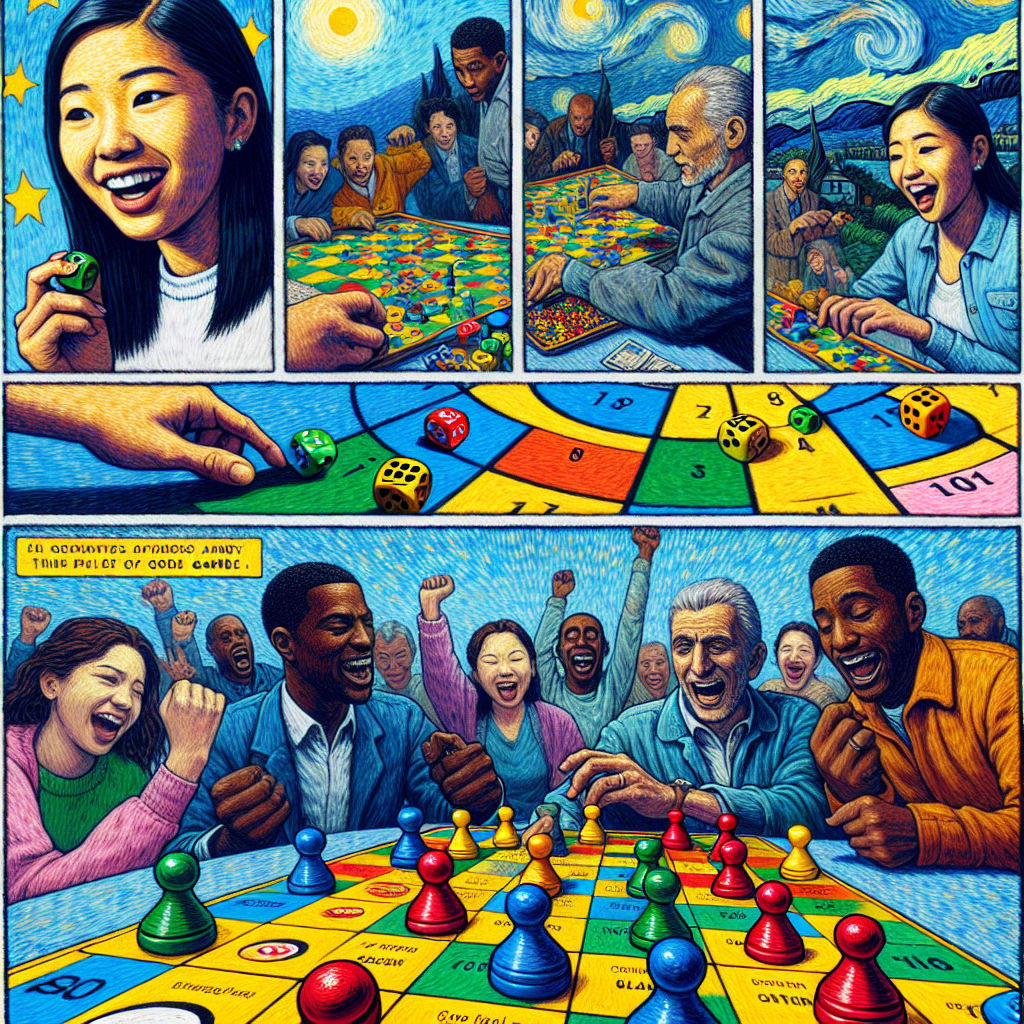
How Do Storytelling Games Encourage Social Interaction?
When you think about games, you might picture something solitary—maybe a late-night round of solitaire or a quiet session with a video game. But let’s dive into the world of storytelling games, a delightful genre that turns the solo experience on its head. These games are a community-centered cornucopia of creativity, weaving a fabric of shared experiences that enhances social interaction in ways that go far beyond the table.
At the heart of storytelling games lies a simple yet profound premise: collaboration. Players come together not merely to compete but to create a collective narrative. Each participant contributes a piece of themselves—their imagination, ideas, and interpretation—leading to a rich tapestry of stories that can shift and evolve with each encounter. Imagine a group of friends gathered around a table, dice in hand, crafting entire worlds filled with intrigue, danger, and humor. As they breathe life into their characters and share their unique perspectives, an invisible bond is formed, igniting connections that might not exist outside that gathered circle.
One of the most exhilarating aspects of storytelling games is the moment when players must build upon each other’s ideas. This spontaneity fosters camaraderie and an unmatched level of engagement. As you listen intently to your friend’s wild plot twist or unexpected character fate, you realize that every contribution counts. This isn’t just about turning cards or rolling dice; it’s about listening, adjusting, and responding in real time. It’s a dance of creativity, where the rhythm is dictated by group synergy and mutual respect.
Additionally, storytelling games often address relevant themes, from friendship and sacrifice to conflict resolution and moral dilemmas. These conversations spark deeper discussions that can extend far beyond the confines of the game itself. Players often find themselves diving into meaningful dialogues about their values and perspectives, enriching their understanding of one another.
More than just a pastime, storytelling games provide a structured yet flexible way to forge relationships. They encourage players to engage with one another’s thoughts and feelings, cultivating empathy. It’s about stepping into another’s shoes, perhaps far away from the daily grind, and exploring a landscape where your choices shape the outcome.
In a world where genuine social interaction seems to fade, storytelling games remind us that we are all co-authors in the narrative of life, and, together, we can create something truly extraordinary.
How Do Storytelling Games Encourage Social Interaction?
How Do Storytelling Games Encourage Social Interaction?
- Storytelling games redefine the concept of gaming, emphasizing community over solitary play.
- The core premise of these games is collaboration, where players co-create a shared narrative.
- Participants contribute their imagination and ideas, leading to evolving and rich stories.
- Engagement strengthens as players build upon each other’s ideas, fostering camaraderie.
- These games often explore relevant themes like friendship and moral dilemmas, sparking deeper discussions.
- Storytelling games cultivate empathy by encouraging players to step into each other’s shoes.
- They remind us that through collaboration, we can create extraordinary experiences together.
How Do Storytelling Games Encourage Social Interaction?
Are There Storytelling Board Games For Solo Play?
When it comes to storytelling in board games, the notion of solo play can seem a bit like trying to fill a bathtub with an open window—challenging, yet not entirely impossible. In a world where we often gather around tables to swap tales and roll dice with friends, the idea of crafting a narrative all on your own may raise eyebrows. But trust me, there’s a treasure trove of board games out there designed for solo adventurers seeking to spin their yarns without a full cast of characters.
At the heart of solo storytelling games lies the beauty of immersive experiences. Imagine tossing aside the noise of a crowded room and diving into a world of your own making. Games like “Legacy of Dragonholt” take the narrative experience and stretch it across a sprawling landscape, allowing you to delve deeply into character development and plot choices. With each decision you make, you carve out your destiny, and in the solitude of your own living room, the weight of your choices blooms into a rich tapestry of adventure.
Then there’s the phenomenal “Arkham Horror: The Card Game,” a cooperative living card game that can play just as well with a single player behind the control panel. Here, you take on the role of an investigator facing unspeakable horrors, with each scenario feeling like a chapter in a dark novel. The stories unfold through the decisions you make, creating a sense of suspense and intrigue that rivals any blockbuster. You’ll find yourself standing at a crossroads of fate, every encounter shaping the narrative arc.
For those who fancy a dash of creative flair, “Rory’s Story Cubes” opens a canvass with nothing more than a handful of dice adorned with pictures. Roll them out and let your imagination run wild. With no rules dictating the direction of your tale, the world is yours to construct. This isn’t just a game; it’s an exercise in creativity that can breathe new life into the idea of solo storytelling.
So, if you’re feeling the itch for a narrative journey, don’t hesitate to explore these games. They may not replace the camaraderie of a group gathering, but they certainly hold their own in opening doors to new worlds. Whether you face harrowing monsters or navigate through fantastical realms, solo storytelling board games are waiting for you to step into the spotlight—just you and your story.

Are There Storytelling Board Games For Solo Play?
Are There Storytelling Board Games For Solo Play?
- Solo play in board games can be challenging yet rewarding, offering unique storytelling opportunities.
- There are many board games designed specifically for solo players, providing rich narrative experiences.
- “Legacy of Dragonholt” emphasizes immersive storytelling with deep character development and plot choices.
- “Arkham Horror: The Card Game” allows a single player to experience thrilling adventures akin to a dark novel.
- In “Rory’s Story Cubes,” players can create stories freely using image-adorned dice, encouraging creativity.
- Solo storytelling games can provide an engaging alternative to traditional group gaming experiences.
- These games invite players to explore new realms and narratives on their own, offering a personal adventure.

Are There Storytelling Board Games For Solo Play?
What Themes Are Common In Storytelling Board Games?
When you sit down to play a storytelling board game, you’re not just shuffling pieces around a board; you’re embarking on a journey rich in narrative. These games have a certain magic that draws you in, weaving together fun and imagination with the complexity of human experience. If you’ve ever taken a moment to appreciate the themes that often pulsate through these games, you’ll recognize a familiar beat—just like a well-crafted tale, they strike at the heart of the human condition.
One of the most prominent themes in storytelling board games is the classic struggle between good and evil. Players often find themselves in battles against sinister forces or cursed lands, making choices that weigh on their moral compass. This moral dichotomy not only heightens the stakes but also fosters dialogue among players about ethics and motivations. How far is a hero willing to go for victory? And what if the line between hero and villain blurs? These games don’t just ask you to win; they challenge you to think critically about your actions and their consequences.
Another recurring theme is the quest for knowledge or self-discovery. Many games transport players to unknown realms where curiosity is rewarded, and every decision can lead to profound revelations. Adventurers uncover ancient secrets and hidden truths, reflecting a fundamental desire within all of us—to learn, to grow, and, ultimately, to find our place in the universe. This theme resonates long after the game ends, prompting players to ponder how their own life paths are laden with choices that shape their identity.
Then there’s the theme of camaraderie and teamwork. In these games, victory often isn’t an individual affair. Players band together, pooling their strengths to combat challenges that are too formidable alone. This theme nurtures connections and builds a sense of community, echoing the age-old adage that teamwork makes the dream work. You’re not just playing—you’re collaborating, strategizing, and sometimes bickering, but ultimately finding unity in your shared goal.
Lastly, the theme of transformation is ever-present. Characters evolve, allegiances shift, and players experience growth not just in their abilities but in their understanding of the story world and each other. As play unfolds, players can make choices that lead to personal or game-wide repercussions, highlighting the fluid nature of identity and circumstance.
Storytelling board games offer much more than entertainment; they provide a lens through which we can examine our values, our relationships, and the age-old stories that define us all. So the next time you roll the dice or draw a card, take a moment to savor the deeper narratives that make the journey worthwhile.

What Themes Are Common In Storytelling Board Games?
What Themes Are Common In Storytelling Board Games?
- Storytelling board games are immersive journeys rich in narrative and imagination.
- A common theme is the struggle between good and evil, prompting moral dilemmas among players.
- Games challenge players to critically think about their actions and consequences.
- The quest for knowledge and self-discovery often drives gameplay, leading to personal revelations.
- Camaraderie and teamwork are essential, as players must collaborate to overcome challenges.
- Transformation is a key theme, with characters and players evolving throughout the game.
- These games encourage examination of values, relationships, and the stories that shape our identities.

What Themes Are Common In Storytelling Board Games?
How Can Storytelling Board Games Be Used In Education?
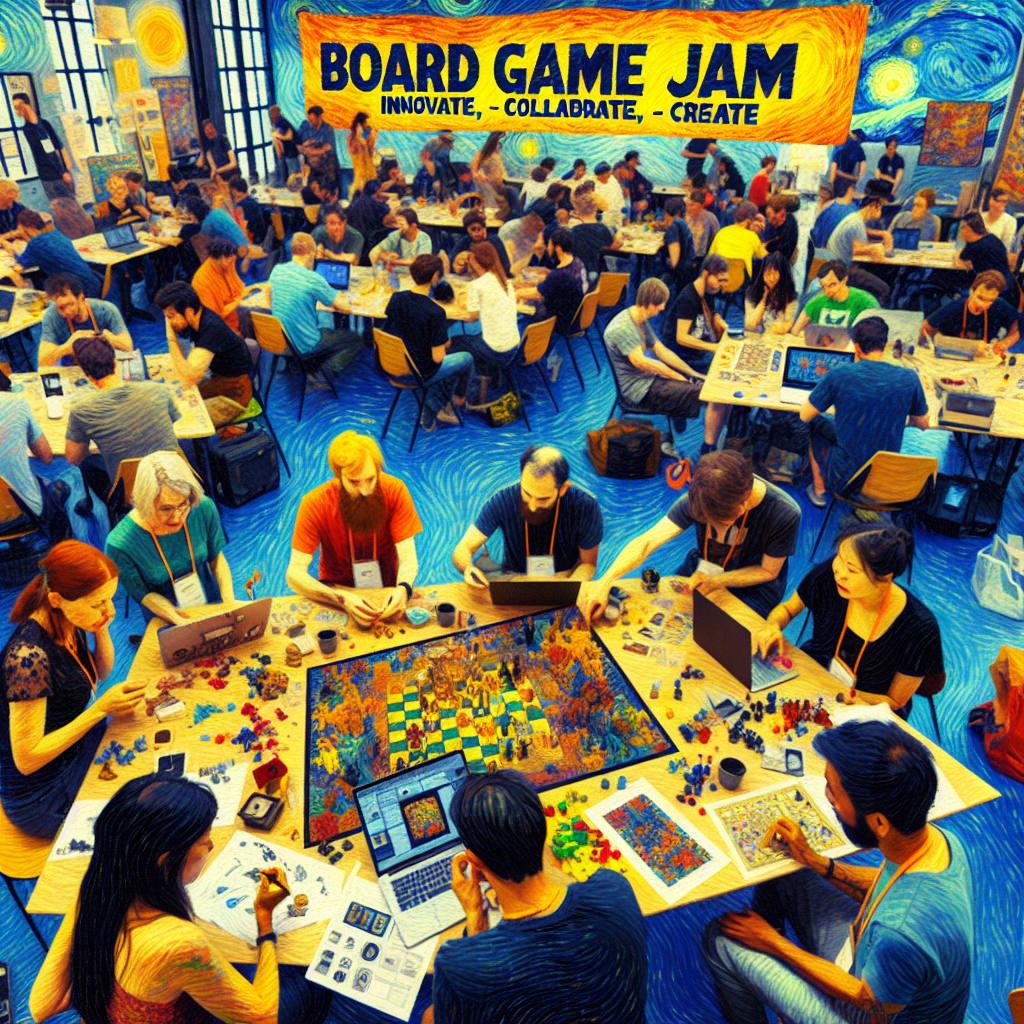
In an era where screens dominate our lives, storytelling board games stand out as a timeless medium to foster creativity, critical thinking, and collaboration. These games immerse players in imaginative worlds, transforming traditional learning into an interactive adventure. There’s something magical about gathering around a table, shuffling cards, rolling dice, and unfolding narratives together. So, how can these modern-day folklore machines be woven into the fabric of education?
First off, storytelling board games are fantastic tools for developing communication skills. Unlike standard textbooks, which can sometimes feel like a one-way street, these games require players to engage, articulate their thoughts, and listen actively. As students dive into character roles and weave intricate plots, they learn to express themselves clearly and confidently. They practice negotiation, persuasion, and even empathy—all essential skills for navigating the complexities of the real world.
Moreover, storytelling board games can bridge the gap between disciplines. Whether it’s history, science, or language arts, these games can be designed to incorporate various subjects seamlessly. Imagine students unraveling the mysteries of ancient civilizations through a dice-rolling adventure or solving environmental issues while building their own narrative landscapes. This interdisciplinary approach not only makes learning more engaging but also highlights the interconnectedness of knowledge.
Collaboration becomes second nature when players work together to solve problems and achieve goals. Many storytelling board games emphasize teamwork, teaching students how to share ideas, respect differing perspectives, and harness the strengths of their peers. This is crucial in today’s world, where collaboration across various fields is paramount.
Picture a classroom where students put on their thinking caps and become co-authors of their educational journeys. In these scenarios, failure is not the enemy; it’s a part of the narrative. Games provide a safe space for trial and error, where each setback can lead to new discoveries and exciting plot twists. This growth mindset encourages resilience and adaptability, traits that are invaluable both in and out of the classroom.
Finally, let’s not forget the sheer fun of storytelling board games. When learning is enjoyable, students are more likely to engage and retain information. A compelling story captivates the mind, making even the most complex subjects feel accessible. When students are invested in a narrative, they’re more likely to explore the underlying concepts with passion and curiosity.
In a nutshell, storytelling board games can revolutionize education, transforming it into a vibrant tapestry of experience, collaboration, and imagination. And as educators, we owe it to our students to make learning an adventure worth embarking on.
How Can Storytelling Board Games Be Used In Education?
How Can Storytelling Board Games Be Used In Education?
- Storytelling board games foster creativity, critical thinking, and collaboration in a screen-dominant era.
- These games enhance communication skills by encouraging engagement, articulation, and active listening among players.
- They promote an interdisciplinary approach by integrating various subjects like history, science, and language arts into gameplay.
- Collaboration is reinforced as players work together to solve problems, teaching respect for diverse perspectives and peer strengths.
- Storytelling board games create a safe environment for trial and error, fostering a growth mindset and resilience in students.
- The fun aspect of storytelling games increases student engagement and knowledge retention by making complex subjects more accessible.
- Overall, storytelling board games can revolutionize education by transforming it into an engaging adventure filled with experiences and imagination.

How Can Storytelling Board Games Be Used In Education?
What Makes A Good Narrative In A Board Game?
When it comes to board games, the story isn’t just an afterthought; it’s the very marrow of the experience. A good narrative in a board game is like a well-worn path through a dense forest—a guide that invites you to explore, challenges you at every turn, and ultimately leads you to a destination worth reaching. So, what makes a narrative truly resonate in the world of tabletop gaming? Let’s break it down.
First off, immersion is key. A story that draws players into its embrace and makes them feel a part of its universe creates a memorable experience. Think about the settings—whether it’s a dystopian future, a medieval kingdom, or an alien world. These backdrops set the stage for adventure and are enhanced by vivid artwork and thematic components. When players can see, touch, and interact with the game’s elements, they’re more likely to lose themselves in the narrative.
Next, character development is essential. A good game narrative should offer players the chance to embody unique characters, each with their own motivations and arcs. When players can identify with a character, they invest emotionally in the story. Gamers want to see their characters evolve, facing trials and overcoming challenges that mirror their own decisions and experiences. The triumphs and failures experienced in-game should feel personal, creating an attachment that goes beyond simple mechanics.
Another vital ingredient is choice. A narrative that offers meaningful decisions adds depth and replayability. If players feel their choices carry weight—affecting the outcome of the story, the fate of the world, or the relationships among characters—they become more engaged. These choices should be balanced with consequences that shape the narrative, turning casual players into invested storytellers in a shared experience.
Lastly, pacing matters. Just as a good book ebbs and flows, a board game narrative should keep players on their toes. Too much conflict can overwhelm players, while too little can lead to boredom. A well-structured narrative should build tension, offering climactic moments that thrill and excite.
A compelling narrative in a board game is one that draws players into its world, offers them choices that matter, and keeps them engaged with dynamic characters and pacing. So, gather your friends, roll the dice, and let the story unfold—but remember, the journey is just as important as the destination.

What Makes A Good Narrative In A Board Game?
What Makes A Good Narrative In A Board Game?
- The story is essential to the board game experience, serving as a guiding narrative.
- Immersion through vivid settings and interactive components enhances player engagement.
- Character development allows players to embody unique figures with personal arcs, fostering emotional investment.
- Meaningful choices add depth and replayability, making players feel their decisions matter.
- Consequences of choices shape the narrative and enhance player involvement.
- Pacing is crucial for maintaining player engagement, balancing tension and excitement.
- A compelling narrative transforms the gaming experience into a memorable journey rather than just a destination.
What Makes A Good Narrative In A Board Game?
How Do Cooperative Storytelling Games Work?
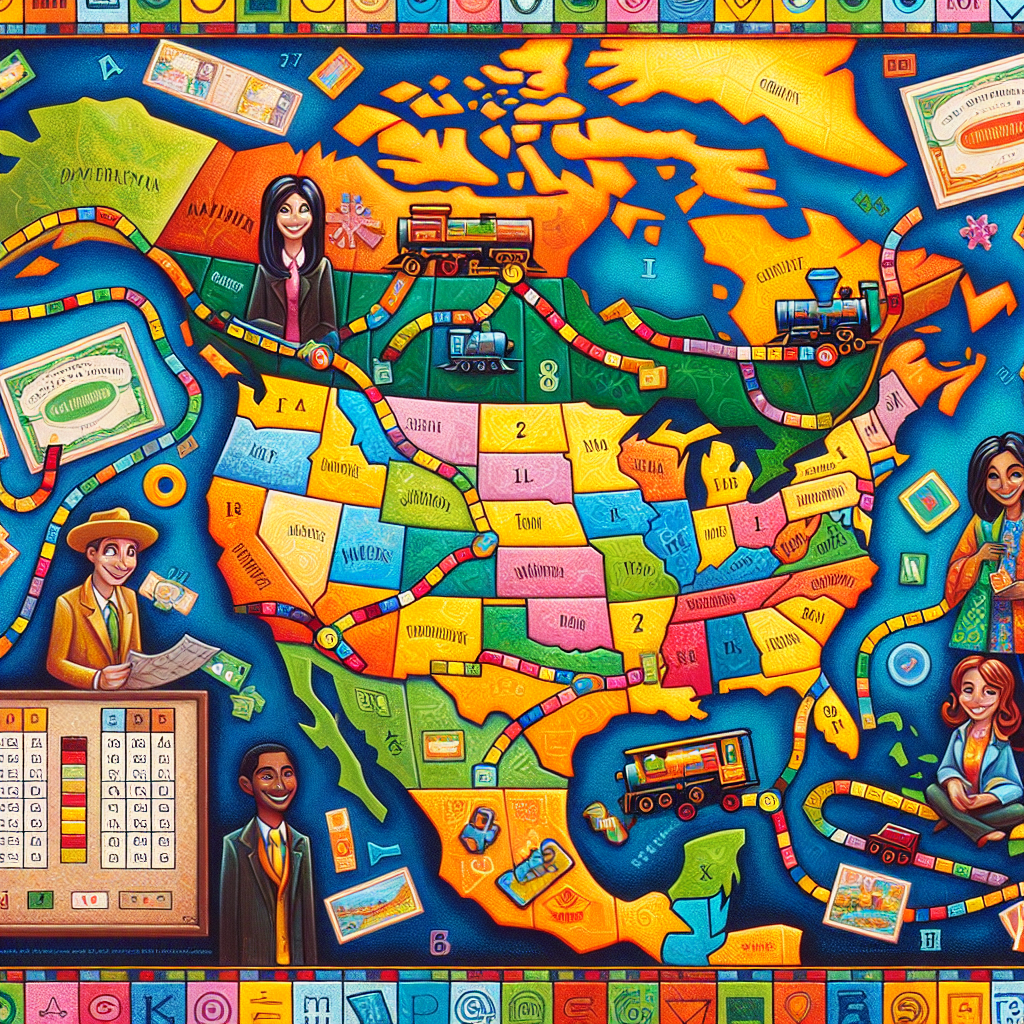
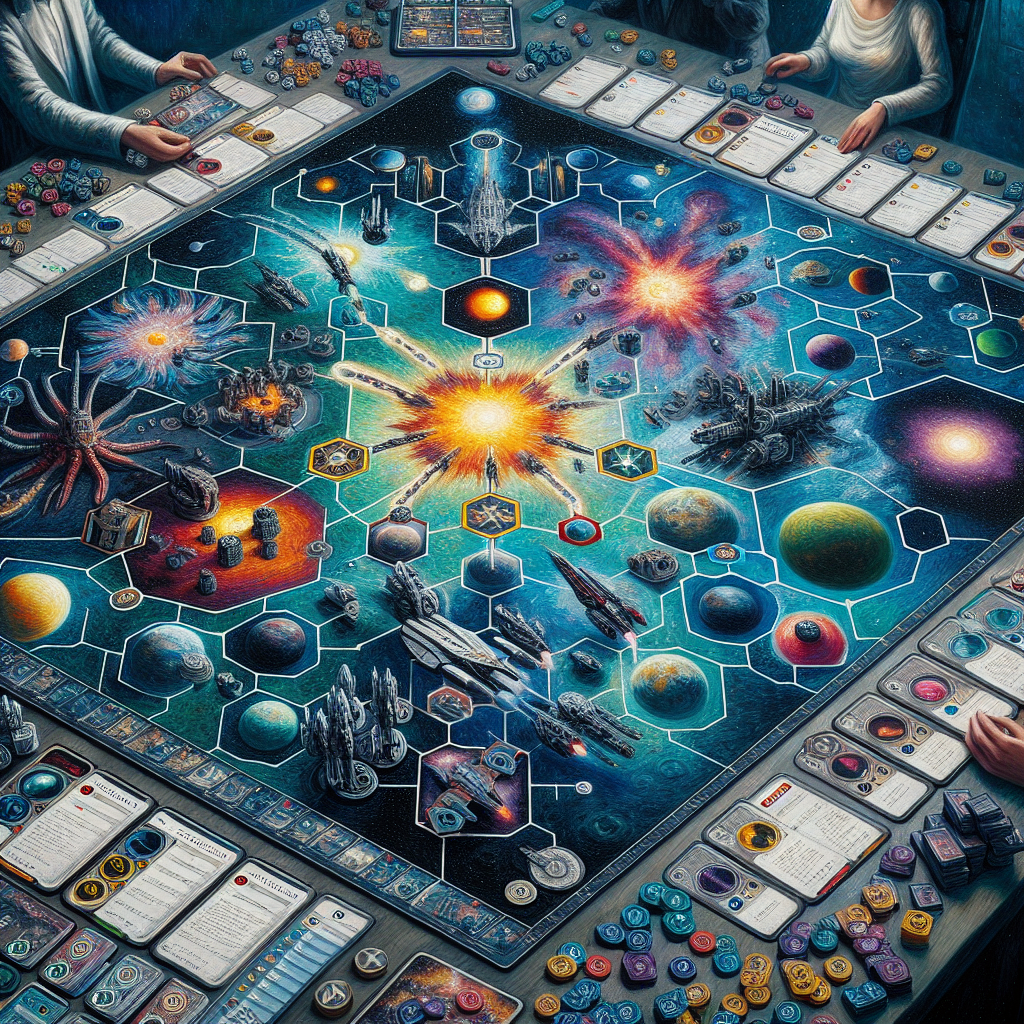
Cooperative storytelling games are like the campfire tales of old, where everyone gathers around, and the sparks of imagination get fanned into a roaring blaze. Picture this: a group of friends, armed not with swords or spells, but with creativity and a shared desire to weave a narrative together. That’s the heart of cooperative storytelling games—everyone is in it together, and no one person holds the reins.
At the core of these games is the idea of collaboration. Instead of a single storyteller guiding the plot, each participant adds their own twist, turning the story into a living creature that evolves with every contribution. Let’s say you’re all embarking on a quest in a fantasy world. One player might describe a dark and mysterious forest, while another introduces an eccentric character—a talking squirrel with dreams of becoming a knight. The beauty lies in how these threads intertwine, forming a narrative tapestry that none of you could have created on your own.
But it’s not just about throwing ideas around in chaotic fashion. These games often have rules that help shape the storytelling process, giving it structure while still allowing for plenty of individual expression. You might pass around a “story token,” granting the holder the power to steer the plot for a moment. Or perhaps each person takes turns narrating sections of the tale, ensuring that everyone gets a chance to shine. These mechanics keep things fair and engaging, often leading to unexpected plot twists that keep everyone on their toes.
Cooperative storytelling games also embrace the concept of failure—embracing the chaos when things don’t go as planned. In fact, some of the best moments come from unexpected derailments, where a simple misstep leads to hilarious situations or profound revelations. Players learn to adapt, turning the unplanned into opportunities for new directions.
Moreover, you don’t need fancy equipment or elaborate setups. You can kick off a story with just a few friends and a shared penchant for creativity. Whether you’re in a living room, a park, or around a campfire, the only requirement is that you’re willing to jump into the fray and share the spotlight. So gather your pals, toss aside the notion of a solitary storyteller, and dive headfirst into the uncharted waters of collective imagination. Happy storytelling!
How Do Cooperative Storytelling Games Work?
How Do Cooperative Storytelling Games Work?
- Cooperative storytelling games are collaborative narratives akin to traditional campfire tales.
- All players contribute to the story, making it a shared experience without a single guide.
- The narrative evolves with each participant’s unique ideas, creating a dynamic tale.
- Games incorporate rules to provide structure while allowing for personal expression.
- Players can use mechanics like “story tokens” to influence the plot, promoting fairness and engagement.
- The concept of failure is embraced, often leading to unexpected and humorous situations.
- These games require minimal setup, making them accessible anytime and anywhere with friends.
How Do Cooperative Storytelling Games Work?
Conclusion
Conclusion: The Power of Storytelling Board Games
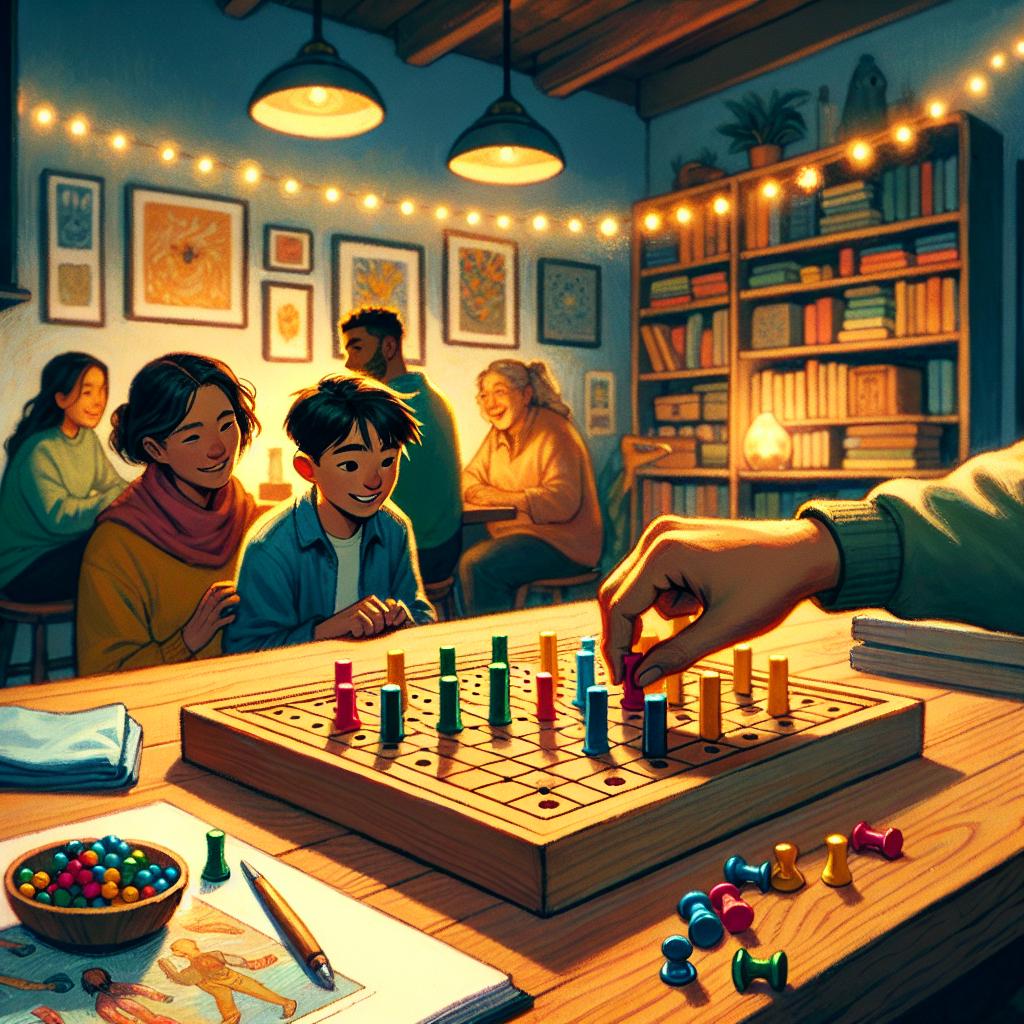
So, what have we uncovered in the wondrous world of storytelling board games? These creative escapades aren’t just about dice rolls or colored pieces moving across a board; they’re portals to uncharted realms brimming with imagination, collaboration, and shared laughter. As players gather around the table, the focus shifts from simple competition to the electrifying act of co-creating stories—where every twist, turn, and plot development becomes a shared adventure waiting to unfold.
At the core of storytelling games lies their unique ability to connect players, providing a welcome reprieve from our digital lives filled with screens and solitary experiences. They foster camaraderie, and as participants breathe life into their characters and narratives, they weave intricate tapestries of fun and unexpected twists that resonate far beyond the gaming table. Picture players bonding over a hilarious mishap or rallying together to tackle a formidable foe; these moments create memories that last a lifetime.
These games also serve as a superb entry point into the expansive realm of role-playing for the uninitiated. They often strip away the complexities of traditional tabletop RPGs, allowing newcomers to dip their toes into imaginative waters without getting bogged down in rules and lore. In doing so, they open the door to a vast universe of creativity that everyone can enjoy, regardless of experience level.
In a world keen on efficiency and speed, storytelling games take us back to a place where ideas are exchanged, fables are spun, and genuine human interaction thrives. They cultivate a space where players not only craft narratives filled with adventure but also forge deep connections, encouraging meaningful conversations that extend beyond the table.
So, whether you’re a veteran strategist, a first-time player, or a curious soul looking to explore creativity with friends, storytelling board games offer a unique avenue to dive into the depths of human experience. Grab your dice, gather your crew, and set forth on a journey where the only limits are those of your imagination. The stage is set, the tales are beckoning, and each game is merely a springboard into the vibrant narratives that await. In this great narrative tapestry of life, storytelling board games remind us that our best adventures are always better when shared. Happy storytelling!
Conclusion
Conclusion:
- Storytelling board games offer creative escapades beyond mere competition, fostering imagination and collaboration.
- They create shared experiences, allowing players to co-create stories and adventures together.
- These games provide a break from the digital world and help foster camaraderie among players.
- Players bond over shared experiences, creating lasting memories which extend beyond the gaming session.
- Storytelling games simplify the role-playing experience, making it accessible to newcomers without overwhelming them with complex rules.
- They encourage genuine human interaction and meaningful conversations during gameplay.
- Whether a veteran or a first-time player, storytelling board games offer opportunities to explore creativity and dive into the human experience.
Conclusion
Other Resources
Other Resources
Here is a list of other resources you can review online to learn more:
- “Capstone-Assignment”
- “rpg challenge – 2019”
- “https://www.amazon.it/gp/redirect.html/ref=cm_sw_c…”
- “https://snap.berkeley.edu/project/12247973”
- “PATHS OF DESTRUCTION –THE THETIAN’S REVENGE”
- “Models for encounter-level social mechanics”
Bing Copilot Prompt: Please provide me with a list of online articles with their URLS in a bulleted list that I can read regarding What Are Storytelling Board Games?
Other Resources
Glossary Terms
What Are Storytelling Board Games? – Glossary Of Terms
1. Narrative: The storyline or the sequence of events that unfolds in a game, creating a backdrop for player interactions.
2. Mechanics: The rules and systems that govern how a game is played, influencing the flow of the narrative.
3. Role-Playing Game (RPG): A genre where players assume characters and engage in storytelling through their actions, decisions, and dialogue.
4. Theme: The underlying subject or concept of the game, such as fantasy, horror, or historical settings that shape the storytelling experience.
5. Character Development: The process by which characters evolve through the game, typically influenced by player choices and actions.
6. Player Agency: The capacity for players to make meaningful choices that affect the narrative and world around them.
7. World-Building: Crafting the game’s universe, including its geography, cultures, and histories, providing a rich context for storytelling.
8. Campaign: A series of connected adventures or narratives, often spanning multiple game sessions, within which players experience a continuous story.
9. Adventure: A single storyline or quest that players embark on, often with specific goals and challenges to overcome.
10. Plot Twist: An unexpected turn in the narrative that alters the players’ perception of the story, adding drama and intrigue.
11. Dialogue: Written or spoken exchanges between characters in the game that advance the story and develop relationships.
12. Setting: The time and place where the game’s story occurs, creating the environment and context for gameplay.
13. Game Master (GM): The individual responsible for facilitating the game, presenting the narrative, and controlling non-player elements.
14. Scenario: A specific situation or series of events designed for players to interact with, usually leading to a climactic moment in the story.
15. Conflict: The central problem or struggle faced by characters that drives the narrative and engaging gameplay.
16. Climax: The peak or most intense point of the narrative, typically leading to a resolution or conclusion.
17. Resolution: The conclusion of the story arc where conflicts are resolved and characters’ fates are determined.
18. Immersion: The degree to which players feel absorbed in the game world and narrative, enhancing engagement and emotional investment.
19. Story Arc: The overall structure of the narrative, including exposition, rising action, climax, and resolution.
20. Non-Player Character (NPC): Characters controlled by the game master, often providing context, information, and interaction to advance the story.
21. Loot: In-game rewards, such as items or treasures, that players collect throughout the narrative, contributing to character development.
22. Backstory: The history and context of a character, detailing experiences and events that shape their motivations and choices.
23. Quest: A specific task or mission players undertake within the narrative, often tied to the overarching story.
24. Branching Narrative: A type of storytelling where player choices lead to multiple possible outcomes and story paths.
25. Tabletop: A physical setting for playing board games, designed to facilitate cooperative storytelling and interaction among players.
26. Card-Based Mechanics: Use of cards to represent characters, events, or choices that can influence gameplay and storytelling direction.
27. Art Direction: The visual style and presentation of game components, contributing to the overall atmosphere and theme of the storytelling experience.
28. Expansions: Additional content or modules that can be added to the base game, introducing new narratives, characters, and mechanics.
29. Thematic Elements: Aspects of gameplay that are aligned with the story’s themes, such as moral dilemmas, character choices, and environmental storytelling.
30. Cooperative Play: A mode of gameplay where players work together towards common goals, enhancing the narrative experience through collaboration.
Glossary Of Terms
Other Questions
What Are Storytelling Board Games? – Other Questions
If you wish to explore and discover more, consider looking for answers to these questions:
- What are some examples of popular storytelling board games?
- How can storytelling board games be categorized by age group?
- What skills can storytelling board games help develop?
- Are there tips for creating your own storytelling board game?
- What types of themes are most commonly found in storytelling board games?
- How do storytelling board games compare to video games?
- What role does improvisation play in storytelling board games?
- Can storytelling board games be used effectively in educational settings?
- What are the mechanics that make storytelling board games engaging?
- How do cooperative storytelling games differ from competitive ones?
- What are the benefits of using storytelling games for team-building?
- How can storytelling board games enhance creativity and imagination?
- What strategies can new players use to get started with storytelling games?
- How do storytelling board games encourage social interaction?
- What makes a good narrative in a storytelling board game?
Other Questions
Haiku
What Are Storytelling Board Games? – A Haiku
Imagination blooms,
Stories shared around the board,
Friendships intertwine.
Haiku
Poem
What Are Storytelling Board Games? – A Poem
The Art of Storytelling: A Board Game Journey
In games where tales unwind and grow,
Imagination leads where players go,
Where dice are tossed and cards are drawn,
A world of wonder awakens at dawn.
Not just a race to claim the prize,
But shared adventures beneath the skies.
Of tragic lives in “Gloom” they weave,
Or Jenga’s dread, where hearts believe.
In cozy corners around the board,
Minds ignite, creativity poured.
From simple prompts to wild pursuits,
In collaborative joys, friendship roots.
Characters grow, and plots entwine,
Each choice a thread, each twist divine.
With laughter bright, and tension high,
Together they craft stories that fly.
For every age, a tale to tell,
From youthful dreams to wisdom’s swell.
Cooperative journeys, solo quests,
In vibrant worlds, imagination rests.
Through laughter shared and moments dear,
In spaces free from doubt and fear,
These games entwine our lives and art,
A celebration of the human heart.
So gather friends, let stories unfold,
In this timeless game—a treasure of old.
A journey awaits beyond the mundane,
In storytelling’s realm, together, we gain.

Poem
Checklist
What Are Storytelling Board Games? – A Checklist
1. Gather Your Group:
_____ Invite friends or family members who enjoy creativity and storytelling.
_____ Ensure a comfortable setting with enough space for everyone to play.
2. Choose the Right Game:
_____ Select a storytelling board game that fits your group’s interests (e. g. , fantasy, horror, comedy).
_____ Check the age recommendations to ensure it’s suitable for all players.
3. Familiarize with the Rules:
_____ Read the game manual together to understand the mechanics and objectives.
_____ Discuss any unique aspects of character creation or narrative development.
4. Set the Scene:
_____ Create an immersive atmosphere (consider dim lighting, thematic music, or props).
_____ Encourage everyone to engage their imaginations before starting.
5. Encourage Collaboration:
_____ Remind players that the goal is to create a collective narrative, not just to win.
_____ Emphasize that all ideas are welcome and should be built upon collaboratively.
6. Get into Character:
_____ Encourage each player to embrace their character’s personality and motivations.
_____ Use voices or mannerisms to add depth to character interactions.
7. Make Meaningful Choices:
_____ Remind players that their decisions can shape the narrative.
_____ Highlight the importance of discussing moral dilemmas and conflicted choices.
8. Allow for Unexpected Twists:
_____ Embrace spontaneous developments and plot twists that arise during gameplay.
_____ Turn mishaps into opportunities for creativity.
9. Balance Pacing:
_____ Keep an eye on the flow of the game; mix tense moments with lighter interactions to maintain engagement.
_____ Create opportunities for reflection and character bonding.
10. Reflect on the Experience:
_____ Once the game concludes, discuss your group’s favorite moments and surprises.
_____ Encourage sharing insights about the character arcs or plot themes that emerged.
11. Explore Other Games:
_____ Research more storytelling board games to expand your collection and experiences.
_____ Variate game themes to keep future game nights fresh and exciting.
12. Integrate Storytelling in Everyday Life:
_____ Consider how the skills and creativity from these games can translate into real-life interactions and storytelling opportunities.
_____ Encourage creativity and collaborative storytelling in day-to-day conversations or gatherings.
By following this checklist, you can ensure that you and your group have an engaging and memorable experience with storytelling board games, fostering creativity, laughter, and connection. Enjoy your narrative adventure!
Checklist
At BestBoardGameNews, we help people who love board games by collating information and news about board games.
Be sure to read our other related stories at BestBoardGameNews to learn more about board games.