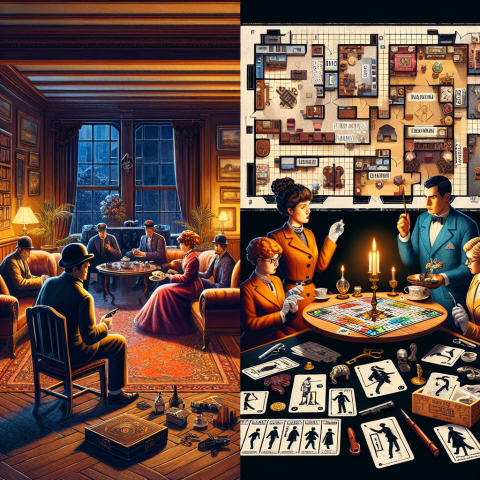
Discover A World Of Strategy And Competition
By Tom Seest
At BestBoardGameNews, we help people who love board games by collating information and news about board games.
Be sure to read our other related stories at BestBoardGameNews to learn more about board games.
What Are Worker Placement Board Games?
When you think of board games, you might picture a cozy evening with friends, a table cluttered with snacks, or perhaps a family gathering where competition runs high. But there’s a subset of games that transcends the usual experience, plunging players into a wonderful world of strategy, resource management, and decision-making: worker placement games.
So, what exactly are worker placement board games? Imagine this: each player has a set of unique pawns or tokens, often referred to as “workers.” The goal is to use these workers to claim various actions and resources on the game board. It’s a bit like a well-orchestrated dance where you and your opponents vie for control over limited resources, all while trying to achieve your own overarching goals.
At the heart of worker placement is the notion of scarcity. The game board is often a dynamic landscape filled with actions and resources that players desperately want to access. Want to gather wood, trade for goods, or build an empire? You’d better think a step ahead because the moment you place your worker down, that action is claimed, and only a carefully considered plan will allow you to unlock the resources you need. It’s a delightful mix of tactical maneuvering and strategic foresight.
The beauty of worker placement games lies in their adaptability. Some games immerse you in rich narratives, taking you through ancient civilizations or futuristic worlds where your decisions impact the fabric of the story itself. Others focus heavily on mechanics, providing a clear path to victory based on your ability to optimize actions and manage resources. The range is vast, ensuring there’s a worker placement game for every type of player—from casual participants to seasoned strategists.
Now, let’s talk about interaction. Worker placement games encourage engagement, not just with the board but with the other players. As you scout for the best spots, you’ll find yourself assessing your opponents’ strategies, constantly adjusting your plans in real-time. This element of interaction is both thrilling and tense; it’s a chess match on a grander scale where every move counts.
In essence, worker placement board games offer a rich tapestry of choices, competition, and camaraderie. So, whether you’re reclaiming forests, building cathedrals, or establishing trade routes, dive into this genre and relish the satisfaction of placing that final worker in just the right spot. Who knows? You might find yourself hooked before you even realize it!
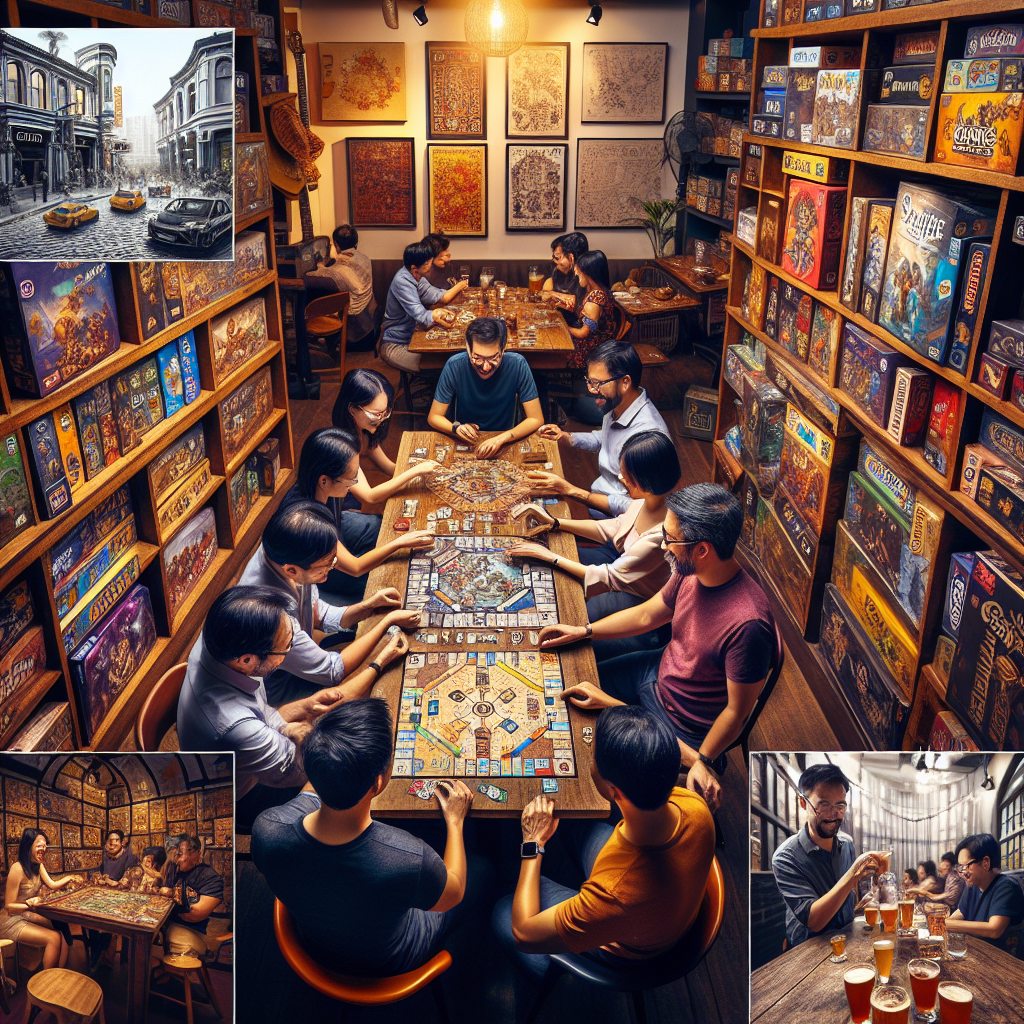
What Are Worker Placement Board Games?
What Are Worker Placement Board Games?
- Worker placement games immerse players in strategy, resource management, and decision-making.
- Players use unique pawns or tokens, called “workers,” to claim actions and resources on the game board.
- The core concept revolves around scarcity, with players competing for limited resources.
- These games range from narrative-driven experiences to mechanics-focused challenges.
- Worker placement games appeal to various players, from casual to strategic enthusiasts.
- The genre fosters interaction among players, requiring real-time adjustments to strategies.
- These games combine choices, competition, and camaraderie, enticing players to engage deeply.
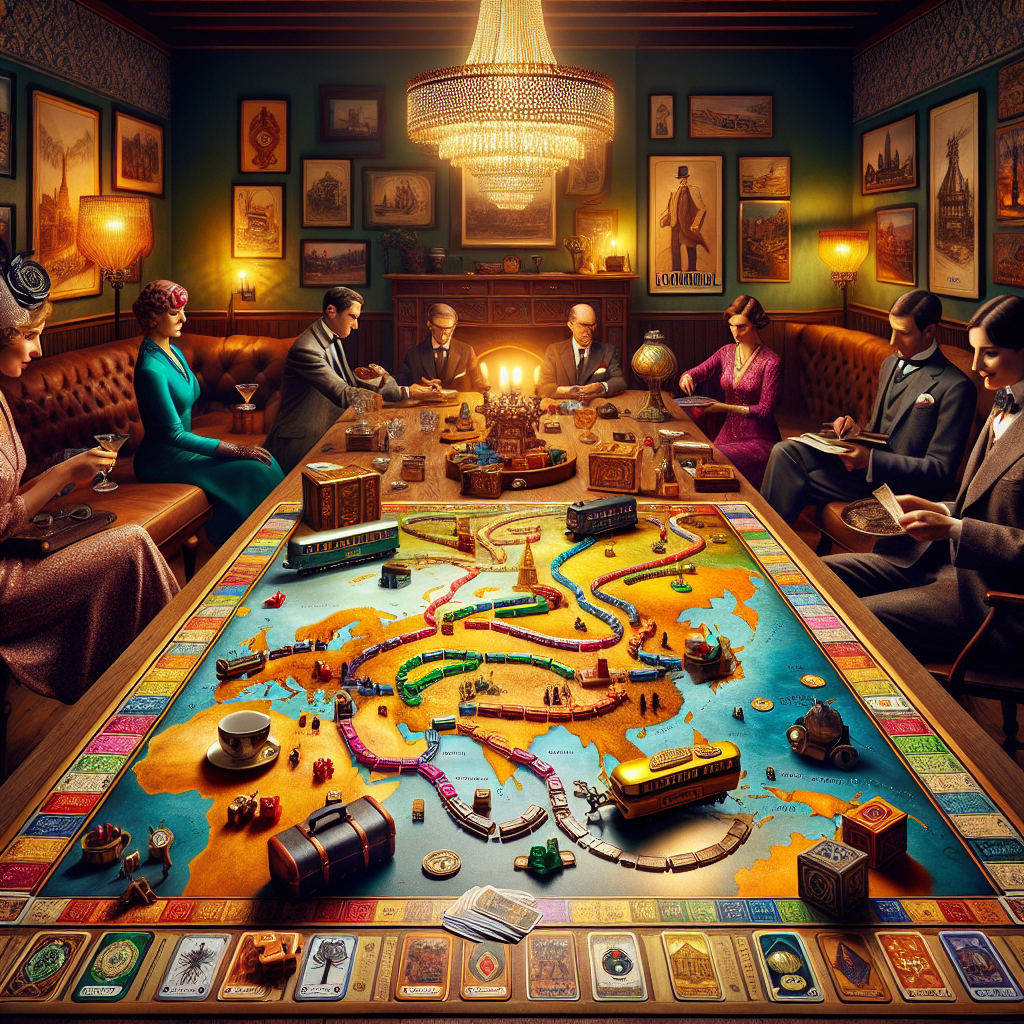
What Are Worker Placement Board Games?
Table Of Contents
- What Are Worker Placement Board Games?
- What Defines A Worker Placement Board Game?
- How Do Worker Placement Games Work?
- What Are The Key Mechanics Of Worker Placement Games?
- What Are Some Popular Worker Placement Board Games?
- How Do Worker Placement Games Differ From Other Board Games?
- What Skills Do Worker Placement Games Develop?
- How Do You Balance Strategy In Worker Placement Games?
- Can Worker Placement Games Be Played Solo?
- What Age Group Enjoys Worker Placement Games The Most?
- What Are The Common Themes In Worker Placement Games?
- Conclusion
- Other Resources
- Glossary Of Terms
- Other Questions
- Haiku
- Poem
- Checklist
What Defines A Worker Placement Board Game?
At its core, a worker placement board game is all about strategy, resource management, and a dash of competition. Picture a bustling construction site where each worker has a role, each task demands attention, and every decision counts. In this world of board games, players take on the role of leaders trying to maximize their efficiency and effectiveness while critics—the other players—are keen to snatch up the best opportunities for themselves. It’s a delicate dance of planning, foresight, and cunning.
So, what exactly makes a worker placement game tick? The engine starts with the concept of workers—those tiny, often unassuming tokens that represent your workforce. Players take turns assigning these workers to various locations on the game board, each with unique resources or actions. Imagine these spots as prime real estate in a bustling metropolis, each one holding the potential for gathering resources, constructing buildings, or advancing agendas. The catch? Most of these locations can only accommodate a specific number of workers or may be claimed by opponents before you can get there.
As any seasoned operator knows, timing is everything. In worker placement games, you have to make your moves wisely. That’s where the strategy kicks in—players are often faced with tough choices, weighing immediate benefits against long-term gains. Do you grab that precious resource now, or play the long game, hoping to amass enough workers to dominate the board later? The tension builds as players eye each other’s moves, and the stakes rise with every turn.
Another defining characteristic of these games is the abundance of paths to victory. Every worker placement game offers multiple ways to score points, be it through resource management, building structures, or completing specific objectives. This variety ensures that no two games play alike and keeps players coming back for more. It cultivates an environment of exploration where each session can reveal new strategies and tactics.
Furthermore, the visual aesthetics of worker placement games often enhance the experience. The boards are meticulously designed, with vibrant artwork and detailed components that draw players into the game. Each aspect, from the miniatures to the tokens, tells a story—one that evolves with every decision made on the board.
So, whether you’re building an empire or simply seeking to outmaneuver your friends, worker placement board games offer a rich tapestry of challenges and rewards that require both intellect and instinct. The journey is as important as the destination, making each play a unique experience worth savoring.
What Defines A Worker Placement Board Game?
What Defines A Worker Placement Board Game?
- Worker placement board games focus on strategy, resource management, and competition.
- Players take on leadership roles, aiming to maximize efficiency while competing against others for opportunities.
- Workers are represented by tokens and are assigned to unique locations on the game board for resources or actions.
- Location limitations create strategic challenges, as some can only hold a limited number of workers.
- Players face tough decisions, balancing immediate benefits against long-term gains, with timing being crucial.
- Multiple paths to victory ensure diverse gameplay experiences and encourage exploration of new strategies.
- Visually appealing boards and components enhance engagement, making each game a unique storytelling experience.
What Defines A Worker Placement Board Game?
How Do Worker Placement Games Work?
When you think of games, you might picture your typical board game session filled with chance, luck, and gut feelings. But when it comes to worker placement games, we’re diving into a different realm—one that hinges on strategy, planning, and a keen understanding of resource management. So, saddle up and let’s break it down.
At the heart of every worker placement game lies a simple yet powerful concept: players take on the roles of various characters—often representing a faction or a workforce—with the goal of gathering resources, completing tasks, and ultimately earning the most victory points. The twist? Each turn allows players to place their workers, or tokens, on spaces that grant them specific actions or resources. It’s a little like building a farm: you want to plant, nurture, and harvest, but if you don’t plan ahead, someone else might snatch up your prime real estate before you get the chance.
Now, let’s talk about the mechanics of worker placement. Imagine a bustling marketplace where every booth offers something worthwhile—maybe it’s a resource, a special ability, or a crucial action. When it’s your turn, you’re not simply choosing your action; you’re strategizing. You need to weigh your options, consider what resources you’ll need for future turns, and anticipate your opponents’ moves as well. Will you rush to seize that sought-after lumber mill, or will you bolster your defenses first? The possibilities are endless, but the clock is ticking, and every decision counts.
In many worker placement games, the trick lies in limited resources. There’s often a finite number of spaces available for placing your workers, leading to tight competition and the need for clever maneuvering. Maybe you’ll have to adapt your strategy because that coveted mining spot just got blocked by a rival. Adaptability becomes key, and the best players are those who can pivot and make the most of their situation, squeezing out every ounce of value from the choices they make.
Finally, let’s not forget the satisfaction that comes with it. There’s something incredibly rewarding about outlining a grand strategy, executing it, and watching your plan unfold, even amid the chaos of other players vying for the same goals. It’s a dance, a battle of wits that ultimately reveals who among you can outthink and outmaneuver the rest. So, if you’re ready to trade luck for planning and chance for strategy, dive into the captivating world of worker placement games. They’re not just games; they’re a test of skill wrapped in a fun, competitive package.
How Do Worker Placement Games Work?
How Do Worker Placement Games Work?
- Worker placement games focus on strategy, planning, and resource management.
- Players assume the roles of characters representing factions to gather resources and earn victory points.
- Players strategically place their workers on specific action spaces each turn.
- Limited resources create competitive play, requiring clever maneuvering and adaptability.
- Strategizing involves weighing options and anticipating opponents’ moves.
- The satisfaction of executing a grand strategy amidst competition highlights the skill involved.
- Worker placement games are a blend of fun and competitive tests of skill.
How Do Worker Placement Games Work?
What Are The Key Mechanics Of Worker Placement Games?
Worker placement games are a fascinating genre that combines strategy, resource management, and a dash of human competition, offering players the thrill of deploying their workers (or pawns, or whatever clever little pieces you’ve got) to gather resources, complete tasks, and ultimately climb the victory ladder. But what really makes these games tick? Let’s dig into the key mechanics that define worker placement games, and see why they’re such a hit at game night.
First and foremost, the central mechanic of any worker placement game is the use of workers to take actions. Players typically have a limited number of workers at their disposal, and each turn offers the opportunity to strategically allocate these workers to various locations or tasks. It’s a bit like running a small, chaotic empire—one where every decision counts. When you place a worker in a location, you’re effectively claiming that action for yourself, often blocking others from tapping into the same resources. This creates a tense atmosphere, where foresight and planning are crucial.
Next, there’s the aspect of limited resources. In worker placement games, resources are often scarce, and they’re usually represented by tokens or cards that must be gathered and spent wisely. This scarcity fosters competition among players as they race to secure the resources necessary for victory. Whether it’s building structures, acquiring gadgets, or wooing the townsfolk, getting the right resources at the right time can be the difference between success and utter defeat.
Another key mechanic is the chaining of actions. Some games allow players to use resources or completed actions as stepping stones to unlock further opportunities. This cascading effect encourages players to plan several moves ahead, making each choice feel weighty and significant. It’s like building a Rube Goldberg machine—every action leads to the next, and the more thoughtfully you assemble your chain, the more satisfying the outcome.
Lastly, let’s not forget about player interaction. Many worker placement games invite a little warfare for workplace dominance. Whether through direct competition or more subtle sabotage, players will often find themselves in a tug-of-war over key locations. Crafting a strategy that not only fulfills your own needs but disrupts your opponents’ plans adds layers of depth to the gameplay.
So, from the careful placement of workers to the thrill of resource management, worker placement games engage our brains and spirits, making them a cornerstone of tabletop gaming that’s tough to resist. Ready to roll up your sleeves and dive in? Grab those workers and get to work!
What Are The Key Mechanics Of Worker Placement Games?
What Are The Key Mechanics Of Worker Placement Games?
- Worker placement games blend strategy, resource management, and competition.
- The main mechanic involves strategically allocating a limited number of workers to various actions.
- Placing a worker in a location blocks other players from accessing the same resources, creating a tense atmosphere.
- Resources in these games are often scarce, fostering competition as players race to gather what they need.
- Some games allow chaining of actions, where completed tasks unlock further opportunities, encouraging forward planning.
- Player interaction can involve direct competition or sabotage for control over key locations.
- Worker placement games engage players’ strategic thinking, making them a popular choice in tabletop gaming.

What Are The Key Mechanics Of Worker Placement Games?
What Are Some Popular Worker Placement Board Games?
When you crack open a box of a worker placement board game, you’re diving into a world where strategy and cunning come together like peanut butter and jelly. This genre of tabletop gaming puts you in charge of a team of workers—whether they’re farmers, adventurers, or, in some cases, just plain ol’ factory hands—and tasks you with optimizing their efforts to meet various objectives. The fun kicks in when you realize that every decision you make impacts the delicate balance of competition and cooperation, all while laying golden foundations for your strategic empire. Let’s take a stroll through some of the most popular titles that have brought this engaging gameplay to the forefront of modern board gaming.
First up on the list is “Agricola,” a game that rounds up players and leads them to the pastoral life of farming in 17th-century Europe. This masterpiece not only emphasizes resource management but also hones your spatial reasoning as you expand your little farmstead. Players must allocate workers to sow crops, raise livestock, and upgrade their humble abodes—all while keeping a watchful eye on their opponents, who are keen to do the same.
Next, we wander over to “Lords of Waterdeep,” a high-fantasy worker placement game set in the iconic Dungeons & Dragons universe. Here, players step into the shoes of secret lords, dispatching agents to recruit adventurers for quests and compete for control of the city. The twist here? Players keep their true identities hidden until the end of the game, adding a delightful layer of intrigue and surprise.
Another titan of the genre is “Stone Age,” a game that transports you back to humanity’s prehistoric past. You lead your tribe to gather resources, hunt for food, and forge tools—all while managing the needs of your growing family. The game’s unique mechanic of employing your workers to gather resources from different areas of the board keeps you constantly analyzing and adjusting your tactics.
Finally, we can’t overlook “Catan,” a game that, though more of a resource trading game than strict worker placement, incorporates enough elements of resource allocation and territory control to keep players coming back for more. Settling the land, building roads, and securing trade routes calls for a combination of negotiation and strategy that is simply irresistible.
So, why not gather your crew for a game night? Dust off those game boards, roll up your sleeves, and prepare to dive headlong into the addictively strategic and abundantly entertaining world of worker placement games. You might find that the experience is as rewarding as it is fun.

What Are Some Popular Worker Placement Board Games?
What Are Some Popular Worker Placement Board Games?
- Worker placement board games combine strategy and cunning, putting players in charge of a team of workers.
- Players optimize their workers’ efforts to achieve various objectives while balancing competition and cooperation.
- “Agricola” features farming in 17th-century Europe, emphasizing resource management and spatial reasoning.
- “Lords of Waterdeep” is set in the Dungeons & Dragons universe, where players compete for control while hiding their identities.
- “Stone Age” involves leading a tribe to gather resources, emphasizing tactics in a prehistoric setting.
- “Catan” incorporates resource allocation and territory control, blending strategy with negotiation.
- Gather friends for game night to enjoy the strategic and entertaining world of worker placement games.
What Are Some Popular Worker Placement Board Games?
How Do Worker Placement Games Differ From Other Board Games?
When it comes to board games, the landscape is as diverse as the players themselves. From the fast-paced thrills of party games to the strategic depth found in euro-style games, each genre has its allure. Yet, if you dare to dive into the nuanced world of worker placement games, you’ll soon discover a distinct flavor that sets them apart, enticing the keen-minded and the thoughtful planner alike.
At the heart of worker placement games lies a fundamental mechanic: the allocation of resources—namely, your workers. Imagine it as a finely tuned orchestra, where each worker represents an instrument, and the success of your symphony hinges on how you place them in various roles within the game’s intricate ecosystem. On any given turn, players deploy their workers to key locations on the board to gather resources, perform actions, or gain valuable information. This placement isn’t haphazard; it’s a calculated move that can make or break your strategy.
Contrast this with a typical rolling dice game, where chance reigns supreme. Sure, there’s strategy involved, like deciding when to take risks or which resources to hoard, but your outcome hinges significantly on luck. In worker placement games, however, you wield direct control over your destiny. The challenge comes not just from what you want to do, but from anticipating other players’ moves and reacting accordingly. It’s a cerebral dance that requires foresight, and that’s what makes these games so exhilarating.
Another key distinction is the level of interaction. In many board games, players might focus on their own boards, barely glancing up for a casual observation. But in worker placement games, the stakes are personal. Managing your workers means competing for limited resources, and the tension of that competition can turn a friendly game night into a battleground of wits. Each placement is a push and pull like a game of chess, where one player’s choice impacts the entire board, leading to a dynamic and often unpredictable experience.
Ultimately, the beauty of worker placement games lies in their blend of strategy and social interaction. They challenge you to think critically about your next move while engaging with the strategies of others, creating a rich tapestry of choices that keeps players coming back for more. So, whether you’re gathering resources in ancient civilizations or building kingdoms in a fantasy realm, the depth of worker placement games offers an exhilarating experience that stands apart from the wider world of board gaming. It’s not just about playing; it’s about thinking, engaging, and sometimes outsmarting your fellow competitors in a delightful clash of minds.
How Do Worker Placement Games Differ From Other Board Games?
How Do Worker Placement Games Differ From Other Board Games?
- The board gaming landscape features a variety of genres, including party games and euro-style games.
- Worker placement games focus on the strategic allocation of workers as a core mechanic.
- This mechanic is akin to an orchestra, with worker placement being crucial for success in the game’s ecosystem.
- Unlike dice-rolling games, worker placement grants players direct control over their strategies and outcomes.
- Player interaction is heightened due to competition for limited resources, transforming the game into a battleground of wits.
- Worker placement games blend strategic thinking with social interaction, requiring players to anticipate opponents’ moves.
- They offer an engaging experience that emphasizes critical thinking and strategic engagement, appealing to thoughtful planners.

How Do Worker Placement Games Differ From Other Board Games?
What Skills Do Worker Placement Games Develop?
Worker placement games are not just about moving little figures around a board; they’re miniature training grounds for developing a range of essential life skills. You might think that plopping a wooden worker on a space to gather resources is a trivial pastime, but consider this: each strategic decision involves calculating risks, managing limited resources, and negotiating with opponents. Let’s break it down.
First and foremost, these games cultivate strategic thinking. Players must identify the most efficient ways to allocate their workers to maximize productivity while contending with competing players. This isn’t just a game mechanic; it’s a simulation of real-world scenarios where strategic choices dictate success. Whether it’s deciding between investing in long-term benefits or short-term gains, the ability to think multiple moves ahead fosters essential problem-solving skills that apply to everything from small business practices to managing personal finances.
Then there’s time management. In a typical worker placement game, each round presents a limited number of actions. Players must juggle these actions wisely—prioritizing tasks, delaying other projects, and sometimes letting opportunities slip away. These high-stakes choices mirror the clock-watching pressure of real life. Learning to make these tough calls can translate into better prioritization skills off the tabletop, ensuring that when it’s time to tackle projects in life or work, we do so with a plan that uses our time effectively.
Collaboration is another critical skill that emerges through worker placement. Depending on the game, players often share resources and negotiation opportunities, requiring them to communicate effectively. Whether it’s brokering a deal or simply discussing strategies, learning to navigate social dynamics is vital. You pick up on the importance of relationship-building, understanding others’ needs while advocating for your own. It’s a lesson that transcends gaming and seeps into daily interactions.
Finally, let’s not overlook adaptability. Worker placement games often throw unexpected events and challenges your way, compelling you to switch gears quickly. This teaches flexibility—an invaluable trait in today’s ever-changing landscape. Just like in real life, the ability to pivot when circumstances get tough will serve you well, whether in career development or personal growth.
So, while you might be having a blast rolling dice and gathering resources, you’re simultaneously sharpening your skills in strategy, time management, collaboration, and adaptability. Who knew that a little cardboard and some colorful pieces could forge such significant capabilities? Next time you sit down to play, remember: it’s not just a game; it’s a workshop for life.
What Skills Do Worker Placement Games Develop?
What Skills Do Worker Placement Games Develop?
- Worker placement games develop essential life skills beyond gameplay.
- They enhance strategic thinking by encouraging players to make calculated decisions.
- Players learn time management through limited actions and high-stakes choices.
- These games foster collaboration and negotiation skills among players.
- Participants get practice in relationship-building and understanding others’ needs.
- Players must adapt to unexpected challenges, promoting flexibility in problem-solving.
- Engaging in these games hones valuable skills applicable in real-life scenarios.

What Skills Do Worker Placement Games Develop?
How Do You Balance Strategy In Worker Placement Games?
How Do You Balance Strategy in Worker Placement Games?
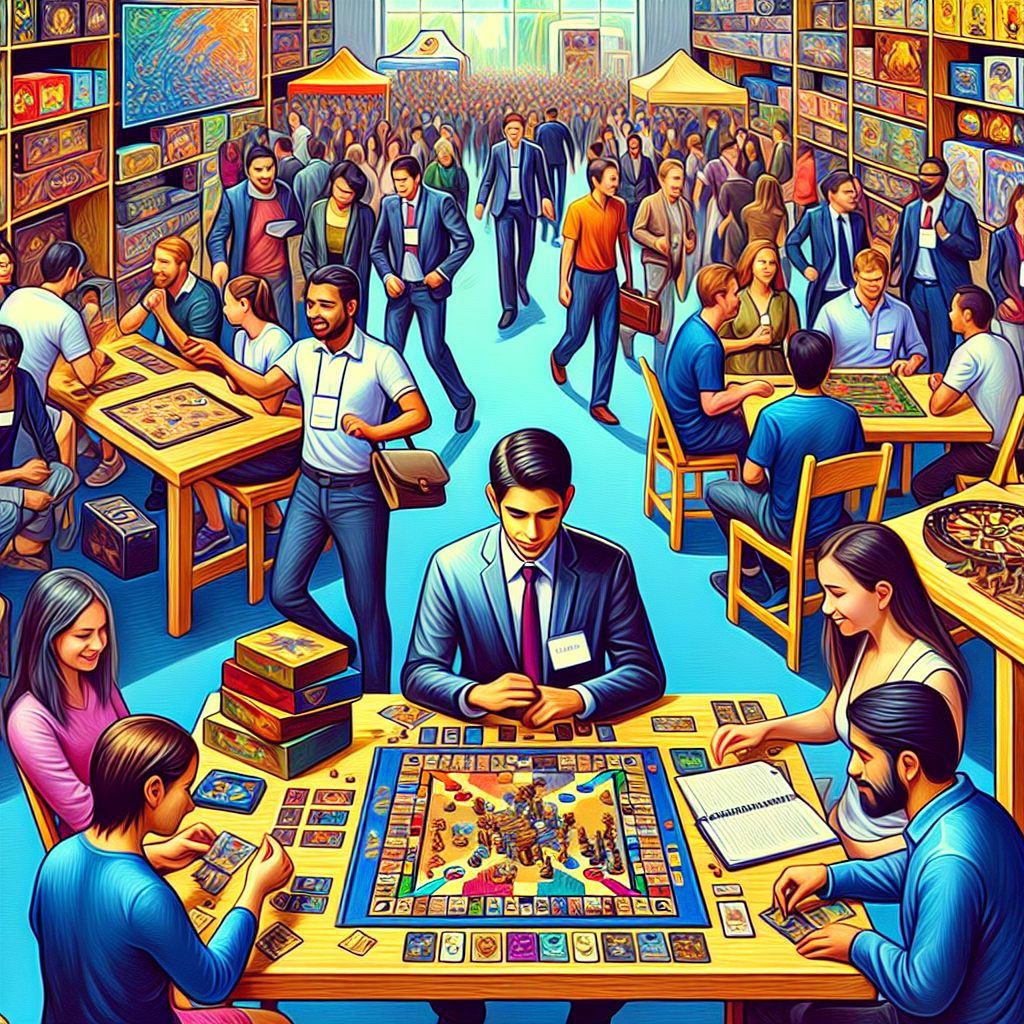
Worker placement games are a delightful blend of strategy, timing, and a pinch of luck—a recipe that’s more about finesse than brute force. Picture a bustling factory floor where every worker has a unique set of abilities and tasks waiting to be tackled. That’s the essence of worker placement. But how do you strike the delicate balance between competing demands and maximizing your resources? Let’s roll up our sleeves and dig in.
First off, it’s all about understanding your workers—your pawns in this grand game of strategy. Each worker has their own strengths, limitations, and unique contributions to the collective effort. Just like any well-oiled machine, your optimal strategy hinges on placing them in the most efficient spots. The key here is knowing when to spread them out and when to stack them up to claim that sweet spot that yields maximum benefits.
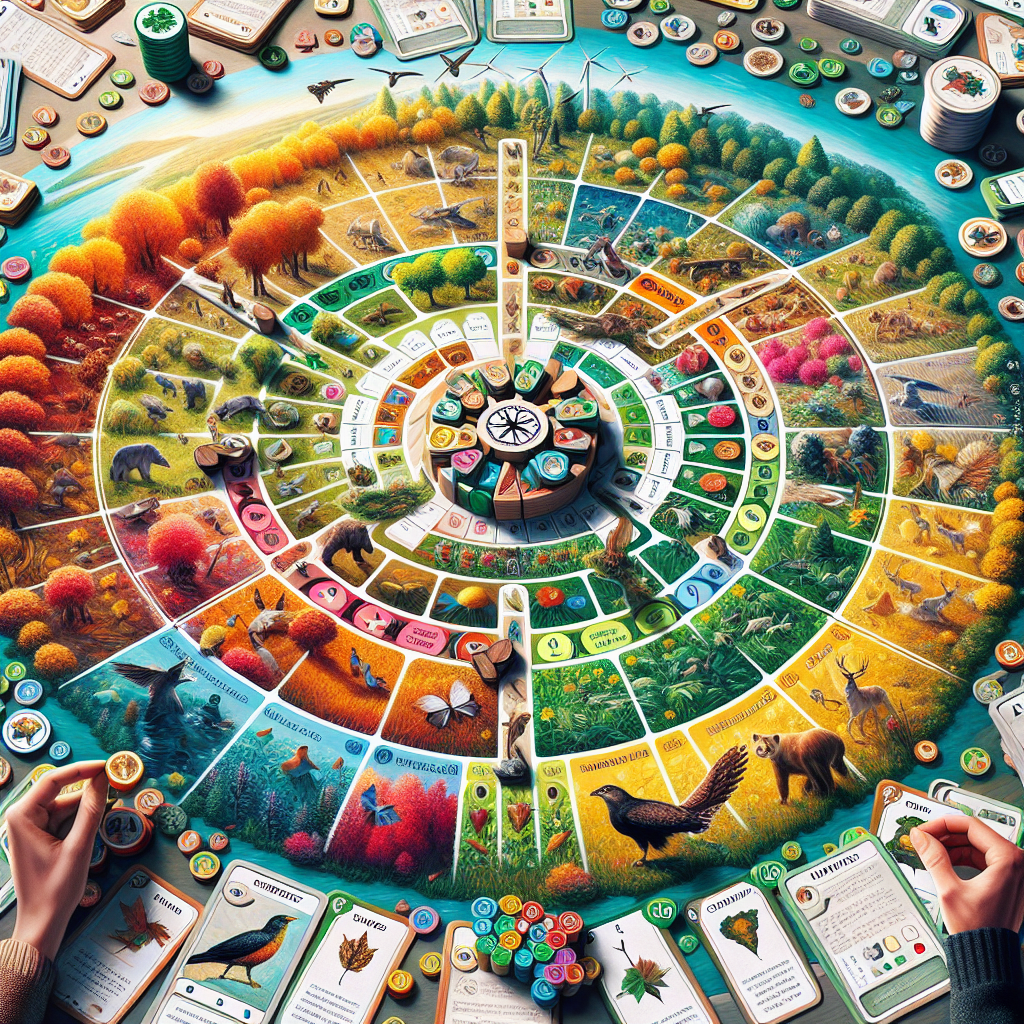
Take a moment to analyze the board. The game is not just about your own personal gains; it’s a constant dance with your opponents. Keep a watchful eye on their movements. If they’re circling a prime location, don’t be afraid to jockey for position. Take calculated risks—sometimes you have to leap ahead, claiming the high ground even if it means sacrificing a more minor opportunity. Timing is crucial here because the advantages you miss now may come back to haunt you later.
Resource management is another vital component in this balancing act. Every move has a cost, and sometimes that cost is more than just a few tokens or points; it’s about opportunity—time, placement, and leverage. Will you spend your precious resources on immediate gains, or will you save them for the far-off prize? The decision can mean the difference between glory and defeat.
Adaptability is your best friend. The board can shift in a blink, and if you aren’t able to pivot when necessary, you might find yourself boxed in with no viable options. Think of it like a tightrope walk. The balance does not just come from the strength of your workers but from your ability to stay flexible and responsive to the unfolding landscape.
Worker placement games are about finding equilibrium. You need to coordinate workers, anticipate your opponents, manage your resources, and act in the spur of the moment—all while keeping your ultimate goal in sight. It’s a balancing act worthy of a tightrope performer, so lace up your boots, take a deep breath, and get to work. You’re in for a thrilling ride!
How Do You Balance Strategy In Worker Placement Games?
How Do You Balance Strategy In Worker Placement Games?
- Worker placement games combine strategy, timing, and a touch of luck, focusing on finesse.
- Understanding the unique abilities and contributions of each worker is crucial for optimal placement.
- Analyze the game board continuously while keeping an eye on opponents’ movements.
- Take calculated risks to claim advantageous positions, as timing can significantly impact outcomes.
- Resource management is vital; weigh immediate gains against potential long-term rewards.
- Adaptability is essential; stay flexible to avoid being trapped by the shifting game landscape.
- Finding equilibrium among coordinating workers, anticipating opponents, and managing resources is key to success.
How Do You Balance Strategy In Worker Placement Games?
Can Worker Placement Games Be Played Solo?
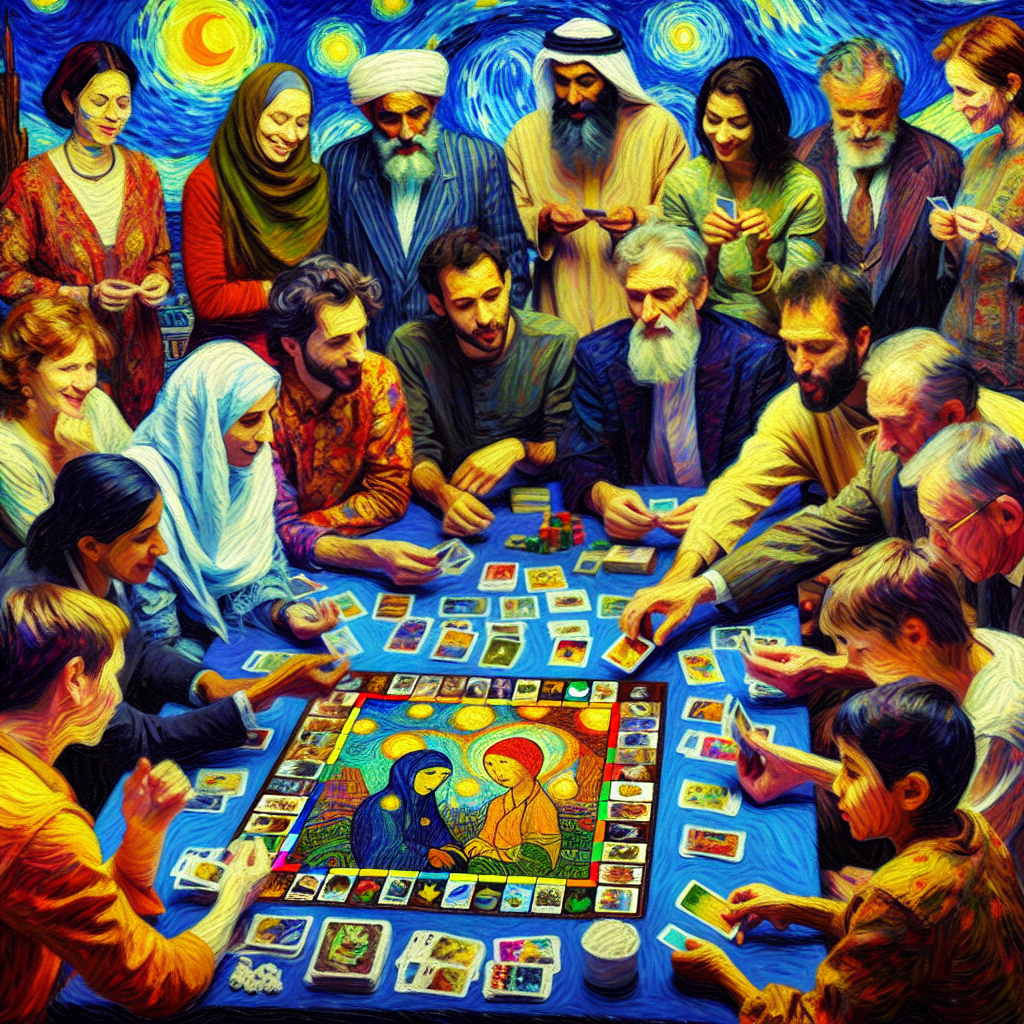
When you think of worker placement games, the image that often comes to mind is a lively group of friends gathered around a table, strategizing over a shared board filled with vibrant pieces and colorful tokens. But, like a trusty old pickup truck, these games can be surprisingly versatile—worthy companions even when you’re flying solo. While these types of games may shine brightest in the company of others, many are designed with solo play in mind.
First off, let’s define what we’re dealing with. Worker placement games task players with assigning their pieces, or “workers,” to various actions that advance their strategy. The catch? Many of these actions are limited, which means that timing and position are paramount. Now, you might think that playing alone would strip away the competitive edge, but in reality, it shifts the focus. Rather than jockeying for position against opponents, you’re battling the clock or the game’s mechanics, challenging yourself to optimize every move without interference.
Many contemporary worker placement games have come equipped with solo modes that amp up the replayability and keep things interesting. These modes often feature automated opponents, unique scenarios, or even solo-specific tasks that maintain the game’s essence while allowing for a rich, solitary experience. Titles like “Lords of Waterdeep” and “Castles of Mad King Ludwig” are a testament to how engaging a game can be when you’re the only player in the room. You can spend an entire afternoon plotting the intricate workings of your chosen strategy, free from the distractions of rival players.
But let’s be clear: playing alone means you’re the architect of your own fun. It can be an exhilarating journey of self-discovery as you uncover new strategies, make mistakes, and learn from them without the pressure of judgment or competition. Plus, no one’s hogging the resource spaces, and you can take your sweet time savoring every decision along the way.
So, can worker placement games be played solo? Absolutely, and don’t let anyone tell you otherwise. Whether you need a break from the hustle and bustle of social game nights or just want to dive deep into strategy at your own pace, these games can offer an equally satisfying experience on your own. Whether it’s with friends or solo, worker placement is about the thrill of the decision-making, and that thrill doesn’t disappear just because you’re flying solo.
Can Worker Placement Games Be Played Solo?
Can Worker Placement Games Be Played Solo?
- Worker placement games are often associated with social gameplay but can be enjoyable solo.
- These games involve assigning pieces or “workers” to actions that advance strategies, with limited options requiring strategic timing and positioning.
- Solo play shifts the focus from competing against others to optimizing moves against the game mechanics or time.
- Many contemporary worker placement games include solo modes to enhance replayability, featuring automated opponents or unique scenarios.
- Games like “Lords of Waterdeep” and “Castles of Mad King Ludwig” demonstrate that solo play can be engaging and enriching.
- Playing alone allows for exploration of strategies without competition, providing a judgment-free environment to learn from mistakes.
- Worker placement games can offer satisfying experiences whether played with friends or alone, focusing on the thrill of decision-making.

Can Worker Placement Games Be Played Solo?
What Age Group Enjoys Worker Placement Games The Most?
When it comes to worker placement games, one might imagine the scene unfolding in a cozy living room, filled with laughter and lighthearted banter, as players strategically decide how to allocate their limited resources. But hold on a minute—who are the folks flocking to these tabletop titans, and what’s the demographic that truly revels in this blend of strategy, foresight, and a sprinkle of luck? Let’s dive in.
While the beauty of worker placement games lies in their accessibility, they have a way of particularly resonating with the 25 to 40-year-old crowd. Why this age group? It’s simple: they’re often positioned at a crossroads in life where the hustle and bustle of adulthood meets the yearning for immersive, social experiences. This demographic has likely settled into their careers, accumulating both a taste for strategy and an appreciation for the tactical decisions that mimic real-world choices.
You see, these players are not just seeking a way to pass the time; they’re looking to engage their minds in complex problem-solving scenarios—albeit in a fictional realm where they can build empires or cultivate farms without any real-world consequences. They enjoy the thrill of competition, the satisfaction of clever moves, and the social connections that flourish over a shared board game.
But let’s not overlook the younger crowd, either. Enter the 18 to 24 age group—newly minted college students or recent graduates who are eager to gather with friends and build connections through shared experiences. For them, a worker placement game offers more than just entertainment; it provides a platform to bond over strategies, discuss tactics, and perhaps even negotiate alliances, all while navigating the intricate maze of adult responsibilities looming just on the horizon.
Interestingly, older generations, particularly those aged 40 and above, are also finding their way to the worker placement genre. Often, they come with a wealth of life experiences that breathe new strategies into gameplay, honing their decision-making skills in ways younger players might not yet appreciate. This age group brings a different flavor to the table—a blend of wisdom and a willingness to explore new pastimes that can lead to rich conversations and connections interlaced with nostalgia.
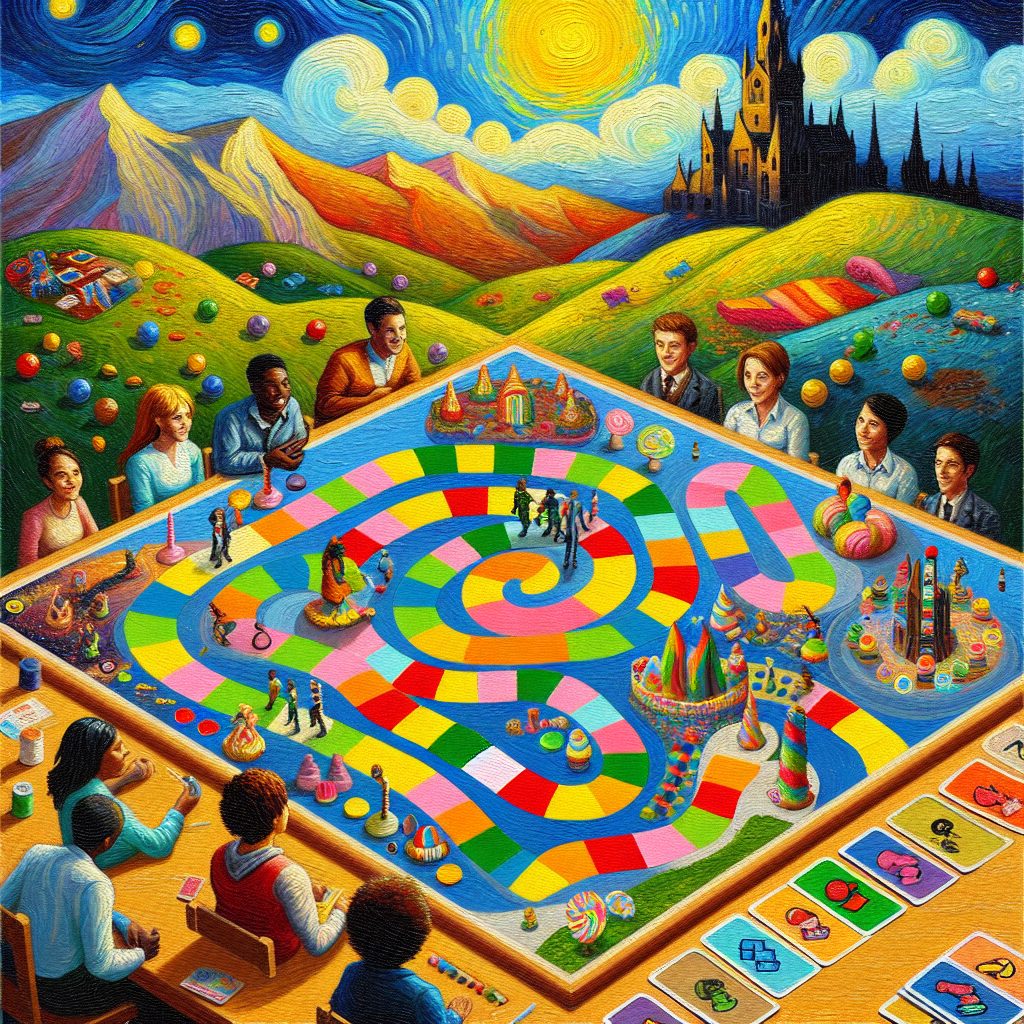
In essence, while worker placement games might seem like a niche interest, they capture the hearts of a broad age range. Each group brings unique perspectives and strategies, all while gathering around the table not only to compete, but to share stories, create memories, and forge lasting friendships. So, grab your workers, gather your friends, and get ready to dive into a world where every placement counts!

What Age Group Enjoys Worker Placement Games The Most?
What Age Group Enjoys Worker Placement Games The Most?
- Worker placement games create a cozy environment for players to allocate resources strategically.
- The games particularly resonate with the 25 to 40-year-old demographic, often at a crossroads in life.
- This age group enjoys complex problem-solving and social connections through immersive experiences.
- The 18 to 24 age group also engages with these games, using them to bond and strategize among friends.
- Players aged 40 and above bring life experiences that enhance gameplay with wisdom and varied strategies.
- Worker placement games appeal to a broad age range, fostering competition, storytelling, and friendship.
- These games invite players to gather and create lasting memories through shared experiences and tactics.
What Age Group Enjoys Worker Placement Games The Most?
What Are The Common Themes In Worker Placement Games?
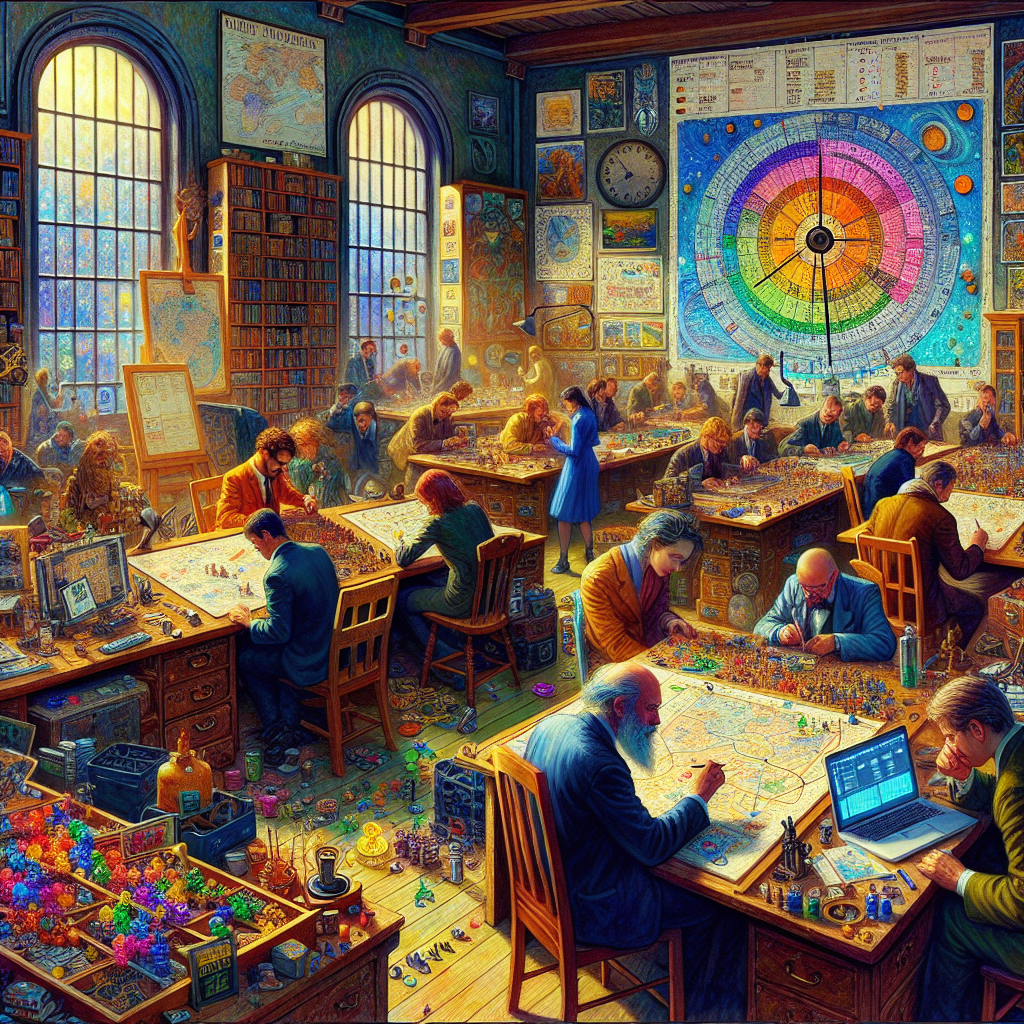
When you dive into the world of worker placement games, you quickly realize they’re not just about moving pieces around a board or collecting resources. Beneath all the colorful tokens and beautifully illustrated cards, you’ll find some common themes that stir the soul of strategy enthusiasts. A little bit of planning, a pinch of competition, and a dash of worker management come together to create an engaging experience, but let’s take a closer look at the undercurrents that make these games tick.
Firstly, there’s the idea of resource management. In virtually every worker placement game, players are juggling various resources like wood, stone, or even magical elements. The success of your grand plan often hinges on your ability to gather and allocate these resources wisely. It’s a bit like life, isn’t it? We all have limited time and energy to spend on tasks that matter, so striking that balance is key. In these games, you have to outsmart your opponents while managing your own assets effectively.
Next up is the theme of interaction vs. competition. Worker placement games are often a delicate dance between working with others and working against them. You can build alliances, trade favors, or hinder each other’s progress. Just when you think you’re cruising toward victory, someone else swoops in and snags the prime spot you were eyeing for your workers. It’s a reminder of the push and pull that exists in teamwork and competition. Sometimes, cooperation can benefit everyone involved, but other times, you just have to play the game and go for the win.
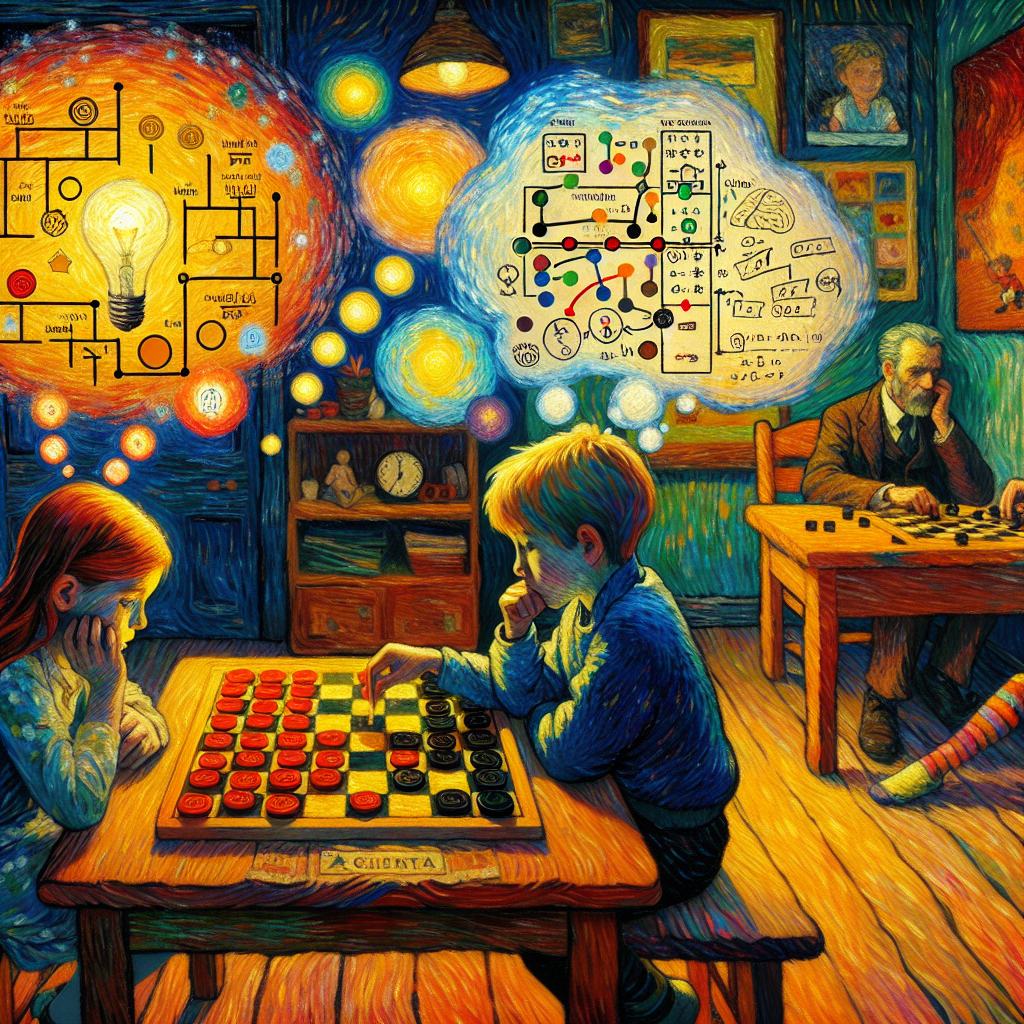
Then there’s the element of strategy and foresight. These games often require players to think several steps ahead, planning their moves with the precision of a chess grandmaster. You’re not just reacting to the current state of the game; you’re crafting a long-term strategy that anticipates your opponents’ actions. The weight of decision-making adds an exhilarating layer that keeps players on their toes. You can secure a glorious success or tumble into turmoil in a split second, all based on that one crucial placement or action taken.
Lastly, many worker placement games circle around the theme of progression. Players often start from humble beginnings and gradually build their empires, whether it’s developing a city, gathering an army, or enhancing a mystical land. This theme of growth and advancement resonates deeply with our innate desire to achieve and improve, stimulating both friendly competition and lasting engagement.
So, as you sit down to play your next worker placement game, remember there’s more going on than just placing pieces. In these games, strategy, interaction, and resource management intertwine to create an experience that echoes the complexities of real-life endeavors.
What Are The Common Themes In Worker Placement Games?
What Are The Common Themes In Worker Placement Games?
- Worker placement games combine strategy, competition, and resource management for an engaging experience.
- Resource management is crucial; players must gather and allocate various resources effectively.
- The interplay of interaction and competition allows for alliances, trades, and hindered progress.
- Players must think ahead and plan their moves like a chess grandmaster to succeed.
- Decision-making is critical; a single action can lead to success or failure.
- Progression is a common theme, with players building their empires from humble beginnings.
- These games reflect real-life complexities, making them intellectually stimulating and enjoyable.
What Are The Common Themes In Worker Placement Games?
Conclusion
Alright folks, now that we’ve taken a deep dive into the intricate world of worker placement board games, let’s hit the pause button and wrap it all up with a little reflection on what this genre brings to the table—pun intended!
At its core, worker placement games are a celebration of strategy and skill. They invite players into a tactical dance where each decision counts, and every placement can shift the tide of competition. When you find yourself deploying your unique little workers to gather resources, complete tasks, and ultimately strive for victory, you’re participating in something greater than just a game; you’re immersing yourself in a finely woven tapestry of choices and interactions.
Picture it: a board that evolves with each turn, a constant battle for scarce resources, and the thrill of anticipating your opponents’ moves. That’s the beauty of worker placement—it demands foresight and cunning, like a high-stakes chess match where every pawn matters. And with players constantly vying for control of limited spots, it’s a reminder that life often requires navigating through competition while managing resources wisely—skills that extend far beyond the game itself.
Now, what’s remarkable about these games is their adaptability. Whether you’re in the mood for a chaotic agricultural escapade like *Agricola*, or a high-fantasy showdown in *Lords of Waterdeep*, the variety ensures there’s something for everyone. And in a world that often feels chaotic, immersing yourself in these richly thematic games can be not just enjoyable but downright rewarding.
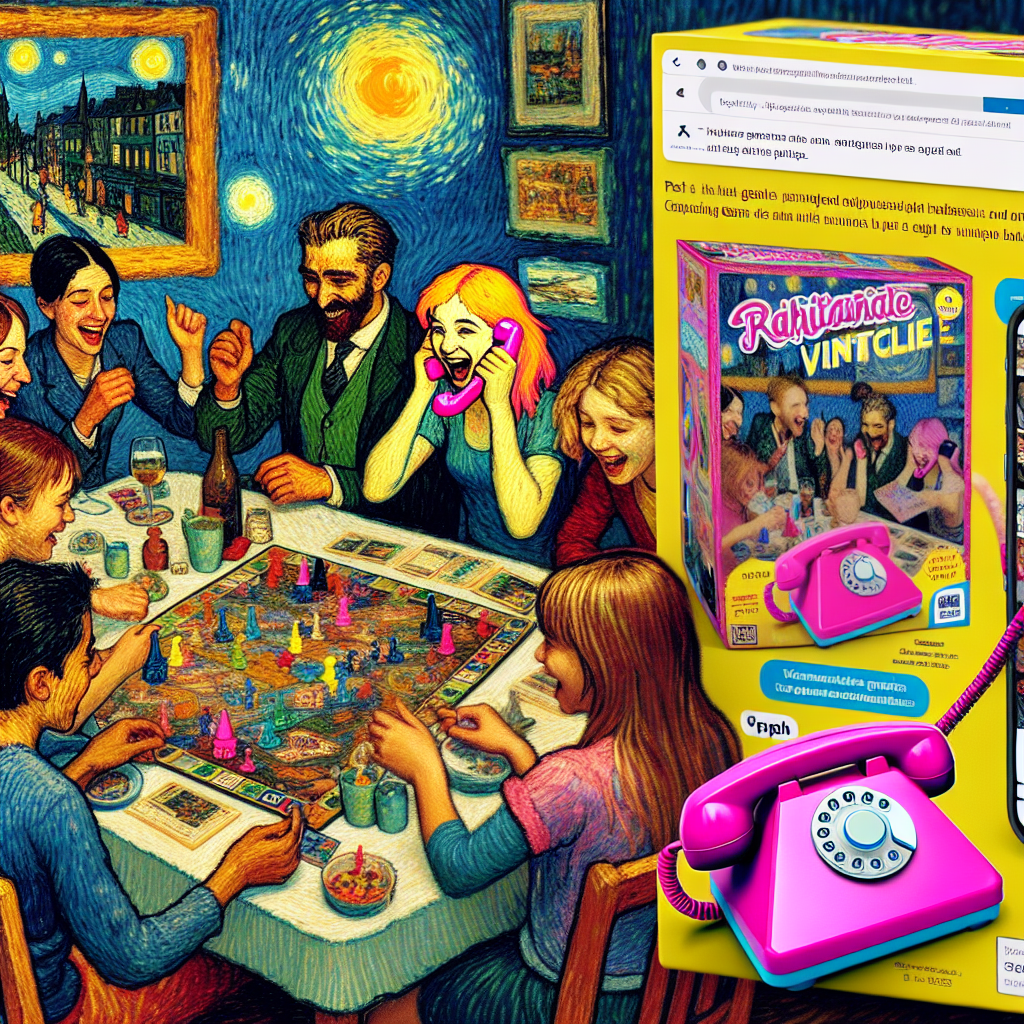
But let’s not forget about the social pulse that beats through worker placement games. These aren’t just solo missions; they’re avenues for connection. As you negotiate, strategize, and sometimes sabotage, you’re building not just a game-winning empire but relationships with fellow players, sharing laughs, frustrations, and plenty of “Aha!” moments.
In a nutshell, worker placement games encapsulate the thrill of strategic thinking, resource management, and engaging interactions. Whether you’re collaborating or competing, plotting your next moves, or adapting to unforeseen challenges, the experience becomes an exhilarating journey where no two games are ever alike.
So gather your crew, dust off those game boxes, and prepare for an adventure filled with critical thinking and camaraderie. Who knows? You might just find that once you step into the world of worker placement, you’ll never want to leave! Now, buckle up and get ready to place those workers wisely!
Conclusion
Conclusion:
- Worker placement games celebrate strategy and skill, engaging players in tactical decision-making.
- Each placement of workers impacts gameplay, making every choice significant in the competition.
- The evolving board and resource scarcity create a thrilling environment reminiscent of high-stakes chess.
- These games require foresight and resource management, skills applicable in real-life scenarios.
- They offer adaptability, catering to different moods with a variety of themes and styles.
- Player interaction is central, fostering relationships through negotiation, strategy, and shared experiences.
- Overall, worker placement games provide an exhilarating journey of critical thinking and collaboration.

Conclusion
Other Resources
Other Resources
Here is a list of other resources you can review online to learn more:
- Best Worker Placement Board Games 2024- Our Top 15 Picks
- 10 best worker-placement games | Dicebreaker
- Best Worker Placement Board Games – GameCows
- The Ultimate Guide To Worker Placement Board Games
- What is Worker Placement? – The Dark Imp
Each of these articles provides a unique perspective on worker placement board games.

Other Resources
Glossary Terms
What Are Worker Placement Board Games? – Glossary Of Terms
1. Worker Placement: A game mechanic where players assign their workers to specific locations to perform tasks or gain resources.
2. Worker: A game piece representing a player’s character or labor force that can be placed on various locations within the game.
3. Action Space: Locations on the game board where players can place their workers to perform specific actions or gain benefits.
4. Resource Management: The process of acquiring, utilizing, and optimizing resources (e. g. , money, materials) in the game to achieve objectives.
5. Turn Order: The sequence in which players take their turns, which can affect decision-making and strategy in worker placement games.
6. Blocking: The strategy of placing a worker in a location to prevent other players from utilizing that space.
7. Action Economy: The efficiency with which a player can perform actions in the game, affected by the number of workers and available action spaces.
8. End Game Scoring: The method by which players calculate their final scores at the end of the game, often based on achievements, resources, or other criteria.
9. Player Interaction: The ways in which players can influence each other’s strategies and success in the game, such as through blocking or competition for resources.
10. Victory Points (VP): Points awarded to players for various accomplishments, determining the winner at the end of the game.
11. Drafting: The process of selecting and acquiring workers or resources from a shared pool, often seen in some worker placement games.
12. Thematic Elements: Components that provide context to the game, such as setting, story, and character roles that enhance the playing experience.
13. Game Board: The physical or digital surface where players place their workers and perform actions, typically laid out with various action spaces.
14. Supply and Demand: Economic principles represented in the game where certain resources may become scarce (demand) while others are abundant (supply).
15. Multiplayer Interaction: The dynamics of how players interact with each other in a multiplayer environment, influencing strategies and outcomes.
16. Game Components: Physical items used in the game, such as worker pieces, resources tokens, player boards, and cards.
17. Player Board: An individual board for each player where they manage their resources, workers, and personal strategies.
18. Asymmetrical Gameplay: A design feature where players have different abilities, starting conditions, or goals, leading to varied strategies and experiences.
19. Scalability: How well a game accommodates different numbers of players, maintaining balance and enjoyment whether played with two or more participants.
20. Resource Allocation: The decision-making process regarding where to place workers and how to expend resources for optimal outcomes.
21. Timed Actions: Certain games may introduce a time constraint, adding urgency to decision-making and worker placement.
22. Collective Goals: Objectives that players can work towards together, often leading to cooperative gameplay elements within a competitive framework.
23. Game Phases: Distinct sections of gameplay that dictate the flow and structure of a game, such as preparation, action, and resolution phases.
24. Expansion: Additional content released for a game that introduces new mechanics, workers, or boards, enhancing replayability.
25. Scenario-Based Play: Gameplay that is organized around specific scenarios with unique rules and objectives, providing diverse play experiences.
26. Endgame Triggers: Conditions that signal the conclusion of a game, often based on player actions or fulfillment of objectives.
27. Strategy: The long-term plan players devise to maximize their success throughout the game, often informed by competing with others.
28. Adaptability: The capacity of players to adjust their strategies in response to the actions of their opponents and changing game conditions.
29. Theme Integration: The degree to which the mechanics of a game support and enhance its thematic elements, making the experience more immersive.
30. Competitive Balance: The fairness and equality in gameplay opportunities among players, ensuring that no single player has an overwhelming advantage.
Glossary Of Terms
Other Questions
What Are Worker Placement Board Games? – Other Questions
If you wish to explore and discover more, consider looking for answers to these questions:
- What are some essential strategies for winning worker placement games?
- How long do typical worker placement games take to play?
- Can you recommend worker placement games for beginners?
- What are common mistakes players make in worker placement games?
- How does player count affect gameplay in worker placement games?
- Are there worker placement games that include a storytelling element?
- What kind of themes can be found in worker placement games?
- How do expansions change the dynamics of worker placement games?
- What skills should players focus on to improve their strategy in these games?
- Are there any worker placement games designed specifically for families?
Other Questions
Haiku
What Are Worker Placement Board Games? – A Haiku
Strategic workers,
Dancing for scarce resources—
Balance, plan, and win.
Haiku
Poem
What Are Worker Placement Board Games? – A Poem
In a world where tokens dance,
Amidst the boards, a fierce romance,
Workers placed with careful thought,
In games where cunning is dearly sought.
Each player dons a leadership crown,
Deciding where their pawns go down,
In scarce lands where resources gleam,
Choices made become the dream.
A tapestry of choices wide,
With every move, a step beside,
Competing hearts, yet friendships bloom,
As strategies weave through tension’s loom.
From deep fields of ancient lore,
To cities where brave heroes soar,
Each game unveils a brand-new tale,
Where plans and foresight must prevail.
The thrill of placing that final piece,
A strategic win, a moment of peace,
For in this realm of thoughtful play,
Camaraderie blooms, and roles display.
So gather ‘round, let’s take our stand,
In worker placement, united, we’ll brand,
For every turn is a dance, a fight,
In the grand game of strategy’s light.
Poem
Checklist
What Are Worker Placement Board Games? – A Checklist
Before You Play:
_____ Understand the Theme: Familiarize yourself with the game’s setting and objectives (e. g. , agriculture, fantasy, urban development).
_____ Learn the Rules: Go through the rulebook to understand game mechanics, worker allocation, and how to earn victory points.
_____ Gather Your Team: Invite a diverse group of players. Aim for those who enjoy strategy and competition.
During the Game:
_____ Plan Your Moves: Strategically allocate your workers to maximize resources and opportunities.
_____ Monitor Opponents: Keep an eye on other players’ moves and adjust your strategy accordingly.
_____ Manage Resources Wisely: Ensure you balance immediate needs with long-term strategies.
_____ Use Action Chains: Look for opportunities to use resources or actions to unlock further advantages.
_____ Anticipate Changes: Stay flexible as the game board changes with each player’s turn.
Interaction Strategies:
_____ Engage with Players: Communicate your strategies and negotiate where possible.
_____ Form Temporary Alliances: Consider working with other players when it benefits your strategy.
_____ Adapt to Competition: Be prepared to alter your plan if a rival blocks your preferred resource spot.
After the Game:
_____ Reflect on Strategies: Discuss with your group what worked and what didn’t in your gameplay.
_____ Explore New Games: Look for other worker placement games to try next based on your interests.
_____ Share Experiences: Encourage players to share their thoughts and strategies to enhance future gameplay.
Bonus Tips:
_____ Experiment with Solo Play: If you enjoy the game, try it solo to refine your strategies without competition.
_____ Introduce to Others: Share your passion for worker placement games by teaching newcomers to the genre.
_____ Stay Open-Minded: Be willing to learn and adapt your playing style as you become a more seasoned player.
Armed with this checklist, you’re ready to dive into the strategic depths of worker placement board games—enjoy!
Checklist
At BestBoardGameNews, we help people who love board games by collating information and news about board games.
Be sure to read our other related stories at BestBoardGameNews to learn more about board games.