

Unraveling The Immersive Appeal Of Chronicles Of Crime
By Tom Seest
At BestBoardGameNews, we help people who love board games by collating information and news about board games.
Be sure to read our other related stories at BestBoardGameNews to learn more about board games.
What Makes The Board Game Chronicles Of Crime So Popular?
In a world flooded with digital distractions, it’s a rare gem that provides an avenue for genuine interaction, critical thinking, and a whole lot of fun. Enter Chronicles of Crime, a board game that has captivated players and sparked countless dinner table debates. But what is it that elevates this particular game into the spotlight in an age when many opt for the flicker of a screen?
First and foremost, Chronicles of Crime provides an immersive experience that transcends the familiar confines of the tabletop. It seamlessly merges traditional board gaming with modern technology, allowing players to utilize smartphones or tablets to interrogate suspects, analyze evidence, and piece together the puzzles at hand. This hybrid approach maximizes engagement—players aren’t merely rolling dice; they’re thrust into a world of intrigue, where solving crimes is just as exhilarating as the chase itself.
The game’s structure is another key component of its allure. Each scenario is crafted with intricate detail, featuring rich narratives and diverse characters that beg to be explored. Players can easily lose themselves in the storylines, making choices that affect the course of the game. This narrative-driven style makes every session unique; it’s not just about winning or losing. It’s about the shared experience of unravelling mysteries together, lending to those unforgettable moments that transform a night in with friends or family into a memorable adventure.
Then there’s the element of collaboration. Chronicles of Crime encourages teamwork, allowing players to pool their knowledge and skills. It’s a game that thrives on collective intelligence, where different perspectives can lead to breakthroughs that an individual player might miss. The thrill of cracking a case with your buddies, paired with the ale or snacks nearby, creates a bonding experience that’s hard to replicate. It allows for laughter, debate, and the occasional triumph when you finally piece together the clues.
Lastly, let’s not forget the sheer joy of the chase. The tension built by the ticking clock and relentless suspects amplifies the gaming experience. Every clue uncovered invites speculation and discussion, a chess match of wits played out in real-time. It’s a game for detectives, adventurers, and those with a penchant for storytelling, drawing players back time and time again, eager to delve deeper into its web of crime and consequence.
Ultimately, Chronicles of Crime isn’t just a board game; it’s a communal experience, one that stirs the imaginations of its players while drawing them closer together. In an era where genuine connections can feel fleeting, this game serves as a powerful reminder that sometimes, the best entertainment is rooted in collaboration, creativity, and a whole lot of fun.

What Makes The Board Game Chronicles Of Crime So Popular?
What Makes The Board Game Chronicles Of Crime So Popular?
- Chronicles of Crime is a board game that fosters genuine interaction and critical thinking amidst digital distractions.
- The game combines traditional board gaming with modern technology, using smartphones or tablets to enhance engagement.
- Each scenario features intricate narratives and diverse characters, making the experience unique and immersive.
- Players make choices that affect the storyline, focusing on the shared experience of solving mysteries rather than just winning.
- The game encourages teamwork and collaboration, allowing players to combine their knowledge for breakthroughs.
- The thrill of the chase is heightened by a ticking clock and relentless suspects, creating a tense gaming atmosphere.
- Chronicles of Crime promotes creativity and connection, reminding players that the best entertainment comes from collaboration and fun.

What Makes The Board Game Chronicles Of Crime So Popular?
Table Of Contents
- What Makes The Board Game Chronicles Of Crime So Popular?
- What Is The Gameplay Like In Chronicles Of Crime?
- How Does The App Enhance The Experience?
- What Sets Chronicles Of Crime Apart From Other Board Games?
- What Are The Key Themes And Elements Of The Game?
- How Does Storytelling Factor Into The Game Play?
- What Age Group Is Chronicles Of Crime Suitable For?
- How Long Does A Typical Game Session Last?
- What Strategies Can Players Use To Win?
- How Is The Game Set Up And Prepared For Play?
- Are There Expansions Or Additional Content Available?
- How Does Player Interaction Influence The Game?
- What Are The Components Included In The Game Box?
- How Is The Visual Design And Artwork Of The Game?
- What Have Critics Said About Chronicles Of Crime?
- How Do Players Solve Crimes In The Game?
- Conclusion
- Other Resources
- Glossary Of Terms
- Other Questions
- Haiku
- Poem
- Checklist
What Is The Gameplay Like In Chronicles Of Crime?
Imagine stepping into the shoes of a detective, armed with nothing but your wits, an eclectic mix of clues, and a savvy smartphone. That’s the immersive experience Chronicles Of Crime brings to the table. This isn’t just your run-of-the-mill board game; this is a full-on investigation that unfolds like a well-crafted mystery novel.
At its core, Chronicles Of Crime harnesses the power of augmented reality to create an engaging and interactive storytelling experience. You start by laying out a colorful map of London, sprinkled with locations that beckon you to explore. Your mission? Solve a crime that binds together various characters, motives, and, of course, twists that could rival any detective classic.
As you dive into the game, you’ll find yourself flipping through vibrant cards that represent clues, suspects, and locations. Each card is meticulously crafted, pulling you deeper into the narrative and demanding that you think critically about how they interconnect. The genius of Chronicles Of Crime lies in its use of technology; by scanning QR codes, you unlock clues and dialogue, making you feel like an actual sleuth piecing together an intricate puzzle. The tactile nature of handling physical components combined with the pulsating thrill of digital interaction is a recipe for an unforgettable adventure.
As you sift through evidence and profile characters, the gameplay becomes an exercise in deduction. You’ll interrogate suspects, but be careful—your line of questioning can lead to red herrings or genuine breakthroughs. This is where the game flourishes; it demands not just attention but a keen analytical mind. The decisions you make have tangible consequences, shaping the outcome of your investigation. There’s a beautiful tension in the air, knowing that one wrong question might send you spiraling down a rabbit hole of misdirection.
But the fun doesn’t stop there. Each scenario can be played multiple times, with opportunities for different outcomes. This replayability is a nod to the storytelling prowess of the designers, ensuring that every session feels fresh, even if you start with the same crime. Whether you’re a seasoned detective wannabe or a novice looking to sharpen your sleuthing skills, Chronicles Of Crime offers an addictive blend of storytelling, deduction, and a dash of technology to keep you guessing until the very end. So gather your friends, put on your thinking caps, and get ready to uncover secrets and lies in a game where every decision counts.

What Is The Gameplay Like In Chronicles Of Crime?
What Is The Gameplay Like In Chronicles Of Crime?
- Chronicles Of Crime provides an immersive detective experience using augmented reality and a smartphone.
- The game features a colorful map of London where players explore various locations related to a central crime.
- Players interact with vibrant cards representing clues, suspects, and locations, enhancing the narrative.
- QR codes unlock additional clues and dialogue, blending physical components with digital interaction.
- Gameplay focuses on deduction, with players interrogating suspects and making decisions that impact the investigation.
- Each scenario can be replayed with different outcomes, adding to the game’s storytelling depth.
- Chronicles Of Crime offers an engaging mix of storytelling, deduction, and technology for players of all skill levels.

What Is The Gameplay Like In Chronicles Of Crime?
How Does The App Enhance The Experience?
In a world bustling with distractions and constant noise, finding the tools that enhance our daily lives can feel like searching for a needle in a haystack. Enter the app—a digital ally, designed to simplify, streamline, and supercharge everyday experiences. Gone are the days of fumbling with outdated methods and cumbersome processes; this is where technology steps into the spotlight and makes its mark.
Imagine a morning where you’re greeted by an app that anticipates your needs, guiding you gently towards your goals. Picture it waking you up not just with a shrill alarm but with a playlist tailored to ease you into the day. It’s like having a personal assistant who knows your preferences and supports your every move without the expense or complexity of human interaction. With just a few taps, you schedule your day, prioritize tasks, and even get reminders about important events—all tailored to fit like a well-worn glove.
But it goes deeper than mere convenience. This app isn’t just functional; it’s a gateway to connection. Whether you’re an outdoor enthusiast, a fitness fanatic, or someone who thrives on social networks, the app swiftly weaves together the threads of community. You can share your progress, exchange tips with fellow users, or participate in challenges that push you beyond your limits. There’s a certain magic in witnessing how a simple app can foster genuine camaraderie among a diverse group of people, all united by shared interests and passions.
User experience takes center stage here, with intuitive design and accessibility at its core. The interface speaks to you clearly, stripping away the complexities that often shroud new technology. Each feature is crafted with user feedback in mind, ensuring that you’re not just using an app but experiencing it. The joy of navigating effortlessly, discovering hidden features, and unlocking new levels of functionality transforms the mundane into something remarkable.
Data tracking and insights are your comrade on this journey. By visually quantifying your progress, the app instills a sense of accomplishment that fuels motivation. It’s like peeking into a rearview mirror and seeing just how far you’ve come—thus invigorating your drive to keep pushing forward.
In essence, the app doesn’t just enhance the experience; it redefines it, turning ordinary routines into extraordinary adventures. Whether it’s through connectivity, data tracking, or user-friendly design, it stands not just as an application, but as a catalyst for life’s next great chapter.

How Does The App Enhance The Experience?
How Does The App Enhance The Experience?
- Apps serve as digital allies that simplify and enhance everyday experiences.
- They provide personalized assistance with tailored features, like custom alarms and daily scheduling.
- Apps foster community connections, allowing users to share progress and tips while participating in challenges.
- User experience is prioritized, featuring intuitive design and easy navigation.
- Data tracking visualizes progress, which boosts motivation and sense of accomplishment.
- Apps redefine daily routines, transforming them into extraordinary adventures.
- Overall, they act as catalysts for significant positive life changes.

How Does The App Enhance The Experience?
What Sets Chronicles Of Crime Apart From Other Board Games?
In a world where board games often feel like rehashes of timeworn concepts, Chronicles of Crime boldly carves out its own niche. It’s not just a game; it’s an experience—a multi-layered journey into the heart of crime-solving that engages players like few others can. So, what sets this game apart in a sea of dice-rolling, card-shuffling chaos?
First and foremost, let’s talk about integration. Chronicles of Crime weaves its narrative together through an innovative combination of a physical board, cards, and a smartphone app. You’re not simply moving pieces around; you’re using technology to enhance the storytelling. The app serves as your detective partner, guiding you through clues and suspects with a fluidity that makes you feel as if you’ve stepped straight into a noir film. It allows for a depth of immersion that many board games—stuck in the two-dimensional realm of cardboard and plastic—can only dream of.
Then there’s the element of realism. While many games stick to abstract systems that distance players from their objectives, Chronicles of Crime draws you in by placing you in the shoes of a detective. You’re not just answering questions; you’re piecing together evidence, interviewing witnesses, and using a VR component to inspect crime scenes. That sense of agency, of being an active participant rather than a passive observer, brings a visceral thrill to the experience. You can almost smell the cigar smoke in the shadows and feel the tension of a suspect’s heartbeat.
Moreover, the focus on collaboration in Chronicles of Crime sets it apart from the more competitive board games that might find players elbowing one another at the table. Here, teamwork isn’t just a strategy; it’s a necessity. Every player brings their own perspective to the table, meaning the game evolves with your group’s dynamic. It’s a shared mission, where each deduction and leap of logic becomes a collective triumph—or, in some cases, a collective head-scratcher.
Finally, let’s not overlook the replayability factor. With a plethora of cases that change depending on your choices, the game begs for multiple playthroughs. Each session offers a chance to explore a new angle or interrogate a different suspect, keeping the experience fresh and exhilarating.
In short, Chronicles of Crime stands out because it doesn’t just ask you to play a game; it invites you to live a story. The marriage of technology, collaboration, and realism transforms a simple gathering into a memorable adventure, making it a standout choice for any game night.

What Sets Chronicles Of Crime Apart From Other Board Games?
What Sets Chronicles Of Crime Apart From Other Board Games?
- Chronicles of Crime offers a unique experience that distinguishes it from traditional board games.
- The game integrates a physical board, cards, and a smartphone app for enhanced storytelling.
- Players actively engage as detectives, piecing together evidence and interviewing witnesses.
- A VR component allows for immersive inspection of crime scenes.
- Collaboration is essential, with teamwork necessary for solving cases rather than competing against each other.
- The game features high replayability with various cases and choices that change each session.
- Overall, it transforms a typical game night into a memorable adventure filled with narrative depth.

What Sets Chronicles Of Crime Apart From Other Board Games?
What Are The Key Themes And Elements Of The Game?
When you step into the world of this game, you’re not just crossing pixels on a screen; you’re diving headfirst into a rich tapestry woven with key themes and elements that keep players hooked and engaged. At its core, the game explores the age-old battle between good and evil, but it does so with a twist. It doesn’t just present the familiar dichotomy; it cranks it up a notch by forcing players to navigate moral gray areas, asking them to make choices that resonate with them long after they’ve put down the controller. This results in a landscape that feels both familiar and unsettlingly complex—think of it as a moral maze with no clear exit.
Another prominent theme is the quest for identity. Characters undergo profound transformations, often shaped by their experiences throughout the game. Players witness firsthand how struggles, triumphs, and relationships mold their paths, a reflection of our own life journeys. This exploration of identity isn’t merely superficial; it delves deep into the psyche, showcasing how past choices ripple into the present, generating engaging narratives and emotional investments that leave players pondering their definitions of self.
Intertwined with these themes is a palpable sense of community and connection. Whether it’s through cooperative gameplay or shared challenges, the game fosters bonds among players, inviting them to forge alliances that transcend the virtual realm. It’s not just about individual progression; it’s about working together and leaning on one another during those particularly tough boss fights. This camaraderie enhances the overall experience, making every victory sweeter and every defeat a learning opportunity.
Let’s not forget the art and design that pulse vibrantly through the game. From the stunning landscapes to the intricate character designs, the visual storytelling adds a layer of depth that invites exploration. Players find themselves wandering through breathtaking environments, each crafted with precision to evoke a sense of wonder or dread—housing secrets just waiting to be uncovered. Soundscapes complement this visual feast, drawing players deep into the atmosphere, with every musical cue and sound effect heightening the experience.
So, whether you’re fighting for justice, uncovering your identity, or simply enjoying a moment of shared laughter with friends, this game wraps you in its embrace. The themes and elements come together to create a unique experience that demands not just your time, but your heart and mind. And in a world full of distractions, that’s something truly worth celebrating.

What Are The Key Themes And Elements Of The Game?
What Are The Key Themes And Elements Of The Game?
- The game immerses players in a rich narrative focusing on the battle between good and evil.
- It challenges players to navigate moral gray areas, creating lasting reflections on their choices.
- Characters experience profound transformations, highlighting the quest for personal identity.
- The exploration of identity delves deep into the character’s psyche, impacting narratives and emotional engagement.
- The game fosters a sense of community and connection through cooperative gameplay and shared challenges.
- Stunning art and design enhance the experience, inviting exploration of beautifully crafted environments.
- The combination of engaging themes creates a unique experience that engages players’ hearts and minds.

What Are The Key Themes And Elements Of The Game?
How Does Storytelling Factor Into The Game Play?
In the grand tapestry of gaming, storytelling is the thread that weaves together the vibrant colors of action, emotion, and dynamic choices. Picture this: you’re not just a passive observer; you’re stepping into the shoes of a character, feeling their sweat, their fears, and their triumphs. The thrill of pressing that ‘start’ button isn’t merely about jumping into a virtual realm—it’s the beginning of a journey that’s as much about the heart and mind as it is about skill and strategy.
At its core, every game tells a story, whether it unfolds through a grand narrative campaign or whispered character moments between epic battles. You find yourself racing through a post-apocalyptic wasteland in search of survival not just because you want to win, but because the world around you has a story that demands to be explored. It’s the ruins of a society that once thrived, now diminished to echoes of its former self. Each crumbling building tells tales of loss and hope, drawing you deeper into the immersive experience.
Then, there’s the role of player choice. Ah, the magic of choices! When you’re faced with a pivotal decision—like saving a fellow survivor or pursuing your objective—suddenly, the stakes are raised. Your decisions shape the narrative, sending ripples through the game’s universe and affecting the fate of its characters. This personal investment transforms gameplay into a living, breathing storybook, one where each chapter hinges on your actions. The thrill of hitting the ‘confirm’ button becomes an emotional gamble, and it’s that pulse-pounding uncertainty that keeps players on the edge of their seats.
Moreover, storytelling is what builds the emotional connection between the player and the game. Characters come alive when they have depth, backgrounds, and motivations, allowing players to resonate with their struggles and triumphs. As you navigate through challenges, you’re not just picking up weapons and power-ups; you’re forging alliances, battling internal demons, and sometimes, even sacrificing relationships—all intricately woven into a narrative fabric that enriches gameplay.
Whether battling ferocious beasts or navigating complex political intrigue, storytelling elevates gaming from a mere pastime to an enthralling adventure. The next time you settle in for a gaming session, remember to pay attention—not just to the scores and achievements, but to the stories being told. After all, that’s where the real magic lies.

How Does Storytelling Factor Into The Game Play?
How Does Storytelling Factor Into The Game Play?
- Storytelling is the essential element that connects action, emotion, and choices in gaming.
- Players engage deeply with characters, experiencing their emotions and journeys firsthand.
- Every game tells a story, whether through narrative campaigns or character interactions.
- Player choices significantly influence the narrative, creating a personalized gaming experience.
- Emotional connections are established through well-developed characters with backgrounds and motivations.
- Storytelling transforms gaming into an immersive adventure rather than just a pastime.
- Players should focus on the unfolding stories in games, as that’s where the real magic exists.

How Does Storytelling Factor Into The Game Play?
What Age Group Is Chronicles Of Crime Suitable For?
When it comes to games that ask players to put on their detective caps and dive into the dark and twisting corridors of a crime scene, it’s essential to understand the age group that this experience is designed for. “Chronicles of Crime” is not just a game; it’s an immersive journey into a world of mystery, intrigue, and deduction. But who is best suited to navigate its treacherous waters?
First off, we’ll set the stage: “Chronicles of Crime” is a blend of cooperative gameplay, storytelling, and problem-solving, all wrapped in a beautifully crafted package that feels both modern and reverent to classic detective stories. It’s rated for players aged 14 and up, but let’s unpack what that really means. This isn’t your run-of-the-mill “kiddie” game filled with colorful cartoon characters and shallow plots. The themes tackled in this game are more sophisticated, presenting players with moral dilemmas and complex scenarios that challenge their critical thinking skills.
For those aged 14 to 18, “Chronicles of Crime” serves as an excellent introduction to the world of investigative reasoning. Young players get the chance to sharpen their analytical skills—think of it as a mental workout that requires focus, patience, and teamwork. They’ll have to sift through evidence and witness testimonies, piecing together the puzzle much like a detective on the beat. But it’s not just about ages; it’s about attitude. This game demands a level of maturity and emotional intelligence to navigate those sticky moral choices that don’t always have a clear right or wrong answer.
Now, what about the older crowd? Adults will find themselves equally engaged, if not more so. The intricate narratives and the interplay of character motivations will resonate more deeply with those who have a bit more life experience under their belts. It’s a chance to relive the thrill of solving mysteries but with the added layer of adult reflection. It encourages discussions and debates—perfect for family game nights or gatherings with friends. It’s where strategy meets storytelling, inviting players of all ages to confront the human condition in a way that’s both entertaining and thought-provoking.
In essence, “Chronicles of Crime” caters to a broad spectrum of players, but it’s particularly well-suited for those aged 14 and up who are ready to tackle the nuances of crime-solving. So gather your companions, unleash your inner Sherlock, and dive into a narrative-driven experience that’s as enriching as it is enjoyable. It’s time to embrace the challenge—crime doesn’t solve itself, after all!

What Age Group Is Chronicles Of Crime Suitable For?
What Age Group Is Chronicles Of Crime Suitable For?
- “Chronicles of Crime” is an immersive detective game designed for players aged 14 and up.
- The game combines cooperative gameplay, storytelling, and problem-solving elements.
- It presents sophisticated themes, requiring critical thinking and emotional intelligence.
- Perfect for players aged 14 to 18, the game serves as an introduction to investigative reasoning.
- Adults may find the intricate narratives and character motivations particularly engaging.
- The game promotes discussions and debates, ideal for family game nights and gatherings.
- Overall, it is well-suited for players ready to tackle the nuances of crime-solving.

What Age Group Is Chronicles Of Crime Suitable For?
How Long Does A Typical Game Session Last?
When it comes to video games, the question of how long a typical game session lasts can be as varied as the genre itself—like asking a fisherman how long he sits by the water. It’s all dependent on the conditions, the bait, and, let’s be honest, how well the fish are biting. For some, a quick session might be just a few minutes of sheer adrenaline. For others, it’s an expedition that stretches long into the night, fueled by caffeine and pure unadulterated obsession.
Let’s break it down. For casual gamers, the average session might hover around 30 to 60 minutes. Picture this: You’ve just wrapped up a long day at work, and you’re looking to unwind. You fire up your favorite game, maybe something light like a puzzle or platformer, and before you know it, you’re lost in another world. But unless you’ve managed to carve out a sacred gaming oasis in your schedule, those minutes slip away faster than a cat on a hot tin roof. Suddenly it’s time to cook dinner, help the kids with homework, or tackle that mountain of laundry keeping an eye on your progress in the corner of the room.
Now, for the hardcore enthusiasts—the ones who take their gaming as seriously as a six-hour road trip with a comic book. These individuals can dive into marathon sessions of three to six hours or more. How do they do it? With the drive of a long-haul trucker down an empty highway, they’re fully immersed, sometimes barely stopping for sustenance. Role-playing games (RPGs) are notorious for this; they draw players into sprawling narratives, intricate worlds, and character development that begs for just one more quest, just one more level.
Of course, every gamer has their own rhythm. Some thrive on late-night raids with friends, burning the midnight oil with camaraderie over virtual landscapes, while others prefer the solitude of an early morning gathering where they can sip coffee and concentrate on refining their strategy.
Ultimately, the length of a game session boils down to what’s at stake: time, personal preferences, and the allure of digital escapism. So, whether you’re playing for half an hour or sitting down for an epic binge—just remember, there’s no universal clock ticking in the world of gaming. It’s all about what you make of it.

How Long Does A Typical Game Session Last?
How Long Does A Typical Game Session Last?
- The duration of video game sessions varies widely, influenced by genre and player preferences.
- Casual gamers typically spend 30 to 60 minutes per session, often fitting gaming into busy schedules.
- Hardcore gamers may engage in marathon sessions lasting three to six hours or more, especially with immersive RPGs.
- Gaming sessions can be fueled by a desire for escapism and the appeal of completion, similar to a long road trip.
- Individual gaming preferences dictate session length; some enjoy late-night team play, while others prefer quiet mornings.
- The length of a session is influenced by personal time constraints and gaming stakes.
- Ultimately, there’s no universal standard for game session duration; it varies by player and circumstances.

How Long Does A Typical Game Session Last?
What Strategies Can Players Use To Win?
When it comes to winning in any game, strategy is your best friend. It’s not just about luck; it’s about diving deep, rolling up your sleeves, and getting down to business. Whether you’re playing a card game with friends or engaging in a competitive sport, adopting the right strategies can make all the difference.
First off, let’s talk about preparation—this is key in any arena. Know the rules inside and out. You wouldn’t go into battle without checking your gear, so why would you step into a game underprepared? Familiarize yourself with the ins and outs; understand the odds, the mechanics, the nuances. This knowledge arms you with insight and helps you outsmart your opponents.
Next up, observation. Keep an eagle eye on your rivals. Watch their moves, assess their tactics, and learn their habits. This isn’t just about making plays; it’s about anticipating them. Every game has a rhythm, a dance if you will. The better you understand that dance, the easier it is to lead. Reading your opponents can provide you with advantageous insights, turning the tables in your favor when you least expect it.
Then there’s the importance of adaptability. A rigid strategy can be a recipe for disaster. Just as the best fighters adjust their approach based on their adversary’s strengths and weaknesses, so too must you be flexible in your tactics. If something isn’t working, pivot and try a different angle. Creativity in problem-solving is invaluable; don’t let fear of failure hold you back from experimenting with your strategy.
Communication is another powerhouse. Whether you’re playing on a team or just bouncing ideas off friends, the ability to share insights clearly can propel your strategy forward. Keep the lines of communication open—discuss tactics, share observations, and brainstorm ideas. When everyone’s on the same page, the synergy can be electric, and that’s when victory becomes not just a possibility but a likelihood.
Finally, let’s not forget the mental game. Stay focused, maintain your composure, and manage your emotions. Keeping a level head allows you to make more rational decisions, and being calm under pressure can give you an edge when the stakes are high. A winning mindset is just as essential as physical skill and strategic planning.
Winning is about combining these strategies—preparation, observation, adaptability, communication, and mental fortitude. When you put them together, you’re not just playing; you’re playing to win. Now go out there and give it your all!

What Strategies Can Players Use To Win?
What Strategies Can Players Use To Win?
Here’s a formatted bulleted HTML list summarizing the provided text:
- Strategy is key to winning any game—it requires preparation and understanding, not just luck.
- Preparation involves knowing the rules and mechanics thoroughly, akin to checking gear before battle.
- Observation is crucial: watch opponents’ moves and anticipate their strategies to gain insight.
- Adaptability is important; be flexible and ready to pivot your approach based on circumstances.
- Effective communication enhances strategy; share observations and tactics to create team synergy.
- Mental fortitude matters: stay focused, composed, and manage emotions to make rational decisions.
- Winning combines preparation, observation, adaptability, communication, and mental strength—play to win!

What Strategies Can Players Use To Win?
How Is The Game Set Up And Prepared For Play?
When you think about setting up a game, you probably picture a pristine table, some colorful components, and a bunch of eager players ready for battle. But the reality behind the scenes can be a bit messier—and a lot more interesting. Whether you’re diving into a classic board game, a sprawling tabletop RPG, or a complex strategy game, the initial setup can feel like assembling a jigsaw puzzle that may or may not have all its pieces.
First things first: gather your crew. You’ve got the players, and trust me, choosing the right mix is as crucial as ensuring everyone knows the rules. Some are strategists, others are casual dabblers, and you’ll want to strike the right balance to create a competitive yet fun atmosphere. Once your team is assembled, assign seats. This might seem trivial, but where folks sit can shape the dynamics of the game. Give the rules lawyer a spot where they can easily reference the rulebook, while putting the wild card near the snacks to keep them occupied.
Next comes the setup of the game itself. This is where the magic happens, but beware: chaos can erupt. Grab the rulebook and ensure you’ve got all the pieces laid out. This could be tiles, miniatures, cards, or any number of bizarre components that come with today’s modern games. As you sort through them, you might stumble upon the remnants of a previous adventure—a forgotten spell card or a lone die that has seen better days.
Then there’s the battlefield itself. Position the board or terrain in a way that feels inviting. You want players to be able to see everything clearly, but also create a narrative that sparks their imagination. Lay out the tokens, set the scenes, and prepare any props—maybe a thematic soundtrack if you’re feeling ambitious! This is akin to painting a canvas; the better the groundwork, the more vibrant the game will be.
Finally, as you take a breath and step back to admire your handiwork, it’s time to lay down the rules. A clear explanation can mean the difference between a war of attrition over misunderstandings and a lively game buzzing with excitement. Remember, it’s about setting the stage for fun. So, embrace the setup process; it’s more than just prep—it’s where the journey begins!

How Is The Game Set Up And Prepared For Play?
How Is The Game Set Up And Prepared For Play?
- Setting up a game involves more than just a clean table; it’s about creating an engaging atmosphere for players.
- Choosing the right mix of players is crucial; balance strategists with casual gamers to enhance competition and fun.
- Assigning seating can influence game dynamics, like positioning rules lawyers and wild cards strategically.
- Gathering game pieces and the rulebook is essential, as initial setup can be chaotic and resemble a jigsaw puzzle.
- Creating an inviting battlefield or game board enhances player experience and ignites imagination.
- Clear rule explanations help prevent misunderstandings and foster an exciting gaming environment.
- Embrace the setup process as a foundational part of the gaming journey, not just a preparatory step.

How Is The Game Set Up And Prepared For Play?
Are There Expansions Or Additional Content Available?
When it comes to expanding the horizons of a game, the question on everyone’s mind is often, “Are there any expansions or additional content available?” The answer, as with many things in life, isn’t just a simple ‘yes’ or ‘no’—it’s more of an adventure waiting to unfold.
Most modern games provide players with the tantalizing prospect of expanding their experience beyond the base game. Think of expansions as the frosted sugar on the cookie; it adds flavor and complexity, turning an already enjoyable treat into something genuinely memorable. These expansions often introduce new characters, landscapes, quests, and even entire story arcs that not only enhance gameplay but also deepen the narrative landscape. Like a skilled storyteller adding layers to a beloved tale, these additions breathe new life into the gaming world.
Let’s talk specifics. Some titles offer seasonal content, releasing updates throughout the year that keep players engaged and glued to their screens. Imagine sitting down at your favorite diner—a home away from home—and discovering that the menu has expanded to include seasonal specials. Each update, just like those special dishes, offers fresh flavors and exciting new challenges, ensuring that the game never loses its zest.
And we can’t forget about the downloadable content, affectionately known as DLC. These bite-sized morsels can take many forms, from small packs that unlock a couple of new features to substantial expansions that could rival the content of the original game. It’s akin to finding a surprise gift tucked away under the game’s cover—a delightful way to rekindle your enthusiasm for what you thought was a completed experience.
But before you dive headfirst into the world of expansions, take a moment to assess what’s on the table. Some expansions can be pricier than they seem, while others might not stack up in terms of value for your hard-earned dollar. As with any investment in entertainment, it pays to do a little homework—read reviews, check forums, and talk to fellow gamers to gauge whether that expansion is the right fit for you.
In short, additional content is out there and waiting, like a hidden gem nestled in the creases of a well-worn map. So grab your controller and get ready to embark on a journey that extends well beyond the initial adventure; it’s a vast gaming landscape just waiting to be explored.

Are There Expansions Or Additional Content Available?
Are There Expansions Or Additional Content Available?
- Players often inquire about expansions or additional content for games.
- Expansions enhance gameplay by adding new characters, landscapes, quests, and story arcs.
- Seasonal content updates keep players engaged, offering fresh experiences throughout the year.
- Downloadable content (DLC) can range from small packs to significant expansions, revitalizing interest in the game.
- Assessing the value and pricing of expansions is crucial before investing.
- Research through reviews and forums helps determine if an expansion is worth the purchase.
- Exploring additional content unveils a vast gaming landscape beyond the initial experience.

Are There Expansions Or Additional Content Available?
How Does Player Interaction Influence The Game?
In the sprawling landscape of gaming, where pixels dance and narratives unfold, the heart of the experience often resides not within the code or graphics, but in the space where players converge. Player interaction is a vital ingredient that transforms mere mechanics into memorable moments, breathing life into the game world and crafting a tapestry of shared experiences.
Imagine stepping into a virtual arena where the stakes are high and tension crackles in the air like static electricity. One player, perhaps an elite sharpshooter, is hiding behind an old, weathered wall, while another, wielding explosives, is plotting an ambush. This is where strategy meets spontaneity; the decisions players make in these moments can lead to glorious triumphs or disheartening failures. The conversations that flow between them, whether tactical banter, competitive taunts, or collaborative encouragement, make the game dynamic and alive.
Take a look at multiplayer games, for instance. In these environments, the way players respond to one another significantly shapes the outcome of the match. A well-timed call-out can lead to a strategic victory, while miscommunication can spell disaster for a team. What’s fascinating is how these interactions echo beyond the scoreboard. They foster friendships, rivalries, and even unexpected alliances. Players negotiate their place in the hierarchy, and sometimes, the bonds formed in the heat of battle can make for enduring connections that last long after the last match has been played.
Moreover, the impact of player interaction stretches into the very fabric of game design. Developers today are keenly aware that players crave not just to play a game but to engage in a living dialogue with their environment and each other. This understanding has birthed innovative features such as cooperative missions and competitive leagues that allow players to showcase their skills and forge their identities within the game.
At its core, player interaction represents the unpredictable element of gaming. While developers meticulously craft narratives and mechanics, it’s the players who bring their unique flavors, weaving spontaneity into the structured chaos. Each interaction becomes a brushstroke on the canvas of the gaming experience, creating a masterpiece in which every player feels like a vital part of the whole. As they engage, strategize, and sometimes bicker, what emerges is a living, breathing ecosystem that evolves with each session, ensuring that no two games are ever truly the same.

How Does Player Interaction Influence The Game?
How Does Player Interaction Influence The Game?
- Player interaction is essential in transforming game mechanics into memorable experiences.
- In multiplayer scenarios, the dynamics between players influence the outcome of matches.
- Interactions can lead to triumphs, failures, friendships, rivalries, and alliances.
- Miscommunication among players can hinder team success, highlighting the importance of clear communication.
- Game developers are increasingly designing features that promote player engagement and interaction.
- Players add spontaneity to the structured gameplay, making each session unique.
- Collective interactions create an evolving ecosystem within games, ensuring varied experiences each time.

How Does Player Interaction Influence The Game?
What Are The Components Included In The Game Box?
When you pop open the box of the latest board game, you’re not just looking at a cardboard shell; you’re unveiling a carefully curated collection of components, each with a purpose, each ready to deliver a unique experience. It’s a bit like unwrapping a gift – only this one’s packed with pieces designed to spark your imagination, challenge your wit, and create a colorful battleground for friendly rivalry. So, let’s take a closer look at what you’ll find nestled within that box.
First off, you have the game board itself. This isn’t just a flat piece of cardboard; it’s the canvas on which you’ll paint your victory or define your defeat. Whether it’s a beautifully illustrated world map, a bustling cityscape, or a strategic battlefield, the layout sets the tone and ambiance for the entire game. Each square, line, and curve plays a pivotal role as you strategize your next move.
Next up, you’ll find player pieces or tokens. These often come in various shapes, sizes, and colors, each representing you or your faction. It’s not just about aesthetics; the physicality of these pieces adds a tactile dimension to the game, making victories feel tangible and losses a little more painful. There’s something undeniably satisfying about moving those little representations of yourself across the board, like generals leading their troops into battle.
Decks of cards are another essential component, bringing a layer of unpredictability and strategy to the mix. Each card carries potential power—be it a new resource, an action that can upend the status quo, or a whimsical twist of fate. Cards can turn the tide of the game faster than you can blink, so they keep everyone on their toes, anticipating that next twist of fortune.
You can’t forget about dice, either. These little cubes can evoke everything from excitement to sheer dread. Whether you’re rolling for luck or strategically manipulating the odds, the sound of dice tumbling across the table is like the heartbeat of the game, reminding everyone that fate holds its own cards.
Finally, the rulebook ties everything together, acting as the guiding hand amid the chaotic flurry of moves, strategy, and competition. It lays out the groundwork, ensuring players understand what’s at stake and how to navigate the labyrinth of play.
So, when you crack open that game box, remember: it’s more than just a collection of pieces. It’s a world waiting to be explored, stories longing to be shared, and memories waiting to be made. All packed neatly within the confines of a cardboard shell, ready for the laughter and camaraderie that follows.

What Are The Components Included In The Game Box?
What Are The Components Included In The Game Box?
- Opening a board game box reveals a curated collection of components, ready to deliver a unique experience.
- The game board serves as a dynamic canvas for strategy and victory, influencing the tone of gameplay.
- Player pieces or tokens represent players or factions, adding a tactile element to the experience.
- Decks of cards introduce unpredictability, with potential powers that can change the game’s dynamics.
- Dice add an element of chance, evoking excitement and influencing outcomes during gameplay.
- The rulebook provides essential guidance, helping players navigate the game’s rules and objectives.
- Overall, the game box contains a world of exploration and shared memories, all within a cardboard shell.

What Are The Components Included In The Game Box?
How Is The Visual Design And Artwork Of The Game?
When you dive into the visual design and artwork of the game, you’re greeted by a world that’s both captivating and immersive—a true feast for the eyes. Every pixel feels intentional, every brushstroke an invitation to explore. It’s as if the designers gathered around a color wheel and determined to create a world that looks like it’s been plucked straight from the dreams of an artist who’s never quite satisfied with just one palette.
The environments are richly detailed, each location boasting a unique aesthetic that tells a story of its own. Whether you find yourself in windswept plains or the crumbling ruins of a once-great citadel, every scene is a work of art. The texturing is so fine-tuned that it brings the landscapes to life, making the ground feel like it could crack beneath your feet at any moment. Shadows play just right, and the lighting shifts organically as the day progresses, enhancing the realism and drawing you deeper into this beautifully crafted universe.
Character design, too, deserves a moment in the spotlight. The characters aren’t just avatars—they’re vividly realized entities, with expressions and styles that speak volumes. You can see the thoughtfulness in each design choice, from the way a warrior’s armor reflects the glint of light to the soft, muted tones of a healer’s garb that evoke warmth and comfort. Each character carries an air of personality, crafted through not just visuals, but also the subtle animations that bring them to life as they interact with their environment and each other.
Moreover, the artwork extends beyond mere visuals; it’s interwoven into the very fabric of gameplay. Menu designs, iconography, and HUD elements all maintain coherence with the game’s artistic ethos. The UI isn’t just functional—it becomes a visual extension of the world you’re navigating. Each element feels like it belongs, like it has roots in the lore of the game, creating an experience that feels holistic.
In essence, the visual design is not merely a backdrop; it’s a living tapestry that enhances the gameplay experience. It invites exploration while telling a story that resonates with every player. So, whether you’re setting off on a grand adventure or simply pausing to take in the sights, you’re surrounded by a world that’s not only seen but felt—a genuine testament to the power of art in gaming.

How Is The Visual Design And Artwork Of The Game?
How Is The Visual Design And Artwork Of The Game?
- The game features captivating and immersive visual design, creating a feast for the eyes.
- Every pixel and brushstroke is intentional, forming a world reminiscent of an artist’s dream.
- Richly detailed environments offer unique aesthetics, with each location telling its own story.
- The texturing and lighting add realism, enhancing the immersive experience of the landscapes.
- Character designs are vivid and expressive, reflecting thoughtfulness in every detail.
- Artwork is integrated into gameplay, with coherent menu designs and HUD elements that enhance the experience.
- The visual design serves as a living tapestry, enriching gameplay and inviting exploration.

How Is The Visual Design And Artwork Of The Game?
What Have Critics Said About Chronicles Of Crime?
When it comes to blending board games with technology, “Chronicles of Crime” has raised more than a few eyebrows and stirred plenty of discussion in the gaming community. Critics, like seasoned detectives sifting through clues, have dissected the game from every angle, and the verdict? Well, it’s as layered as a complex murder mystery.
First off, let’s talk about the innovative fusion of augmented reality (AR) and traditional tabletop gaming. Many reviewers have hailed this artistic gamble as revolutionizing how we experience narrative-driven gameplay. The ability to explore crime scenes in a virtual setting using a smartphone or tablet adds an immersive dimension that many traditional board games have yet to capture. Critics have noted that this integration makes players feel like they’re part of the action, rather than just spectators. It’s like a ticket to a digital theater where you’re not just watching the show, you’re part of the cast.
However, not everyone is rolling the dice in favor of “Chronicles of Crime.” Some critics point out the potential pitfalls of reliance on technology. A few have expressed concerns over the barrier it creates for those unfamiliar or uncomfortable with apps and digital interfaces. After all, gaming should be an inclusive activity, and some players may find themselves left in the dark by the more tech-heavy aspects of the game.
Then there are the opinions on the gameplay mechanics themselves. While many reviewers appreciate the combination of deduction and investigation, others feel that the game can occasionally bog down under the weight of its own ambition. The balance between storytelling and gameplay isn’t always seamless, with some players wishing for a tighter integration of the two. Critics have articulated that while the narrative is gripping, the execution can sometimes feel uneven, leading to moments of frustration as players grapple with clues that don’t seem to connect.
In essence, “Chronicles of Crime” is a bold venture into untapped territory. The critical response showcases a spectrum of thoughts, from enthusiastic praise for its innovative approach to caution regarding its tech dependencies and gameplay flow. It’s a game that appears to resonate with those who revel in the thrill of detective work, yet it simultaneously provokes an ongoing conversation about the future of board gaming in a digital age. So, while the accolades and critiques may differ, one thing’s for sure: It’s a conversation worth having, one clue at a time.

What Have Critics Said About Chronicles Of Crime?
What Have Critics Said About Chronicles Of Crime?
- “Chronicles of Crime” merges board games with technology, sparking discussion in the gaming community.
- The game utilizes augmented reality (AR) to enhance traditional tabletop gaming, praised for its narrative-driven gameplay.
- Players experience immersive crime scenes through smartphones or tablets, feeling more engaged in the storyline.
- Critics warn of the potential barriers for those unfamiliar with technology, raising inclusivity concerns in gaming.
- Opinions vary on gameplay mechanics; while some enjoy the deduction aspect, others find the execution uneven.
- The balance between storytelling and gameplay can sometimes be lacking, leading to player frustration.
- Overall, “Chronicles of Crime” represents a bold exploration of board gaming’s digital future, inviting diverse critiques.

What Have Critics Said About Chronicles Of Crime?
How Do Players Solve Crimes In The Game?
In the world of crime-solving games, players employ a unique blend of intuition, observation, and deductive reasoning to solve the puzzles laid before them. Imagine stepping into a gritty, rain-soaked alley where the faint flicker of a neon sign casts an eerie glow over your next big case. This isn’t a mere game. It’s an immersive journey that invites players to unravel the intricate threads of a narrative woven with deception, intrigue, and a fair share of danger.
At the heart of these games lies the art of investigation. Players don’t just stumble upon answers; they dig deep, sifting through clues like seasoned detectives on the hunt for a smoking gun. They scrutinize crime scenes, peering through the lens of curiosity as they examine every nook and cranny. That overturned trash can? A potential treasure trove. A single footprint in the mud? It might lead to the perpetrator. Each piece of evidence is a breadcrumb on the path to truth, and players have to be clever in connecting the dots.
Dialogue plays a crucial role too. Characters with rich backstories and ulterior motives populate these narratives, and players must engage in conversations that dance dangerously close to deception. Every word matters. Is the barista nervous when asked about last night’s patrons? Why does the mechanic suddenly change the topic when a specific vehicle is mentioned? Here, the players wear their detective hats tightly, piecing together information from different sources and keeping track of shifting alibis. It’s a constant tug-of-war between gaining trust and suspecting betrayal.
But it’s not just about what players see and hear; it’s also how they feel. The emotional weight of each decision adds depth to the experience. Should they trust the informant with a questionable background, or follow a hunch that could lead to a dangerous confrontation? In these high-stakes scenarios, players must confront moral dilemmas that challenge their instincts and rationale.
Finally, there’s the reward of solving the case—an adrenaline rush akin to taking down the bad guy in a blockbuster film. When all those intricate details come together, and a light bulb goes off, players aren’t just filling out a score sheet; they’re savoring a victory that showcases their wit and grit. The satisfaction of piecing together a thrilling narrative, of standing at the edge of danger and walking back unscathed, is what truly sets these games apart. It’s a gritty, exhilarating dance through the shadows of crime, where every solved mystery feels like a personal triumph in the grand theater of sleuthing.

How Do Players Solve Crimes In The Game?
How Do Players Solve Crimes In The Game?
- Players use intuition, observation, and deductive reasoning to solve intricate crime puzzles.
- The immersive environment includes gritty settings like rain-soaked alleys with a neon backdrop.
- Investigative gameplay demands players to meticulously sift through clues and evidence.
- Dialogue with richly constructed characters reveals hidden motives and critical information.
- Players face emotional challenges and moral dilemmas that impact their decisions.
- Satisfaction comes from solving cases, akin to the adrenaline rush of a blockbuster film climax.
- Each mystery solved signifies a personal triumph in the immersive world of crime-solving.

How Do Players Solve Crimes In The Game?
Conclusion
As we wrap up our exploration of *Chronicles of Crime*, let’s take a moment to truly appreciate why this innovative board game has ignited a firestorm of popularity among players. In a world saturated with quick fixes and digital distractions that often leave us craving real connection, *Chronicles of Crime* presents a potent antidote. It cleverly combines the nostalgia of traditional board gaming with the cutting-edge thrill of augmented reality. Players don’t just roll dice and play on a flat board; they become detectives, piecing together a multifaceted story where they drive the narrative forward.
This game isn’t merely a competition; it’s an experience. Each session opens the door to unique crime scenarios filled with richly detailed characters and intricate plots. As players huddle around the table, brains buzzing, they share laughter, debate strategies, and collaborate to crack a case. It’s a collective journey that draws people in—not just through the gameplay, but through the bonds it fosters. Those moments of triumph, surprise, and even the occasional head-scratcher create memories that linger long after the game is over.
What sets *Chronicles of Crime* apart from the usual tabletop fare is its design. The seamless integration between physical components and digital technology creates a captivating detective drama that feels alive. Players utilize smartphones to interrogate suspects and analyze evidence, which adds a level of immersion rarely seen in standard board games. It’s not just about competitive edge; it’s about experience and teamwork. As each piece of evidence is uncovered, the thrill of speculation and deduction keeps players on the edge of their seats.
Moreover, this game caters to a wide age range, making it an excellent choice for family game nights or gatherings with friends who enjoy storytelling and problem-solving. It encourages players to engage not only with the game but also with one another, promoting discussions and laughter that transcend the static nature of screen-based entertainment.
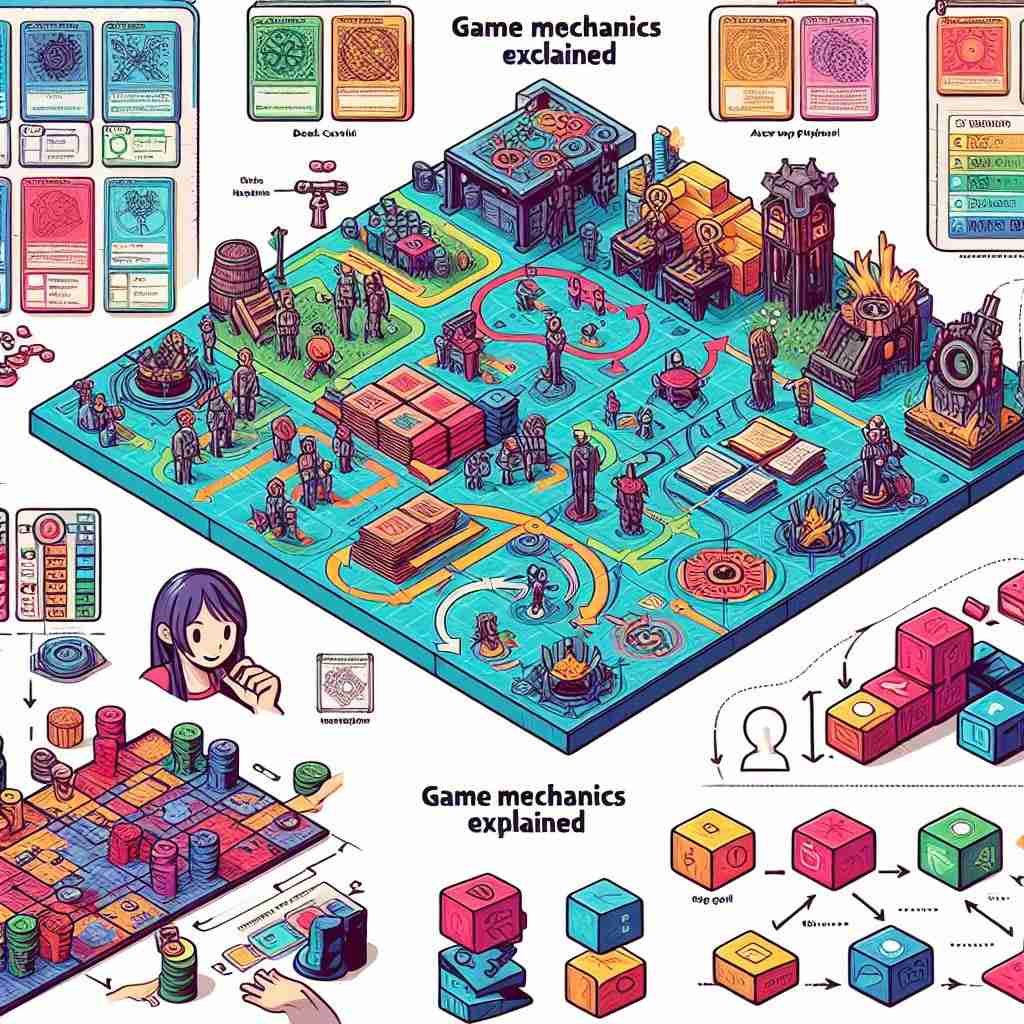
In summary, *Chronicles of Crime* showcases how board games can evolve. It breathes new life into gaming by fostering collaboration and creativity, transforming a simple game night into a shared adventure. In a world where meaningful connections are often elusive, this game serves as a shining reminder that sometimes, the best stories—and the best times—are those we create together. So, next time you’re assembling your gaming crew, consider diving into the captivating, bustling streets of *Chronicles of Crime*. Your next thrilling adventure awaits!
Conclusion
Conclusion:
- *Chronicles of Crime* combines traditional board gaming with augmented reality for an innovative experience.
- Players engage as detectives, driving a narrative and piecing together unique crime scenarios.
- The game fosters collaboration, encouraging players to share laughter and strategies.
- Richly detailed characters and intricate plots create memorable moments during gameplay.
- Seamless integration of physical and digital components enhances immersion in the detective story.
- Suitable for a wide age range, it’s perfect for family game nights and gatherings.
- *Chronicles of Crime* exemplifies the evolution of board games, promoting connection and shared adventure.

Conclusion
Other Resources

Other Resources
Here is a list of other resources you can review online to learn more:
- “Chronicles of Crime – Apps on Google Play”
- “Chronicles of Crime on the App Store – Apple”
- “Chronicles of Crime Board Game | Murder Mystery …”
- “Chronicles of Crime | Board Game”
- “Chronicles of Crime on Lucky Duck Games”
- “Chronicles of Crime”
- “Chronicles of Crime Millennium 1400 Board Game …”
- “Chronicles of Crime : My criminally detailed game review”
- “Decoding Digital Culture with Science Fiction”
Use This Prompt To Get More Resources With Your Favorite Online AI Tool: Please provide me with a list of online articles with their URLS in a bulleted list that I can read regarding What Makes The Board Game Chronicles Of Crime So Popular?

Other Resources
Glossary Terms
What Makes The Board Game Chronicles Of Crime So Popular? – Glossary Of Terms
1. Crime Scene: A specific location in the game where players can gather evidence and witness testimonies to solve a mystery.
2. Evidence: Clues collected by players that help piece together the story and identify suspects in the game.
3. VR Integration: Virtual reality elements in the game that enhance immersion and provide a modern twist to traditional board gaming.
4. Cooperative Gameplay: A style of play that encourages players to work together towards a common goal rather than competing against each other.
5. Narrative-Driven: A strong focus on storytelling and plot development, making the game feel more like an engaging book or movie.
6. Detective Work: The act of piecing together clues and evidence to solve a crime, central to the gameplay experience.
7. Character Profiles: Detailed descriptions of suspects and witnesses that provide context and depth to the investigation.
8. Time-Limited Investigations: Gameplay mechanics that create urgency by giving players a limited amount of time to solve each case.
9. App Integration: A mobile app that enhances the gameplay experience, offering features like scanning QR codes for clues and tracking progress.
10. Replayability: The potential for different outcomes and experiences with each playthrough, keeping the game fresh and engaging.
11. Puzzles: Challenges that players must solve using logic and clues, adding layers of complexity to the game.
12. Thematic Elements: Specific themes, settings, or storylines that resonate with players, enhancing their emotional connection to the game.
13. Social Interaction: Opportunities for players to engage and collaborate with each other, fostering camaraderie and teamwork.
14. Learning Curve: The ease (or difficulty) with which new players can understand and engage with the game mechanics.
15. Art Style: The visual design and illustrations used in the game, contributing to its overall atmosphere and appeal.
16. Case Files: Collections of information, clues, and characters related to each unique mystery that players must solve.
17. Murder Mystery: A thematic aspect of the game revolving around solving a murder, a popular trope in detective stories.
18. Investigation Board: A game component where players organize their clues and evidence, facilitating a visual approach to solving the crime.
19. Scenario-Based: Games that provide different scenarios or cases to solve, offering varied experiences within the same game.
20. Tension and Suspense: Elements of the game that keep players on edge, enhancing their emotional engagement and investment in the outcome.
21. Skill Development: The ability for players to enhance their critical thinking, deduction, and problem-solving skills through gameplay.
22. Online Community: Forums and social media groups where fans discuss strategies, share experiences, and connect with other players.
23. Multi-Layered Storytelling: A narrative approach that allows for complex interactions between characters and events, adding depth to the game.
24. Immersion: The degree to which players feel engaged and absorbed in the game’s world and story.
25. Gameplay Mechanics: The rules and systems that govern how players interact with the game and each other.
26. Clue Cards: Physical cards that represent pieces of evidence, allowing players to decipher clues during the investigation.
27. Role-Playing: A component of the game where players assume the roles of characters, deepening their investment in the story.
28. Mystery Genre: A classification of storytelling that revolves around crime, investigation, and resolution, appealing to many players.
29. Visual Storytelling: The use of images and graphics to convey a storyline, enhancing engagement without relying solely on text.
30. User Experience: The overall experience of players while engaging with the game, including ease of play, enjoyment, and emotional connection.

Glossary Of Terms
Other Questions
What Makes The Board Game Chronicles Of Crime So Popular? – Other Questions
If you wish to explore and discover more, consider looking for answers to these questions:
- What age group is the target audience for Chronicles of Crime?
- Are there different scenarios or cases in Chronicles of Crime?
- What is the average playtime for a session of Chronicles of Crime?
- Are there expansions or additional content for Chronicles of Crime?
- What are some common strategies for winning at Chronicles of Crime?
- How does player interaction affect gameplay in Chronicles of Crime?
- What components are included in the Chronicles of Crime game box?
- How is the game set up and prepared for play?
- How does storytelling influence the gameplay experience in Chronicles of Crime?
- What have critics generally said about the mechanics and design of Chronicles of Crime?
- How does the app enhance the player’s experience of Chronicles of Crime?
- What sets Chronicles of Crime apart from other hybrid board games?

Other Questions
Haiku
What Makes The Board Game Chronicles Of Crime So Popular? – A Haiku
Solving mysteries,
Tech and teamwork intertwine,
Fun with friends unfolds.

Haiku
Poem
What Makes The Board Game Chronicles Of Crime So Popular? – A Poem
In a world awash with flickering screens,
A rare gem beckons, where friendship gleans.
Chronicles of Crime, the board game delight,
Where sleuths gather for a thrilling night.
With smartphones in hand, the clues come alive,
Interrogating suspects, where minds will strive.
Immersive adventures unfold on the scene,
A dance of deduction, where all must glean.
Each scenario scripted with intricate care,
Characters beckon with stories to share.
Choices echo in the labyrinth of fate,
In this crime-ridden land, where secrets wait.
Collaboration’s key, pooling wisdom and skill,
Laughter and banter, ambitions to fulfill.
With a tick of the clock, the thrill takes its hold,
Unraveling stories, as mysteries unfold.
Visuals enchanting, artwork rich and bold,
A vivid tableau where tales are told.
Every detail crafted to draw players near,
In the shadows of London, where danger’s unclear.
Critics may ponder the tech’s bright embrace,
Yet the heart of the game finds its own place.
For in the thrill of the chase, the stories align,
Chronicles of Crime, where laughter and thought intertwine.
So gather your friends, let the adventure begin,
In this world of intrigue, where joy will win.
With every decision, a new path to take,
In this captivating realm, together we’ll break.

Poem
Checklist
What Makes The Board Game Chronicles Of Crime So Popular? – A Checklist
1. Gather Your Group
_____ Assemble a team of 2 to 4 players.
_____ Ensure everyone is enthusiastic about solving mysteries.
2. Familiarize Yourself with the Rules
_____ Read the rulebook thoroughly.
_____ Discuss key game mechanics and objectives with your players.
3. Prepare Your Equipment
_____ Charge your smartphone or tablet for the app.
_____ Ensure you have a stable internet connection for app functionalities.
4. Set Up the Game Space
_____ Find a spacious table to accommodate the game board and components.
_____ Distribute snack and drink options nearby for a comfortable atmosphere.
5. Organize Game Components
_____ Lay out the game board.
_____ Shuffle and place the clue and character cards within reach.
_____ Set up tokens or player pieces in an easily accessible area.
6. Engage with Technology
_____ Download the Chronicles of Crime app if you haven’t already.
_____ Familiarize yourself with how to use QR codes for clue discovery.
7. Start the Game
_____ Begin with the tutorial scenario to understand the flow.
_____ Encourage open communication during gameplay for collaborative strategies.
8. Focus on Storytelling
_____ Immerse yourself in the narrative; embrace the characters and plot twists.
_____ Discuss choices and unravel the story together as a group.
9. Use Critical Thinking
_____ Analyze clues and character testimonies critically.
_____ Don’t hesitate to adjust your strategies based on gathered information.
10. Enjoy Replayability
_____ Explore different cases and outcomes in future sessions for varied experiences.
_____ Consider expanding your game with any available expansions or additional content.
11. Embrace Player Interaction
_____ Foster an atmosphere of collaboration and teamwork.
_____ Discuss theories and deductions openly to enhance the investigative experience.
12. Reflect Post-Game
_____ Discuss what was enjoyable or challenging once the game concludes.
_____ Share thoughts on character arcs and game mechanics for future improvement.
With this checklist in hand, you’re well-prepared to dive into the immersive world of *Chronicles of Crime*. Happy sleuthing!

Checklist
At BestBoardGameNews, we help people who love board games by collating information and news about board games.
Be sure to read our other related stories at BestBoardGameNews to learn more about board games.


