Uncovering The Allure Of Its A Wonderful Kingdom
By Tom Seest
At BestBoardGameNews, we help people who love board games by collating information and news about board games.
Be sure to read our other related stories at BestBoardGameNews to learn more about board games.
What Makes The Board Game It’s a Wonderful Kingdom So Popular?
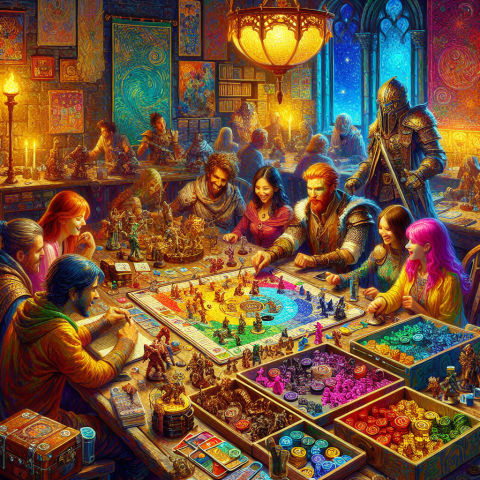
In a world where screens dominate our daily lives, it’s refreshing to stumble upon a board game that offers both depth and delight. “It’s a Wonderful Kingdom” has captured the hearts—and game nights—of many, and it’s not hard to see why. This game blends strategy, creativity, and a touch of whimsy, inviting players to a realm where their imaginations can flourish, all while engaging in friendly competition.
First off, let’s talk about simplicity. One of the most alluring features of “It’s a Wonderful Kingdom” is its accessibility. Designed for two players, it doesn’t require a boardroom full of friends to get the fun rolling. The mechanics are straightforward enough for newcomers yet layered enough to satisfy seasoned strategists. Players dive into the delightful world of building a kingdom, nurturing resources, and crafting clever strategies—all with just a dash of luck. The ease of getting started makes it a perfect entry point for those who might be intimidated by more complex titles.
Then there’s the game’s thematic charm. Set in an enchanting universe, players don’t just build a kingdom; they get to immerse themselves in a story. This is more than mindless rolling of dice and moving pieces; it’s about constructing your vision, making choices that resonate not just on the board but in the realm of your imagination. The art and design capture a vibrant aesthetic that draws players into the game and makes each session feel like a mini adventure.
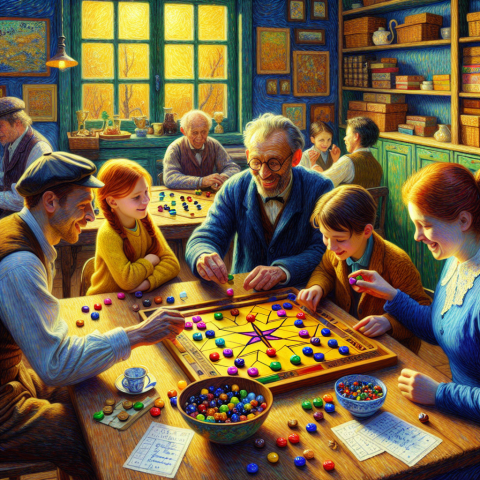
And let’s not overlook the social aspect. Whether you’re squaring off against a friend to prove “who’s the monarch of the moment” or collaborating in a more lighthearted manner, the game fosters a camaraderie that is sometimes hard to come by in our technology-driven lives. Laughter, a bit of banter, and the thrill of strategy combine to create memorable moments that linger long after the last piece is put away.
Lastly, the replayability factor is crucial to its success. Each game tells a different story, with a multitude of strategies to explore and outcomes to discover. Players find themselves coming back, eager to try a new approach, strategize differently, or simply enjoy the joy of competition.
In essence, “It’s a Wonderful Kingdom” has all the ingredients of a modern classic: simplicity, charm, social interaction, and endless replayability. It’s where strategy meets storytelling—making it a beloved choice for board game enthusiasts looking for something truly special.
What Makes The Board Game It’s a Wonderful Kingdom So Popular?
What Makes The Board Game It’s a Wonderful Kingdom So Popular?
- Combines depth and delight in a board game format, appealing to a wide audience.
- Designed for two players, making it accessible and easy to learn for newcomers.
- Thematic charm allows players to immerse themselves in building a kingdom and making meaningful choices.
- Vibrant art and design enhance the game’s immersive experience.
- Encourages social interaction and camaraderie through friendly competition.
- High replayability with diverse strategies and outcomes, enticing players to return.
- Strikes a balance between strategy and storytelling, establishing itself as a modern classic.
What Makes The Board Game It’s a Wonderful Kingdom So Popular?
Table Of Contents
- What Makes The Board Game It’s a Wonderful Kingdom So Popular?
- What Are The Key Features Of Its A Wonderful Kingdom?
- How Does Gameplay Differ From Other Board Games?
- What Age Group Enjoys Its A Wonderful Kingdom?
- What Strategies Can Improve Your Chances Of Winning?
- How Many Players Can Enjoy Its A Wonderful Kingdom?
- What Are The Components And Design Of The Game?
- Is Its A Wonderful Kingdom Accessible For Beginners?
- What Themes Are Explored In Its A Wonderful Kingdom?
- How Do Expansions Enhance The Game Experience?
- What Makes The Artwork Appealing To Players?
- Why Do Players Return To Its A Wonderful Kingdom?
- How Does The Game Foster Social Interaction?
- What Are The Typical Game Session Lengths?
- How Is Its Replayability Compared To Other Games?
- What Reviews And Ratings Has The Game Received?
- Conclusion
- Other Resources
- Glossary Of Terms
- Other Questions
- Haiku
- Poem
- Checklist
What Are The Key Features Of Its A Wonderful Kingdom?
When you step into the world of *It’s A Wonderful Kingdom*, you’re diving headfirst into a rich tapestry of elements that come together to create an experience that captures the imagination and the heart. This isn’t just another run-of-the-mill endeavor; it’s a carefully crafted universe that invites you to explore, interact, and discover.
First off, let’s talk about the visuals. The aesthetic of *It’s A Wonderful Kingdom* is nothing short of breathtaking. Picture vibrant landscapes that pop with color and life, each nook and cranny designed with precision. The artists behind the scenes understand that every pixel matters, and they deliver a visual feast that resonates with both the young and the young at heart. The attention to detail is staggering, from the swaying trees to the sunlit pathways, making every scene feel dynamic and immersive.
Now, what’s a kingdom without its inhabitants? The characters in this realm are diverse and memorable, each with their unique backstory and personality. They are not just window dressing; they play a crucial role in making the experience engaging. Dialogues are witty, heartfelt, and sometimes even thought-provoking, creating connections that linger. These characters take on the roles of guides, mentors, and sometimes even challengers, leading you through your adventure and ensuring that you are never alone in this vibrant world.
Then there’s the gameplay itself, which is both intuitive and rewarding. The mechanics encourage exploration and experimentation, allowing you to carve your own path without feeling lost in the weeds. Quests and tasks are cleverly designed, giving you a sense of purpose while keeping the experience enjoyable and light. Whether you’re solving puzzles, gathering resources, or embarking on epic quests, the game strikes a balance between challenge and accessibility.
Of course, let’s not forget about community. *It’s A Wonderful Kingdom* fosters an environment that embraces connection and collaboration. Players have the opportunity to team up, trade, and share experiences, enhancing the sense of belonging. This aspect brings the whole kingdom to life, reminding us that while individual adventures are rewarding, the shared journey can be even more exhilarating.
In short, *It’s A Wonderful Kingdom* isn’t just a place; it’s an invitation to embrace adventure, forge connections, and explore the magic that lies within. Dive in, and discover the enchanting features that await in this extraordinary realm!
What Are The Key Features Of Its A Wonderful Kingdom?
What Are The Key Features Of Its A Wonderful Kingdom?
- *It’s A Wonderful Kingdom* offers a rich and immersive experience for players.
- The visual aesthetic is vibrant and stunning, with meticulous attention to detail.
- Diverse and memorable characters enhance engagement, each with unique stories and personalities.
- Witty and heartfelt dialogues create lasting connections within the gameplay.
- Intuitive gameplay mechanics encourage exploration and a sense of purpose.
- The game promotes community through collaboration, trading, and shared experiences.
- Overall, the kingdom invites players to embrace adventure and discover its enchanting features.
What Are The Key Features Of Its A Wonderful Kingdom?
How Does Gameplay Differ From Other Board Games?
When you sit down to play a game, you might think you’re entering a straightforward battle of strategy and chance. But let me tell you, the experience of gameplay in this unique breed of board game is like stepping into an entirely different arena. Here, everything changes—the atmosphere, the stakes, and even the very way we interact with one another. So, how does gameplay differ from other board games? Buckle up, because it’s an adventure worth taking.
First off, let’s talk about the interaction. Many traditional board games operate like clockwork, with everyone playing their role in a preordained structure. You roll the dice, move your piece, and mind your own business until it’s your turn again. But not in this gameplay experience. No, here you’re navigating a social ecosystem, a ballet of alliances and betrayals that often makes the game as much about the players as it is about the mechanics. You might find yourself brokerin’ peace with an intimidating opponent one moment and plotting their downfall the next. It’s a dance that combines strategy with psychology—an exhilarating diversion from the norm.
Another fascinating difference is the fluidity of the rules. In many traditional board games, rules are as rigid as the pieces they come with, leaving little room for improvisation. But in this gameplay style, the rulebook often serves more as a guideline than a manifesto. Players are encouraged to think outside the confines of the game’s original intentions, with house rules and modifications coming into play. There’s a certain beauty in this, a freedom that allows creativity to run wild. Just when someone thinks they’ve got you cornered, a well-timed twist or a creative rule change can flip the script entirely.
And let’s not overlook the significance of theme and narrative. Unlike typical board games that often rely solely on mechanics, this gameplay style wraps you in a rich tapestry of story. The characters aren’t just cardboard cutouts; they carry weight, purpose, and emotion. Players become storytellers, crafting arcs that are as compelling as the outcomes of the game itself. The very act of playing transforms into an engaging experience, ensuring that every session offers something fresh and dynamic.
What makes gameplay in this format so different is the sheer unpredictability. It’s not just about winning or losing; it’s about creating memorable moments, unexpected alliances, and even some friendly rivalries along the way. So, get ready to roll the dice; this isn’t just a game—it’s an experience that defies the ordinary.
How Does Gameplay Differ From Other Board Games?
How Does Gameplay Differ From Other Board Games?
- Gameplay in this unique board game genre transforms the player experience into an immersive adventure.
- Interaction is a central element, with players navigating alliances and betrayals rather than adhering strictly to turn-taking.
- Rules are flexible; the rulebook serves as a guideline, encouraging creativity and improvisation.
- Players can introduce house rules and modifications, allowing for dynamic gameplay and unexpected twists.
- Thematic elements and narrative play a significant role, with characters that enrich the storytelling experience.
- Players become storytellers as they craft compelling arcs that enhance the overall enjoyment of the game.
- Unpredictability is a hallmark of this gameplay style, focusing on memorable moments and friendly rivalries rather than just winning or losing.

How Does Gameplay Differ From Other Board Games?
What Age Group Enjoys Its A Wonderful Kingdom?
When we think about holiday movies, certain classics come to mind, and “It’s A Wonderful Kingdom” has found its rightful place on that illustrious list. It’s a film that resonates across generations, but if you were to pinpoint the age group that revels in its enchantment, you might be surprised by the diversity.
Let’s face it, at its core, “It’s A Wonderful Kingdom” is a simple tale about hope, resilience, and the spirit of the holidays—universal themes that touch the hearts of people young and old. However, children—those bright-eyed little beings who still believe in magic—often hold a special affinity for this film. The charming characters, whimsical settings, and engaging adventures captivate their imaginations. The colorful visuals are enough to keep them glued to the screen, while the story gives them little nuggets of wisdom disguised as entertainment. For kids, the characters become friends, and the whimsical world becomes a playground of possibility.
But don’t count out the parents and grandparents, because they’re the ones with the most profound connection to the film. They grew up watching its predecessors, and now they find joy in sharing those experiences with their children. Nostalgia has a powerful hold on adults, often igniting fond memories of their own childhoods. Parents relish the opportunity to bond with their kids over the viewing experience, pointing out the things that made them laugh or tugged at their heartstrings when they were younger. It becomes a tradition, a ritual almost—a warm refuge from the chilly realities of the world outside.
Then there’s the teen demographic—the age group often lost in their own worlds. Surprisingly, many find themselves drawn to the film, too. It might be the unfiltered optimism or the break from the chaos of adolescence that appeals to them. It’s a reminder of the power of belief and imagination, a gentle nudge back to simpler times when problems seemed infinitely easier to solve.
Ultimately, “It’s A Wonderful Kingdom” appeals to everyone. It serves as a reminder that while the world changes, the core values of kindness, community, and unconditional love remain timeless. Whether you’re a child filled with wonder, a parent basking in nostalgia, or a teenager seeking refuge from life’s complexities, this film offers something that speaks to the heart. And maybe that’s the magic that keeps us coming back, year after year.
What Age Group Enjoys Its A Wonderful Kingdom?
What Age Group Enjoys Its A Wonderful Kingdom?
- “It’s A Wonderful Kingdom” is a holiday classic that resonates across generations.
- The film’s core themes include hope, resilience, and the spirit of the holidays.
- Children are captivated by the whimsical characters, colorful visuals, and engaging adventures.
- Parents and grandparents have a profound connection to the film through nostalgia.
- For adults, watching the film becomes a bonding tradition with their children.
- Teenagers are also drawn to the film, appreciating its message of belief and imagination.
- The film offers timeless values of kindness, community, and unconditional love for all ages.
What Age Group Enjoys Its A Wonderful Kingdom?
What Strategies Can Improve Your Chances Of Winning?
When it comes to winning—be it in a game, a competition, or even life—you’ve got to understand that luck only gets you so far. Sure, every once in a while, a rabbit’s foot might fall just right, but if you’re looking for sustained success, you need a game plan. Here are a few seasoned strategies that might just tip the odds in your favor.
First and foremost, know your playing field. This isn’t just about knowing the rules—though that’s important. You have to understand the landscape, the players, and the culture around whatever you’re challenging yourself to win at. Take the time to research. Gather intel. Whether it’s a sport, a board game, or something a bit more abstract, knowing your environment can give you a leg up.
Next up, practice makes progress. Now, I know that sounds cliché, but here’s the truth: nothing replaces the grind. Repetition builds muscle memory, improves your instincts, and helps you make better decisions under pressure. Whether you’re shooting hoops, playing cards, or making that big pitch in front of a boardroom, honing your skills will build your confidence—and confidence is key.
Then there’s the element of adaptability. In any competition, variables change fast. Your initial plan might go up in smoke the moment the whistle blows, and that’s when you need to pivot. Being able to think on your feet and adjust your strategy mid-game can be the difference between a good day and a crushing defeat. Keep a flexible mindset; don’t be afraid to ditch what’s not working and try something new.
Additionally, it pays to foster teamwork, even if you’re competing solo. Surround yourself with folks who challenge you, support you, and hold you accountable. That’s right, sometimes winning isn’t about going it alone. A reliable network can not only provide fresh ideas and insights but can help boost your morale during the tough times.
Lastly, keep your head in the game. Mental fortitude is often the unsung hero in any competitive arena. Cultivating a positive mindset, developing resilience, and managing stress levels can help you stay focused when the stakes are high.
So, whether you’re rolling dice or honing your craft for that promotion, remember that the best strategy starts with a solid understanding of your environment, a willingness to adapt, and a commitment to practice. It’s a tough road, but you just might find that these strategies pay off when it counts the most.
What Strategies Can Improve Your Chances Of Winning?
What Strategies Can Improve Your Chances Of Winning?
- Luck can only take you so far; sustained success requires a strategic approach.
- Understand your playing field: research the rules, landscape, players, and culture.
- Practice is essential for improvement; repetition builds muscle memory and confidence.
- Be adaptable: adjust your strategy mid-competition when circumstances change.
- Foster teamwork: surround yourself with supportive individuals who challenge and hold you accountable.
- Cultivate mental fortitude: maintain a positive mindset and manage stress effectively.
- Emphasize a solid understanding, adaptability, and commitment to practice for success.
What Strategies Can Improve Your Chances Of Winning?
How Many Players Can Enjoy Its A Wonderful Kingdom?
When it comes to board games, one of the first questions that usually comes to mind is, “How many players can enjoy this?” After all, what good is a roaring game night if you’re left watching a handful of friends duke it out while you nibble popcorn in the corner? Luckily, “It’s a Wonderful Kingdom” gets it right, providing flexibility that caters to both intimate gatherings and larger gatherings of friends or family.
At its core, “It’s a Wonderful Kingdom” is designed for 1 to 5 players. Yes, you read that right—one! That’s right, solo gamers can dive deep into this delightful tableau, navigating their clever strategies as if they were on an epic quest. And let’s be honest, in a world where personal time is precious, there’s something kind of liberating about sitting down with a cup of coffee and a game that’s all yours, where the only competition is your own best score.
But wait—it gets better! If you prefer the camaraderie of friends gathering around a table, “It’s a Wonderful Kingdom” flexes its versatility. The gameplay is streamlined enough that introducing new players is a breeze. Each round unfolds in a way that keeps everyone engaged without leading to lengthy lulls in action. Whether you’re a seasoned strategist or a newbie just dipping your toes in the gaming waters, the learning curve feels natural, ensuring that everyone can find their groove without feeling overwhelmed.
As the player count rises, the game doesn’t lose its charm; instead, it blooms like a well-tended garden. The dynamics change dramatically with each added player; strategies shift, alliances form, and a sense of friendly rivalry fills the air. Whether it’s plotting your next move or playfully sabotaging your friend’s kingdom-building efforts, the interaction scales beautifully with the number of participants.
What’s more, the adjustable player counts means it’s a game that can grow with you. Maybe you start with a couple of friends, but the next week, you’re hosting a game night with more guests than you anticipated. “It’s a Wonderful Kingdom” adapts, inviting everyone to partake in the fun.
With its broad player range, this game manages to capture that elusive spirit of togetherness while ensuring everyone—whether alone or in a crowd—can find joy in building their own unique world. So whether it’s a solo endeavor or a raucous gathering, “It’s a Wonderful Kingdom” opens its doors to all.
How Many Players Can Enjoy Its A Wonderful Kingdom?
How Many Players Can Enjoy Its A Wonderful Kingdom?
- “It’s a Wonderful Kingdom” accommodates 1 to 5 players, including solo gamers.
- Solo play offers a liberating strategy experience with personal competition.
- The game is easy to introduce to new players, keeping everyone engaged.
- Gameplay is streamlined to avoid lengthy pauses, making it appealing for all skill levels.
- As player count increases, game dynamics change, enhancing strategy and interaction.
- The game adapts to varying player counts, making it versatile for different group sizes.
- It captures the spirit of togetherness, ensuring enjoyment whether played solo or with others.
How Many Players Can Enjoy Its A Wonderful Kingdom?
What Are The Components And Design Of The Game?
At first glance, a game might seem like a simple endeavor—an innocent set of rules, a few components, perhaps a colorful box to tie it all together. But delve a little deeper, and you’ll discover a world that’s as intricate as a Swiss watch, filled with gears that turn and whir with delightful precision.
Let’s start with the components, the building blocks that give life to these finely-tuned machines. Most games typically boast a diverse array of pieces: game boards, tokens, dice, cards, and sometimes even a rulebook thicker than a New York City phone directory. Each piece plays a specific role, woven into the fabric of the gameplay. The board might serve as the battlefield for strategy, while the cards could hold fortunes or fates, translating abstract ideas into tangible experiences. When you roll the dice, you’re not just invoking chance; you’re engaging in a delicate dance between luck and skill, which is where the magic truly begins.
The design of the game isn’t just about assembling components; it’s about creating an ecosystem. The balance between complexity and accessibility is a juggling act that designers must master. Too many rules, and you risk alienating your players. Too few, and you might leave them longing for depth. This is where playtesting comes into play—an essential yet often overlooked phase. Designers gather friends, family, or even strangers to put their creation through the wringer. They need feedback and real-world reactions that no amount of theoretical planning can provide. It’s raw, unfiltered insight, and it’s where the game gets its soul.
Aesthetics are another cornerstone of game design. You could have the most brilliantly crafted mechanics, but if the game doesn’t look appealing, it’s akin to serving a gourmet meal on a chipped tray. Art direction sets the tone, immersing players in the universe you’ve created. Whether it’s the vibrant colors, the carefully designed character illustrations, or even the tactile feel of the components, each detail enhances the storytelling.
Finally, let’s not forget the theme—the heartbeat of the game. A good theme serves as the backbone, guiding players through a narrative-rich experience. Whether you’re conquering empires, solving mysteries, or building dream cities, the theme should resonate, keeping players engaged and invested. The components and design work in harmony to create not just a game, but a memorable experience that brings people together, ignites laughter, and stirs the competitive spirit.
What Are The Components And Design Of The Game?
What Are The Components And Design Of The Game?
- Games consist of various components such as boards, tokens, dice, and cards, which are essential for gameplay.
- Each game piece has a specific role, enhancing the experience by translating abstract ideas into tangible elements.
- Game design involves creating a balance between complexity and accessibility to engage players effectively.
- Playtesting is a crucial phase where designers gather feedback from players to refine the game.
- Aesthetics play a significant role, as appealing visuals and tactile elements enhance player immersion.
- The theme acts as the heartbeat of the game, providing a narrative that keeps players engaged.
- Together, components and design create a memorable gaming experience that fosters connection and competition.
What Are The Components And Design Of The Game?
Is Its A Wonderful Kingdom Accessible For Beginners?
When it comes to diving into the world of strategy games, finding that perfect balance between complexity and accessibility can feel like navigating a minefield. Enter “It’s A Wonderful Kingdom,” a game that offers an engaging experience without leaving novices scratching their heads. But just how inviting is it for those stepping into this realm for the first time?
First off, let’s talk about the setup. The game presents itself as a straightforward card-drafting and resource management affair. At first glance, you might be intimidated by its vibrant artwork and the myriad of components. But fear not! The beauty of “It’s A Wonderful Kingdom” lies in its clarity. The rulebook is remarkably well-structured, guiding you through the initial setup and basic gameplay with a gentle hand. You won’t be stuck flipping through pages, trying to decipher complex mechanics after a long day of work. Instead, you’re met with straightforward rules that gradually introduce you to the various elements involved.
Once the game kicks off, the learning curve feels less like scaling a mountain and more like wandering a well-marked trail. Each turn invites you to explore new strategies, whether you’re focusing on resource collection or building that engine of victory points. The dual-player format allows for a more intimate and less overwhelming experience, perfect for those who might feel lost amidst a crowd of competitors. As you navigate through your decisions, the stakes feel just right—challenging enough to keep you engaged but not so daunting that you want to toss the game back on the shelf.
Now, let’s not sugarcoat it: any game has its intricacies. Experienced players will find plenty to sink their teeth into with evolving strategies and varied card combinations. But here’s the kicker: the gameplay remains fluid enough that newcomers won’t feel completely outclassed. The game has a way of drawing you in; as you become more familiar with the mechanics, everything starts to click, offering a rewarding sense of progression.
To sum it all up, “It’s A Wonderful Kingdom” serves as a welcoming entry point for beginners curious about strategy games. With its smooth learning curve, engaging mechanics, and beautiful presentation, it strikes a fine balance, making the journey into this wonderfully crafted kingdom not only accessible but genuinely enjoyable. So grab your friends, pull up a chair, and get ready to embark on a strategic adventure that won’t leave you gasping for breath.
Is Its A Wonderful Kingdom Accessible For Beginners?
Is Its A Wonderful Kingdom Accessible For Beginners?
- “It’s A Wonderful Kingdom” is an engaging strategy game designed to be accessible for beginners.
- The game features straightforward card-drafting and resource management mechanics.
- A well-structured rulebook facilitates easy initial setup and basic gameplay understanding.
- The learning curve is gentle, providing an inviting experience rather than overwhelming complexity.
- Its dual-player format allows for a more intimate and manageable gaming experience.
- The game includes enough depth for experienced players while remaining approachable for newcomers.
- Overall, the game offers a rewarding blend of accessibility and engagement, perfect for beginners exploring the strategy genre.
Is Its A Wonderful Kingdom Accessible For Beginners?
What Themes Are Explored In Its A Wonderful Kingdom?
In the enchanting tapestry of “Its A Wonderful Kingdom,” various themes emerge, weaving a narrative that resonates as deeply as a well-tuned engine purring beneath the hood. The film delves into a multitude of societal and personal themes that reflect not merely the struggles of its characters but, more broadly, the human experience itself.
At its core, the theme of hope stands tall. The characters traverse a landscape riddled with challenges that could easily shatter spirits. Yet, with an unwavering belief in the possibility of a brighter future, they forge ahead. This enduring resolve captures a universal truth: no matter how daunting the storms may be, it’s the flicker of hope that illuminates the path forward. This theme urges the audience to recognize the strength found within vulnerability, emphasizing that the act of hoping is as vital as the realization of those hopes.
Closely intertwined with hope is the theme of community and connection. The relationships depicted in the film highlight the essential role that camaraderie plays in overcoming adversity. Individual struggles are presented, showcasing how they are often alleviated through the support and understanding of others. This motif serves as a poignant reminder of the value of human connection; when individuals come together, their combined strength can tackle even the most formidable of obstacles. It encapsulates the notion that we are, indeed, stronger together, promoting the idea that every kingdom—no matter how whimsical—rises and falls on the shoulders of its community.
The film also adeptly explores the theme of self-discovery. As characters navigate their respective journeys, they confront their own fears, aspirations, and identities. It’s a powerful reflection of the fact that life is not merely about the destination but the invaluable lessons gleaned along the way. This theme encourages viewers to look within themselves, reminding us all that understanding who we are is just as important as knowing where we are going.
Lastly, the theme of redemption resonates deeply throughout the narrative. Characters seek not just to amend mistakes but to rise from them, illustrating a profound sense of resilience. It captures the essence of acknowledging one’s past while embracing a future filled with possibilities.
In a nutshell, “Its A Wonderful Kingdom” isn’t just a tale of whimsical adventures; it’s a thoughtful exploration of themes that speak to our shared humanity. So grab your popcorn and settle in, because these themes are as rich and layered as any good story ought to be.
What Themes Are Explored In Its A Wonderful Kingdom?
What Themes Are Explored In Its A Wonderful Kingdom?
- The film “Its A Wonderful Kingdom” explores various themes that reflect the human experience.
- The core theme of hope emphasizes the importance of believing in a brighter future despite challenges.
- Hope encourages recognizing strength in vulnerability, highlighting that hoping is essential to achieving goals.
- The theme of community and connection illustrates how relationships aid individuals in overcoming adversity.
- It conveys that collective strength can tackle formidable obstacles, underscoring the notion that we are stronger together.
- Self-discovery is a key theme, urging characters and viewers alike to reflect on their identities and aspirations.
- The theme of redemption illustrates resilience, emphasizing learning from past mistakes while embracing future possibilities.
What Themes Are Explored In Its A Wonderful Kingdom?
How Do Expansions Enhance The Game Experience?
When we talk about expansions in gaming, it’s easy to get lost in the numbers—the shiny new content, the enticing features, the shiny packaging. But let’s dig a little deeper and peel back the layers, like a well-cooked onion. What makes these add-ons so captivating? It’s not just about the extra hours of gameplay; it’s about transformation.
Picture this: you’ve clocked countless hours mastering the nuances of your base game. You’ve built empires, crafted intricate strategies, and weathered countless digital storms. Then, BAM! An expansion drops. Suddenly, your well-oiled machine feels like it’s been turbocharged. One moment you’re mundane, and the next, you’re taking a joyful leap into new lore, unexplored territories, and fresh challenges.
Expansions often introduce new characters or factions, with personalities and nuances that breathe life back into familiar settings. You find yourself engaging in conversations with characters that feel like old friends and new foes alike. This rich tapestry of narratives not only builds upon the original storyline but also deepens your emotional connection. It’s as if the game’s creators sat you down and said, “We appreciate your loyalty; here’s more to get lost in.”
And let’s not forget about gameplay mechanics. Expansions often refresh the core systems, like adding new flavors to your favorite dish. They tweak the rules, introduce innovative strategies, and ignite friendly competition among players. You’re no longer just playing for the win; you’re navigating a dynamic landscape where strategy evolves as you adapt to new components. That delightful mix keeps both solo adventurers and multiplayer enthusiasts on their toes, ensuring no two playthroughs feel the same.
Moreover, expansions can foster a flourishing community. As players gather and chat about their experiences, they become part of a larger conversation. Sharing tips, strategies, and even tales of epic failures can enhance the experience. Suddenly, it’s not just about your solitary journey; it’s a collective pursuit where everyone has a stake in the outcome. This camaraderie is a powerful motivator to dive back in and explore what’s new.
In short, expansions are not merely add-ons; they’re catalysts for deeper engagement. They transform familiar landscapes, ignite creativity, and strengthen bonds within a community of players. When a new expansion is on the horizon, it’s like receiving an invitation to an exclusive club where excitement and adventure await. So, when you dip your toes into those expansion waters, know that you’re not just enhancing your game; you’re expanding your horizon.
How Do Expansions Enhance The Game Experience?
How Do Expansions Enhance The Game Experience?
- Expansions in gaming are more than just additional content; they offer transformative experiences.
- Players enjoy new lore, territories, and challenges that rejuvenate their gaming experience.
- New characters and factions introduce vibrant narratives that enhance emotional connections.
- Gameplay mechanics are refreshed, adding new strategies and keeping competition lively.
- Expansions encourage community interaction through shared experiences and strategies.
- They serve as catalysts for deeper engagement, transforming familiar settings into new adventures.
- Participating in expansions can feel like an exclusive invitation to an exciting gaming club.
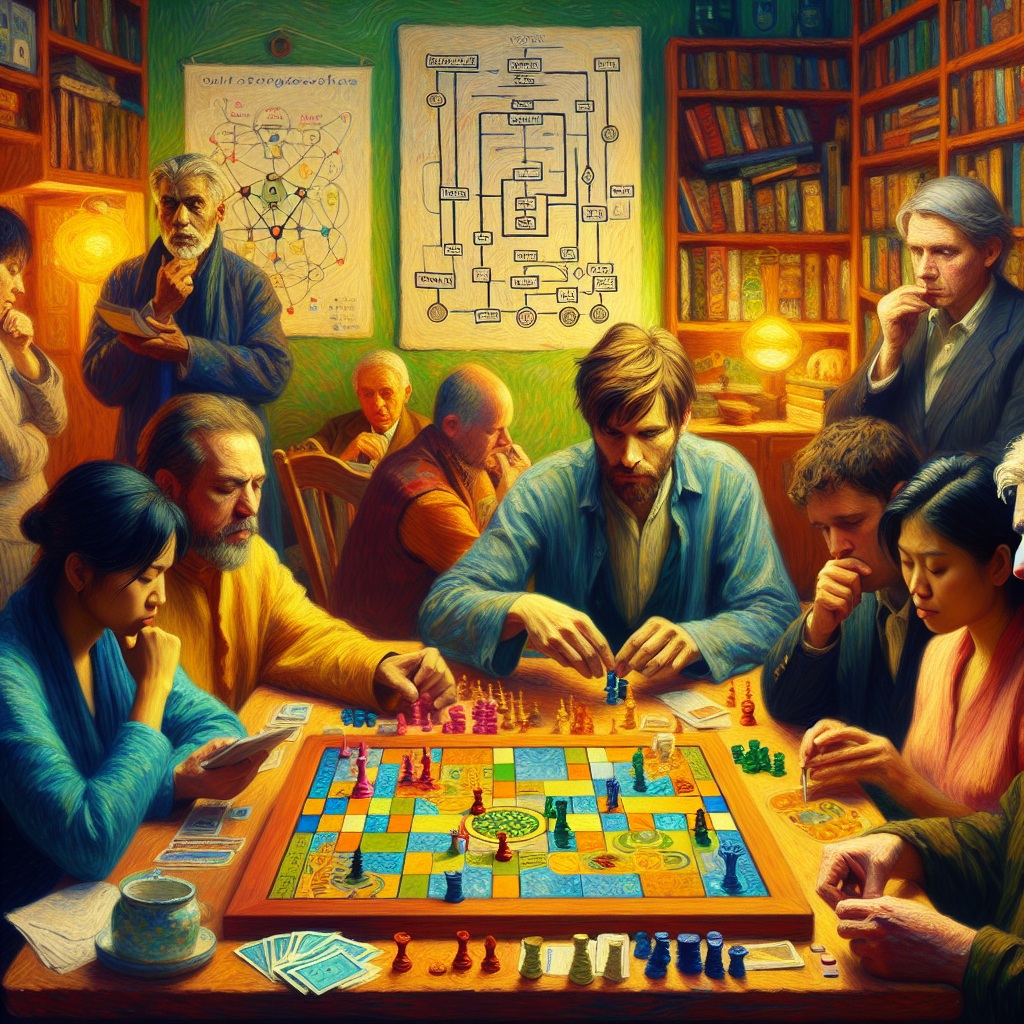
How Do Expansions Enhance The Game Experience?
What Makes The Artwork Appealing To Players?
When you peel back the layers of any successful game, you find a visual feast that’s been meticulously crafted to draw players in. It’s like a well-prepared dish—you can’t savor the flavors without appreciating the presentation, and in gaming, that presentation is the artwork. The first thing that often grabs a player’s eye is the ability to transport them into another world, and that’s where the artistry begins its magic.
Imagine stepping into a game where the landscapes are so lush and vibrant that they seem to breathe; that’s the power of skilled artistry. Whether it’s a sprawling fantasy realm or a dystopian future, the artwork creates the setting and mood, subtly guiding players’ emotions. A rich color palette can invoke feelings of nostalgia or thrill, while meticulous attention to detail can heighten tension or evoke wonder. It’s a symbiotic relationship where the environment supports the narrative, turning each level into an immersive experience that players yearn to explore.
Characters are another vital component of artistic appeal. A well-designed character isn’t just a mere avatar; they’re a conduit for the player’s journey. From the heroic warrior adorned with intricately designed armor to the quirky sidekick with exaggerated features, each character’s design tells a story. Their expressions, movements, and even color choices can convey personality traits that resonate with players. This connection sparks investment in the characters’ fates, motivating players to push through challenges to see them succeed.
Furthermore, the consistency of art style throughout a game plays an essential role in maintaining immersion. A haphazard mix of styles can jolt players out of their experience faster than an unexpected jump scare. When a game adheres to a cohesive artistic vision—whether it’s the sleek lines of a futuristic aesthetic or the whimsical charm of a hand-drawn world—it builds a sense of trust and familiarity. This trust invites players to delve deeper into the narrative, unearthing secrets and enjoying the vistas without distraction.
Finally, let’s not forget the creativity involved. The weird, the wonderful, and the outright bizarre can all find a place in gaming artwork, challenging norms and breaking conventions. Players are not just looking for escapism; they want to be stunned, intrigued, and challenged. Unique artistic elements can turn a simple game into a phenomenon, trekking beyond mere graphics to craft an unforgettable experience.
In the grand tapestry of gaming, artwork isn’t just the background—it’s the lifeblood that keeps players returning for more. Through stunning visuals and clever design, it pulls us into worlds we never knew we needed, creating a captivating experience that lingers long after the game is put away.
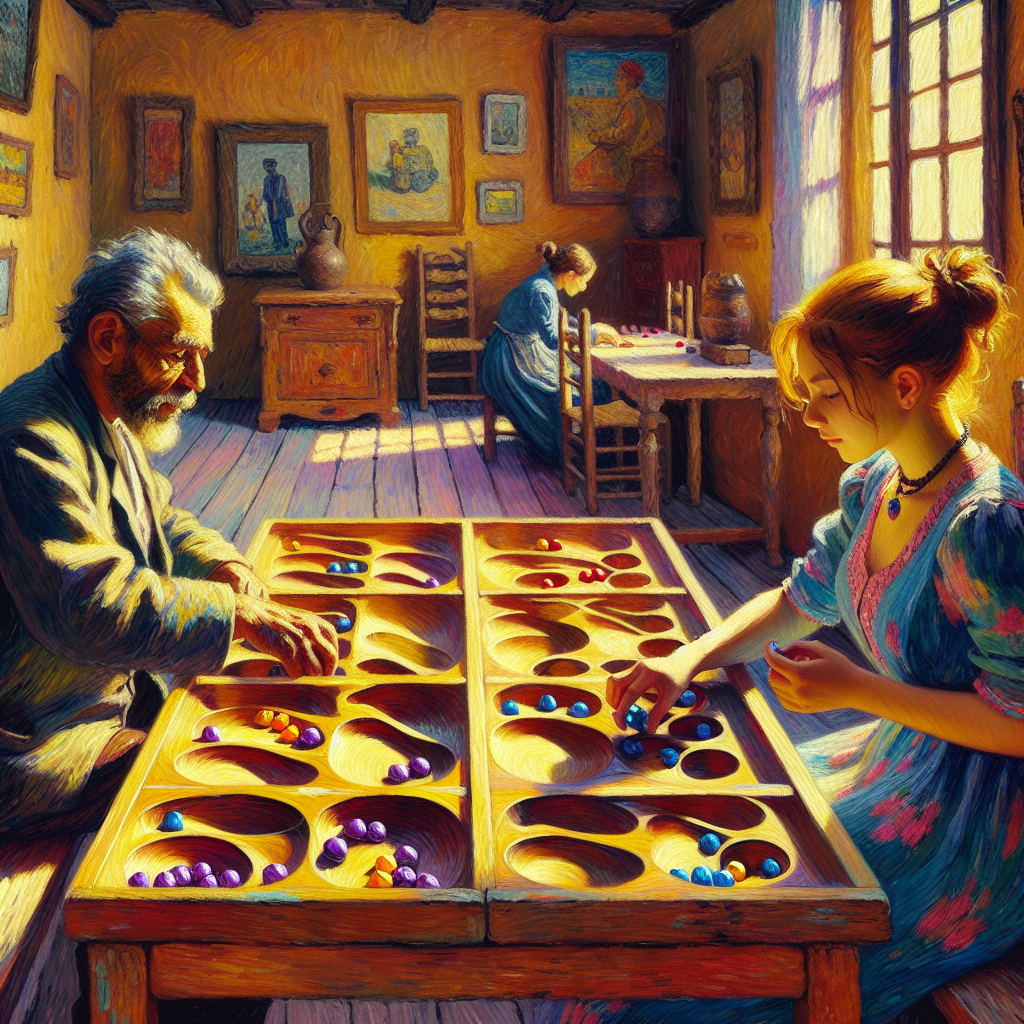
What Makes The Artwork Appealing To Players?
What Makes The Artwork Appealing To Players?
- Successful games feature meticulously crafted visuals that draw players in, similar to a well-prepared dish.
- Artwork creates immersive landscapes that evoke emotions and transport players into different worlds.
- Rich color palettes and attention to detail enhance the gaming experience, guiding players’ emotions and heightening tension.
- Well-designed characters serve as conduits for the player’s journey, with their designs telling compelling stories.
- Consistent art styles maintain immersion and build trust, allowing players to delve deeper into narratives.
- Creative and unique artistic elements challenge norms, making games not just a form of escapism but an unforgettable experience.
- Artwork is integral to gaming, creating captivating experiences that resonate with players long after gameplay ends.
What Makes The Artwork Appealing To Players?
Why Do Players Return To Its A Wonderful Kingdom?
There’s a certain magic tucked away in the corners of “It’s A Wonderful Kingdom” that keeps players coming back, time and time again. Sure, you could point to the vivid graphics or the charming characters, but there’s something more; something deeper that pulls at the heartstrings and ignites the imagination. Let’s dig into that, shall we?
At its core, “It’s A Wonderful Kingdom” is not just a game; it’s an invitation. An invitation to escape the mundane, to be part of a world brimming with possibility, adventure, and community. In a time when many of us feel disconnected, this game offers a digital sanctuary where friendships form over quests, where alliances strengthen over shared conquests, and where everyone is welcome at the grand banquet of creativity.
The first thing that strikes you is the charm of the kingdom itself. Each pixel is laced with personality, every character has a story that stretches beyond the screen. This isn’t just a backdrop; it’s a living, breathing world where players can explore hidden nooks, engage in whimsical quests, and encounter intriguing characters that seem to pop right out of a fairy tale. When you feel that kind of immersion, it’s hard not to return; it’s like a family recipe that keeps drawing you into the kitchen.
The game designers know what keeps players engaged, and they do a remarkable job of fostering a sense of community. Regular updates, events, and challenges keep the gameplay fresh, transforming every visit into a new chance to discover something unexpected. Whether it’s a limited-time quest or seasonal festivities, these experiences turn every return into a celebration, a chance to rekindle old bonds and make new memories.
Moreover, there’s a sense of accomplishment woven into the fabric of the gameplay that’s hard to replicate. It’s not just about leveling up; it’s about the journey. Players find satisfaction in taking part in dynamic story arcs, completing challenging tasks with friends, and watching their kingdoms thrive under their care and creativity.
In an ever-evolving digital landscape, “It’s A Wonderful Kingdom” stands tall as a testament to the bond between community and creativity. The allure of that royal realm continues to beckon players, drawing them back into its enchanting embrace—again and again. And therein lies the magic.
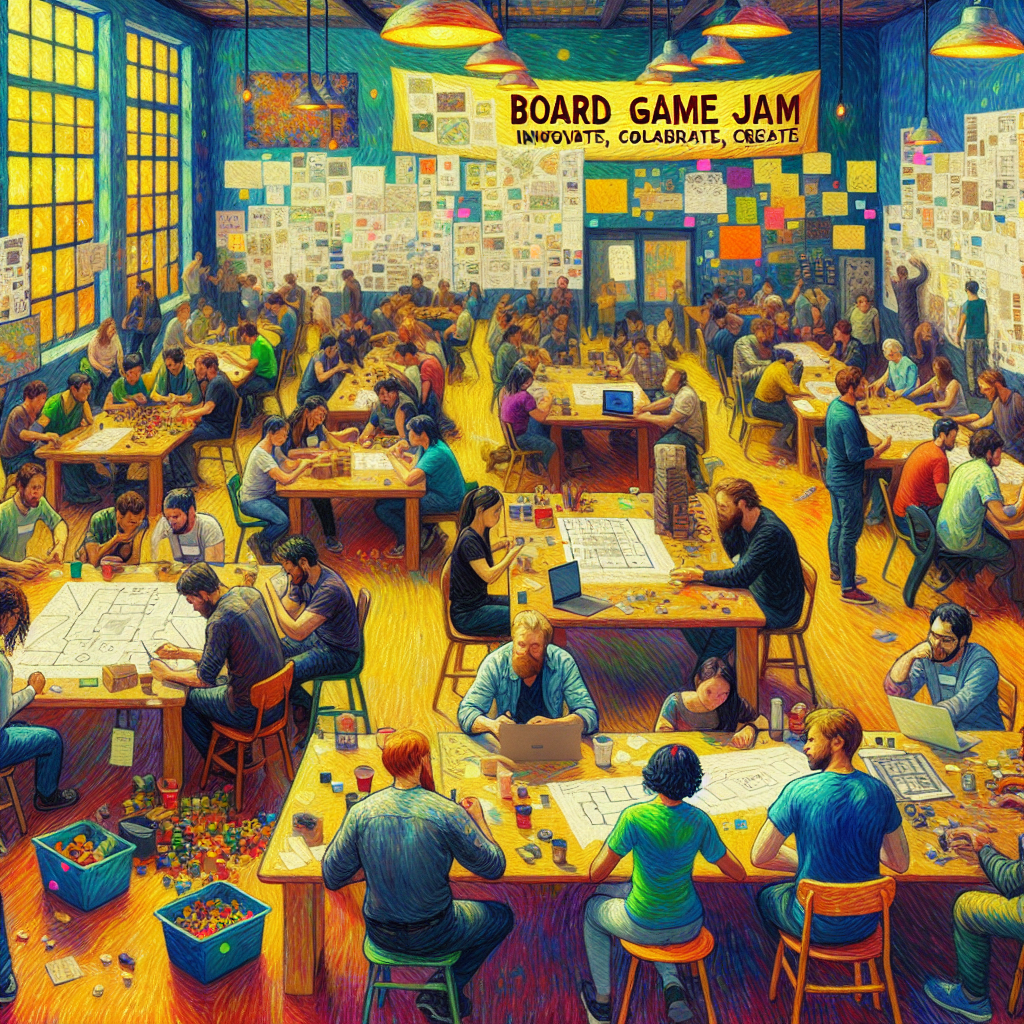
Why Do Players Return To Its A Wonderful Kingdom?
Why Do Players Return To Its A Wonderful Kingdom?
- “It’s A Wonderful Kingdom” offers a unique blend of vivid graphics, charming characters, and deeper emotional engagement that captivates players.
- The game serves as an invitation to escape reality and immerse oneself in a world filled with adventure, community, and creativity.
- The kingdom’s charm is evident in its rich, vibrant environments and the depth of its characters, enhancing player immersion.
- Game designers foster community through regular updates, events, and challenges, ensuring fresh content and experiences for players.
- Players derive satisfaction from engaging in dynamic story arcs and overcoming challenges with friends, focusing on the journey rather than just level progression.
- The game emphasizes the importance of community and creativity within its gameplay, strengthening players’ emotional investment.
- “It’s A Wonderful Kingdom” continually draws players back, embodying a magical experience that combines exploration and social connection.
Why Do Players Return To Its A Wonderful Kingdom?
How Does The Game Foster Social Interaction?
When you think about a game that can spark social interaction, you might envision a gathering of friends around a table, strategizing, laughing, and occasionally arguing over whose turn it is to roll the dice. But the true magic lies beyond the dice and cards; it’s in the connections created in the process. A good game doesn’t just offer competition; it builds a bridge between players, drawing them into an experience that blurs the lines of individual and group.
First off, let’s talk about how games naturally encourage conversation. The act of playing demands communication—whether it’s crafting a clever strategy or engaging in lighthearted banter about recent moves. Players become storytellers, sharing anecdotes from their last gaming session or recalling past victories and defeats. These narratives weave into the fabric of the game nights, creating a tapestry of shared history that deepens the bonds of friendship. When folks gather around a game, they aren’t just playing; they’re reminiscing, laughing, and forming new memories together.
Moreover, many games are designed with cooperative elements, compelling players to work together to achieve a common goal. This requirement fosters teamwork, instilling a sense of unity that can outlast the game itself. The collective effort to strategize and support one another enhances trust among players. In essence, they become allies, whether they’re trying to defeat a dragon or escape a virtual heist. It’s a shared journey that often leads to discussions about life outside the game, reinforcing relationships that extend beyond those game pieces.
Social interaction doesn’t stop at conversation and teamwork; it thrives on competition, too. A friendly rivalry can spark adrenaline, often leading to playful jabs and uproarious laughter. This cranked-up energy creates a charged atmosphere that can elevate mood and strengthen connections. When players experience the highs of victory together or share the sting of defeat, they’re building camaraderie through empathy and excitement.
Finally, let’s not overlook the technology that helps bridge gaps, especially in an increasingly digital world. Online platforms and gaming communities offer ways to connect with people from different backgrounds, regions, and even countries. These digital interactions can translate into real-life friendships, as players bond over their shared passion for the game.
A great game is more than just a pastime; it’s a catalyst for meaningful social interaction, reminding us all that at the heart of every good game lies the potential for connection, joy, and lasting friendships.
How Does The Game Foster Social Interaction?
How Does The Game Foster Social Interaction?
- Games facilitate social interactions by creating connections beyond competition.
- Playing demands communication, encouraging storytelling and sharing of past experiences among players.
- Cooperative game elements foster teamwork and a sense of unity, enhancing trust among players.
- Collaborative efforts during gameplay can lead to discussions about life outside the game, strengthening relationships.
- Competition in games encourages friendly rivalry, laughter, and shared emotional experiences.
- Digital platforms connect players from diverse backgrounds, transforming online interactions into real-life friendships.
- A great game serves as a catalyst for meaningful social interaction, promoting connection, joy, and lasting friendships.
How Does The Game Foster Social Interaction?
What Are The Typical Game Session Lengths?
When it comes to gaming, the first thing to remember is that time is a bit of a slippery concept. I mean, you could sit down for what you think is a quick 15-minute session, and before you know it, you’ve reshaped your entire weekend—like some kind of digital time wizard. Sure, the particulars can vary depending on the game itself, but we can outline some pretty typical session lengths that might just surprise you.
Let’s start with casual games. You know the ones—simple mechanics, colorful graphics, begging for just one more go. These can be the perfect way to fill a few minutes in between chores or while you’re waiting for your dinner to cook. Session lengths here usually hover around the 5 to 20-minute mark. Think of it as a fast snack. Just enough to satisfy the craving without consuming the whole meal. For folks who are just looking to unwind after a long day, these quick picks may be the ticket to guiltily enjoying a short escape.
Then you have your mid-tier games, the kind that require a bit more investment. These might be your beloved RPGs or action titles that beckon you deeper into their worlds. Here, sessions can range from 30 minutes to a couple of hours. You sit down to tackle one mission, and before you realize it, the sun’s gone down, and you’re knee-deep in a digital quest, wondering where the day went. For many gamers, these sessions are where the real fun is found, as you delve into lush storylines or challenging gameplay. They’re like a hearty meal—you’re there for the sustenance, but it’s easy to overindulge.
Lastly, we get into the realms of competitive gaming and extensive open-world experiences. Sessions in these categories are typically clocking in anywhere from a couple of hours up to an all-night marathon—yes, I mean the kind of nights where caffeine and determination fuel your fingers to keep pushing buttons long after your eyelids are protesting. It’s the real commitment zone, where players grind away and strategize with friends, battling for supremacy or simply soaking in the vastness of an open universe.
So, whether you’re a quick-hit snacker or a dedicated marathoner, there’s a session length for every taste in gaming. Just remember: time flies when you’re having fun, and before you know it, you might have a few less hours in the day—and perhaps a bigger story to share.
What Are The Typical Game Session Lengths?
What Are The Typical Game Session Lengths?
- Time in gaming can feel deceptive; a short session can turn into hours.
- Casual games typically have session lengths of 5 to 20 minutes, ideal for quick breaks.
- Mid-tier games, like RPGs and action titles, involve sessions ranging from 30 minutes to a few hours.
- In mid-tier gaming, players often find deep engagement in storylines and gameplay.
- Competitive gaming and open-world experiences may lead to marathon sessions lasting from a couple of hours to all night.
- Players in the competitive realm often strategize and collaborate with friends during extended play sessions.
- Different gaming preferences offer a variety of session lengths, from quick snacks to hearty meals.
What Are The Typical Game Session Lengths?
How Is Its Replayability Compared To Other Games?
When it comes to the allure of video games, one factor looms larger than most: replayability. It’s that irresistible draw that keeps players returning, not just for more but to dive deeper into the adventure. So, how does this game stack up against the competition? Let’s dig in.
First and foremost, we need to ask ourselves: what defines replayability? Is it the breadth of choices available at the onset? The multitude of outcomes that arise from a single decision? Or is it the sheer pleasure of exploring a meticulously crafted world over and over? This game checks all those boxes, and then some.
From the get-go, players are greeted with a rich narrative and a world teeming with possibilities. Unlike some titles that lead you down a singular path like a one-way street, this game offers a sprawling labyrinth of choices. It doesn’t just promise a different experience each time you play; it delivers on it. Whether you choose to embrace the role of a stealthy infiltrator or a guns-blazing warrior, your journey unfolds in a unique fashion that encourages experimentation and fresh perspectives.
Compare this to other popular games in the genre, and you’ll find a steep drop-off in flexibility. Sure, plenty of games flaunt their multiple endings and side quests, but few manage to create a genuinely different atmosphere with each playthrough. This game’s dynamic systems allow you to strut your stuff in a way that feels undeniably personal, making each session feel like a fresh adventure rather than a mere rehash of what you’ve done before.
Moreover, the developers have ingeniously layered in random events and evolving scenarios that ensure no two playthroughs are ever the same. Add in a comprehensive multiplayer component that encourages collaboration and competition, and you’ve got a recipe for sustained engagement. Friends can hop in and out, each altering the trajectory of your journey, thus amplifying the unpredictability.
Finally, let’s talk about community-driven content. With mod support and active forums buzzing with fan-made challenges and scenarios, the possibilities are practically limitless. It keeps the experience vibrant and ever-changing, ensuring that even the most seasoned players have something new to sink their teeth into.
In a gaming landscape where many titles have a predictable lifespan, this game boldly stands apart. Its replayability isn’t just a feature; it’s a philosophy, inviting players to explore, discover, and engage long past their initial playthrough. So gear up; there’s a whole world to revisit, one game at a time.
How Is Its Replayability Compared To Other Games?
How Is Its Replayability Compared To Other Games?
- Replayability is a key factor in the allure of video games, encouraging players to return and explore more.
- This game excels in replayability by offering a rich narrative and a world filled with diverse possibilities.
- Players can choose different roles (like stealthy infiltrator or guns-blazing warrior), leading to unique playthroughs.
- Unlike many games that have fixed paths, this title provides flexibility and a fresh experience with each session.
- The game features random events and evolving scenarios, ensuring each playthrough feels distinct.
- A strong multiplayer component allows friends to collaborate and compete, adding to the unpredictability of gameplay.
- Community-driven content, including mod support and fan-made challenges, keeps the experience vibrant and engaging.
How Is Its Replayability Compared To Other Games?
What Reviews And Ratings Has The Game Received?
When it comes to gauging the pulse of any new game, reviews and ratings serve as the lifeblood, a snapshot of player experience that reveals just how well a title resonates with both critics and the gaming community at large. For this particular game, the reception has been nothing short of a rollercoaster ride — a thrilling ascent followed by a dive into the depths of evaluation.
On the review aggregator platforms, it’s clear that opinions are as varied as the characters inhabiting the game world. Critics have lauded its breathtaking visuals, articulating that the game’s graphics are akin to stepping into a living, breathing painting. With vibrant landscapes and meticulously crafted environments, players find themselves lost in a universe where even the smallest details feel significant. This level of craftsmanship has earned the game high marks from several top-tier gaming publications, drawing accolades for its artistic ambition and compelling designs.
However, not all feedback is coated in sugar. Some players have voiced concerns over gameplay mechanics that, while unique, can occasionally feel disjointed or cumbersome. A few critics noted that during intense moments, the pacing sometimes falters, leaving some players battling frustration rather than enjoying the immersive experience. Such critiques have led to a more tempered overall rating on platforms like Metacritic, with the game often hanging in that fine balance between “must-play” and “wait-for-a-patch.”
User reviews tell a story of their own. Enthusiastic players have taken to forums and social media, gushing over the emotional resonance of the narrative and a storyline that keeps them engaged from start to finish. Many have remarked on character development, believing that the emotional arcs are crafted with a depth that invites investment. Yet there’s a vocal contingent that feels underwhelmed, citing bugs and glitches that detract from the immersive experience, highlighting the divide between promise and performance.
The game’s reception is a tapestry woven from threads of joy and disappointment, with its highs celebrated and its lows scrutinized. While it appears to have struck a chord with part of its audience, the ongoing conversation about its strengths and weaknesses reflects the unpredictable nature of gaming. After all, a game might be a work of art, but it’s the player experience that truly defines its legacy. As the dust settles, it’s clear that this title will generate discussion for quite some time to come.
What Reviews And Ratings Has The Game Received?
What Reviews And Ratings Has The Game Received?
- Reviews and ratings are essential for assessing a game’s reception within the gaming community.
- The game has received a mix of positive and negative feedback, resembling a rollercoaster of opinions.
- Critics praise the game’s stunning visuals and artistic environments, likening it to a living painting.
- Some players criticize gameplay mechanics for feeling disjointed or cumbersome during intense moments.
- The overall rating on review platforms like Metacritic reflects a balance between “must-play” and “wait-for-a-patch.”.
- User reviews highlight emotional storytelling and character development, but some report bugs and glitches affecting immersion.
- The game’s mixed reception showcases the unpredictable nature of gaming and its impact on player experience.
What Reviews And Ratings Has The Game Received?
Conclusion
Alright, folks, let’s step back for a moment and take a good hard look at the game that is *It’s a Wonderful Kingdom*. In a world dominated by screens and digital distractions, this board game has emerged as a refreshing reminder of what makes face-to-face interaction and strategy so special. It’s not just gameplay; it’s an extraordinary experience, inviting you to dive into a realm filled with creativity, competition, and charming whimsy.
At the heart of this game is its elegance in simplicity. Designed for two players, it eliminates the fuss of group dynamics that can often plague a game night. But don’t let its straightforward mechanics fool you; there’s a rich tapestry of strategy and brains that keeps seasoned gamers engaged while still being accessible for newcomers. You gather resources, build your kingdom, and let a dash of luck sprinkle some unpredictability into the mix—a recipe that hits the sweet spot for all kinds of players.
Now, let’s not gloss over the thematic charm. It’s a Wonderful Kingdom isn’t just about pieces moving across a board; it’s about stepping into a vibrant narrative that plays out as you and your opponents craft your own little worlds. The artwork pulls you in, painting an enticing backdrop that teems with life and adventure. Each session becomes a mini-epic, filled with choices that resonate far beyond the confines of the game itself.
But beyond the mechanics and the visuals, it’s the social aspect that makes *It’s a Wonderful Kingdom* sparkle. Whether you’re locked in a tight competition or playfully sparring with a friend, the laughter and banter you share create connections that are sometimes hard to find in our tech-driven lives. Each time you gather around the table, you’re not just playing a game; you’re creating memories that stick around long after the last piece has been put away.
Let’s not forget the all-important replayability factor. Each game offers a new story driven by different strategies and outcomes, drawing you back for just one more round. It’s the kind of game you keep coming back to, eager for another adventure in this delightful kingdom. In a world where many games come and go, *It’s a Wonderful Kingdom* stands out as a modern classic—one that uniquely combines strategy, storytelling, and social joy in an experience that gamers of all stripes can appreciate. So gather your friends, strategize, and dive into the charm of *It’s a Wonderful Kingdom*—because trust me, it’s a journey worth taking.
Conclusion
Conclusion:
- *It’s a Wonderful Kingdom* offers a refreshing face-to-face gaming experience amidst digital distractions.
- The game is designed for two players, focusing on simplicity without sacrificing strategic depth.
- Players gather resources, construct their kingdoms, and embrace an element of luck to enhance gameplay.
- The thematic charm and vibrant artwork create a narrative backdrop that immerses players in adventure.
- Social interactions during gameplay foster connections and create lasting memories.
- Each session offers high replayability through different strategies and outcomes, encouraging players to return.
- *It’s a Wonderful Kingdom* stands out as a modern classic that merges strategy, storytelling, and social joy.
Conclusion
Other Resources
Other Resources
Here is a list of other resources you can review online to learn more:
- “It’s a Wonderful Kingdom”
- “It’s a Wonderful Kingdom | Board Game”
- “It’s a wonderful Kingdom”
- “Gioco da tavolo it’s a wonderful kingdom”
- “It’s a Wonderful Kingdom by laboitedejeu”
- “It’s a Wonderful Kingdom”
Use This Prompt To Get More Resources With Your Favorite Online AI Tool: Please provide me with a list of online articles with their URLS in a bulleted list that I can read regarding What Makes The Board Game It’s a Wonderful Kingdom So Popular?
Other Resources
Glossary Terms
What Makes The Board Game It’s a Wonderful Kingdom So Popular? – Glossary Of Terms
1. Strategy: The careful planning and tactics players employ to achieve victory, enhancing player engagement and replayability.
2. Theme: The overarching narrative or setting of the game, which in this case draws on the universe created in “It’s a Wonderful World,” incorporating fantasy elements that attract players.
3. Player Interaction: The ways in which players communicate and influence each other’s decisions, which can heighten competitiveness and social fun.
4. Replayability: The potential for a game to be enjoyed multiple times, often due to variable gameplay elements that keep the experience fresh.
5. Component Quality: The physical aspects of the game, such as cards, tokens, and boards, which can enhance the tactile experience and visual appeal.
6. Mechanics: The rules and systems that govern gameplay, including how players take turns, score points, and interact with the game world.
7. Scalability: The game’s ability to accommodate different numbers of players effectively, allowing it to be played in various social settings.
8. Artwork: The visual design of the game that can attract players and build a thematic connection; notable in “It’s a Wonderful Kingdom” for its illustrative quality.
9. Game Length: The average time it takes to play the game, often balanced to maintain player interest without overstaying its welcome.
10. Accessibility: How easy it is for new players to learn and play the game, often crucial for attracting a wider audience.
11. Decision Making: The choices players must make throughout the game, which contribute to strategic depth and personal investment in outcomes.
12. Solo Play: The option for players to enjoy the game alone, increasing its appeal for those who prefer solo gaming experiences.
13. Expansion Packs: Additional content that can be added to the base game, offering new strategies and replayability through fresh mechanics.
14. Game Balance: The fairness of the game where no single strategy or player has an overwhelming advantage, crucial for enjoyable competitive play.
15. Thematic Integration: How well the mechanics align with the story and art, creating an immersive experience that resonates with players.
16. Community: The group of fans and players who engage with the game through online forums, social media, or local game nights, fostering its popularity.
17. Tournaments: Competitive events organized around the game that can elevate its status within the gaming community and attract serious players.
18. Fun Factor: The overall enjoyment derived from playing the game, which can be influenced by mechanics, theme, and group dynamics.
19. Game Modes: Different ways to play, such as cooperative, competitive, or team-based, allowing players to choose the experience they prefer.
20. Pacing: The rhythm of gameplay, balancing action and downtime to keep players engaged consistently.
21. Dynamic Gameplay: The experience in which the game evolves based on player decisions and actions, preventing predictability.
22. Resource Management: A common mechanic where players collect and utilize resources strategically to achieve objectives, enhancing depth.
23. Card Drafting: A mechanic where players select cards from a limited pool, influencing strategy and player interaction.
24. Victory Conditions: The specific goals players must achieve to win, providing focus and direction to gameplay.
25. Serialized Play: The idea of linking multiple game sessions together for a larger narrative experience, appealing for long-term engagement.
26. Adapting Rules: Variations that players can adopt to customize the game, fostering creativity and personal preferences.
27. Favor Tokens: Unique game elements that provide bonuses or advantages, adding layers to strategic planning and competition.
28. Player Roles: The different characters or positions players can inhabit during the game, which can affect strategy and interaction.
29. Social Deduction: A mechanic that involves players gauging each other’s intentions and making decisions based on inferred information.
30. Critical Reception: The response from game critics and reviewers, which can significantly influence public perception and popularity.
Glossary Of Terms
Other Questions
What Makes The Board Game It’s a Wonderful Kingdom So Popular? – Other Questions
If you wish to explore and discover more, consider looking for answers to these questions:
- What strategies can enhance my gameplay in Its a Wonderful Kingdom?
- How do expansions affect the overall experience of the game?
- What are the different play styles players can adopt in Its a Wonderful Kingdom?
- What themes resonate with players in its narrative?
- Are there any community events or tournaments related to the game?
- What is the general age recommendation for Its a Wonderful Kingdom?
- How does the game balance luck and strategy in gameplay?
- What makes Its a Wonderful Kingdom stand out among other strategy board games?
- What are some common misconceptions about Its a Wonderful Kingdom?
- Are there online platforms for playing Its a Wonderful Kingdom?
- What are the production quality and component durability like?
- How does player interaction vary based on the number of players in a game session?
- What advice do experienced players have for novices starting the game?
Other Questions
Haiku
What Makes The Board Game It’s a Wonderful Kingdom So Popular? – A Haiku
Kingdom of wonder,
Strategy, charm, and deep play—
Friendship blooms anew.
Haiku
Poem
What Makes The Board Game It’s a Wonderful Kingdom So Popular? – A Poem
In a land not bound by screens,
Where imagination freely gleans,
A board game calls, with charm and cheer,
*It’s a Wonderful Kingdom* draws you near.
For two can play amidst laughter’s sound,
With strategies clever and luck profound.
Simplicity guides, yet layers persist,
An entryway into gaming’s bliss.
Artful landscapes, vibrant and bright,
Stories unfold, igniting delight.
Resources nurtured, kingdoms to build,
In this animated world, creativity’s fulfilled.
Friendships bloom over strategic schemes,
As players chase ephemeral dreams.
The thrill of competition, the joy of the game,
Community grows, never the same.
Replayability weaves tales anew,
Every session, fresh paths to view.
With quests and choices as varied as stars,
Each journey crafted, as unique as we are.
Characters with stories you long to explore,
In this whimsical kingdom, there’s always more.
The heart of the game beats strong and true,
A world where every player finds something new.
Accessibility welcomes the novice in,
While seasoned strategists grin with a win.
So gather your friends, your family, rejoice!
In the magic of laughter, let’s lift up our voice.
For in this kingdom, both marvelous and grand,
We build connections, hand in hand.
So roll the dice, let the adventure unfold,
In *It’s a Wonderful Kingdom*, let your tale be told.
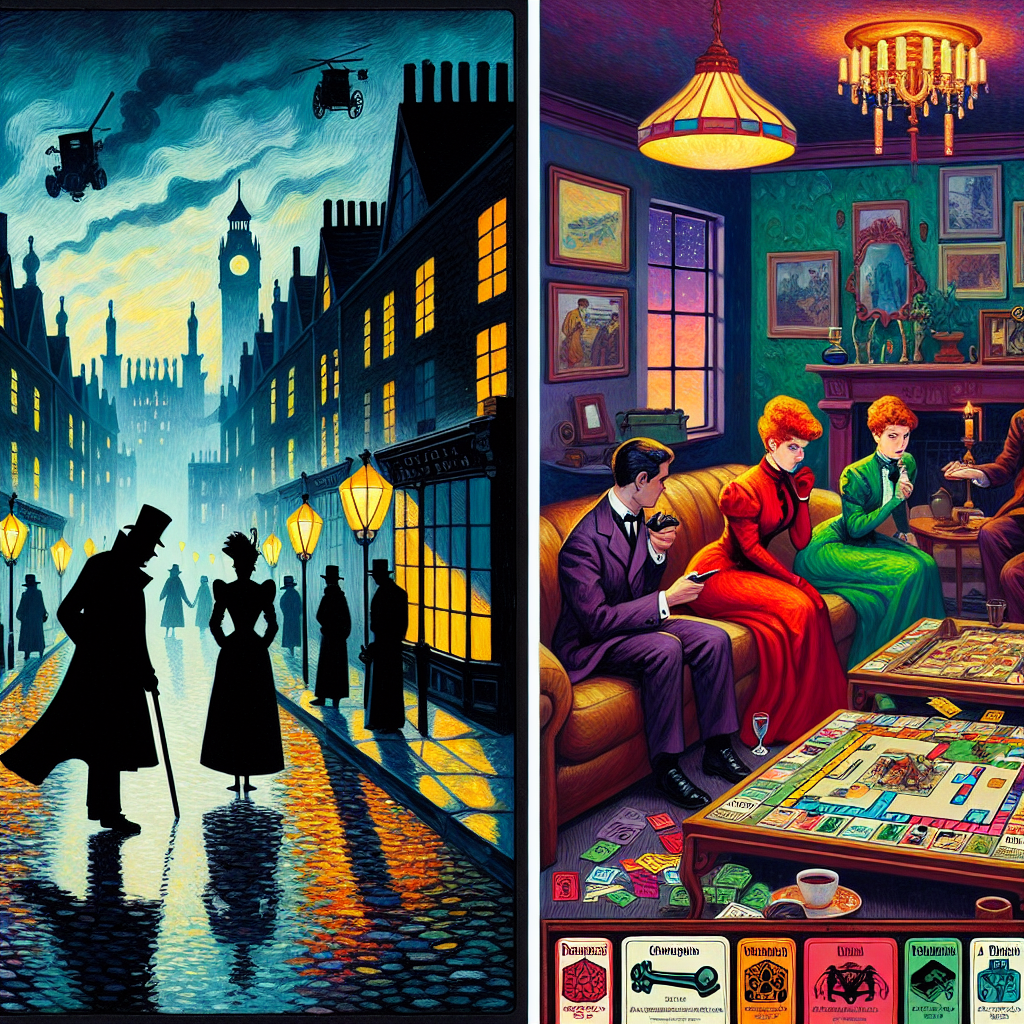
Poem
Checklist
What Makes The Board Game It’s a Wonderful Kingdom So Popular? – A Checklist
Game Experience Checklist:
1. Accessibility
_____ Check if the game can be easily explained to newcomers.
_____ Ensure the mechanics are straightforward enough for beginners but engaging for seasoned players.
2. Thematic Charm
_____ Explore the game’s enchanting visuals and vibrant artwork.
_____ Immerse yourself in the story and world-building aspects.
3. Social Interaction
_____ Emphasize friendly competition and camaraderie among players.
_____ Share memorable moments and interactions while playing.
4. Replayability
_____ Keep track of different strategies and approaches in subsequent playthroughs.
_____ Experiment with varied outcomes based on your choices.
5. Game Components
_____ Familiarize yourself with the components (cards, tokens, etc. ) used in gameplay.
_____ Evaluate the design and overall aesthetic of the game materials.
6. Engaging Gameplay
_____ Assess the balance between challenge and accessibility.
_____ Encourage exploration and creative strategies.
7. Character and Story Development
_____ Connect with the diverse characters and their unique backstories.
_____ Reflect on character interactions that enhance the gaming experience.
8. Adaptability
_____ See how the game scales for both solo and group play.
_____ Evaluate how gameplay dynamics shift with the number of players.
9. Theme Exploration
_____ Discuss the central themes of hope, community, self-discovery, and redemption that resonate throughout the game.
10. Expansions and Enhancements
_____ Consider exploring available expansions to enrich the gameplay.
_____ Stay engaged with any new content or community events.
11. Artwork Appeal
_____ Appreciate the intricate artwork and how it adds to the gaming experience.
_____ Reflect on the creativity and consistency of the artwork throughout gameplay.
12. William of Community Interaction
_____ Participate in discussions and strategies with fellow players.
_____ Share your own experiences and gameplay tips.
13. Lasting Enjoyment
_____ Reflect on what keeps drawing you back to the game.
_____ Note the fun dynamics and moments that create a desire for repeat play.
Refer to this checklist during your next game night to explore and enjoy everything “It’s a Wonderful Kingdom” has to offer!

Checklist
At BestBoardGameNews, we help people who love board games by collating information and news about board games.
Be sure to read our other related stories at BestBoardGameNews to learn more about board games.