Unearthing The Allure Of Lost Ruins Of Arnak
By Tom Seest
At BestBoardGameNews, we help people who love board games by collating information and news about board games.
Be sure to read our other related stories at BestBoardGameNews to learn more about board games.
What Makes The Board Game Lost Ruins Of Arnak So Popular?
The world of board games has seen a surge in creativity and excitement in recent years, and at the forefront of this renaissance is “Lost Ruins of Arnak.” This game has quickly etched its name into the hearts of enthusiasts, captivating both casual gamers and seasoned strategists alike. So, what is it about Arnak that has players clamoring for more?
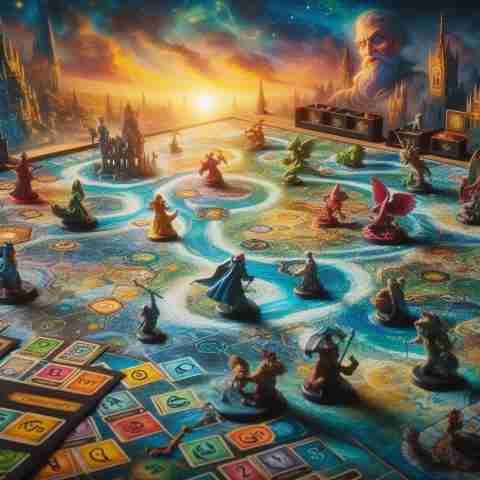
First off, let’s talk about the theme. Players are catapulted into a lush jungle, tasked with exploring a lost island full of ancient ruins, precious artifacts, and—let’s be honest—some serious danger. The theme weaves a narrative that appeals to our innate sense of adventure. It ignites the kind of curiosity that draws us into the unknown, much like the explorers of yesteryear. Now, who doesn’t want to channel their inner Indiana Jones while sitting around a table in their living room?
But it doesn’t stop there. The mechanics of Arnak are a beautifully orchestral blend of worker placement and deck-building. Each turn feels like a new opportunity, with players balancing resource management and strategic placements to maximize their potential. There’s a rhythm to the game that invites both planning and improvisation. Players are not merely reacting; they are creating pathways to victory through careful thought and, sometimes, a dash of luck. And therein lies the elegance—the game makes you think like an explorer, weighing both risks and rewards in a way that fosters a satisfying intellectual challenge.
Moreover, Arnak is accessible yet deep. New players can grasp the basics within minutes, while veterans find a treasure trove of strategies to explore further. This duality is vital for fostering an inclusive gaming environment where families, friends, and aspiring gamers can all find common ground. The art is visually striking too, with vibrant illustrations that bring the island to life, creating an inviting atmosphere as players delve into their adventures.
Lastly, let’s not forget the critical community aspect. The game sparks discussions, strategies, and friendships, creating a robust social environment. Here we find players excitedly debating tactics over another round of play, bonding over their shared quests, each game night another chance to discover new layers within the island.
In a world awash with digital distractions, “Lost Ruins of Arnak” offers a refreshing escape—a tangible experience that combines strategy, adventure, and camaraderie, ensuring its place atop the shelves of board game aficionados everywhere. It’s not just a game; it’s a journey waiting to unfold.
What Makes The Board Game Lost Ruins Of Arnak So Popular?
What Makes The Board Game Lost Ruins Of Arnak So Popular?
- “Lost Ruins of Arnak” leads a renaissance in board games, captivating casual and seasoned gamers.
- The game immerses players in a jungle setting with themes of adventure and exploration of ancient ruins.
- It features a unique blend of worker placement and deck-building mechanics, encouraging strategic planning and improvisation.
- The game is accessible for new players, while providing depth for veterans to explore advanced strategies.
- Visually striking art enhances the inviting atmosphere of the game, drawing players into their adventures.
- It fosters a strong community aspect through shared experiences, discussions, and bonding over gameplay.
- “Lost Ruins of Arnak” offers a refreshing escape from digital distractions, combining strategy, adventure, and camaraderie.

What Makes The Board Game Lost Ruins Of Arnak So Popular?
Table Of Contents
- What Makes The Board Game Lost Ruins Of Arnak So Popular?
- What Elements Of Gameplay Contribute To Its Popularity?
- How Does The Theme Of Exploration Enhance Player Engagement?
- What Unique Mechanics Set Lost Ruins Of Arnak Apart From Others?
- In What Ways Does Player Strategy Impact Game Outcomes?
- How Does The Art And Design Influence Player Experience?
- What Role Does The Balance Between Luck And Skill Play?
- How Do Player Interactions Affect The Game Dynamics?
- What Age Groups Are Most Drawn To Lost Ruins Of Arnak?
- How Do Expansions And Updates Influence Its Popularity?
- What Makes The Game Appealing For Solo Players?
- How Do Reviews And Word-Of-Mouth Affect Its Success?
- Why Do Fans Feel A Connection To The Game’s Storyline?
- In What Ways Does Replayability Affect Its Standing In The Market?
- How Does The Game Compare To Its Competitors In The Genre?
- How Do Accessibility Features Attract A Wider Audience?
- Conclusion
- Other Resources
- Glossary Of Terms
- Other Questions
- Haiku
- Poem
- Checklist
What Elements Of Gameplay Contribute To Its Popularity?
In the ever-evolving landscape of gaming, certain elements consistently rise to the surface, propelling titles from mere obscurity to cultural phenomena. These elements create an engaging experience that resonates with millions and keeps players coming back for more. So, what makes a game truly captivating? Let’s break it down.
First and foremost, immersion plays a pivotal role in a game’s popularity. Players crave escapism—a chance to dive headfirst into richly crafted worlds where the rules of reality bend and twist. Think about it: when you can roam vast landscapes, engage with intricate storylines, and interact with characters that feel almost real, it draws you in like a moth to a flame. This sense of immersion is often achieved through detailed graphics, a compelling soundtrack, and well-written narratives that invite players to invest emotionally in their experiences.
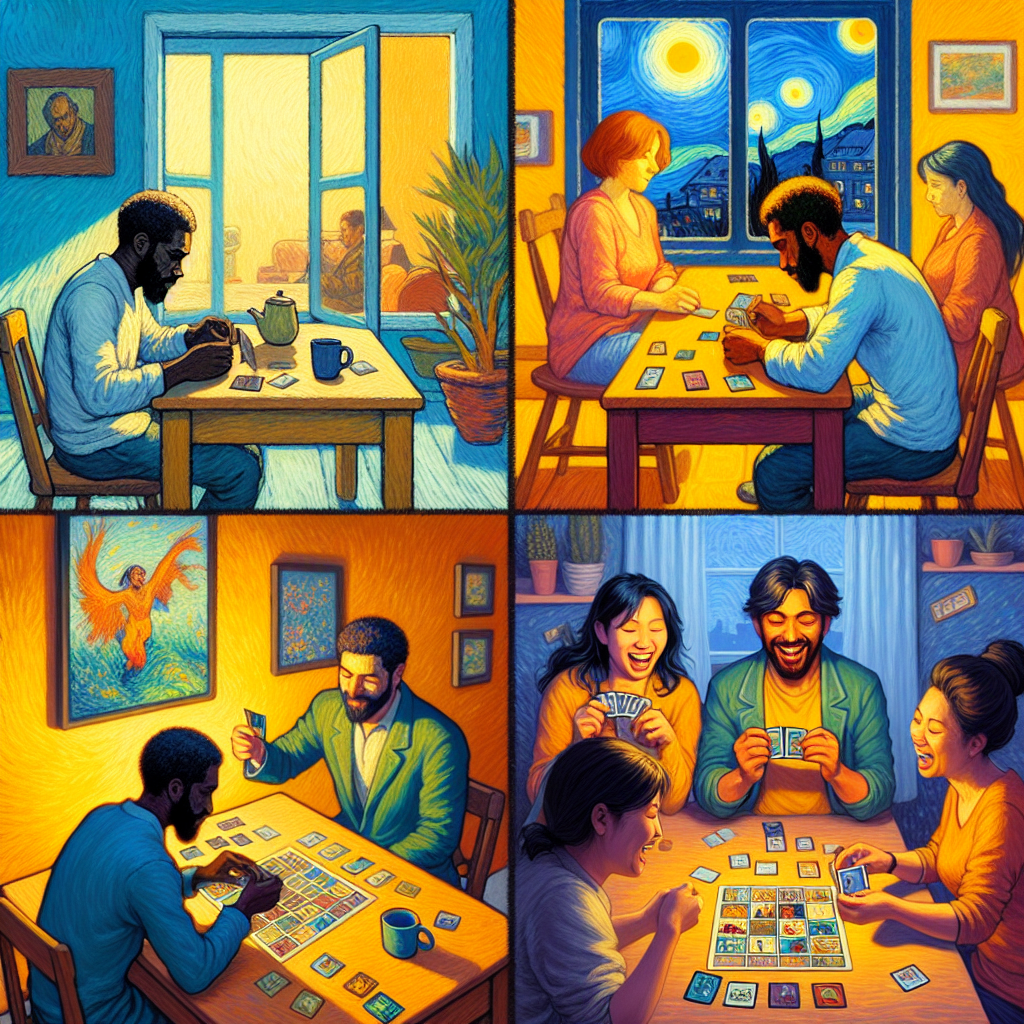
Next up is social interaction. We’re social creatures, and games that allow for cooperation, competition, or simply sharing experiences with friends often see a surge in popularity. Multiplayer modes, in particular, create a shared bonding experience that transcends the screen. From teaming up in epic quests to facing off in heart-pounding PvP battles, the thrill of working alongside friends—or even foes—adds a layer of excitement that solo play just can’t match. This communal aspect builds a culture, sparking discussions, creating memes, and fostering communities that thrive in both the digital and real world.
Then there’s the sweet allure of progression. Gamers love a good challenge, and the satisfaction of leveling up or unlocking new skills fuels their desire to keep playing. Games that expertly balance difficulty, offering both obstacles and rewards, keep players invested. Whether it’s completing a harrowing quest, mastering a skill, or simply opening that shiny loot box, the dopamine rush from achieving tangible goals keeps players coming back, eager for the next victory.
Finally, let’s not forget innovation. Titles that dare to try something new—whether through unique gameplay mechanics, artistic styles, or compelling storytelling—capture the attention of players hungry for fresh experiences. In a world flooded with options, it’s the game that takes risks and redefines norms that often stands apart, capturing hearts and minds alike.
In short, the elements of gameplay that contribute to a game’s popularity are multifaceted. It’s a combination of immersion, social interactivity, progression, and innovation that creates a magnetic pull, leading to a cherished experience that players can’t help but return to time and time again.
What Elements Of Gameplay Contribute To Its Popularity?
What Elements Of Gameplay Contribute To Its Popularity?
- Immersion is key to a game’s popularity, providing players with escapism in richly crafted worlds.
- Engaging graphics, compelling soundtracks, and well-written narratives contribute to a sense of immersion.
- Social interaction enhances games, allowing for cooperation, competition, and shared experiences among players.
- Multiplayer modes create bonding experiences that foster communities both online and offline.
- Progression through challenges and rewards keeps players invested, fueling their desire to continue playing.
- Players enjoy leveling up and completing quests, which provide a dopamine rush from achieving goals.
- Innovation in gameplay, mechanics, and storytelling captures the attention of players seeking fresh experiences.
What Elements Of Gameplay Contribute To Its Popularity?
How Does The Theme Of Exploration Enhance Player Engagement?
When we dive into the realm of video games, we quickly realize that one of the cornerstones of player engagement is the theme of exploration. This isn’t just about wandering aimlessly across sprawling landscapes; it’s about the intricate dance between curiosity and discovery that keeps players glued to their screens. By placing players in vast, open worlds filled with hidden secrets, diverse environments, and unexpected challenges, developers tap into something primal within us—the desire to seek the unknown.
Consider the quenchless thirst of early explorers, from the Vikings sailing unknown seas to adventurers trekking through dense jungles. In video games, that same spirit is mirrored through immersive universes where every corner holds a potential treasure or a perilous encounter. This longing to explore keeps the gameplay fresh and exhilarating. Players are incentivized to venture off the beaten path, driven by the allure of discovering rare artifacts or uncovering the backstory of a seemingly innocuous item. In this way, exploration transforms routine gameplay into a treasure hunt, and every player relishes the feeling of stumbling upon something that isn’t simply valuable but tells a story.
Moreover, exploration in gaming feeds into the psychological aspect of reward systems. Each time a player unearths a hidden area or deciphers a tricky puzzle, there’s that rush of dopamine—an instant boost of satisfaction. This rewards-based model reinforces behaviors, leading players to seek even more adventures and delve deeper into the game. In an age where instant gratification often overshadows persistence, exploration offers a tantalizing blend of challenge and reward.
Let’s not forget about the power of storytelling that intertwines with exploration. When players traverse these expansive worlds, they engage not just with the environment, but with the narratives woven into it. Each character, every piece of lore, adds layers of meaning, compelling players to peel back the layers of a world rich with history and intrigue. This immersive storytelling invites deeper emotional connections, making players not mere participants but active co-authors of their journey.
In essence, the theme of exploration serves as a robust framework that elevates player engagement from mundane to extraordinary. It’s not just about the places you go, but the experiences that shape you along the way. Every exploration enhances the adventure, solidifying the bond between the player and the game, and ensuring that each quest leaves an imprint long after the console powers down. And isn’t that the mark of a truly great game?
How Does The Theme Of Exploration Enhance Player Engagement?
How Does The Theme Of Exploration Enhance Player Engagement?
- Exploration is a key element of player engagement in video games.
- Players experience a blend of curiosity and discovery in vast, open worlds rich with secrets.
- The spirit of early explorers inspires modern gaming, with every location potentially hiding treasures or challenges.
- Exploration turns gameplay into treasure hunts, rewarding players for finding valuable items with narratives.
- Players receive psychological rewards, like dopamine boosts, when uncovering hidden areas and solving puzzles.
- Storytelling intertwines with exploration, allowing players to connect with characters and lore, enriching their experience.
- The theme of exploration enhances player engagement and creates lasting memories beyond the gameplay itself.
How Does The Theme Of Exploration Enhance Player Engagement?
What Unique Mechanics Set Lost Ruins Of Arnak Apart From Others?
In a world brimming with board games vying for our attention, *Lost Ruins of Arnak* stands out like a rare gem dug from the depths of an untamed jungle. But what is it that makes this game so exquisite? Let’s dive into the mechanics that set it apart from the crowd.
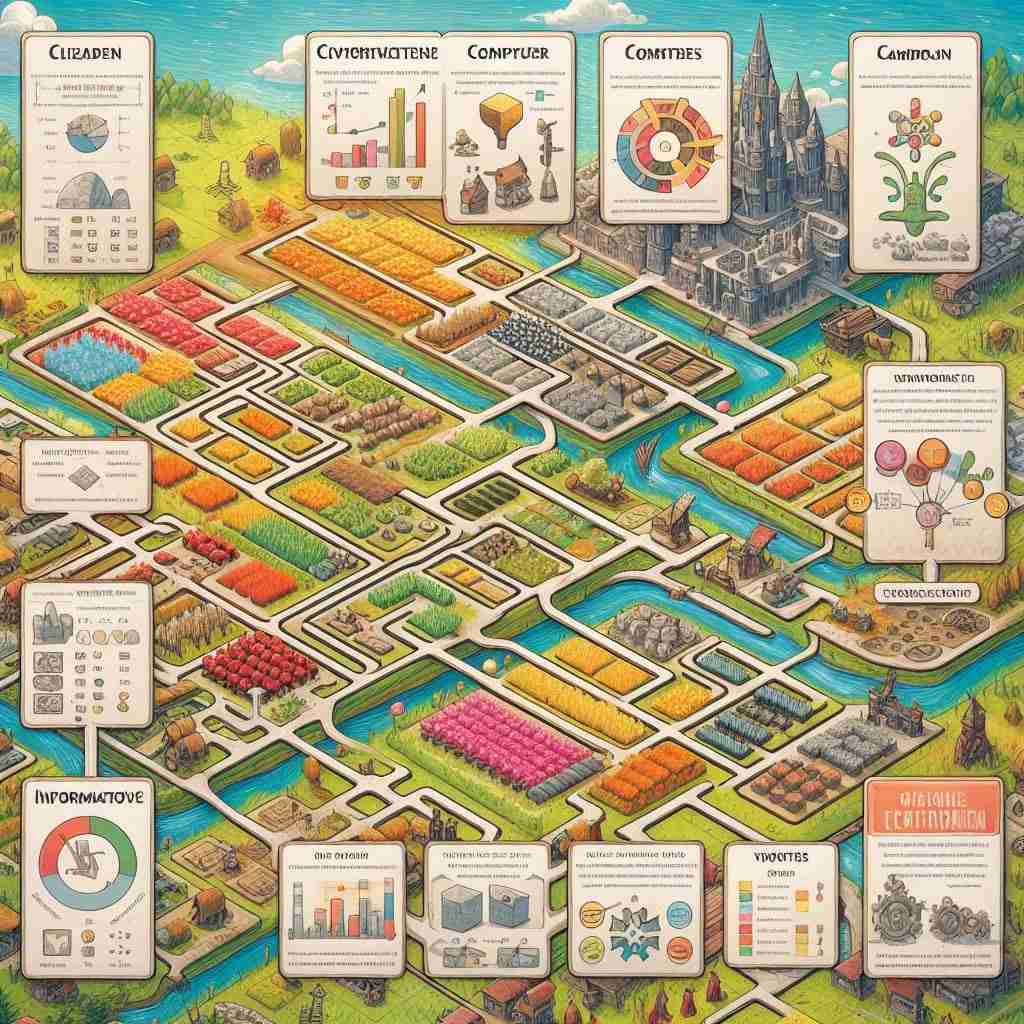
At its heart, *Lost Ruins of Arnak* marries worker placement and deck-building, two beloved mechanics that can often be found independently in other games. Here, they form a symbiotic relationship, creating a dynamic interplay that keeps players engaged from start to finish. You’ve got your explorers—workers—scouring the island for ruins, prospering from resources, and combining actions to unearth secrets, all the while building a personal deck that evolves with your strategy. This duality ensures that every move is backed with profound significance; a decision in one lane affects the other in almost tangible ways.
Next up, the exploration aspect invites players to venture deeper into the unknown, where the thrill of discovery is palpable. The game board is peppered with unclaimed territories and treasures waiting to be claimed. Each turn brings not only the opportunity to score points but the potential for genuine surprises. As you draw those coveted artifact cards, the anticipation of what lies ahead—be it an ancient relic or a fearsome guardian—adds an exhilarating layer of suspense. This mechanism shifts the stakes and keeps everyone on their toes, both expertly tactical and whimsically unpredictable.
The game’s resource management is another standout feature. Players gather and allocate resources like coins, compasses, and tablets, which are not just numbers on a page but vital currencies fueling your expedition. The way you distribute these resources can make or break your journey; each decision carved into the essence of your strategy. Moreover, the tension between immediate gains versus long-term investments creates dramatic moments of push and pull.
And let’s not forget about the evolving board state. The game allows for untold combinations of strategies as the game progresses. The ruins and their respective reward systems ensure that no two games feel the same, creating endless replayability.
In summary, *Lost Ruins of Arnak* crafts an intricate tapestry of mechanics that unite to deliver a continually unfolding adventure. It effortlessly stitches together worker placement and deck-building, while layering exploration and resource management, making it a distinct experience worth diving into time and again. Whether you’re a seasoned adventurer or a newcomer, the unique mechanics of this game invite everyone to wander into the depths of the Arnak jungle.
What Unique Mechanics Set Lost Ruins Of Arnak Apart From Others?
What Unique Mechanics Set Lost Ruins Of Arnak Apart From Others?
- *Lost Ruins of Arnak* combines worker placement and deck-building mechanics, creating an engaging and interactive gameplay experience.
- The exploration aspect encourages players to uncover unclaimed territories and treasures, adding excitement and suspense to each turn.
- Artifact cards introduce an element of surprise, enhancing the thrill of discovery with potential rewards and challenges.
- Resource management is crucial, as players gather and allocate vital resources, influencing their strategies and decisions.
- The tension between immediate gains and long-term investments creates dramatic moments, shaping the players’ journeys.
- The evolving game board offers diverse strategies and outcomes, ensuring high replayability and unique experiences in every game.
- Overall, the game blends multiple mechanics into a captivating adventure that appeals to both seasoned players and newcomers alike.
What Unique Mechanics Set Lost Ruins Of Arnak Apart From Others?
In What Ways Does Player Strategy Impact Game Outcomes?
In the world of gaming, whether it’s a high-stakes poker match or an intense round of tactical warfare, the way players strategize can be the difference between victory and defeat. It’s not just about the moves they make; it’s about the thought processes driving those moves. Let’s dive into the nitty-gritty of how player strategy shapes the course of a game.
First and foremost, let’s talk about adaptability. A sharp player knows that sticking rigidly to one plan can lead to disaster. Environments change, opponents evolve, and what worked yesterday may not work today. Take a real-time strategy game, for example: as you build your resource base and expand your territory, every decision needs to be weighed against incoming threats and evolving tactics from your rivals. A player who can pivot and adjust on the fly is often the one who walks away with the W.
Then there’s the art of deception. Just like in a game of chess, where players often feign weakness to lure opponents into traps, gamers employ bluffs and feints to manipulate their adversaries. This psychological aspect adds an exciting layer to strategy. A well-timed bluff can send an opponent into a frenzy, causing them to overcommit or make irrational decisions. When strategy involves understanding your opponent’s psyche, the game morphs into a battle of wits as much as skill.
Moreover, strategic foresight plays a key role in long-term planning. Players must think several moves ahead, anticipating their opponents’ responses and plotting their paths to victory. This foresight creates a rich tapestry of tactics that can ultimately decide the game’s outcome. Consider a role-playing game where one decision to level up a certain skill can heavily influence future battles. A player who recognizes the cascading effects of their choices can set themselves up for success in the grand scheme of things.
Lastly, teamwork cannot be overlooked. In multiplayer games, player strategy often transcends individual tactics. Coordination, communication, and shared goals become paramount. A well-oiled team operating on a unified strategy can often overwhelm even the most skilled lone wolf.
Strategy isn’t just a component of gameplay; it’s the heartbeat pulsing throughout the entire experience. It’s what transforms games from simple pastimes into complex arenas of human interaction and cunning. How a player harnesses strategy can swing the pendulum from defeat to triumph, illustrating that in gaming—as in life—thoughtful strategy often reigns supreme.
In What Ways Does Player Strategy Impact Game Outcomes?
In What Ways Does Player Strategy Impact Game Outcomes?
- Player strategy is crucial in determining victory or defeat in gaming.
- Adaptability is essential; effective players adjust their plans to evolving situations.
- Deception, including bluffs and feints, adds a psychological layer to strategies.
- Strategic foresight involves thinking several moves ahead to anticipate opponents’ actions.
- Decisions made in advance can have cascading effects on future gameplay outcomes.
- Teamwork and coordination are critical in multiplayer environments for collective success.
- Overall, strategy is the core of gaming that elevates it from a pastime to a complex interaction.
In What Ways Does Player Strategy Impact Game Outcomes?
How Does The Art And Design Influence Player Experience?
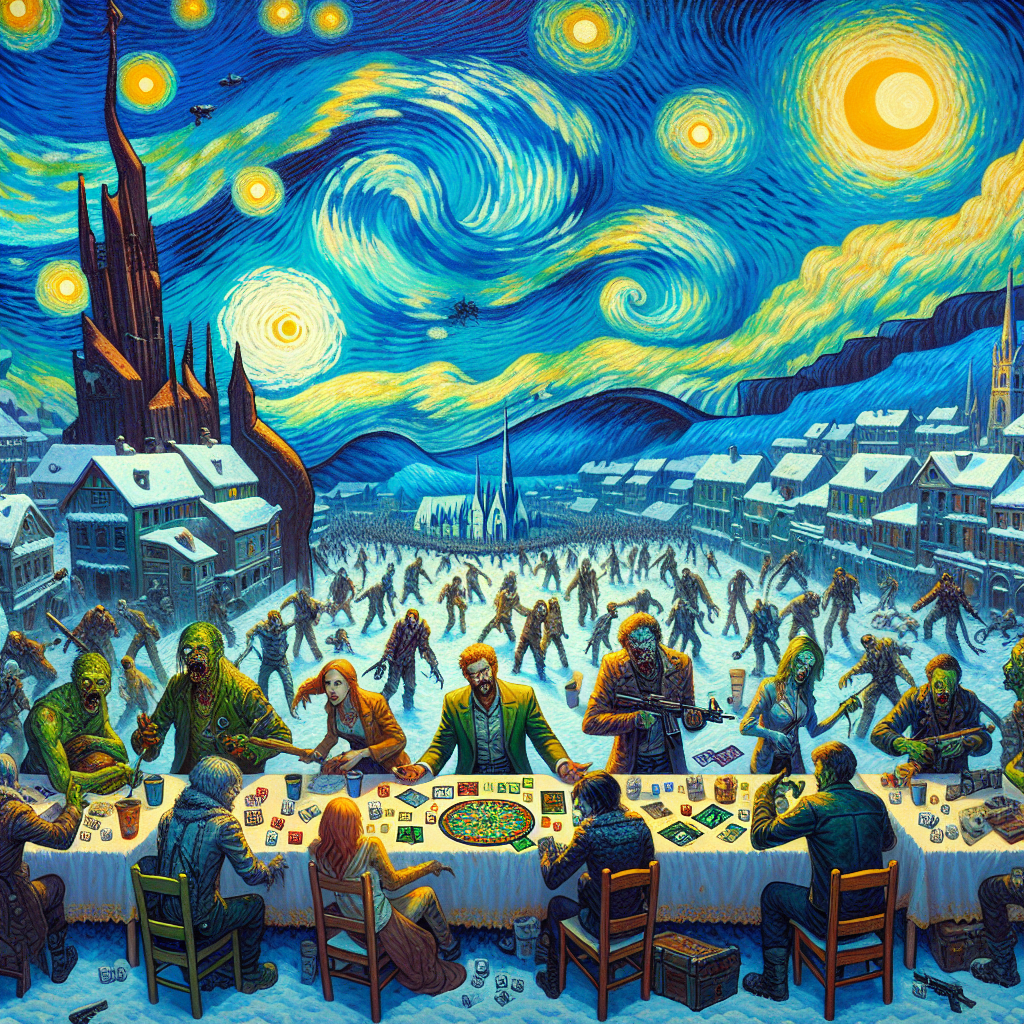
In the vast universe of video games, art and design aren’t just decorative elements; they’re the very threads that weave the player’s experience together. Imagine popping on a headset and being transported to a sprawling, hand-painted world that vibrates with personality. That first step into the landscape isn’t just about what’s in front of you; it’s about how the scenery draws you in, making you feel like you belong. When executed skillfully, art and design create an emotional connection that lingers long after you’ve powered down your console.
Let’s break it down. Take a look at the colors in a game. The palette can evoke feelings you didn’t even know were there. Warm hues promote a sense of comfort and nostalgia, while cooler shades can add a layer of foreboding or isolation. Consider a horror game drenched in dark blues and blacks—you find yourself on edge, the art setting the stage for tension that pulls you deeper into the experience. The way these colors interact can stir adrenaline or soothe the soul, demonstrating how profoundly art influences mood in gameplay.
Then there’s the design of characters and environments. A well-crafted character, with intricate details in their features or attire, can resonate with players on a personal level. Suddenly, you’re not just manipulating a digital avatar; you’re embarking on a quest alongside a companion you emotionally invest in. Think of iconic characters—each one is a carefully designed amalgamation of style and storytelling. Their looks, movements, and the energy they exude make them relatable or aspirational. This connection fosters a bond that can drive players to invest hours into the narrative, often feeling a sense of loss or triumph alongside their pixelated friends.
Level design plays an equally pivotal role. Imagine navigating through a twisting, labyrinthine dungeon versus a clear, straightforward path. The design dictates not just the physical journey but also the emotional rollercoaster players ride along the way. Difficult terrain or clever puzzles serve as challenges that jog the mind and enhance the sense of achievement upon overcoming obstacles.
In essence, art and design in video games act like the unseen hand guiding you through your adventure. They shape not only how the game looks and feels but also how you connect with it on multiple levels. So next time you load up your favorite game, take a moment to appreciate the artistry behind it—because that beautiful chaos is instrumental in crafting not just a game, but an experience.
How Does The Art And Design Influence Player Experience?
How Does The Art And Design Influence Player Experience?
- Art and design in video games are fundamental to creating immersive player experiences.
- Color palettes can evoke deep emotions, influencing players’ feelings and moods during gameplay.
- Well-crafted characters foster emotional connections, making players feel invested in their journeys.
- Iconic characters combine style and storytelling, enhancing relatability and aspiration.
- Level design impacts both the player’s physical journey and emotional experience, shaping challenges and achievements.
- Art and design work together as an unseen guide, affecting how a game is perceived and connected with by players.
- Appreciating the artistry in gaming contributes to a richer understanding of the immersive experience.
How Does The Art And Design Influence Player Experience?
What Role Does The Balance Between Luck And Skill Play?
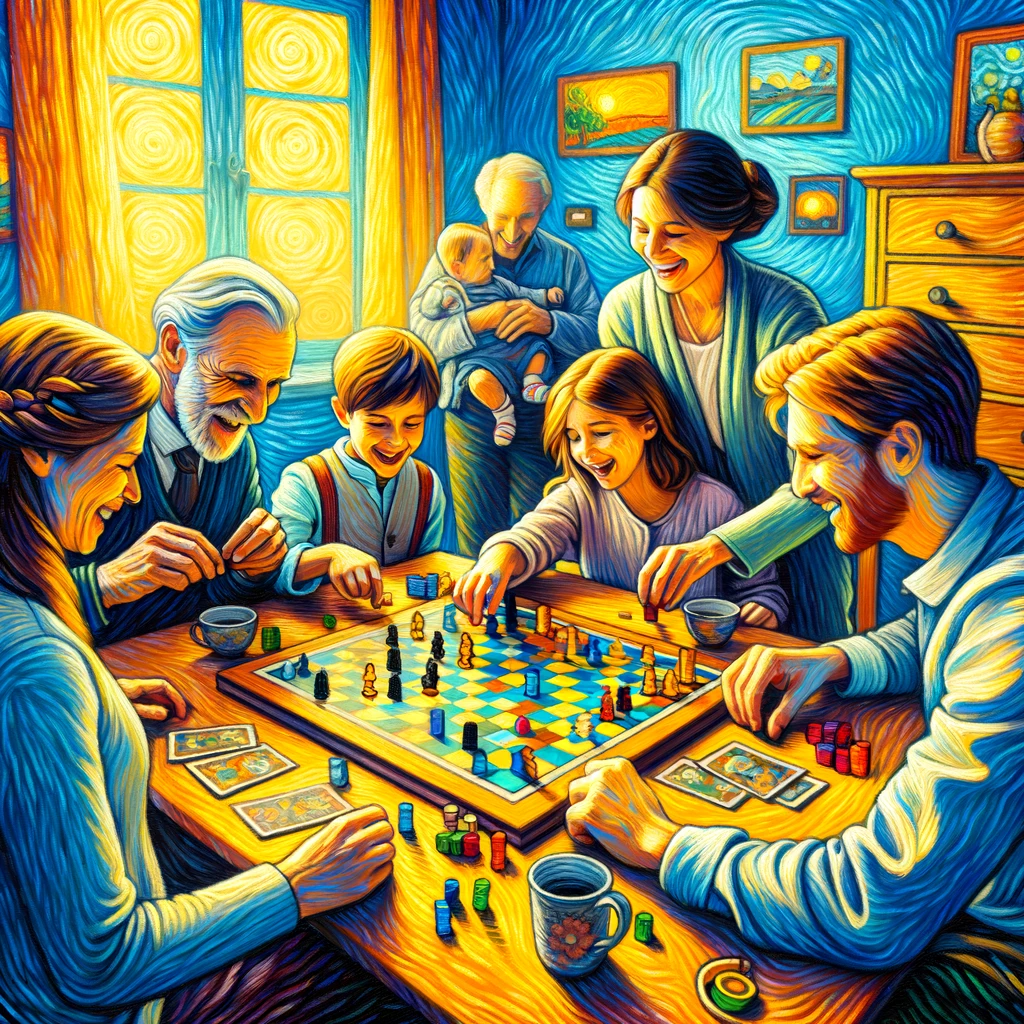
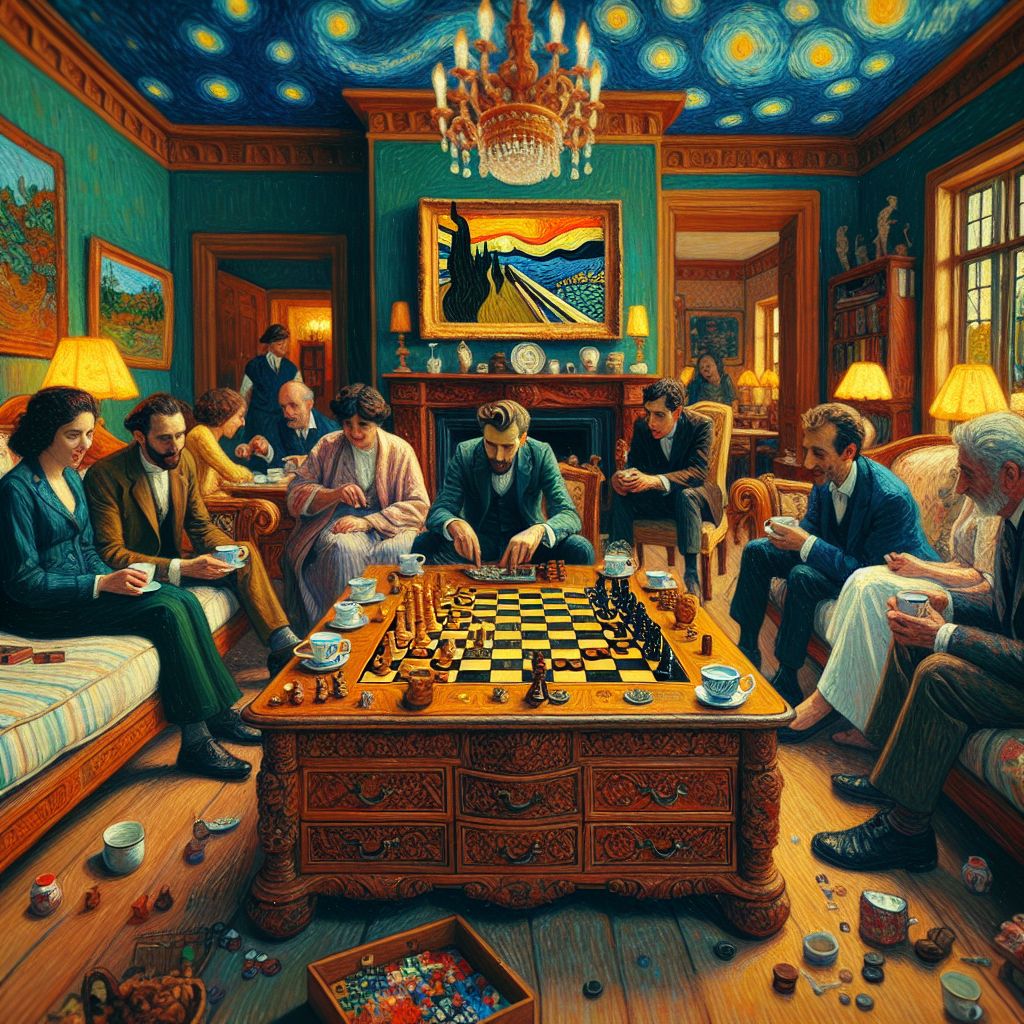
Life, much like a game of chance, oftentimes serves up a cocktail of luck and skill, shaken but never stirred. Picture yourself at a casino: the sound of chips clinking, the whir of spinning slots, and the palpable energy as fortunes are won or lost. But unlike the soft glow of neon lights, reality has a habit of throwing you curveballs that can make or break your trajectory.
When push comes to shove, we often hear about the importance of hard work and talent. Sure, skill is the backbone of success—it’s the engine that propels us forward. Whether navigating the complexities of a career or honing a craft, expertise allows us to make well-informed decisions, to rise above our circumstances. But here’s where it gets tricky: no matter how talented or prepared you are, sometimes life throws in a cosmic riddle that no amount of skill can solve—what we call luck.
Think of the poker player who’s trained for years, mastering every nuance of the game. They’ve practiced their strategy, read every book, and endured countless hours at the felt. Yet, on that fateful night, a single card can turn the tide in an unexpected way. That’s luck—an element that can elevate the mediocre to remarkable or send the most skilled crashing down. It’s a twist of fate that rattles even the best-laid plans.
In everyday life, this balance takes on various forms. Imagine an entrepreneur pouring sweat equity into a startup. They’re skilled, knowledgeable, and perhaps even visionary. Yet, in the blink of an eye, an unforeseen economic downturn or a pandemic can shift the sands beneath their feet. Skill was their ticket in, but luck—let’s call it the universe’s sense of humor—determined whether they would thrive or merely survive.
Ultimately, the interplay of luck and skill is not just about winning and losing; it’s about resilience, adaptability, and perspective. Those who understand this delicate balance don’t merely chalk up their victories to luck or their failures to bad luck. They witness it for what it is: a dance. And in that dance, they learn that while you can increase your chances with skill, the unpredictable nature of luck will always be lurking in the shadows, ready to burst onto the stage when least expected. So, embrace both, and remember: you can prepare for the performance, but the encore may just be a wild card you never saw coming.
What Role Does The Balance Between Luck And Skill Play?
What Role Does The Balance Between Luck And Skill Play?
- Life mirrors a game of chance, combining luck and skill in unpredictable ways.
- Hard work and talent are essential, but they are not always enough for success.
- Luck can significantly influence outcomes, regardless of one’s preparation or skill level.
- Even the most skilled individuals may face unexpected challenges that alter their success trajectory.
- The balance of luck and skill is evident in various life scenarios, such as entrepreneurship.
- Resilience, adaptability, and perspective are crucial when navigating the interplay of luck and skill.
- Embrace both luck and skill, as the unpredictable nature of luck can impact outcomes in unforeseen ways.
What Role Does The Balance Between Luck And Skill Play?
How Do Player Interactions Affect The Game Dynamics?
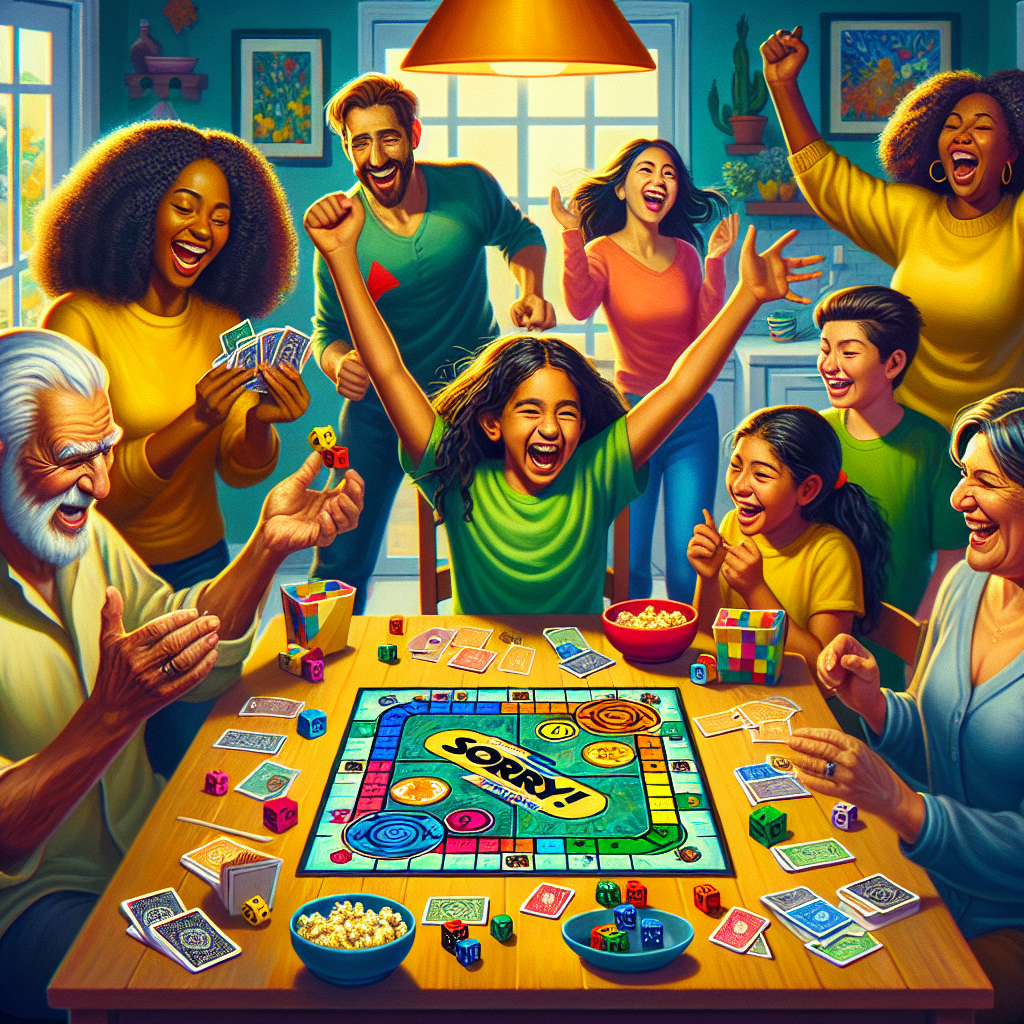
When it comes to the heart of gaming, player interactions aren’t just a fancy feature—they’re the lifeblood that pulses through the veins of the game. Picture bustling taverns in a medieval fantasy RPG or the tense negotiations of alliances in a real-time strategy game. Each interaction, whether friendly banter or heated conflict, shapes the game dynamics in profound and often unexpected ways.
At its core, player interaction fosters a sense of community and camaraderie. In multiplayer environments, players team up, forge alliances, and share triumphs, creating bonds that can last well beyond the confines of the screen. This social element transforms gaming from a solitary endeavor into a shared experience, echoing the age-old practice of storytelling around the campfire. Players laugh, strategize, and support each other, sparking engagement that can elevate the gameplay experience to new heights.
However, it’s not all sunshine and rainbows. Competition breeds conflict, and while this can be thrilling, it can also disrupt the harmony of the game. Take a competitive shooter, for example—players might find themselves locked in fierce battles, fostering both rivalries and resentment. This tension can lead to dramatic shifts in game dynamics, impacting everything from team formations to individual performance. With each skirmish, players recalibrate their strategies, adjusting their approaches in response to the actions of others.
Moreover, the unpredictability of player actions adds layers of complexity to game outcomes. Unlike AI opponents that follow preset patterns, human players can be erratic and crafty. One moment, a player may be a fierce ally, and the next, they could become a formidable adversary, prompting everyone else to scramble and adapt. This fluidity keeps players on their toes, ensuring that no two gaming sessions feel quite the same.
In social deduction games, the interplay of deception and persuasion exemplifies how interactions can completely alter the trajectory of the game. Trust is an elusive commodity, making every alliance suspect and every accusation potentially catastrophic. Here, players must navigate a tricky landscape of loyalties and betrayals, leading to a dynamic filled with tension and intrigue.
Player interactions are not just a facet of gaming; they are the very essence that shapes gameplay, enriches the narrative, and weaves the tapestry of the gaming experience. Whether building friendships or rivalries, every interaction leaves a lasting imprint, creating a living, breathing dynamic that continues to evolve with every session.
How Do Player Interactions Affect The Game Dynamics?
How Do Player Interactions Affect The Game Dynamics?
- Player interactions are crucial to gaming, representing the heartbeat that drives the game’s dynamics.
- They foster community and camaraderie, turning multiplayer experiences into shared storytelling moments.
- Competition can create conflict, leading to rivalries that disrupt game harmony and shift dynamics.
- Human players introduce unpredictability, making strategies fluid and game sessions unique.
- Social deduction games highlight the importance of deception and persuasion, where trust is scarce.
- Interactions enrich the narrative and shape gameplay, creating lasting effects on player experiences.
- Every interaction in gaming contributes to a living, evolving dynamic, impacting future sessions.
How Do Player Interactions Affect The Game Dynamics?
What Age Groups Are Most Drawn To Lost Ruins Of Arnak?
In the vibrant tapestry of board gaming, “Lost Ruins of Arnak” stands out as an intriguing blend of exploration, strategic resource management, and adventure. But just as every good explorer knows the value of understanding their terrain, so too does it serve us well to examine what age groups are most drawn to this game that captures the essence of discovery.
First off, let’s talk about the younger crowd, the Millennials and Gen Z. These age groups, often cited as digital natives, have an inherent appetite for interactivity and immersive experiences. They’ve grown up amidst a whirlwind of technological advancements, including video games and mobile apps that prioritize dynamic storytelling and engaging mechanics. “Lost Ruins of Arnak” appeals to them not only for its stunning artwork, but also for its blend of adventure and strategy. There’s something satisfying about flipping over a card to unveil new resources or successes as they venture deeper into the uncharted territory. The sense of achievement coupled with social interaction makes it a perfect fit for gaming meetups or casual gatherings—this generation’s version of the campfire.
Now, let’s not overlook our more seasoned players, often from Gen X and Baby Boomers. While they might have grown up on a different diet of gaming, their unexpected resurgence in modern board games has paved the way for deep strategic gameplay. For these folks, the allure lies in the challenge—the delicate balancing of resources and the thrill of outmaneuvering opponents. They’ll appreciate the game’s intricate mechanics and decision-making layers, which can evoke memories of classic titles like “Settlers of Catan” or “Carcassonne.” With a penchant for strategy and depth, they are likely to dive headfirst into the lore and nuances of Arnak, relishing its opportunities for clever twists and tactical plays.
Interestingly enough, there’s a middle ground: families. Parents, especially those who share a love for gaming, are finding themselves introducing “Lost Ruins of Arnak” to their children. This multi-generational approach fosters not just fun, but learning—critical thinking, teamwork, and even a dash of history, wrapped up in an engaging package.
In essence, “Lost Ruins of Arnak” manages to straddle a wide spectrum of age groups, appealing to a diverse audience that craves adventure, strategy, and a little bit of friendly competition. Whether young or seasoned, this game has carved out a niche, challenging all would-be adventurers to forge their own paths through ancient ruins, one turn at a time.
What Age Groups Are Most Drawn To Lost Ruins Of Arnak?
What Age Groups Are Most Drawn To Lost Ruins Of Arnak?
- “Lost Ruins of Arnak” combines exploration, strategic resource management, and adventure.
- Millennials and Gen Z are drawn to the game’s interactivity and immersive storytelling.
- The game’s stunning artwork and exciting mechanics appeal to younger players during social gatherings.
- Gen X and Baby Boomers enjoy the challenge and strategic depth reminiscent of classic games.
- The game fosters a balancing act of resources and tactical plays, attracting seasoned gamers.
- Families benefit from the multi-generational appeal, promoting learning and teamwork.
- “Lost Ruins of Arnak” successfully engages a diverse audience across various age groups.
What Age Groups Are Most Drawn To Lost Ruins Of Arnak?
How Do Expansions And Updates Influence Its Popularity?
When you think about the world of gaming, it’s easy to get lost in the spectacle of flashy graphics and heart-pounding action. But underneath all that glitz and glam, there’s a more subtle force at play—the expansions and updates that keep games relevant and engaging for players. Imagine your favorite game like a living, breathing organism; it grows, adapts, and evolves thanks to the nourishing care of developers who introduce fresh content and mechanics. This is where we really see a game’s popularity soar, or plummet, like a rollercoaster on a wild track.
Take expansions, for instance. These robust packages often breathe new life into a game, injecting new stories, characters, and gameplay mechanics that can completely transform the experience. Fans anticipate these releases like kids waiting for the first snowfall of winter; the excitement is palpable. When a big expansion drops, you’d better believe that forums light up, Twitch streams spike in viewership, and social media buzzes like a hive of bees. It’s not just about the content itself, but the community surrounding it—players gather, strategize, and share their experiences, creating a lively discourse that fuels curiosity and engagement.
Updates are equally crucial, though they might not garner the same level of hype. Smaller in scope but incremental in change, updates serve to fix bugs, balance gameplay, or introduce seasonal events. Think of them as the regular maintenance your car needs; they keep everything running smoothly and ensure players stay hooked. A well-timed update can revitalize the player base, drawing lapsed gamers back into the fold. These subtle adjustments remind players that the developers are listening and care about the community—keeping the passion alive and the game fresh.
Imagine, for example, a game that hasn’t seen an update in months. The excitement fizzles out, and players wander off to greener pastures. But throw in a surprise expansion or a timely update, and suddenly, there’s a resurgence of energy. Players are back, sharing their exploits and diving into the new content with renewed vigor.
In essence, expansions and updates act as the lifeblood of a game’s popularity. They’re not just about acquiring more toys to play with; they’re about keeping the conversation alive, invigorating the community, and ensuring that every player feels like they’re a part of something bigger than themselves—a space where adventures continue to unfold, storylines evolve, and friendships are forged in the heat of battle. That’s what keeps players coming back, time and time again.
How Do Expansions And Updates Influence Its Popularity?
How Do Expansions And Updates Influence Its Popularity?
- Gaming’s appeal goes beyond graphics and action; expansions and updates are crucial for player engagement.
- Expansions introduce new stories, characters, and mechanics, revitalizing games and increasing their popularity.
- Players eagerly anticipate expansions, leading to increased online activity and community engagement.
- Updates, while less hyped, are essential for maintaining gameplay balance, fixing bugs, and introducing seasonal events.
- Regular updates keep players invested and demonstrate that developers value community feedback.
- Unexpected expansions or timely updates can reignite player interest and bring back lapsed gamers.
- Overall, expansions and updates foster a vibrant community, encourage continuous adventure, and strengthen player connections.
How Do Expansions And Updates Influence Its Popularity?
What Makes The Game Appealing For Solo Players?
When it comes to video games, the call of the solo adventure has a certain allure that entices many. For those who find joy in solitary experiences, the appeal lies not just in escaping reality, but in the immersive worlds that invite players to lose themselves in countless possibilities. Picture this: you fire up your console or PC, and suddenly you’re transported to lands of sprawling landscapes, intricate storylines, and dynamic characters—all tailored to your pace and preferences.
At its core, solo gaming offers freedom. You’re the captain of your ship, navigating challenges and quests without the need to coordinate with others. Imagine entering a vast dungeon where each corner holds enemies and treasures waiting to be discovered. You can take your time to strategize, explore every nook and cranny, and engage with the story on your terms. There’s a satisfaction that comes with knowing you are not just a player but the architect of your own journey. The ability to set your own pace is irresistible; whether you want to spend hours perfecting your combat skills or simply absorb the stunning graphics, it’s entirely up to you.
Moreover, solo games often delve into deep, narrative-driven experiences that resonate on a personal level. They tell stories that challenge your emotions and provoke thought. During quiet moments, as you engage with the rich lore or unravel the complexities of a well-crafted plot, you become part of a cinematic experience that’s incredibly rewarding. Unlike multiplayer scenarios where the clock is ticking and chaos often reigns supreme, these solo escapades grant you the gift of reflection, allowing for a profound connection with the story and characters.
Then there’s the thrill of discovery, that electrifying sensation of stumbling upon a hidden treasure or piecing together a series of puzzles that elevate your journey. Solo players relish the challenge of conquering opponents without the help of teammates. It’s a personal achievement that brings a unique sense of accomplishment; every victory feels earned, every setback a lesson learned.
The solo gaming experience offers what few things in life can: the freedom to explore, the depth of a touching narrative, and the thrill of overcoming obstacles—all within the comforting confines of your own space. For those embarking on this solitary journey, the world of gaming isn’t just a pastime; it’s an opportunity to embark on an epic adventure that’s just waiting to be lived.
What Makes The Game Appealing For Solo Players?
What Makes The Game Appealing For Solo Players?
- Solo gaming appeals to those who enjoy solitary experiences and immersive worlds.
- Players gain freedom to navigate challenges and quests at their own pace.
- Exploration and strategizing in vast environments enhance personal engagement.
- Deep, narrative-driven experiences provide emotional resonance and thoughtful storytelling.
- Solo gaming allows for reflection and connection with the story and characters.
- The thrill of discovery and personal achievement enhances the gaming experience.
- Solo adventures offer a unique opportunity for exploration and overcoming obstacles in a personal space.
What Makes The Game Appealing For Solo Players?
How Do Reviews And Word-Of-Mouth Affect Its Success?
When it comes to the success of a product, service, or even an entire business, few factors play as pivotal a role as reviews and word-of-mouth. They act as the modern-day campfire stories, whispered from one person to another, and they wield a power that’s both impressive and astonishing. Let’s break it down.
At its core, a review is a digital handshake. It’s an introduction to a stranger — or, at least to a potential customer — who’s teetering on the edge of making a purchase. Think about it: if you’re staring at two competing offerings, one with a glowing rating and the other with a collection of scathing critiques, which one are you more likely to explore? That’s right; we’re hardwired to seek validation from our fellow humans. Before making decisions, we invariably search for that stamp of approval, and that’s where reviews come in.
Now, let’s not undermine the weight of word-of-mouth. This isn’t just about what’s written down; it’s about the stories people share over coffee or during family dinners. A friend’s enthusiastic recounting of their experience can often resonate more than any marketing campaign. Why? Because authenticity shines through. When someone recounts their genuine experience, complete with the highs, lows, and unexpected moments, it adds a layer of trust that mere advertisements simply can’t muster.
Businesses that understand this can harness the tremendous power of both reviews and word-of-mouth. They begin to realize that every customer interaction is a chance to create a brand ambassador. It’s no longer just about delivering a good product; it’s about curating an experience that people want to share. From personalized service to simply asking for feedback, every touchpoint is an opportunity to sow the seeds of word-of-mouth advocacy.
But here’s the kicker: in the age of the internet, a single negative review can ripple like a stone tossed into a pond. Missteps can lead to a cascade of doubt, while a positive review can elevate a fledgling business into the limelight. Thus, the stakes are high.
In this hyperconnected world, the voice of the consumer is more powerful than ever. Reviews and word-of-mouth may seem like just a couple of bands on the radio, but in reality, they’re part of the symphony that determines success. Pay attention, listen carefully, and in the hustle of business, don’t forget: one good story can change everything.
How Do Reviews And Word-Of-Mouth Affect Its Success?
How Do Reviews And Word-Of-Mouth Affect Its Success?
- Reviews and word-of-mouth play a crucial role in the success of products and businesses.
- A review serves as a digital introduction, influencing potential customers’ purchasing decisions.
- People naturally seek validation from others before making decisions, making reviews essential.
- Word-of-mouth, stemming from personal experiences, carries authenticity and trust that ads lack.
- Businesses can create brand ambassadors by ensuring quality experiences and engaging with customers.
- A single negative review can significantly impact a business, highlighting the importance of reputation management.
- In today’s hyperconnected world, consumer voices shape business success; one compelling story can make a difference.
How Do Reviews And Word-Of-Mouth Affect Its Success?
Why Do Fans Feel A Connection To The Game’s Storyline?
In the world of gaming, it’s not just about high scores or epic battles; it’s about stories that resonate deep within us. Fans often feel a profound connection to a game’s storyline—something that goes beyond mere entertainment. It’s a fascinating phenomenon worth exploring, akin to finding that perfect balance of grit and grace in the everyday.
At the heart of this connection is relatability. Gamers see themselves in the characters, facing trials and tribulations that mirror their own lives. Picture the lone hero navigating a treacherous world, battling inner demons while attempting to save the day. Such narratives resonate because we have all faced our fair share of obstacles. These digital journeys give players a chance to vicariously experience challenges and triumphs, making them feel as though they’re part of something larger than themselves.
Furthermore, the emotional stakes in video games can rival those found in classic literature or film. Developers often craft intricate tales that tug at our heartstrings, exploring themes of love, loss, betrayal, and redemption. When a character falls in battle, or a long-awaited reunion is finally realized, players are right there on the edge of their seats, hearts racing in rhythm with the unfolding drama. It’s no wonder that when the credits roll, many players find themselves not just satisfied, but emotionally invested, pondering the implications of the choices they’ve made.
The community aspect cannot be overlooked either. Gamers come together to share their experiences, discussing plot twists and character arcs. This shared journey solidifies their connection—not just to the game, but to each other. Online forums and social media platforms explode with theories, fan art, and emotional reflections where players bond over common experiences. They gather around the virtual campfire, trading stories, just as ancient tribes would, sharing in collective joy, excitement, and sometimes heartache.
Finally, gaming stories invite players to explore worlds and scenarios they might never encounter in reality. They tackle moral dilemmas, raise philosophical questions, and push players to think critically about their values. This ability to face difficult realities – even in a fantastical setting – encourages introspection and sparks discussion.
It’s clear why fans feel such a strong connection to the storylines in games. We’re not just passive observers; we’re participants in a grand narrative that reflects our own lives, relationships, and shared experiences. That connection turns mere gameplay into a powerful exploration of what it means to be human.
Why Do Fans Feel A Connection To The Game’s Storyline?
Why Do Fans Feel A Connection To The Game’s Storyline?
- Gaming transcends high scores and battles, focusing on resonant narratives.
- Players relate to characters and their challenges, seeing reflections of their own lives.
- Emotional stakes in games rival those in literature and film, fostering deep engagement.
- Players often reflect on their choices and emotional investments as stories unfold.
- Community interaction enhances connection, with gamers sharing experiences and theories.
- Games challenge players with moral dilemmas and philosophical questions, promoting introspection.
- Overall, gaming stories invite players into a narrative that explores human experiences and relationships.

Why Do Fans Feel A Connection To The Game’s Storyline?
In What Ways Does Replayability Affect Its Standing In The Market?
In the ever-evolving landscape of the gaming industry, there’s a buzzword that seems to hang in the air like a freshly opened can of soda: replayability. It’s a term that has become a cornerstone of game design and marketing, and for good reason. As gamers become increasingly discerning, developers face the challenge of crafting experiences that beckon players back again and again, rather than gathering dust on a shelf or in a digital library.
At its core, replayability embodies a game’s ability to offer something new with each session. Think of it as that old faithful friend, the one who always manages to surprise you, even after years of camaraderie. A game that excels in this area isn’t merely a series of loops or missions; it’s an intricate tapestry of choices, narratives, and mechanics that invite exploration. Whether it’s branching storylines, varied character builds, or spontaneous multiplayer elements, replayability throws a wrench into the “once and done” mindset that can plague many titles.
From a market perspective, games that boast high replayability often enjoy a longer shelf life. They aren’t just designed for a weekend binge; they have the potential to cultivate a dedicated community that continues to engage over months or even years. This ongoing player interest fuels word-of-mouth marketing and communities buzzing with tips, tricks, and exciting discoveries. A game that keeps giving new experiences is akin to a book with multiple endings or a movie that hides deeper layers beneath the surface—players want to dissect, discuss, and dive back in.
There’s also the economic side of things. When consumers feel they’re getting a good bang for their buck, it reflects in sales numbers and player reviews. Rarely will you hear someone rave about a “one-and-done” game, but a title that keeps its players on their toes tends to bubble up in discussions, forums, and social media feeds. Developers know this, which is why they focus on crafting worlds that are rich, dynamic, and layered, offering surprises at every turn.
In essence, replayability isn’t just another feature; it’s a lifeline in the competitive gaming market. It represents a promise to players that their investment—be it time, money, or emotional energy—will yield rewards long after the initial launch. Games that embrace this philosophy don’t just sit on the shelf—they create a lasting impact, turning casual players into devoted fans, and often leading to a thriving franchise. In an industry where the next big title can be just around the corner, replayability is the sturdy anchor that keeps both players and developers engaged over time.
In What Ways Does Replayability Affect Its Standing In The Market?
In What Ways Does Replayability Affect Its Standing In The Market?
- Replayability has become a fundamental aspect of game design and marketing, appealing to discerning gamers.
- It represents a game’s ability to offer new experiences with each play session, enhanced by choices and mechanics.
- High replayability can lead to longer game shelf lives and foster dedicated player communities.
- Games with replayability drive word-of-mouth marketing and maintain ongoing player engagement through discussions and tips.
- Players appreciate good value for their investment, which positively impacts sales and reviews.
- Developers prioritize dynamic and layered worlds to provide surprises and keep players interested.
- Replayability acts as a vital component for long-term player retention and the development of franchises in the competitive gaming market.
In What Ways Does Replayability Affect Its Standing In The Market?
How Does The Game Compare To Its Competitors In The Genre?
When it comes to comparing games in a genre, it’s like standing in a room full of unique sculptures, each with its own flair, molded from the same block of marble. Our game in question isn’t just another hunk of stone—it stands tall and proud, but let’s unpack that a bit.
First off, we have to consider the narrative depth. In a landscape crowded with titles that shove you through linear plots, this game takes a hammer and chisel to the conventional. It weaves a rich tapestry of storytelling, incorporating character development that feels genuine rather than canned. You’re not just going through the motions; you’re invested in the fates of these characters. While others rely on flashy graphics or adrenaline-pumping combat to hold your attention, this game dives deeper, creating emotional beats that resonate long after the screen fades to black.
Now, let’s talk mechanics. This game introduces a gameplay system that feels fresh without straying too far from the core principles that fans love in the genre. Entering the fray, you might find yourself thinking, “I’ve done this before!” And yet, there’s an undeniable spark that reinvigorates the experience. Many competitors often hinge on repetitive tasks or grinding mechanics that can drain the enjoyment faster than a leaky bucket. In contrast, our game is thoughtfully designed. The progression feels organic, and the challenges, though they escalate, never feel insurmountable. Each victory is hard-won, and that satisfaction lingers.
Moreover, let’s shine a light on the game’s visual and audio milieu. While some franchises throw resources at hyper-realism, this game opts for an art style that’s both charming and stylistically coherent. It’s not about the pixels per inch; it’s about creating a world that draws you in and wraps its arms around you. Coupled with a soundtrack that complements your journey rather than just filling empty space, it sets the stage for significant emotional engagement that many rivals seem to overlook.
Lastly, we can’t ignore the community aspect. In this game, players can connect and interact in ways that forge friendships and rivalries alike. Unlike some competitors that silo players away, our game promotes a vibrant social ecosystem. It’s not just about competing; it’s about camaraderie, shared experiences, and the kind of banter that makes gaming all the more enjoyable.
In short, while the genre may boast a plethora of compelling contenders, this game carves out its own space, standing as a testament to what happens when creativity meets craftsmanship. So, if you want an experience that resonates, this is one sculpture that deserves a closer look.

How Does The Game Compare To Its Competitors In The Genre?
How Does The Game Compare To Its Competitors In The Genre?
- The game offers a deep narrative that goes beyond linear storytelling, with genuine character development.
- It creates emotional engagement that lingers long after gameplay, avoiding reliance on flashy graphics.
- The gameplay system is fresh yet respects the core principles loved by fans of the genre.
- Progression feels organic with meaningful challenges, rather than repetitive tasks or grinding mechanics.
- The visual and audio elements are charming and coherent, enhancing the immersive experience.
- The soundtrack complements the gameplay, adding significant emotional depth to the player’s journey.
- The game fosters a vibrant community, promoting social interactions and shared experiences among players.
How Does The Game Compare To Its Competitors In The Genre?
How Do Accessibility Features Attract A Wider Audience?
When you think about accessibility features, what comes to mind? Braille menus, captions on videos, or perhaps ramps instead of stairs? Sure, these adaptations often make life easier for those who need them, but here’s a little secret: they also open doors to a much larger audience. This isn’t just about compliance with regulations or a nod to kindness; it’s about savvy business strategies and smart marketing.
Let’s face it, we all want to be included. Everyone likes to feel like they belong, whether you’re navigating a website, attending a concert, or enjoying a meal at a restaurant. Accessibility features aren’t just a box to check; they create an inviting space for everyone—parents with strollers, older adults with limited mobility, and yes, individuals with disabilities. When an establishment takes the time to cater to all, they’re not just being nice; they’re sparking interest. The more welcoming you are, the more foot traffic you get.
Consider how inclusive design can enhance the overall experience. When captions grace the bottom of a video, people can enjoy that content regardless of their hearing capability. This simple adjustment turns a solitary experience into a shared one—friends discussing the latest viral video, building empathy and connection. Accessibility features help create conversations; they transform viewers into advocates.
Moreover, businesses that embrace these features often find themselves distinguished from the competition. In an age where the average consumer cares about values, companies that champion accessibility can tap into a loyal customer base. Advocates for disability rights tend to rally around brands that cater to all, potentially expanding that company’s reach exponentially. It’s not just about the numbers; when a business prioritizes accessibility, it fosters goodwill and trust.
What about the digital space? Websites designed with accessibility in mind attract a broader audience. A site that’s easy to navigate for those who use screen readers or have mobility constraints doesn’t merely help a select few—it enhances usability for everyone. The truth is, good design benefits all users. It boosts search rankings, increases dwell time, and reduces bounce rates.
In a nutshell, accessibility features are not just a nice-to-have but a critical imperative that benefits everyone. By making your services and products accessible, you’re not just complying with mandates; you’re actively inviting everyone to join the party. And that, my friends, is the kind of strategy that pays off.
How Do Accessibility Features Attract A Wider Audience?
How Do Accessibility Features Attract A Wider Audience?
- Accessibility features like Braille menus and captions are vital for those in need and broaden the audience reach.
- Inclusive designs foster a sense of belonging for everyone, including parents with strollers and older adults.
- Implementing accessibility features enhances social interaction, turning solitary experiences into shared ones.
- Businesses prioritizing accessibility stand out from competitors and can build a loyal customer base.
- Accessibility advocates often rally around brands that demonstrate inclusivity, expanding market reach.
- Digital accessibility improves user experience for everyone, benefiting usability and website performance.
- Overall, accessibility features are essential for compliance and invite broader participation, delivering strategic advantages.
How Do Accessibility Features Attract A Wider Audience?
Conclusion
As we close the chapter on this exploration of *Lost Ruins of Arnak*, it’s clear this board game offers far more than just tokens and cards; it’s a gateway to adventure that resonates across generations. Imagine stepping into a lush jungle, armed with nothing but curiosity and a desire to uncover ancient secrets. That thrill, my friends, is the lifeblood of Arnak. It captivates both the tactical strategists and the casual explorers alike, creating a unique experience that has players returning time and again.
At its core, the allure of *Lost Ruins of Arnak* lies in its intricate marriage of exploration and strategy. You find yourself not merely playing but engaged in a delicate dance where each decision echoes through the course of your journey. The worker placement and deck-building mechanics blend beautifully, challenging you to allocate your resources wisely while also letting the suspense of discovery add a layer of excitement. Each turn feels fresh, with the game encouraging both deliberate planning and spontaneous decision-making.
What’s particularly impressive is how accessible this game is, welcoming newcomers while offering enough depth to engage seasoned players. Families can gather around the table, and experienced strategists can immerse themselves in its complexities, finding common ground across ages. This accessibility, matched by stunning artwork and an inviting theme, creates an environment that feels both fun and stimulating.
Moreover, the community aspect surrounding *Lost Ruins of Arnak* can’t be overlooked. Players share experiences, dissect strategies, and grow friendships, forging connections that last beyond the game board. In a digital age rife with anonymous interactions, this sense of bonding is refreshing, offering a tactile, face-to-face engagement that so many crave.
The beauty of *Lost Ruins of Arnak* is that it’s more than just a game; it’s an experience—a journey through uncharted territories filled with risks, rewards, camaraderie, and strategy. Whether you’re drawn in by the thrill of adventure, the challenge of outmaneuvering opponents, or simply the joy of gathering with others, you’ll find something to cherish within its depths.
So, venture forth. Dive into the ruins and uncover the secrets that lie beyond. In a world that often moves too fast, let *Lost Ruins of Arnak* remind you of the joy of exploration, the thrill of strategic thinking, and the friendships that are forged along the way. After all, every game is a new adventure waiting to unfold.
Conclusion
Conclusion:
- *Lost Ruins of Arnak* offers more than just gameplay; it serves as a gateway to adventure across generations.
- The game’s combination of exploration and strategy creates a compelling experience for both tactical strategists and casual players.
- It features worker placement and deck-building mechanics that encourage wise resource allocation and exciting discoveries.
- The game strikes a balance between accessibility for newcomers and depth for experienced players, making it suitable for all ages.
- Stunning artwork and an inviting theme enhance the fun and stimulating environment of the game.
- The community aspect fosters friendships and shared experiences, providing refreshing face-to-face interactions in a digital age.
- *Lost Ruins of Arnak* is more than just a game; it’s an enriching experience filled with adventure, strategy, and camaraderie.
Conclusion
Other Resources
Other Resources
Here is a list of other resources you can review online to learn more:
- Breakout Board Game Hit Lost Ruins of Arnak Earns the Hype
- Lost Ruins of Arnak Two Player Review – A Pair of Meeples
- Lost Ruins of Arnak Review – The Board Game Site
- Lost Ruins of Arnak – Erik Twice
- “lost-ruins-of-arnak-rules-en.pdf”
Use This Prompt To Get More Resources With Your Favorite Online AI Tool: Please provide me with a list of online articles with their URLS in a bulleted list that I can read regarding What Makes The Board Game Lost Ruins Of Arnak So Popular?
Other Resources
Glossary Terms
What Makes The Board Game Lost Ruins Of Arnak So Popular? – Glossary Of Terms
1. Adventure: A sense of exploration and quest, central to the theme of Lost Ruins of Arnak, where players uncover hidden treasures and ancient secrets.
2. Artifact: Special items that players can acquire during the game, providing unique benefits and enhancing strategic choices.
3. Asymmetrical Gameplay: A design where players have different abilities or starting conditions, increasing replayability and strategic depth.
4. Deck-Building: A mechanic where players construct their own decks of cards, influencing their available actions and strategies.
5. Discovery: The thrill of uncovering new resources, locations, and stories that engage players and create a sense of wonder.
6. Exploration: The act of advancing on the game board to discover new ruins and earn valuable resources and rewards.
7. Expedition: The journeys players undertake to gather resources and artifacts while facing challenges posed by the game’s mechanics.
8. Flexible Strategy: The ability for players to adapt their tactics based on evolving game conditions and opponents’ actions.
9. Game Mechanics: The rules and systems that drive the gameplay experience, such as resource management, worker placement, and card drafting.
10. Iconography: Visual symbols and images used on components to convey information quickly, enhancing the game’s intuitiveness.
11. Immersive Theme: The engaging narrative and setting that draws players into a world of exploration and adventure, enriching the gaming experience.
12. Interaction: The ways players engage with each other, whether through competition or cooperative elements, adding depth to gameplay.
13. Journey: The overall experience of players as they progress through the game, making decisions, and overcoming obstacles.
14. Map: The board that represents the island, featuring various locations for players to explore and acquire resources.
15. Mechanisms: The specific systems through which actions in the game are performed, such as gaining resources, exploring, and conducting research.
16. Player Agency: The degree of control players have over their decisions and strategies, allowing them to dictate their own paths to victory.
17. Player Interaction: The dynamics between competitors that can lead to alliances or rivalries, enhancing the social aspect of the game.
18. Puzzle Elements: Strategic challenges that players must solve to optimize their turns and achieve their goals.
19. Resource Management: The strategic allocation and utilization of in-game resources, which is crucial for success in Lost Ruins of Arnak.
20. Research Track: A progression system that players engage in to gain benefits by advancing in knowledge, significantly influencing game strategy.
21. Scalability: The ability of the game to adjust in complexity and competitiveness based on the number of players, allowing for different group dynamics.
22. Solo Mode: A gameplay option allowing individuals to enjoy the game alone, broadening its appeal to solo gamers.
23. Strategy: The overarching plan players devise to navigate the game’s challenges and optimize their resource usage.
24. Theme Integration: How well the game’s mechanics and components support and enhance its narrative and environment.
25. Turn Structure: The sequence of player actions within a round, offering strategic choices at each stage of gameplay.
26. Unique Artwork: The distinctive illustrations and design elements that contribute to the game’s aesthetic and evoke its adventurous theme.
27. Victory Points: The system of scoring that determines the winner, providing goals for players to pursue throughout the game.
28. Worker Placement: A central mechanic where players assign limited action tokens to different areas to gain resources or complete tasks.
29. Replayability: The potential of the game to offer a different experience with each playthrough due to variable setups and strategies.
30. Community Engagement: The interaction among fans through forums, social media, and events, which contributes to the game’s popularity and shared enthusiasm.
Glossary Of Terms
Other Questions
What Makes The Board Game Lost Ruins Of Arnak So Popular? – Other Questions
If you wish to explore and discover more, consider looking for answers to these questions:
- What are the key strategies for winning Lost Ruins of Arnak?
- Are there expansions available for Lost Ruins of Arnak?
- How does Lost Ruins of Arnak compare to other board games in terms of mechanics?
- What age range does Lost Ruins of Arnak appeal to the most?
- How long does a typical game of Lost Ruins of Arnak take to play?
- What components are included in the Lost Ruins of Arnak game box?
- How many players can participate in a game of Lost Ruins of Arnak?
- What are some common player strategies in Lost Ruins of Arnak?
- Are there any online communities dedicated to Lost Ruins of Arnak?
- What is the backstory or lore behind Lost Ruins of Arnak?
- What makes the artwork and design of Lost Ruins of Arnak stand out?
- Are there any tutorials or guides available for beginners?
- How do player interactions influence the dynamics of the game?
- Which aspects of gameplay are considered most challenging in Lost Ruins of Arnak?
- What trends in board gaming does Lost Ruins of Arnak reflect?
Other Questions
Haiku
What Makes The Board Game Lost Ruins Of Arnak So Popular? – A Haiku
Lost ruins await,
Explorers seek treasures bold,
Adventure unfolds.
Haiku
Poem
What Makes The Board Game Lost Ruins Of Arnak So Popular? – A Poem
Within the jungle’s verdant embrace,
Lies a world where adventures interlace.
Lost Ruins of Arnak, a treasure sought,
Where ancient secrets and daring are wrought.
Players gather, clasping their fate,
In a symphony of strategy laid out on a plate.
With workers aligned, their paths intertwine,
Decks built with care, opportunities shine.
Here lies a theme that lures the bold,
An explorer’s heart, a story retold.
As they delve into unknown, lush terrain,
Curiosity stirs, there’s much to gain.
The art is vibrant, alive on each card,
Every turn reveals surprises, both near and afar.
Visions crafted with passion, call us near,
In this realm of discovery, we cast aside fear.
Through the dance of luck and skill’s keen embrace,
Adventurers navigate this perilous space.
In discussions, in camaraderie shared,
Friendships blossom, each triumph prepared.
For young and old, the thrill’s a delight,
Uniting generations in gamer’s night.
With explorations endless, the layers unfold,
Each game a new story, in memories enfold.
As expansions bloom and updates revive,
The heart of Arnak continues to thrive.
With whispers of tales drawn from the past,
Players return for a journey that’s vast.
In the tapestry woven of strategy, art,
Lost Ruins of Arnak holds a special part.
Not just a game, but a voyage profound,
A sanctuary where all souls can be found.

Poem
Checklist
What Makes The Board Game Lost Ruins Of Arnak So Popular? – A Checklist
Game Theme and Immersion
_____ Adventure Narrative: Engage with the theme of exploring ancient ruins.
_____ Visual Appeal: Enjoy vibrant artwork and illustrations that enhance immersion.
_____ Curiosity and Discovery: Embrace the feeling of being an explorer in a lush jungle setting.
Gameplay Mechanics
_____ Integration of Mechanics: Appreciate the combination of worker placement and deck-building.
_____ Resource Management: Balance the management of resources like coins, compasses, and tablets.
_____ Dynamic Exploration: Discover new territories and artifacts with each game session.
_____ Replayability: Experience different strategies and outcomes with every game play.
Accessibility and Appeal
_____ Easy to Learn: Identify the basics of gameplay within minutes for new players.
_____ Depth for Veterans: Explore advanced strategies that seasoned players can appreciate.
_____ Family-friendly: Use the game as a medium for bonding across generations.
Social Elements and Community Interaction
_____ Engagement with Others: Foster friendly competition and collaboration with fellow players.
_____ Discuss and Share Strategies: Join in conversations about tactics and experiences.
_____ Community Building: Connect with other players through forums and social media.
Game Experience
_____ Emotional Connection: Engage deeply with the characters and the overall narrative.
_____ Challenge and Satisfaction: Experience intellectual challenges that lead to a fulfilling sense of achievement.
_____ Flexibility to Adapt: Utilize strategies that allow for adjustment during gameplay according to player actions.
Market Impact
_____ Positive Reviews and Word-of-Mouth: Leverage player feedback to understand the game’s reception and appeal.
_____ Expansions and Updates: Stay informed about new content that enriches the gameplay experience.
_____ Diverse Audience: Recognize the varying age groups drawn to the game, from Millennials to Baby Boomers.
Strategic Depth
_____ Adaptability in Strategy: Focus on the importance of adjusting tactics based on the current game state.
_____ Long-term Planning: Develop foresight in decision-making that impacts future rounds.
_____ Psychological Elements: Consider the art of deception and player interactions.
This checklist serves as a guide to understanding the multifaceted components that contribute to the popularity of *Lost Ruins of Arnak*, ensuring you maximize your gaming experience and appreciation for the game.
Checklist
At BestBoardGameNews, we help people who love board games by collating information and news about board games.
Be sure to read our other related stories at BestBoardGameNews to learn more about board games.