Unveiling The Secret Behind Meadow’s Popularity
By Tom Seest
At BestBoardGameNews, we help people who love board games by collating information and news about board games.
Be sure to read our other related stories at BestBoardGameNews to learn more about board games.
What Makes The Board Game Meadow So Popular?
When it comes to board games, some stand out like a hawk on a hot day, capturing the attention of players and drawing them into their world. One such marvel is “Meadow,” a game that has soared in popularity since its release. So, what is it about this woodland escapade that gives it wings?
First off, let’s talk about the theme. “Meadow” brings players into a serene, sun-dappled forest. It’s not just another board game; it’s an experience, a little slice of nature where players can unwind, explore, and build a patchwork of beautiful landscapes. The artwork is nothing short of stunning, featuring intricate illustrations that evoke the feeling of a peaceful stroll through the woods. It’s a visual feast that draws you in before you’ve even picked up a piece.
Then there’s the gameplay. “Meadow” strikes a balance that’s hard to come by: It’s engaging without being overwhelming. Players collect cards representing various flora and fauna, each of which adds layers of strategy and competition. It’s not just about luck; there’s a tangible connection between choices and consequences. Every move counts, but the pace allows for relaxation and enjoyment, making it accessible for casual players and strategic masterminds alike. The clever mechanics encourage players to plan ahead, without turning it into a stressful race against the clock.
Another playmaker is the social aspect. Games are often a bridge for connection, and “Meadow” thrives in that arena. It invites conversation, laughter, and the occasional friendly rivalry. The communal experience of sharing stories about the adorable critters or rare plants discovered during the game fosters a bond that goes beyond simple competition. It’s a delightful amalgamation of art, nature, and human interaction.
Lastly, there’s the growing trend toward mindful leisure activities. In a world that often feels rushed and chaotic, “Meadow” offers a breath of fresh air—a chance to slow down and appreciate the delicate wonders of the natural world. As players dive into the peaceful forest setting, they find not just enjoyment but a calming retreat, a much-needed escape from the daily grind.
So there you have it. “Meadow” isn’t just a game; it’s a celebration of nature, creativity, and the bonds that keep us connected. And that’s what makes it soar above the rest.
What Makes The Board Game Meadow So Popular?
What Makes The Board Game Meadow So Popular?
- Meadow” is a standout board game that has gained popularity since its release.
- The theme immerses players in a serene, sun-dappled forest, providing a relaxing experience.
- Stunning artwork features intricate illustrations that create a visual feast.
- The gameplay combines engagement with accessibility, appealing to both casual and strategic players.
- Strategic card collection adds layers of competition and meaningful choices without overwhelming players.
- The game fosters social interaction, encouraging conversation and shared stories among players.
- “Meadow” offers a mindful leisure activity, providing a calming retreat from daily life.
What Makes The Board Game Meadow So Popular?
Table Of Contents
- What Makes The Board Game Meadow So Popular?
- What Are The Key Features That Attract Players To Meadow?
- How Does The Artwork Influence Player Experience In Meadow?
- What Gameplay Mechanics Make Meadow Engaging And Fun?
- How Does Meadow Accommodate Different Player Skill Levels?
- What Themes Are Explored In The Board Game Meadow?
- How Does The Game Encourage Strategic Thinking Among Players?
- What Social Aspects Enhance The Gameplay Of Meadow?
- How Has Player Feedback Shaped The Game’s Popularity?
- What Age Group Is Meadow Targeted Towards, And Why?
- What Do Experts Say About The Replayability Of Meadow?
- How Does Meadow Compare To Other Board Games In Its Genre?
- What Is The Role Of Nature In The Aesthetic Of Meadow?
- How Does Game Length Affect Player Enjoyment In Meadow?
- What Are The Common Misconceptions About Meadow?
- How Do Community Events And Tournaments Influence Meadow’s Popularity?
- Conclusion
- Other Resources
- Glossary Of Terms
- Other Questions
- Haiku
- Poem
- Checklist
What Are The Key Features That Attract Players To Meadow?
When you step into Meadow, you’re not just entering a game; you’re stepping into a unique tapestry of interaction, exploration, and creation. This digital realm, designed with a specific ethos, pulls players in for reasons that go beyond mere gameplay mechanics. Let’s explore the key features that make Meadow more than just a pastime—because it’s often the unseen qualities that resonate most with those who choose to call this world home.
Community-Centric Experience: One of the standout features of Meadow is its sense of community. Players aren’t just solitary wanderers; they interact, communicate, and collaborate. The game encourages building social connections, whether through shared experiences or participating in communal events. In a world that often feels disconnected, Meadow fosters a collective atmosphere, where friendships bloom and collaborations thrive.
Artistry in Every Detail: The visual aesthetic of Meadow captivates players from the get-go. The rich landscapes, vibrant colors, and charmingly crafted characters make exploration a visual feast. It’s more than just graphics; it’s an artistic vision that draws players into its embrace. The world is alive with detail, beckoning gamers not just to play but to appreciate the craftsmanship behind it.
A Palette of Exploration: Unlike many games that bind players to rigid objectives, Meadow offers a more fluid approach to gameplay. Exploration is its own reward. Each corner of the map harbors secrets waiting to be uncovered, and the freedom to engage with the environment in diverse ways adds layers to the experience. Players can traverse pathways at their own pace, discovering the beauty and intricacy of the world without the constraints of traditional quests.
Customization and Expression: In Meadow, players are encouraged to express their unique styles. With a plethora of customization options, individuals can sculpt their avatars and curate their experiences, which fosters a genuine sense of ownership. Each player shapes their story, making the world of Meadow not just a shared space but a personal canvas.
Immersive Soundscapes: The auditory experience of Meadow deserves a nod. Gentle sounds of nature, coupled with soothing melodies, create an immersive environment that allows players to find serenity and escape the clamor of real life. This is where gaming and relaxation intersect, making every visit to Meadow a calming retreat.
In a digital age saturated with fast-paced action and spectacle, Meadow stands out by putting a premium on community, creativity, and connection. It’s a sanctuary where players can not only find amusement but also rediscover the joy of simple interaction, making it an irresistible choice in the ever-evolving landscape of gaming.

What Are The Key Features That Attract Players To Meadow?
What Are The Key Features That Attract Players To Meadow?
- Community-Centric Experience: Meadow fosters interaction, collaboration, and friendship among players, creating a collective atmosphere.
- Artistry in Every Detail: The game features rich landscapes and vibrant colors, offering a captivating visual feast that highlights the craftsmanship behind it.
- A Palette of Exploration: Players can explore freely, with each area of the map containing secrets and a focus on engaging with the environment without rigid objectives.
- Customization and Expression: A wide range of customization options allows players to shape their avatars and experiences, fostering a sense of ownership and personal storytelling.
- Immersive Soundscapes: The soothing sounds of nature and melodies create a calming environment, combining gaming with relaxation.
- Focus on Community and Creativity: Meadow prioritizes connections, creativity, and player interaction over fast-paced action, offering a sanctuary for players.
- Unique Gaming Experience: It provides players with joy through simple interactions, distinguishing itself in the gaming landscape.
What Are The Key Features That Attract Players To Meadow?
How Does The Artwork Influence Player Experience In Meadow?
Art has a knack for weaving its way into the fabric of our experiences, and in the tranquil world of Meadow, this is especially evident. Picture yourself wandering through an expansive landscape teeming with vibrant flora and fauna, where every brushstroke carries with it a hint of story and a touch of magic. The artwork in Meadow acts not just as a backdrop but as a pivotal force that shapes how players perceive their surroundings and engage with the game.
From the very first glance, the visuals draw players in with a serene palette that evokes feelings of calm and wonder. The lush greens and gentle blues invite exploration, creating an idyllic setting that feels both familiar and dreamlike. Each scene is meticulously crafted, inviting players to pause and take in the meticulous artistry that breathes life into the game. The careful attention to detail—be it the dappled sunlight filtering through the trees or the shimmering reflection on a calm pond—creates a sense of immersion that feels almost palpable.
But Meadow’s artwork isn’t just about visual aesthetics; it influences gameplay itself. As players navigate this artwork-rich environment, they are encouraged to slow down and appreciate the journey. The ethereal landscapes serve as a reminder that the destination is just as important as the journey. Players find themselves drawn into moments of curiosity, whether it’s chasing a butterfly or simply soaking in the sounds of nature. This intentional pace allows for a deeper connection to the game world, transforming what could have been a simple quest into a rich, contemplative experience.
Moreover, the art style fosters a sense of community among players. The whimsical, almost childlike aesthetics invite a playful spirit, encouraging interaction and cooperation. The game becomes a shared canvas where players express themselves through non-verbal cues—gestures, dances, and shared moments of wonder. This artistic collaboration enhances the social experience, making it less about competition and more about connection.
In essence, the artwork in Meadow serves as a gentle guide, influencing player behavior and emotions in subtle yet profound ways. By immersing us in a world that is as beautiful as it is inviting, it transforms gameplay into a shared journey of exploration and discovery. The artwork doesn’t just paint a picture; it creates an experience—one that resonates with the heart and lingers in the memory long after the game is turned off.
How Does The Artwork Influence Player Experience In Meadow?
How Does The Artwork Influence Player Experience In Meadow?
- Art plays a central role in shaping experiences within the tranquil world of Meadow.
- The game’s vibrant landscapes and serene visuals evoke feelings of calm and wonder.
- Each meticulously crafted scene encourages players to immerse themselves in the game’s artistry.
- The artwork influences gameplay, prompting a slower pace and appreciation of the journey.
- Meadow’s whimsical aesthetics foster a sense of community and encourage playful interaction among players.
- The game transforms exploration into a shared journey of discovery and connection.
- Overall, the artwork creates a memorable experience that resonates with players long after playing.
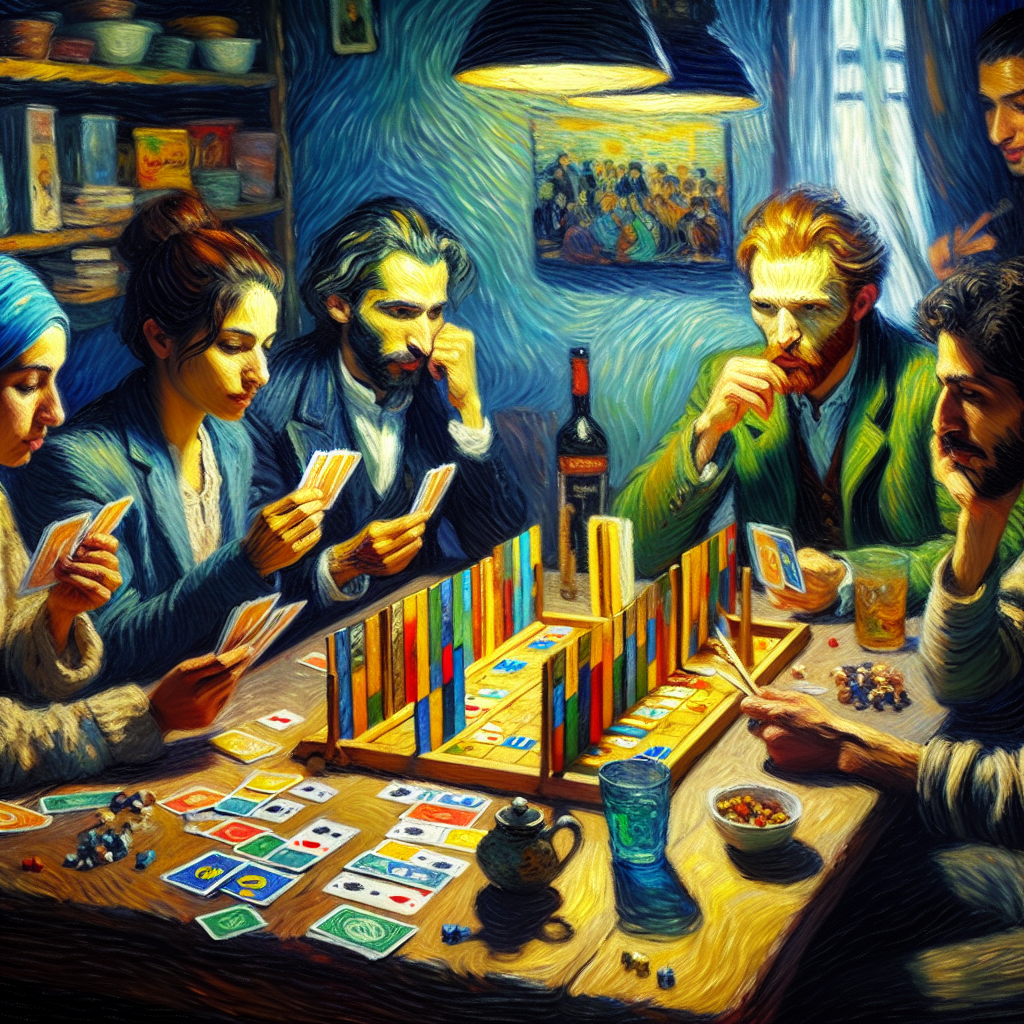
How Does The Artwork Influence Player Experience In Meadow?
What Gameplay Mechanics Make Meadow Engaging And Fun?
In the realm of video games, the right mechanics can elevate an experience from mundane to memorable. This is particularly true for “Meadow,” a game that thrives on a few simple, yet deeply engaging principles. At its core, Meadow harnesses the beauty of exploration and the simplicity of interaction, crafting an environment that feels alive and welcoming.
One of the standout features of Meadow is its focus on non-linear exploration. Players are not confined to a rigid quest structure or linear storylines. Instead, they are invited to roam freely—navigating picturesque landscapes filled with lush flora and whimsical fauna. This open-world approach fosters a sense of discovery. Each player’s journey is unique; perhaps you’ll stumble upon a serene pond, or maybe you’ll encounter another creature by a cluster of blooming wildflowers. The game offers an organic way to engage, rewarding players for their curiosity rather than adherence to a choreographed script.
Interaction in Meadow is another key mechanic that enhances its charm. Players control various animal avatars, each with their own set of abilities and quirks. The game emphasizes social interaction, allowing players to communicate and collaborate using a series of gestures and sounds rather than traditional text or voice chat. This mechanic not only nurtures creativity in how players connect but also fosters a sense of community, transforming solitary exploration into a shared experience. Imagine embodying a deer, sharing playful leaps or synchronizing movements with friends—all without uttering a single word. There’s something profoundly satisfying about this form of interaction, as it enhances the emotional depth of the gameplay.
Moreover, the visuals and sound design complement these mechanics perfectly. The art style is soothing and colorful, wrapping players in a blanket of serenity that invites them to linger a little longer. The soundscape, filled with gentle rustles and delightful bird songs, perfectly underscores the peaceful ambiance. Together, these elements weave a tapestry that immerses players fully in the world of Meadow.
Finally, the absence of high-stakes competition sets a relaxed tone that invites players to unwind. Without the pressure of intense competition, Meadow becomes a space where players can engage at their own pace, making it ideal for those seeking a tranquil escape.
It’s this combination of exploration, interaction, captivating visuals, and a laid-back vibe that makes Meadow a delightful sanctuary in the often frenetic world of gaming.
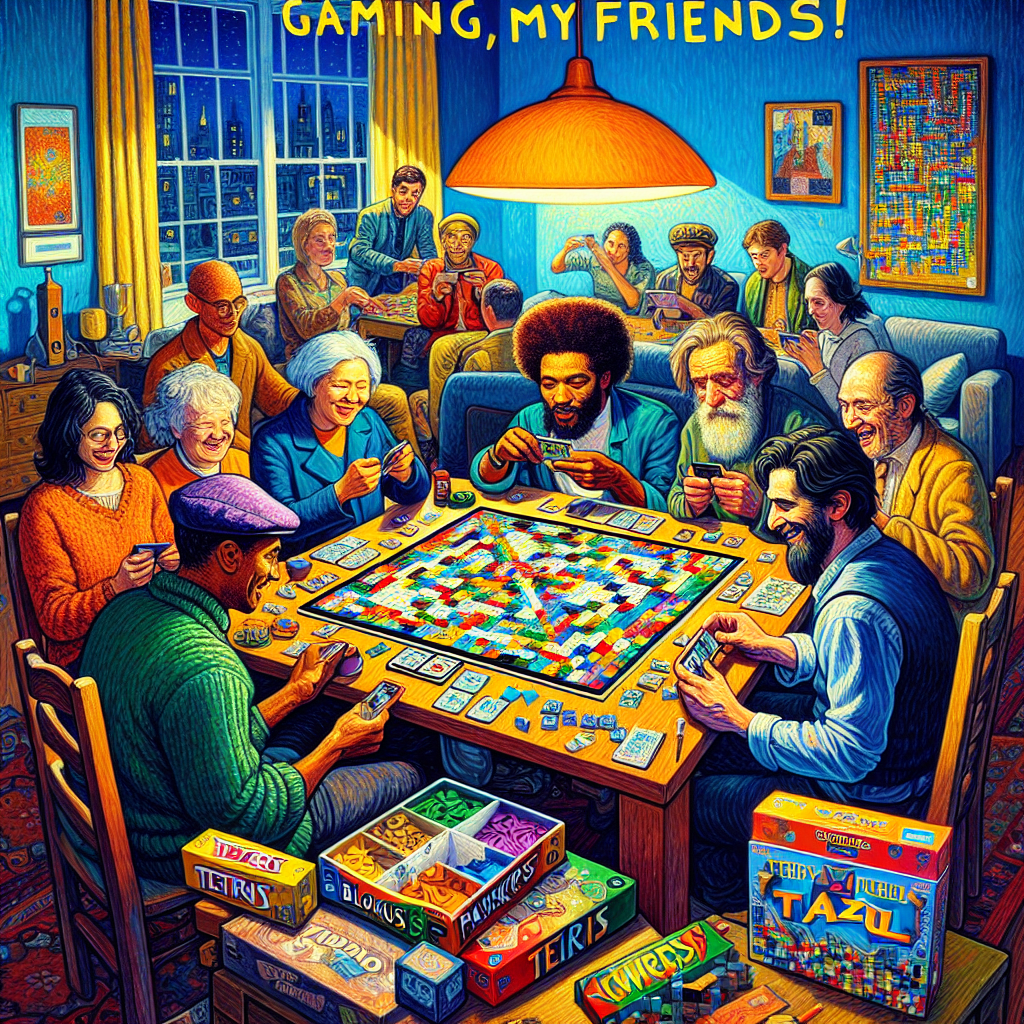
What Gameplay Mechanics Make Meadow Engaging And Fun?
What Gameplay Mechanics Make Meadow Engaging And Fun?
- Meadow stands out by transforming mundane gameplay into memorable experiences through engaging mechanics.
- The game encourages non-linear exploration, allowing players to roam freely in picturesque landscapes.
- Each player’s journey is unique, promoting discovery through organic and rewarding exploration.
- Players control animal avatars with distinct abilities, enhancing the social interaction aspect.
- Communication occurs through gestures and sounds, fostering creativity and community without text or voice chat.
- The soothing visuals and sound design create an immersive and serene gaming environment.
- The absence of high-stakes competition enables a relaxed gameplay experience, ideal for tranquil escape.
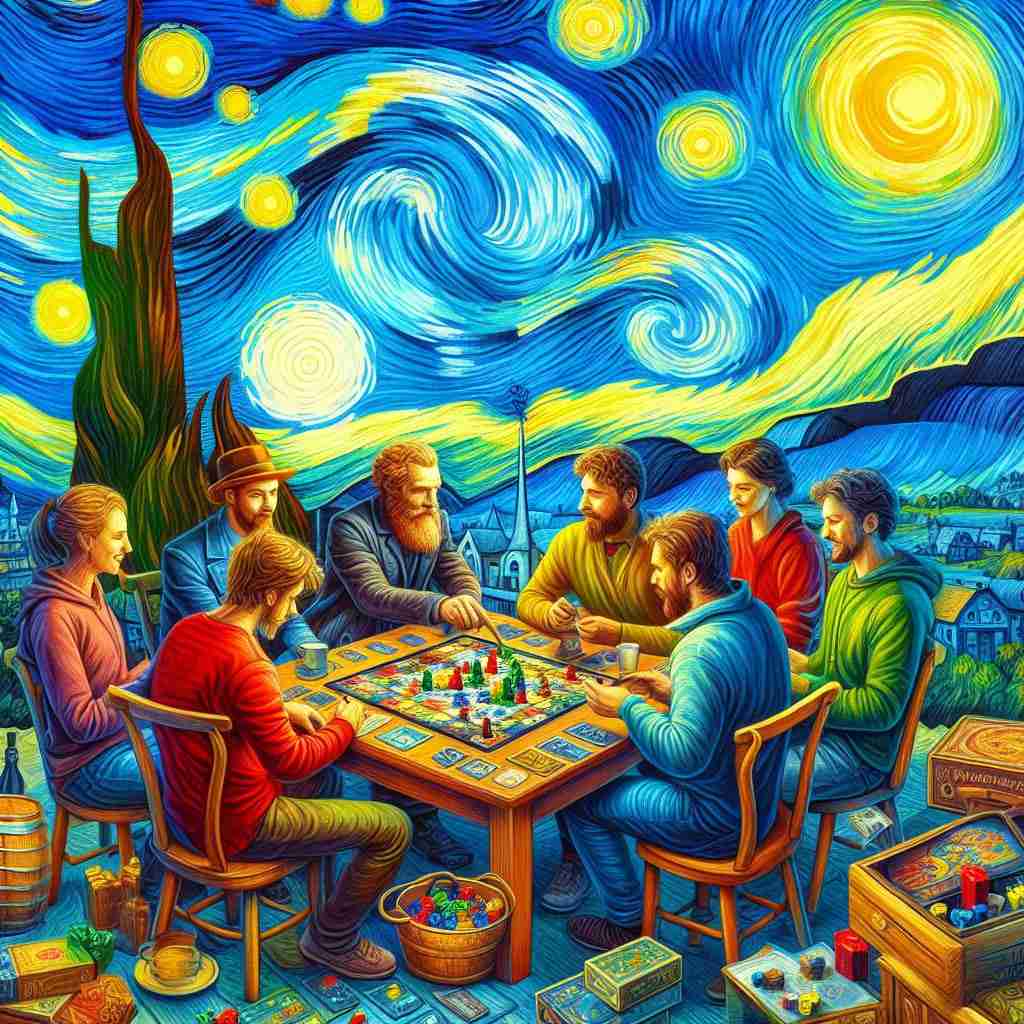
What Gameplay Mechanics Make Meadow Engaging And Fun?
How Does Meadow Accommodate Different Player Skill Levels?
In a world where gaming experiences can often feel like an exclusive club, Meadow opens its doors wide, welcoming players of all skill levels. It’s like that down-home diner in your hometown that serves up a perfect plate of comfort food—no frills, just good, honest gaming that anyone can enjoy. Meadow understands that the threshold for entry can sometimes feel insurmountable. Maybe you’re a seasoned explorer, adept at navigating the toughest terrains of virtual worlds. Or perhaps you’re a newcomer, still finding your footing and getting familiar with the many nuances that come with gaming. Either way, there’s a place for you here.
At its core, Meadow is designed to be accessible. The game nudges players in gently, allowing you to learn at your own pace. You won’t find yourself thrust into a high-stakes environment where failure feels like a bitter pill to swallow. Instead, the soft pastel visuals and ambient sounds invite you in, creating a calming atmosphere that encourages exploration rather than competition. There’s an art to this: the game lets you dabble, wander, and discover, without the pressure of a time clock ticking down.
Meadow’s mechanics are wonderfully simple, but that doesn’t mean they lack depth. Even a player with the barest understanding of gaming can pick up a controller and begin to interact with the world. The game’s intuitive design ensures that you’re not left dizzy and frustrated by complex controls. You can engage with the environment and other players without the steep learning curve typical of many contemporary games. For those who seek a challenge, there are hidden elements and goals within the game that keep things engaging without crossing into the realm of elitism.
Furthermore, the social aspects of Meadow enable players to connect and collaborate. In a community where players of various skill levels coexist, you can share tips and strategies, fostering a sense of camaraderie. This social fabric not only enhances the gaming experience but empowers newcomers to learn from their more experienced counterparts.
In Meadow, the beauty lies in its ability to cater to both the novice and the veteran. It’s a reminder that gaming doesn’t have to be cutthroat or overly complicated. Instead, it can be a graceful dance of experimentation, connection, and genuine enjoyment, regardless of where you start. So, grab your controller and step into this world—there’s room enough for everyone.
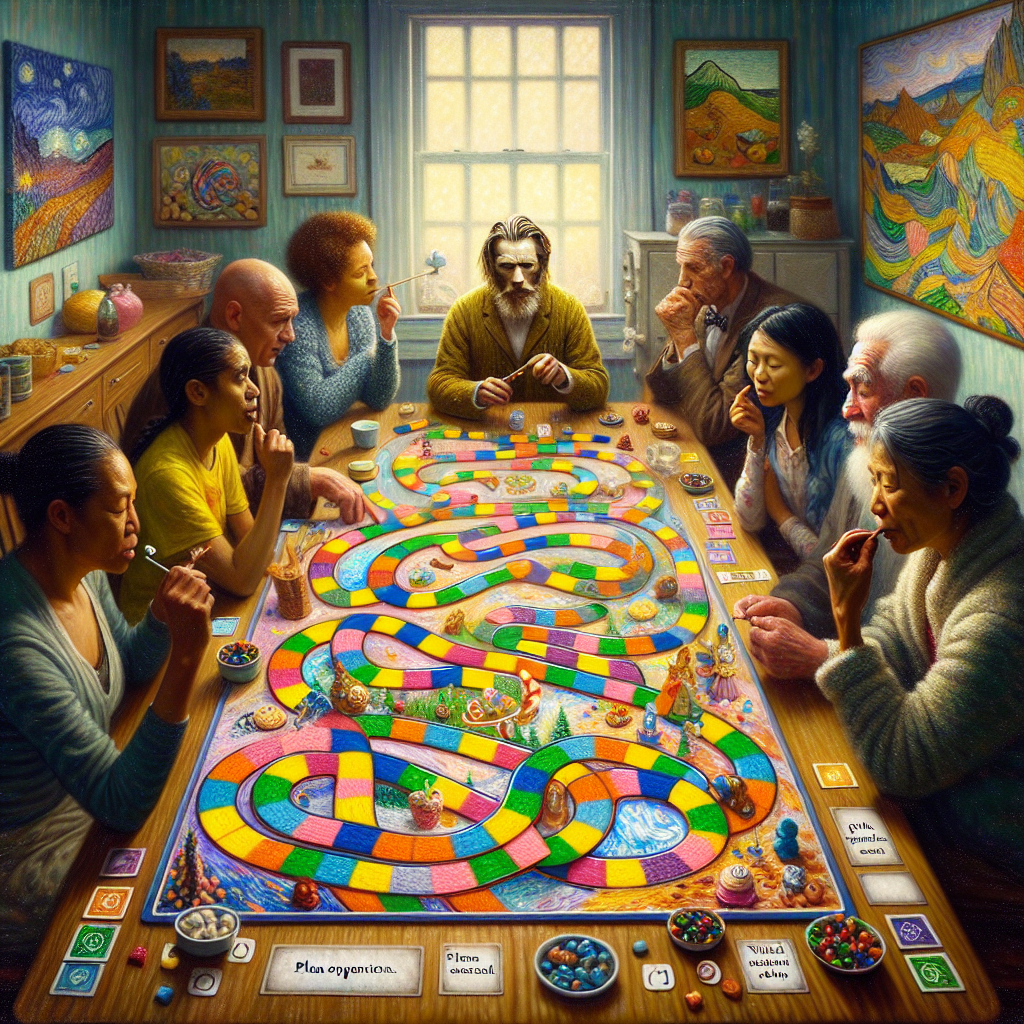
How Does Meadow Accommodate Different Player Skill Levels?
How Does Meadow Accommodate Different Player Skill Levels?
- Meadow is an inclusive gaming experience for players of all skill levels.
- It offers a calm, comforting atmosphere reminiscent of a hometown diner.
- The game allows players to learn at their own pace without high-pressure situations.
- Simple yet deep mechanics make it accessible even for beginners.
- Players can engage without complex controls and enjoy the environment freely.
- Social elements foster collaboration and camaraderie among players of varying skill levels.
- Meadow promotes a fun, exploratory experience that emphasizes enjoyment over competition.

How Does Meadow Accommodate Different Player Skill Levels?
What Themes Are Explored In The Board Game Meadow?
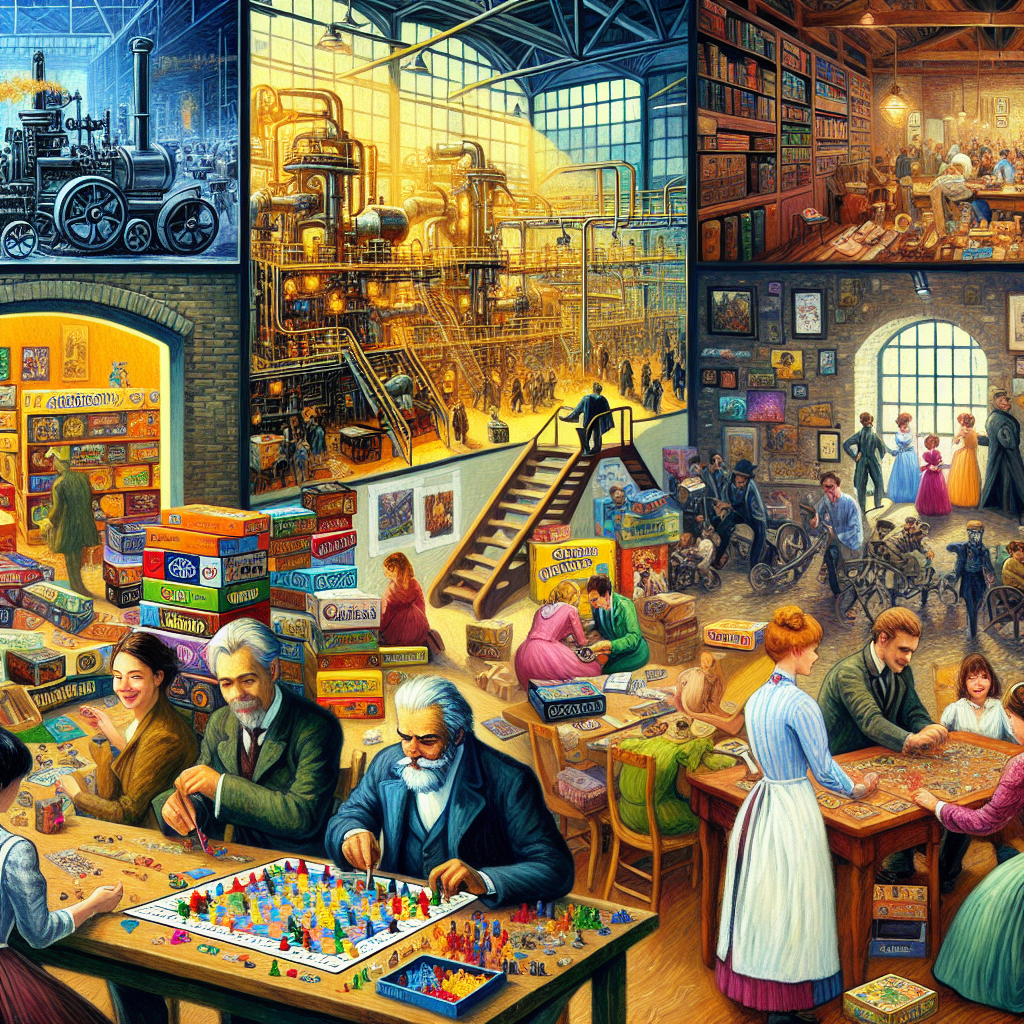
When you delve into the world of Meadow, you’re stepping into a vibrant tapestry of nature, exploration, and the delicate interconnectedness of life’s ecosystems. At first glance, it might seem like a simple card game, but layered beneath its charming artwork and serene gameplay lies a rich exploration of themes that resonate with our relationship with the natural world.
One of the most prominent themes is the idea of observation and appreciation. Meadow invites players into a beautifully illustrated wilderness, encouraging a mindset of mindfulness. As you traverse through landscapes, collecting cards representing various flora and fauna, you’re not just competing—you’re taking a moment to observe and reflect on the beauty of the natural environment. This theme of appreciation is further emphasized by the game’s gentle pace, allowing players to immerse themselves without the typical pressures of high-stakes competition.
Another significant theme is the cycle of life and environmental balance. The game subtly hints at the relationships between different elements within ecosystems. Each card you collect showcases a different species, often accompanied by details about their habitats and dietary habits. This encourages players to think about how everything is interconnected. The notion that every creature, plant, and element has a role to play in the grand design of nature is masterfully woven into the fabric of the game, prompting players to think about their own impact on the environment.
Exploration is also at the forefront of the Meadow experience. As players move through the territory, they are compelled to discover the mysteries hidden within. Each player’s journey is unique, filled with personal encounters and choices that reflect a universal experience of searching and discovery. This theme resonates deeply in our shared human experience, mirroring our innate desire to explore and learn about the world around us.
Finally, the concept of community cannot be overlooked. Although the game is played competitively, there’s an underlying sense of collaboration as players share the spaces of the game board. By taking turns and respecting each other’s exploration, players embody a spirit of cooperative coexistence similar to that found in nature itself.
In essence, Meadow isn’t just a game; it’s a gentle reminder of the beauty, complexity, and fragility of our natural world, urging us to appreciate, explore, and protect the environment we call home.

What Themes Are Explored In The Board Game Meadow?
What Themes Are Explored In The Board Game Meadow?
- Meadow is a card game that combines nature exploration with an appreciation for ecosystems.
- The game promotes mindfulness through beautifully illustrated landscapes and a gentle pace.
- Players collect cards representing different flora and fauna, encouraging observation and reflection.
- The theme of life cycles and environmental balance is highlighted through the relationships between species.
- Each card offers details about habitats and dietary habits, emphasizing interconnectedness in nature.
- Exploration is a key theme, offering unique journeys filled with discovery and personal encounters.
- Despite competitive play, the game fosters a sense of community and cooperative coexistence among players.
What Themes Are Explored In The Board Game Meadow?
How Does The Game Encourage Strategic Thinking Among Players?
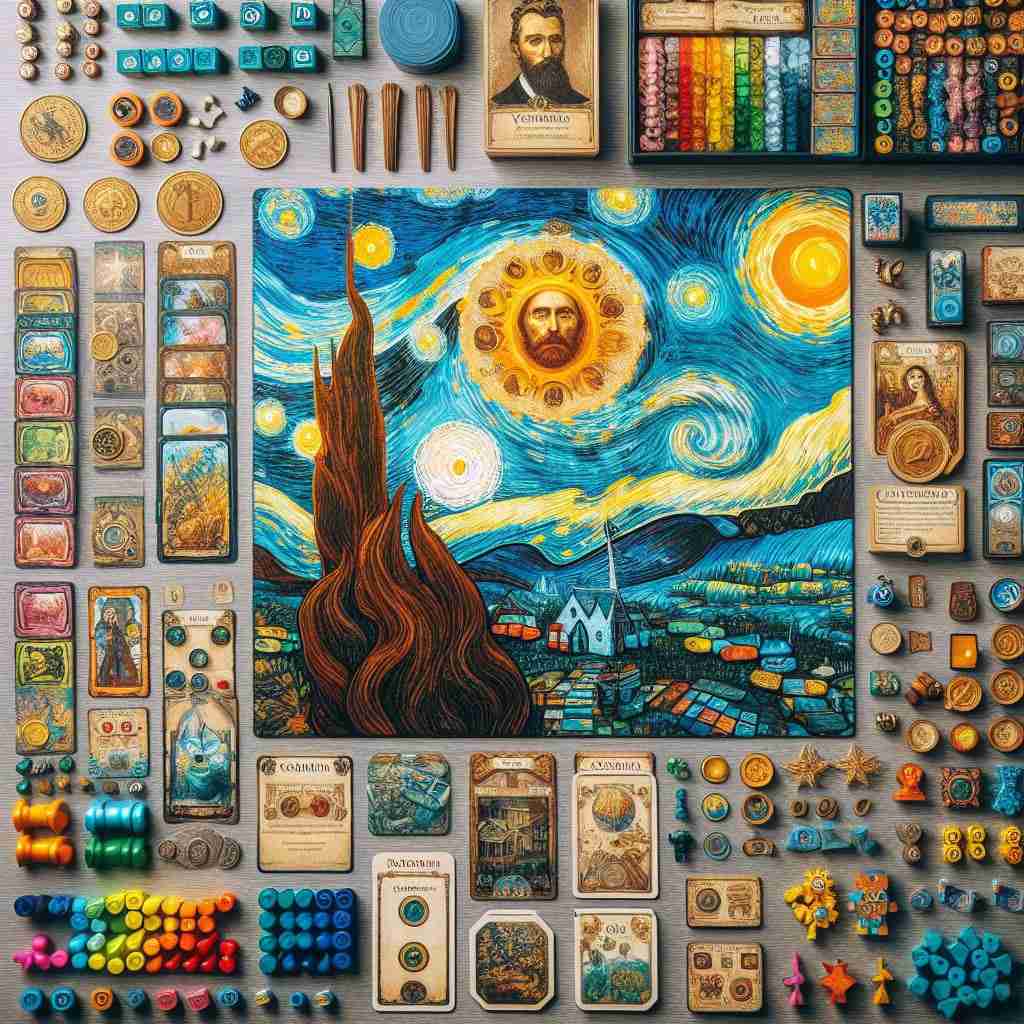
When it comes to games that really make you think, it’s easy to overlook just how much strategy can shape the outcome. In this particular game, players find themselves not just maneuvering pieces on a board or racing through levels, but engaging in a mental chess match where every decision counts. If you want to come out on top, you’d better bring your A-game, and that means thinking several moves ahead.
First off, the game is designed to present players with a multitude of choices at almost every turn. Each turn requires not just a quick decision, but a careful evaluation of potential consequences. You’re not merely reacting to what’s in front of you; you’re anticipating your opponent’s next move like a seasoned poker player eyeing their competition. That anticipation fosters a kind of strategic foresight that’s not only crucial for success in the game but also transferrable to real-life scenarios.
Furthermore, the mechanics are layered enough that players must not only focus on their own goals but also keep a close eye on their opponents. Just think about it: while you’re plotting a course to victory, someone else might be laying a trap for you. This interplay of offense and defense encourages players to continuously adapt their strategies, making split-second calculations about risk versus reward. The moment you let your guard down is the moment you set yourself up for a lose-lose situation.
Then there’s the cooperation aspect. Some phases require players to team up or negotiate with each other, creating a delicate balance between collaboration and competition. Here’s where the game really shines—balancing personal ambition with a need for teamwork. Players must navigate trust issues, form temporary alliances, and even make sacrifices for the greater good, all of which require a keen awareness of social dynamics and strong communication skills.
Moreover, the game effectively teaches players the importance of learning from their mistakes. Every loss presents a wealth of knowledge, and players are encouraged to analyze what went wrong, refine their strategies, and try again. This cycle of reflection and adaptation not only sharpens their strategic skills but also instills a sense of resilience.
In a world full of distractions and mindless entertainment, this game stands as a potent reminder that thinking critically and strategically can lead not just to victory within the game, but to a sharper mind in everyday life. So, grab your friends, gather around, and prepare for a good, old-fashioned intellectual workout.

How Does The Game Encourage Strategic Thinking Among Players?
How Does The Game Encourage Strategic Thinking Among Players?
- The game emphasizes the importance of strategy and decision-making to influence outcomes significantly.
- Players must evaluate choices carefully, anticipating opponents’ moves similar to a chess match.
- A layered mechanics design requires constant adaptation of strategies due to the opponent’s actions.
- The interplay of offense and defense necessitates risk-versus-reward calculations.
- Cooperation and negotiation are crucial during certain phases, requiring a balance between competition and teamwork.
- The game encourages learning from mistakes, helping players refine strategies and build resilience.
- Playing the game offers intellectual challenges that enhance critical thinking skills relevant to everyday life.
How Does The Game Encourage Strategic Thinking Among Players?
What Social Aspects Enhance The Gameplay Of Meadow?
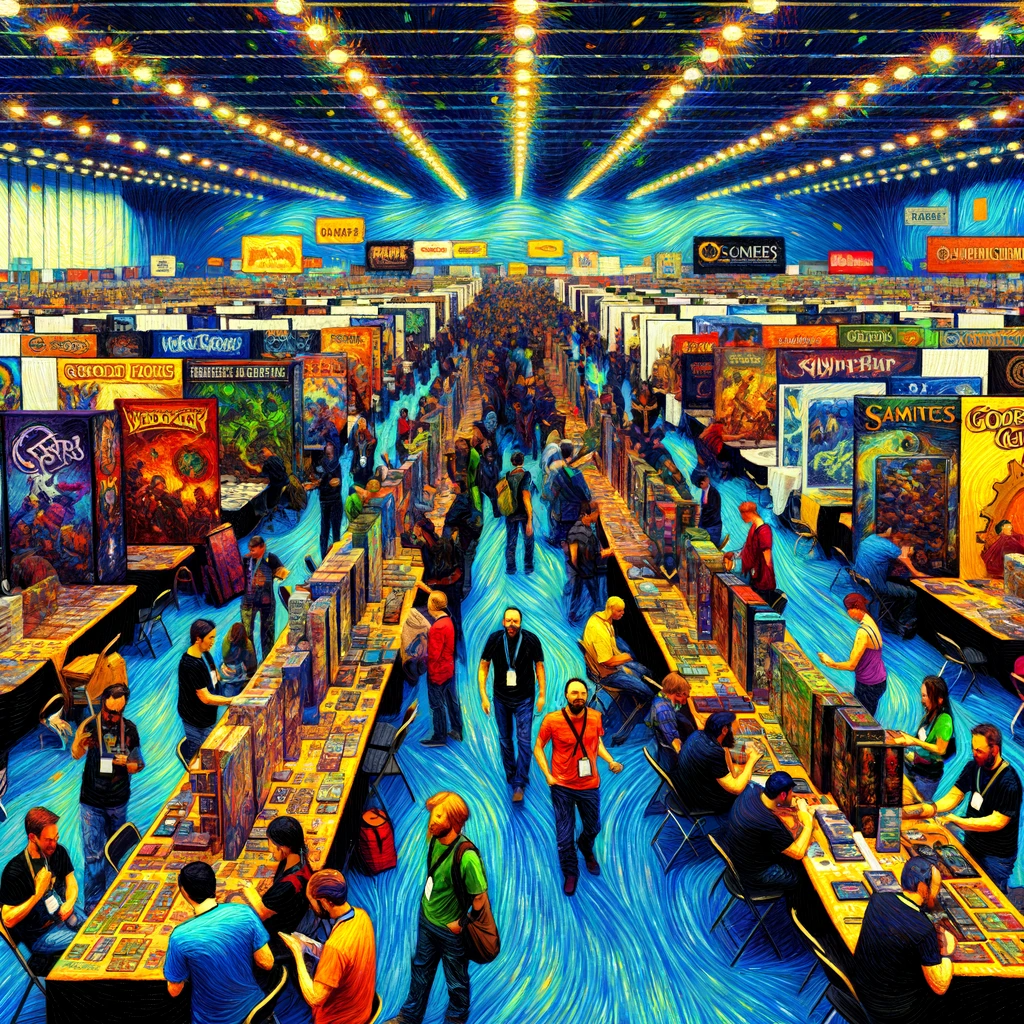
In the bustling ecosystem of a game like Meadow, social interaction is not just a backdrop; it’s the very lifeblood that makes the experience pop. Picture this: you’ve strapped on your virtual hiking boots, immersed yourself in a stunning natural landscape, and found that the thrill of the game isn’t simply about collecting items or completing quests. It’s about the connections you make along the way.
At the heart of Meadow lies a community of players who embody the spirit of exploration and camaraderie. Unlike many games that force players into competitive modes, Meadow fosters an atmosphere of cooperation. Here, players don’t receive scores for defeating opponents; instead, they gain an intangible currency of friendship and shared experiences. This is a refreshing change, transforming what could have been a solitary journey into a collective adventure. Players often find themselves wandering into each other’s paths, sharing discoveries like secret spots or rare creatures. This organic sharing elevates the gameplay, making encounters feel spontaneous and meaningful.
Moreover, the absence of traditional voice chat doesn’t stifle communication; it enhances it through creativity. Players use emoticons and gestures to express feelings and intentions. This limitation invites individuals to engage on a deeper level, fostering inventive ways to communicate. Imagine cheering a fellow player with a joyful dance or conveying gratitude through a simple wave. Each interaction becomes deliberate, a meaningful exchange stripped of the noise that often comes with verbal chatter.
The collaborative challenges and playful competition also inject a dose of adrenaline into the mix. Players can work together to complete objectives, blending their skills and creativity. The sense of achievement that comes from collective problem-solving is unparalleled. It’s not about individual accolades; it’s about the group achieving greatness together.
In a world where gaming can often feel isolating, Meadow offers a sanctuary where players can connect through nature-oriented gameplay. The cooperative tasks and shared exploration create a tapestry of interaction that adds layers of depth rarely seen in the gaming sphere. It’s a reminder that at our core, humans are social creatures. Whether exchanging tips on how to navigate the intricacies of the landscape or simply enjoying the serenity of the environment, the social aspects of Meadow enrich every player’s journey. This isn’t just a game; it’s a thriving community that encourages exploration and connection, proving that sometimes the best adventures are those shared with others.
What Social Aspects Enhance The Gameplay Of Meadow?
What Social Aspects Enhance The Gameplay Of Meadow?
- Meadow is a game that emphasizes social interaction as a core part of the experience.
- The game fosters a community spirit, encouraging cooperation and camaraderie among players.
- Players gain friendship and shared experiences rather than competitive scores for defeating opponents.
- Encounters and discoveries between players feel spontaneous and meaningful due to organic sharing.
- The absence of traditional voice chat enhances communication through emoticons and gestures.
- Collaborative challenges promote teamwork and a sense of achievement in problem-solving.
- Meadow serves as a sanctuary for connection through nature-oriented gameplay, making adventures richer when shared.

What Social Aspects Enhance The Gameplay Of Meadow?
How Has Player Feedback Shaped The Game’s Popularity?
In today’s gaming landscape, player feedback isn’t just an afterthought; it’s a vital component of a game’s evolution. Developers have learned that building a community around a game means actively seeking input from those who play it, and it leads to results that can sometimes be nothing short of remarkable.
When you consider the raw passion that gamers have, it’s no wonder that their voices can shape the trajectory of a game’s development. From the subtle nuances of gameplay mechanics to overarching story arcs, feedback from the player base offers invaluable insights. These aren’t just casual observations; they’re heartfelt suggestions, borne out of countless hours spent immersed in virtual worlds. The good developers today listen closely, recognizing that a game crafted in a vacuum is rarely met with the acclaim it deserves.
Take, for instance, the phenomenon of game patches. Upon release, many games face scrutiny that can be as severe as a storm bearing down on a rickety old barn. Bugs, balance issues, and general gameplay friction can tarnish the shining armor of an anticipated title. It’s the feedback from players—those dedicated souls who will venture into the game’s universe and spot every crack—that provides developers with a roadmap to improvement. Every bug report is a golden nugget, a piece of the puzzle that helps creators smooth out the rough edges.
Moreover, player feedback can bolster a game’s popularity well after launch. Remember the uproar that accompanied the introduction of microtransactions? Gamers wielded their collective voice, forcing developers to rethink monetization strategies. Some studios responded to the backlash by dialing back on microtransactions or opting for more player-friendly approaches, ultimately fostering loyalty among their audience. It’s the kind of give-and-take that can elevate a game from mediocre to a cultural touchstone.
Let’s not forget about expansions and updates, which often come directly from player suggestions. When developers tune into the desires and preferences of their community, they can introduce new content that resonates deeply with players. The result? A thriving game that is constantly evolving and keeping its player base engaged.
Player feedback serves as both the compass and the map for developers. It’s a way to ensure the journey is fulfilling, exciting, and driven by the very people who breathe life into the game. Without that vital input, many games would simply fade into obscurity, lost among the countless releases of a bustling industry. Instead, they thrive, drawing ever more enthusiasts into their virtual fold.

How Has Player Feedback Shaped The Game’s Popularity?
How Has Player Feedback Shaped The Game’s Popularity?
- Player feedback is essential for a game’s evolution and development.
- Developers actively seek input from the gaming community, leading to remarkable results.
- Gamers’ passionate insights shape gameplay mechanics and story arcs.
- Feedback helps developers identify and address bugs and balance issues post-launch.
- Player reactions, such as those to microtransactions, can influence monetization strategies.
- Expansions and updates often stem from player suggestions, enhancing game content.
- Player feedback acts as a guide for developers, ensuring games remain relevant and engaging.

How Has Player Feedback Shaped The Game’s Popularity?
What Age Group Is Meadow Targeted Towards, And Why?
When you think about the world of children’s products, it’s easy to get lost in a sea of marketing jargon and flashy ads, each claiming to be the ultimate solution for your tot’s needs. But when it comes to Meadow—a brand that has woven its way into the fabric of modern parenting—it’s vital to peel back the layers and find out exactly who they’re gearing their offerings toward and why.
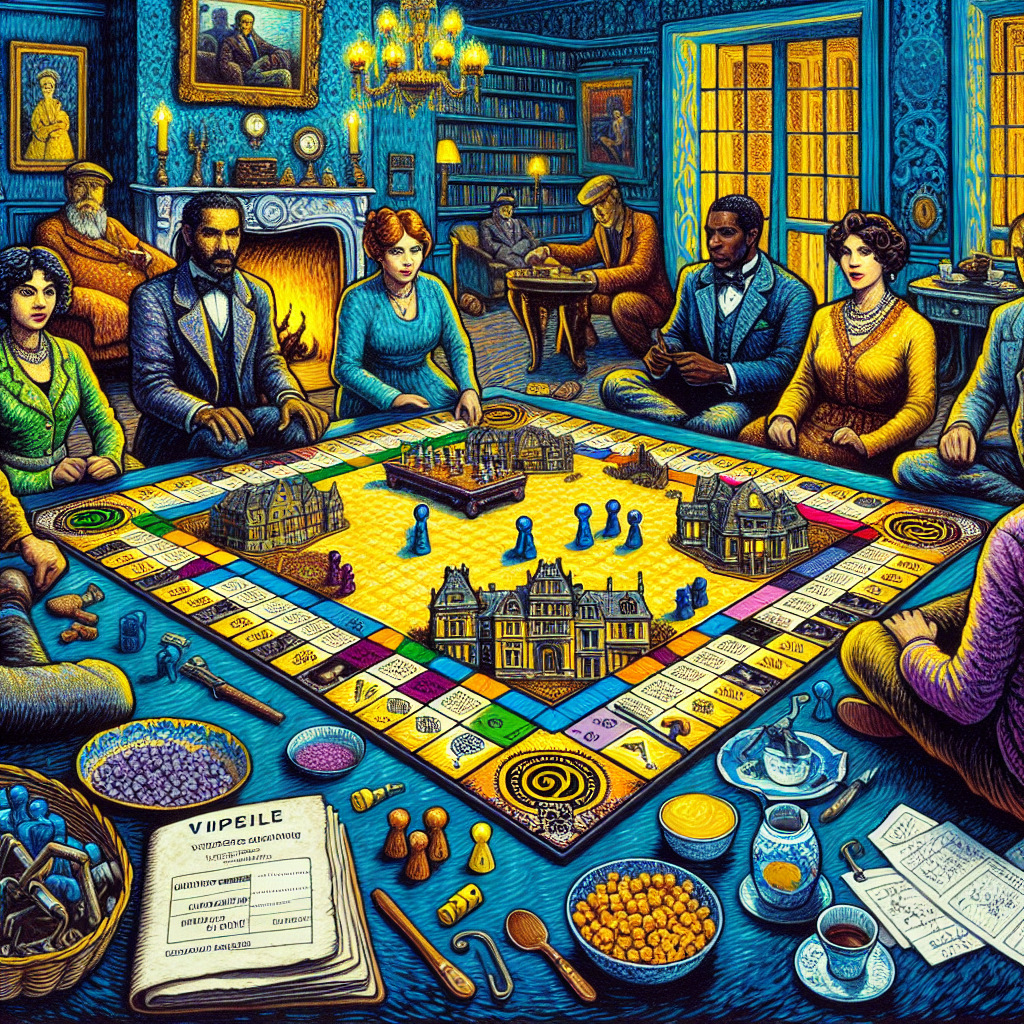
At the heart of Meadow’s strategy is a clear focus on families with children between the ages of 3 to 8. This period, often dubbed the “formative years,” is when children begin to explore their individuality and develop a sense of independence. Parents are becoming increasingly aware of how critical this stage is, and they’re on the lookout for tools, products, and experiences that will foster learning and growth during this pivotal time. Meadow taps deep into this need.
Why this age group? For starters, preschoolers and early elementary-age children are like sponges, soaking up everything from social skills to problem-solving abilities at an astonishing rate. Understanding concepts such as sharing, cooperation, and creativity becomes crucial, and that’s where Meadow shines. They’ve crafted their offerings—be it educational toys, engaging books, or interactive experiences—with this vital developmental stage in mind.
Furthermore, the magic of this age group lies not just in the kids, but also in their parents. Millennials are more hands-on than the generations before them; they’re seeking products that don’t just entertain but also enlighten. More than ever, parents are looking for ways to bond with their children through shared experiences that are meaningful and enriching. Meadow addresses this familial dynamic head-on, creating products that encourage joint learning and discovery.
And let’s face it, parents in this demographic are inundated with choices—they’re discerning consumers who wield buying power with intent. They want high-quality, safe, and educational products for their little ones, yet they also crave the emotional connection that comes from a brand that understands their journey as caregivers.
So, while Meadow can certainly appeal to a broad audience, it’s this sweet spot of ages 3 to 8 that they cultivate with precision and care. By zeroing in on this pivotal stage of childhood, they not only meet the needs of kids but also align with the aspirations of parents who dare to invest in their quality of life—today and far into the future.

What Age Group Is Meadow Targeted Towards, And Why?
What Age Group Is Meadow Targeted Towards, And Why?
- Meadow focuses on families with children aged 3 to 8, known as the “formative years.”.
- This age group is critical for developing individuality and independence in children.
- Children in this stage rapidly acquire social skills, problem-solving abilities, and creativity.
- Meadow designs products like educational toys, engaging books, and interactive experiences tailored to this developmental phase.
- Millennial parents are hands-on and seek products that offer both entertainment and enlightenment.
- Parents desire high-quality, safe, and educational products, along with an emotional connection to the brand.
- Meadow effectively meets the needs of children and aligns with parents’ aspirations for enriching experiences.
What Age Group Is Meadow Targeted Towards, And Why?
What Do Experts Say About The Replayability Of Meadow?
When it comes to tabletop games, the term “replayability” often floats around like a well-worn fishing lure: enticing, intriguing, but not always as easy to wrangle in as one might think. Enter *Meadow*, a game that has garnered buzz among aficionados for its fresh approach and engaging mechanics. But what do the experts have to say about its replayability?
First off, let’s set the stage: *Meadow* invites players into a stylized world where they step into the boots of nature enthusiasts, gathering resources and exploring picturesque landscapes. The gameplay revolves around building a tableau of cards that represent different flora and fauna, all while positioning themselves strategically to score points. Now, if it sounds idyllic, that’s because it is—but the real question is whether players will keep coming back for more after the first few rounds.
Experts emphasize that the heart of *Meadow’s* replayability lies in its variability. Each game is a unique experience, shaped by the hand of fate as players draw different cards from the deck. There’s a robust mix of exploration and strategy here. The choices made in each turn can have cascading effects, meaning no two games will unfold the same way. This dynamic interplay between luck and skill is what keeps seasoned players on their toes, constantly adapting their strategies.
Moreover, the game’s intricate layers add depth that encourages players to refine their approach. Professionals in the board game community point out that the intricate interaction between cards not only demands thoughtful planning but also rewards creative tactics. There are myriad combinations and pathways to victory, ensuring that even after multiple plays, players will find new nuances to explore.
What’s more, *Meadow* cleverly intertwines a soothing aesthetic with engaging challenges. The serene visuals and thematic elements make it easy to get lost in the gameplay, allowing for a sense of immersion that enhances replayability. Experts suggest that games which create such an ambiance often cultivate a loyal player base, driven by the joy of revisiting familiar landscapes while piecing together new strategies.
Last but not least, the social aspect of gaming cannot be overlooked. *Meadow* shines in group settings, leading to rich conversations and shared experiences that players cherish long after the last card is drawn. It’s this camaraderie, paired with the game’s inherent variability and depth, that leads many to conclude that *Meadow* isn’t just a game—it’s an ever-evolving adventure, begging for repeated visits.
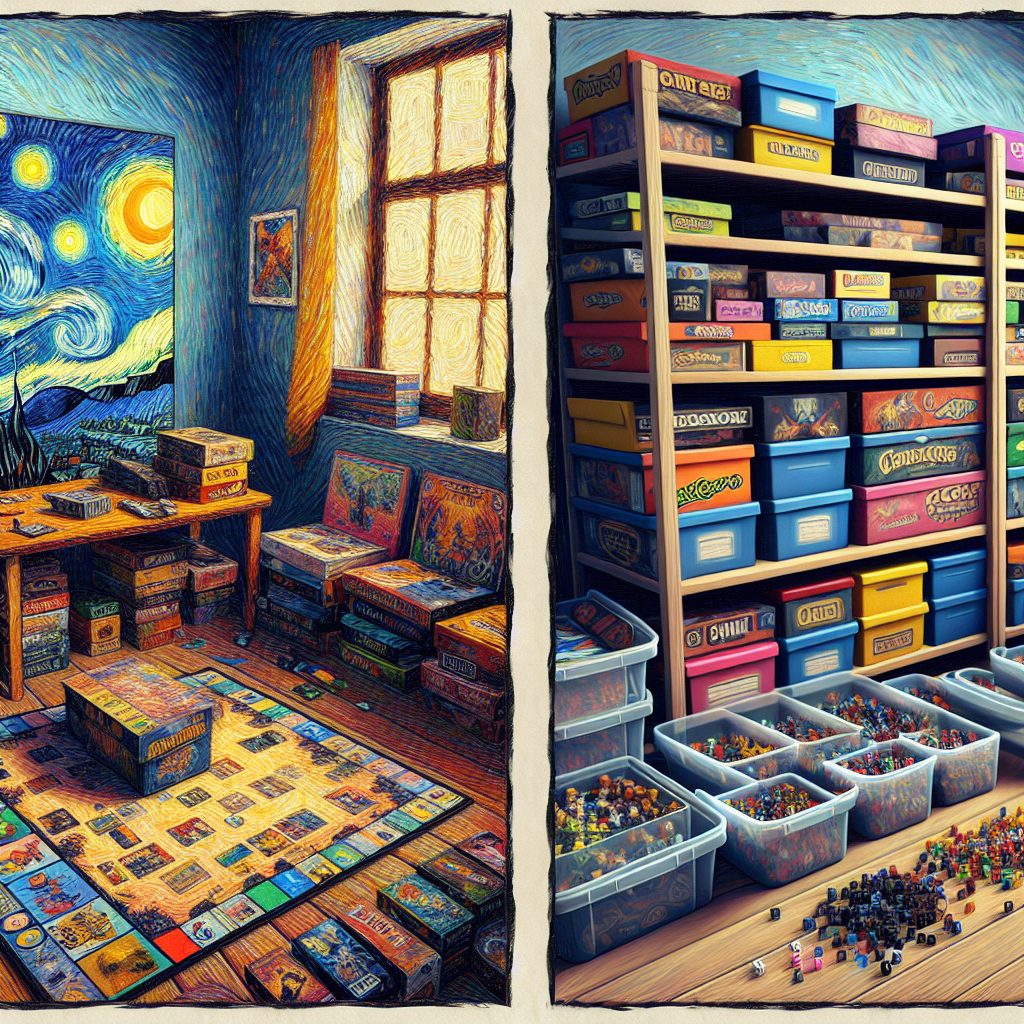
What Do Experts Say About The Replayability Of Meadow?
What Do Experts Say About The Replayability Of Meadow?
- *Meadow* offers a unique approach to replayability in tabletop games, attracting interest from enthusiasts.
- Players embody nature enthusiasts, gathering resources and exploring landscapes through card-driven gameplay.
- The game’s variability ensures each session feels different, influenced by the cards drawn and player choices.
- Strategic decision-making creates a dynamic interplay between luck and skill, keeping seasoned players engaged.
- Layered mechanics allow for depth and encourage players to develop new strategies and tactics over time.
- The serene visuals and thematic elements enhance immersion, promoting a loyal player base eager to revisit the game.
- Social interactions during gameplay foster camaraderie, turning *Meadow* into a shared adventure rather than just a game.
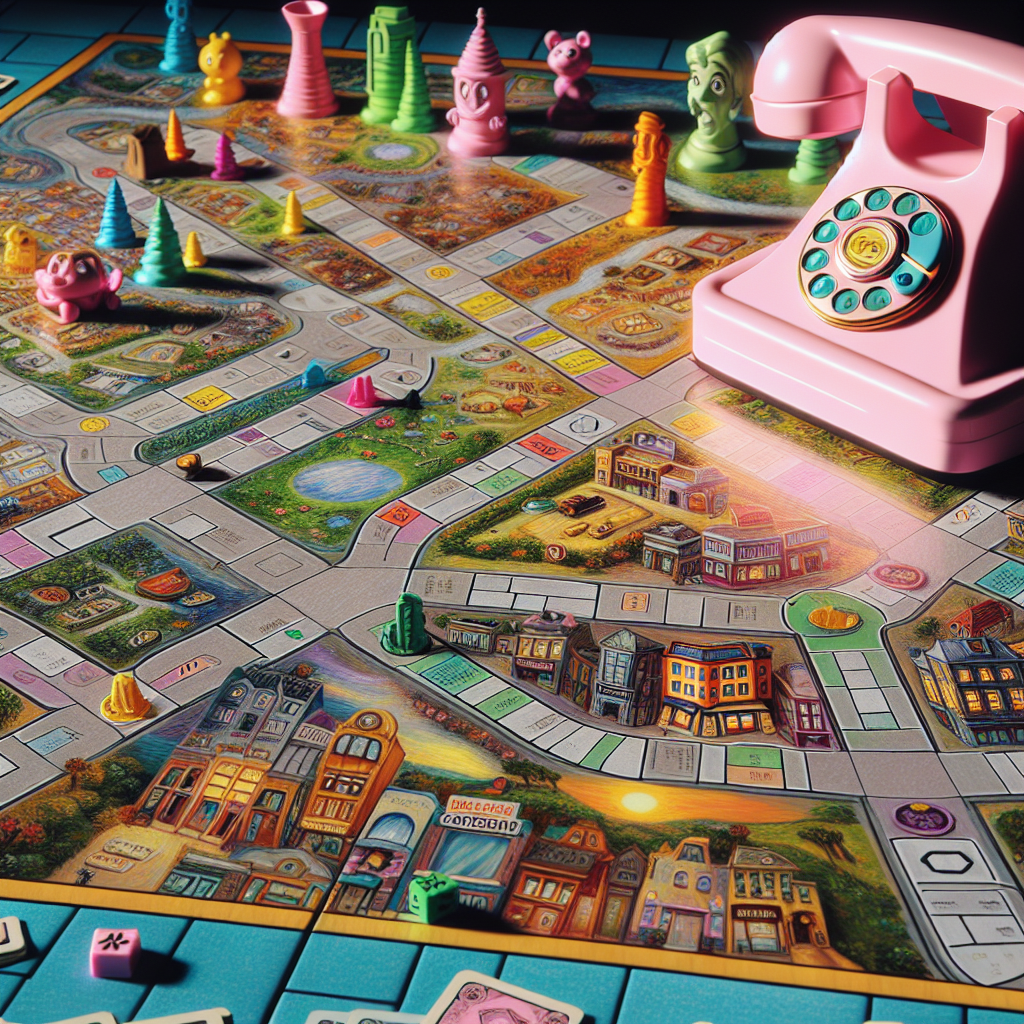
What Do Experts Say About The Replayability Of Meadow?
How Does Meadow Compare To Other Board Games In Its Genre?
When you step into the world of Meadow, you’re greeted by a serene, picturesque landscape that beckons you to explore. But how does this charming game compare to others in its genre, such as Everdell or Wingspan? Let’s dig a little deeper.
Meadow is an interesting creature, merging the gentle art of tableau-building with the thrill of resource collection. Players find themselves roaming through beautifully illustrated environments, gathering flora and fauna while striving to outwit their opponents. It stands out with its uniquely peaceful vibe, evoking the tranquility of a sun-soaked afternoon in the great outdoors. For those who appreciate a laid-back atmosphere, Meadow hits the spot without the frenetic energy found in many contemporary games.
Now, let’s pit it against the acclaimed Wingspan. Both games feature a nature theme and engage players in resource management, but where Wingspan often feels like a race against time to build a biodiverse habitat, Meadow allows for a more leisurely pace to explore your surroundings. It’s as if you’re taking a stroll through the forest while your opponents are dashing through, trying to build the best bird sanctuary. Meadow encourages contemplation rather than competition, and that’s refreshing.
Everdell, on the other hand, captivates you with its enchanting woodland creatures and blend of worker placement mechanics. While both games share a whimsical aesthetic, Everdell tends to be more complex, requiring strategic foresight and often putting players in direct competition for resources. In contrast, Meadow welcomes you into its fold with open arms. Sure, there’s competition for points, but it often feels secondary to the joy of collecting and arranging your tableau.
What’s particularly striking about Meadow is its clever use of card drafting. It allows for a hands-on experience where players can engage right in the moment. There’s no formulaic path to success; strategic choices blossom organically, akin to the flowers you’ll be collecting. You get to cultivate your own unique tableau without the pressure of aggressive competition, which some might find liberating.
MMeadow doesn’t try to overshadow its contemporaries with grand mechanics or cutthroat tactics. Instead, it invites you to slow down, enjoy your surroundings, and savor the journey. For anyone seeking a captivating, yet laid-back board game experience, Meadow stands proudly among its rivals. It harmonizes gameplay and artistry in a way that’s both satisfying and soothing, carving a niche all its own.
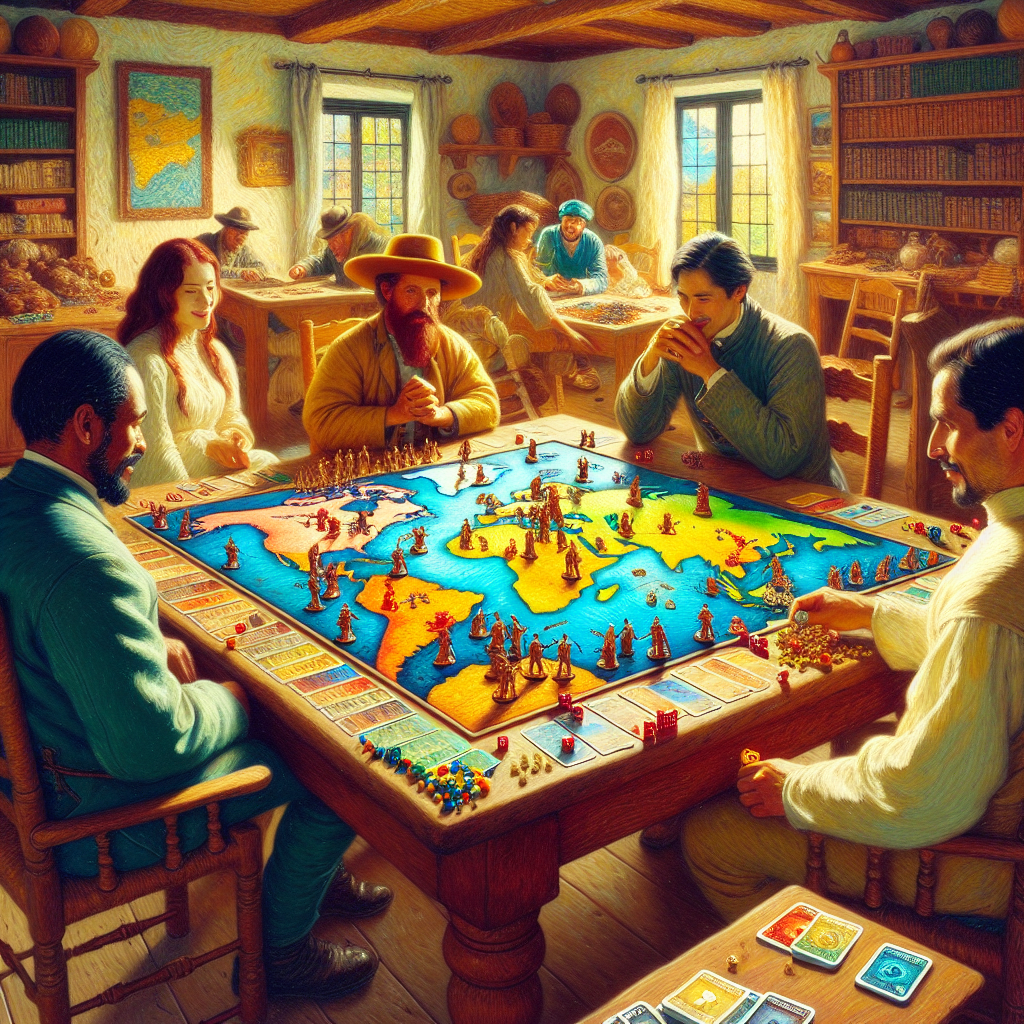
How Does Meadow Compare To Other Board Games In Its Genre?
How Does Meadow Compare To Other Board Games In Its Genre?
- Meadow offers a serene and picturesque landscape that encourages exploration.
- The game combines tableau-building with resource collection, providing a unique gameplay experience.
- It promotes a peaceful vibe, making it suitable for players seeking a laid-back atmosphere.
- Compared to Wingspan, Meadow allows for a more leisurely pace, fostering contemplation over competition.
- Everdell introduces more complexity and direct competition, while Meadow focuses on joy and exploration.
- Meadow features clever card drafting that enables organic strategic choices without aggressive competition.
- Overall, Meadow invites players to enjoy the journey, harmonizing gameplay and artistry for a captivating experience.

How Does Meadow Compare To Other Board Games In Its Genre?
What Is The Role Of Nature In The Aesthetic Of Meadow?
In a world increasingly dominated by concrete and chrome, the aesthetics of a meadow stand as a powerful testament to the beauty of nature. Just imagine stepping into a large expanse of verdant grasses, wildflowers swaying gently in the breeze, and a symphony of bird calls filling the air. This picture isn’t just a backdrop; it’s a crucial player, a character with its own narrative that unfolds with every season.
Nature does more than just fill the space—it creates an atmosphere. The meadows, with their rolling hills and myriad colors, evoke feelings of serenity and freedom. When you encounter a meadow, it’s like standing in the land of possibilities. The vibrant greens and the splashes of yellows, purples, and whites transform a simple field into a canvas, alive and in constant flux. Each blade of grass, each petal, and each drop of dew tells a story, creating a rich tapestry that invites contemplation and connection.
In essence, the aesthetic of a meadow nourishes more than just the eye; it feeds the soul. Think of the sounds—the rustle of wind through the grass, the laughter of children playing, the gentle hum of insects. All of these elements form a soundscape that brings about a deeper sense of awareness and appreciation for life’s simpler pleasures. It’s in this harmony that one finds a retreat from the clamor of everyday distractions.
Moreover, nature’s role in the aesthetic of the meadow is dynamic. Each season paints the landscape differently, offering a fresh perspective with every visit. Spring bursts forth with new blooms, summer dazzles with vibrant colors, autumn blankets the ground with crisp leaves, and winter offers a stark yet elegant tableau. This cyclical change teaches us about the beauty in transience and encourages us to embrace the moments we often take for granted.
Let’s not overlook the age-old connection humans have with the land. Historically, meadows have been places for gathering, reflection, and community. In a meadow, we find a mirror that reflects not only our relationship with the environment but also with each other. As we frolic, picnic, or simply sit in silence, we rediscover our roots—intertwined with the earth’s rhythms.
So, the next time you stroll through a meadow, take a moment to appreciate its natural aesthetics. A deeper understanding of its role might just remind us of the importance of preserving these vibrant ecosystems, ensuring that their beauty remains for generations to come.

What Is The Role Of Nature In The Aesthetic Of Meadow?
What Is The Role Of Nature In The Aesthetic Of Meadow?
- The aesthetics of a meadow showcase nature’s beauty in a concrete-dominated world.
- Meadows create an atmosphere of serenity and freedom, inviting contemplation.
- The vibrant colors and sounds in a meadow form a rich tapestry that nourishes the soul.
- Each season transforms the meadow, teaching us about beauty in transience.
- Historically, meadows have been spaces for gathering, reflection, and community.
- Meadows reflect our relationship with the environment and each other.
- Appreciating meadows is vital for understanding the importance of preserving these ecosystems.
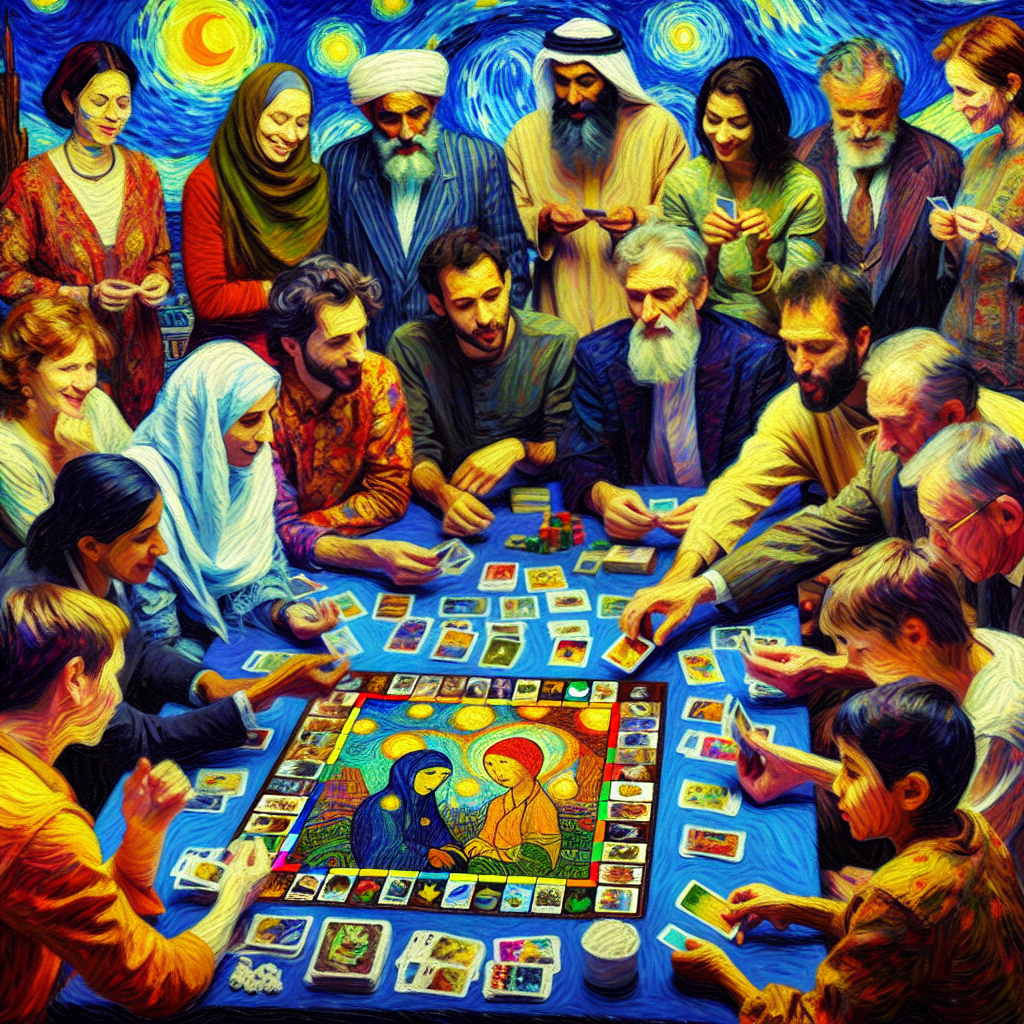
What Is The Role Of Nature In The Aesthetic Of Meadow?
How Does Game Length Affect Player Enjoyment In Meadow?
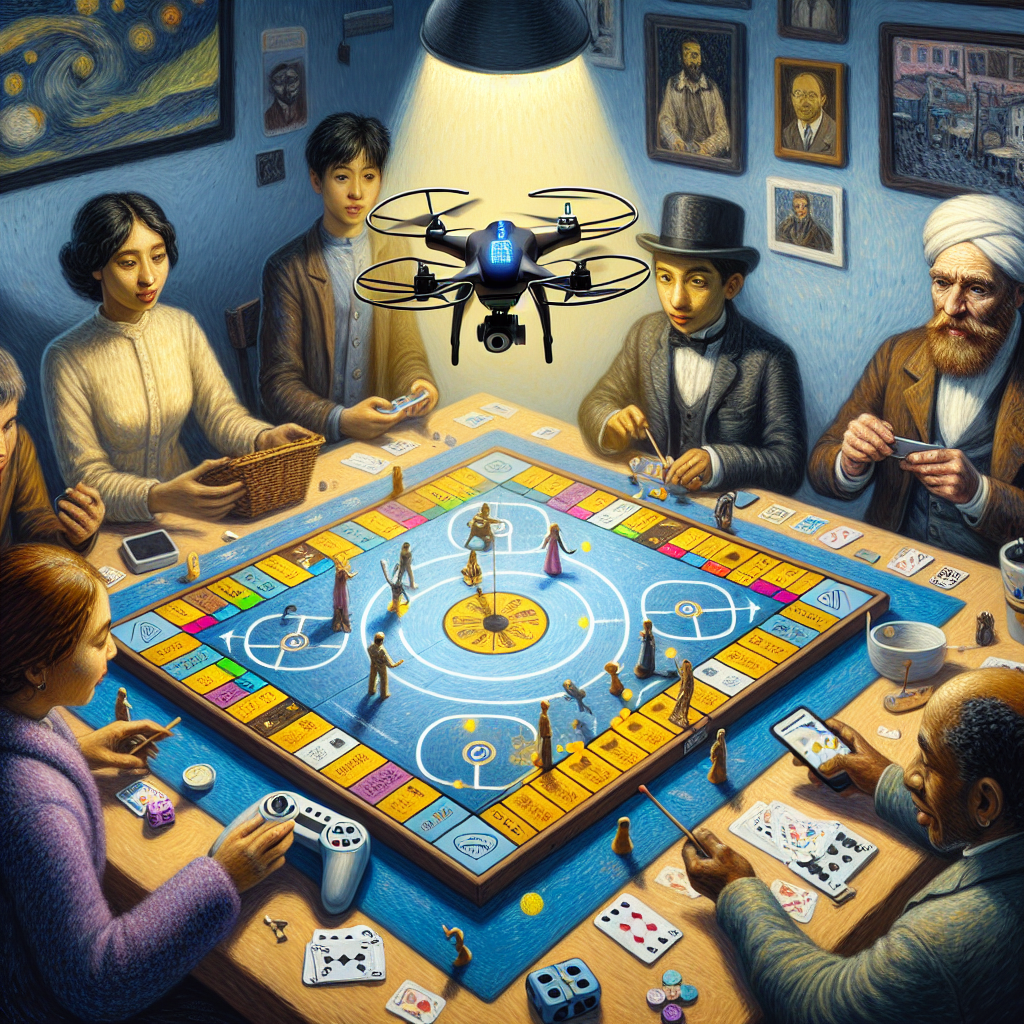
When it comes to the gaming experience in “Meadow,” the length of playtime can be a double-edged sword, tipping the scales of enjoyment in unpredictable ways. Let’s dive into the muddy waters of game length and its intricate relationship with player satisfaction.
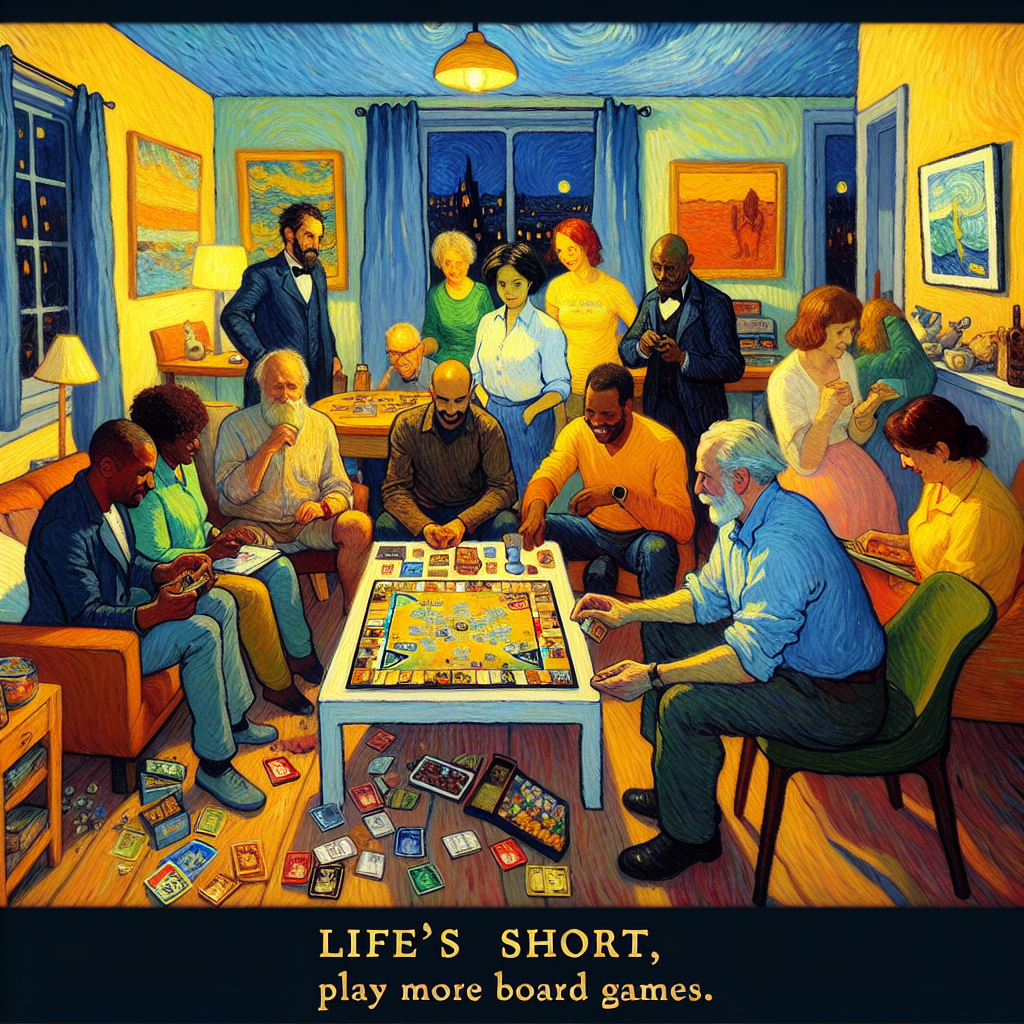
First off, we have to acknowledge the variable nature of player preferences. Some gamers are like kids on a sugar high, craving the limitless expanses of a long session, eager to explore every nook and cranny that “Meadow” has to offer. For these players, longer game durations can mean deeper engagement with the world, forging richer connections with the flora and fauna, and yes, even with fellow players. Imagine the thrill of collaborating for hours, building an intricate ecosystem of shared experiences, where time melts away and the game feels like a never-ending adventure. These marathon sessions can serve as both a canvas for creativity and a forge for camaraderie, making every minute worthwhile.
Contrast this with the more casual players—those who prefer to dip their toes rather than dive headfirst into the experience. They find beauty in brevity, joy in the quick sessions where they can easily pick up and play without the weighty commitment of a prolonged ordeal. For these individuals, an hour might be just the right amount of time to savor the stunning visuals and soothing gameplay of “Meadow” without feeling bogged down. In this realm, shorter game lengths foster a sense of accomplishment; they can log in, gather their favorite resources, and immediately feel a rush of satisfaction. After all, life doesn’t always allow for marathon gaming runs, and this can lead to frustration rather than enjoyment if the game demands more time than a busy lifestyle allows.
Moreover, the pacing of “Meadow” plays a crucial role in how length affects enjoyment. The game’s inherent tranquility and the whimsical nature of its activities make it amenable to both long stretches and quick bursts of play. The key here lies in moderation. Finding that perfect balance where neither the marathoners nor the sprinters feel left in the dust is essential. Developers may want to consider incorporating scalable content or dynamic challenges that cater to different player lengths, ensuring that everyone walks away feeling fulfilled.
Ultimately, how game length affects player enjoyment in “Meadow” is a delicate dance—a balancing act, if you will—between the depth of experience and the fleeting nature of time. In the vast landscape of gaming, there really is something to be said for tailoring the experience to the individual player’s rhythm, creating a unique harmony that resonates long after they’ve logged off.
How Does Game Length Affect Player Enjoyment In Meadow?
How Does Game Length Affect Player Enjoyment In Meadow?
- The length of playtime in “Meadow” can significantly impact player enjoyment, presenting a dual nature.
- Some players prefer long gaming sessions for deeper immersion, fostering connections with the game world and other players.
- Longer sessions offer opportunities for creativity and camaraderie, enhancing the overall experience.
- Casual players tend to favor shorter gaming experiences, enjoying quick sessions without heavy commitments.
- Shorter play sessions provide a sense of accomplishment, catering to players with busy lifestyles.
- The pacing of “Meadow” accommodates both lengthy gameplay and brief engagement, highlighting the importance of balance.
- Developers should consider scalable content to satisfy a range of player preferences, ensuring fulfillment for all.
How Does Game Length Affect Player Enjoyment In Meadow?
What Are The Common Misconceptions About Meadow?
When it comes to meadows, you might picture a picturesque field blanketed in wildflowers, dotted with grazing sheep and kissed by the gentle breeze. However, the reality of these vibrant ecosystems is often misunderstood. Let’s dig into a few common misconceptions that have garnered attention.
First off, many people assume meadows are simply the same as fields. Sure, both can feature open spaces filled with grasses and wildflowers, but meadows are more than just an expanse of lawn. These ecosystems are teeming with biodiversity, including a complex web of plant species, insects, and small mammals. Think of a meadow as a bustling community, each species contributing to the overall health of the environment. Unlike tilled fields, which often prioritize a single crop, meadows thrive on variety.
Another misconception is that meadows are always untouched by human hands. While it’s true that many meadows can seem like natural paradises, countless meadows have been shaped, modified, and maintained by people over generations. From the management of invasive species to controlled burns that promote new growth, humans play a significant role in preserving and sustaining these ecosystems. It’s a delicate dance, requiring skill and knowledge to keep the meadow healthy without overpowering its natural processes.
Then there’s the myth that meadows are a seasonal affair, only bursting with life in spring and summer. While it’s true that these seasons showcase the colorful blooms and buzzing activity of pollinators, meadows are dynamic environments that shift across the seasons. In winter, they may appear lifeless, but under the surface, the roots are busy storing energy for the next burst of growth. Each season offers its own unique beauty and purpose, making meadows a year-round spectacle for those who take the time to observe.
And let’s not forget the belief that meadows are mere backdrops, scenic views to be admired from the sidelines. In reality, they serve crucial ecological functions, acting as carbon sinks, water filters, and habitats for countless species. More than just eye candy, meadows are powerhouses of sustainability that remind us of the interconnectedness of life on this planet.
So, the next time you stroll through a meadow, remember: it’s more than just a pretty scene. It’s a testament to nature’s complexity and resilience, deserving of respect and understanding.

What Are The Common Misconceptions About Meadow?
What Are The Common Misconceptions About Meadow?
- Meadows are often confused with fields, but they are rich ecosystems with high biodiversity.
- These ecosystems support a variety of plant species, insects, and small mammals, unlike tilled fields that focus on single crops.
- Many meadows have been shaped and maintained by human intervention over generations.
- Humans play a vital role in preserving meadows through practices like managing invasive species and controlled burns.
- Meadows are not just seasonal; they have unique characteristics and dynamics throughout the year.
- They perform essential ecological functions, such as acting as carbon sinks and water filters.
- Meadows are complex ecosystems worthy of respect and understanding beyond their aesthetic appeal.
What Are The Common Misconceptions About Meadow?
How Do Community Events And Tournaments Influence Meadow’s Popularity?
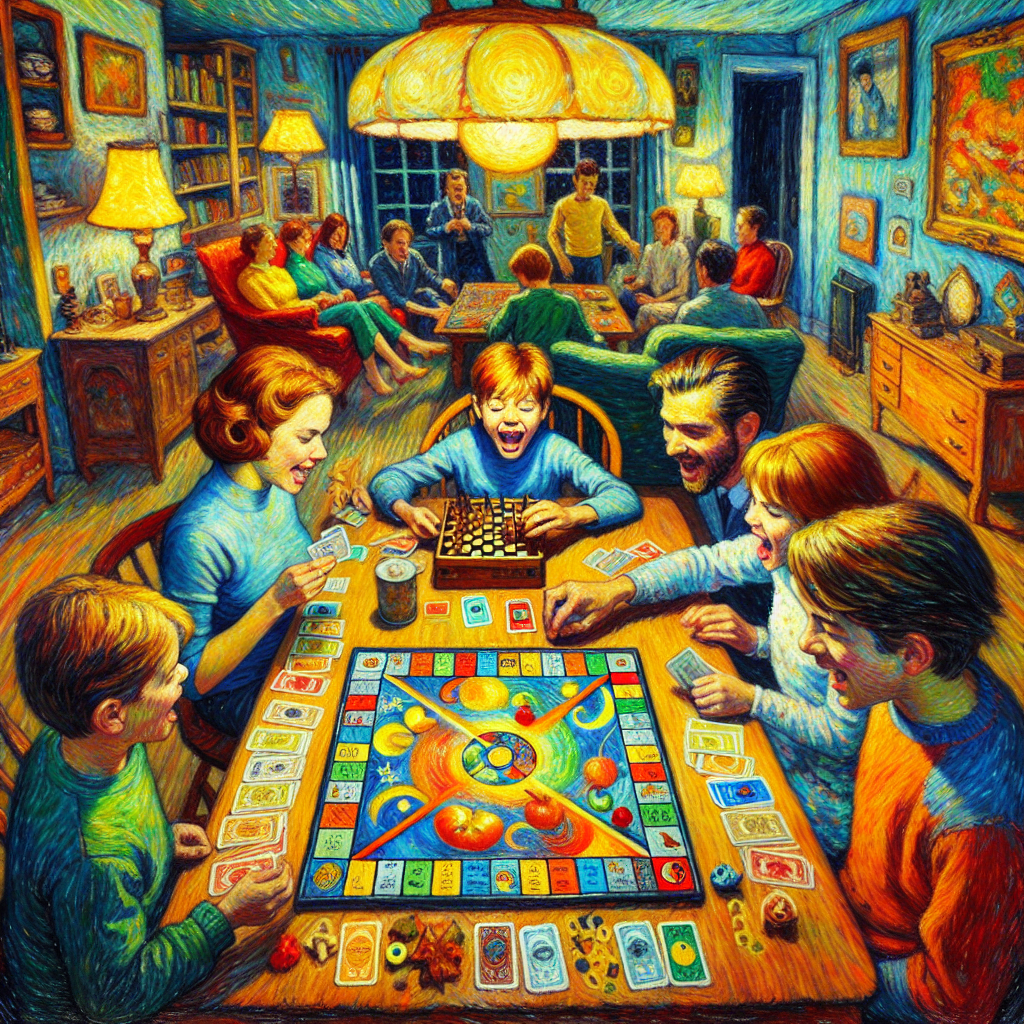
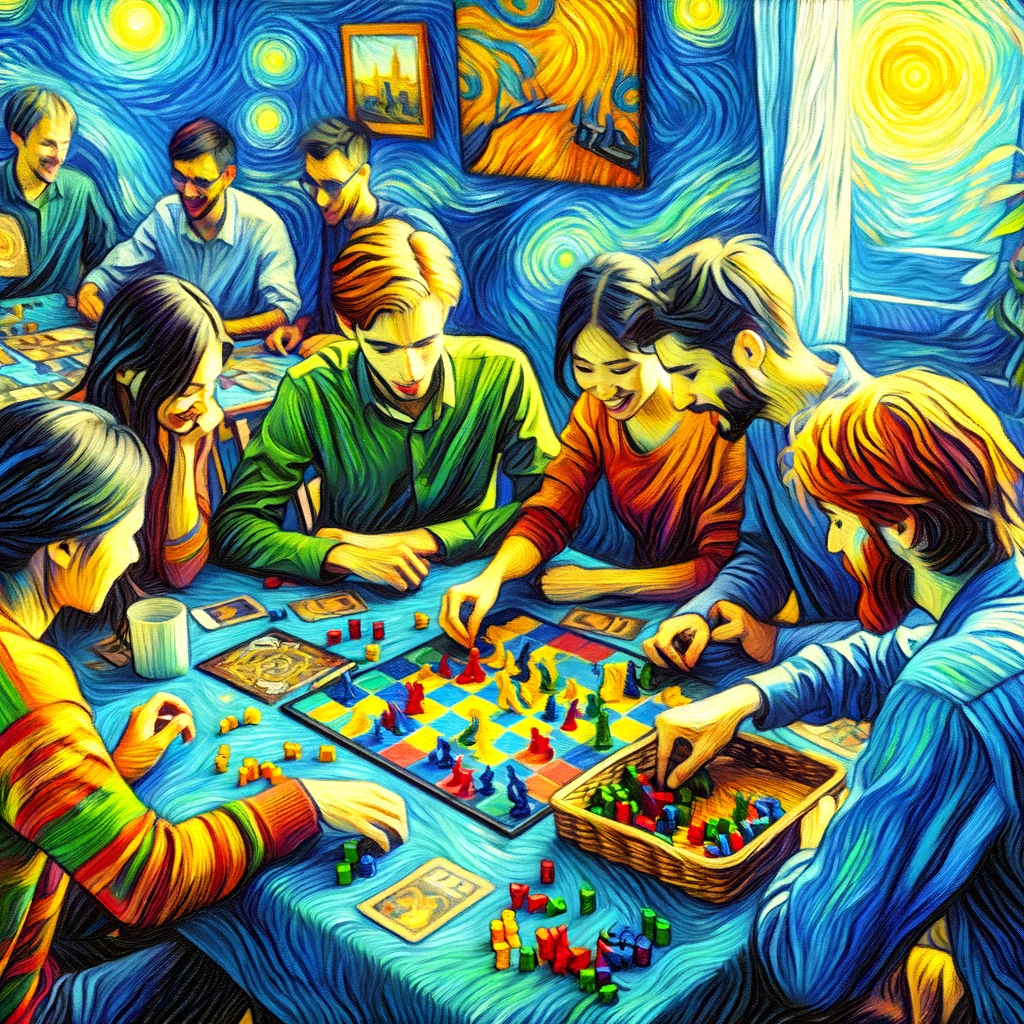
In the world of gaming, where competition blends seamlessly with camaraderie, community events and tournaments have become the lifeblood of titles like Meadow. These gatherings serve not just as a stage for competition but as a vibrant ecosystem where players come together to celebrate their passion. The influence of these events on Meadow’s popularity is as undeniable as the thrill of crossing the finish line after an intense match.
At its core, community events transform the gaming experience from a solitary endeavor into a collective adventure. When players gather, whether in person or virtually, to compete or collaborate, a unique culture sprouts—a culture of sharing strategies, crafting stories, and forging friendships. Each tournament becomes a living testament to the game’s spirit, drawing in both seasoned veterans and fresh faces eager to be part of something larger than themselves. The exhilaration of competition, coupled with the opportunity to connect with like-minded individuals, creates an atmosphere that’s electric.
Think about it: when a new player sights a bustling tournament venue or stumbles upon a spirited online event, they’re not just witnessing the game; they’re feeling the heartbeat of community engagement. The buzz of conversations, the energy of camaraderie, and the unexpected moments of joy and frustration resonate, pulling them further into the fold. This exposure is vital, as it casts a wider net, inviting newcomers to grab a controller and join in the fun.
Moreover, these events often serve as a testing ground for new content and updates. Game developers frequently unveil new features or changes during tournaments, generating excitement and hype. Fans get to see firsthand how these innovations will impact their experience, driving awareness and engagement. It’s a cycle—players tune in, bring their friends, and share their experiences on social media—all facets that contribute to Meadow’s growing popularity.
Last but not least, community-driven events foster a sense of ownership among players. When people invest their time and energy in organizing a local tournament or participating in community challenges, they take pride in being part of that ecosystem. Their advocacy, whether through word-of-mouth or social media, propels Meadow ever forward, as passionate players become vocal champions of the game.
In a nutshell, community events and tournaments aren’t just add-ons; they are the very fabric that weaves together the tapestry of Meadow’s popularity, ensuring that it remains a staple in the hearts of players worldwide.
How Do Community Events And Tournaments Influence Meadow’s Popularity?
How Do Community Events And Tournaments Influence Meadow’s Popularity?
- Community events and tournaments are essential to the gaming experience for titles like Meadow.
- These gatherings create a vibrant ecosystem where players celebrate their passion for the game.
- They transform gaming from a solitary activity to a collective adventure, promoting strategy sharing and friendships.
- New players experience a welcoming atmosphere that draws them into the community.
- Tournaments often showcase new game content, increasing excitement and player engagement.
- Participants feel a sense of ownership, fostering pride in their involvement with the game.
- Overall, these events are integral to Meadow’s popularity, creating lasting connections among players.
How Do Community Events And Tournaments Influence Meadow’s Popularity?
Conclusion
Well folks, if you’re looking for the secret sauce behind the popularity of the board game Meadow, buckle up, because it’s an eye-opener. As we navigate through this beautifully designed woodland retreat, we discover that Meadow is more than just a game; it’s a harmonious blend of art, strategy, social interaction, and a gentle nudge toward mindful leisure.
First off, let’s talk about the theme. Meadow draws players into a serene forest where every card you collect and every landscape you build unfolds a narrative of nature. It’s not just about gameplay; it’s an invitation to unwind and savor the visuals. The stunning artwork transforms the board into a living tapestry of flora and fauna, inviting players to take a leisurely stroll rather than a frantic sprint.
Then there are the mechanics. Meadow strikes that elusive balance between strategy and relaxation, engaging players without overwhelming them. You’re not just rolling dice or hoping for luck; every card you play counts, encouraging strategic thinking all while nurturing a feeling of ease. Instead of pressure—a common affliction in many tabletop games—you find yourself immersed in a pleasant pace that makes you want to linger a little longer.
But let’s not forget the social component. So many games isolate players in a cutthroat atmosphere, but Meadow invites conversation, laughter, and the occasional friendly rivalry. It fosters connections among players, allowing for shared stories about cute critters and mystical plants. In a world that often feels disconnected, that’s a refreshing change of pace.
Meadow also taps into a growing desire for mindful leisure. As our lives race on, this game offers a refreshing pause. It’s about appreciating nature and the nuanced beauty of our surroundings. By promoting exploration and cooperation over competition, Meadow helps to reinforce bonds between players—honoring the shared joy of play.
In short, Meadow isn’t just a board game; it’s a celebration of nature, artistry, and connectivity. So, the next time you gather around a table with friends or family, remember that this isn’t merely about winning or losing. It’s about the experiences, the stories shared, and the moments lived together. And that’s what propels Meadow high above the average game—an experience worth reaching for, time and time again. So go ahead, grab those cards, and get ready to immerse yourself in a leisurely adventure through the wonders of the woodlands. You won’t regret it!
Conclusion
Conclusion:
- Meadow is a blend of art, strategy, social interaction, and mindful leisure.
- The game features a serene forest theme, inviting players to unwind and appreciate nature.
- Stunning artwork creates a visual experience that resembles a living tapestry of flora and fauna.
- Mechanics balance strategy and relaxation, encouraging thoughtful play without overwhelming pressure.
- Meadow fosters social connections through conversation, laughter, and shared stories among players.
- The game promotes mindful leisure, allowing players to appreciate the beauty around them.
- Overall, Meadow is celebrated for its focus on experiences, stories shared, and moments together, elevating it above standard board games.
Conclusion
Other Resources

Other Resources
Here is a list of other resources you can review online to learn more:
- Meadow Review – Board Game Breakdown
- Meadow – nature, fresh air and a board game – Top of the Table
- Meadow Review – Topping The Table
- Meadow – A Solo Review — Table for ONE
Use This Prompt To Get More Resources With Your Favorite Online AI Tool: Please provide me with a list of online articles with their URLS in a bulleted list that I can read regarding What Makes The Board Game Meadow So Popular?
Other Resources
Glossary Terms
What Makes The Board Game Meadow So Popular? – Glossary Of Terms
1. Aesthetics: The visual appeal of the game, characterized by beautiful artwork, vibrant colors, and enchanting illustrations that enhance the gaming experience.
2. Accessibility: How easy it is for players of various skill levels to understand and enjoy the game, making it inviting for newcomers and experienced gamers alike.
3. Strategic Depth: The level of tactical thinking required; players must consider multiple paths to victory, making each decision impactful and engaging.
4. Theme: The central idea or concept around which the game is built; Meadow is inspired by nature and wildlife, allowing players to immerse themselves in a serene environment.
5. Replayability: The potential for the game to provide new experiences each time it is played, thanks to variable setups, player strategies, and different gameplay outcomes.
6. Component Quality: The physical materials used in the game, such as sturdy cards and high-quality tokens, which enhance durability and tactile enjoyment.
7. Player Interaction: The ways in which players engage with one another during the game, influencing their strategies and decisions.
8. Scalability: The game’s effectiveness and enjoyment level at various player counts, accommodating small and larger groups without losing engagement.
9. Game Mechanics: The rules and systems that define gameplay, such as card drafting, set collection, and resource management in Meadow.
10. Narrative Experience: The story elements woven into gameplay, allowing players to create their own tales as they explore different paths on their journey through the game.
11. Mindfulness: The game promotes a calming atmosphere, allowing players to relax and enjoy the moment, contributing to its popularity as a leisure activity.
12. Family-Friendly: The suitability of the game for players of all ages, making it an ideal choice for family game nights.
13. Collector’s Appeal: Unique elements within the game that may attract collectors, such as special editions or expansions with additional content.
14. Learning Curve: The familiarity and ease with which new players can grasp the rules, preventing frustration and enhancing player engagement.
15. Events and Seasons: Mechanics that relate to different times of the year or gameplay phases, adding variety and richness to the player experience.
16. Scoring System: The method by which players earn points, which often encourages strategic planning and thoughtful decision-making.
17. Tactile Components: Physical elements of the game that provide a sensory experience, such as tokens and cards that feel satisfying to handle.
18. Artistic Collaboration: Contributions from artists or designers that elevate the overall aesthetic and narrative of the game.
19. Engagement: The extent to which players become immersed in the game experience, often driven by the combination of mechanics, theme, and player interaction.
20. Game Duration: The typical length of a gameplay session, allowing for a balance between a quick play and a more extended engagement with the game.
21. Diverse Strategies: The variety of viable approaches players can adopt to achieve victory, promoting creativity and adaptability.
22. Visual Storytelling: The way the game’s components and illustrations convey a narrative, enhancing immersion and player connection to the theme.
23. Resource Management: The strategic handling of in-game assets, critical for achieving goals and advancing in the game.
24. Social Interaction: Opportunities for players to communicate, negotiate, or form bonds during gameplay, contributing to a communal atmosphere.
25. Game Flow: The pace and rhythm of gameplay, which is crucial to maintaining player interest and engagement.
26. Expansions: Additional content that can be added to the game for increased variety and complexity, often revitalizing player interest.
27. Thematic Resonance: The ability of the game’s theme to connect with players on a personal level, creating emotional investment in the experience.
28. Customization: Options that allow players to adapt or influence components of the game, catering to personal preferences.
29. Probabilistic Elements: The role of chance or luck within the game mechanics, which can lead to unpredictable outcomes, heightening the excitement of play.
30. Community Engagement: The active participation and support of a player base that shares tips, strategies, and experiences, fostering a dedicated following for the game.
Glossary Of Terms
Other Questions
What Makes The Board Game Meadow So Popular? – Other Questions
If you wish to explore and discover more, consider looking for answers to these questions:
- What is the target demographic for playing Meadow?
- Are there expansions or additional content available for Meadow?
- What do players say about their first experience with Meadow?
- How does the gameplay in Meadow evolve over multiple plays?
- What are the main differences between Meadow and other popular board games?
- How do the game mechanics encourage teamwork among players?
- What is the ideal group size for playing Meadow?
- Are there strategies to improve winning in Meadow?
- How accessible is Meadow for players with disabilities?
- What are the production quality and materials used in Meadow?
- How can players new to board games adapt to playing Meadow?
- In what ways does Meadow contribute to environmental awareness?
- What does the community say about the longevity of interest in Meadow?
- How has Meadow been received at gaming conventions or festivals?
- What educational benefits does Meadow offer to younger players?
Other Questions
Haiku
What Makes The Board Game Meadow So Popular? – A Haiku
Serene woods await,
Cards unveil nature’s grace,
Friends gather to play.
Haiku
Poem
What Makes The Board Game Meadow So Popular? – A Poem
In a tranquil realm where sunlight dances,
Meadow unfolds, igniting sweet romances.
A canvas of nature, where all can explore,
With vibrant flora and fauna, forever adored.
Each card a treasure, a story it weaves,
Inviting players to wander, dream, and believe.
With each gentle move, connections ignite,
In laughter and gestures, friendships take flight.
No race against time in this idyllic glade,
A soothing retreat where worries can fade.
Where casual hearts mingle with minds that strategize,
Each turn breathing life into friendly ties.
Artistry flows through each intricate scene,
Nature’s whisper beckons—serene and keen.
In every brushstroke, a moment to cherish,
A gentle reminder of all we must nourish.
As players gather, a community blooms,
Their bonds intertwined like the scent of perfume.
Each season brings change, each encounter a chance,
To savor the beauty, share joy in the dance.
So in the Meadow, with its tranquil allure,
Experience unfolds, pure hearts will endure.
Celebrating life’s wonders in playful delight,
Together we wander, basking in light.

Poem
Checklist
What Makes The Board Game Meadow So Popular? – A Checklist
Exploring Meadow’s Appeal
1. Theme and Aesthetic
_____ Analyze how the serene woodland theme enhances player experience.
_____ Note the significance of artwork and illustrations in creating an immersive environment.
2. Gameplay Mechanics
_____ Identify engaging gameplay mechanics that promote strategic thinking.
_____ Explore non-linear exploration and its impact on player enjoyment.
3. Social Interaction
_____ Evaluate how community engagement is encouraged through collaborative gameplay.
_____ Consider the role of gestures and non-verbal communication in enhancing player interactions.
4. Accessibility and Inclusivity
_____ Assess how the game accommodates different player skill levels.
_____ Determine the balance of challenges available for novice and experienced players.
5. Replayability Factors
_____ Investigate elements that enhance replayability – variability in gameplay and choice.
_____ Discuss how the social aspects contribute to repeated playthroughs.
Understanding the Underlying Themes
6. Nature and Environmental Awareness
_____ Reflect on how the game promotes mindfulness and appreciation of nature.
_____ Explore the themes of interdependence and ecological balance represented in the gameplay.
7. Player Feedback Influence
_____ Examine how community feedback has contributed to improvements in gameplay.
_____ Determine ways player suggestions have shaped game updates and developments.
8. Age Groups and Target Audience
_____ Define the target age group for the game.
_____ Discuss how the game aligns with developmental goals for this demographic.
Comparative Analysis
9. Comparison with Other Games
_____ Compare Meadow with similar games (Everdell, Wingspan) regarding gameplay mechanics and player experience.
_____ Highlight unique features of Meadow that set it apart from its competitors.
10. Social Events and Community Influence
_____ Identify the impact of community events and tournaments on boosting the game’s popularity.
_____ Explore how community engagement fosters a sense of belonging among players.
Additional Considerations
11. Game Length and Player Enjoyment
_____ Analyze how varying game lengths affect player satisfaction.
_____ Discuss potential adaptations to accommodate players’ time preferences.
12. Common Misconceptions
_____ Identify prevalent misconceptions about the game and its theme.
_____ Clarify the unique aspects of the game that dispel these misconceptions.
Use this checklist to dive deeper into the elements that contribute to Meadow’s unique charm and lasting popularity in the board gaming community.
Checklist
At BestBoardGameNews, we help people who love board games by collating information and news about board games.
Be sure to read our other related stories at BestBoardGameNews to learn more about board games.