

Uncovering The Allure Of Stroganov: A Fan Favorite
By Tom Seest
At BestBoardGameNews, we help people who love board games by collating information and news about board games.
Be sure to read our other related stories at BestBoardGameNews to learn more about board games.
What Makes The Board Game Stroganov So Popular?
In the world of board games, where trends come and go like the weather, a few titles rise above the chaos and grab us by the collar, making us sit up and take notice. Enter Stroganov—a delightful blend of strategy, adventure, and a sprinkle of Russian flair that has captivated gamers worldwide.
At first glance, Stroganov seems unassuming. The striking artwork pulls you in, with its vibrant colors and historic landscapes that pay homage to Russia’s rich tapestry of culture. But it’s not just a pretty face. This game packs a punch, drawing players into the intricacies of exploration and trade in the 17th century. Players take on the roles of Russian fur traders, navigating rivers, gathering resources, and completing contracts while striving to build their fortune. It’s an exhilarating jaunt into a bygone era, and who doesn’t love a good story?
One standout feature of Stroganov is its elegance. The rules are clear enough that new players can quickly grasp the mechanics, yet layered enough to invite deeper strategic thought. Every turn offers a fresh challenge, making it easy to get lost in the game’s rhythm. There’s a unique flow to the gameplay that keeps everyone engaged, with constant decision-making and interaction that fosters a lively atmosphere.
Moreover, the game does a masterful job of balancing competition and cooperation. Players can form temporary alliances, trading resources and negotiating deals while sneaking a sidelong glance at rivals amassing wealth. This blend of camaraderie and rivalry creates a dynamic experience—a dance of competition where friendships can be forged or frayed with each move. The tension builds as players navigate their way through the game, all while trying to outsmart one another.
Stroganov also taps into the growing communal aspect of modern board gaming. With a playing time that fits comfortably into an evening gathering, it invites friends and family to gather around the table, deep in strategy yet relaxed in laughter. It’s the kind of game that encourages storytelling and interaction, where anecdotes woven into the gameplay often become as memorable as the game itself.
To put it simply, Stroganov has become a beacon in the board game community—not just because of its compelling mechanics and exquisite theme, but because it embodies the very spirit of togetherness. It’s a game that beckons players to gather, strategize, and ultimately create memories, and in that respect, its popularity is no mystery at all.

What Makes The Board Game Stroganov So Popular?
What Makes The Board Game Stroganov So Popular?
- Stroganov is a board game that combines strategy, adventure, and a touch of Russian culture.
- The game features vibrant artwork and historic landscapes that reflect Russia’s rich cultural tapestry.
- Players act as 17th-century Russian fur traders, engaging in exploration, resource gathering, and contract completion.
- Stroganov’s rules are simple enough for newcomers but offer depth for more strategic play.
- The game balances competition and cooperation, allowing for temporary alliances and resource trading.
- It promotes a communal atmosphere, making it perfect for evening gatherings filled with strategy and laughter.
- Stroganov, embodying the spirit of togetherness, encourages storytelling and interaction among players.

What Makes The Board Game Stroganov So Popular?
Table Of Contents
- What Makes The Board Game Stroganov So Popular?
- What Are The Unique Features Of Stroganov That Attract Players?
- How Does Stroganov Compare To Other Popular Board Games?
- What Is The Gameplay Mechanics Of Stroganov?
- Why Do Players Enjoy The Strategic Elements Of Stroganov?
- What Age Group Is Stroganov Designed For And Why?
- How Long Does A Typical Game Of Stroganov Take To Play?
- What Strategies Can Players Use To Win At Stroganov?
- Are There Expansions For Stroganov That Enhance Its Popularity?
- How Does Stroganov Accommodate Different Player Counts?
- What Challenges Do New Players Face When Learning Stroganov?
- How Has Stroganov Been Received In The Board Gaming Community?
- What Is The Historical Context Behind The Game Stroganov?
- How Can Players Customize Their Experience Of Stroganov?
- Conclusion
- Other Resources
- Glossary Of Terms
- Other Questions
- Haiku
- Poem
- Checklist
What Are The Unique Features Of Stroganov That Attract Players?
If you’re wandering the colorful tapestry of board games, you might just stumble upon *Stroganov*, a gem that brings a delicious mix of strategy, history, and a dash of competition to your tabletop experience. Set against the backdrop of 17th-century Russia, players step into the boots of fur traders vying for the attention of the tsar, and it’s this intriguing theme that not only captivates but immerses players in a world full of adventure and economic maneuvering.
At the core of *Stroganov*’s allure is its unique blend of mechanics. The game utilizes a clever combination of resource management and action selection. Players must juggle their wealth—represented by fur and other goods—while strategically deciding when and where to deploy their traders. This isn’t just about collecting resources; it’s about optimizing their movement on the board, making every decision count in the race to outsmart opponents. The tension rises as players weigh their options, turning even the simplest act of collecting furs into an exercise of tactical foresight.
Then there’s the gorgeous artwork and components that speak to the heart of any board gamer. The vivid illustrations and carefully crafted pieces transport players straight into the Russian wilderness. Each component feels thoughtfully designed, enhancing engagement while also serving a functional purpose within gameplay. Whether it’s the sly fox or the stately tsar, there’s an aesthetic pleasure that complements the strategic gameplay, making every session an enjoyable feast for the eyes.
Adding to the spice is *Stroganov*’s dynamic scoring system. Players earn points not only for resources collected but also for completing missions and achieving personal objectives. This means that while the game has a competitive edge, there’s also room for personal strategy, allowing players to tailor their approach. Each game develops a unique narrative of triumph and failure, with players continuously adapting their strategies based on the ever-changing state of the board.
Finally, let’s not forget the interaction among players. *Stroganov* encourages a delightful balance between competition and cooperation. As players race to fulfill their goals, there’s a palpable tension, born from watching opponents inch closer to victory. Unexpected alliances can form, and backstabbing is always an option—a perfect recipe for hearty banter and laughter around the table.
In a world brimming with choices, *Stroganov’s* unique features resonate with those who appreciate a well-crafted game with layers to peel back. It’s not just about winning; it’s the journey through strategy, aesthetics, and interactions that keep players coming back for more.

What Are The Unique Features Of Stroganov That Attract Players?
What Are The Unique Features Of Stroganov That Attract Players?
- *Stroganov* is set in 17th-century Russia, where players act as fur traders vying for the tsar’s attention.
- The game combines resource management and action selection, requiring players to balance their wealth and strategically deploy their traders.
- Gameplay involves optimizing moves on the board, turning resource collection into a tactical exercise.
- Features stunning artwork and components that enhance the gaming experience and transport players into the Russian wilderness.
- Dynamic scoring system allows points to be earned for resource collection, completing missions, and achieving personal objectives.
- Encourages both competition and cooperation among players, leading to unexpected alliances and engaging interactions.
- *Stroganov* appeals to players seeking a well-crafted game that emphasizes strategy, aesthetics, and social dynamics.

What Are The Unique Features Of Stroganov That Attract Players?
How Does Stroganov Compare To Other Popular Board Games?
When you dive into the world of board games—where cardboard meets camaraderie—you quickly discover a vibrant tapestry of choices that range from the whimsically simple to the intricately elaborate. Enter Stroganov, a title that stands tall among its competitors, offering a blend of strategy, tradition, and a wee bit of chaos that sets it apart.
First, let’s paint the scene. Stroganov immerses players in the rich history of 17th-century Russia, as they take on the role of fur traders navigating the expansive wilderness. It’s a game that captures both the picturesque landscapes of the Russian frontier and the cutthroat competition of trade. Players must balance exploration, resource management, and—let’s not forget—smart dealings with the local tribes. This is where it starts to get interesting.
In comparison to juggernauts like Catan or Ticket to Ride, Stroganov wades into a different river of gameplay. Catan, with its hexagonal grid and relentless trading, focuses heavily on negotiation and resource allocation, often veering into a social showdown. Ticket to Ride, on the other hand, is all about route optimization, with a dollop of strategy mixed in that’ll make even the most seasoned gamers analyze their every move.
Now, let’s talk depth. Stroganov is no lightweight. It offers a robust experience that requires players to think ahead—adapting to the ever-evolving game state while keeping an eye on their opponents. Here, each decision carries weight, akin to choosing the right moment to expand in Catan or snag that elusive train card in Ticket to Ride. But where it truly shines is in its unique mechanics, such as the use of a modular board and the interplay of local tribes which can alter the game’s narrative in surprising ways. It’s a delightful mash-up that keeps players on their toes.
What sets Stroganov apart from cooperative games like Pandemic or Ghost Stories is its competitive edge. In these games, players band together against a common threat, but in Stroganov, every trader is out to carve their own path to glory. There’s a tangible thrill in competing for resources and strategic spots, which not only keeps the tension high but also the laughter rolling.
To put it simply, Stroganov finds its niche by mixing strategic depth with historical flair, offering an engaging experience that harmonizes individual ambition with a touch of wild unpredictability. In a world flooded with choices, it beckons players with a promise of both challenge and delight, making it a worthy contender in the board game pantheon.

How Does Stroganov Compare To Other Popular Board Games?
How Does Stroganov Compare To Other Popular Board Games?
- Stroganov is a board game blending strategy, tradition, and chaos.
- Players assume the roles of 17th-century Russian fur traders exploring the vast wilderness.
- The game involves exploration, resource management, and negotiations with local tribes.
- Unlike Catan and Ticket to Ride, Stroganov offers a different gameplay experience focused on decision-making.
- Each decision in Stroganov carries significant weight, similar to strategic moments in other popular games.
- It features unique mechanics, such as a modular board and interactions with local tribes, enhancing the narrative.
- Stroganov emphasizes competitive play, contrasting with cooperative games by encouraging individual ambition and competition.

How Does Stroganov Compare To Other Popular Board Games?
What Is The Gameplay Mechanics Of Stroganov?
Stroganov is a game that marries tradition with strategy, engaging players in a world where every decision counts. Set in the vast steppes of Russia, the mechanics are designed to immerse you in the delicate balance of survival, resource management, and territorial expansion. You don’t just play the game; you interact with it like a craftsman shaping a masterpiece, each move carefully considered and executed.
At its core, Stroganov revolves around resource gathering. You’ll find yourself collecting a variety of materials—wood, stone, food sources—and each resource plays a pivotal role in your development. Picture yourself as a master builder, rummaging through the wilderness, ensuring you have enough resources for both immediate needs and long-term growth. The game encourages you to think ahead, allowing you to gather raw materials to build structures, craft tools, and expand your territory. The tension builds as you work against time, balancing the necessity for exploration with the perils lurking in the unknown.
Exploration is vital in Stroganov’s tapestry of gameplay. The map is rich with hidden secrets and resources waiting to be uncovered, but it’s also fraught with potential danger. As you venture into these unexplored territories, you’ll encounter wild animals and hostile tribes. The challenge is to navigate these interactions wisely, using your wits and resources to either coexist or conquer. Each encounter tests not only your strategic prowess but also your adaptability in unforeseen circumstances.
Combat is another essential element of Stroganov’s gameplay, representing both risk and reward. Engaging in battles isn’t just about brute force; it’s about leveraging your surroundings and leveraging your troops effectively. Players must analyze their opponents’ strengths and weaknesses while making tactical decisions that could lead to victory or defeat. As you develop your faction, you’ll have the chance to train and equip your soldiers, creating a tailored strategy for confrontations.
What sets Stroganov apart is its emphasis on community and collaboration. As you build your village and expand your territory, the relationships you cultivate with other characters can influence your success. There’s a sense of camaraderie as you trade resources, share knowledge, and form alliances to tackle challenges together.
In summary, the gameplay mechanics of Stroganov offer a rich, layered experience that encourages resource management, strategic exploration, and community engagement. It’s more than just a game; it’s a journey through survival and collaboration in a beautifully crafted world that feels both familiar and exhilaratingly new.

What Is The Gameplay Mechanics Of Stroganov?
What Is The Gameplay Mechanics Of Stroganov?
- Stroganov combines tradition and strategy, requiring careful decision-making in gameplay.
- The game is set in the vast steppes of Russia, focusing on survival, resource management, and territorial expansion.
- Resource gathering is central to the game, involving materials such as wood, stone, and food for growth and development.
- Exploration of a diverse map is essential, with hidden secrets and dangers like wild animals and hostile tribes.
- Combat involves strategic planning, leveraging surroundings, and training soldiers to create tailored strategies for victory.
- The game emphasizes community and collaboration, allowing players to trade resources and form alliances.
- Overall, Stroganov provides a rich experience that blends survival, strategy, and social interaction in a captivating world.

What Is The Gameplay Mechanics Of Stroganov?
Why Do Players Enjoy The Strategic Elements Of Stroganov?
In the world of tabletop gaming, there’s an undeniable satisfaction in engaging with intricate strategies that challenge the mind, and “Stroganov” delivers this in spades. Players gravitate toward its strategic elements for a multitude of reasons, weaving a rich tapestry of decision-making that keeps them coming back for more.
First and foremost, “Stroganov” presents a compelling blend of resource management and tactical planning. Each player steps into the boots of a Russian nobleman during the 17th century, tasked with exploring the vast wilderness, managing resources, and solidifying their influence. The game shines in its ability to balance immediacy with foresight. Players must assess their immediate needs—you can’t establish an empire without a steady supply of resources—but they also need to think several moves ahead. This dynamic forces players to juggle short-term gains against long-term strategies, creating a stimulating mental exercise that feels remarkably rewarding.
Another appealing aspect is the interaction between players. While the game can be played individually, the competitive edge is amplified when players vie for the same resources and opportunities. This rivalry adds layers to the gameplay, prompting players to adapt their strategies on the fly. “Stroganov” thrives on the tension that arises from anticipating opponents’ moves, creating a rich atmosphere of calculated risk. Players find great joy in subtly sabotaging each other’s plans—whether it’s snatching up crucial resources or outmaneuvering their rivals—contributing to the game’s pulse-pounding excitement.
The game’s design intricately integrates its thematic elements into the mechanics, allowing players to feel like they are not just moving pieces on a board but participating in a broader narrative. The map becomes a living entity, and each decision has both tangible and intangible consequences. As players build relationships with different tribes and fortify their standing in the game, there’s an engaging sense of progression that reflects the growth of a burgeoning power.
Lastly, the satisfaction derived from mastering the game’s complexity is a huge draw. Each session reveals new depths and interactions, allowing players to refine their strategies and learn from their mistakes. As they navigate through the layers of “Stroganov,” players don’t just enjoy the thrill of competition; they relish the journey of intellectual challenge and the camaraderie that comes from shared experiences. The thrill of strategizing, competing, and ultimately outsmarting one’s peers captures the essence of what makes “Stroganov” a standout in the realm of strategy games, creating a captivating experience that entices players time and again.

Why Do Players Enjoy The Strategic Elements Of Stroganov?
Why Do Players Enjoy The Strategic Elements Of Stroganov?
- “Stroganov” offers deep satisfaction through intricate strategies that challenge players’ minds.
- Players assume the role of 17th-century Russian noblemen focused on resource management and tactical planning.
- The game balances immediate needs for resources with the necessity of long-term strategic foresight.
- Player interaction and competition enhance gameplay, as individuals vie for the same resources and opportunities.
- Players can subtly sabotage each other’s plans, adding tension and excitement to the game.
- Thematic elements are woven into the game mechanics, making players feel part of a broader narrative.
- Mastering the game’s complexity allows players to refine strategies and enjoy the camaraderie of shared experiences.

Why Do Players Enjoy The Strategic Elements Of Stroganov?
What Age Group Is Stroganov Designed For And Why?
When you hear the name Stroganov, you might think of a hearty dish that’s been feeding folks for generations. But let’s pivot the spotlight to the culinary experience itself. This isn’t just about food; it’s a rite of passage, a way to celebrate flavors that has found its way into the hearts, kitchens, and stomachs of families across the globe. So, who exactly is Stroganov designed for, and why does it resonate so deeply with certain age groups?
First and foremost, Stroganov beckons the adventurous eaters—those who are just dipping their toes into the world of gourmet. You see, young kids and teens alike are often at a crossroads; they’re teetering between the familiar comfort of chicken nuggets and the sophisticated allure of a dish with a fancy-sounding name. This is where Stroganov, in all its creamy, savory glory, comes in. It’s a gentle nudge toward culinary exploration. The tender meat, luscious sauce, and subtle spices invite young palates to take a leap, to savor something that feels both gourmet and approachable.
But don’t let age fool you. The dish also connects with the over-30 crowd—those busy professionals and parents who might feel like they’ve lost their culinary spark amid the chaos of everyday life. For them, Stroganov represents a meal that’s not only satisfying but also a nod to nostalgia. Those who grew up in the kitchen, watching parents or grandparents whip up their own variations can find solace in recreating a piece of history, complete with ingredient substitutions that reflect their unique stories.
And let’s talk about the elderly. This dish can serve as a beacon of comfort in the later years. With its rich flavors and easy-to-chew textures, Stroganov can evoke warm memories, sparking conversations about family traditions and the joy of meals shared. It’s not just a meal; it’s a connection to the past, a tangible link to gatherings filled with laughter and love.
In essence, Stroganov isn’t designed for just one age group; it is a culinary experience that speaks to the young, the middle-aged, and the wise alike. It’s about bringing people to the table—each bite serving as a bridge between generations, making it a timeless classic that never goes out of style. Whether you’re serving it to a curious child or a seasoned food lover, Stroganov has something for everyone, and that, my friends, is the beauty of it.

What Age Group Is Stroganov Designed For And Why?
What Age Group Is Stroganov Designed For And Why?
- Stroganov is more than just a dish; it’s a culinary experience and a rite of passage.
- The dish appeals to adventurous eaters, especially children and teens exploring gourmet options.
- Stroganov serves as a gentle introduction to sophisticated flavors with its creamy sauce and tender meat.
- It resonates with the over-30 crowd, providing nostalgic connections to family cooking traditions.
- The dish is comforting for the elderly, evoking warm memories of shared meals and family gatherings.
- Stroganov is designed for all ages, bridging generations through shared culinary experiences.
- Whether for curious kids or seasoned food lovers, Stroganov remains a timeless classic with universal appeal.
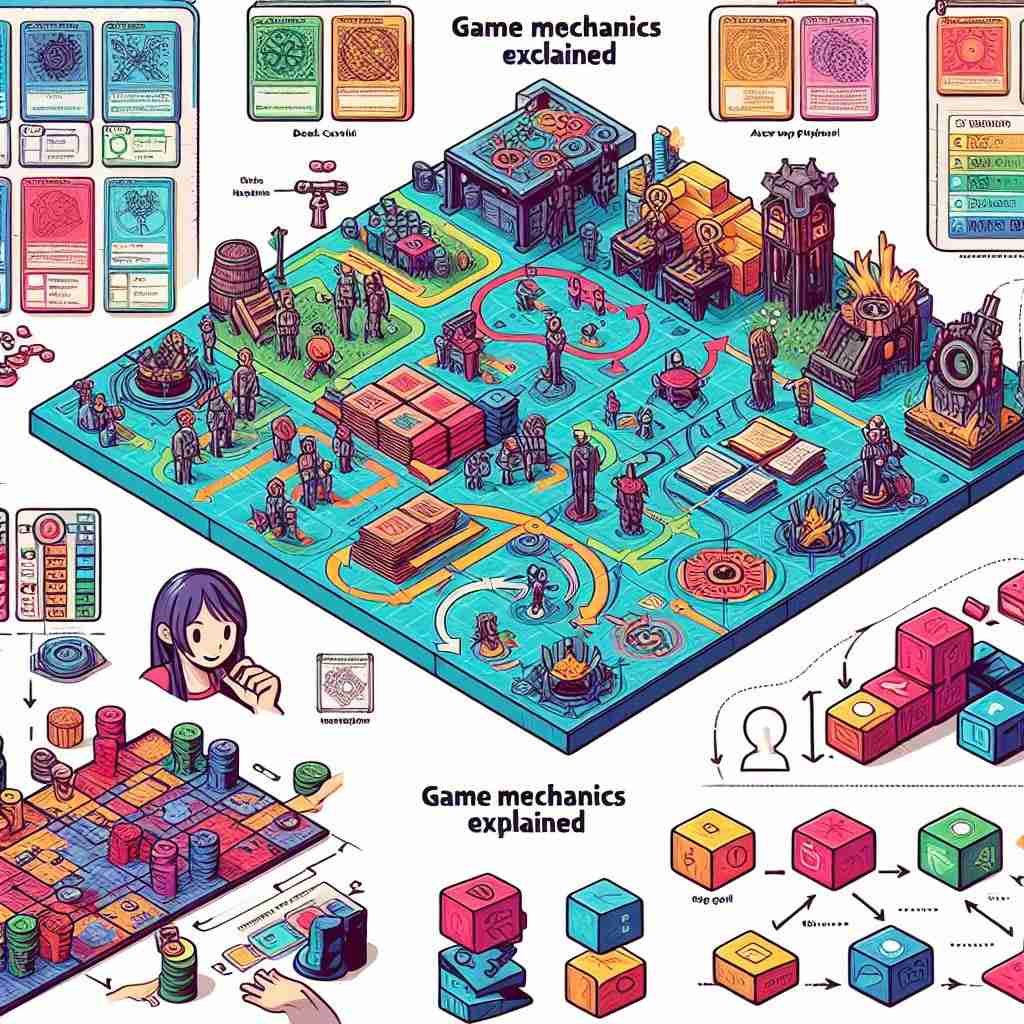
What Age Group Is Stroganov Designed For And Why?
How Long Does A Typical Game Of Stroganov Take To Play?
When it comes to fun and games, we’ve got to ask the age-old question—how long is this going to take? Now, if you’re diving into a game of Stroganov, well, you’d better buckle up. It’s not just a quick shuffle and a few chuckles; it’s a strategic adventure that takes a little time to unfold.
First off, let’s set the stage. Stroganov isn’t your run-of-the-mill board game. It’s a hearty blend of resource management, strategy, and a dash of luck that pulls players into the 16th-century world of Russian fur traders. With its intricate mechanics, you’re looking at a game that typically takes anywhere from 60 to 120 minutes to complete—depending largely on the number of players and their level of experience with the game.
A standard session with four players, all familiar with the rules, usually wraps up in about an hour and a half. However, if you’re introducing newcomers or if your group tends to get deep into strategy discussions, then you might find that the clock spins a little longer. That 90-minute mark can easily stretch toward the two-hour threshold if players spend time pondering the best moves, weighing risks, and trying to predict their opponents’ strategies.
Now, let’s talk numbers. The game accommodates two to four players, so the time can waver based on how many folks are gathered around the table. Fewer players typically translate into quicker turns, allowing the game to zip by at a nice pace. But add in a full house, and the decision-making can feel like a gathering of philosophers debating the meaning of life.
Don’t forget about setup and breakdown time either. That can add a good 10 to 20 minutes, especially if you’re being diligent about sorting pieces and putting everything back where it belongs. And let’s be real—nobody likes a chaotic game night where pieces are strewn about like confetti.
The time commitment for Stroganov is nothing to brush off, but it’s a rewarding journey well worth the wait. So gather your allies, put on your thinking caps, and prepare to invest some quality time in a game that offers both challenges and camaraderie. After all, good things come to those who wait—especially when there are furs and fortunes on the line!

How Long Does A Typical Game Of Stroganov Take To Play?
How Long Does A Typical Game Of Stroganov Take To Play?
- Stroganov is a strategic board game that requires a time investment.
- Typically takes between 60 to 120 minutes to complete, depending on players’ experience.
- A standard game with four familiar players usually lasts about 90 minutes.
- The game’s duration can extend if newcomers are introduced or deep strategic discussions ensue.
- Accommodates 2 to 4 players, impacting the speed of gameplay.
- Setup and breakdown may add an additional 10 to 20 minutes to the total time.
- Offers a rewarding experience filled with challenges and camaraderie.

How Long Does A Typical Game Of Stroganov Take To Play?
What Strategies Can Players Use To Win At Stroganov?
Stroganov, the lively game that melds strategy and a dash of luck, requires more than just a roll of the dice or a well-placed pawn. To truly dominate the board and secure that coveted victory, players must adopt a blend of keen observation, tactical foresight, and—yes—a sprinkle of creativity. Here’s how to refine your approach and put yourself in the best position to win.
First things first: pay attention to your opponents. The dynamics of Stroganov change with each player and their strategies, much like the shifting landscapes of a bustling marketplace. Are your rivals quick to accumulate resources? Do they play cautiously, hoarding their points for a big payout later? Being attuned to these behaviors will help you anticipate their moves and counter them effectively. Remember, sometimes the best offense is a good defense.
Resource management is another cornerstone of victory in Stroganov. The game revolves around gathering resources, be it cattle, goods, or influence. Take a balanced approach—don’t go all in on one type of resource while neglecting others. Diversifying your inventory will offer flexibility and open up multiple paths to point accumulation. Additionally, keep a sharp eye on the main auction. Knowing when to bid and when to hold back can make or break your position.
Timing is key. It’s not just about what moves you make, but when you make them. Whether it’s deciding when to unleash a powerful action or choosing the right moment to disrupt an opponent’s strategy, timing can tilt the game in your favor. Watch for those crucial moments—like when resources are in short supply or when other players seem to be gearing up for a big score—and capitalize on those gaps.
Collaboration, while often underestimated, can also play a vital role. Occasionally teaming up with another player to hinder a dominant competitor can shift the power dynamics within the game, creating a more favorable playing field for you. Just remember that alliances are inherently temporary—like an ice cream cone on a hot day, they require quick thinking and awareness.
Lastly, don’t underestimate the power of creativity. While there’s a clear path to victory laid out before you, a fresh perspective can yield unexpected results. Sometimes, taking a risk or pursuing an unconventional strategy can turn the tide entirely.
In the spirited game of Stroganov, players who balance strategy with adaptability, keen observation, and a pinch of creativity stand the best chance of walking away with the win. So gear up, refine your tactics, and prepare to navigate the colorful chaos that awaits!

What Strategies Can Players Use To Win At Stroganov?
What Strategies Can Players Use To Win At Stroganov?
- Stroganov combines strategy and luck; success requires keen observation, tactical foresight, and creativity.
- Pay attention to opponents’ strategies to anticipate their moves and effectively counter them.
- Diversify resource management by gathering cattle, goods, and influence for flexibility and point accumulation.
- Timing is critical; knowing when to act or disrupt opponents can pivot the game in your favor.
- Temporary collaborations with other players can shift power dynamics, but alliances require quick thinking.
- Embrace creativity by exploring unconventional strategies to achieve unexpected results.
- Balancing strategy, adaptability, and observation enhances your chances of winning in Stroganov.

What Strategies Can Players Use To Win At Stroganov?
Are There Expansions For Stroganov That Enhance Its Popularity?
When it comes to the board game Stroganov, the question of expansions comes up faster than a hot pot of borscht on a cold winter’s night. Fans of the original game often wonder: Are there additions out there that can elevate the experience, making it even more engaging and enjoyable? The straightforward answer is yes, and here’s why.
Expansions can inject fresh energy into a game that players may feel they’ve mastered. They introduce new mechanics, strategies, and sometimes even thematic elements that keep the gameplay from becoming stale. In the world of Stroganov, where players navigate the rugged landscapes of Siberia to expand their territories, the possibilities for expansion provide a tantalizing glimpse into what could be. Imagine new character cards that not only amplify player interaction but also present challenges that demand more strategic thinking and foresight than ever before.
One potential expansion could introduce unique historical figures or events based on real-life Russian explorers. Picture the likes of Vitus Bering or Ivan Krestyankin setting the stage for new gameplay mechanics, perhaps involving trade routes or specific quests tied to their journeys. This would not only enhance the narrative but also immerse players deeper into the rich tapestry of history that Stroganov vaguely nods to.
Moreover, expansions can also provide physical enhancements—a beautifully illustrated board or upgraded components that elevate the tactile experience. Think about it—the satisfaction of handling high-quality materials while strategizing your next move can shift the whole vibe of a game night. The thrill of placing artisan tokens instead of generic placeholders is like upgrading from a trusty old shovel to a shiny new multi-tool; both get the job done, but one makes you feel like a king of the workshop.
Additionally, expansions often lead to a rejuvenated player base. You see, when a game grows, so does its community. New players usually jump in during expansion releases, eager to see what the buzz is about, resulting in fresh conversations and renewed excitement around the tables. The potential for international tournaments or local game nights to pivot towards expansions could create a ripple effect that enhances Stroganov’s popularity even further.
So, when pondering the future of Stroganov, keep your ear to the ground and your eyes peeled for those expansions. They not only enhance the core game but breathe new life into the whole experience, making it more fun for newcomers and veterans alike. In the world of board games, variety is the spice of life, and expansions can add just the right amount of seasoning.

Are There Expansions For Stroganov That Enhance Its Popularity?
Are There Expansions For Stroganov That Enhance Its Popularity?
- Expansions for Stroganov can elevate the gameplay experience, making it more engaging.
- They introduce new mechanics, strategies, and thematic elements to prevent gameplay from becoming stale.
- Potential expansions could feature historical figures, enhancing narrative and challenges.
- New gameplay mechanics may involve trade routes or specific quests related to these historical figures.
- Expansions can also provide physical enhancements, such as high-quality components and beautifully illustrated boards.
- They can rejuvenate the player base, attracting new players and fostering community growth.
- Overall, expansions can breathe new life into Stroganov, appealing to both newcomers and veterans.

Are There Expansions For Stroganov That Enhance Its Popularity?
How Does Stroganov Accommodate Different Player Counts?
In the world of tabletop games, few things are as important as accommodating different player counts without compromising the experience. Enter Stroganov, a delightful blend of strategy and resource management that deftly handles player counts as seamlessly as a skilled chef flips a pancake. Whether you’re gathered around a table with a small circle of friends or hosting a larger assembly, Stroganov has the ability to adapt and keep everyone engaged.
When you’re playing with just two or three players, the game becomes a tightly woven tapestry of decisions. With fewer participants, the competition for resources becomes particularly intense, each move a calculated strike. Players have more control over the board, allowing for deeper strategies and thoughtful consideration of each action. You can savor the nuances of your plans, adjusting on the fly as you read your opponents like a recipe card. It’s an intimate experience, the kind that breeds camaraderie and allows for plenty of back-and-forth banter.
Now, throw a few more players into the mix. Four, five—perhaps even six, if you’re feeling adventurous—and Stroganov transforms into a lively feast of chaos and excitement. The bustling interaction elevates the competitive spirit, and every decision echoes with the weight of those around you. You’ll find yourself juggling multiple strategies and remaining acutely aware of your opponents’ moves. The game’s design shifts the flavor from a quiet dinner to a full-blown banquet, with everyone bringing their unique zest to the table. While the scope of individual strategy might be dulled slightly in the hubbub, the sheer energy of the game amplifies enjoyment, leading to spontaneous moments of laughter and surprise.
Yet, what’s truly remarkable is how the gameplay stays cohesive. Regardless of player count, the core mechanics of Stroganov remain intact. The objectives, challenges, and rewards don’t shift dramatically, allowing players to pick up and put down the game without losing the thread of engagement. This adaptability ensures that everyone can join in, from the seasoned tabletop veteran to the curious newcomer.
So whether you’re savoring a quiet evening with a couple of friends or diving into a raucous weekend gathering, Stroganov promises a fulfilling experience, cleverly accommodating the quirks of different player counts. Its blend of strategy and social interaction makes it a culinary delight for any game night, ensuring you leave the table feeling satisfied—no matter how many are seated around it.

How Does Stroganov Accommodate Different Player Counts?
How Does Stroganov Accommodate Different Player Counts?
- Stroganov is a versatile tabletop game that accommodates various player counts without sacrificing enjoyment.
- With 2-3 players, the game focuses on intense resource competition and deeper strategic thinking.
- This smaller player count fosters camaraderie and encourages thoughtful interactions among friends.
- Additional players (4-6) turn the game into a lively and chaotic experience with increased competition and engagement.
- The game’s design maintains core mechanics and objectives, ensuring cohesion regardless of player count.
- Stroganov can be enjoyed by both seasoned veterans and newcomers to tabletop gaming.
- The game promises a satisfying experience whether played in small groups or larger gatherings.

How Does Stroganov Accommodate Different Player Counts?
What Challenges Do New Players Face When Learning Stroganov?
For those stepping into the world of Stroganov, the challenges can be as diverse and layered as the game itself. Much like a hearty stew simmering on the stove, you’ve got a mix of ingredients coming together, and every bite reveals something new. But it can be a bit overwhelming at first, especially for newcomers trying to navigate the complex flavors of strategy and negotiation.
First off, let’s talk about the rules. At a glance, they can seem like a mix of hieroglyphics and ancient text — intricate and often cryptic. New players often find themselves grappling with a barrage of concepts: scoring points, player turns, action phases, and resource management. It’s like learning a new language, and just when you think you’ve got the vocabulary down, the syntax throws you for a loop. This steep learning curve can leave many feeling like they’ve just arrived at a five-course dinner without knowing how to use a fork and knife.
Then there’s the social aspect. Stroganov isn’t merely a solitary endeavor; it’s a competitive dance with others at the table. Understanding table dynamics, player strategies, and the delicate balance of cooperation and competition adds another layer of complexity. New players often struggle to read their opponents in the same way seasoned players do. You might find yourself second-guessing your moves, worried that the guy across from you is plotting your downfall while you’re merely trying to figure out how to build a decent empire. Talk about pressure!
Let’s not overlook the tactical depth required for effective gameplay. Experience is a teacher, and if you’re a rookie, you’ll find yourself outmaneuvered more often than not. The temptation to dive into aggressive strategies without fully grasping the repercussions can lead to swift defeats. New players may feel outclassed, wondering how that one friend seems to have an inherent knack for orchestrating intricate plans while they’re still fiddling with the basics.
Lastly, let’s be real: there’s a time barrier. Learning Stroganov isn’t just about getting familiar with the rules; it’s about internalizing them during actual gameplay, which can take a few rounds to master. If you show up to a four-hour game night without any familiarity, you might find yourself staring at the board like a deer caught in headlights.
But here’s the deal: these challenges, daunting though they may seem, are what enrich the experience. Each hurdle faced becomes a stepping stone, and with practice, those initial stumbles turn into confident strides. Embracing the chaos and complexity is all part of the journey, and who knows? You might just discover you’ve got a knack for it after all.

What Challenges Do New Players Face When Learning Stroganov?
What Challenges Do New Players Face When Learning Stroganov?
- Stroganov offers a diverse range of challenges, akin to a hearty stew with various ingredients.
- The rules can be complex and cryptic, making them hard for newcomers to grasp quickly.
- Players must learn various concepts, such as scoring, turns, action phases, and resource management.
- The social dynamics introduce competition and the need to read opponents’ strategies.
- Tactical depth is essential, and new players may struggle against more experienced opponents.
- Learning the game requires time as players need to internalize rules through practice.
- Despite the challenges, overcoming them enhances the game experience and builds player confidence.

What Challenges Do New Players Face When Learning Stroganov?
How Has Stroganov Been Received In The Board Gaming Community?
When it comes to board games, few titles spark as much debate and enthusiasm as Stroganov. From the minute it hits the table, you can feel the air vibrate with anticipation and, quite frankly, a bit of apprehension. The combination of strategy, resource management, and historical theme has positioned this game at the forefront of conversations among board game enthusiasts, and the reception has been nothing short of fascinating.
First, let’s talk about the visual feast that Stroganov presents. The artwork and components have been praised for their attention to detail, transporting players back to the vast expanses of Russia in the 17th century. It’s not just a game; it’s an experience that wraps you in a world filled with adventure and intrigue. Many gamers will tell you that a game’s aesthetics matter, and Stroganov definitely checks that box. The gorgeous board, tokens, and cards invite players to dive into the rich narrative woven throughout the gameplay.
However, as any seasoned gamer knows, looks aren’t everything. The strategic depth of Stroganov has led to varied opinions. Some players revel in the layered mechanics, relishing the chance to plot their moves while considering the implications for their opponents. They appreciate the blend of skill and chance, which keeps each session fresh and engaging. On the other hand, there are those who find the complexity overwhelming. The rulebook can feel like a tome, and the first playthrough often resembles a crash course in Russian history with a side of confusion. Yet, isn’t that part of the allure? The challenge invites die-hard gamers to rally together, yet again, to help newcomers navigate the labyrinth.
Critics have also pointed out that—despite its innovative mechanics—the game can drag if players don’t keep a steady pace. With multiple paths to victory, players can sometimes get lost in their thoughts, leading to excessive downtime. This is a point of contention: some find it a fantastic opportunity to strategize, while others glance at their watches, contemplating what’s for dinner.
The reception of Stroganov in the board gaming community reflects a broader truth about hobby gaming itself: there’s excitement in diversity. Praise it or critique it, one thing remains certain—this title has carved out its place in the hearts of both casual players and aficionados alike, sparking dialogue and debate that will likely persist for years to come. Whether it’s a night of camaraderie or a solitary quest for victory, Stroganov keeps the conversation alive and well, nestled firmly within the rich tapestry of modern board gaming.

How Has Stroganov Been Received In The Board Gaming Community?
How Has Stroganov Been Received In The Board Gaming Community?
- Stroganov is a board game known for generating debate and enthusiasm among enthusiasts.
- The game combines strategy, resource management, and a historical theme set in 17th century Russia.
- Visually, Stroganov features detailed artwork, enhancing the immersive experience for players.
- The game presents a blend of strategic depth and layered mechanics, appealing to many players.
- Some players find the game’s complexity overwhelming, leading to confusion during initial playthroughs.
- Critics note that the game can experience downtime if players do not maintain a steady pace.
- Overall, Stroganov has earned a place in the hobby board gaming community, appreciated for its diversity and ability to spark discussion.

How Has Stroganov Been Received In The Board Gaming Community?
What Is The Historical Context Behind The Game Stroganov?
To truly appreciate a game like “Stroganov,” you need to peel back the layers of history that surround it, much like peeling an onion—though hopefully without the tears. The game is set in Tsarist Russia during the 16th and 17th centuries, a period brimming with intrigue, ambition, and a staggeringly nuanced social landscape. The name “Stroganov” itself is a nod to the influential Stroganov family, who were richer than a pot of babushka’s borscht and wielded enormous power and influence in this era.
This family, primarily known as salt and fur traders, played a pivotal role in the westward expansion of Russia into Siberia. Picture it: a vast, barely explored wilderness filled with treacherous landscapes and opportunities galore. The Stroganovs were not just sitting on their wealth; they were actively investing in exploration and settlement, setting the stage for what would become the empire’s extensive reach. Their endeavors symbolized a time when the Russian Empire was hungry for land and resources, making the period ripe for adventures—both real and imagined.
The historical backdrop of “Stroganov” also reflects the complexities of Russian society at the time. It was an age of serfdom, where peasant life was often grueling, and the stakes were high. The game captures this tension; it integrates the daily struggles and aspirations of its characters as they navigate a world filled with danger and opportunity. Gone are the days of simple wanderings; the characters face moral dilemmas and tough choices that feel mighty relevant, even today.
Moreover, as the narrative unfolds, one can’t ignore the cultural connotations that spring from the echoes of the Russian Orthodox Church, which was a ruling moral force, influencing everything from politics to personal lives. The game’s environment, richly adorned with historical iconography and references, offers a snapshot of the vibrant folk traditions that flourished amidst the hardships.
In essence, “Stroganov” isn’t just about games. It’s a doorway into a fascinating chapter of history, revealing the spirit of an age where ambition fueled risks, and individual lives interwove with larger narratives of a nation in flux. So, when you sit down to play, you might just find yourself immersed not only in gameplay but in the rich tapestry of Russia’s past.

What Is The Historical Context Behind The Game Stroganov?
What Is The Historical Context Behind The Game Stroganov?
- The game “Stroganov” is set in 16th and 17th century Tsarist Russia, a time rich in intrigue and complexity.
- Its title references the Stroganov family, influential salt and fur traders who significantly impacted Russia’s expansion into Siberia.
- The Stroganovs actively invested in exploration and settlement, contributing to the empire’s territorial growth.
- The game’s narrative explores themes of serfdom and social struggles, reflecting the harsh realities of peasant life during that era.
- Characters face moral dilemmas and choices, connecting their challenges to contemporary issues.
- The influence of the Russian Orthodox Church is pervasive, shaping both politics and personal lives within the game environment.
- “Stroganov” serves as a window into history, blending gameplay with a deeper understanding of Russia’s cultural and social landscape.

What Is The Historical Context Behind The Game Stroganov?
How Can Players Customize Their Experience Of Stroganov?
In a world filled with cookie-cutter experiences, Stroganov stands out like a well-seasoned dish at a potluck fundraiser. This game isn’t just a linear path to glory; it’s a culinary canvas that invites players to spice things up according to their tastes. From strategic decisions to aesthetic alterations, the ability to customize your experience in Stroganov is a smorgasbord of options designed to keep you engaged and on your toes.
First off, let’s talk gameplay mechanics. At its core, Stroganov allows players to tailor their strategies to suit their individual playstyles. Are you a bold risk-taker who loves the thrill of high stakes? Or do you prefer the methodical approach, carefully calculating each step like a chef measuring ingredients? The game supports diverse strategies, from aggressive resource allocation to cunning diplomatic maneuvers. The choice is yours—whether you choose to dominate through intense competition or cultivate a harmonious collaboration impacts not just your experience, but the entire game’s landscape.
But it doesn’t stop at strategy. The game also offers a remarkable degree of visual customization. Players can modify their avatars and environments, selecting from a rich palette of styles and themes that reflect their personality. Want to don a neon chef’s hat or opt for rustic garb? The options are nearly limitless, allowing you to feel like a true culinary creator right from the get-go. This aesthetic flexibility enhances immersion and gives players the freedom to express themselves authentically within the game’s vibrant universe.
Let’s not forget about dynamic narratives. Stroganov crafts its character arcs and storylines based on your choices. Each decision sends ripples through the storyline, ensuring that your adventure feels distinctly yours. From forging alliances to engaging in rivalries, the relationships you cultivate will shape your experience in ways that no two players can replicate. It’s like seasoning—one dash too much, and you’ve got a different flavor entirely.
Lastly, customization extends to community engagement. Players can create and share their unique recipes, referring to the dishes they’ve concocted within the game. This not only adds a layer of creativity but fosters camaraderie amongst players who seek to learn from one another’s culinary trials and triumphs.
In Stroganov, the only limit is your imagination. With every choice, whether strategic or aesthetic, you’re not just playing; you’re orchestrating your own gastronomic journey. So roll up your sleeves, grab your digital spatula, and dive in—your personalized Stroganov experience is waiting.

How Can Players Customize Their Experience Of Stroganov?
How Can Players Customize Their Experience Of Stroganov?
- Stroganov offers a unique experience, distinguishing itself from traditional games.
- Players can customize gameplay strategies to match their individual playstyles, whether aggressive or methodical.
- Visual customization allows players to modify avatars and environments, enhancing personal expression.
- Dynamic narratives ensure that character arcs and storylines are influenced by player choices.
- All player decisions affect relationships within the game, creating a unique adventure for each player.
- Community engagement is facilitated through the creation and sharing of unique recipes among players.
- The game encourages creativity and personalization, allowing players to shape their own gastronomic journeys.

How Can Players Customize Their Experience Of Stroganov?
Conclusion
As we draw our journey through the enchanting world of Stroganov to a close, it’s clear that this board game isn’t just a mere pastime. It’s a strategic adventure steeped in rich history, camaraderie, and competition that has enticed players from all walks of life. In an era where countless games clamor for attention, Stroganov stands tall, capturing hearts with its beautiful artwork and engaging mechanics that transport players to the spirited 17th-century Russia.
What makes Stroganov tick? It’s the blending of strategy and story, each player stepping into the shoes of a cunning fur trader navigating the vast wilderness, all while vying for the favor of the tsar. The combination of resource management, tactical planning, and player interaction creates a dance that’s as exhilarating as it is complex. With each turn, you’re not just making moves; you’re crafting an experience that ebbs and flows, filled with opportunities for alliances or rivalries as you forge your path to glory.
But don’t let the initial complexity scare you off. While there’s a bit of a learning curve, every challenge faced becomes part of the narrative tapestry that you’re weaving—a mark of progress rather than a hurdle. And as you become more familiar with the idiosyncrasies of the game, you’ll find a deep sense of satisfaction in mastering its layers. This isn’t just about winning; it’s about the stories you share, the laughter, the “gotcha” moments when you outmaneuver your opponents, and yes, even the times when you take a risk that doesn’t quite pay off.
Let’s not forget the social aspect. Stroganov has an uncanny ability to bring people together, whether it’s a tight-knit group of friends or a family gathering. It encourages interaction—trading, negotiating, and sometimes backstabbing—in a dynamic atmosphere that echoes the competitive spirit of its historical setting. And with the potential for expansions, the experience doesn’t just rest on its laurels; it continually evolves, breathing fresh life into each session.
In the end, Stroganov is more than a game; it’s a communal experience, an expression of culture, cooperation, and competitive delight. A beacon in the board gaming community, it invites everyone to gather around the table, strategize, and make memories. So whether you’re a seasoned player or a newcomer eager to explore, grab your chips, assemble your allies, and embark on this thrilling journey—because the world of Stroganov awaits with open arms, ready to sweep you into its rich embrace.

Conclusion
Conclusion:
- Stroganov is a strategic board game that combines rich history with camaraderie and competition.
- Players take on the role of cunning fur traders in 17th-century Russia, vying for the tsar’s favor.
- The game features resource management, tactical planning, and interactive player dynamics.
- Although there is a learning curve, challenges enhance the narrative experience rather than hinder it.
- Stroganov promotes social interaction through trading, negotiating, and competitive gameplay.
- The game evolves with expansion possibilities, ensuring fresh experiences for players.
- Ultimately, Stroganov offers a communal experience that fosters strategy, culture, and unforgettable memories.

Conclusion
Other Resources

Other Resources
Here is a list of other resources you can review online to learn more:
- “Stroganov – Excalibur Games”
- “2022 Creative 12×12 Challenge”
- “So Very Wrong About Games”
- “Board Game Barrage – Libsyn”
- “Games Owned By Publisher for Alan How”
- “Sitemap – Board Game Nexus”
Use This Prompt To Get More Resources With Your Favorite Online AI Tool: Please provide me with a list of online articles with their URLS in a bulleted list that I can read regarding What Makes The Board Game Stroganov So Popular?

Other Resources
Glossary Terms
What Makes The Board Game Stroganov So Popular? – Glossary Of Terms
1. Stroganov: A strategy board game where players take on the role of 17th-century Russian traders competing to gain riches through trade, quests, and resource management.
2. Strategy: A plan of action designed to achieve a specific goal, which in Gog’s case involves resource management, area control, and tactical decision-making.
3. Player Interaction: The ways in which players communicate, collaborate, or compete with one another during the game, enhancing its social dynamics.
4. Resource Management: The process of efficiently using limited resources (such as money and goods) in the game to maximize advantages.
5. Mechanics: The rules and systems governing gameplay, including how players move, trade, and score points.
6. Theme: The narrative and historical context that gives the game its unique flavor, in this case, the Russian trading expeditions.
7. Components: The physical parts of the game, including cards, tokens, boards, and player pieces, that contribute to engagement and playability.
8. Replayability: The likelihood that players will want to play the game multiple times due to varied strategies, outcomes, and player interactions.
9. Action Points: A resource in gameplay that limits the number of actions a player can take in their turn, adding to strategic decisions.
10. Board Layout: The configuration of the game board that influences player movement and strategy, often reflecting real-world geography.
11. Victory Conditions: The specific requirements players must meet to win the game, which in Stroganov generally involve accumulating wealth through trade and questing.
12. Quests: Specific objectives players can undertake to gain resources or advantages, often integral to the game’s strategy.
13. Turn Order: The sequence in which players take their turns, which can affect strategy and decision-making.
14. Player Agency: The degree to which players feel they have control over their choices and actions in the game.
15. Art Design: The visual presentation of the game components, which can enhance immersion and appeal.
16. Game Length: The average amount of time it takes to play the game, which can influence a player’s willingness to engage.
17. Complexity: A measure of how intricate the game’s rules and strategies are, appealing to both casual and experienced gamers.
18. Social Deduction: A gameplay mechanic where players must figure out hidden information or intentions of others, although this is not a primary mechanic in Stroganov.
19. Expansion: Additional content released for a game that can enhance or add new features, keeping the game fresh and exciting.
20. Balancing: The process of ensuring no single strategy or player has an unfair advantage, promoting fairness and competitiveness.
21. Endgame: The final phase of the game, where players’ strategies come to fruition and final scores are calculated.
22. Trade Routes: Pathways players use to exchange goods and navigate through the game, central to resource acquisition.
23. Player Count: The number of participants who can play the game at once, affecting dynamics and strategy.
24. Adaptability: The ability of players to adjust their strategies in response to each other’s moves or game developments.
25. Immersive Experience: The extent to which the game draws players into its theme and mechanics, often increasing enjoyment.
26. Game Reviews: Critical assessments of the game from players and critics that influence its popularity and marketability.
27. Community Support: The network of fans and players that creates content, shares strategies, and promotes the game, fostering longevity.
28. Educational Value: The potential for the game to teach players about history, economics, or strategy, adding an extra layer of appeal.
29. Nostalgia: The feeling associated with experiencing something from the past, which can enhance enjoyment if the game ties to historical themes.
30. Accessibility: The ease with which new players can learn and engage with the game, an essential factor in attracting a wider audience.

Glossary Of Terms
Other Questions
What Makes The Board Game Stroganov So Popular? – Other Questions
If you wish to explore and discover more, consider looking for answers to these questions:
- What are the age recommendations for playing Stroganov?
- Are there any strategies specifically suited for beginners?
- What expansions are available for Stroganov?
- How has Stroganov performed in sales compared to similar games?
- What are common feedback or reviews from players about Stroganov?
- Can Stroganov be played solo, or is it strictly a multiplayer experience?
- What is the best number of players to have for an optimal game experience?
- Are there any digital versions or apps available for Stroganov?
- How do different strategies change based on player count?
- What themes or messages does Stroganov convey through its gameplay?
- How long does it take to learn the rules of Stroganov?
- What about the game makes it suitable for family game night?

Other Questions
Haiku
What Makes The Board Game Stroganov So Popular? – A Haiku
Strategy and trade,
Stroganov calls friends to play,
Russia’s past unveiled.

Haiku
Poem
What Makes The Board Game Stroganov So Popular? – A Poem
In the heart of Russia’s storied land,
A board game whispers, daring you to stand.
With vibrant art that captures the eye,
Stroganov awaits beneath the open sky.
Fur traders’ tales from the 17th century,
A mix of adventure and bold strategy.
Through rivers and forests, players embark,
Gathering resources, igniting the spark.
Simplicity beckons, yet depth remains,
Each turn a dance of triumphs and strains.
Forge alliances or plot to divide,
In every decision, your fortunes reside.
A game of camaraderie and subtle deceit,
Where laughter and tension entwine at your feet.
Players take notice, each move resonates,
Engaging together as friendship awaits.
As cultures weave through actions, intense,
Resource management sits at the fence.
Adapt tactics, observe every foe,
In the rhythm of play, let your strategy flow.
Each round a new story unfolds ’round the table,
With memories crafted, connections enable.
Stroganov thrives in gatherings grand,
An invitation to play, to share, to expand.
So gather your pals for an evening so bright,
Where hours drift by in engaging delight.
In the lore of this game, one truth shines through:
The joy lies not just in winning, but in sharing with you.

Poem
Checklist
What Makes The Board Game Stroganov So Popular? – A Checklist
Preparing to Play:
_____ Read the Rulebook: Familiarize yourself with the game’s mechanics and objectives.
_____ Gather Components: Ensure all game pieces, cards, and the board are ready for play.
_____ Set Up the Game: Arrange the board and pieces according to the setup instructions.
During Gameplay:
_____ Understand Your Role: Know your position as a Russian fur trader and the game’s context.
_____ Resource Management: Regularly assess your collected resources and strategize their use.
_____ Navigate the Board: Plan your moves considering both exploration and opponent strategies.
_____ Watch Opponents: Keep an eye on rival players to anticipate their moves and intentions.
_____ Balance Competition and Cooperation: Be open to forming temporary alliances when beneficial, but always keep an eye on rivals.
Strategic Tips:
_____ Consider Your Moves: Take your time to evaluate the impact of your decisions each turn.
_____ Diversify Resources: Aim to gather a variety of resources for more flexibility in gameplay.
_____ Timing is Key: Make strategic actions at critical moments to maximize impact.
_____ Explore the Environment: Discover hidden resources and secrets on the game board.
_____ Adapt Your Strategy: Be flexible and willing to change your approach based on the game’s state.
Enhancing Your Experience:
_____ Discuss with Other Players: Engage in conversations about strategies and experiences.
_____ Try Different Play Counts: Experiment playing with different numbers of participants to experience varied dynamics.
_____ Explore Expansions: Look into available expansions to renew your interest and modify gameplay.
_____ Customize Your Gameplay: Be inventive with your strategies, experimenting with different approaches each game.
After the Game:
_____ Reflect on the Game: Discuss what strategies worked or didn’t and what could improve future playthroughs.
_____ Share Experiences: Share your gaming experience and strategies with your community or online forums.
_____ Clean Up: Ensure all components are accounted for and stored properly after your session.
Additional Considerations:
_____ Encourage New Players: If you’re experienced, help newcomers understand the rules and gameplay.
_____ Enjoy the Aesthetics: Take time to appreciate the vibrant artwork and components that enhance the immersive experience.
_____ Foster Community Engagement: Join or create local game nights to play Stroganov and other board games regularly.

Checklist
At BestBoardGameNews, we help people who love board games by collating information and news about board games.
Be sure to read our other related stories at BestBoardGameNews to learn more about board games.


