Decoding The Success Of Teotihuacan: City Of Gods
By Tom Seest
At BestBoardGameNews, we help people who love board games by collating information and news about board games.
Be sure to read our other related stories at BestBoardGameNews to learn more about board games.
What Makes The Board Game Teotihuacan: City Of Gods So Popular?
When you take a stroll through the board game aisles these days, one title leaps from the shelves like a jaguar lunging for its next meal: Teotihuacan: City of Gods. And you might wonder—what’s the magic behind this game that keeps players coming back for more? Well, grab your worker tokens and let’s dive deep into the vibrant world of ancient Mesoamerica!
First off, let’s talk about the theme. Teotihuacan immerses players in a rich tapestry of history, mythology, and culture. You’re not just moving pieces; you’re participating in the grand saga of one of the ancient world’s most enigmatic cities. The game invites players to build temples, manage resources, and compete for prestige—all while trying to ascend to the heavens. It’s a heady mix of strategy and storytelling that makes every game feel like you’re part of something monumental.
Then there’s the game mechanics. Teotihuacan masterfully integrates worker placement with a resource management system that demands foresight, planning, and a bit of good luck. Players leave their mark as they develop their strategies, all the while needing to adapt to the shifting dynamics of the game. The cyclical nature of gameplay keeps things fresh and engaging; each turn feels like a new opportunity, a fresh chance to outwit your opponents and build a better city.
Let’s not forget the stunning artwork and the game’s overall aesthetic. The vibrant colors, intricate details, and thematic components pull players in like a sweet melody. It’s visually captivating—making you feel like an architect standing before the Temple of the Sun, ready to make your mark on history. A well-crafted game board can elevate the experience, enhancing the enjoyment as you strategize and plan your next move.
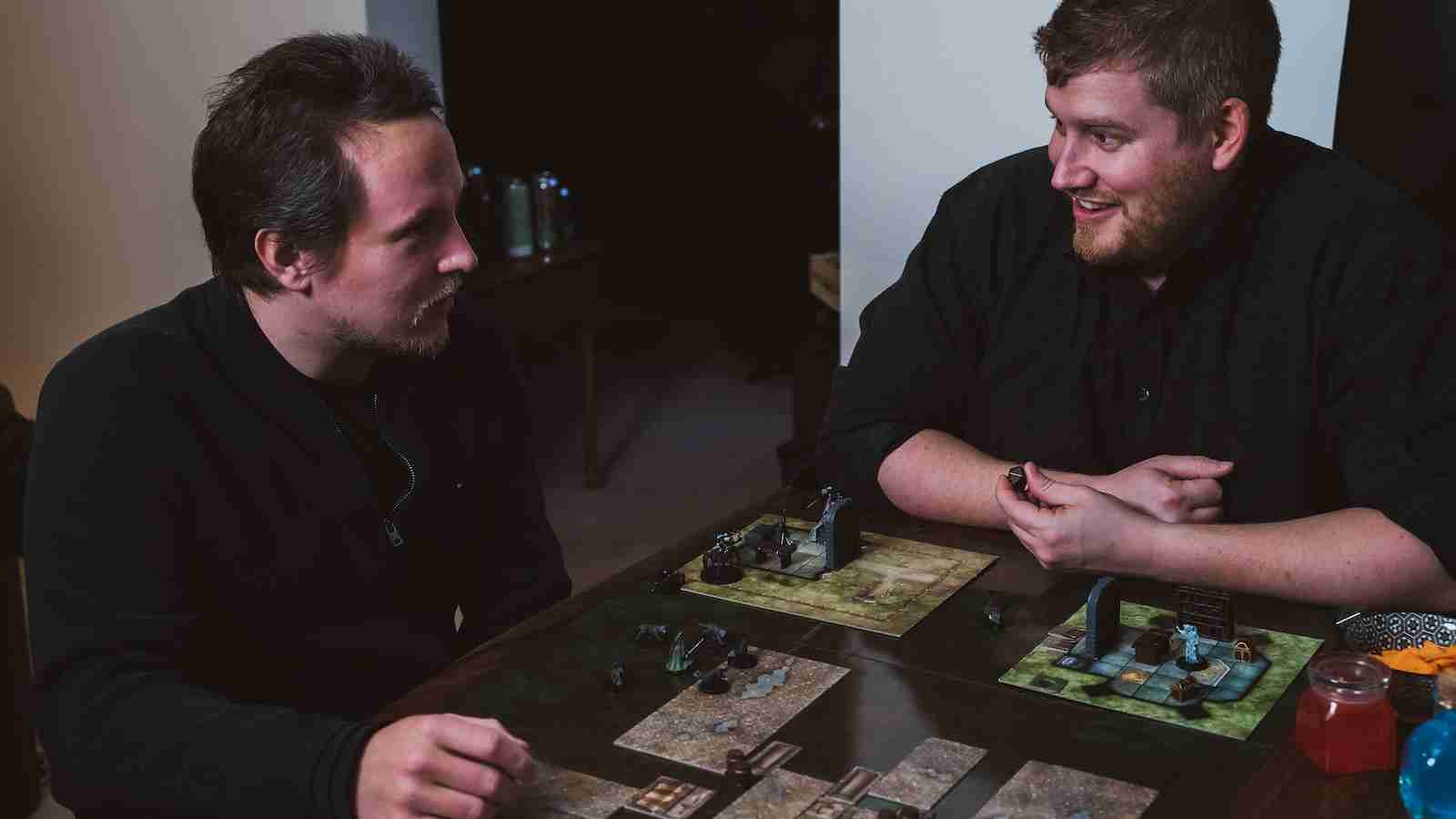
Finally, but certainly not least, is the community it fosters. Teotihuacan has brought together enthusiasts from all walks of life, driving conversations, strategy discussions, and even light-hearted rivalries. It creates an environment where friends can gather, share laughs, and engage in healthy competition. This sense of camaraderie is invaluable, making each game night not just about winning, but about cherishing the experience and connections forged along the way.
So, there you have it. From its historical theme to engaging mechanics and the vibrant community that rallies around it, Teotihuacan: City of Gods isn’t just a board game; it’s a phenomenon—a journey through time that continues to captivate players worldwide. Grab your tokens, and let’s build the next great pyramid!
What Makes The Board Game Teotihuacan: City Of Gods So Popular?
What Makes The Board Game Teotihuacan: City Of Gods So Popular?
- Teotihuacan: City of Gods is a standout title in modern board games, attracting players consistently.
- The game immerses players in ancient Mesoamerican history, mythology, and culture.
- Players engage in building temples, managing resources, and competing for prestige.
- It features integrated worker placement and resource management mechanics that require strategy and adaptability.
- The vibrant artwork and thematic components enhance the immersive experience for players.
- Teotihuacan fosters a strong community, encouraging discussions and camaraderie among players.
- Overall, it is more than a game; it’s a phenomenon that captivates players around the world.
What Makes The Board Game Teotihuacan: City Of Gods So Popular?
Table Of Contents
- What Makes The Board Game Teotihuacan: City Of Gods So Popular?
- How Does The Theme Enhance Player Engagement In Teotihuacan?
- What Strategies Can Players Adopt To Succeed In Teotihuacan?
- How Does Player Interaction Shape The Experience In Teotihuacan?
- What Role Does Resource Management Play In The Game’s Appeal?
- How Does Teotihuacan Balance Complexity And Accessibility?
- What Are The Visual Elements That Contribute To Its Popularity?
- How Do Expansions And Variations Impact The Game’s Allure?
- What Can Be Learned From The History Behind Teotihuacan?
- How Have Reviews And Community Feedback Shaped Its Reputation?
- How Does Player Decision-Making Influence Outcomes In The Game?
- What Makes The Replay Value Of Teotihuacan High?
- How Do Solo And Group Play Compare In Teotihuacan?
- What Elements Create A Sense Of Immersion In The Game?
- How Has The Game’s Design Evolved Since Its Release?
- Conclusion
- Other Resources
- Glossary Of Terms
- Other Questions
- Haiku
- Poem
- Checklist
How Does The Theme Enhance Player Engagement In Teotihuacan?
In the vast landscape of board games, each title brings something unique to the table, but few are as captivating as Teotihuacan: City of Gods. It’s not just a game about building a civilization; it’s an evocative journey through the rich tapestry of Aztec culture that hooks players in from the first roll of the dice. The theme of Teotihuacan does more than merely provide a backdrop for gameplay; it cultivates a vibrant environment that enhances player engagement in ways that are both subtle and profound.
Picture this: players aren’t merely competing to gather resources or construct pyramids; they’re stepping into the sandals of ancient architects, navigating the complexities of a city teeming with life, ambition, and spirituality. The game’s thematic elements breathe life into the mechanics. Every action taken—be it farming, working in the obsidian mines, or tending to the Temple of the Sun—feels intrinsically tied to the grand narrative of the Aztec civilization. This synergy between theme and mechanics means you’re not just playing—you’re storytelling.
What truly sets Teotihuacan apart is its dichotomy of actions against the backdrop of a bustling city that evolves with each player’s turn. As you build your empire, you can almost hear the echoes of footsteps on the stone paths, feel the weight of the towering pyramids emerging from the earth, and sense the reverence of rituals performed under the watchful gaze of the celestial bodies. The theme doesn’t just enhance gameplay; it envelops you in an experience where every choice resonates with historical significance, drawing players deeper into the narrative.
Moreover, thematic depth fosters player interaction; alliances become strategic as players work towards the common goal of honoring the gods. The competitive yet cooperative elements reinforce the feel of a thriving community, where you’re both comrades and rivals. As the game unfolds, each session feels like a new chapter in a never-ending saga, with personal stories and collective triumphs influencing how players connect with one another.
In essence, the rich theme of Teotihuacan is an engaging embrace that transforms a simple pastime into a shared odyssey. It invites players into a world that resonates with history, immersing them in a narrative that is as much about competition as it is about collaboration, legacy, and ambition. So, as you delve into this game, know that you’re not just participants; you’re active contributors to a saga that has echoes reaching far beyond the playing surface.
How Does The Theme Enhance Player Engagement In Teotihuacan?
How Does The Theme Enhance Player Engagement In Teotihuacan?
- Teotihuacan: City of Gods offers a unique and captivating board gaming experience.
- The game immerses players in the rich tapestry of Aztec culture, enhancing engagement.
- Players step into the roles of ancient architects navigating a vibrant, complex city.
- Actions in the game, like farming or mining, are tied to the narrative of Aztec civilization.
- Dynamic gameplay evolves with each player’s turn, creating a compelling storytelling experience.
- Thematic depth fosters alliances and strategic interactions among players.
- Teotihuacan transforms gaming into a shared odyssey focused on competition, collaboration, and legacy.
How Does The Theme Enhance Player Engagement In Teotihuacan?
What Strategies Can Players Adopt To Succeed In Teotihuacan?
When it comes to conquering the ancient streets of Teotihuacan, it’s not just about rolling dice and hoping for the best; it’s about strategy, planning, and a touch of cunning. To succeed in this captivating game, players must embrace certain tactics that will elevate their gameplay from mere survival to thriving amidst the ruins of this Mesoamerican marvel.
First and foremost, understanding the importance of resource management is crucial. In Teotihuacan, players juggle a variety of resources—stone, gold, and knowledge, to name a few. Efficiently gathering and utilizing these resources can make the difference between a thriving civilization and a crumbling one. Focus on upgrading your workshops and investing in crafting buildings early on. These upgrades not only provide immediate benefits but also set the foundation for compound gains later in the game.
Next, consider diversification in your strategies. Sticking to one resource or pathway can limit your opportunities and make you an easy target for more adaptable players. Explore different avenues for victory points: focus on building temples, enhancing your character’s standing, or acquiring new technologies. Not only does this give you flexibility, but it also keeps your opponents guessing.
Timing is everything in Teotihuacan, so don’t neglect the power of planning your movements. As you advance through the game, remember that the sun rises and sets in cycles. Each round, the sun influences your actions, so don’t get caught off guard. Keep track of your opponents’ movements and try to predict their next steps. If you can stay one step ahead, you’ll have the upper hand when it comes to securing key locations and resources.
Then, there’s the matter of worker placement. Choose your spots wisely—while it might be tempting to follow the crowd, sometimes it pays to claim less-trafficked zones. A solitary worker in a quieter sector can yield rich rewards without the fierce competition faced in the bustling markets of Teotihuacan.
Lastly, fostering good relationships with fellow players can lead to strategic alliances, or at the very least, a certain level of informed decision-making. Just like in life, knowing when to cooperate or compete can amplify your chances of success. Remember, in this game, it’s not just the destination that counts; the journey through the ancient city of Teotihuacan requires wisdom, creativity, and a dash of fortitude. Embrace the challenge, and you just might find yourself on top of the pyramid!
What Strategies Can Players Adopt To Succeed In Teotihuacan?
What Strategies Can Players Adopt To Succeed In Teotihuacan?
- Success in Teotihuacan requires strategy, planning, and cunning rather than sheer luck.
- Understanding resource management, including stone, gold, and knowledge, is crucial for thriving civilization.
- Focus on early upgrades of workshops and crafting buildings for immediate and long-term benefits.
- Diversification in strategies helps avoid predictability and opens multiple avenues for victory points.
- Timing and planning movements are essential; track the sun cycles and opponents’ actions for an advantage.
- Choose worker placement spots wisely, sometimes avoiding crowded zones for better rewards.
- Foster relationships with fellow players to build strategic alliances and improve decision-making.
What Strategies Can Players Adopt To Succeed In Teotihuacan?
How Does Player Interaction Shape The Experience In Teotihuacan?
Player interaction in Teotihuacan is not just a sidebar; it’s central to the gravity of the game itself. In this ancient Mesoamerican tableau, players are not merely competitors, but fellow architects of their collective destiny, weaving a narrative through strategic decisions and shared experiences.
At its core, Teotihuacan thrives on the delicate balance between cooperation and competition—a dance, if you will, that brings every game session to life. Each player embodies a distinct faction, striving to enhance their pyramids while strategically maneuvering around others. Here, the stakes are personal, yet the game masterfully emphasizes the impact of each action on the wider tableau. Do you expand your influence by maximizing your resources and playing it safe? Or do you take bold strokes, disrupting your opponents and claiming the upper hand? The choices are deliciously complex and can send ripples through the fabric of gameplay.
Now, let’s dive into the actions that define interaction. When players decide to embrace a shared space on the board—be it a temple or a resource location—this is where things get intriguing. These moments of contact create tension, prompting negotiations and subtextual alliances. You’re vying for the same resources, and it’s not just about who can grab the most tiles; it’s about the art of persuasion. Do you strategize quietly, or do you bluff and bicker to throw your competitors off their game? You might even find yourself crafting a verbal truce, a unification for mutual benefit, and then—bam!—a betrayal that flips the whole scenario on its head.
Moreover, the passage of time in Teotihuacan adds another layer to player interaction. The game’s innovative action selection mechanism creates a sense of urgency as turn order shifts. Do you leap in and take an essential action, knowing you could upset the carefully laid plans of others? Each choice matters, and the constant push and pull between players injects heart-pounding drama as everyone navigates shifting alliances and looming threats.
In essence, player interaction in Teotihuacan transforms the game into more than just a contest of efficiency and strategy; it becomes a living narrative, sculpted by choices, alliances, and even rivalries. Players don’t just shape the game—they shape each other’s experiences, creating a rich tapestry that underscores the beauty of competition in pursuit of a shared goal. So, lace up your strategist boots and dive in; in Teotihuacan, every interaction sparks a story worth telling.
How Does Player Interaction Shape The Experience In Teotihuacan?
How Does Player Interaction Shape The Experience In Teotihuacan?
- Player interaction is central to the gameplay in Teotihuacan, emphasizing collaboration and competition.
- Each player represents a unique faction, working to enhance their pyramids while navigating the actions of others.
- Choices are complex and impactful, influencing not just the individual player but the overall game environment.
- Shared spaces on the board lead to moments of tension, negotiation, and potential alliances between players.
- Strategies can include bluffing, bickering, or forming temporary truces, creating dynamic social interactions.
- The game’s innovative action selection mechanism introduces urgency and shifts in turn order, complicating decision-making.
- Overall, player interactions transform the game into a living narrative, shaping experiences through choices and rivalries.
How Does Player Interaction Shape The Experience In Teotihuacan?
What Role Does Resource Management Play In The Game’s Appeal?
In the fast-paced world of gaming, where pixels dance and strategies clash, one ingredient often stands out as the unsung hero: resource management. It’s the backbone of many beloved titles, transforming a simple escapade into a complex tapestry of decision-making and strategic prowess. It’s not just about gathering gold or hoarding supplies; it’s about understanding that every choice has consequences, and successful resource management can mean the difference between triumph and defeat.
At its core, resource management requires players to juggle various elements—be it time, materials, or energy—while keeping an eye on the bigger picture. This process can be likened to conducting an orchestra where every instrument plays a crucial role. Without careful attention to resource allocation, you could find your symphony turning into a cacophony. Want to build that colossal fortress? You’ll need to strategize your wood and stone collection. Planning to wage war against a neighboring faction? You better have your troops outfitted and your supplies in check. It’s a balancing act that brings a layer of depth to gameplay, enticing players to delve deeper into their choices.
The appeal of resource management in games also lies in its ability to engage players on a cognitive level. It’s a puzzle waiting to be solved, one that asks, “What happens if I do this?” Players are invited to experiment, adjust, and adapt their strategies, creating a sense of ownership over their decisions. Whether you’re trading resources in a vivacious market or deciding when to invest in upgrades, every move matters. This dynamic not only fosters critical thinking but also cultivates a sense of satisfaction when players see their well-laid plans come to fruition.
Furthermore, resource management has a knack for creating a palpable tension that keeps players on the edge of their seats. As supplies dwindle and obstacles arise, the pressure mounts. Will you gamble on that risky trade, or play it safe and fortify your defenses? The suspense of making high-stakes decisions draws players in, heightening their emotional investment in the game.
In a world littered with mindless button-mashing, resource management emerges as a beacon of thoughtful gameplay. It challenges players to be strategic, adaptive, and engaged. It turns games into experiences that stick with you long after the last level is complete, making every victory feel earned rather than given. When executed well, resource management not only enhances the game’s complexity but elevates its overall appeal, keeping players hungry for more.
What Role Does Resource Management Play In The Game’s Appeal?
What Role Does Resource Management Play In The Game’s Appeal?
- Resource management is a crucial aspect of many popular games, enhancing gameplay through strategic decision-making.
- It involves balancing elements like time, materials, and energy while maintaining a focus on broader objectives.
- Effective resource allocation is compared to conducting an orchestra, where each part contributes to the overall success.
- This gameplay element engages players cognitively, encouraging experimentation and fostering a sense of ownership over decisions.
- Resource management adds tension and suspense, pushing players to navigate risks and make high-stakes decisions.
- It promotes strategic thinking and adaptability, enriching the player’s experience beyond mere button-mashing.
- When done well, it enhances the complexity and appeal of games, leaving players eager for more challenges.
What Role Does Resource Management Play In The Game’s Appeal?
How Does Teotihuacan Balance Complexity And Accessibility?
Teotihuacan, an ancient city nestled in the highlands of central Mexico, has long been a focal point for archaeologists and historians alike. What makes this intriguing site so captivating is its remarkable ability to balance complexity with accessibility. Picture this: an urban sprawl that once housed upwards of 100,000 people, bustling with the energy of merchants, artisans, and leaders, all orchestrating the grand tapestry of daily life. Yet, despite its enormity and intricate societal structure, Teotihuacan remains approachable in a way that truly resonates with visitors and researchers today.
At the heart of this balance lies the city’s impressive architectural layout. The two main thoroughfares, the Avenue of the Dead and the Street of the Dead, stretch out like the veins of this thriving metropolis. They invite exploration, leading you from the towering Pyramid of the Sun to the monumental Pyramid of the Moon. Each step down these paths reveals layers of history, from the murals that adorn temple walls to the remnants of vibrant marketplaces. This accessibility encourages curious minds to engage with the remnants of a civilization that, while complex in political and social structure, welcomes you to marvel at its artistry and scale.
However, don’t let the inviting layout fool you—Teotihuacan’s complexity is woven into its very fabric. The city was a melting pot of cultures, belief systems, and traditions. The complex religious rituals, with an array of gods and goddesses, reveal a cosmology that is anything but straightforward. Yet, the beauty of Teotihuacan is that it offers clues through its art and symbolism that anyone, regardless of their background, can begin to decode. The vibrant colors of the murals, the careful craftsmanship of everyday objects, and even the layout of the structures speak volumes about the lives of those who walked those streets centuries ago.
This interplay of complexity and accessibility acts as an invitation—a siren call to dig deeper. Visitors can appreciate the grandeur of the pyramids while getting a sense of the daily rhythms that defined the lives of Teotihuacan’s inhabitants. It’s a delicate dance, where the intricacies of an ancient civilization harmonize with the simple wonder of exploration. So whether you’re an avid historian or just a curious traveler, Teotihuacan opens its arms, proving that complexity doesn’t have to be intimidating; it can be an invitation to discover.
How Does Teotihuacan Balance Complexity And Accessibility?
How Does Teotihuacan Balance Complexity And Accessibility?
- Teotihuacan is an ancient city in central Mexico, notable for its complexity and accessibility.
- At its height, Teotihuacan housed over 100,000 people, including merchants, artisans, and leaders.
- The city features key thoroughfares, such as the Avenue of the Dead, leading to significant structures like the Pyramid of the Sun and the Pyramid of the Moon.
- Visitors can explore layers of history through murals, temples, and marketplaces, enhancing engagement with the past.
- Teotihuacan was a cultural melting pot, with complex religious rituals and a diverse cosmology.
- The city’s art and symbolism provide accessible clues to understanding its intricate societal makeup.
- Teotihuacan invites exploration and discovery, making it appealing to both historians and curious travelers alike.
How Does Teotihuacan Balance Complexity And Accessibility?
What Are The Visual Elements That Contribute To Its Popularity?
When we talk about visual elements that contribute to a piece of content’s popularity, we’re really diving into the nuts and bolts of what keeps the audience engaged. It’s like crafting a well-tuned engine; every aspect needs to run smoothly to create the right impact.
First off, let’s address color. Color is more than just a pretty hue splashed across a page; it evokes feelings and sets the mood. Bright, vibrant colors can inject energy and excitement, while softer pastels might soothe and comfort. Think about how a bold red can draw your eye, or how earthy greens can evoke a sense of peace. This psychological play is essential, creating a visceral response in viewers that draws them in, making them feel a part of the story.
Now, onto composition. The way elements are arranged plays a vital role in directing the viewer’s gaze. A well-composed shot isn’t just about placing things; it’s about rhythm and flow. Techniques like the rule of thirds or leading lines are like a map, guiding the viewer’s eye to where we want it to go. When done right, it creates a visual narrative that can lead to deeper engagement, essentially telling a story without uttering a word.
And let’s not forget about the importance of imagery. Striking photographs or illustrations can often convey more than text ever could. A single image can transport someone to another world, spark a memory, or provoke curiosity. In a crowded digital landscape, unique and compelling images stand out like a lighthouse in a storm, guiding viewers to the shore of your message.
Text and typography deserve their spotlight too. Fonts aren’t just about legibility; they contribute to the overall tone and mood of the piece. A whimsical font can inject fun and charm, while a sleek, modern typeface can suggest sophistication and professionalism. The interplay between text and visuals needs to feel harmonious; they should complement each other to create a cohesive narrative.
Finally, let’s touch on movement. In our fast-paced digital world, dynamic elements like animations or videos can capture attention in a way static images simply can’t. Movement draws the eye and can pique curiosity, pulling viewers deeper into the content.
When you blend these elements—color, composition, imagery, typography, and movement—you create a visual powerhouse that not only grabs attention but holds it. That’s the secret sauce to crafting content that resonates and endures.
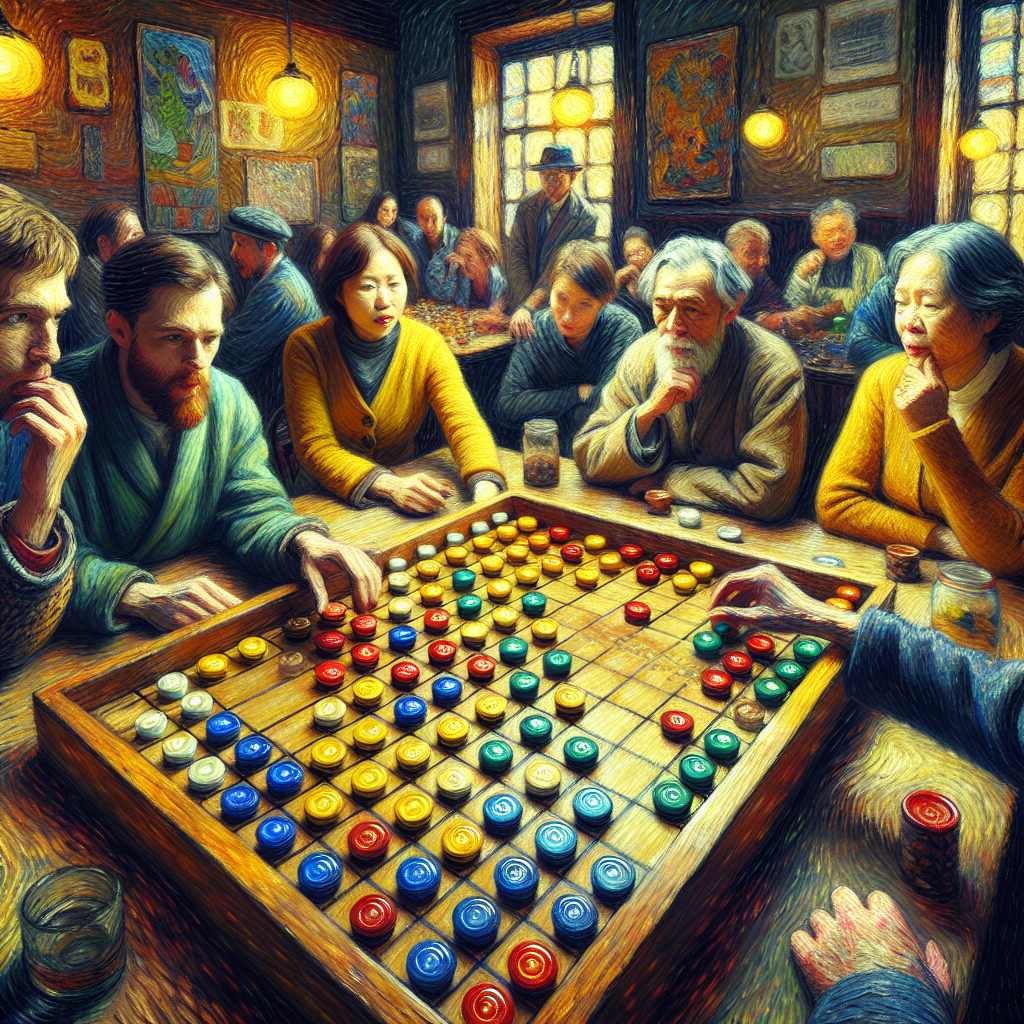
What Are The Visual Elements That Contribute To Its Popularity?
What Are The Visual Elements That Contribute To Its Popularity?
- Visual elements are crucial for engaging the audience and enhancing content popularity.
- Color plays a significant role by evoking emotions and setting the mood, influencing viewer perception.
- Composition is essential for guiding the viewer’s gaze, utilizing techniques like the rule of thirds and leading lines.
- Imagery, through striking photographs or illustrations, can convey messages more powerfully than text alone.
- Text and typography influence the tone and mood of content, requiring a harmonious interaction with visual elements.
- Dynamic components such as animations and videos capture attention effectively in a fast-paced digital environment.
- Combining color, composition, imagery, typography, and movement creates impactful content that resonates and endures.
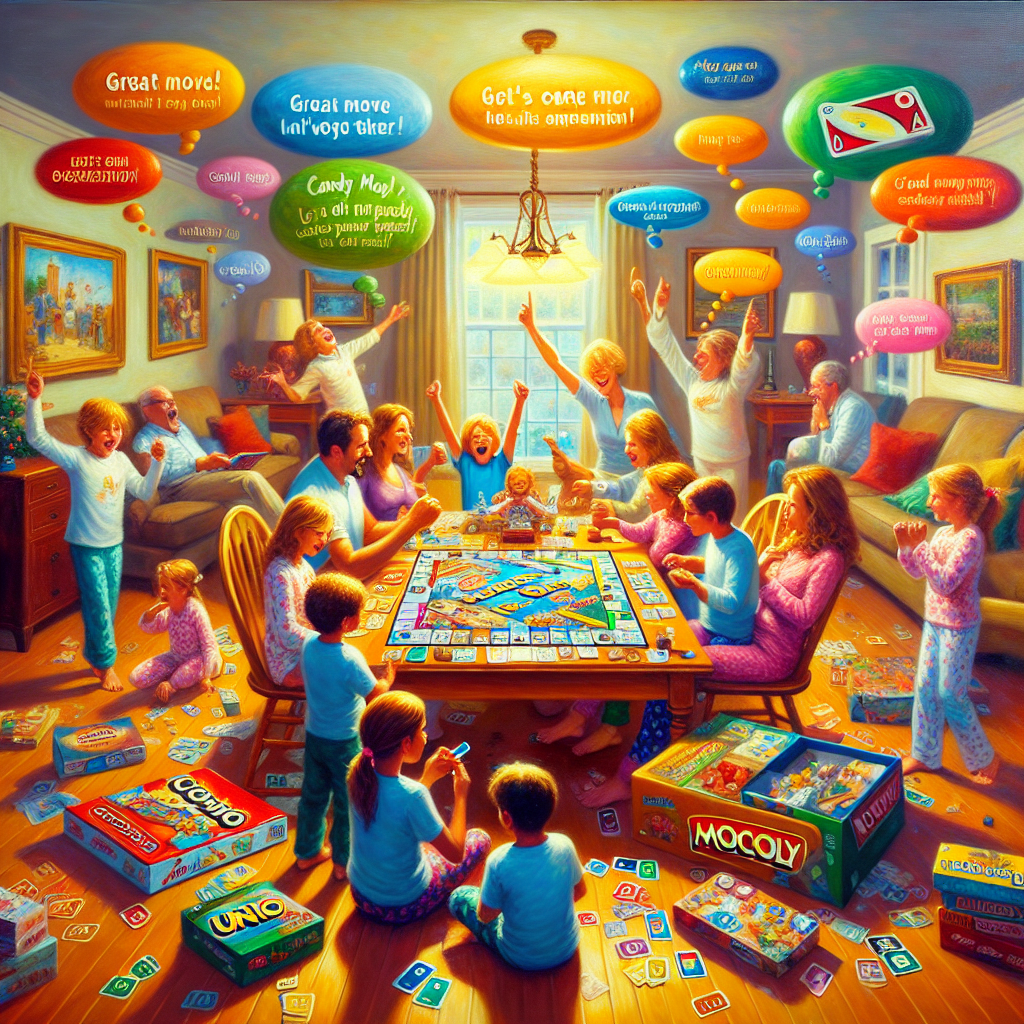
What Are The Visual Elements That Contribute To Its Popularity?
How Do Expansions And Variations Impact The Game’s Allure?
When we think about the heart of a game, it’s easy to get caught up in what’s right at the center—the mechanics, the story, the characters. But there’s a whole universe that exists beyond those core elements, and that universe is ever-expanding thanks to expansions and variations. Just like a well-tended garden, these components enrich the soil of gameplay, allowing the entire experience to flourish.
Expansions often serve as the lifeblood that rejuvenates a game, breathing new life into familiar territory. They take what players love and pile on fresh content—be it new quests, characters, or gameplay mechanics—that stir up excitement. Imagine stepping into a landscape that feels both comfortably known and thrillingly different. You’re still in the same place, but now that same old terrain is dotted with unexplored nooks and crannies just waiting to be discovered. It enhances engagement, inviting both seasoned veterans and curious newcomers to dive in and venture forth.
Then we have variations, those innovative twists that offer players an alternative perspective on what they already adore. Think of them as friendly little detours on a well-worn path. They shake up the dynamics of game systems in ways you never thought possible—introducing new rules, formats, or even entire genres that keep players on their toes. Be it a spin-off, a drastically altered rule set, or a mash-up with another beloved franchise, variations allow players to experience the familiar in a brand-new light. Is it a risk? Sure, but it’s often one that pays off in dividends of excitement.
The allure of these additions isn’t merely about quantity; it’s about quality of experience. Expansions and variations don’t just add to the playtime; they deepen the narrative and broaden the emotional reach of a game. They enable developers to explore themes and ideas that the original might not have had time to address. Players find themselves more invested, engaged, and ultimately, more loyal to a game that seeks to grow and change.
In this age of gaming, where competition is fierce, staying relevant is key. Expansions and variations are not just a way to keep the candle burning—they’re a whole new framework to build upon, ensuring the game’s fire continues to glow brightly for years to come. The result? A living, breathing entity that captivates us in a way that is anything but ordinary.
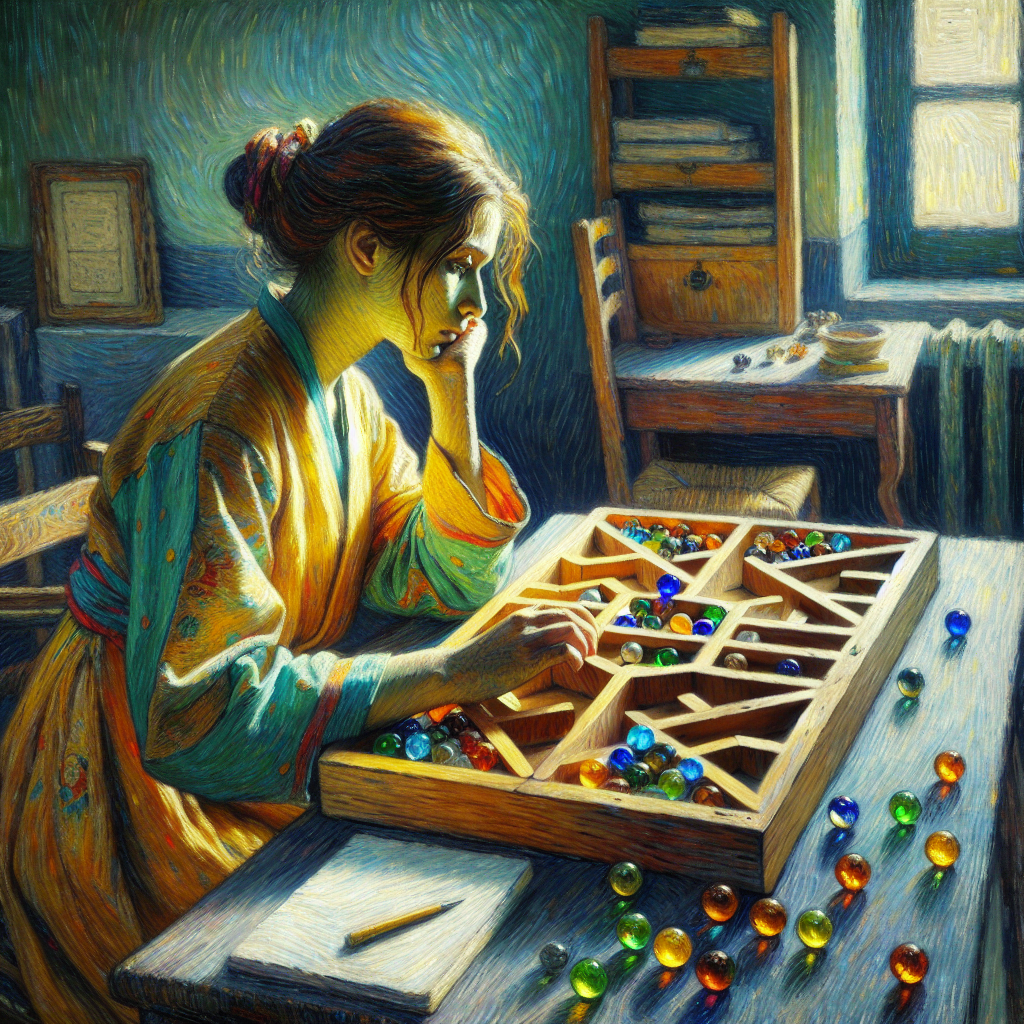
How Do Expansions And Variations Impact The Game’s Allure?
How Do Expansions And Variations Impact The Game’s Allure?
- The heart of a game involves mechanics, story, and characters, but there’s an expansive universe beyond these core elements.
- Expansions rejuvenate a game by introducing new content like quests, characters, and mechanics, creating a sense of novelty while retaining familiarity.
- They enhance player engagement, appealing to both seasoned veterans and newcomers ready for exploration.
- Variations provide alternative perspectives and innovative twists on beloved gameplay elements, often altering game dynamics.
- They introduce new rules and formats, or even merge with other franchises, offering familiar experiences in a fresh light.
- Expansions and variations enhance the quality of the gaming experience by deepening narratives and broadening emotional engagement.
- In a competitive gaming landscape, they serve as crucial frameworks for long-term relevance and player loyalty, ensuring the game remains vibrant.
How Do Expansions And Variations Impact The Game’s Allure?
What Can Be Learned From The History Behind Teotihuacan?
Teotihuacan, an ancient Mesoamerican city, beckons us with the mysteries of its past, urging us to dig deeper into its history. What stands as a silent testament to a once-thriving civilization offers invaluable lessons about human ingenuity, societal structure, and the cyclical nature of prosperity and decline.
First off, consider the sheer scale of Teotihuacan. Built around 200 CE, it sprawled across 20 square kilometers and housed thousands of inhabitants at its peak. The meticulous planning behind its architecture—think the magnificent Pyramids of the Sun and Moon—demonstrates advanced engineering skills that were far ahead of their time. This suggests a society that valued collaboration, expertise, and a shared vision. In our own fast-paced world, we can learn that the power of collective effort often leads to achievements that surpass individual capabilities.
Moreover, Teotihuacan teaches us about trade and cultural exchange. The city was a melting pot of cultures, where artisans and traders from various regions converged. This exchange wasn’t just about goods; it was about ideas, customs, and lifestyles. Today, this serves as a reminder of the importance of diversity and cooperation in fostering innovation and resilience among communities. The more we embrace varied perspectives, the more robust our society can become.
Yet, not everything was perfect in Teotihuacan. There are indications that the city faced internal strife and resource challenges, leading to its eventual decline around 700 CE. This serves as a poignant lesson about sustainability—both in managing resources and in ensuring social cohesion. As we confront our own environmental and social challenges, the rise and fall of Teotihuacan remind us that neglecting our ecosystems or allowing division among our people can lead to dire consequences.
Lastly, consider the legacy of Teotihuacan. While the civilization as we knew it faded, its influence persisted—manifesting in later cultures and even modern cities. It underscores the idea that our actions, achievements, and even failures can echo through time, affecting generations beyond our own.
In essence, the story of Teotihuacan is not just about an ancient city; it’s a mirror reflecting our own civilization’s potential and pitfalls. As we explore its ruins, let’s take a moment to connect the dots between the past and our present, applying those lessons as we carve out our future.
What Can Be Learned From The History Behind Teotihuacan?
What Can Be Learned From The History Behind Teotihuacan?
- Teotihuacan is an ancient Mesoamerican city rich in history, representing the complexities of human civilization.
- It was built around 200 CE, spanned 20 square kilometers, and housed thousands of residents, showcasing advanced engineering and architectural planning.
- The city reflects the power of collaboration and shared vision, emphasizing how collective efforts can lead to significant achievements.
- Teotihuacan was a hub of trade and cultural exchange, highlighting the importance of diversity and cooperation in fostering innovation.
- Despite its grandeur, the city experienced internal strife and resource challenges, leading to its decline around 700 CE, serving as a lesson in sustainability.
- The legacy of Teotihuacan lives on, influencing later cultures and reminding us that our actions can have long-lasting effects.
- The story of Teotihuacan serves as a reflection of our own civilization, urging us to learn from the past as we shape the future.
What Can Be Learned From The History Behind Teotihuacan?
How Have Reviews And Community Feedback Shaped Its Reputation?
In the vast landscape of products and services, it’s no secret that the voice of the crowd carries significant weight. Reviews and community feedback are the modern-day megaphones, amplifying both praise and criticism in equal measure. In a world where a single star can tip the balance and sway a mountain of consumer decisions, understanding how these opinions shape reputation is essential.
Consider this: every rating and review is like a pebble dropped into a pond. The ripples extend far beyond the initial splash. When a product hits the market, it becomes a part of a collective conversation—a dialogue that’s not just about what it does, but how it makes people feel. One glowing review can turn a unknown gadget into the hottest ticket in town, while a few scathing remarks can drown out the cheers before the product even gets off the ground.
Community feedback isn’t just relegated to the stars and the written word, though. Social media has transformed the way we communicate our experiences. A single tweet or Instagram post can fire up a wildfire of curiosity or prompt a backlash, fueled by the engagement that follows. Brands that understand the pulse of their community and respond thoughtfully can not only salvage their reputation but also build a lasting bond with consumers. Those that ignore the echoes of discontent often find themselves standing on shaky ground.
Take the example of a product launch that saw initial excitement taper into disappointment as consumers voiced their concerns. With a few honest reviews highlighting the flaws, the brand faced a crossroads. They could dig in their heels, clinging to their original vision, or listen to the collective wisdom of their audience, making the necessary adjustments to restore faith. The latter option often proves to be a turning point—companies that embrace feedback and evolve earn respect, loyalty, and, ultimately, a reputation that stands the test of time.
The bottom line is this: community feedback is not just an echo chamber for opinions; it’s a blueprint for improvement. The best brands will not only recognize the influence of reviews but actively seek them out, turning the noise into a symphony of progress. By fostering a relationship with their audience, they transform detractors into advocates, ensuring that the ripples continue to spread in a positive direction, ultimately shaping a reputation built on trust, authenticity, and a commitment to excellence.
How Have Reviews And Community Feedback Shaped Its Reputation?
How Have Reviews And Community Feedback Shaped Its Reputation?
- The voice of the crowd significantly influences product and service reputation.
- Reviews and community feedback amplify consumer opinions, impacting decisions.
- Every rating creates ripples, affecting collective perceptions and discussions.
- Social media enhances the speed and reach of consumer experiences and reactions.
- Brands that respond to feedback can strengthen their reputation and bonds with consumers.
- Companies that embrace constructive criticism can improve their offerings and build loyalty.
- Community feedback serves as a blueprint for improvement, fostering trust and authenticity.
How Have Reviews And Community Feedback Shaped Its Reputation?
How Does Player Decision-Making Influence Outcomes In The Game?
When the dust settles after the final whistle, or the last bullet has been fired, much of what we observe in a game can often be traced back to one fundamental element: decision-making. The decisions players make at crucial junctures are the very threads that weave together the rich tapestry of any match—confounding or thrilling, predictable or downright shocking.
Picture a quarterback in the pocket, glancing downfield. In that split second, he must assess his options, anticipate the defense’s move, and choose a path—pass to the open receiver, risk the throw, or tuck the ball and run. A wrong choice can lead to an interception, a lost opportunity, and perhaps a crushing defeat. The pressure is palpable. The weight of that decision carries more than the game’s outcome; it affects teammates, fans, and even a franchise’s trajectory.
In more strategic games, say, those played on digital platforms, the stakes may feel a bit different, yet they remain just as pivotal. Each player’s choice—be it the hero they select, the items they buy, or the strategies they employ—can shift the balance of power. In the grand scheme, every click or keystroke creates ripples, influencing not only individual performance but the group dynamic. One player’s hesitance could mean the difference between a hard-fought victory and a disheartening defeat.
Think about it: in cooperative games, effective decision-making is crucial not just for individual advancement but for team success. A well-timed ultimate ability, a strategically placed barricade, or an unexpected flank can turn the tide. The synergy created through thoughtful decision-making often defines a winning team. Conversely, poor coordination or indecisiveness exposes vulnerabilities, leaving players vulnerable to exploitation by opposing teams.
But it’s more than just skill; it’s the mental gymnastics of reading the game, predicting the opposition’s next move, and making split-second choices under pressure. The influence of psychology cannot be understated. Confidence can elevate a player’s decision-making process; fear or uncertainty can lead to hesitation and disaster.
Ultimately, the essence of any game lies not merely in the play itself but in the decisions that shape the play. Every choice creates a path, for better or worse, illustrating that in the world of games, no decision is too small and every moment counts. For players, fans, and everyone involved, understanding this can enhance not only the way we play but how we appreciate the beautiful chaos of competition.
How Does Player Decision-Making Influence Outcomes In The Game?
How Does Player Decision-Making Influence Outcomes In The Game?
- Decision-making is a fundamental element that influences the outcome of any game.
- Players must make quick assessments and choices, such as a quarterback deciding whether to pass or run.
- A single wrong decision can lead to significant consequences, affecting teammates, fans, and the franchise.
- In digital games, every player’s choice impacts both individual performance and group dynamics.
- Effective decision-making is critical for team success, especially in cooperative games.
- Psychology plays a key role in decision-making, where confidence can enhance choices and fear can lead to hesitation.
- Every decision in a game creates a path, highlighting the importance of choices in the overall experience of competition.
How Does Player Decision-Making Influence Outcomes In The Game?
What Makes The Replay Value Of Teotihuacan High?
When you approach Teotihuacan, the ancient city that once thrived in the heart of Mexico, you’re stepping into a beautifully complex tapestry of culture, strategy, and sheer human endeavor. But what transforms a visit into a revisitable experience, you ask? To put it simply, it’s all about layers—layers of options, strategies, and those ever-elusive moments of discovery that keep you coming back for more.
First off, let’s talk strategy. Teotihuacan isn’t just about building pyramids; it’s about constructing your own path to victory. Player decisions in this game are sharper than a obsidian blade. Every choice—whether to prioritize resources, develop your pyramid, or influence the ever-changing city dynamics—shapes your gameplay. With multiple strategies available to players, the potential for diverging paths is enormous. Your first playthrough might lead you down a road of agricultural dominance, while the next game could see you as the preeminent trade mogul. Each session becomes a different journey, rewarding diverse tactics and challenging players to think outside the box.
Then there’s the interaction with the board itself. As you climb the ranks and build your civilization, the layout changes. The asymmetrical board and shifting tiles provide a dynamic playing field where no two games play out the same. The city grows, changes, and responds to your decisions, mirroring the ebb and flow of a living being rather than a static battlefield. After a play, it’s almost unbearable not to hit that ‘reset’ button and try again, chasing the elusive balance between resource management and expansion.
And let’s not forget about the social aspect. Teotihuacan thrives on player interactions, from collaboration to conflicts. Each session becomes a unique social experiment—a blend of camaraderie and competition as you weave through the twists and turns of gameplay with friends and family. You share laughter, strategize over snacks, and maybe even engage in a little friendly banter, enriching the experience beyond mere numbers on a scoreboard.
Ultimately, it’s this captivating mix of strategic depth, variable gameplay, and engaging social dynamics that shot Teotihuacan straight to the top of the replayability charts. Each game is like a new chapter in an ancient story, inviting you back time and time again, wondering what hidden secrets you might uncover next within that magnificent city. So gather your friends and prepare for another journey—you never quite know where it might lead!

What Makes The Replay Value Of Teotihuacan High?
What Makes The Replay Value Of Teotihuacan High?
- Teotihuacan, an ancient city in Mexico, offers a complex blend of culture, strategy, and human endeavor.
- The game’s replay value comes from its layered options and strategies, providing a rich experience each time.
- Player decisions influence pathways to victory, allowing diverse strategies and varied outcomes for each playthrough.
- The dynamic board layout changes with player actions, ensuring that no two games are the same.
- Resource management and expansion create a challenging balance for players that invites repeated gameplay.
- Social interactions enhance the gaming experience, mixing camaraderie with competition among friends and family.
- This combination of strategic depth, variable gameplay, and social dynamics makes Teotihuacan highly replayable.
What Makes The Replay Value Of Teotihuacan High?
How Do Solo And Group Play Compare In Teotihuacan?
Teotihuacan, a mysterious city of ancient pyramids and vibrant murals, serves as the backdrop for a modern-day board game where players dive into the world of its builders, navigating a tapestry of strategy and resource management. But one question looms over this splendid time-traveling experience: how do solo and group play compare in this richly crafted game?
When you venture into Teotihuacan solo, you might initially feel like an explorer marching through a deserted landscape. The game allows you to immerse yourself completely, crafting your own strategy and pacing your decisions like a sculptor chiseling an intricate statue. There’s no need to pause for others; you can dwell on your plans and adapt your gameplay to a rhythm that feels uniquely yours. The beauty of solo play lies in the solitude, offering a space for introspection and long-term strategy development. You can take risks without the anxiety of competition, letting the game unfold like a slow, exquisite dance rather than a frantic sprint.
But then, as the sun sets and the shadows grow long, you gather some friends around the table and transition to the group dynamic. Suddenly, the atmosphere, once serene like a quiet temple, fills with the energy of spirited competition. Here, decisions become entwined with the moves of others, creating a vibrant tapestry of strategies and counter-strategies. The game evolves into an exhilarating social event, where laughter mixes with playful jabs as players navigate the tumultuous waters of competition. Your timing becomes crucial, as you try to predict and outsmart your fellow architects of civilization who are all vying for those coveted points of glory.
In group play, the stakes feel amplified, and every decision takes on a new layer of complexity. Will you take that resource you need, knowing someone else is eyeing it? Will you build toward the Sun Pyramid, risking it all for the ultimate glory, or will you play it safe? Interaction becomes key, transforming what could be a solitary journey into a lively debate, where alliances can form and dissolve in the blink of an eye.
Whether you prefer the contemplative pace of solo play or the charged energy of group sessions, Teotihuacan promises an adventure that reveals the full depth of its strategies. Each mode offers its own unique experiences, ensuring that no matter how you choose to enjoy the game, the ancient city will leave its mark on your gaming heart.
How Do Solo And Group Play Compare In Teotihuacan?
How Do Solo And Group Play Compare In Teotihuacan?
- Teotihuacan features ancient pyramids and vibrant murals as a backdrop for a modern board game.
- Solo play allows for complete immersion, strategic crafting, and introspection without competition.
- The beauty of solo play lies in pacing choices, creating a unique rhythm to the game.
- Group play transforms the atmosphere into a competitive and energetic social event.
- Decisions in group play are influenced by other players, adding complexity and excitement.
- Interaction becomes crucial, fostering alliances and rivalries among players.
- Both solo and group experiences offer unique adventures and depth in strategy within the game.
How Do Solo And Group Play Compare In Teotihuacan?
What Elements Create A Sense Of Immersion In The Game?
In the vast landscape of gaming, the allure of immersion is akin to stepping through a portal into another world. It’s that magical moment when the boundaries of reality blur, and the player finds themselves not merely observing, but actively participating in a richly woven tapestry of experiences. So, what are the elements that foster this profound sense of immersion in a game?
First and foremost, let’s talk about narrative. A compelling storyline acts as the backbone of any immersive experience. Players yearn for plots that pull them in, filled with relatable characters and moral dilemmas that resonate on a deeper level. It’s not just about saving the world; it’s about understanding the motivations behind the characters’ choices and experiencing the emotional weight of those decisions. When a game’s narrative is crafted with care, players can’t help but invest their own feelings into the outcomes.
Next up, we have the art and design. Visuals in gaming have reached astounding levels of sophistication, but it’s not merely about high-resolution graphics. It’s about creating an atmosphere—the environments should evoke moods that enhance the narrative. Think sun-drenched meadows or fog-laden cities—each element working in tandem to draw players deeper into the experience. The right visual storytelling can make a player feel like they’re exploring a living, breathing world.
Then, we need to consider sound. The auditory landscape of a game can be just as engaging as its visual counterpart. A haunting score can amplify tension, while subtle ambient sounds—chirping birds, rustling leaves—can ground the player in their surroundings. Voice acting, too, plays a crucial role—strong performances can breathe life into characters and evoke emotions that resonate with the player.
But let’s not overlook the importance of interactivity. A truly immersive game invites players to make meaningful choices and face the consequences. When players are given the reins to shape the story and define outcomes, their investment deepens. Whether it’s solving puzzles, battling foes, or exploring vast worlds, every action contributes to an organic and personal narrative unfolding in real-time.
Finally, we must recognize the role of community. Multiplayer experiences can create bonds among players, turning a solitary journey into a shared adventure. The dialogue, competition, and camaraderie foster a sense of belonging that enhances immersion.
So, the next time you dive into a game, take a moment to appreciate these elements at play, each contributing to that exhilarating feeling of being somewhere else, engaged in an experience that stretches the limits of imagination.
What Elements Create A Sense Of Immersion In The Game?
What Elements Create A Sense Of Immersion In The Game?
- Immersion in gaming: Players experience a blurring of reality, actively participating in vivid game worlds.
- Narrative: A compelling storyline with relatable characters and moral dilemmas deepens emotional investment.
- Art and design: High-quality visuals create mood and atmosphere, enhancing the storytelling experience.
- Sound: A powerful auditory landscape, including music and ambient sounds, enriches the gaming experience.
- Interactivity: Meaningful choices and consequences allow players to shape the story, fostering deeper engagement.
- Community: Multiplayer experiences create social bonds, turning individual journeys into shared adventures.
- Overall experience: Each element contributes to a sense of being immersed in an imaginative and engaging world.
What Elements Create A Sense Of Immersion In The Game?
How Has The Game’s Design Evolved Since Its Release?
In the ever-evolving world of gaming, few titles have undergone as fascinating a transformation as this one. When it first hit the scene, it dazzled players with its innovative mechanics and immersive storytelling, a breath of fresh air in a medium that was still finding its stride. But as the years rolled on, the developers took to heart the feedback from their loyal community, understanding that a game should evolve not just with technology, but with the very people who play it.
Let’s rewind the clock for a moment. In those early days, the graphics were a far cry from today’s breathtaking visuals. The art style was a blend of pixelation and imagination — charming, yet somewhat limited by the constraints of the time. Fast forward to the latest iteration, and it’s clear: This is a polished gem, where each detail is crafted delicately, inviting players into a living, breathing world. The vibrant colors, the intricate environments, and the fluid animations have transformed a humble beginning into an awe-inspiring spectacle.
But graphics tell only part of the tale. The core game mechanics have been refinished and revamped in remarkable ways. Early iterations relied on a straightforward gameplay formula that, while engaging, lacked depth. It was fun, sure, but it was also somewhat predictable. Today, complexity and player freedom reign supreme. The developers have harnessed sophisticated algorithms and artificial intelligence, allowing for an experience that adapts to the player’s decisions. Every choice feels weighty, creating a rich tapestry of consequences that entices players to explore every nook and cranny of their virtual playground.
Moreover, community engagement has taken center stage in the game’s ongoing development. Players are no longer passive recipients of an entertainment product; they are active contributors to its evolution. With regular updates, expansion packs, and community-driven events, players have a hand in shaping the future of the game. The developers have embraced this collaborative spirit, turning feedback into action, ensuring that the game reflects the desires of its ever-growing fanbase.
In essence, this game is no longer just a title that sits on your shelf; it’s a living entity, continuously evolving. The immersive journeys, the community connections, the intricate designs—all these facets speak to a larger narrative: one of growth, understanding, and a shared love for this dynamic realm of digital escapism. As we look to the future, one thing’s for sure: the journey is far from over, and the next chapter promises to be even more exhilarating than the last.
How Has The Game’s Design Evolved Since Its Release?
How Has The Game’s Design Evolved Since Its Release?
- The game has transformed significantly since its initial release, evolving with technology and player feedback.
- Early graphics featured a pixelated art style, while modern visuals are now vibrant and intricately designed.
- Core game mechanics have been extensively refined, moving from a straightforward formula to a complex and engaging experience.
- The game now adapts to player decisions using advanced algorithms and artificial intelligence, enhancing interactivity.
- Community engagement is central to ongoing development, with players actively contributing to the game’s evolution.
- Regular updates and community-driven events create a collaborative atmosphere between developers and players.
- The game is a living entity, continuously growing and evolving, promising exciting future developments.
How Has The Game’s Design Evolved Since Its Release?
Conclusion
So, what’s all the buzz about Teotihuacan: City of Gods? As we’ve explored throughout this article, it’s more than just a board game; it’s a phenomenon wrapped up in a vibrant tapestry of strategy and storytelling that keeps players coming back for more. Let’s face it, in a sea of board games, Teotihuacan shines like the sun over its iconic pyramids. Why? It’s the perfect concoction of rich thematic immersion, intricate game mechanics, and a building community that fuels the fire of competition and camaraderie.
At the heart of its allure lies its captivating theme. Players don’t just move tokens; they’re stepping into the sandals of ancient architects, managing resources, and competing to honor the gods in a grand narrative of ambition and spirituality. This isn’t a simple board game; it’s an almost hypnotic journey through history that lets you feel the weight of your choices.
Then there are the mechanics. The marriage of worker placement and resource management creates a delightful tension; every move counts as you adapt to the ever-changing landscape of gameplay. The beauty of it? Each session feels fresh, like exploring the same ancient city but uncovering new secrets every time. The strategic depth ensures that no two games are the same, offering a multitude of paths to victory.
Let’s also address the stunning visuals! The artwork draws players in, transforming the game board into an eye-candy masterpiece. You can almost sense the pulse of the city, as bright colors and intricate designs pull you deeper into this realm.
But here’s the kicker—a strong community connections breathe life into Teotihuacan. Game nights become a blend of strategic rivalry and joyous bonding, where laughter and light-hearted banter fill the air. Players are not just opponents; they’re fellow explorers, sharing stories as they vie for supremacy in the ancient world.
In conclusion, Teotihuacan: City of Gods isn’t just another board game collecting dust on a shelf. It’s an experience that transcends the ordinary, inviting players into a world where strategy, culture, and togetherness intertwine. So, whether you’re gathering around a table with friends or diving into a solo adventure, prepare yourself—there’s always something more to uncover in this ancient city. Grab your tokens, and see what monumental stories await you next!

Conclusion
Conclusion:
- Teotihuacan: City of Gods is more than a board game; it’s a vibrant phenomenon of strategy and storytelling.
- The game immerses players in the roles of ancient architects, managing resources and competing to honor the gods.
- It features a combination of worker placement and resource management mechanics that create engaging gameplay tension.
- Each play session feels unique, akin to exploring the same ancient city but discovering new secrets every time.
- The stunning visuals and intricate artwork transform the game board into a visually captivating experience.
- A strong community aspect enhances the game, turning game nights into joyful bonding experiences with players sharing stories.
- Teotihuacan is an experience that blends strategy, culture, and togetherness, offering players a rich, adventurous journey.
Conclusion
Other Resources
Other Resources
Here is a list of other resources you can review online to learn more:
- “Teotihuacan: City of Gods (2018)”
- “NSKN Games Teotihuacan: City of Gods”
- “Teotihuacan”
- “Teotihuacan: City of Gods”
- “Teotihuacan: City of Gods Review – Punchboard”
- “Pre-Hispanic City of Teotihuacan”
Use This Prompt To Get More Resources With Your Favorite Online AI Tool: Please provide me with a list of online articles with their URLS in a bulleted list that I can read regarding What Makes The Board Game Teotihuacan: City Of Gods So Popular?

Other Resources
Glossary Terms
What Makes The Board Game Teotihuacan: City Of Gods So Popular? – Glossary Of Terms
1. Teotihuacan: An ancient Mesoamerican city known for its monumental architecture, often used as the thematic backdrop for the game.
2. Worker Placement: A game mechanic where players assign their workers to specific actions or locations to gain resources or benefits.
3. Temple: A central feature in the game representing the Pyramid of the Moon and the Pyramid of the Sun, where players can score points.
4. Resource Management: The strategic allocation and usage of resources (like wood, stone, and gold) to achieve game objectives.
5. Action Spaces: Designated spots on the game board where players can send their workers to perform various actions.
6. Inca: A civilization often discussed alongside Teotihuacan, representing the rich cultural backdrop of ancient Mesoamerican history.
7. Turn Order: The sequence in which players take their actions during a round, which can greatly influence strategic decisions.
8. Age Advancement: A mechanic where players can progress through distinct stages of the game, unlocking new abilities or opportunities.
9. Sacrifice: A game element where players can offer resources or workers to gain specific benefits, reflecting ancient rituals.
10. Strategy: The overall plan players develop to achieve their goals, integrating various aspects of gameplay to maximize efficiency.
11. Player Interaction: The ways in which players affect one another’s game through competition, cooperation, or blocking action spaces.
12. Thematic Integration: The seamless blending of gameplay mechanics with the historical and cultural themes of Teotihuacan.
13. Variable Player Powers: Unique abilities assigned to players, which can influence their strategies and differentiate game experiences.
14. End Game Scoring: The mechanics and criteria used to calculate final scores based on achievements throughout the game.
15. Solo Play: The option to play *Teotihuacan* alone, appealing to players looking for a single-player experience.
16. Component Quality: The physical materials used in the game, such as sturdy boards, detailed pieces, and attractive artwork that enhance the play experience.
17. Learning Curve: The complexity of the game’s rules and mechanics, which can affect how quickly new players can understand and enjoy it.
18. Replayability: The potential for varied experiences in multiple playthroughs, often due to random setup or decisions made during the game.
19. Art and Design: The visual elements and graphical presentation of the game, which attract players with their beauty and thematic authenticity.
20. Game Length: The time commitment required to play a game session, which can influence player interest and frequency of play.
21. Community Engagement: The social aspect of board gaming where players discuss strategies, share experiences, and participate in events.
22. Scalability: The game’s ability to accommodate different player counts without losing balance or enjoyment.
23. Integration of Culture: How the game reflects specific elements of Mesoamerican culture, history, and mythology, enhancing its educational value.
24. Tactics: The specific short-term decisions made by players to outmaneuver opponents or optimize their actions in the moment.
25. Game Flow: The pace and smoothness of gameplay, which can affect player satisfaction and immersion.
26. Expansion: Additional content that can be added to the base game, often providing new mechanics, scenarios, or components.
27. Competitive Balance: The design consideration ensuring that no one player has a decisive advantage over others, fostering a fair competitive environment.
28. Theme Immersion: The extent to which players feel engaged in the game’s narrative and setting, contributing to a richer gaming experience.
29. game feedback: Mechanisms in place for players to track their progress, such as scoring cards, that keep them informed about their status in the game.
30. Critical Acclaim: Recognition and praise from gaming critics and enthusiasts, often based on gameplay, design, and thematic elements.
Glossary Of Terms
Other Questions
What Makes The Board Game Teotihuacan: City Of Gods So Popular? – Other Questions
If you wish to explore and discover more, consider looking for answers to these questions:
- What specific historical events or figures influenced the design of Teotihuacan: City of Gods?
- How do the game’s mechanics compare to other popular strategy board games?
- What are some common beginner mistakes to avoid when playing Teotihuacan?
- Are there specific expansions recommended for new players?
- How does Teotihuacan handle player elimination, and how does that affect gameplay?
- What age group is Teotihuacan best suited for?
- What are players’ typical strategies for choosing resources?
- How has the community around Teotihuacan evolved since its release?
- Are there notable tournament scenes or competitive play for Teotihuacan?
- What materials and components come with the base game of Teotihuacan?
- How do player feedback and reviews influence future expansions for the game?
- What are some thematic elements that might resonate with players unfamiliar with Mesoamerican culture?
- How does Teotihuacan incorporate educational elements related to its theme?
- What aspects of player interaction lead to the most memorable moments during gameplay?
- What are the differences in strategies when playing solo versus in a group?
Other Questions
Haiku
What Makes The Board Game Teotihuacan: City Of Gods So Popular? – A Haiku
Ancient city calls,
Strategic paths intertwined;
Legends built anew.
Haiku
Poem
What Makes The Board Game Teotihuacan: City Of Gods So Popular? – A Poem
In a world where vibrant colors dance,
A game’s spirit calls for players to chance,
Teotihuacan, where history’s thread,
Woven with myth, brings the ancients ahead.
With each turn, a temple to raise,
A bustling city, the heart of the maze.
Resource and strategy, a delicate blend,
In every move lies a story to send.
Workers placed, like whispers in time,
Crafting plans that rhythmically rhyme.
From sunlight’s cycle, to the shadows’ chase,
Each decision unfolds in this mystical space.
Community gathers, laughter does flow,
In competition’s warmth, friendships will grow.
Allies and rivals, entwined in the game,
Each session unique, yet forever the same.
Layers of choices, paths wide and clear,
Replay the journey, year after year.
Solo or with friends, every moment alive,
In the heart of Teotihuacan, creativity thrives.
So gather your tokens, and join in the fray,
Let the echoes of the past lead the way.
For in this board game, not merely a quest,
It’s a dance with the gods, a tale manifest.
Poem
Checklist
What Makes The Board Game Teotihuacan: City Of Gods So Popular? – A Checklist
Exploring the Theme
_____ Research Ancient Mesoamerica: Understand the historical and cultural context of the themes represented in Teotihuacan.
_____ Identify Key Elements: Identify key elements of the game that bring the theme to life (e. g. , temples, rituals).
_____ Discuss with Players: Engage in conversations with fellow players about how the theme enhances their gaming experience.
Game Mechanics
_____ Study Game Mechanics: Analyze the worker placement and resource management systems.
_____ Play Different Strategies: Experiment with at least three different strategies to see how gameplay changes.
_____ Track Game Dynamics: Keep notes on how the cyclical nature of gameplay affects player decisions.
Visual Appeal
_____ Examine Game Artwork: Take time to appreciate and critique the game’s artwork and aesthetics.
_____ Personal Reflection: Write down how the visuals impact your engagement and immersion in the game.
_____ Compare with Other Games: Compare the visual presentation of Teotihuacan with other board games to understand its unique appeal.
Community Engagement
_____ Join a Board Game Group: Participate in a local or online board game community focused on Teotihuacan.
_____ Share Strategy Tips: Exchange strategy and gameplay tips with other players.
_____ Create Game Nights: Organize game nights with friends to foster community and camaraderie.
Resource Management Skills
_____ Plan Resource Strategy: Create a detailed plan for managing resources during gameplay.
_____ Evaluate Past Games: After playing, evaluate how well resource management affected your outcome.
_____ Read Up on Techniques: Research and implement strategies for more efficient resource management.
Player Interaction Dynamics
_____ Observe Interaction Types: Note the types of interactions—cooperative vs competitive—during gameplay.
_____ Experiment with Alliances: Try forming temporary alliances to see how that shapes the game performance.
_____ Reflect on Experiences: After playing, reflect on how player interaction influenced your game experience and decisions.
Replayability Factors
_____ Diverse Strategies: Explore different win conditions and strategies in each playthrough.
_____ Participate in Variations: Try different expansions or variations of the game to enhance replay value.
_____ Catalog Sessions: Document each game session to identify which elements contribute to wanting to play again.
Solo vs Group Play
_____ Play Solo: Try a solo session to appreciate the game’s mechanics and individual pacing.
_____ Play with Friends: Organize a group play session to experience the dynamics of competition and interaction.
_____ Compare Experiences: After both types of gameplay, compare feelings and strategies needed in both settings.
Immersion Techniques
_____ Engage with Narrative: Pay close attention to the storyline and immerse yourself in the game’s lore.
_____ Analyze Art and Sound: Note how visual and audio elements contribute to the immersive experience.
_____ Practice Decision-Making: Focus on making meaningful decisions that impact gameplay and narrative flow.
Continuous Learning
_____ Stay Updated on Expansions: Research and keep an eye out for new expansions or content.
_____ Read Community Forums: Engage in community forums to learn from experienced players.
_____ Request Feedback: After a gaming session, solicit feedback from other players to grow and develop strategies.
Feedback Integration
_____ Review Experiences: Take time to review your gameplay experiences and decisions.
_____ Discuss Feedback: Share your insights with the gaming community to help shape future experiences.
_____ Adapt to Feedback: Implement game strategies or tactics based on collective player feedback.
This checklist can serve as a guide for players interested in exploring the multiple dimensions that contribute to the success and popularity of *Teotihuacan: City of Gods*. Enjoy the journey through this captivating Mesoamerican adventure!
Checklist
At BestBoardGameNews, we help people who love board games by collating information and news about board games.
Be sure to read our other related stories at BestBoardGameNews to learn more about board games.