Unleashing The Magic: The Appeal Of Wonderlands War
By Tom Seest
At BestBoardGameNews, we help people who love board games by collating information and news about board games.
Be sure to read our other related stories at BestBoardGameNews to learn more about board games.
What Makes The Board Game Wonderland’s War So Popular?
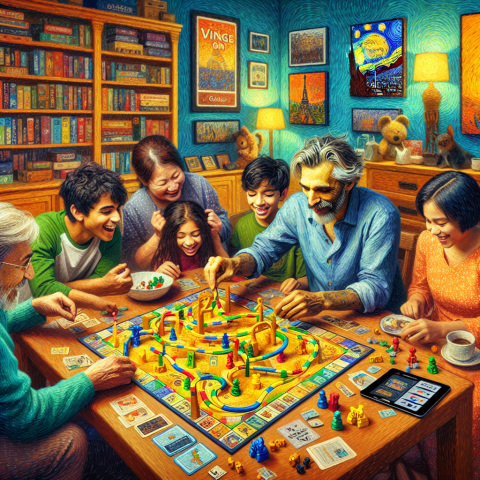
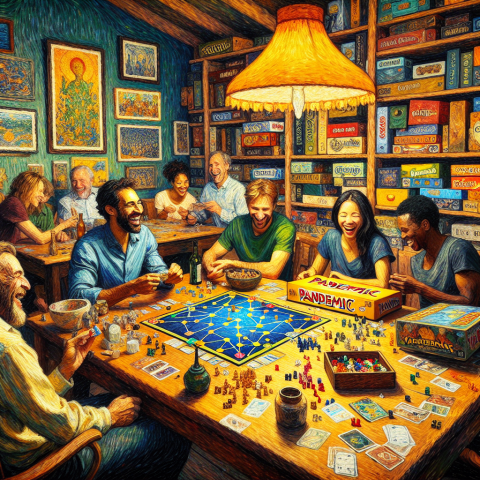
Diving into the world of board games is like cracking open a treasure chest, and one of the shining gems to emerge recently is “Wonderlands War.” With its vibrant art, strategic gameplay, and a dash of whimsy, this game has captured the attention of both seasoned gamers and newcomers alike. So, what’s the secret sauce that makes Wonderlands War such a hit? Let’s break it down, shall we?
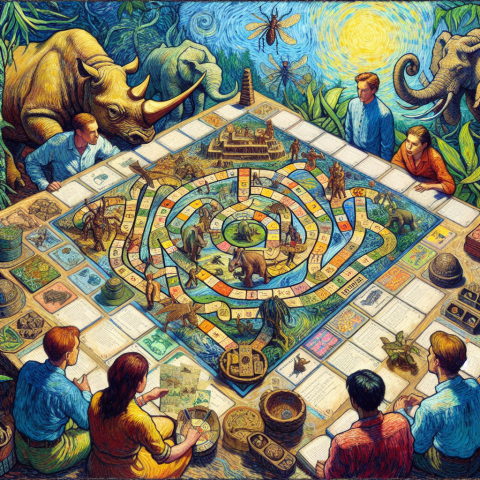
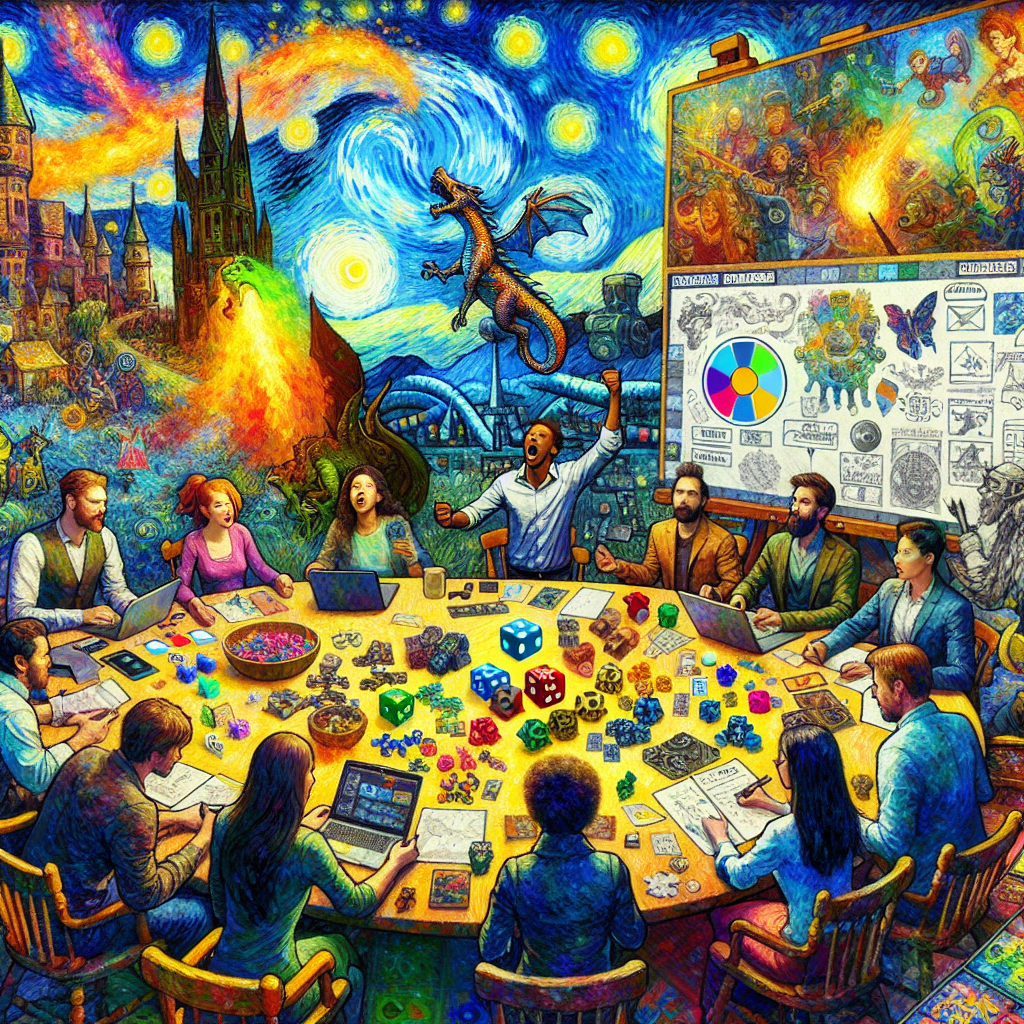
First off, the aesthetics. Imagine a tangled garden of colors and creativity, where every card and token bursts with life. The game transports players into a fantastical realm reminiscent of classic literature, but it’s more than just a pretty face. The artwork isn’t just there for show; it’s an integral part of the experience, setting the stage for the conflicts and alliances that unfold. Players find themselves engulfed in a world that beckons them to delve deeper, fostering a sense of wonder that keeps them coming back for more.
Now, let’s talk about engagement. The heart of Wonderlands War lies in its blend of strategic depth and interactive gameplay. Players are not merely passive observers; they’re warriors vying for control in a dynamic arena. The mix of resource management, tactical decision-making, and the chance to outsmart opponents adds an exhilarating layer of excitement. Whether you’re building an empire or sowing seeds of chaos, every move counts, keeping everyone on their toes and engaged from start to finish.
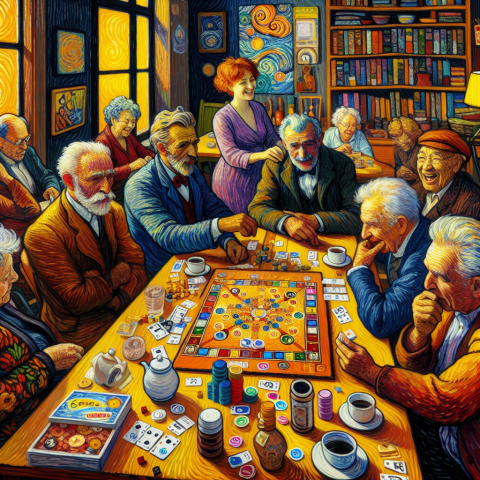
However, it’s not all about the competition. Wonderlands War weaves a narrative that invites collaboration and alliances. As players navigate the realm, they often find themselves forging unexpected partnerships. This social aspect elevates the gameplay, as players must communicate, negotiate, and sometimes backstab to achieve victory. The laughter, banter, and occasional rivalries that emerge enhance the overall experience, making every session feel like a grand adventure with friends.
Lastly, let’s not overlook the replayability factor. With various factions, unique abilities, and a plethora of strategies to explore, no two games are alike. Players can dive in multiple times, crafting new approaches and discovering fresh tactics that keep the game alive.
In a world where digital distractions reign supreme, Wonderlands War stands tall as a testament to the power of tabletop gaming. It captures the essence of fun, strategy, and camaraderie, making it a beloved choice for anyone seeking a memorable experience around the game table. So gather your friends, unleash your inner strategist, and step into a world where wonder awaits at every turn!
What Makes The Board Game Wonderland’s War So Popular?
What Makes The Board Game Wonderland’s War So Popular?
- Wonderlands War features vibrant artwork that immerses players in a fantastical realm inspired by classic literature.
- The game’s aesthetics enhance the overall experience by setting the stage for conflicts and alliances.
- Gameplay encourages strategic depth and active engagement, making players warriors in a dynamic arena.
- Wonderlands War requires resource management and tactical decision-making, keeping players on their toes.
- The game promotes collaboration and unexpected alliances, adding a social dimension to the experience.
- Replayability is high due to various factions and unique abilities, ensuring no two games are alike.
- Wonderlands War embodies fun, strategy, and camaraderie, making it a standout choice for tabletop gaming enthusiasts.
What Makes The Board Game Wonderland’s War So Popular?
Table Of Contents
- What Makes The Board Game Wonderland’s War So Popular?
- What Are The Unique Mechanics Of Wonderlands War?
- How Does The Art Style Impact Player Experience?
- What Themes Are Explored In Wonderlands War?
- How Does Player Interaction Influence Strategy In The Game?
- What Are The Key Strategies For Winning Wonderlands War?
- How Does Wonderlands War Compare To Other Popular Board Games?
- What Age Group Is Wonderlands War Best Suited For?
- What Are The Components Included In The Game?
- How Long Does A Typical Game Session Last?
- What Is The Role Of Luck Versus Skill In Wonderlands War?
- How Does The Game Cater To Both Casual And Experienced Players?
- What Expansions Are Available For Wonderlands War?
- What Are Common Misconceptions About Wonderlands War?
- Conclusion
- Other Resources
- Glossary Of Terms
- Other Questions
- Haiku
- Poem
- Checklist
What Are The Unique Mechanics Of Wonderlands War?
Step right up and take a gander at the whimsical world of Wonderlands War! This ain’t your run-of-the-mill board game—no sir. It’s a delightful concoction of chaos, strategy, and a sprinkle of good-natured absurdity. Let’s dive into what makes this game tick and how it stands out among the growing pantheon of tabletop experiences.
First off, let’s talk about the blend of mechanics that really sets Wonderlands War apart. At its heart, this game is a delightful medley of area control and resource management, with player-driven narrative elements simmering just beneath the surface. Picture this: you’re in a vibrant wonderland filled with quirky characters, and each player takes on the role of one of these fantastical beings. Your objective? To control regions of the board and gather resources, all while vying for supremacy against other players. But hold your horses—this isn’t just about brute force. Strategy is key, and you’ll need to have your wits about you if you want to emerge victorious.
Now, check this out: Wonderlands War is divided into rounds that kick off with a bit of a twist. Players engage in a bag-building mechanic where you’ll pull tokens from a personal drawstring pouch, allowing for a blend of luck and strategy. This isn’t just blind chance, though; you can upgrade your bag with better tokens throughout the game, enhancing your chances of success. It’s almost poetic—the dance of chance meets the discipline of strategy.
Next, let’s chat about combat. Instead of rolling dice, players employ a unique twist on traditional conflict resolution: a token-based showdown that introduces a layer of bluffing and strategy rarely seen in games of this type. Each player secretly selects tokens from their bag and reveals them simultaneously, tailoring their actions based on what they think their opponents will do. It’s like a high-stakes poker game wrapped in candy-colored chaos—thrilling yet nerve-wracking.
Finally, the game isn’t short on surprises. Wonderlands War embraces a storytelling aspect that lets your choices ripple through gameplay, influencing the evolving narrative. Each round feels fresh, buoyed by the rich theme and ever-changing player dynamics.
In summary, Wonderlands War weaves together a unique tapestry of mechanics—area control, bag building, combat bluffing, and storytelling—to create an experience that is as engaging as it is unpredictable. Buckle up, because once you step into this wonderland, you might never want to leave!

What Are The Unique Mechanics Of Wonderlands War?
What Are The Unique Mechanics Of Wonderlands War?
- Wonderlands War is a unique board game blending chaos, strategy, and absurdity.
- The game features area control and resource management with player-driven narratives.
- Players control quirky characters, competing to dominate regions and gather resources.
- A bag-building mechanic introduces both luck and strategy at the start of each round.
- Combat is resolved through a token-based showdown, adding elements of bluffing.
- The storytelling aspect influences gameplay and creates an evolving narrative experience.
- Overall, the game offers a captivating mix of mechanics that ensures high engagement and unpredictability.
What Are The Unique Mechanics Of Wonderlands War?
How Does The Art Style Impact Player Experience?
Art style in video games isn’t just about making things look pretty; it’s about creating a whole world that players can step into. Think of it as the first impression of a visual environment, like a well-designed storefront that draws you in. A strong, unique art style sets the tone for the entire experience, influencing how players engage with the game on an emotional level.
Consider the gritty, hyper-realistic graphics found in many modern shooters. They immerse you in a world that feels heavy, sometimes oppressively so. This can enhance the tension during a firefight, making every bullet count and every corner turned feel like a life-or-death situation. The details, like the glint of a gun barrel in the sunlight or the muddy ground underfoot, create a visceral realism that heightens stakes. Players can almost feel the weight of their choices in such a stark environment.
On the flip side, you’ve got games with vibrant, cartoonish art styles that invite players into a whimsical realm. Think of titles that use bold colors and exaggerated characters to tell their stories. These games provide a sense of escapism, where the cartoonish visual elements strip away the harsh realities of life. This style often invites laughter and joy, allowing players to indulge in an adventure without the weight of reality bearing down on them. Just like a light-hearted comedy film, the art style plays a crucial role in creating an atmosphere that encourages fun, exploration, and creativity.
Now, let’s not forget the importance of cohesion in art style. A well-defined aesthetic guides players, making it easier for them to navigate the game world. When the visual elements align seamlessly with the gameplay mechanics, everything feels more intuitive. A game that embraces minimalism might use striking visuals pared down to their essence, allowing players to focus on strategy and problem-solving. In contrast, a richly detailed world might encourage exploration, rewarding players for their curiosity.
Ultimately, the art style of a game informs not just how players perceive the game, but also how they interact with it. It shapes their feelings, influences their decisions, and determines their satisfaction. Whether it’s the gritty realism of a warzone or the whimsical charm of a fantasy kingdom, the art style stands as a key player in crafting memorable experiences and shaping the legacy of the game itself.

How Does The Art Style Impact Player Experience?
How Does The Art Style Impact Player Experience?
- Art style in video games creates an immersive world that shapes players’ first impressions.
- A strong, unique art style influences emotional engagement and overall experience.
- Gritty, hyper-realistic graphics enhance tension and weight of choices in modern shooters.
- Vibrant, cartoonish art styles provide escapism and encourage fun and creativity.
- Cohesion in art style aids navigation and intuitiveness in gameplay mechanics.
- Different aesthetics can focus gameplay on strategy or exploration based on their detail level.
- The art style ultimately affects players’ perceptions, interactions, and overall satisfaction with the game.

How Does The Art Style Impact Player Experience?
What Themes Are Explored In Wonderlands War?
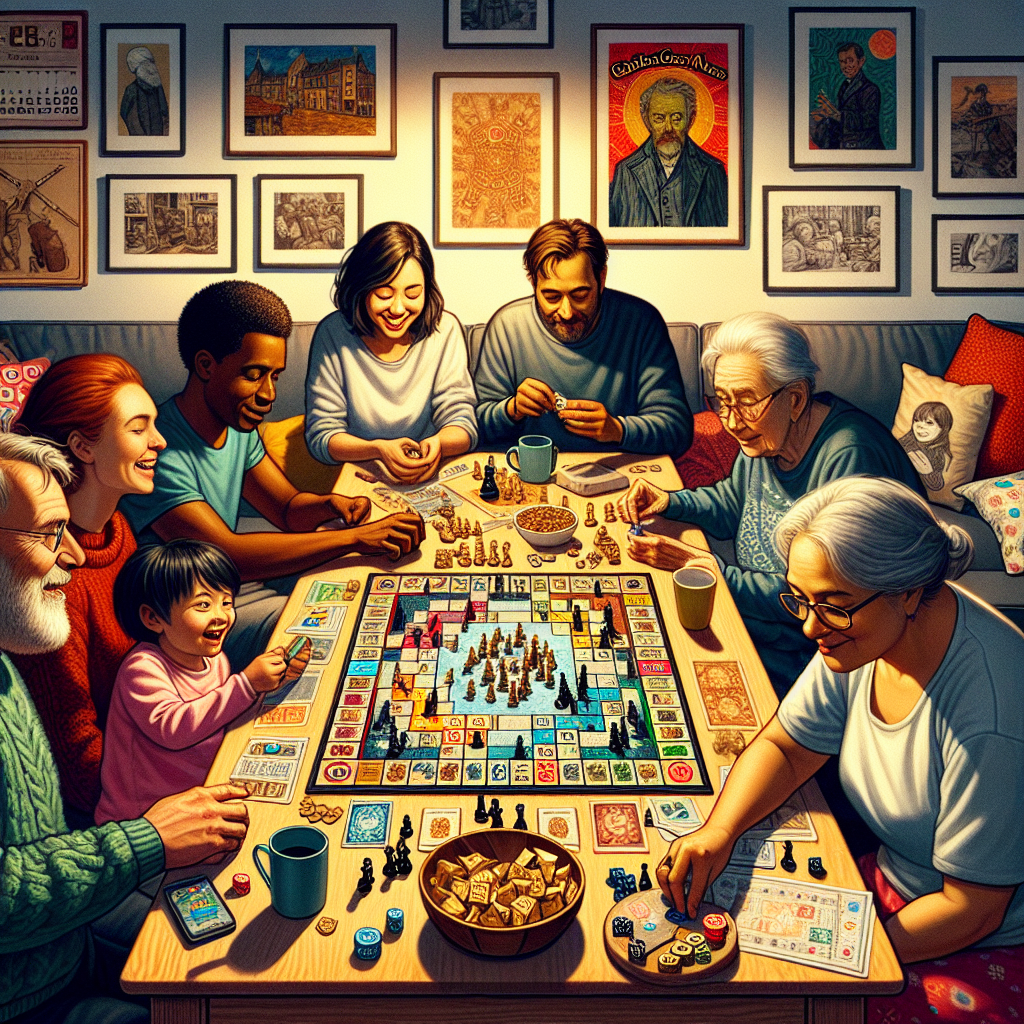
In the chaotic tapestry of “Wonderland’s War,” themes emerge like vibrant colors on a painter’s palette, evoking the complexity of human experience against the backdrop of a fantastical landscape. At first glance, it’s easy to get lost in the whimsy of the characters and the surreal settings. But dig a bit deeper, and the narrative reveals itself as a rich exploration of war and conflict—not just in the literal sense, but in the personal struggles we all face.
One prominent theme is the idea of identity. Characters grapple with their roles in this war-torn Wonderland, raising questions about who they are and who they wish to become. The existential quandary of self-discovery permeates each interaction, reflecting how conflict often forces individuals to confront their deepest fears and desires. Much like a tough day on the job that strips you down to your core, characters must either rise to the occasion or risk fading into obscurity.
Then there’s the theme of power and its capricious nature. Throughout the tale, authority shifts as swiftly as the Cheshire Cat disappears, demonstrating how tenuous power can be. Whether it’s the mad ambitions of the Queen or the strategic maneuvers of the March Hare, “Wonderland’s War” lays bare the reality that power does not always equate to stability. This notion serves as a reminder that in our own lives, those we deem in control may just be one misstep away from losing it all.
Conflict, of course, is another significant theme woven into the very fabric of the story. Yet, it’s not just the grandiose battles that matter. The narrative dives into the subtle skirmishes of the heart—the rivalries, the betrayals, and the fragile alliances that define our relationships. Each character’s experience becomes a microcosm of larger societal tensions, hinting that the most profound wars often occur within ourselves.
Lastly, “Wonderland’s War” challenges the notion of whimsy as a defense mechanism. It questions whether embracing absurdity can truly serve as a means of coping with life’s unpredictabilities. In a world where chaos reigns, laughter and play become both sanctuary and sword. The story invites us to consider how we navigate our own tempestuous lives—through humor, creativity, or rebellion against the mundane.
In sum, “Wonderland’s War” offers a rich, multifaceted experience that echoes real-world struggles through allegory and absurdity, encouraging readers to reflect on their own battles with identity, power, conflict, and the inevitable absurdities of life.
What Themes Are Explored In Wonderlands War?
What Themes Are Explored In Wonderlands War?
- “Wonderland’s War” explores themes reflecting the complexity of human experience amidst a fantastical landscape.
- The theme of identity prompts characters to grapple with their roles in the war-torn Wonderland and confront their deepest fears and desires.
- Power is portrayed as capricious, with authority shifting rapidly, serving as a reminder of the instability often found in real-life power dynamics.
- Conflict is central to the narrative, highlighting both grand battles and subtle personal skirmishes like rivalries and betrayals in relationships.
- The story examines whimsy as a potential defense mechanism, challenging the effectiveness of absurdity in coping with life’s unpredictabilities.
- Each character’s journey serves as a microcosm for larger societal tensions, reflecting internal and external conflicts.
- “Wonderland’s War” encourages readers to reflect on their own struggles with identity, power, and the absurdities of life through allegory and absurdity.
What Themes Are Explored In Wonderlands War?
How Does Player Interaction Influence Strategy In The Game?
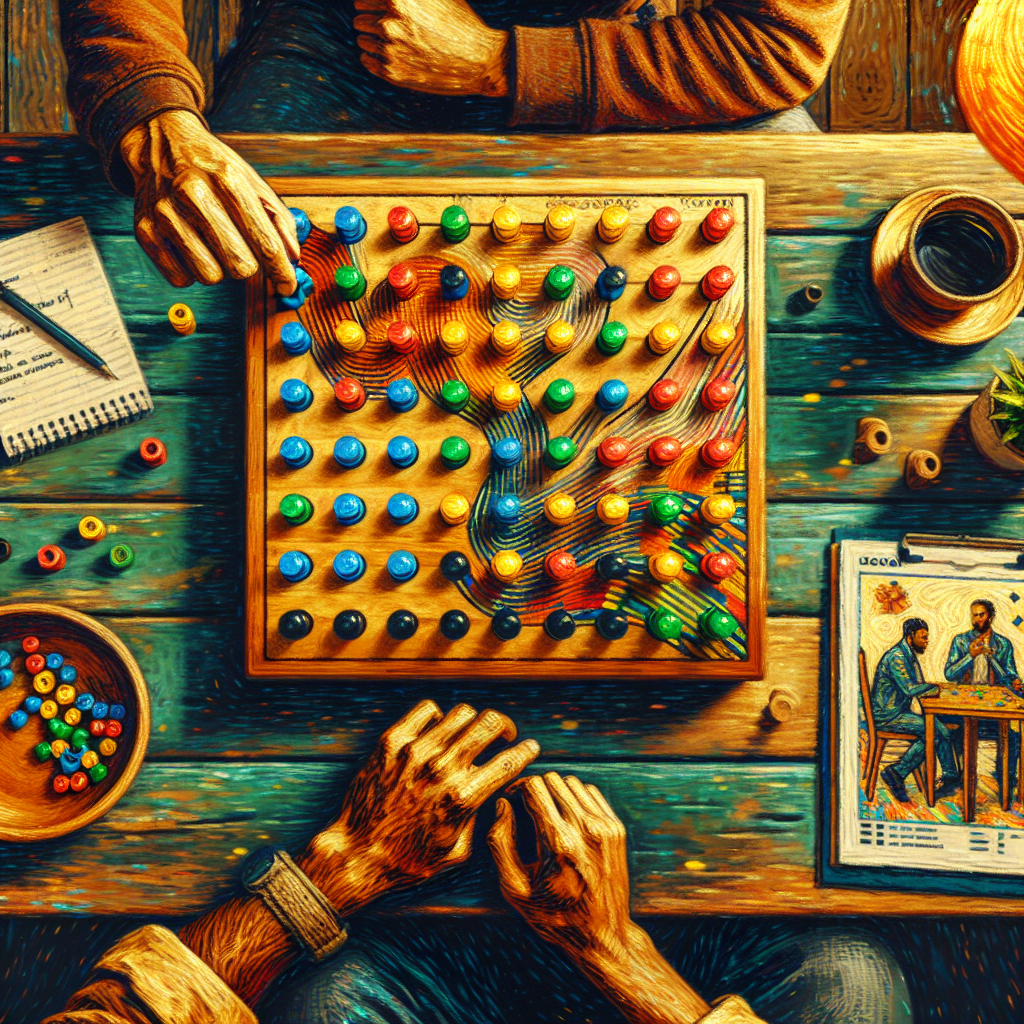
In the world of gaming, player interaction isn’t just a side dish; it’s the main course, and how you engage with others can alter your strategy in fundamental ways. Imagine you’re stepping into a vast virtual arena, armed with your trusty sword and a few potions. But hold on—before you charge in, take a moment to size up the other players. Are they lone wolves, stalking the shadows, or are they part of a coordinated team, moving like a well-oiled machine? Your strategy depends as much on their actions as it does on your own.
In many games, every choice a player makes reverberates throughout the battlefield. Consider a multiplayer online role-playing game (MMORPG), where collaboration can mean the difference between victory and defeat. If you’re charging into battle, do you go in swinging, or do you hang back and strategize when you see your teammates forming a plan? You might think you’re just playing solo, but the interplay of intentions, reactions, and counteractions creates a dynamic that compels you to reassess your approach continually.
Then, there’s the unpredictable factor—human behavior. Unlike programmed adversaries, other players bring an array of emotions, instincts, and creativity to the table. It’s this chaotic dance of interaction that can lead to unexpected alliances or bitter betrayals. Maybe a rival decides to form a temporary truce, and suddenly, what started as a solo mission spirals into a cooperative endeavor. The challenge lies in gauging who you can trust and when to pivot your strategy without losing momentum.
Player interactions also extend beyond the heat of battle. In many games, diplomacy and negotiation can provide pathways to success. Imagine trying to broker a peace deal between warring factions instead of opting for all-out war. Here’s where the savvy strategist shines, using words as weapons, understanding that sometimes the best moves are made off the battlefield.
Player interaction adds layers of complexity to strategy that no algorithm can replicate. Each decision morphs into a ripple effect, shaping not just your fate but the overarching narrative of the game. Engage wisely, for in the realm of interactive gameplay, it’s not just about your skill; it’s about how well you can adapt to the unpredictable tapestry of human behavior woven throughout your journey.
How Does Player Interaction Influence Strategy In The Game?
How Does Player Interaction Influence Strategy In The Game?
- Player interaction is crucial in gaming, influencing strategies fundamentally.
- Understanding other players’ behaviors (lone wolves vs. coordinated teams) is key to strategic planning.
- Every choice made in games, especially MMORPGs, impacts the battlefield and collective outcomes.
- Players must continually reassess their approaches based on teammates’ actions and interactions.
- Human behavior introduces unpredictability, leading to potential alliances or betrayals.
- Diplomacy and negotiation can be effective strategies, providing alternatives to direct conflict.
- Player interactions create complexity that algorithms can’t replicate, shaping individual and game narratives.

How Does Player Interaction Influence Strategy In The Game?
What Are The Key Strategies For Winning Wonderlands War?
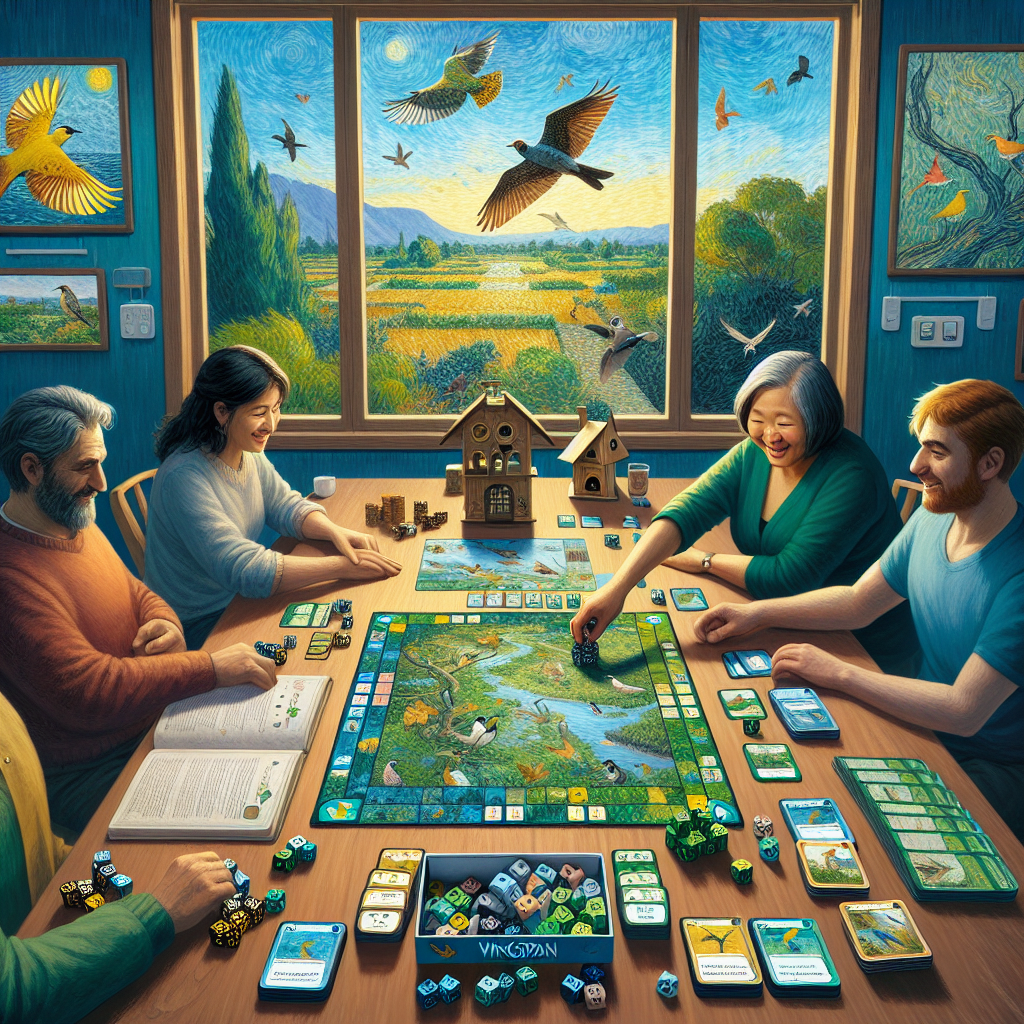
Winning Wonderland’s War isn’t just about playing your cards right; it’s about mastering the art of strategy in a whimsical battlefield filled with unpredictable twists and turns. At its core, the game thrives on a blend of careful planning, adaptability, and an understanding of both your strengths and your opponents’ weaknesses. So, let’s dive into some key strategies that could tip the scales in your favor.
First and foremost, know your faction. Each faction in Wonderland’s War has its own unique strengths, weaknesses, and specialties. Familiarizing yourself with these traits allows you to craft a game plan that plays to your faction’s strengths while exploiting your opponents’ vulnerabilities. Whether you’re using the cunning of the Cheshire Cat or the brute force of the Queen of Hearts, understanding your piece on the board is paramount to your success.
Next up is resource management. As in life, resources in Wonderland are limited. Balancing your supply of tokens, cards, and opportunities can make or break your strategy. Prioritize establishing a steady income from your controlled areas, but don’t get too comfortable. Your opponents are likely eyeing those same spots, so invest intelligently while planning your moves. Grab what you need but be ready to pivot when the situation changes; adaptability is your best ally in a land where nothing is as it seems.
Then there’s the vital necessity of creating alliances. Wonderland’s War isn’t just a solo endeavor; it’s a dance of diplomacy. Forge partnerships when beneficial, and don’t shy away from collaboration to achieve mutual goals. However, keep your eyes peeled—a trusted friend today might be an adversary tomorrow. Use your alliances wisely and always be prepared for the inevitable backstab that can occur in the heat of competition.
Finally, practice the art of psychological warfare. Mind games play a significant role in Wonderland’s War. Bluff and mislead your opponents, draw them into your plans, or set traps they won’t see coming. A well-timed feint can create openings for you to swoop in and claim victory. Remember, the war of wits often brings you closer to winning than sheer brute strength.
In the whimsical war of Wonderland, success hinges on strategy. Embrace your faction, manage your resources, cultivate alliances, and don’t underestimate the mental game. Approach each session not just as a battle but as a vibrant adventure, where the thrill of creativity and strategy collide. After all, in this world of whimsy, the key to victory is a blend of shrewdness, charm, and a little bit of luck.
What Are The Key Strategies For Winning Wonderlands War?
What Are The Key Strategies For Winning Wonderlands War?
- Understand your faction’s unique strengths and weaknesses to best exploit opponents’ vulnerabilities.
- Manage resources wisely, balancing tokens, cards, and opportunities for strategic advantage.
- Create and maintain alliances for mutual benefits, but remain vigilant for potential betrayals.
- Embrace adaptability to pivot your strategies as the unpredictable game evolves.
- Engage in psychological warfare by bluffing and misleading opponents to gain the upper hand.
- View the game as a vibrant adventure combining creativity and strategy for ultimate success.
- Blend shrewdness, charm, and a touch of luck for the key to victory in Wonderland’s War.
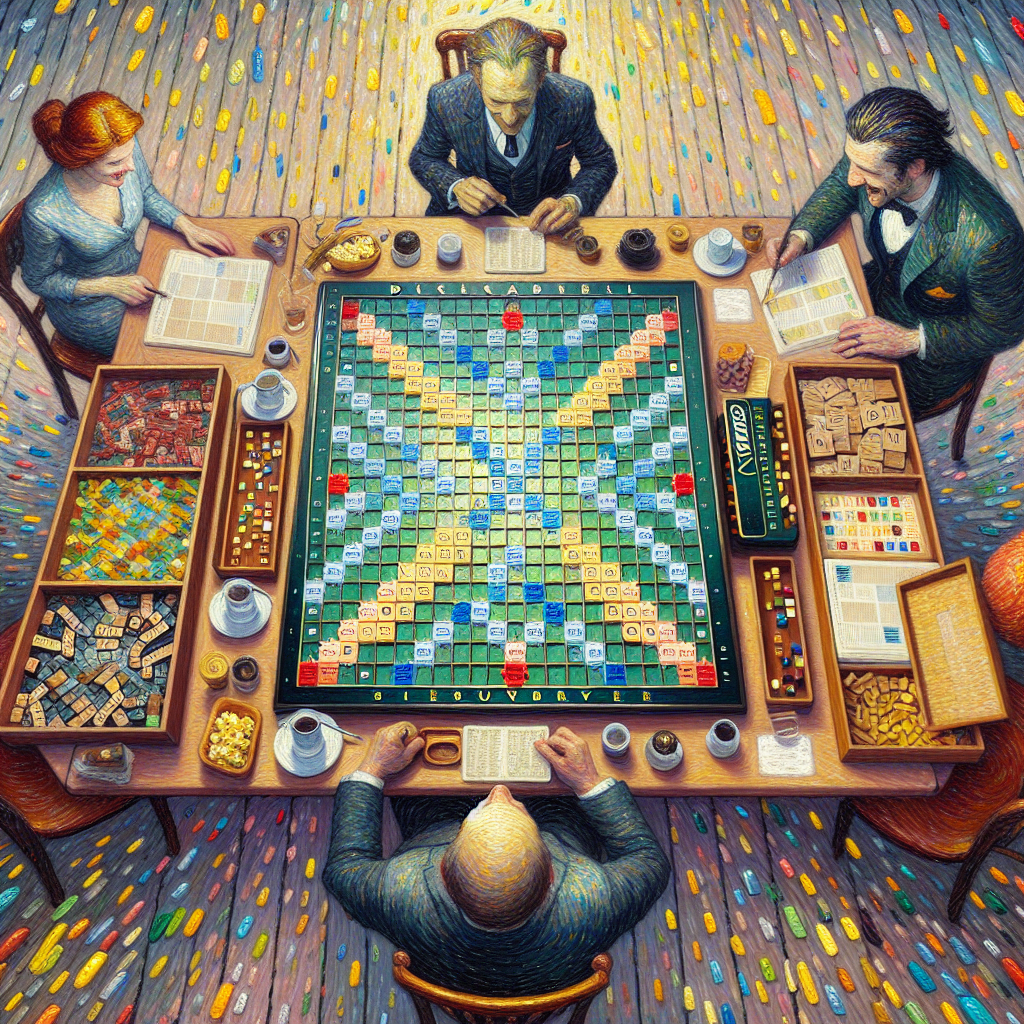
What Are The Key Strategies For Winning Wonderlands War?
How Does Wonderlands War Compare To Other Popular Board Games?
When diving into the vast ocean of board games, it’s easy to get lost in the waves of brightly colored boxes, intricate designs, and claims of epic adventures. Among these contenders is “Wonderlands War,” a game that flirts with the edges of chaos and whimsy, all while demanding strategic prowess and a bit of luck—qualities that not only entertain but also invite comparisons to some of the giants in the tabletop realm.
At first glance, you might think “Wonderlands War” is akin to the likes of “Catan” or “Ticket to Ride”—games that, while still engaging, rely heavily on resource management and straightforward pathways to victory. But peel back the layers, and you’ll find “Wonderlands War” is a different beast entirely, infused with a robust narrative and thematic richness that sets it apart. While “Catan” invites players to build and trade, and “Ticket to Ride” encourages route optimization with a sprinkle of competition, “Wonderlands War” thrusts you into a vibrant world where strategy and storytelling dance in a delightful whirlwind.
Consider how “Wonderlands War” incorporates an element of simultaneous action selection, which adds a thrilling layer of unpredictability. Players must weigh their decisions carefully, engaging in a tactical tug-of-war, much like the high-stakes competitions you might recognize in “Blood Rage.” However, whereas “Blood Rage” leans heavily on combat and area control, “Wonderlands War” subverts that aggression by emphasizing magical abilities and whimsical factions, each with their own unique advantages, making every playthrough feel fresh and alive.
And let’s not overlook the stunning artwork and components that draw you in. Much like “Gloomhaven,” which captivates players with its depth and complexity, “Wonderlands War” beckons you with a visual feast that enhances the thematic immersion. There’s a palpable sense of creativity here; your tableau flourishes with colorful foes and allies, making each decision moment feel weighty and significant.
Ultimately, what “Wonderlands War” brings to the table—a blend of strategy, luck, and narrative depth—places it in a lively conversation with its contemporaries. While it may not dethrone the titans of trend, it emerges as a challenger that invites players to embrace chaos with a grin, all while keeping their wits about them. So, if you’re seeking a break from the usual suspects, venture into this captivating wonderland; you might just find yourself enchanted by its charms.
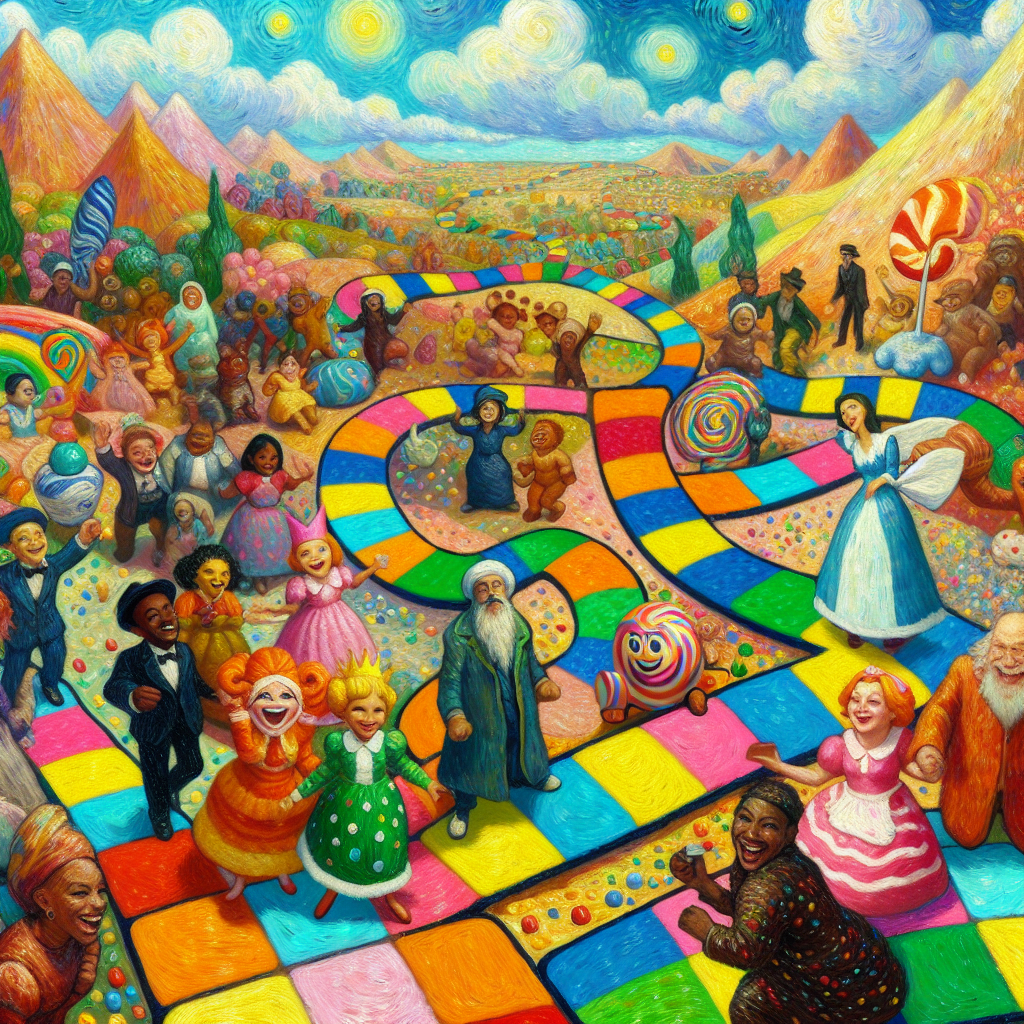
How Does Wonderlands War Compare To Other Popular Board Games?
How Does Wonderlands War Compare To Other Popular Board Games?
- “Wonderlands War” offers a unique blend of chaos, whimsy, strategy, and luck.
- It stands apart from games like “Catan” and “Ticket to Ride,” emphasizing narrative and thematic richness.
- The game features simultaneous action selection, adding unpredictability to decision-making.
- It subverts traditional combat-centric elements by focusing on magical abilities and whimsical factions.
- The stunning artwork and components enhance the game’s thematic immersion and creative appeal.
- “Wonderlands War” invites players into lively competition while maintaining a sense of chaos.
- It encourages a fresh experience with each playthrough, making it a captivating alternative to mainstream titles.
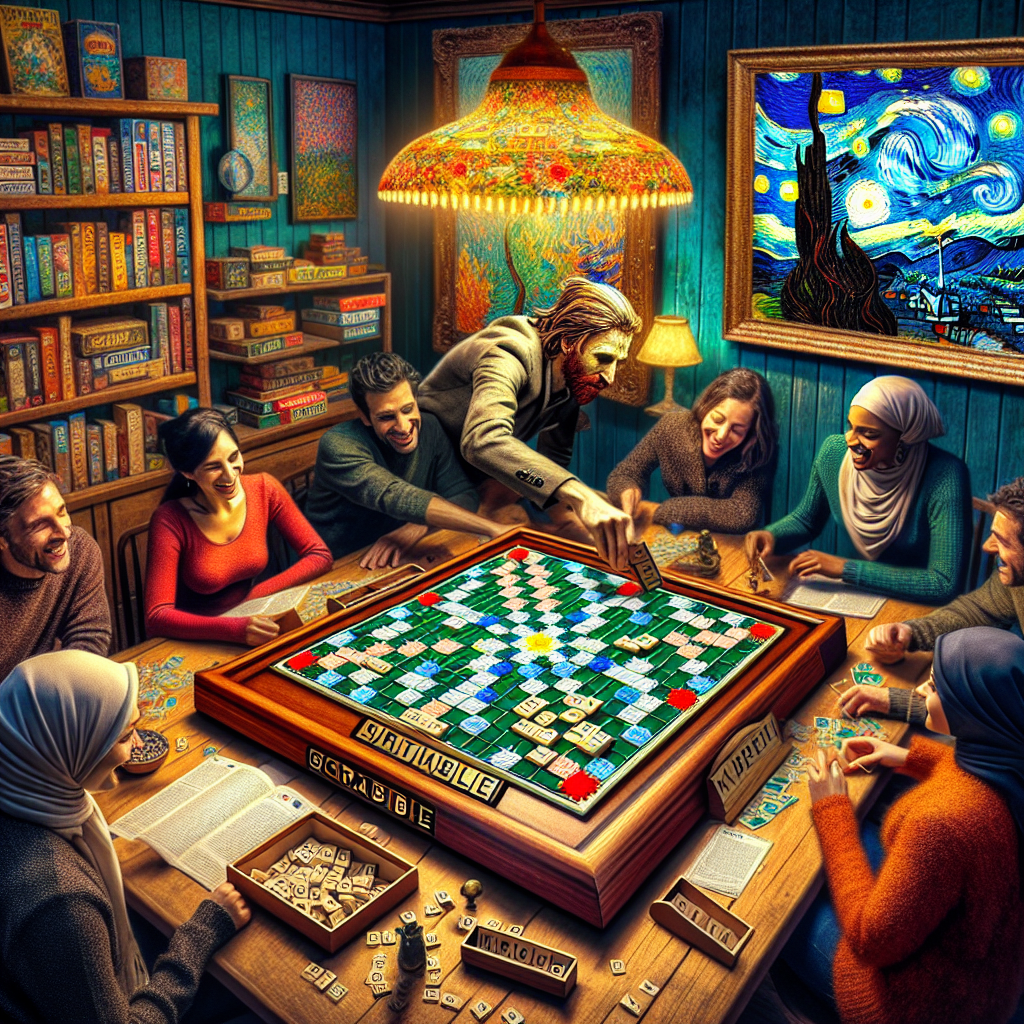
How Does Wonderlands War Compare To Other Popular Board Games?
What Age Group Is Wonderlands War Best Suited For?
When it comes to tabletop games, the age demographic can sometimes feel a little murky, kind of like a fog creeping over a lush gaming table in a dimly lit room. With “Wonderland’s War,” it’s essential to pull back the curtain and shine a spotlight on who should really dive into this chaotic yet whimsical adventure.
First off, “Wonderland’s War” is often recommended for those aged 14 and up. Now, let’s unpack that number a bit. This isn’t just some arbitrary figure slapped on the box to comply with parental guidance guidelines or to keep the rabble-rousers at bay. The game involves strategy, player interaction, and a level of thematic depth that younger players—though often artistic and imaginative—may not fully grasp. Teens, on the cusp of adulthood, typically bring with them a broader understanding of game mechanics and complexities, making them prime candidates for what this game throws at you.
Now, don’t get me wrong—if you’ve got precocious younger players in your circle, say those aged 12 and up, don’t underestimate their interest. The vibrant artwork and fantastical themes might just pull them right in. Still, expect to invest some patience, as they may have to finesse their way through some of the more intricate rules.
Transitioning to adults, the game tends to shine in the hands of seasoned gamers. If you’ve been rolling dice and calculating probabilities since before the internet offered helpful walkthroughs, Wonderland’s War will likely resonate with you and your gaming crew. The social dynamics set up by player-driven conflicts and alliances make for memorable encounters that are well-suited to those who can appreciate the nuances of strategy and negotiation. This blend of whimsy and strategy captures the attention and imagination of those who have a robust understanding of gaming, as they will navigate through the various layers of conflict, alliances, and outcomes with finesse.
So there you have it! Whether you’re wrangling a group of adventurous teens or gathering around the table with seasoned gamers, Wonderland’s War can craft unforgettable moments for the right crowd. Just remember, the heart of the game lies not just in who can outwit whom, but in enjoying the chaotic lunacy of Wonderland itself—a place where the age doesn’t matter as long as you’re ready to jump down that rabbit hole!
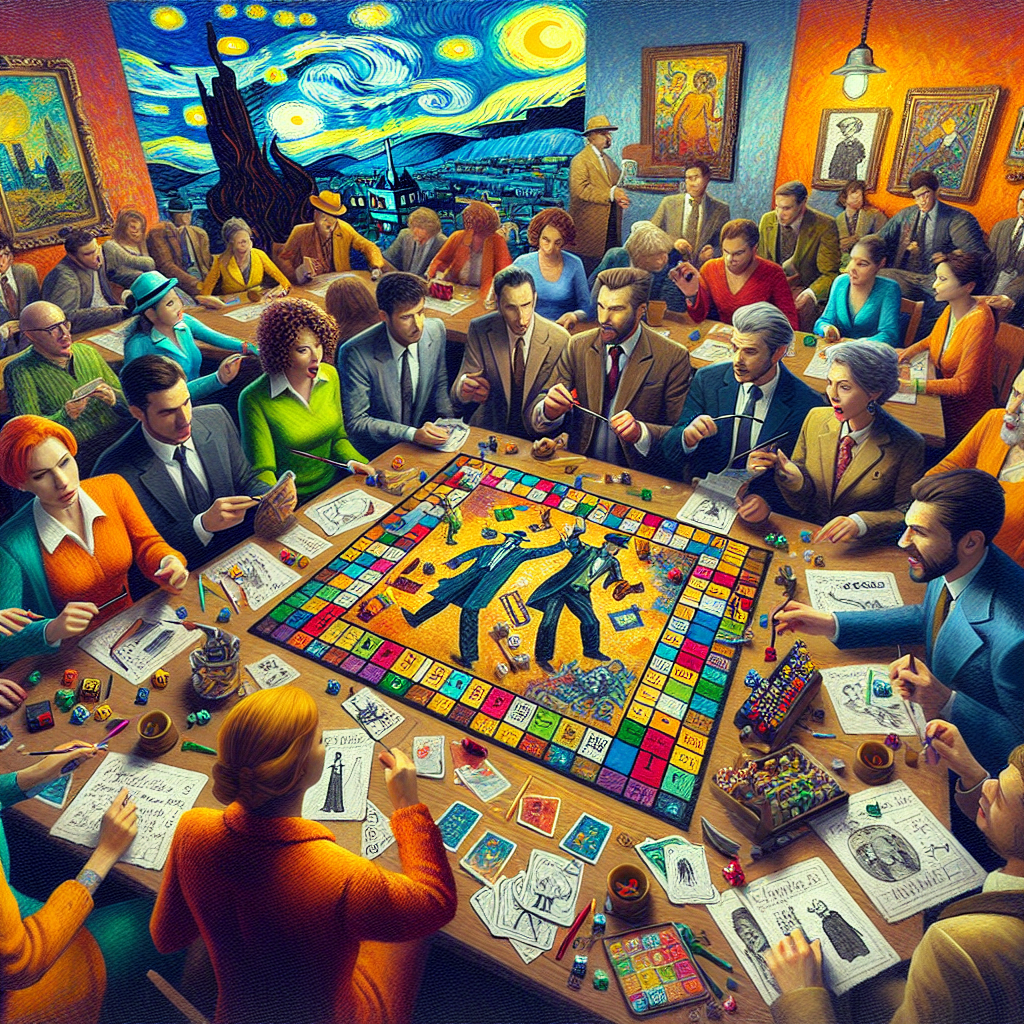
What Age Group Is Wonderlands War Best Suited For?
What Age Group Is Wonderlands War Best Suited For?
- “Wonderland’s War” is recommended for players aged 14 and up.
- The age recommendation considers the game’s strategy, player interaction, and thematic depth.
- Some younger players aged 12 and up may still enjoy the game, especially if they are precocious.
- The game’s vibrant artwork and fantastical themes can attract younger audiences.
- Seasoned adult gamers tend to thrive in the game’s strategic environment.
- The game promotes memorable social dynamics through player-driven conflicts and alliances.
- The enjoyment of “Wonderland’s War” lies in its chaotic nature and the shared experience, regardless of age.
What Age Group Is Wonderlands War Best Suited For?
What Are The Components Included In The Game?
When you dive into the world of gaming, particularly in tabletop or card games, the experience transforms into something akin to a well-orchestrated symphony. Each component plays its own crucial role, creating a cohesive narrative that invites players into its universe. Let’s break down the key ingredients that make up this delightful concoction.
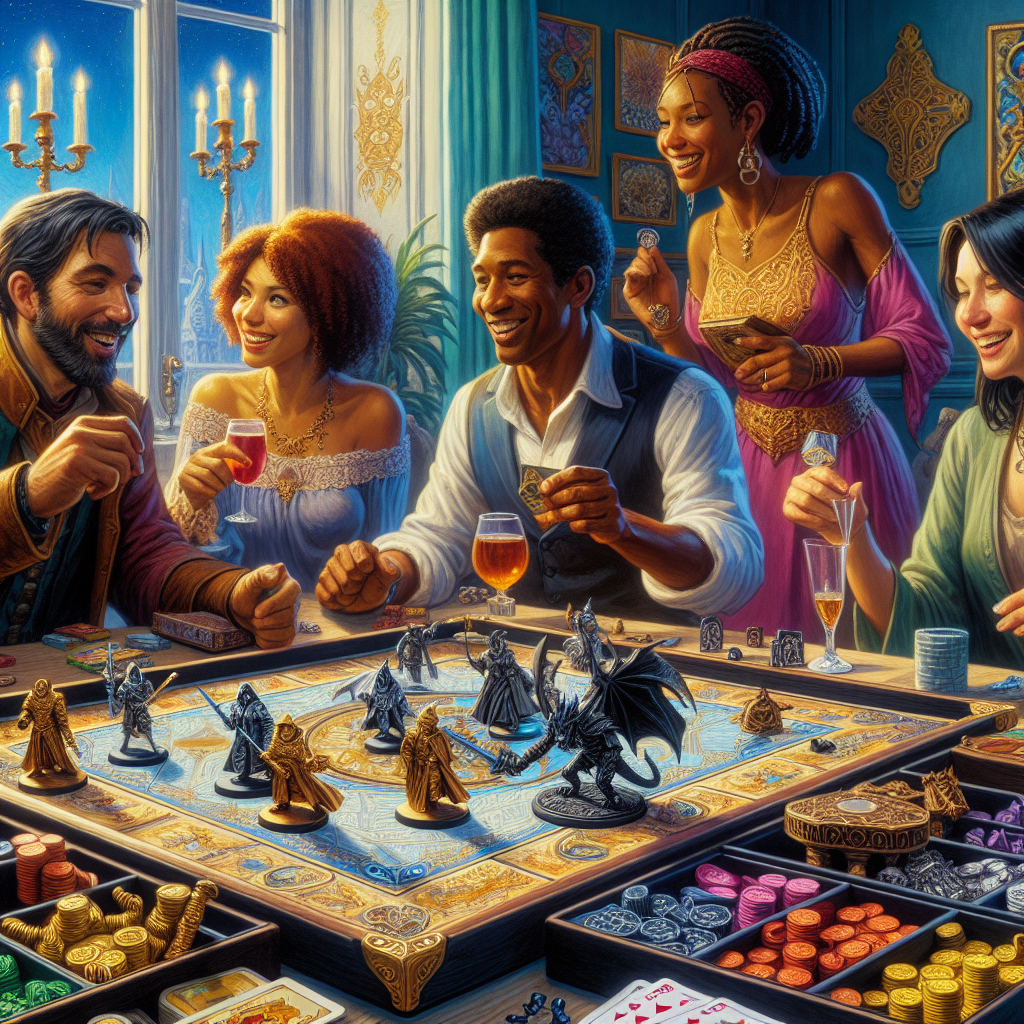
First and foremost, we have the game board itself. This isn’t merely a flat piece of cardboard; it’s a canvas that defines the landscape of your adventure. Whether you’re exploring a mythical land, managing resources in a bustling city, or navigating treacherous waters, the board sets the stage for everything that unfolds. It might feature intricate artwork, detailed maps, or cleverly designed pathways that guide players through their choices and strategies.
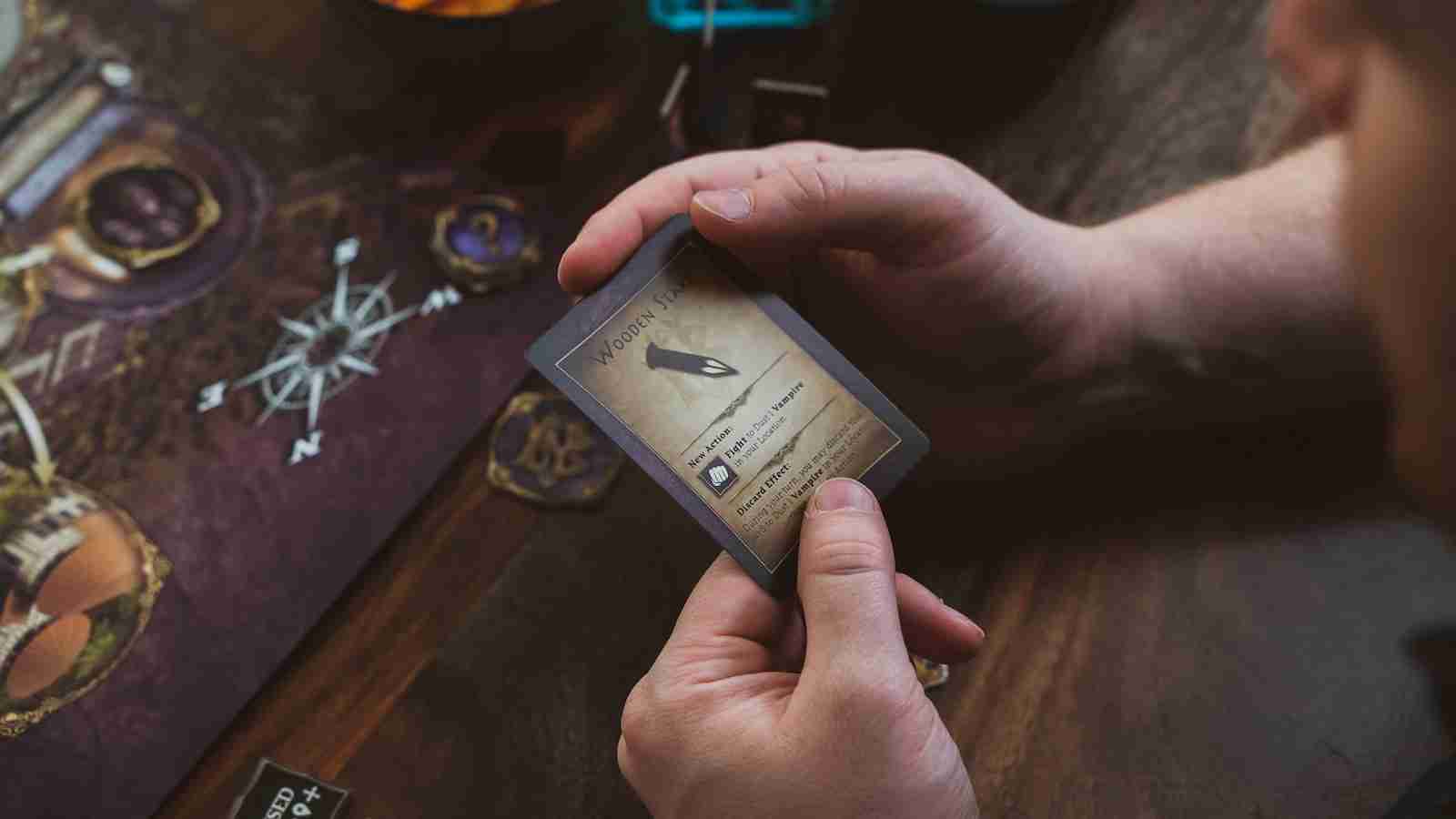
Now, let’s not forget about the cards. Depending on the game, these can introduce everything from powerful spells to treacherous traps. Cards can serve as a primary gameplay mechanic or provide ancillary support, adding depth and variety to player interactions. Imagine drawing a card that shifts the tide of the game or one that forces you to rethink your entire strategy. It’s these little surprises that keep the players on their toes and the gameplay fresh.
Then we have the tokens or pieces—those small physical representations of your resources, characters, or actions. They come in all shapes and sizes: coins, miniatures, or even custom-designed figurines that add a personal touch. These tokens not only track your progress but act as a visual cue to your standing in the game. They help to solidify your engagement, drawing you deeper into the narrative as you maneuver them across the board.
Of course, let’s not overlook the rulebook. Often seen as a dense tome of regulations, a well-crafted rulebook is like a roadmap, guiding players through the twists and turns of gameplay. It holds the key to understanding how everything interlocks, ensuring that each player is on the same page—or at the very least, striving for a shared understanding of the rules of engagement.
Lastly, there might be additional components such as dice, timers, or even scoreboards that enhance the overall experience. These elements can add layers of unpredictability or urgency, keeping you on the edge of your seat as the game unfolds.
Each of these components serves a purpose, weaving together a rich tapestry of strategy, competition, and camaraderie. Whether you’re a seasoned player or a novice, understanding these elements can enhance your appreciation for the intricate dance of tactics and creativity that is gaming.

What Are The Components Included In The Game?
What Are The Components Included In The Game?
- Tabletop and card games create a cohesive narrative similar to a symphony.
- The game board acts as a canvas for the adventure, featuring intricate artwork and maps.
- Cards introduce powerful spells and traps, adding depth to gameplay and strategy.
- Tokens or pieces visually represent resources and actions, enhancing player engagement.
- A well-crafted rulebook serves as a roadmap for understanding gameplay mechanics.
- Additional components like dice and timers add unpredictability and urgency to the experience.
- Understanding these elements enhances appreciation for the strategy and creativity in gaming.
What Are The Components Included In The Game?
How Long Does A Typical Game Session Last?
If you’re peering into the world of gaming, one of the first questions that might bounce around in your mind is, “How long is a typical game session?” Well, grab your snacks and settle in—because the answer is as diverse as the games themselves.
For starters, let’s break it down. The duration of a game session can vary dramatically depending on several factors: the type of game, the platform, the game mode, and of course, the players involved. Puzzle games and mobile apps often offer fleeting moments of entertainment, with sessions lasting anywhere from a quick five minutes to maybe thirty. Perfect for a coffee break, these bite-sized games fit neatly into the nooks and crannies of a busy life.
Now, on the flip side, if you dive into the world of immersive RPGs or expansive open-world adventures, you might find yourself clocking in several hours before you even realize it. These games demand attention, strategy, and a commitment to the unfolding narrative. A dedicated quest or dungeon run could easily stretch to two, three, or even six hours if the mood strikes. It’s not unusual for gamers to lose track of time when they’re neck-deep in a fantastic storyline or embroiled in a fierce battle—especially when friends or teammates are involved.
Speaking of multiplayer games, the dynamics shift yet again. With games like MOBAs or battle royales, where teamwork is key, sessions can morph into marathon gaming events, frequently clocking in at two to three hours as groups strategize, compete, and laugh together. When you add in the competitive nature of these games, it’s easy for players to push past their original time estimates, driven by a hunger for that sweet taste of victory.
And let’s not forget about the ever-popular online gaming leagues or casual tournaments. These marathon sessions can easily span an entire day, packed with adrenaline and camaraderie. Here, the clock is often a distant memory as players get wrapped up in their ambition and the community spirit.
Whether you’re a casual browser or a committed quester, game sessions are as varied as the gamers who take part in them. As with most things in life, moderation is key, but wherever your gaming journey takes you, you can bet there’s a clock ticking—just maybe not one you’re paying attention to.
How Long Does A Typical Game Session Last?
How Long Does A Typical Game Session Last?
- The duration of a game session varies depending on type, platform, mode, and players.
- Puzzle games and mobile apps typically have shorter sessions, lasting 5 to 30 minutes.
- Immersive RPGs and open-world games can lead to sessions lasting 2 to 6 hours.
- Time can easily slip away during engaging narratives and collaborative gameplay.
- Multiplayer games like MOBAs or battle royales often have sessions lasting 2 to 3 hours.
- Online gaming leagues and casual tournaments may last an entire day, fueled by enthusiasm.
- Game sessions vary widely among players, emphasizing the need for moderation in gaming.
How Long Does A Typical Game Session Last?
What Is The Role Of Luck Versus Skill In Wonderlands War?
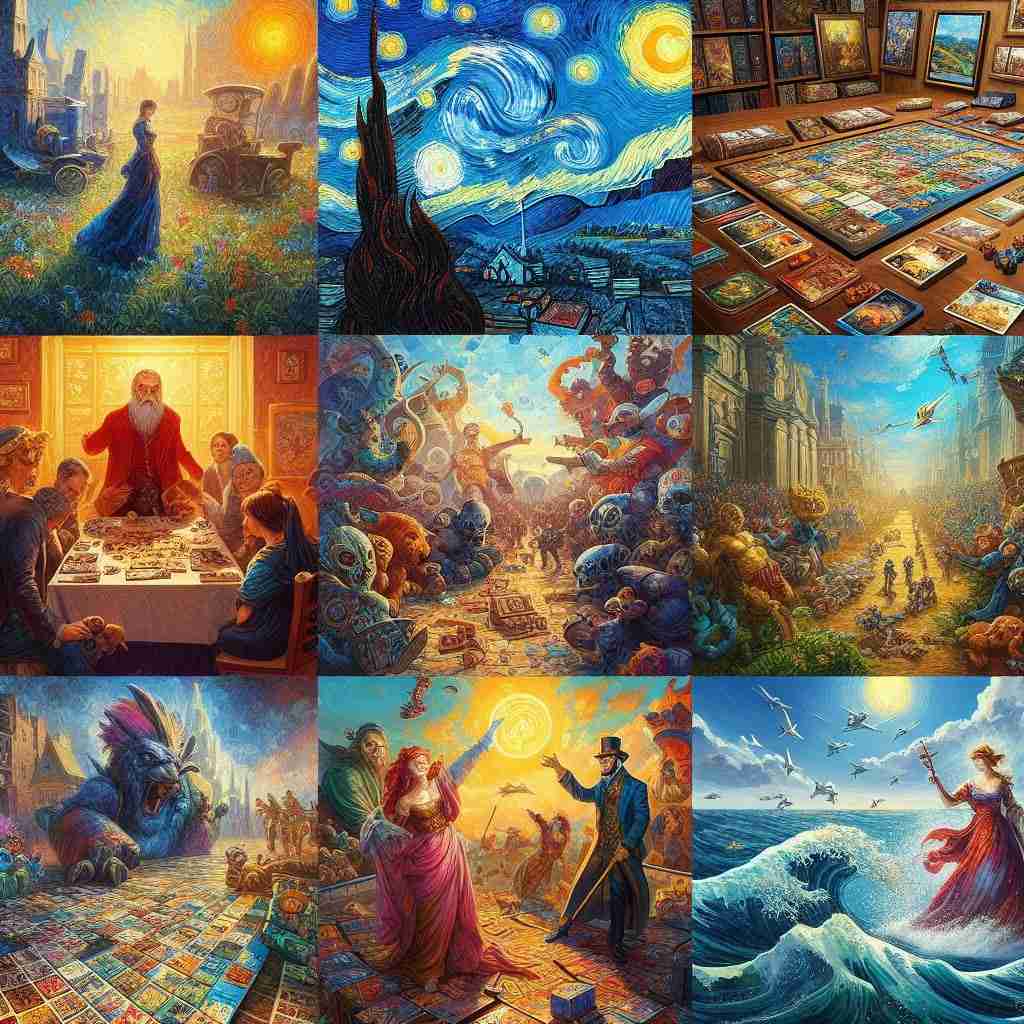
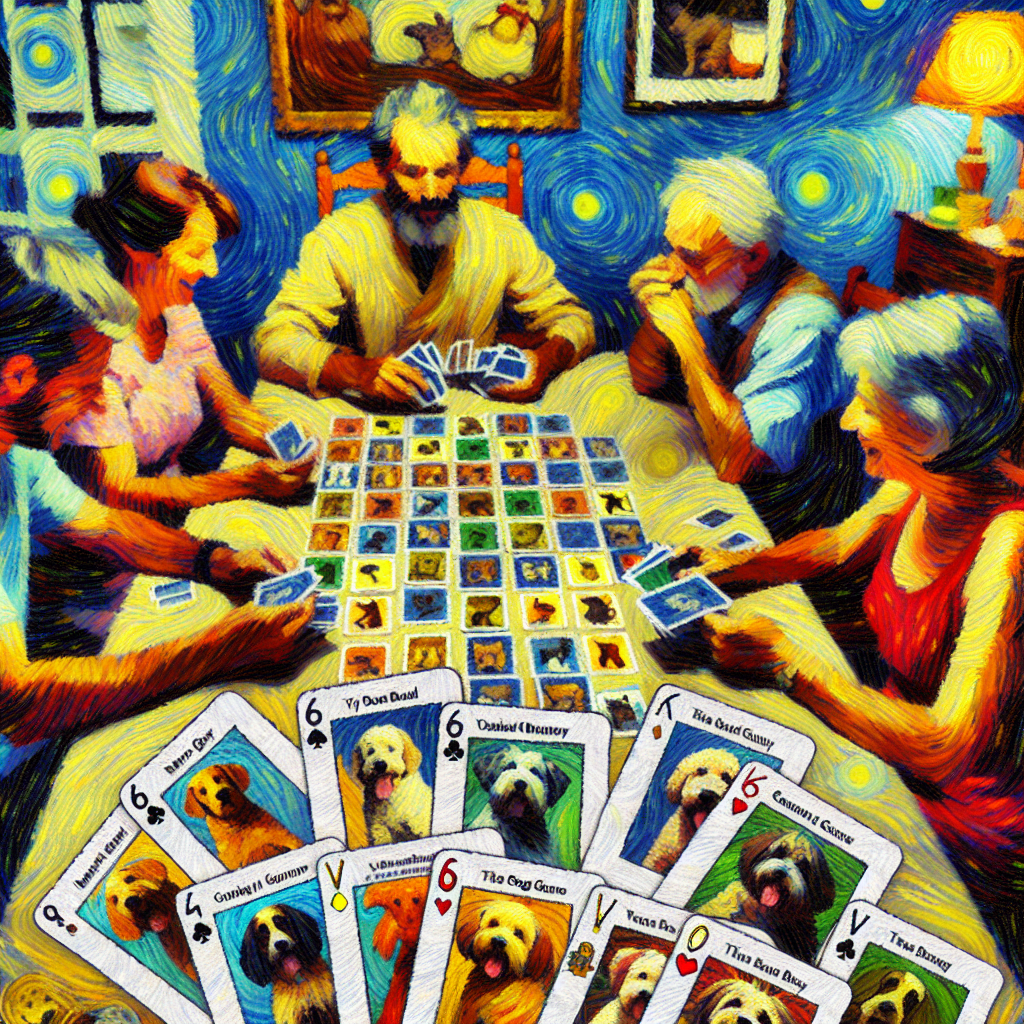
In the whimsical world of Wonderland’s War, where strategy meets chaos, one question looms large: how much of your success is attributable to skill, and how much is merely the fickle hand of fate? Like a croquet game presided over by the Queen of Hearts, the balance between luck and skill in this game can shape the fortunes of even the most seasoned players.
First, let’s talk skill. Players must navigate the myriad challenges that Wonderland presents using a blend of tactics and intuition. Mastering the mechanics—whether it’s deploying your troops, crafting potions, or maneuvering through the vibrant tableau of the board—is paramount to success. The nuances of planning and foresight become pivotal as you position your characters and influence the ever-shifting landscape. Skillful players learn to read their opponents, identify their strengths and weaknesses, and adjust their strategies accordingly. This level of insight can make all the difference between claiming victory and watching your plans unravel like a poorly knit tapestry.
However, let’s not underestimate the role of luck in this bizarre realm. In a game that flirts with unpredictability at every turn, the outcome of a single die roll or card draw can flip the script entirely. You may have a clever strategy in mind, but one unexpected twist—a rogue card, an unreliable ally—can send you careening off course. The often absurd randomness of Wonderland’s War reflects a world where even the best-laid plans can be relegated to the realm of dreams and whims. Every player must learn to roll with the punches, adapting their strategies in the face of unforeseen calamities.
Yet this duality doesn’t mean that skill and luck are at odds. In fact, they exist in an intricate dance. A skilled player who can leverage their talent while remaining adaptable in the face of chance will find themselves in a stronger position. The key lies in understanding that luck isn’t just a reckless force; it can be harnessed, anticipated, and influenced through smart play.
So, as you embark on your journey through Wonderland’s vibrant chaos, remember: skill may set the stage, but luck often steals the show. Embrace both, and you might just find yourself emerging triumphant from the madcap skirmishes that lie ahead.
What Is The Role Of Luck Versus Skill In Wonderlands War?
What Is The Role Of Luck Versus Skill In Wonderlands War?
- Wonderland’s War involves a mix of skill and luck impacting player success.
- Skillful navigation of challenges requires tactics and intuition.
- Mastering game mechanics such as troop deployment and potion crafting is essential.
- Reading opponents and adjusting strategies based on their strengths is crucial.
- Luck plays a significant role, with random events capable of altering outcomes dramatically.
- Skill and luck work together; adaptable players can better leverage both elements.
- Embracing the duality of skill and luck can lead to victory in Wonderland’s chaotic environment.
What Is The Role Of Luck Versus Skill In Wonderlands War?
How Does The Game Cater To Both Casual And Experienced Players?
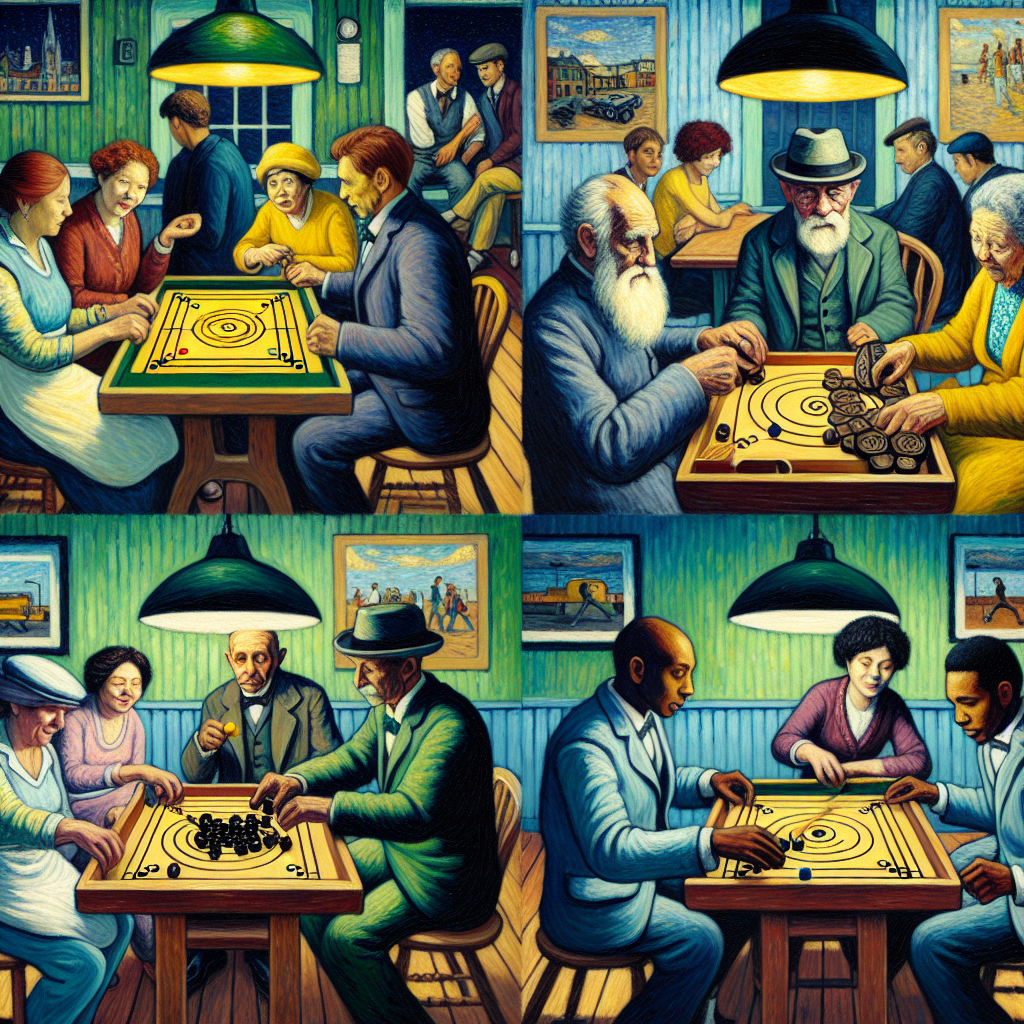
Picture this: you’re lounging on the couch after a long day, and the last thing you want is to navigate a labyrinth of tutorials just to grasp the basics of a game. On the other hand, you’ve got your die-hard gamer friends—those who thrive on challenges, thirst for complex strategies, and roll their eyes at anything that even hints at “easy mode.” Here lies the marvel of modern gaming; a craft that artfully balances both ends of the spectrum, drawing in the casual player yearning for a quick escape and the veteran gamer seeking the ultimate challenge.
At the heart of this balance is an intuitive design that understands the varying expectations of its players. For those who prefer a slower pace or simply want to dip their toes in, the game offers accessible gameplay elements that act as a gentle introduction. Tutorials are streamlined, often woven directly into the gameplay itself. You won’t find long, dry explanations that feel more like a textbook than a game; everything is enhanced through immersive experience. This ensures that the casual player can unravel the game’s mechanics without getting lost in a sea of jargon.
Meanwhile, seasoned players are tempted with depth and complexity, satisfied by layers upon layers of strategic options and skill-based challenges. The difficulty levels are not just a mere checkbox; they are thoughtfully crafted. Choose to play on ‘Beginner’ if you’re just out for fun or crank it up to ‘Master’ to face some of the fiercest AI opponents around. Additionally, many games incorporate seasonal events or dynamic challenges that keep the gameplay fresh, offering tougher trials that adapt to your skill level and keep even the most experienced players on their toes.
What’s truly impressive is the community that develops around this shared gaming experience. Casual players find themselves swept into a world where they can learn and grow, slowly gaining confidence, while experienced players can mentor or collaborate, fostering camaraderie rather than competition.
So whether you’re looking to curl up with a cozy adventure or seeking out a nail-biting showdown filled with strategic depth, the game stands as a testament to the idea that every player can find their niche. In a world that often feels polarized, this game opens the door wide enough for everyone to step inside, play a little, and maybe even forge some unexpected friendships along the way.
How Does The Game Cater To Both Casual And Experienced Players?
How Does The Game Cater To Both Casual And Experienced Players?
- The game is designed to appeal to both casual and experienced players, providing an inviting balance.
- Casual players benefit from intuitive gameplay with streamlined tutorials woven into the experience.
- Accessible elements allow newcomers to learn game mechanics without feeling overwhelmed.
- Experienced players are offered depth, complexity, and challenging options tailored to their skill levels.
- Difficulty levels are carefully crafted, allowing players to choose their preferred level of challenge.
- Seasonal events and dynamic challenges keep gameplay fresh and engaging for all skill levels.
- The game fosters a supportive community where casual players can grow and experienced players can mentor.
How Does The Game Cater To Both Casual And Experienced Players?
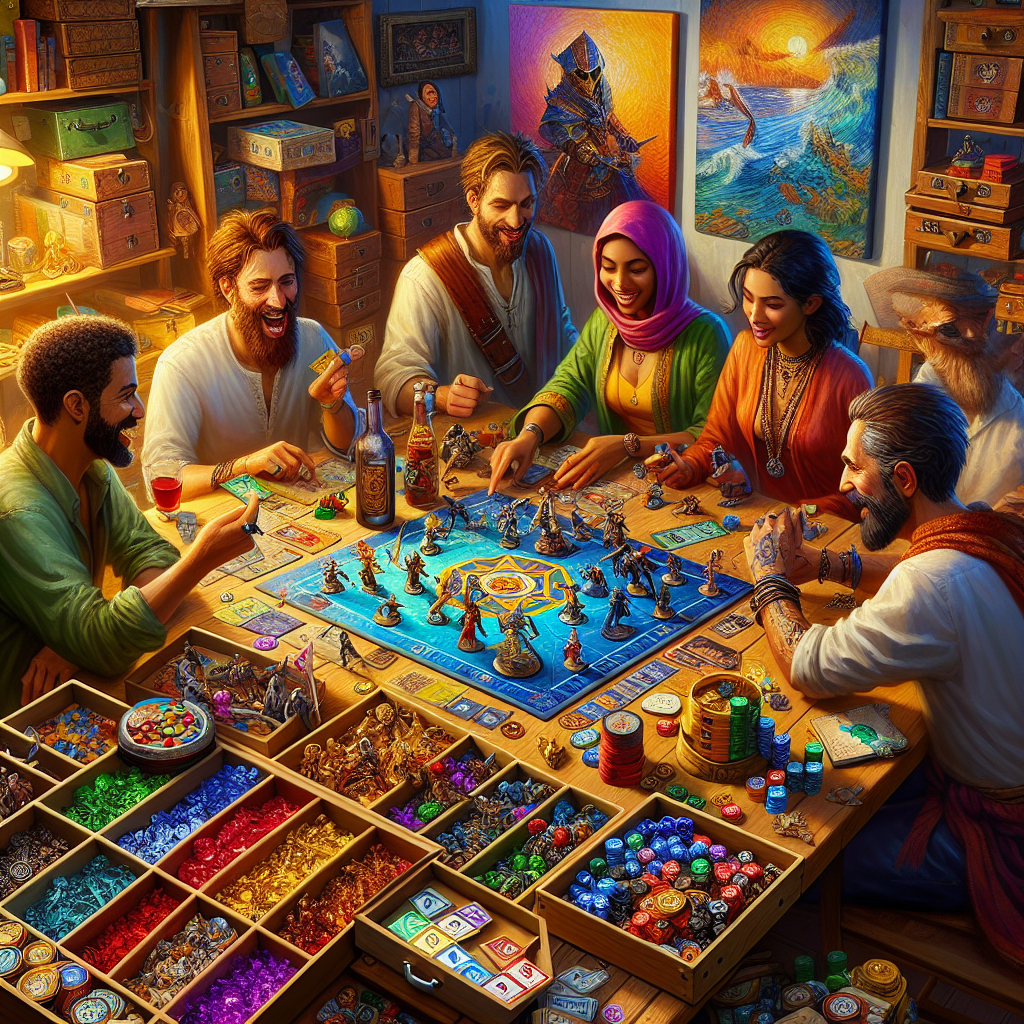
What Expansions Are Available For Wonderlands War?
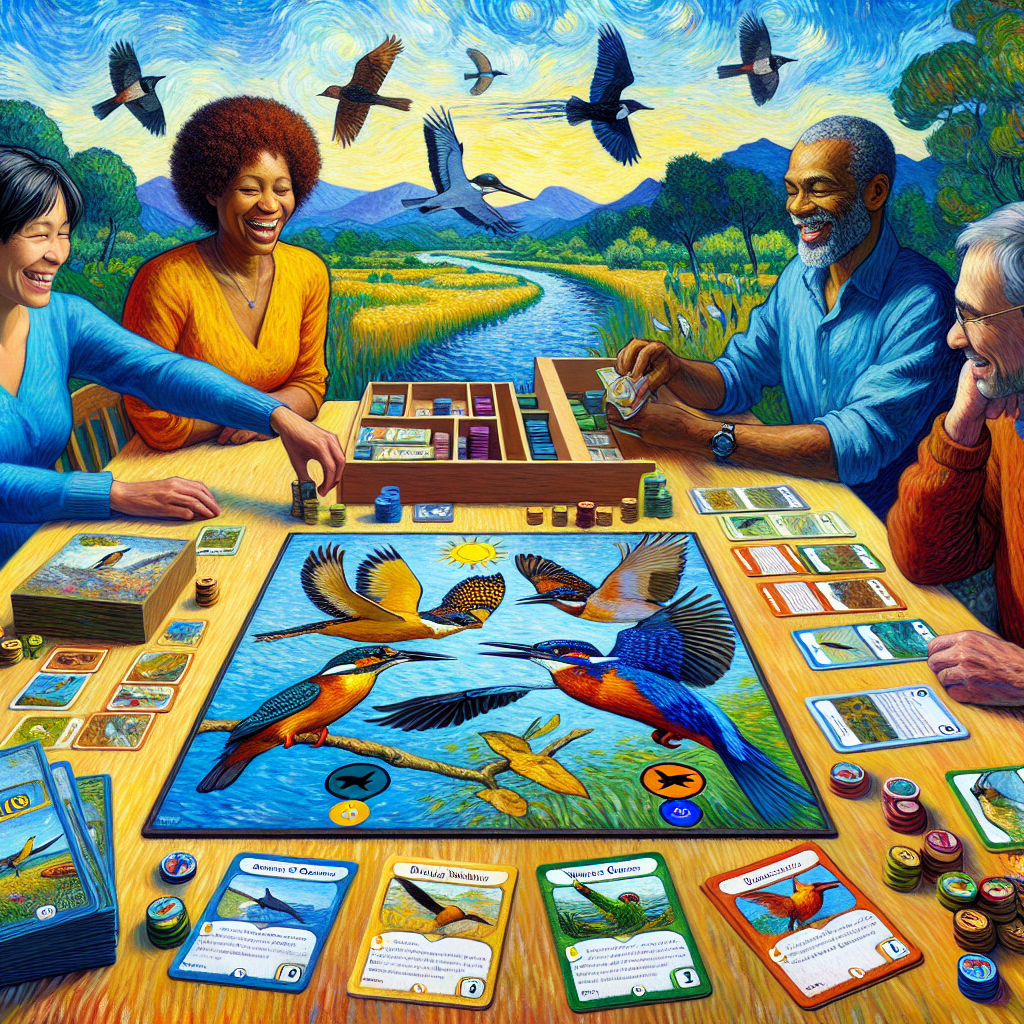
In the enchanting chaos of “Wonderlands War,” players already find themselves deep in a world where strategy, charm, and a dash of chaos reign supreme. But for those eager to stretch the boundaries of imagination and gameplay, expansions are the magical keys to unlocking even more adventures. Let’s dive into what’s available and what each can bring to the table.
First up, we have the captivating “The Critical Role: Adventure Path.” This expansion invites players into a quirkier layer of storytelling, inspired by some of the most popular characters from one of tabletop gaming’s biggest phenomena. Each new character offers unique skills and attributes, giving players a chance to experience familiar personalities in brand-new mechanics. Not only do you get to explore fresh quests, but you’ll also encounter wildly imaginative scenarios that push the narrative forward. The collaboration adds a layer of fan service that’s bound to attract die-hard followers.
Next in line is “The Fae & Folklore Expansion.” This enchanting supplement intertwines traditional fairy-tale elements with the core game mechanics, introducing new factions, characters, and whimsical locations. Picture this: You’re battling through enchanted groves where pixies are your ally, and mischievous sprites can turn the tides of fortune in an instant. The integration of folklore-specific challenges adds depth and a nostalgic twist. You can almost hear the faint echo of fairy wings while strategizing how to outsmart your opponents in this ethereal arena.
And let’s not forget the “Mythical Beasts Expansion.” This expansion brings legendary creatures into the fray, making battles more unpredictable and thrilling. Twist your strategies as you contend with dragons, griffins, and other mystical beasts who aren’t just for show but affect gameplay dynamics significantly. With the twist of a card, you might find yourself entangled in a chase against a creature straight out of myth, leading to moments that could turn the tide of victory—or send you spiraling into defeat.
Lastly, there are promotional packs and seasonal mini-expansions that frequently join the mix. These often introduce limited-time elements, ensuring that even seasoned players will find something new to explore.
In summary, each expansion not only broadens the scope of “Wonderlands War” but also enhances the experience by adding layers of complexity and creativity. Whether you’re a casual gamer or a seasoned strategist, these expansions transform each session into a tale worth telling—because who doesn’t love a good story filled with adventure, strategy, and a sprinkle of chaos?
What Expansions Are Available For Wonderlands War?
What Expansions Are Available For Wonderlands War?
- Wonderlands War: A strategy-driven game infused with charm and chaos, inviting players into an imaginative world.
- The Critical Role: Adventure Path: Features popular characters from a renowned tabletop game, introducing unique skills and story-driven quests.
- The Fae & Folklore Expansion: Incorporates fairy-tale elements, new factions, and challenges that deepen the gameplay experience.
- Mythical Beasts Expansion: Introduces legendary creatures like dragons and griffins, altering gameplay dynamics and adding excitement.
- Promotional Packs & Mini-Expansions: Seasonal additions that provide limited-time content, ensuring ongoing exploration for players.
- Enhanced Gameplay: Each expansion expands the scope and complexity of the game, enriching the overall experience.
- Appeal to All Gamers: Offers something for casual players and seasoned strategists alike, creating memorable adventures.
What Expansions Are Available For Wonderlands War?
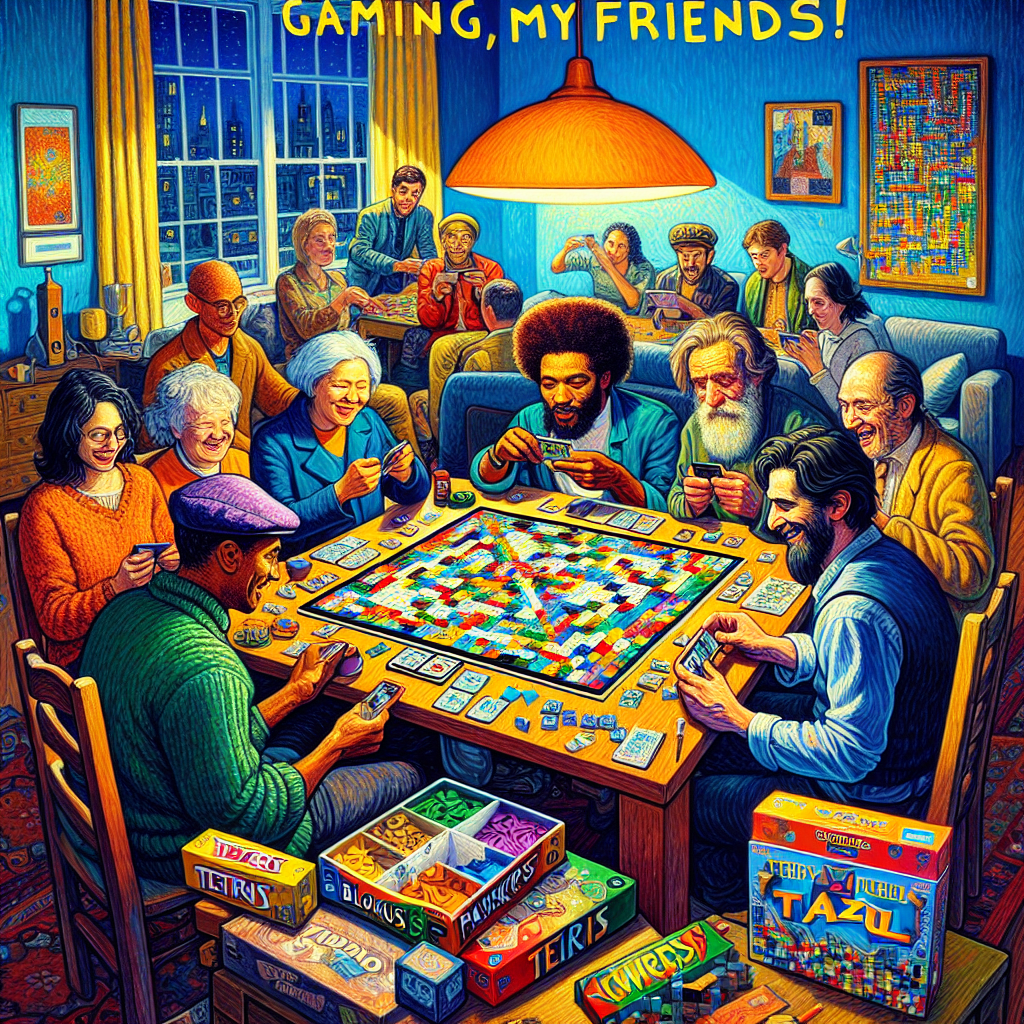
What Are Common Misconceptions About Wonderlands War?
When it comes to games that weave a tapestry of chaos and creativity, “Wonderland’s War” often finds itself at the center of a lovably perplexing debate. It’s as if players have wandered into a captivating yet confusing realm filled with misinterpretations and assumptions that could fill the halls of a courtroom. Let’s clear the fog surrounding this whimsical battlefield.
First and foremost, the idea that “Wonderland’s War” is merely a children’s game couldn’t be further from the truth. While the vibrant art and quirky characters do evoke a sense of nostalgia and whimsy, this game is steepered in strategy and player interaction that requires a sharp mind and a keen sense of tactics. Sure, it might look like a bright, candy-colored wonderland at first glance, but underneath lies a complex web of alliances, resource management, and tactical decision-making. In fact, it’s a cerebral challenge that can rival some of the industry’s heaviest hitters.
Another common misconception is the belief that “Wonderland’s War” is a solo endeavor. Many mistakenly think it’s a one-player scenario, focusing solely on personal victory without a regard for the other players around the table. The reality, however, is that to truly harness the potential of the game, you need to engage with your opponents. It’s not just about what you can do; it’s also about what you can discern from your fellow players’ moves. Trust me, ignoring the social aspect is like trying to brew tea without water—good luck with that.
Then there’s the notion that this game is overly chaotic, devoid of any foundation in strategy. While spontaneity does dance hand-in-hand with whimsy in “Wonderland’s War,” this chaos is purposeful. The randomness of events adds layers of excitement and unpredictability that can often shift the tides of battle. Understanding how to navigate this tempest is crucial for victory, and those who thrive in the organized chaos come away with a profound sense of accomplishment.
Lastly, some may argue that the game is too complicated for newcomers. While it’s true that there are mechanics to learn, the rules are crafted with accessibility in mind. Gamers of all backgrounds can easily pick up the basics and dive into the wonder. Like any great adventure, the learning curve may be steep, but the rewards of exploration are spectacular.
So, the next time you hear a misconception about “Wonderland’s War,” give it a rethink. Underneath its surface lies a world that challenges, entertains, and, above all, invites you to engage in a uniquely chaotic battle of wits and whimsy. Don’t judge a game by its cover—dive in and experience the wonder for yourself!
What Are Common Misconceptions About Wonderlands War?
What Are Common Misconceptions About Wonderlands War?
- “Wonderland’s War” is not just a children’s game; it requires strategic thinking and player interaction.
- The game is not a solo endeavor; engaging with opponents is crucial for success.
- While there is chaos in the game, it is structured and purposeful, adding excitement and unpredictability.
- Many players can thrive in the organized chaos, giving them a sense of accomplishment.
- The game is designed to be accessible for newcomers, despite its complex mechanics.
- The learning curve may be steep, but the experience is rewarding for players of all backgrounds.
- “Wonderland’s War” invites players to engage in a challenging and whimsical adventure beyond first impressions.

What Are Common Misconceptions About Wonderlands War?
Conclusion
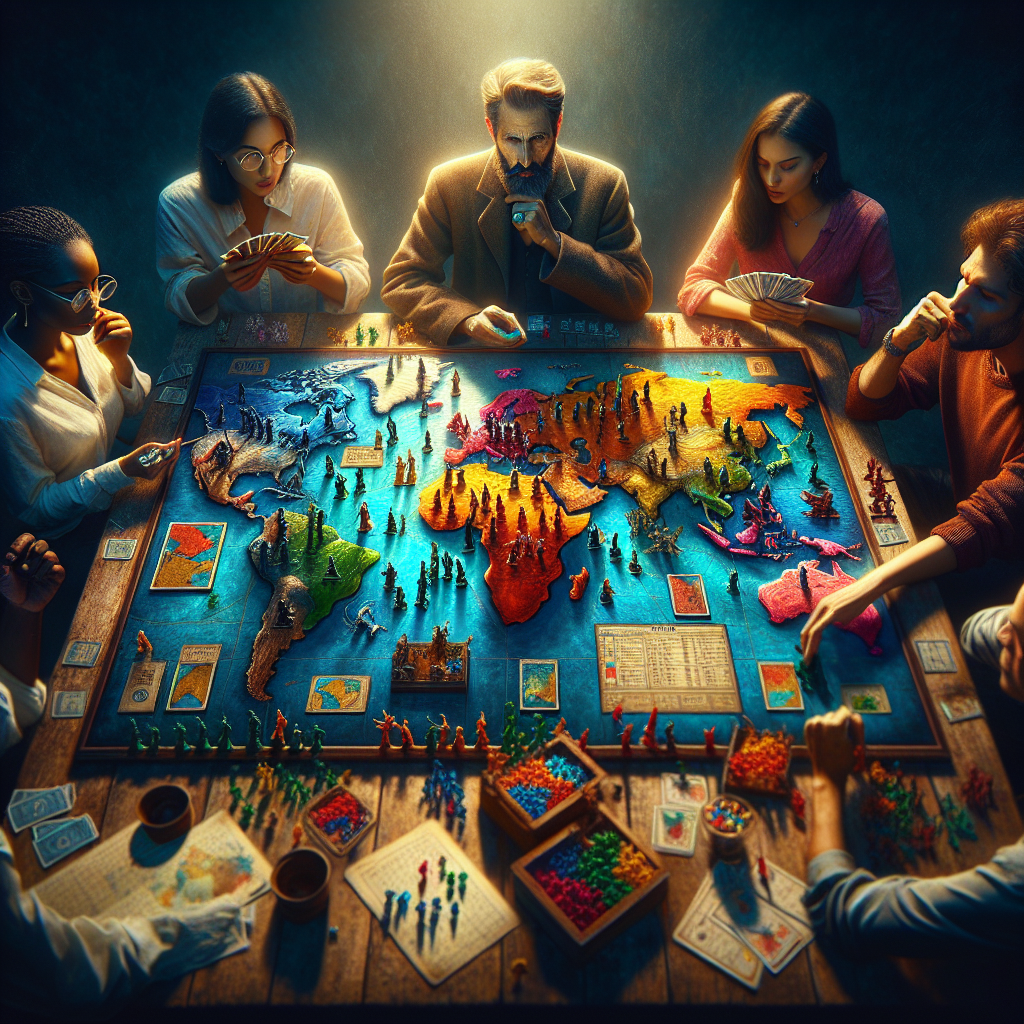
When you step into the vibrant chaos of *Wonderlands War*, you’re not just playing a game—you’re entering a beautifully crafted battlefield where strategy and whimsy collide. With its striking artistry and intricate mechanics, this tabletop experience is much like unearthing a shimmering gem from a treasure chest of board games. But what is it about this game that has captivated both seasoned strategists and casual players alike?
At its core, *Wonderlands War* isn’t just about gaming; it’s about immersion. The visual feast of colors, characters, and settings is almost a character unto itself, pulling players into a fantastical realm that feels alive. But it goes beyond aesthetics—this game actively fosters a sense of wonder and invites you to dive deeper into its strategic depths. Every token and card bursts with potential, enticing players to master its layers of resource management, tactical decision-making, and interpersonal dynamics.
Speaking of dynamics, *Wonderlands War* shines in its ability to facilitate engagement. You’re not just a participant; you’re an active player in a social ecosystem, navigating precarious alliances and rivalries. The bluffs, backstabs, and alliances you forge aren’t just clever tactics; they transform each session into a lively narrative, filled with laughter, drama, and unforgettable moments around the table. It’s a wild ride where each player’s actions resonate throughout the gameplay, creating a thrilling interplay that feels fresh with every round.
That brings us to replayability—perhaps the trump card of this game’s success. With an array of factions, unique abilities, and strategic paths to explore, no two games are the same. You can return to this wonderland month after month, each time unearthing new tactics and storytelling twists. In a world dominated by fleeting digital distractions, *Wonderlands War* stands as a testament to the enduring charm of tabletop gaming, bringing people together with its promise of creative chaos.
In summary, if you’re seeking a game that combines deep strategy, artistic flair, and meaningful player interaction, gather your friends and step into *Wonderlands War*. Dive into a whimsical battlefield, where every move is a dance of cunning and a dash of luck. Embrace the unpredictability, unleash your inner strategist, and experience the joy that comes from making your own narrative in this enchanting realm. This isn’t just a game; it’s an adventure waiting to be lived. So, roll up your sleeves, shuffle those cards, and get ready to lose yourself in the magic of *Wonderlands War*!
Conclusion
Conclusion:
- *Wonderlands War* offers a vibrant and beautifully crafted battlefield combining strategy and whimsy.
- The game immerses players in a fantastical realm with striking artistry and intricate mechanics.
- Players engage in strategic resource management, tactical decision-making, and interpersonal dynamics.
- Facilitates active engagement through precarious alliances, rivalries, and lively narratives.
- Features high replayability with diverse factions, unique abilities, and varied strategic paths.
- Celebrates the charm of tabletop gaming, providing a creative and social experience.
- *Wonderlands War* is an adventure that invites players to embrace unpredictability and create their own narratives.
Conclusion
Other Resources
Other Resources
Here is a list of other resources you can review online to learn more:
Use This Prompt To Get More Resources With Your Favorite Online AI Tool: Please provide me with a list of online articles with their URLS in a bulleted list that I can read regarding What Makes The Board Game Wonderland’s War So Popular?

Other Resources
Glossary Terms
What Makes The Board Game Wonderland’s War So Popular? – Glossary Of Terms
1. Asymmetrical Gameplay: A game design feature where players have different abilities, roles, or resources, enhancing strategic diversity.
2. Art Direction: The style and visual presentation of the game, contributing to its thematic atmosphere and appeal.
3. Combat System: The mechanics and rules governing how players engage in conflict, crucial for determining player interaction and strategy.
4. Community Engagement: The ways in which players interact around the game, including forums, social media, and organized play events.
5. Components: The physical items included in the game, such as cards, tokens, and boards, which affect gameplay and replayability.
6. Customizability: The ability for players to modify or personalize their gameplay experience, often through player choices or expansions.
7. Designer Reputation: The standing of the game designer within the board gaming community, influencing initial sales and popularity.
8. Expansion Packs: Additional content released after the original game, adding new mechanics or themes and prolonging its life cycle.
9. Fantasy Theme: The overarching imaginative setting that immerses players in a whimsical, fantastical world, appealing to fans of the genre.
10. Game Mechanics: The rules and systems that govern gameplay, including turn-taking, resource management, and interactions between players.
11. Game Length: The duration of a typical game session, which can influence player accessibility and enjoyment.
12. Immersive Experience: The depth of engagement and emotional investment players feel while playing the game, often enhanced by story and theme.
13. Interactivity: The degree to which players can influence each other’s actions or outcomes, fostering competition and collaboration.
14. Kickstarter Success: The role of crowdfunding in the game’s launch, often helping to build an initial fanbase and generate buzz.
15. Lore: The backstory and narrative elements that enrich the game’s universe, making it more compelling to players.
16. Mechanism Diversity: The variety of gameplay systems present in the game, adding complexity and richness to the player experience.
17. Player Counts: Recommendations for the number of players that can participate, affecting the game’s social dimension.
18. Replayability: The potential for players to enjoy the game multiple times due to different strategies, experiences, or player dynamics.
19. Strategic Depth: The complexity of decisions players face, rewarding critical thinking and long-term planning.
20. Thematic Integration: The alignment of game mechanics with the storyline and visuals, creating a coherent and engaging experience.
21. Unique Selling Proposition (USP): The distinct features that differentiate the game from others in the market, driving interest and sales.
22. User Reviews: Feedback and evaluations from the player community, often influencing new players’ choices and popularity.
23. Visual Appeal: The attractiveness of the game components and art, which can entice potential players and enhance satisfaction.
24. Winning Conditions: The various ways players can achieve victory, which shapes strategic approaches and player goals.
25. World-Building: The development of the game’s universe, characters, and cultures, enhancing immersion and storytelling.
26. Workshop Mechanic: A gameplay feature allowing players to craft or improve game components, fostering engagement and creativity.
27. Zoning: Refers to control of territory within the game, influencing strategy and competition among players.
28. Bidding System: A mechanic where players offer resources or points to achieve certain advantages, elevating strategic planning.
29. Player Conflict: The rivalry and competitive interactions among players that add a layer of excitement and tension to gameplay.
30. Narrative Arc: The unfolding story experienced through gameplay, enriching player engagement and emotional investment in outcomes.
Glossary Of Terms
Other Questions
What Makes The Board Game Wonderland’s War So Popular? – Other Questions
If you wish to explore and discover more, consider looking for answers to these questions:
- What are the player age recommendations for Wonderlands War?
- How many players can participate in a game of Wonderlands War?
- What expansions are available for Wonderlands War?
- How does the game accommodate different player skill levels?
- What are the most effective strategies for beginners?
- What are the critical differences between Wonderlands War and other board games?
- Are there any notable tournaments or competitions for Wonderlands War?
- What types of themes are explored in the game’s narrative?
- How does the game’s art style influence player engagement?
- Is there a digital version of Wonderlands War available?
- What are the common errors made by new players in Wonderlands War?
- Can Wonderlands War be played solo, and what would that experience be like?
- How does player interaction change the dynamics of the gameplay?
- What are the components included in Wonderlands War?
- How long does a typical game session last for Wonderlands War?
Other Questions
Haiku
What Makes The Board Game Wonderland’s War So Popular? – A Haiku
Whimsical conflict,
Colors dance in vibrant strife,
Luck and skill collide.
Haiku
Poem
What Makes The Board Game Wonderland’s War So Popular? – A Poem
In a realm where colors dance and play,
Wonderlands War beckons with whims on display.
A canvas alive, vibrant and bold,
Where stories of strategy and friendship unfold.
Artistry sparkles like gems in the light,
Setting the stage for both battle and plight.
Players step in as warriors of lore,
Fighting for power, alliances, and more.
Chaos entwines with the threads of the game,
As players outwit, and fortunes can change.
Resource management and strategy blend,
Each round a challenge; each choice, a bend.
Interwoven narratives of trust and deceit,
In this whimsical garden, it’s often a feat,
To navigate dangers and forge bonds anew,
With laughter and banter, the excitement ensues.
Replayability looms, a kaleidoscope wide,
New tactics, fresh factions, endless to ride.
From young teens to the wise and the bold,
The magic of play is a joy to behold.
Luck joins the fray, a wildcard in hand,
As skillful decisions help craft your command.
Yet under the surface, a landscape profound,
Where identity struggles and power is found.
So gather your friends, let the adventure begin,
With each roll and each card, where the chaos spins.
In the heart of the wonder, there’s magic in play,
For in Wonderlands War, there’s a world to convey.
Poem
Checklist
What Makes The Board Game Wonderland’s War So Popular? – A Checklist
Understanding the Game
1. Familiarize with the Game Mechanics
_____ Understand the unique blend of area control and resource management.
_____ Learn about the bag-building mechanic and how it affects gameplay.
_____ Explore the token-based combat resolution system.
2. Know the Themes
_____ Recognize themes of identity and self-discovery.
_____ Observe the exploration of power dynamics and conflict.
_____ Consider the use of whimsy as a coping mechanism.
Engaging With Others
3. Player Interaction
_____ Identify how player strategies are influenced by interaction.
_____ Develop skills in negotiation and forming alliances.
_____ Consider the role of bluffing and psychological tactics in gameplay.
Strategies for Success
4. Master Key Strategies
_____ Learn the strengths and weaknesses of different factions.
_____ Develop resource management skills.
_____ Build and leverage alliances wisely.
_____ Practice psychological warfare techniques.
5. Adaptability
_____ Stay flexible and adapt strategies based on opponents’ actions.
_____ Be prepared for unpredictable game dynamics due to luck.
Game Components
6. Understand Game Components
_____ Familiarize yourself with the game board, cards, tokens, and other essential elements.
_____ Review the rulebook for clarification on gameplay mechanics.
Game Experience
7. Recognize Player Suitability
_____ Identify that the game is recommended for ages 14 and up.
_____ Understand how it can cater to both casual and experienced players.
8. Game Duration
_____ Anticipate that a typical game session lasts approximately 1-2 hours.
Expanding the Experience
9. Explore Available Expansions
_____ Look into expansions such as *The Critical Role: Adventure Path,* *The Fae & Folklore Expansion,* and *Mythical Beasts Expansion* for enhanced gameplay.
Debunking Misconceptions
10. Address Common Misconceptions
_____ Clarify that *Wonderlands War* is not just for children; it requires strategy and planning.
_____ Emphasize that it is not a solo game, but involves engaging with others.
_____ Tell others that chaos in the game is purposeful and strategic.
_____ Highlight that the game is accessible to new players despite its complexity.
Feel free to distribute this checklist alongside the article to help readers fully appreciate the enchanting world of *Wonderlands War*!
Checklist
At BestBoardGameNews, we help people who love board games by collating information and news about board games.
Be sure to read our other related stories at BestBoardGameNews to learn more about board games.