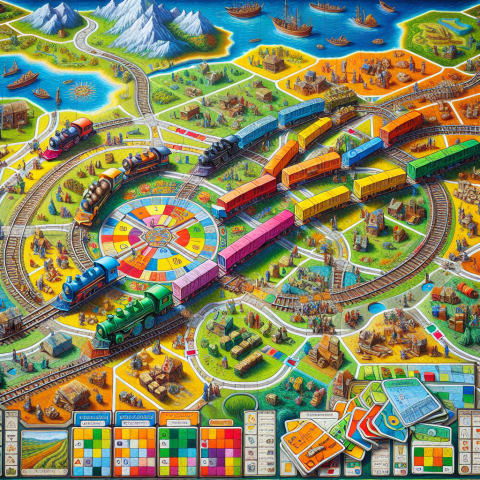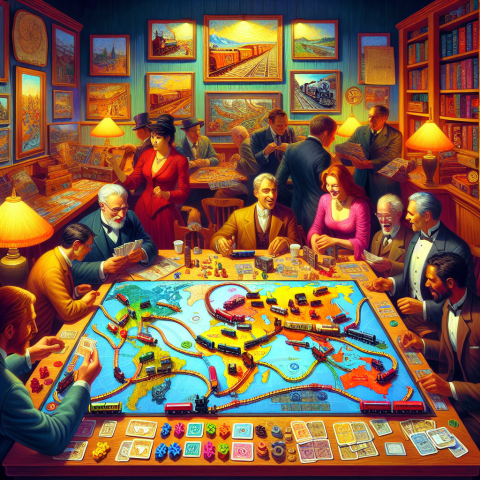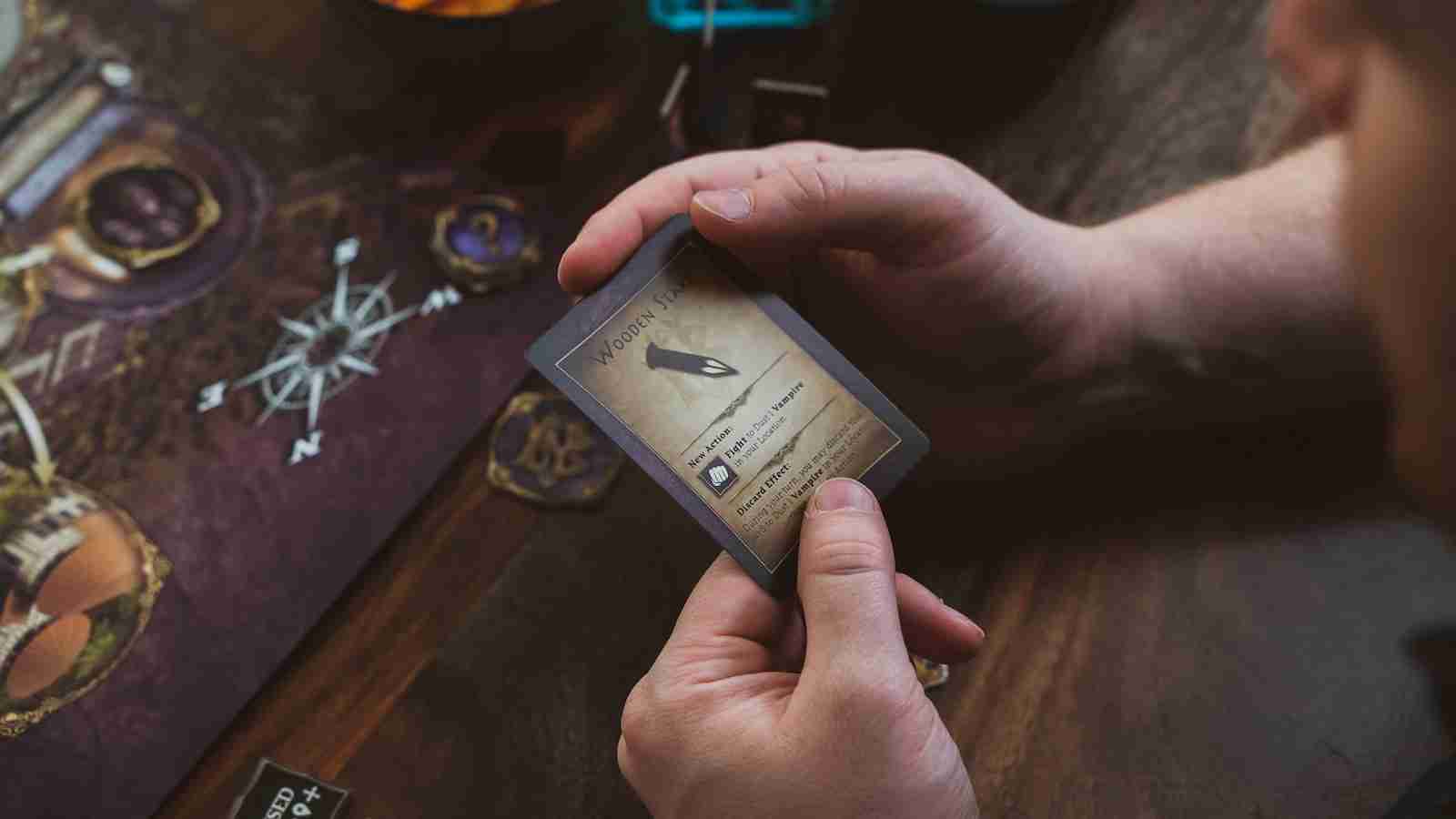
Unveiling The Allure Of Woodcraft Board Game
By Tom Seest
At BestBoardGameNews, we help people who love board games by collating information and news about board games.
Be sure to read our other related stories at BestBoardGameNews to learn more about board games.
What Makes The Board Game Woodcraft So Popular?
In a world overflowing with entertainment options, it’s not often that a board game cuts through the noise. Yet, Woodcraft has emerged as a crowd-pleaser, captivating seasoned gamers and families alike. Its allure lies in a delightful concoction of strategy, creativity, and social interaction—elements that resonate with our innate desire for connection and competition.
At its core, Woodcraft is a game that celebrates the art of woodworking. Players step into the shoes of lumberjacks and craftspersons, transforming raw materials into beautifully crafted furniture. There’s something genuinely satisfying about taking a log and, through a series of savvy decisions, morphing it into a stunning piece of craftsmanship. It’s more than just rolling dice; it’s a tactile experience that taps into our collective nostalgia for hands-on work. In an age where nearly everything is digital, the game successfully brings the tactile joy of woodworking to the table.
One of the significant draws of Woodcraft is its strategic depth. While the concept might sound simple—gather resources, craft items, and fulfill orders—the decision-making is rich and layered. No two games are ever the same, and players must remain nimble, adapting to the evolving dynamics on the board and the actions of their opponents. This balance of strategy ensures that players are engaged and invested throughout. The thrill of watching your carefully laid plans crumble because an opponent snatches up that perfect resource you’ve been eyeing? It’s the kind of competitive tension that keeps you coming back for more.
But let’s not forget the social aspect. Woodcraft encourages camaraderie and provides an opportunity for laughter and banter. Whether it’s sharing tips about the best strategies or sharing moments of collective awe as a spectacular piece is crafted, the game fosters an environment where relationships can flourish. It’s a bridge from virtual interactions back to face-to-face connections—a rarity these days.
Add in stunning artwork and components that draw the eye, and you’ve got yourself a package that’s hard to resist. The craftsmanship in the game reflects the activity it emulates, generating appreciation before players even take their first turn.
So, whether you’re an experienced board gamer or new to the table, Woodcraft offers a compelling blend of strategy, creativity, and social interaction. In a landscape of fleeting fads, this game stands tall, inviting everyone to roll up their sleeves and get to work.
What Makes The Board Game Woodcraft So Popular?
What Makes The Board Game Woodcraft So Popular?
- Woodcraft captivates both seasoned gamers and families with its unique blend of strategy, creativity, and social interaction.
- The game celebrates woodworking, allowing players to transform raw materials into crafted furniture.
- Woodcraft provides a tactile experience, tapping into nostalgia for hands-on work in a digital age.
- Strategic depth ensures that no two games are ever the same, keeping players engaged and invested.
- Competitive tension arises as players adapt to evolving board dynamics and opponents’ actions.
- The game fosters camaraderie, encouraging laughter and banter among players, enhancing face-to-face connections.
- Stunning artwork and components add to the overall appeal, making Woodcraft a visually attractive package.
What Makes The Board Game Woodcraft So Popular?
Table Of Contents
- What Makes The Board Game Woodcraft So Popular?
- What Unique Mechanics Does Woodcraft Introduce To Players?
- How Does The Theme Of Woodworking Enhance Gameplay Experience?
- What Strategies Can Players Employ To Win At Woodcraft?
- How Does Woodcraft Compare To Other Popular Board Games?
- What Age Group Is Woodcraft Best Suited For?
- How Does Player Interaction Influence The Game In Woodcraft?
- What Are The Essential Components Of The Woodcraft Board Game?
- How Easy Is It For Newcomers To Learn Woodcraft?
- What Educational Benefits Does Woodcraft Offer To Players?
- How Do Expansions Impact The Gameplay Of Woodcraft?
- What Has The Community’s Feedback Been Regarding Woodcraft?
- Why Is Woodcraft Appealing To Both Casual And Hardcore Gamers?
- How Does The Artwork And Design Contribute To Its Popularity?
- What Are The Common Misconceptions About Woodcraft?
- How Does Woodcraft Foster Social Interaction Among Players?
- Conclusion
- Other Resources
- Glossary Of Terms
- Other Questions
- Haiku
- Poem
- Checklist
What Unique Mechanics Does Woodcraft Introduce To Players?
Woodcraft is a game that draws players into the heart of woodworking, a craft that often goes unappreciated in the modern age. Here, players don’t just sit back and watch; they engage in a hands-on experience that tests their strategic thinking and resource management. It’s a game where the scent of sawdust wafts through each turn and the crunch of wood under a handplane is palpable, even if it’s all just in our imaginations.
At the heart of Woodcraft’s uniqueness lies its innovative combination of resource allocation and worker placement mechanics. Players take on the role of a master carpenter, carving out their legacy through the careful selection of wood types and design plans. The challenge isn’t just about gathering resources; it’s about doing so with an eye for the final product. Each kind of wood has its own characteristics, and players must consider not only what’s at their disposal but also what will best suit their creations as they progress through the game.
But the mechanics don’t stop there. The game introduces a dynamic crafting system that encourages an iterative approach to woodworking. You can start with a rough piece of timber and refine it over multiple rounds. This reflects the real-life process of woodworking, where creating something beautiful often involves experimentation. The turn-based structure allows you to reassess your strategy as the game unfolds—will you go for that intricate design that requires multiple steps, or will you focus on simpler projects that can be completed quickly for immediate rewards?
Another unique aspect of Woodcraft is the integration of an environmental theme. As players strive to create their masterpieces, they must also pay attention to sustainability. Each decision impacts the crafting process and the ecosystem that supports their workshop. Choosing sustainable materials can yield benefits down the line, adding another layer of strategy that’s often overlooked in other board games.
Finally, let’s not forget the game’s thematic elements that draw you deeper into its world. The beautifully designed components—each piece of wood, tool, and project card—create a tactile experience that immerses players in the craft. It’s not just about winning; it’s about the pride that comes from creating something from scratch.
In Woodcraft, everyone leaves with more than just a victory or defeat; they walk away with a newfound respect for the age-old craft of woodworking. And that, my friends, is the true mark of a memorable game.
What Unique Mechanics Does Woodcraft Introduce To Players?
What Unique Mechanics Does Woodcraft Introduce To Players?
- Woodcraft immerses players in the art of woodworking through hands-on gameplay.
- It features a combination of resource allocation and worker placement mechanics.
- Players act as master carpenters, carefully selecting wood types and design plans.
- The game includes a dynamic crafting system that mimics real-life woodworking processes.
- Players must consider sustainability, as decisions affect both crafting and the ecosystem.
- Beautifully designed components enhance the tactile experience and thematic immersion.
- Players leave with a deeper appreciation for woodworking, beyond just winning or losing.
What Unique Mechanics Does Woodcraft Introduce To Players?
How Does The Theme Of Woodworking Enhance Gameplay Experience?
In the realm of gaming, there’s something undeniably captivating about the rhythmic dance between player, tool, and the raw material of wood. Picture this: you’re nestled into your favorite gaming spot, the world around you fading into the background as you take on the role of a woodworker. There’s an art to it—each decision you make is akin to the careful strokes of a chisel in skilled hands. The theme of woodworking doesn’t just serve as a backdrop; it fundamentally enriches the gameplay experience in ways that are both visceral and tactile.
For starters, woodworking places a premium on craftsmanship and attention to detail. Players become immersed in a world where their efforts translate into tangible results. You’re not just slashing your way to success with a sword or blasting through enemies with over-the-top weapons. Instead, you’re selecting the finest wood, crafting everything from simple tools to elaborate furniture, and witnessing the transformation from lumber to finished product. This sense of creation fosters a connection to the game that nothing else can replicate.
Moreover, the theme promotes a slower, more thoughtful pace of play. In a landscape filled with high-octane, adrenaline-pumping action, woodworking stands as a welcome respite. Players are invited into a meditative state, where each cut and carve invites reflection and strategy. The process often requires players to gather resources, plan their designs, and adapt their techniques based on the tools at their disposal. This not only sharpens fine motor skills but also engages the mind in a way that other themes might neglect.
Let’s not overlook the social dimension that woodworking can add to the experience. Many games incorporate collaborative crafting mechanics, allowing players to work together on larger projects. This teamwork builds camaraderie and fosters a sense of community—an essential cornerstone of any gaming environment. Whether you’re building a quaint cottage with friends or partaking in friendly competitions to create the most magnificent artifact, the shared endeavor heightens emotional investment in the gaming world.
Ultimately, the woodworking theme transforms gaming from mere escapism into an interactive exploration of skill, patience, and artistry. Each whittle and shave of that virtual wood becomes a story in itself, enriching not just the experience but also the player’s attachment to the world they are shaping. In a way, as you carve your digital masterpieces, you’re not just building structures; you’re crafting memories.
How Does The Theme Of Woodworking Enhance Gameplay Experience?
How Does The Theme Of Woodworking Enhance Gameplay Experience?
- Woodworking adds a captivating rhythmic dynamic to gaming through the interaction between player, tool, and material.
- Players experience immersion through craftsmanship, seeing their efforts translate into tangible results like tools and furniture.
- The theme promotes a slower, thoughtful pace of play, contrasting high-octane action games.
- Woodworking invites players into a meditative state, encouraging reflection, strategy, and planning.
- The process enhances fine motor skills and engages the mind creatively compared to other themes.
- Collaborative crafting fosters teamwork and community among players, enhancing emotional investment in the game.
- Woodworking transitions gaming from mere escapism to an exploration of skill, patience, and artistry, transforming gameplay into a memorable experience.

How Does The Theme Of Woodworking Enhance Gameplay Experience?
What Strategies Can Players Employ To Win At Woodcraft?
When it comes to Woodcraft, the game isn’t just about stacking up resources and hoping for the best; it’s a delicate dance of strategy, planning, and a bit of good old-fashioned intuition. If you’re looking to edge out your competition in this beautifully crafted game of lumber and strategy, consider these tried-and-true tactics.
First things first: *master the art of resource management*. In Woodcraft, your resources are your lifeblood. Whether it’s wood types or specialty tools, knowing when to hoard and when to spend can make or break your game. Treat resources like precious currency; keep an eye on what’s available and strategize accordingly. Don’t just grab whatever looks shiny – think three moves ahead. Is that oak going to help you build what you need now, or is it better saved for a powerhouse structure down the line?
Next, *focus on your building objectives*. Each game will present you with different goals, and it’s crucial to align your strategy with those objectives. Do you need to create a sturdy piece to win over the judges, or is the key to victory in crafting multiple small items? Prioritize your tasks based on the game state and your opponents’ moves. Being adaptable while keeping your eyes on the prize is an essential component of winning at Woodcraft.
Don’t forget about *interacting with your opponents*. They’re not just competition; they’re a vital part of the game ecosystem. Observe their strategies and determine how to position yourself advantageously. Are they hoarding resources or pushing for a specific goal? By paying attention to their patterns, you can anticipate their moves and either counteract their strategy or stealthily outpace them.
Lastly, *embrace the element of surprise*. Woodcraft is filled with twists and turns, and a well-timed move can throw even the most seasoned player off their game. Keep your plans under wraps until the moment is right. Whether it’s crafting a piece no one saw coming or suddenly changing your building approach to disrupt the current flow, a dash of unpredictability can be your secret weapon.
In the competitive world of Woodcraft, strategy reigns supreme. So roll up those sleeves, gather your lumber, and prepare to outwit your fellow woodworkers. With the right mix of resource management, building objectives, opponent observation, and a sprinkle of surprise, you just might find yourself at the top of the leaderboard. Happy crafting!
What Strategies Can Players Employ To Win At Woodcraft?
What Strategies Can Players Employ To Win At Woodcraft?
- Master Resource Management: Treat resources like currency; know when to hoard or spend.
- Focus on Building Objectives: Align your strategy with the different goals presented in each game.
- Interact with Opponents: Observe and determine your opponents’ strategies to position yourself advantageously.
- Be Adaptable: Prioritize tasks based on the game state and opponents’ moves.
- Embrace the Element of Surprise: Keep plans discreet and make unexpected moves to disrupt others.
- Observe Patterns: Anticipate opponents’ moves by paying attention to their behaviors.
- Roll Up Your Sleeves: Gather resources and prepare to outwit fellow woodworkers for success.
What Strategies Can Players Employ To Win At Woodcraft?
How Does Woodcraft Compare To Other Popular Board Games?
When it comes to board games, there’s a certain magic in gathering around a table, dice clattering across the surface, and lively competition filling the air. Now, let’s talk about Woodcraft—a game that brings a refreshing twist to the genre, weaving together strategy, resource management, and a hefty dose of craftsmanship that can rival the most beloved titles you’ll find on the shelves.
At first glance, you might think it’s just another game about lumberjacks and trees. But don’t be fooled; Woodcraft is a beautifully crafted experience that stands tall against titans like Catan or Ticket to Ride. Its vibrant artwork transports players to a bustling workshop where creativity meets competition. Unlike classic resource management games where luck often reigns supreme, Woodcraft shifts the focus to skill and strategic planning. It’s not just about acquiring resources; it’s about turning those resources into something meaningful.
In contrast to popular games like Catan, where trading often leads to a back-and-forth that can feel repetitive, Woodcraft adds layers of complexity. You aren’t merely collecting wood; you’re shaping it according to client needs, balancing efficiency with creativity. It’s like being a chef in a kitchen where every ingredient counts, and you’ll want to refine your technique as you craft unique wood items to fulfill specific orders. The satisfaction that comes from seeing your creations come together is akin to a victory in your favorite sports match, but with fewer injuries and more sawdust.
Furthermore, the pacing of Woodcraft deserves a shout-out. While some games can stretch on like a never-ending road trip, Woodcraft often feels brisk and engaging. Players are perpetually working on their next project, with turns that flow seamlessly. You’re not just waiting for your turn; you’re always involved, always scheming, and always adapting to your fellow woodworkers’ moves.
Let’s not forget the social element—another feather in Woodcraft’s cap. It encourages collaboration, as you negotiate with fellow players, but it also fosters healthy competition. While you’re building your tiny empire of wooden wonders, keep an eye on your rivals, because the tension adds a delightful spice to your crafting endeavors.
So, if you find yourself buried under a pile of classic board games and are in search of something that combines creativity, strategy, and a touch of friendly rivalry, Woodcraft is worth pulling off the shelf. It’s not just a game; it’s an experience that measures up beautifully against the giants of the board game world.
How Does Woodcraft Compare To Other Popular Board Games?
How Does Woodcraft Compare To Other Popular Board Games?
- Woodcraft offers a unique twist on traditional board games with a blend of strategy, resource management, and craftsmanship.
- The game features vibrant artwork, immersing players in a bustling workshop environment.
- Unlike many classic games, Woodcraft emphasizes skill and strategic planning over luck.
- Players balance efficiency and creativity by shaping wood according to client needs.
- The game has a brisk pace, keeping players engaged and involved throughout their turns.
- Woodcraft encourages collaboration and competition, adding tension to the crafting experience.
- It stands out among classic board games, providing a creative, strategic, and dynamic gameplay experience.
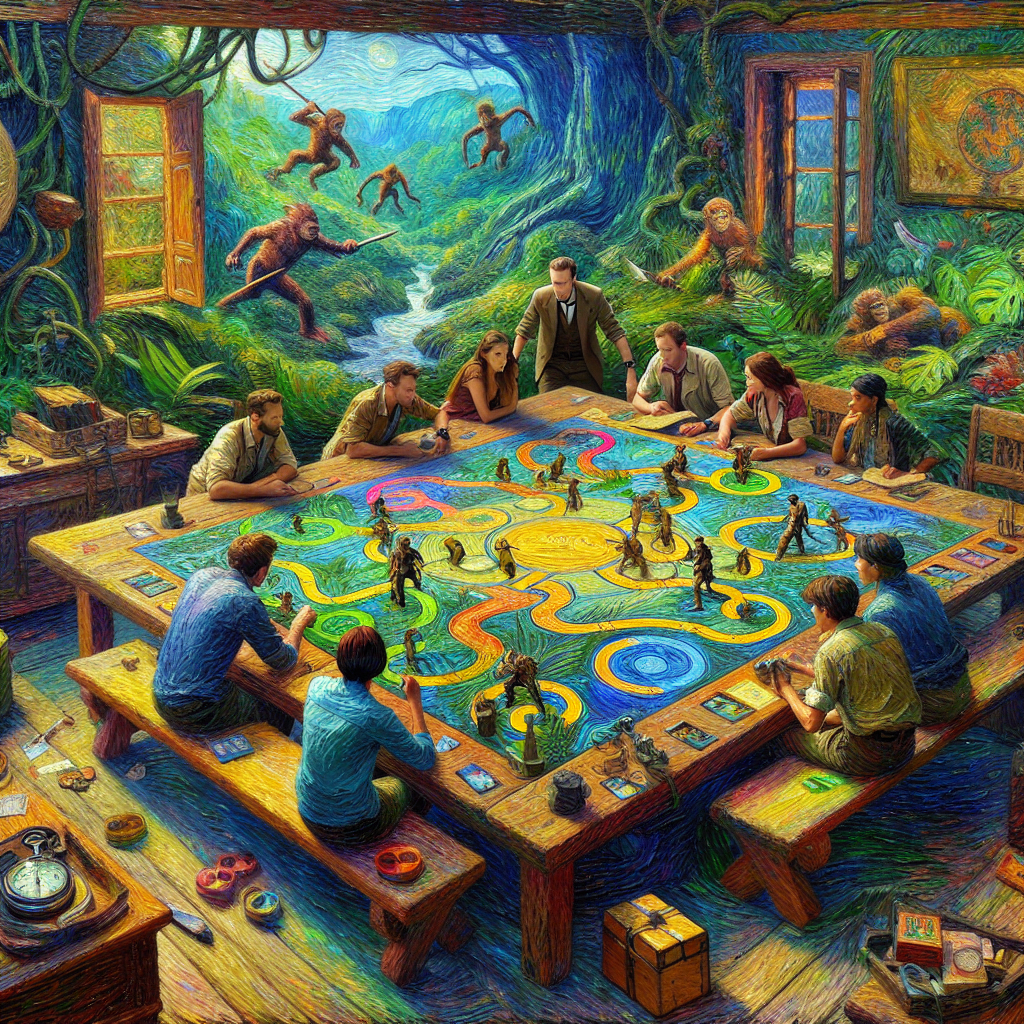
How Does Woodcraft Compare To Other Popular Board Games?
What Age Group Is Woodcraft Best Suited For?
When it comes to engaging with woodcraft, age is more of a guideline than a limitation. This hands-on craft not only invites creativity but also builds a treasure trove of invaluable skills along the way. Think about it: from toddlers to retirees, woodcraft appeals to a wide spectrum of ages, each reaping their own unique benefits.
Let’s start with the little ones. Kids as young as 5 or 6 can dive into the world of woodcraft with appropriate supervision and guidance. Simple projects, like birdhouses or toy cars, often serve as excellent introductory materials. These activities do more than teach basic skills; they foster an early appreciation for craftsmanship and creativity. Handling tools (with adult help, of course) helps improve fine motor skills and hand-eye coordination. Plus, there’s a kaleidoscopic world of color and imagination at play, turning what could be a simple craft into a mini-adventure in learning.
As children grow into their teenage years, woodcraft can evolve into a more sophisticated pursuit. Teens often crave self-expression and independence, and what better medium to explore those facets than wood? In this age group, projects can become more intricate, allowing young aspiring carpenters to tackle challenges, embrace trial and error, and learn the virtues of patience and perseverance. Constructing functional pieces like furniture not only serves the dual purpose of utility and aesthetics but also builds self-esteem. These accomplishments resonate in ways that a mere “A” on a report card can’t quite match.
Now, don’t overlook the adults—those seasoned souls seeking a break from the daily grind. Woodcraft offers a fantastic escape into craftsmanship and creativity, making it the perfect antidote to a world that feels increasingly intangible. It’s about getting hands dirty, wood shavings flying, and the satisfying smell of fresh cut lumber bringing a sense of grounding that modern life often neglects. For hobbyists or even amateur craftsmen, working with wood becomes a way to connect with one’s self and produce tangible items that carry both purpose and pride.
And let’s not forget the golden years. Older adults, with their wealth of experience, might find tremendous joy in returning to woodcraft. Whether rekindling an old passion or discovering something new, working with wood can be as rewarding as it is therapeutic. Plus, it offers a wonderful venue for sharing skills and passing down knowledge to younger generations, creating bonds that will last a lifetime.
So, whether you’re a curious kid, an adventurous teen, a busy adult, or a wise elder, woodcraft welcomes you with open arms. It’s not about age; it’s about the joy of creation.
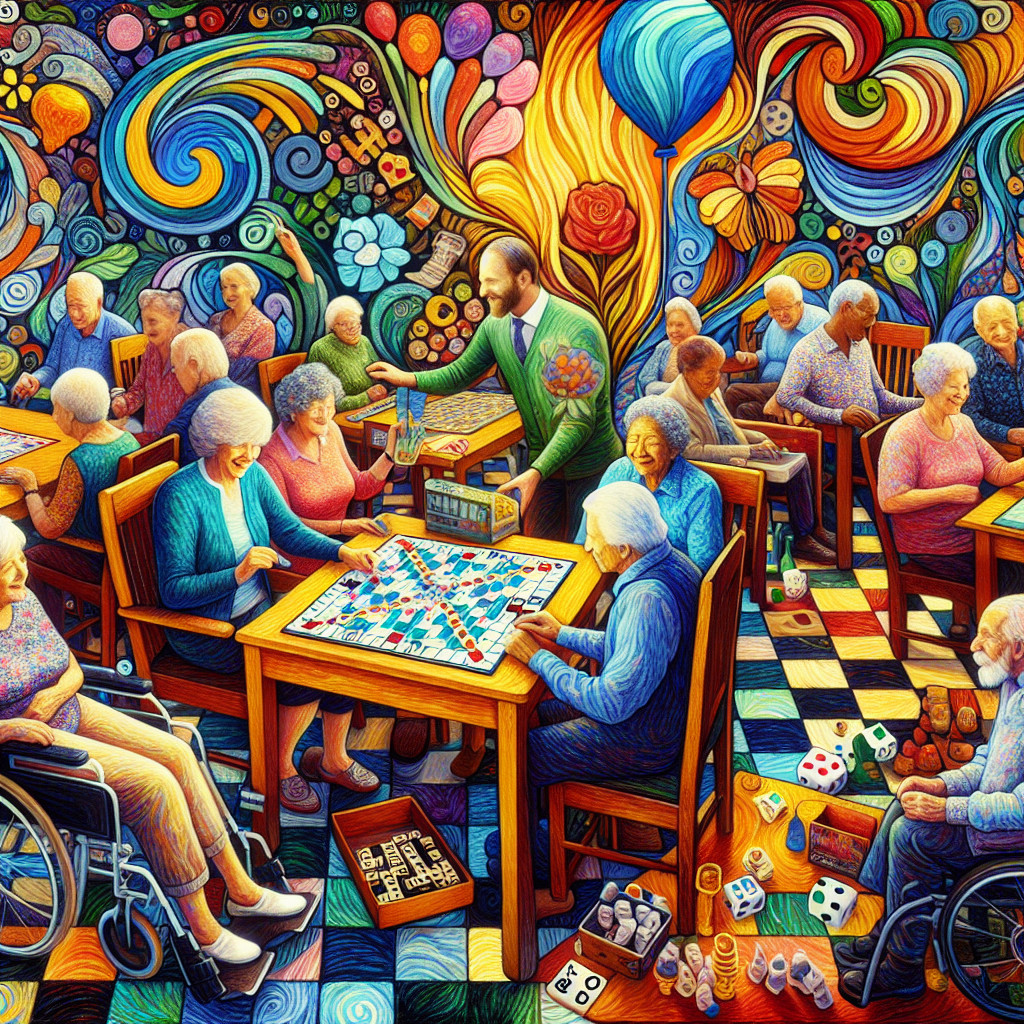
What Age Group Is Woodcraft Best Suited For?
What Age Group Is Woodcraft Best Suited For?
- Woodcraft is accessible to all ages, from toddlers to retirees, promoting creativity and skill development.
- Children as young as 5-6 can engage in simple woodcraft projects, improving fine motor skills and hand-eye coordination.
- Teenagers benefit from more complex projects, allowing for self-expression, independence, and lessons in patience and perseverance.
- Woodcraft fosters self-esteem in teens through the construction of functional and aesthetic pieces.
- Adults find woodcraft to be a grounding escape from modern life, connecting them with tangible creativity.
- Older adults can rediscover or learn new woodcraft skills, offering therapeutic benefits and opportunities for mentorship.
- Woodcraft is a celebration of creativity, welcoming individuals of any age to enjoy the process of creation.
What Age Group Is Woodcraft Best Suited For?
How Does Player Interaction Influence The Game In Woodcraft?
In the world of Woodcraft, player interaction is not just a delightful feature; it’s the very backbone of the experience. At its heart, Woodcraft is a game that encourages conversation, collaboration, and sometimes, fierce competition among its players. As you gather around the table, armed with your artisan tools and boundless creativity, the dynamics between players begin to shape the narrative and strategies within the game.
First and foremost, Woodcraft isn’t just a solo endeavor—it’s designed to be a communal crafting experience. Each player brings their unique style and approach to the table, which adds a delightful complexity to gameplay. As players share resources, barter for materials, or even trade crafting techniques, they foster an environment of cooperation and mutual respect. This interaction not only enhances gameplay but also builds camaraderie, making every session a memorable experience. It’s a little like being part of a woodworking guild, where every member plays an important role in achieving a common goal.
But don’t let that cooperative spirit fool you. The stakes can get high as players strategize their moves with an eye toward outmaneuvering each other to complete their projects. Competition becomes fierce, but it’s a jovial form of rivalry that keeps everyone engaged. Players must be attentive, predicting their opponents’ actions and adjusting their strategies accordingly. This cat-and-mouse dynamic leads to lively debates over who’s hoarding materials or who’s strategically sabotaging another’s project.
Moreover, player interactions in Woodcraft influence the decision-making process significantly. The game thrives on negotiation, which can change the course of play in a matter of moments. A well-timed offer for a rare piece of wood can not only enhance your creation but can also shift the balance of power among players. The thrill of convincing someone to part with their prized resource adds layers of strategy and humor, encouraging players to think on their feet.
Ultimately, the ever-evolving web of interactions in Woodcraft creates a rich tapestry of experiences that is as unpredictable as it is enjoyable. So whether you’re bonding over a shared love of crafting or trying to outsmart your fellow artisans, it’s the player interaction that makes Woodcraft not just a game, but a vibrant community of creativity. It’s the people you share this journey with that transform a simple board into a workshop of laughter, strategy, and community.
How Does Player Interaction Influence The Game In Woodcraft?
How Does Player Interaction Influence The Game In Woodcraft?
- Player interaction is central to the Woodcraft experience, fostering conversation, collaboration, and competition.
- Woodcraft is a communal crafting game where each player contributes their unique style, enhancing complexity.
- Resource sharing, bartering, and trading techniques create an environment of cooperation and camaraderie.
- Competitive dynamics arise as players strategically outmaneuver each other to complete projects.
- Interactions significantly influence decision-making, with negotiation playing a crucial role in gameplay.
- Well-timed offers for resources can shift power dynamics, adding layers of strategy and humor.
- Ultimately, player interactions create an enjoyable tapestry of experiences, making Woodcraft a vibrant community.
How Does Player Interaction Influence The Game In Woodcraft?
What Are The Essential Components Of The Woodcraft Board Game?
In the world of tabletop gaming, every great adventure starts with the right tools. For those who set their sights on the intricate and rewarding world of Woodcraft, the essential components take center stage, transforming an ordinary tabletop into a bustling workshop. Let’s roll up our sleeves and dive into what you’ll find tucked away in that delightful box.
First off, players will meet the beautifully designed game board. This isn’t just a flat surface; it’s a vibrant representation of a lumber yard brimming with potential. Wood is represented in various forms – logs, boards, and even specialty items – and the board is thoughtfully laid out to encourage strategic planning and resource management. Each section of the board has its own purpose, making navigation a vital part of the experience.
But what’s a workshop without the right instruments? Enter the tools! These finely-crafted wooden tokens not only offer a tactile pleasure but also represent the heart of the game’s mechanics. Each artisan starts with a unique set of tools – think saws and hammers – that players can upgrade as they progress. It’s all about enhancing efficiency and mastery, which makes each decision feel weighty and consequential.
Of course, what would a game be without the characters who bring the experience to life? Woodcraft comes populated with a diverse cast of artisans, each boasting their own skills and backstories. These character cards outline abilities that offer players unique paths to victory, challenging one another to think creatively about how to maximize their strengths while minimizing the competition’s opportunities.
Then there are the wooden tokens, which represent resources like planks and special wood types. They’re not just eye candy; they’re essential to constructing projects and completing orders. Stacking them neatly, trading them strategically – every move matters.
Last but certainly not least, the game also features a host of beautifully illustrated project cards. These treasure maps of sorts show players what they can build to earn points and prestige. Each project requires a careful balance of the resources at hand, demanding players to think critically about their strategy and make calculated risks.
By understanding these essential components, players can fully immerse themselves in the delightful chaos of Woodcraft. So, gather your friends, roll that dice, and get ready to turn ambition into finely crafted wooden creations.
What Are The Essential Components Of The Woodcraft Board Game?
What Are The Essential Components Of The Woodcraft Board Game?
- Every great tabletop adventure begins with the right tools, essential for diving into Woodcraft.
- The game board features a vibrant lumber yard design that fosters strategic planning and resource management.
- Players have unique sets of finely-crafted wooden tools, such as saws and hammers, that can be upgraded for efficiency.
- The game includes a diverse cast of artisan characters, each with unique skills and backstories that influence gameplay.
- Wood tokens symbolize essential resources for constructing projects and completing orders, with strategic trading being key.
- Beautifully illustrated project cards serve as guides for players to earn points and prestige through careful resource management.
- Understanding these components enhances the immersive experience of Woodcraft, inviting players to turn their ambition into wooden creations.
What Are The Essential Components Of The Woodcraft Board Game?
How Easy Is It For Newcomers To Learn Woodcraft?
When you first set out on the journey of woodcraft, you might feel a little like a fish out of water. The sawdust is swirling, the tools are glistening, and the smell of fresh-cut wood is intoxicating. But don’t let the initial intimidation scare you off. Learning woodcraft is a lot like learning to ride a bike – it’s a bit wobbly at first, but once you find your balance, it can be one of the most rewarding experiences of your life.
For newcomers, the first step is to embrace the basics. Sure, it’s tempting to dive headfirst into complex projects that would make even seasoned carpenters drool with envy, but starting small is where the magic happens. Simple projects—a birdhouse, a cutting board, or a small box—allow you to get your feet wet without feeling overwhelmed. You get to understand your tools, learn the nuances of different woods, and develop those crucial hand-eye coordination skills without the pressure of a major deadline.
One of the beautiful things about woodcraft is its accessibility. You don’t need a fancy workshop to get going. Many effective techniques can be learned right in your garage or even a small corner of your living room. The tools can be minimal—just a saw, a hammer, a set of chisels, and some sandpaper to start. There are countless resources available for those eager to learn: books, online tutorials, and community workshops abound, providing a treasure trove of knowledge for the curious mind.
But it’s not all smooth sailing. Mistakes will happen—splits in the wood, uneven cuts, and, yes, that classic moment of forgetting to measure twice and cutting once. The key is to view these missteps not as failures but as learning opportunities. Every blemish in your work is a lesson learned, a stepping stone on the path to mastery.
What’s more, the camaraderie within the woodcraft community can be incredibly encouraging. Seasoned woodworkers often love to share their know-how, offering wisdom that can shave years off your learning curve. So whether it’s joining a local workshop, finding a mentor, or simply engaging in online forums, you’ll find that you’re far from alone on this journey.
Woodcraft is as much about the process as it is about the end product. The satisfaction of taking raw wood and turning it into something beautiful with your own two hands is irreplaceable. So, if you’re ready to join the ranks of woodworkers, grab those tools and start creating. After all, there’s no better time to begin than right now.
How Easy Is It For Newcomers To Learn Woodcraft?
How Easy Is It For Newcomers To Learn Woodcraft?
- Starting woodcraft may feel intimidating but is a rewarding journey once you find your balance.
- Begin with simple projects like birdhouses or cutting boards to build skills and confidence.
- Woodcraft is accessible; you can start in small spaces with minimal tools like a saw and hammer.
- Learning resources are plentiful, including books, online tutorials, and community workshops.
- Mistakes are common but serve as valuable learning opportunities rather than failures.
- The woodcraft community is supportive, with experienced woodworkers eager to share their knowledge.
- The process of creating is just as fulfilling as the final product, making now the perfect time to start.
How Easy Is It For Newcomers To Learn Woodcraft?
What Educational Benefits Does Woodcraft Offer To Players?
When you take a moment to delve into the world of woodcraft, you’ll find that it’s more than just shaping a piece of timber into something beautiful—it’s a veritable classroom of life lessons. For those who step into this hands-on art form, the educational benefits are boundless.
First off, let’s talk about problem-solving. Every piece of wood presents its own unique set of challenges—knots, grain patterns, and imperfections that must be navigated. A novice may see a block of timber; a woodworker sees a puzzle. This exercise in creativity encourages players to think critically and devise solutions on the fly. It’s akin to a mental workout, honing those cognitive skills that are invaluable both in and out of the workshop.
Then there’s the aspect of patience. Woodcraft demands a level of precision that can only be achieved through time and practice. Rushing through a project often leads to mistakes, which in turn fosters a sense of frustration. Yet, by embracing the process—sanding here, chiseling there—individuals learn that good things come to those who wait. They gain an appreciation for the craftsmanship that transforms a raw chunk of wood into a stunning piece of art, instilling a sense of pride in their workmanship.
Let’s not forget the boost in fine motor skills. Using tools like chisels, saws, and sanders requires a steady hand and acute coordination. This hands-on experience fortifies dexterity, enhancing skills that extend beyond the workshop. For younger players, this could translate into improved writing abilities or even a better grip on a basketball—who knew woodworking could help with that slam dunk?
Teamwork is another area where woodcraft shines. Many projects are best approached collaboratively, whether it’s a community workshop or a family endeavor. Players learn to communicate effectively, share ideas, and respect one another’s contributions. These skills are vital in any future professional environment, teaching individuals how to cooperate, negotiate, and occasionally compromise.
Finally, let’s talk about the satisfaction that comes with completion. There’s something inherently rewarding about taking a raw piece of nature and transforming it into something functional or artistic. Players experience a sense of accomplishment that builds self-esteem and confidence, encouraging a mindset that thrives on perseverance and hard work.
In essence, woodcraft isn’t just about wood—it’s about shaping lives, one cut at a time. The skills learned extend far beyond the workshop, preparing players for whatever challenges lie ahead. Whether a seasoned carpenter or a curious beginner, each cut, carve, and polish imparts lessons that stick around long after the last shavings have settled.
What Educational Benefits Does Woodcraft Offer To Players?
What Educational Benefits Does Woodcraft Offer To Players?
- Woodcraft serves as a classroom of life lessons, offering diverse educational benefits.
- Problem-solving is essential as each piece of wood presents unique challenges, enhancing critical thinking.
- Patience is cultivated through the precision required in woodcraft, teaching the value of waiting for quality outcomes.
- Fine motor skills improve with the use of various tools, benefiting coordination in activities beyond woodworking.
- Teamwork shines in collaborative projects, fostering communication, respect, and negotiation skills.
- The satisfaction of transforming raw wood into art builds self-esteem, confidence, and a work ethic focused on perseverance.
- Woodcraft prepares individuals for future challenges, providing lasting lessons that exceed the workshop environment.
What Educational Benefits Does Woodcraft Offer To Players?
How Do Expansions Impact The Gameplay Of Woodcraft?
When it comes to board games, expansions are like the rich frosting on an already delicious cake. They add depth, variety, and a dash of unpredictability that can make even the most seasoned players come back for seconds. In the realm of Woodcraft, a game that focuses on resource management and woodworking, expansions breathe new life into the familiar mechanics and strategies, elevating the experience from a simple pastime to a full-blown competition of craftsmanship.
First, let’s discuss what these expansions actually entail. In Woodcraft, expansions can introduce new tools, resources, and even unique challenges that shake up the gameplay. Imagine reaching for that classic chisel you’ve used a hundred times, only to discover a shiny new power tool that completely alters the way you approach your projects. Suddenly, you’re not just competing against your fellow artisans; you’re navigating a landscape where the dynamics of supply and demand shift with every new tool and resource introduced. The intent is to keep players on their toes, encouraging them to adapt their strategies continually.
Moreover, expansions often bring in new game mechanics that can transform the very foundation of play. Adding a seasonal element, for instance, might introduce weather effects that impact resource availability or even the efficiency of certain tools. Now, instead of just managing your resources like you would in a cozy workshop, you’re contending with the challenges of the elements, forcing you to think ahead and strategize with a long-term vision in mind. This adds a layer of complexity that can enrich the gameplay experience.
But let’s not forget the social aspect of Woodcraft. Expansions can enrich the interaction between players, making the competition even fiercer. With new paths to victory or collaborative projects that require teamwork, players may find themselves forming alliances—or rivalries—that weren’t there before. It’s one thing to build your own masterpiece; it’s another to negotiate or barter with a fellow craftsman to secure that last crucial piece of wood.
In summary, expansions in Woodcraft serve as a catalyst for transformation. They invite players to explore uncharted territories within the game, enriching their experience and stretching their strategic thinking. So, whether you’re a seasoned woodworker or a newbie just starting to sand down the rough edges, these expansions will turn your gaming table into a buzzing workshop of creativity and competition, making every session feel fresh and exhilarating.
How Do Expansions Impact The Gameplay Of Woodcraft?
How Do Expansions Impact The Gameplay Of Woodcraft?
- Expansions in board games add depth, variety, and unpredictability, enhancing the player experience.
- In Woodcraft, expansions introduce new tools, resources, and challenges that alter gameplay dynamics.
- New tools can change strategies, requiring players to adapt constantly in their craftsmanship competition.
- Expansions may include new mechanics, such as seasonal elements that affect resource availability and tool efficiency.
- These additions increase complexity, pushing players to strategize with a long-term vision.
- Expansions also enhance social interaction, leading to alliances and rivalries among players.
- Overall, expansions transform Woodcraft into a lively and competitive experience for all skill levels.
How Do Expansions Impact The Gameplay Of Woodcraft?
What Has The Community’s Feedback Been Regarding Woodcraft?
When you think about Woodcraft, you might envision a haven for woodworkers, a place where ambition meets craftsmanship. And indeed, for many in the community, it’s more than just a store; it’s a cornerstone of a vibrant subculture. Yet, as with any beloved establishment, there’s a spectrum of opinions swirling around, and diving into the feedback reveals both praise and critique, painting a picture as intricate as the fine pieces of furniture they help create.
Let’s start with the accolades. A vast number of enthusiasts sings the praises of Woodcraft’s extensive selection of tools and materials. For the hobbyist crafting his first coffee table or the seasoned pro building intricate cabinetry, the range is impressive. Customers frequently highlight the store’s extensive inventory, which allows for one-stop shopping, saving time and frustration. There’s something undeniably joyful about being able to pluck a perfect piece of hardwood from the shelf, or finding just the right chisel for that detail you’ve been sharpening in your mind.
Moreover, many users gush about the knowledgeable staff. When it comes to woodworking, having advice and expertise available at the drop of a hat can make all the difference. Woodcraft enthusiasts often speak of the staff not only as employees but as fellow craftsmen and women who understand the nuances of wood, grain, and finish. Customers appreciate this personal touch, which fosters a sense of community—a feeling that they’re not just another transaction but part of something bigger.
Yet, when you dig a little deeper, it becomes clear that not all feedback is sunshine and roses. A common refrain among some users is the pricing structure. For budget-conscious woodworkers, the cost of tools and materials can sometimes be a hurdle, leading to conversations about whether those premium prices are justified. Many wish for more accessible options, especially for beginners who might be dipping their toes into the woodworking world for the first time.
Another point of contention comes from the frequency of classes and workshops. While some praise the opportunities for learning, others feel that the offering is insufficient or inconsistent, leaving some eager craftsmen wanting more hands-on experience to hone their skills.
As with any community feedback, the views on Woodcraft are diverse and multifaceted. It’s this variety—much like the wood itself—that adds depth to the narrative, reminding us that craftsmanship is as much about collaboration and community as it is about individual skill.
What Has The Community’s Feedback Been Regarding Woodcraft?
What Has The Community’s Feedback Been Regarding Woodcraft?
- Woodcraft is seen as a vital hub for woodworkers, blending ambition with craftsmanship.
- The store is praised for its extensive selection of tools and materials, catering to both hobbyists and professionals.
- Customers appreciate the convenience of one-stop shopping, which saves time and enhances the experience.
- The knowledgeable staff is valued, as they provide expert advice and foster a sense of community among woodworkers.
- Some users express concerns about the pricing structure, especially regarding accessibility for budget-conscious beginners.
- The frequency and quality of classes and workshops are points of contention, with some wishing for more opportunities to learn.
- Overall community feedback on Woodcraft is diverse, highlighting the balance between collaboration and individual skill in craftsmanship.
What Has The Community’s Feedback Been Regarding Woodcraft?
Why Is Woodcraft Appealing To Both Casual And Hardcore Gamers?
There’s something extraordinary about Woodcraft that draws in both the laid-back casual crowd and the die-hard hardcore gamers, and let’s be honest, that’s no small feat. At first glance, it might seem like just another game on the shelf, but delve a little deeper and you’ll find a world where creativity and strategy collide, forging a uniquely enticing experience that appeals to all kinds of players.
At its core, Woodcraft is a delightful blend of resource management and artisan craftsmanship. For the casual gamer, it’s a refreshing escape into a world where time doesn’t rush by and the only pressure is from your own desire to create something beautiful. Picture this: you wake up on a Sunday morning, the sun streaming through the window, a cup of coffee in hand, and a cozy table waiting for you to carve out some fun with friends or family. The rules are straightforward enough for anyone to pick up, yet the satisfaction of seeing your hard work come together is incomparable. It’s about the journey, not just the destination.
Now, transition to the hardcore gamer, who thrives on that competitive edge and the meticulous strategies required to dominate the game. Woodcraft offers that too. It’s a puzzle wrapped in layers of complexity, where every choice counts. From resource allocation to timing your moves just right, the game requires sharp thinking and tactical prowess. These seasoned players find joy in dissecting the mechanics, optimizing their strategies, and outsmarting their opponents. For them, it’s not just about building wooden structures; it’s about crafting a legacy within the game.
Moreover, the aesthetics of Woodcraft cannot be overlooked. The rich wood textures, vibrant colors, and nuanced artwork create a sensory experience that resonates deeply with players. Both casual and hardcore gamers find themselves enthralled by the picturesque landscapes and the art of the game itself. It becomes a visual feast, one that beckons to be explored and cherished.
Lastly, let’s not forget the social aspect. Woodcraft is a game that thrives on interaction, whether you’re casually chatting while you play or engaging in heated debates over strategies. It’s an avenue for connection, making it perfect for both types of gamers. In a world often divided between the casual and the competitive, Woodcraft seamlessly bridges the gap, proving that you don’t need to be schooled in every rule to enjoy the building blocks of fun. Ultimately, Woodcraft embodies the essence of gaming: shared experiences, creativity, and a healthy dose of competition. Now, if that doesn’t appeal to everyone, what will?

Why Is Woodcraft Appealing To Both Casual And Hardcore Gamers?
Why Is Woodcraft Appealing To Both Casual And Hardcore Gamers?
- Woodcraft successfully appeals to both casual and hardcore gamers, a notable achievement in game design.
- The game blends resource management and craftsmanship, offering a relaxing experience for casual gamers.
- Casual players enjoy the simple rules and satisfaction of creating beautiful works while playing at a leisurely pace.
- Hardcore gamers are drawn to the strategic depth and competitive elements, requiring careful planning and tactical skills.
- The game’s rich aesthetics, including textures and colors, create an engaging sensory experience for all players.
- Woodcraft promotes social interaction, making it enjoyable for both conversation and strategic debate among players.
- Ultimately, Woodcraft fosters shared experiences and creativity, appealing to a wide range of gaming preferences.
Why Is Woodcraft Appealing To Both Casual And Hardcore Gamers?
How Does The Artwork And Design Contribute To Its Popularity?
When it comes to the intersection of art and popularity, there’s a certain alchemy at play. You see, the allure of a piece of artwork or design isn’t just about what it looks like—it’s about how it makes you feel, and that emotional connection can send its popularity soaring. From striking colors to imaginative shapes, the design elements create an impact that resonates with people on a visceral level.
Take a moment to consider the use of color. A bold palette can evoke strong emotions. Think of a fiery red that stirs passion, or a tranquil blue that nudges you toward relaxation. Artists and designers have long understood that colors can conjure feelings that transcend language and culture. When a design grabs your attention and tugs at your heartstrings, you’re more likely to share it, post it, or even wear it. Suddenly, that artwork becomes part of your identity, woven into the fabric of your life and the lives of others.
But it’s not just colors that do the heavy lifting. The composition plays a crucial role too. A well-structured layout guides the viewer’s eye and sparks curiosity. It creates a narrative, drawing viewers into the story the artwork wishes to tell. The balance between elements can evoke harmony or tension, both of which keep people engaged. A striking composition encourages discussion, igniting conversations that further fuel its popularity.
And let’s not forget about innovation. In a world flooded with imagery, the unique twist—a surprising texture, an unconventional shape, or an unexpected medium—sets certain artworks apart from the herd. When someone stumbles upon something they’ve never seen before, it’s like striking gold. People share that novelty like wildfire, and before long, that piece is running circles around the traditional status quo.
Moreover, context can rocket a design into the spotlight. Art that aligns with cultural movements, social trends, or even seasonal changes (think about holiday-themed designs) taps into the zeitgeist. When a piece speaks to the moment, it becomes a mirror reflecting our collective experience.
So, whether it’s the carefully chosen colors, the thought-provoking composition, or that innovative flair, the artwork and design do more than just appeal to the eye—they weave their way into our emotions and narratives. This connection is what transforms mere visuals into cultural touchstones, propelling them into the public consciousness and ensuring their enduring popularity.
How Does The Artwork And Design Contribute To Its Popularity?
How Does The Artwork And Design Contribute To Its Popularity?
- The allure of artwork involves emotional connections, not just visual appeal.
- Color evokes strong emotions, influencing how people interact with art.
- A bold palette can represent feelings like passion (red) or relaxation (blue).
- Composition guides viewer engagement and sparks curiosity through narrative.
- Innovation and unique elements distinguish artworks in a saturated market.
- Contextual relevance to cultural movements enhances the popularity of designs.
- Art connects with emotions and narratives, transforming visuals into cultural icons.

How Does The Artwork And Design Contribute To Its Popularity?
What Are The Common Misconceptions About Woodcraft?
When you mention woodcraft, eyes may glaze over or the casual observer might picture a quaint hobby reserved for retirees in flannel shirts. It’s an easy trap to fall into, but dismissing woodcraft as mere leisure is a misconception as outdated as hand-crank drills. In truth, woodcraft is a vibrant blend of artistry, craftsmanship, and technical skill that speaks to both the heart and the hands.
One prevalent misconception is that woodcraft is exclusively for those with extensive training or formal education. While it’s true that many woodworkers come from diverse backgrounds and may have honed their skills through years of practice and mentorship, the beauty of woodcraft is its accessibility. You don’t need a degree in fine arts or engineering; all you need is curiosity and a willingness to learn. With countless resources available—from online tutorials to local workshops—anyone with a desire to work with wood can start crafting their way to expertise.
Another common myth revolves around the idea that woodcraft is only about building furniture or intricate carvings. While it’s certainly true that stunning tables and delicate sculptures can emerge from a workshop, woodcraft encompasses much more. It involves everything from crafting functional items like home décor and toys to preserving traditional techniques handed down through generations. Whether you’re interested in simple DIY projects or complex woodworking, there’s a vast spectrum of possibilities waiting to be explored, often tailored to the woodworker’s unique interests and strengths.
Perhaps the most significant misconception is the belief that woodcraft is simply a solitary endeavor. While many skilled craftsmen enjoy the meditative aspects of working alone, the woodcraft community is alive and thriving. From local woodworking clubs to online forums, there are countless opportunities for collaboration and shared learning. Engaging with fellow woodworkers not only fosters growth but also enriches the craft itself, as ideas and techniques are exchanged and nurtured.
Finally, some might think of woodcraft as merely a passing trend, something that will soon fade from the public eye. On the contrary, while styles and tools may evolve, the appreciation for handcrafted wood items endures. In an era dominated by mass production, there’s something uniquely satisfying about the authenticity and individuality that woodcraft brings to the table—literally and figuratively.
So, the next time you hear someone dismissing woodcraft as an outdated pastime or a niche skill, remember: this craft is a timeless, ever-evolving expression of creativity that anyone can dive into, regardless of their background or experience. Grab a piece of wood and a saw, and you might just find yourself part of a community that is anything but old-fashioned.
What Are The Common Misconceptions About Woodcraft?
What Are The Common Misconceptions About Woodcraft?
- Woodcraft is often misunderstood as a hobby for retirees, but it’s a vibrant blend of artistry and technical skill.
- Anyone can pursue woodcraft; extensive training or formal education is not a prerequisite.
- Numerous resources, such as online tutorials and local workshops, make woodcraft accessible to beginners.
- Woodcraft includes more than just furniture making; it involves crafting functional items and preserving traditional techniques.
- The woodcraft community is active, providing opportunities for collaboration and shared learning.
- Handcrafted wood items have lasting appeal, contrasting with the fleeting nature of mass production.
- Woodcraft is a dynamic form of creativity open to all, encouraging participation regardless of background.
What Are The Common Misconceptions About Woodcraft?
How Does Woodcraft Foster Social Interaction Among Players?
In a world increasingly dominated by screens and solitary pursuits, woodcraft emerges as a beloved antidote, fostering social interaction among enthusiasts in a way that’s as organic as the timber they work with. At its core, woodcraft is about more than just shaping and transforming raw materials; it’s a communal experience that connects people through shared interests and collaborative endeavors.
Picture this: a group of woodworkers gathered in a sunlit workshop, hands busy with chisels and saws, laughter echoing as they exchange tips and triumphs. This is where relationships take root, often blossoming from the simple act of crafting something tangible together. Whether they’re beginners fumbling with their first project or seasoned veterans showing off their latest masterpiece, the workshop serves as a hub for camaraderie, sparking conversations that flow as freely as the sawdust in the air.
One of the most enriching aspects of woodcraft is that it encourages mentorship. More experienced woodworkers often take newcomers under their wings, sharing techniques, tools, and wisdom earned through years of practice. This dynamic not only builds skills but also fosters bonds. Each project becomes a shared journey, with stories and laughter interwoven between cuts and finishes. This spirit of generosity and guidance is what creates a vibrant community, breathing life into the simple act of woodworking.
Moreover, woodcraft frequently finds its way into social events, whether in the form of woodworking classes, community workshops, or craft fairs. These gatherings offer a blend of education and socializing, allowing participants to learn while connecting with others who share their passion. The conversations that spark at these venues can lead to collaborations, friendships, and a growing network of like-minded individuals who inspire one another, challenging each other to refine their skills and expand their creative horizons.
Additionally, digital platforms have transformed the landscape of woodcraft, offering forums and social media groups where enthusiasts can showcase their work, seek advice, or simply chat about their latest projects. Here, social interaction transcends geographical boundaries, allowing a diverse range of voices and perspectives to share their work and wisdom.
Ultimately, woodcraft fosters social interaction not merely through the act of creating, but through the connections formed in the process. It strips away the barriers that often keep us apart, building bridges from one mind to another, one project at a time. In a world where being busy often replaces being present, woodcraft invites us to slow down, create, and engage with one another in a meaningful way.
How Does Woodcraft Foster Social Interaction Among Players?
How Does Woodcraft Foster Social Interaction Among Players?
- Woodcraft serves as an antidote to screen-dominated, solitary pursuits, promoting social interaction among enthusiasts.
- It is a communal experience that connects people through shared interests and collaborative efforts.
- Workshops act as hubs for camaraderie where woodworkers exchange tips, showcase projects, and build relationships.
- Mentorship flourishes in woodcraft; experienced woodworkers guide newcomers, enhancing skills and fostering bonds.
- Social events such as classes and fairs blend education and socializing, encouraging connections and collaborations.
- Digital platforms enable woodworkers to share their creations and insights, facilitating global interaction among enthusiasts.
- Woodcraft builds meaningful connections, inviting individuals to slow down, create, and engage with one another.

How Does Woodcraft Foster Social Interaction Among Players?
Conclusion
In conclusion, the Woodcraft board game has carved out a niche in the expansive landscape of tabletop gaming, skillfully drawing in both casual players and hardcore strategists alike. This isn’t just a game about rolling dice or drawing cards; it’s a harmonious blend of creativity, strategy, and social interaction that resonates. By placing players in the roles of skilled carpenters, Woodcraft taps into our intrinsic desire to create something beautiful from raw materials. It’s more than mere gameplay; it beckons us to engage in a delightful tactile experience that harkens back to simpler times spent working with our hands.
At its core, Woodcraft delivers a multifaceted challenge that requires players to think critically. Resource management becomes an exhilarating race, where every decision has weight and leads to a strategic dance with your fellow craftsmen. Can you outwit your opponent to craft that perfect piece of furniture before they snatch the essential materials from under your nose? The thrill of competition is palpable throughout the game, igniting spirited banter and creating memorable moments around the table. Unlike many digital diversions that keep us isolated, Woodcraft fosters genuine connections, igniting friendships forged in the fires of competition and collaboration.
What stands out, too, is the appeal of the game’s narrative. Each session feels like a mini-journey: planning, crafting, and ultimately achieving or failing to meet your design aspirations. Players aren’t just pursuing victory; they’re stitching together tales of effort, creativity, and, let’s be honest, a bit of cunning. The stunning artwork—an essential component of the experience—captures this spirit beautifully, drawing players into a vibrant world filled with possibility and intrigue.
Moreover, the game shines in its accessibility. Whether you’re a seasoned board gamer navigating complex strategies or a newcomer drawn by the artistry and charm of woodworking, Woodcraft invites everyone to roll up their sleeves and dive in. Its user-friendly mechanics ensure that anyone can grasp the basics quickly, while deeper layers keep even the saltiest strategist engaged.
Ultimately, Woodcraft celebrates the age-old craft of woodworking in a way that honors both tradition and creativity. So gather your friends and family, and discover why this delightful board game is making waves. You might just find yourselves crafting not only beautiful furniture but also cherished memories. Roll those dice, gather those resources, and let the woodworking adventure begin!
Conclusion
Conclusion:
- Woodcraft board game appeals to both casual players and hardcore strategists.
- It combines creativity, strategy, and social interaction in gameplay.
- Players assume the roles of skilled carpenters, emphasizing creativity from raw materials.
- The game involves critical thinking and resource management, enhancing strategic interaction.
- It fosters genuine connections among players, igniting friendships through competition.
- The narrative aspect of the game provides a mini-journey of creativity and effort.
- Woodcraft is accessible to all, ensuring both newcomers and seasoned players can enjoy the experience.
Conclusion
Other Resources
Other Resources
Here is a list of other resources you can review online to learn more:
- “Woodcraft | Board Game”
- “Woodcraft | Gamer’s Games | Games | Product line”
- “First Impressions of Woodcraft”
- “Craftmanship”
- “autocompletion/resources/words.md at master”
- “Wikipedia:Language learning centre/Word list”
- “RuneSlayers Revised | Download Free PDF”
- “https://snap.berkeley.edu/project/9305935”
- “Woodcraft Board Game Review”
Use This Prompt To Get More Resources With Your Favorite Online AI Tool: Please provide me with a list of online articles with their URLS in a bulleted list that I can read regarding What Makes The Board Game Woodcraft So Popular?
Other Resources
Glossary Terms
What Makes The Board Game Woodcraft So Popular? – Glossary Of Terms
1. Woodcraft: A board game centered around crafting wooden items in a workshop, engaging players in strategic gameplay and resource management.
2. Strategy: The careful planning and tactical thinking required to compete effectively in the game, enhancing player interaction and decisions.
3. Resource Management: The allocation and utilization of materials (wood, tools, etc. ) to optimize production and maximize points in the game.
4. Player Interaction: The dynamics between players that influence decisions, competition, and collaboration during gameplay.
5. Replayability: The game’s ability to remain enjoyable and engaging through multiple playthroughs, often due to varying strategies and player tactics.
6. Aesthetic Appeal: The visual design and thematic elements of the game, which create an immersive experience for players.
7. Theme: The overarching concept or storyline of the game that guides its mechanics and player engagement, in this case, woodworking.
8. Complexity: The level of intricacy in gameplay mechanics that attracts seasoned gamers while remaining accessible to newcomers.
9. Tactics: Short-term decisions players make during the game, often in response to opponents’ actions or changing game conditions.
10. Cooperative Play: Elements of the game that encourage teamwork among players, enhancing the social experience.
11. Competitive Element: The aspect of the game where players vie against each other to achieve their objectives, adding tension and excitement.
12. Components: The physical elements of the game, such as cards, tokens, and boards, which contribute to the overall experience.
13. Balancing: The design principle ensuring that no single strategy dominates, allowing for diverse playstyles and approaches.
14. Expansion Packs: Additional content released for the game that introduces new rules, components, or scenarios, boosting interest and longevity.
15. Target Audience: The demographic most likely to enjoy the game, typically encompassing hobbyists, families, and casual gamers.
16. Game Mechanics: The specific systems and rules that govern gameplay, defining how players interact with the game.
17. Skill Development: The opportunities the game provides for players to improve strategic thinking, decision-making, and problem-solving skills.
18. Community: The group of players who share a passion for the game, often engaging in discussions, tournaments, or online forums.
19. Legacy Elements: Features that alter the game permanently after certain conditions are met, creating a unique experience for each group of players.
20. Scalability: The game’s flexibility in accommodating different numbers of players without sacrificing balance or fun.
21. Accessibility: How easy it is for newcomers to learn and play the game, impacting its popularity among diverse audiences.
22. Game Duration: The average length of gameplay, which can influence players’ preferences for shorter or longer gaming sessions.
23. Replay Value: The increased enjoyment derived from playing the game multiple times, often enhanced by variability in set-up and strategies.
24. Thematic Integration: How well the game’s mechanics and components align with its woodworking theme, enriching the player experience.
25. Pacing: The flow of the game, including timing of turns and the overall tempo that can affect player engagement.
26. User Experience (UX): The overall enjoyment and satisfaction players derive from playing the game, shaped by its design and mechanics.
27. Educational Value: The learning aspects of the game, such as understanding resource allocation and strategic planning.
28. Social Interaction: The connections and dynamics fostered between players during the game, contributing to a fun atmosphere.
29. Market Trend: The current popularity and sales success of board games like “Woodcraft,” indicating a growing interest in tabletop gaming.
30. Game Evolution: The changes and improvements made to the game over time, reflecting player feedback and preferences.
Glossary Of Terms
Other Questions
What Makes The Board Game Woodcraft So Popular? – Other Questions
If you wish to explore and discover more, consider looking for answers to these questions:
- What is the target audience for the Woodcraft board game?
- Are there any strategies specific to beginners in Woodcraft?
- What are the best resources for learning how to play Woodcraft?
- How has the popularity of Woodcraft changed over time?
- Are there any notable reviews or testimonials about Woodcraft from players?
- Is there a digital version or app for playing Woodcraft?
- What expansions are available for Woodcraft and what do they include?
- How does Woodcraft promote environmental awareness among players?
- What are the most common challenges players face when learning Woodcraft?
- How does the game balance competitiveness and collaboration?
- What are some advanced strategies for experienced players of Woodcraft?
- How does Woodcraft incorporate educational elements into gameplay?
- What types of player interaction are encouraged in Woodcraft?
- What makes Woodcraft suitable for family game nights?

Other Questions
Haiku
What Makes The Board Game Woodcraft So Popular? – A Haiku
Crafting wood with care,
Strategy meets joy in play—
Bonding through each cut.
Haiku
Poem
What Makes The Board Game Woodcraft So Popular? – A Poem
In a world of screens where fast lives race,
Woodcraft calls us to a slower place.
With tools in hand and logs afield,
Craftsmanship awakens each heart, revealed.
Lumberjacks’ dreams in a tactile game,
With every turn, nothing feels the same.
Gather resources, plans deftly weave,
Through strategy and creativity, we believe.
Not just a game of luck and chance,
But a dance of skill in a crafted romance.
From raw timber to furniture fine,
Each decision echoes, each turn divine.
Engagement blooms in laughter and trade,
Friendships flourish, memories made.
A kinship built in the sawdust and cheer,
As players craft stories, year after year.
With vibrant art that captivates the eye,
A visual feast draws us nigh.
From novices to masters, all can create,
In this boundless space where imaginations celebrate.
Each whittle and shave, a lesson profound,
Patience and pride in each piece found.
Together we learn, together we grow,
In the symphony of woodworking, our spirits flow.
So roll up your sleeves, let creativity bloom,
Join hands in the craft, dispel all the gloom.
In the workshop of Woodcraft, we find our way,
Building connections, come join us and play.
Poem
Checklist
What Makes The Board Game Woodcraft So Popular? – A Checklist
Woodcraft Board Game Experience
_____ Understand the Game’s Theme: Familiarize yourself with the woodworking theme that enhances creativity and strategy.
_____ Explore the Unique Mechanics: Recognize the role of resource allocation and worker placement in gameplay.
_____ Embrace Tactile Gameplay: Engage in the hands-on experience that promotes a connection to crafting.
Game Strategies
_____ Master Resource Management: Learn how to manage resources effectively for optimal crafting.
_____ Focus on Building Objectives: Align your strategy with game objectives and adapt to opponents’ moves.
_____ Engage with Opponents: Observe and interact with other players to predict their strategies and gain an advantage.
_____ Embrace Surprise Moves: Keep your plans flexible to execute unexpected crafting strategies.
Social Interaction
_____ Foster Collaboration: Encourage teamwork for larger projects and create bonds through shared experiences.
_____ Cultivate Friendly Competition: Engage in healthy rivalry to enhance player interactions and dynamics.
Game Components
_____ Familiarize with Essential Game Parts: Understand the significance of the game board, tools, character cards, and project cards.
_____ Appreciate Game Design: Take note of the artwork and design elements that contribute to the game’s immersive experience.
Learning and Accessibility
_____ Evaluate Learning Curve: Determine how easy it is for both newcomers and experienced players to grasp the rules.
_____ Recognize Educational Benefits: Identify problem-solving, patience, fine motor skills, and teamwork skills developed through the game.
Expansions and Community Feedback
_____ Consider Expansions: Explore how expansions can introduce new tools, resources, and challenges for varied gameplay.
_____ Gather Community Perspectives: Seek feedback from other players about their experiences with the game.
Age Suitability
_____ Assess Age Appropriateness: Identify age ranges (from young kids to seniors) that can enjoy and benefit from the game.
Summary
_____ Capture Your Crafting Journey: Document your gameplay experiences, strategies, and interactions with fellow players.
Notes
_____ Customize this checklist based on your unique gaming style and preferences to fully enjoy the Woodcraft experience!
Checklist
At BestBoardGameNews, we help people who love board games by collating information and news about board games.
Be sure to read our other related stories at BestBoardGameNews to learn more about board games.