Unveiling The Secret Behind 20 Second Showdown’s Popularity
By Tom Seest
At BestBoardGameNews, we help people who love board games by collating information and news about board games.
Be sure to read our other related stories at BestBoardGameNews to learn more about board games.
What Makes The Party Game 20 Second Showdown So Popular?
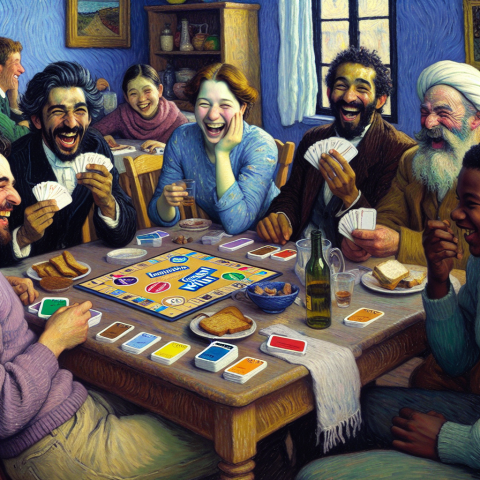
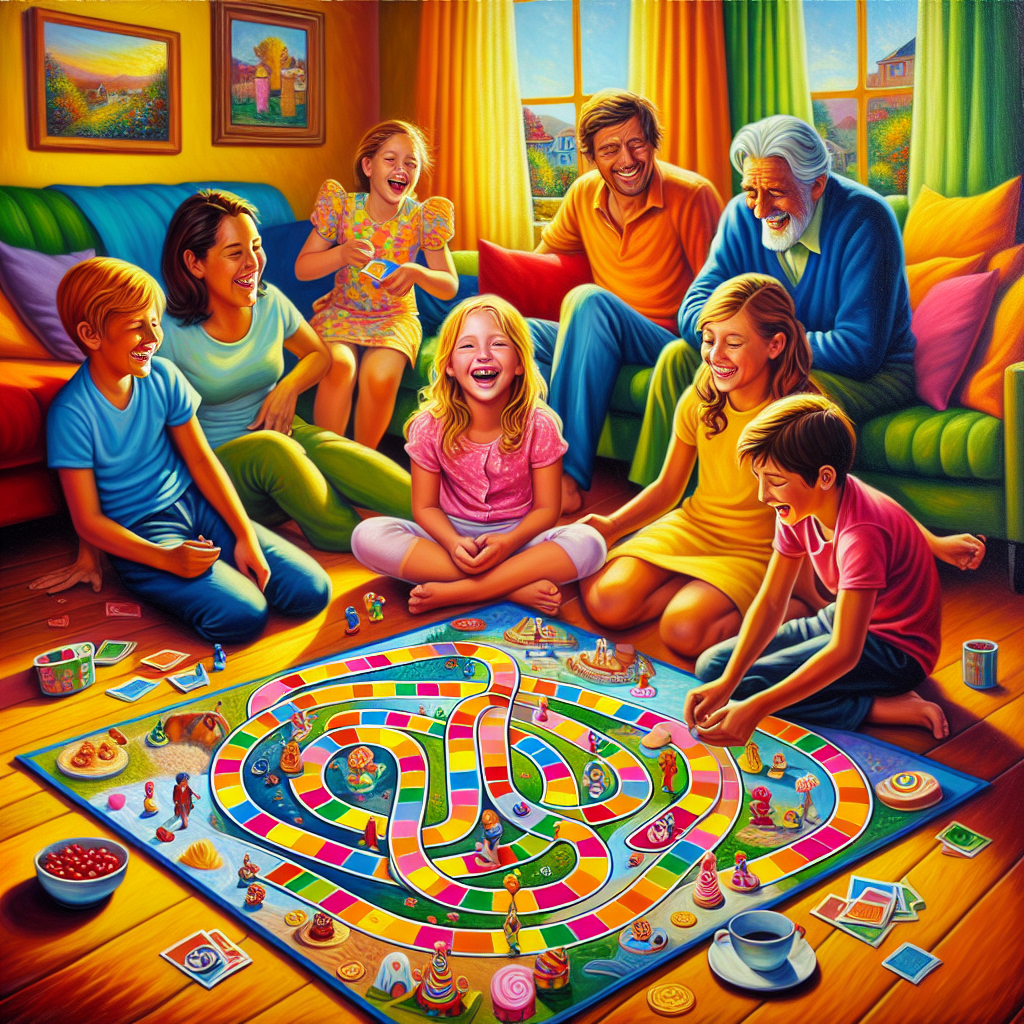
In a world overflowing with entertainment options that range from complicated board games to fast-paced video games, there’s something refreshing about the simplicity and thrill of 20 Second Showdown. Imagine this: a group of friends, laughter echoing off the walls, the tension building as a timer counts down. It’s not just a game; it’s a shared experience that fosters connection and camaraderie in a way that few activities can.
At the heart of 20 Second Showdown lies its brevity. You’re not committing to hours of play or getting tangled in complex rules. The name says it all: twenty seconds. That’s all you need to risk embarrassing yourself while trying to name three types of candy or act out a scenario with minimal words. The hilarity that ensues when the timer looms is where the magic happens. It breeds not just competition, but a lively atmosphere where everyone can participate, regardless of age or skill level. Whether you’re a master debater or a timid novice, each round offers something for everyone, leveling the playing field beautifully.
Equally alluring is the game’s versatility. It fits seamlessly into a variety of social situations—birthday parties, family gatherings, or a random Tuesday night. You can play at the family table, in the backyard, or during a skills-building workshop at work. It adapts, much like a chameleon, to whatever environment it finds itself in, yet retains its core essence of fun and engagement.
Then there’s the element of unpredictability. One minute you’re calmly discussing geography, and the next, you’re frantically trying to describe a fruit in mere seconds. These unexpected turns keep players on their toes and inject an element of surprise into every match. The adrenaline rush from the countdown, the cheer from victory, and even the groans of effort when you stumble over words create shared memories that linger long after the last round concludes.
In a digital age where many interactions happen through screens, 20 Second Showdown has carved a niche for itself by encouraging face-to-face interaction, laughter, and, dare I say it, vulnerability. It’s a game that has the power to bring people together and create bonds that are as fleeting and precious as those twenty seconds. And perhaps that’s the secret sauce behind its rising popularity: it’s not just a game; it’s a catalyst for unforgettable moments.
What Makes The Party Game 20 Second Showdown So Popular?
What Makes The Party Game 20 Second Showdown So Popular?
- 20 Second Showdown offers a refreshing alternative to complex games, emphasizing simplicity and thrill.
- The game promotes connection and camaraderie among players in a lively atmosphere.
- Each round lasts only twenty seconds, making it easy to play without the commitment of lengthy sessions.
- The game is accessible for players of all ages and skill levels, providing fun for everyone.
- It is versatile and can be played in a variety of social settings, from parties to casual gatherings.
- The unpredictability of the game keeps players engaged and creates memorable moments.
- 20 Second Showdown encourages face-to-face interaction, fostering bonds and shared experiences amidst a digital age.

What Makes The Party Game 20 Second Showdown So Popular?
Table Of Contents
- What Makes The Party Game 20 Second Showdown So Popular?
- What Are The Rules Of 20 Second Showdown?
- How Do You Play 20 Second Showdown?
- What Makes 20 Second Showdown Unique From Other Games?
- Why Is Teamwork Important In 20 Second Showdown?
- What Age Groups Enjoy 20 Second Showdown The Most?
- How Many Players Can Participate In 20 Second Showdown?
- What Is The Ideal Setting For Playing 20 Second Showdown?
- How Does The Timer Affect Gameplay In 20 Second Showdown?
- What Strategies Help Win In 20 Second Showdown?
- Why Do People Prefer Fast-Paced Games Like 20 Second Showdown?
- What Types Of Challenges Are Featured In 20 Second Showdown?
- How Can 20 Second Showdown Enhance Social Interactions?
- What Makes 20 Second Showdown A Great Icebreaker Game?
- How Does 20 Second Showdown Encourage Creativity?
- What Are Common Misconceptions About 20 Second Showdown?
- Conclusion
- Other Resources
- Glossary Of Terms
- Other Questions
- Haiku
- Poem
- Checklist
What Are The Rules Of 20 Second Showdown?
In the fast-paced world of 20 Second Showdown, the seatbelt is a must, because you’re in for a wild ride. Picture a game that combines wit, speed, and just a dash of chaos. The rules are simple but pack a punch, intended to keep players and viewers on their toes.
At its core, the game pits two contestants against each other, and here’s where the excitement begins. Each round lasts exactly 20 seconds, with a ticking clock that transforms a simple question into a race against time. The format is straightforward: each player must respond to a challenge, often rooted in popular culture, trivia, or obscure facts. The catch? They don’t just need to respond; they must do so creatively and quickly, all while the clock ticks down, creating a palpable sense of urgency that everyone can feel.
The structure is fairly simple—two teams take turns facing off in quick-fire rounds. A host will present a question or prompt, and contestants have just 20 seconds to come up with their best answers. It’s a blend of rapid thinking, a bit of strategy, and more than a hint of spontaneity. Players can’t dwell on their responses; hesitation can lead to missed opportunities and, more importantly, falling behind.
Scoring is equally straightforward. Successful answers earn points, while silence—or a blank stare—earns nada. Players are encouraged to think outside the box; while a correct answer is great, a funny, clever, or unexpected response can often grab the audience’s attention. The name of the game is to entertain, and sometimes the zaniest answers are the ones that take the trophy.
What about the stakes? Well, there’s nothing like a bit of competitive spirit to spice things up. Winning may yield rewards—trophy glassware, gift cards, or simply the bragging rights that come with being crowned champion of the showdown.
However, amidst the frenzy, good sportsmanship is key. As challengers duke it out for supremacy, they should remember that at the end of the day, it’s all in good fun. So, if you find yourself scheming a strategy or laughing at the absurdity of your teammate’s response, just remember: in the 20 Second Showdown, it’s not just about the speed; it’s about the joy of the game and the comradery that springs from it. Buckle up and get ready to think fast!
What Are The Rules Of 20 Second Showdown?
What Are The Rules Of 20 Second Showdown?
- 20 Second Showdown combines wit, speed, and chaos, requiring players to fasten their seatbelts for a thrilling experience.
- Two contestants compete against each other in rounds lasting exactly 20 seconds, racing against the clock.
- Players answer questions from popular culture, trivia, or obscure facts, doing so creatively and quickly.
- The structure involves quick-fire rounds with a host presenting prompts, emphasizing rapid thinking and spontaneity.
- Successful answers score points, while hesitations lead to missed opportunities and no points earned.
- Rewards include trophy glassware, gift cards, or the bragging rights of being crowned champion.
- Good sportsmanship is essential, as the game’s spirit focuses on fun, creativity, and camaraderie.

What Are The Rules Of 20 Second Showdown?
How Do You Play 20 Second Showdown?
Step right up, ladies and gentlemen, to the wild world of 20 Second Showdown, where your quick wit, rapid reflexes, and a touch of daring stand to be your greatest allies! Mixing the thrills of competition with the delightful chaos of a game show, 20 Second Showdown invites participants to dive headfirst into a flurry of challenges, all backed by the ticking clock. So, how do you play? Buckle up, and let’s break it down!
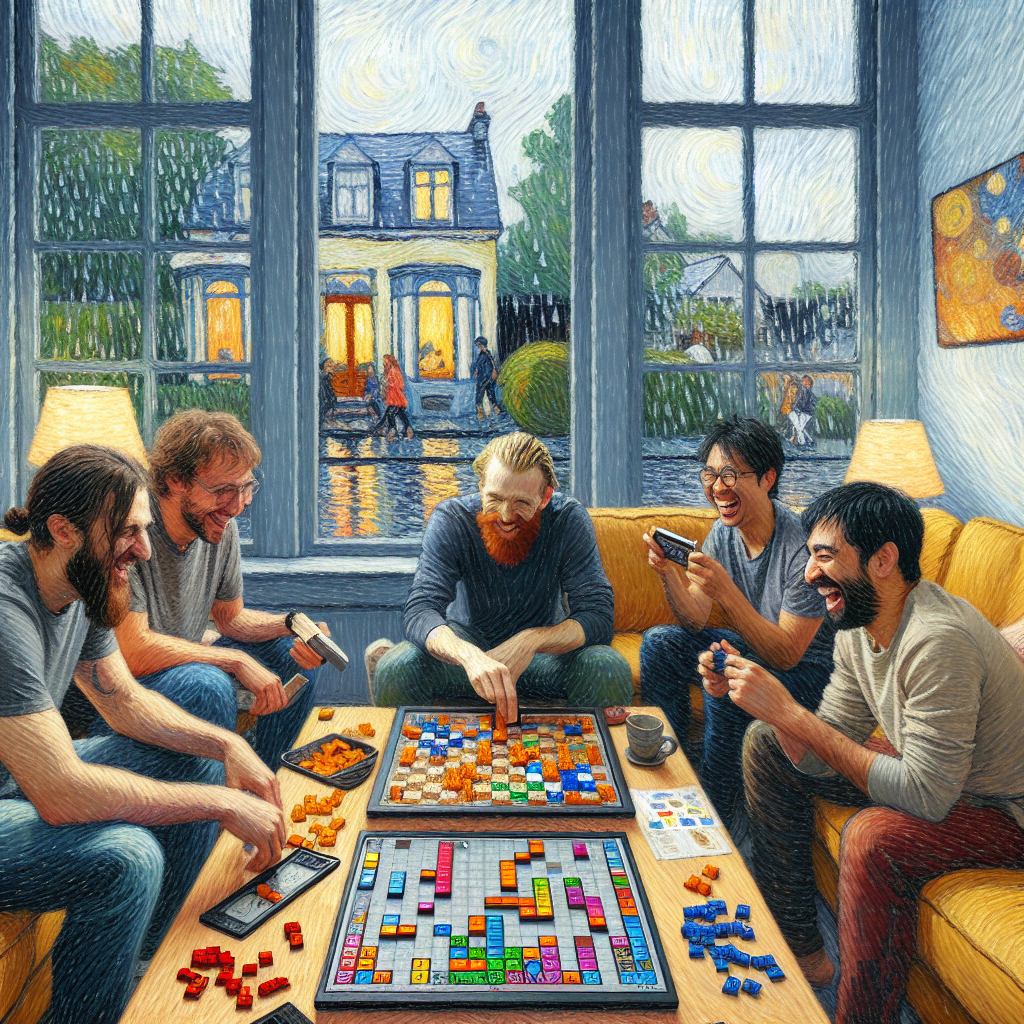
First things first: gather your crew. This game is meant for two teams, and the more, the merrier! Each team can consist of two to four players, and trust me, the camaraderie—or the friendly rivalry—makes the experience all the more exhilarating. Players swap tales, strategies, and maybe even a few inside jokes as the game unfolds.
Next, let’s get to the mechanics. At the heart of the game lies the timer: a mere 20 seconds for each round. Yes, 20 seconds! You heard that right. Time flies when you’re having fun, and that’s exactly what this game is all about. Take a deep breath, because once that clock starts ticking, every second counts.
Each round features a series of challenges—some physical, some mental, but all guaranteed to prompt a great deal of laughter and excitement. Whether you’re balancing a spoon on your nose or attempting to list all of the U.S. states while jumping on one foot, the key is to strategize and communicate with your teammates. It’s a coordinated frenzy, and you’ll soon realize that teamwork is your greatest asset. One player might have the memory of an elephant, while another has the nimbleness of a gazelle; harness these differing skills, and you’ll find an edge.
Now, let’s talk about scoring. Teams earn points based on their ability to complete each challenge before time runs out. The more outlandish the task, the more points you rack up, adding a layer of strategy to your silly antics. The ultimate goal? To outscore the opposing team by the end of the game, proving that you and your crew are the champions of chaos!
And there you have it: the ins and outs of 20 Second Showdown. All it takes is a dash of creativity, some hearty teamwork, and a thirst for laughter. So grab some friends, set that timer, and let the showdown begin!
How Do You Play 20 Second Showdown?
How Do You Play 20 Second Showdown?
- 20 Second Showdown is a fast-paced game that combines competition with the excitement of a game show.
- Players form two teams, each consisting of 2 to 4 players, fostering camaraderie and friendly rivalry.
- The game is centered around timed rounds, with each round lasting just 20 seconds.
- Challenges are a mix of physical and mental tasks designed to encourage laughter and fun.
- Teams earn points by completing challenges quickly; more challenging tasks yield higher points.
- Teamwork is essential, as players bring diverse skills to tackle various challenges effectively.
- The ultimate goal is to outscore the opposing team and emerge as the champions of chaos.
How Do You Play 20 Second Showdown?
What Makes 20 Second Showdown Unique From Other Games?
In a world where video games often demand hours of commitment, *20 Second Showdown* embraces simplicity and brevity, taking a bold stance against the conventional norms of gaming. What sets this game apart is not just its structure but also its spirit—a palette of frenetic fun splashed across the canvas of competition. Picture this: a high-octane showdown that fits comfortably into the palm of your hand, where seconds rather than hours dictate the pace.
Right off the bat, *20 Second Showdown* distills the essence of gaming into its purest form, setting the stage for lightning-fast interactions that keep adrenaline levels high and frustrations low. Players are pitted head-to-head in a series of quick-fire challenges, each only lasting twenty seconds. This tightly packed timeframe forces participants to think on their feet, reacting not just to the task at hand but also to their rival’s strategies. The stakes may be small, but the excitement is immense, making each match a pulse-pounding duel of wits and reflexes.
Another standout feature is the game’s accessibility. With uncomplicated rules and no need for prolonged tutorials, *20 Second Showdown* welcomes players from all walks of life. It’s a game that encourages inclusion—perfect for family game nights, casual get-togethers, or even team-building exercises at the office. Think of it as the social lubricant in a digital age, breaking down barriers and fostering camaraderie through shared laughter and friendly competition. The joy resides in the moments of unexpected twists where anyone can rise to the occasion, regardless of experience.
But the true magic of *20 Second Showdown* lies in its casual yet captivating nature. It defies the “grind” mentality that has become so prevalent in the gaming arena. There’s no need to sink days or weeks into leveling up or accumulating resources. Instead, this game celebrates spontaneity, encouraging players to relish the immediacy of the moment and focus on the fun rather than the grind.
In a market flooded with sprawling narratives and impeccable graphics, *20 Second Showdown* makes its mark with its commitment to simplicity, accessibility, and urgency. It’s a game that serves as a refreshing reminder of the joy found in competitive play, where the clock is ticking, the laughter is infectious, and every second counts.
What Makes 20 Second Showdown Unique From Other Games?
What Makes 20 Second Showdown Unique From Other Games?
- *20 Second Showdown* offers a unique gaming experience that prioritizes simplicity and brevity.
- The game features fast-paced, twenty-second challenges that encourage quick thinking and reaction.
- Players engage in head-to-head competitions, maintaining high adrenaline and low frustration levels.
- It is accessible to players of all backgrounds, with easy-to-understand rules and no lengthy tutorials.
- Perfect for various social settings, it fosters camaraderie and fun during family gatherings or team-building events.
- The game avoids the typical grind found in many video games, emphasizing spontaneity and immediate enjoyment.
- *20 Second Showdown* stands out in a cluttered market for its commitment to fun, competition, and urgency.
What Makes 20 Second Showdown Unique From Other Games?
Why Is Teamwork Important In 20 Second Showdown?
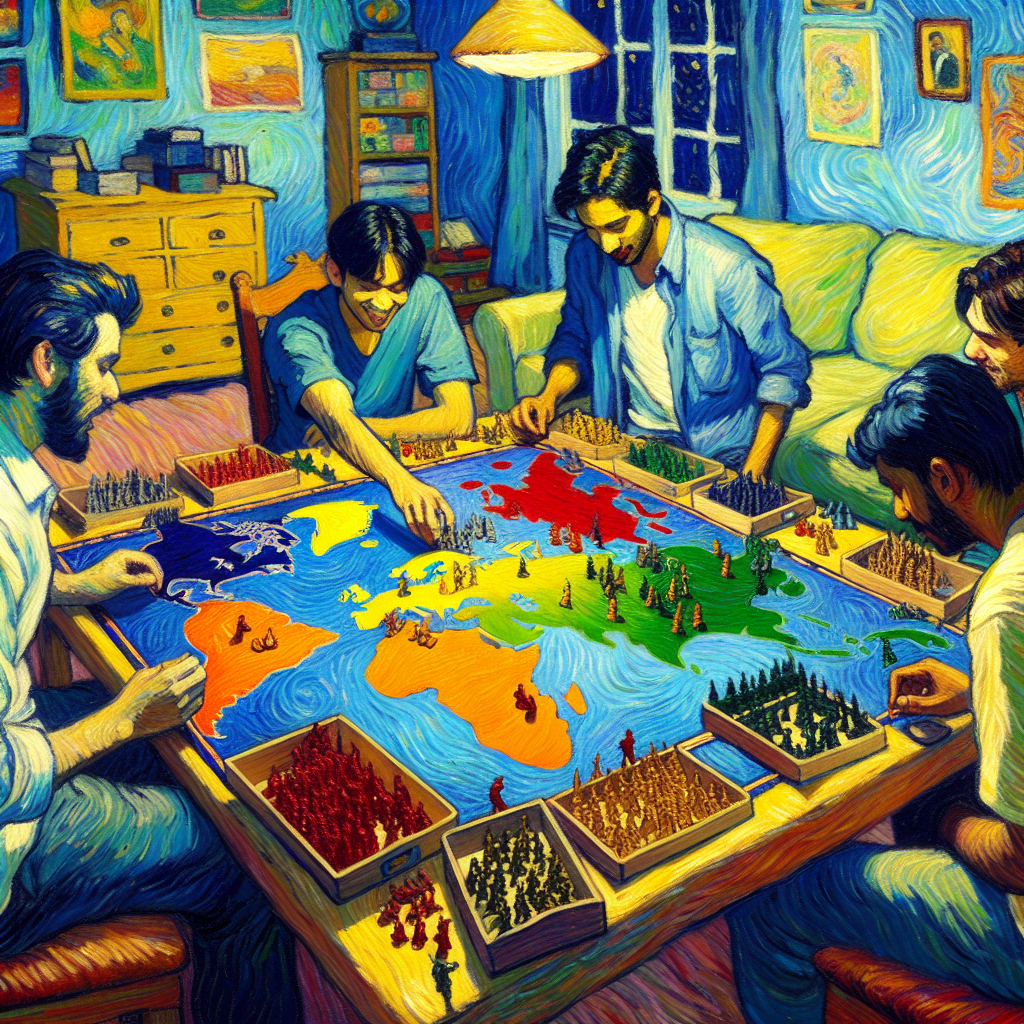
In the electrifying arena of “20 Second Showdown,” teamwork isn’t just a nice idea; it’s the backbone of success. Picture this: you’ve got mere seconds on the clock, and the heat is palpable. Every contestant is racing against time, battling not just their own nerves, but the clock itself. Here, the strength of a team can make or break your game.
Why does teamwork matter? First off, it’s about pooling resources. Each team member brings unique skills and perspectives to the table. One player might excel in strategy, while another shines in quick thinking. By combining these strengths, a team can tackle challenges with an efficiency that surpasses individual efforts. When the pressures mount and the seconds tick away, it’s this collaboration that allows for rapid problem-solving and innovative solutions.
Moreover, teamwork fosters communication. In those frantic moments, clear and concise dialogue is essential. A team that communicates well can adapt to changing circumstances in real time. Imagine strategizing on the fly, updating your game plan as new information comes in. Effective communication leads to synchronization—when each member knows their role and can back each other up without hesitation.
Of course, let’s not gloss over the emotional aspect. Companionship in competition can act as a pressure release. In the face of adversity, a supportive team uplifts morale, energizing everyone to push through challenges. The stress can be overwhelming, and having a solid team can provide the strength to persevere even when the odds seem stacked against you.
Lastly, teamwork builds resilience. Setbacks are inevitable, especially in a high-stakes showdown. A team that rallies around each other after a loss can bounce back stronger than before. They learn, adapt, and come back with renewed determination. Individual players may wallow in defeat, but a team can transform setbacks into stepping stones.
In “20 Second Showdown,” the spotlight might shine on individual talent, but remember: the magic often happens behind the scenes. The camaraderie, the strategizing, the collective problem-solving—these are the elements that create not only winning teams but unforgettable moments. The thrill of competition is sweetened by the bonds forged in the heat of the moment, proving that when time is of the essence, teamwork truly is the secret ingredient to triumph.
Why Is Teamwork Important In 20 Second Showdown?
Why Is Teamwork Important In 20 Second Showdown?
- Teamwork is crucial for success in “20 Second Showdown,” where contestants face time pressure.
- Pooling resources allows team members to utilize their unique skills, enhancing efficiency.
- Effective communication during frantic moments enables teams to adapt to changing circumstances.
- Strong communication fosters synchronization, ensuring each member knows their role and can support one another.
- Emotional support from teammates helps relieve stress and boosts morale during challenging times.
- Teamwork builds resilience, allowing groups to bounce back stronger after setbacks.
- The bonds formed through teamwork are essential, creating memorable experiences despite the emphasis on individual talent.
Why Is Teamwork Important In 20 Second Showdown?
What Age Groups Enjoy 20 Second Showdown The Most?
When it comes to the fast-paced fun of “20 Second Showdown,” one can’t help but notice that certain age groups seem to gravitate toward the game like moths to a flame. It’s not just about the thrill of competition or the rush of adrenaline; there’s something uniquely invigorating about these quick bursts of gameplay that resonates differently with various demographics.
Let’s start with the younger crowd—those sprightly teenagers and twenty-somethings who thrive on speed. Quite frankly, these energetic souls have grown up in a world of instant gratification. They communicate through emojis, consume content in bite-sized pieces, and apparently believe that waiting more than twenty seconds for anything is akin to a root canal. “20 Second Showdown” offers them a stage to strut their stuff, showcasing not only their quick thinking but also their ability to process information faster than a caffeinated squirrel. Their natural inclination towards competitive banter and social interaction makes them the life of the party, and it’s no coincidence that their laughter fills the room as they jump into the fray, seeking out new ways to upstage their friends.
Then we have the thirty-somethings and even into the forties. These folks possess a bit of life experience but haven’t lost their playful edge. They strike a balance between nostalgia and novelty, enjoying the mental gymnastics of the game while simultaneously relishing the opportunity to reconnect with their inner child. Perhaps they remember their own glory days spent playing games that tested their wits and camaraderie. With responsibilities creeping in—career pressures, parenting—“20 Second Showdown” serves as a deliciously timed escape, a welcome diversion from the routine, reminding them that life isn’t always about deadlines; sometimes, it’s about laughter and friendly competition.
As for the older generations, the fifties and beyond? Well, let’s just say they bring a charm all their own. With a wealth of life stories to share, they enjoy the game not only for the thrill of victory but also for the connection it fosters. Each round opens doors for anecdotes, reminiscences, and a hearty dose of humor—along with a good-natured ribbing that echoes the warmth of familial ties. They may not be as quick on the draw as their younger counterparts, but they’ve got a strategy and a spirit that’s just as fierce.
In essence, “20 Second Showdown” offers something for everyone—a delightful reminder that, regardless of age, the joy of friendly competition knows no bounds. Whether you’re a spry teen or a wise sage, the game invites you in, ready to ignite laughter and create memories, one twenty-second showdown at a time.
What Age Groups Enjoy 20 Second Showdown The Most?
What Age Groups Enjoy 20 Second Showdown The Most?
- The game “20 Second Showdown” appeals to different age groups, each drawn by unique aspects of play.
- Younger players (teenagers and twenty-somethings) thrive on speed and quick gameplay, reflecting their upbringing in an instant-gratification culture.
- This energetic demographic enjoys showcasing their quick thinking and competitive banter, making them lively participants in the game.
- Thirty-somethings and forty-somethings balance nostalgia and novelty, enjoying the mental challenges while reconnecting with their inner child.
- The game serves as a welcome escape for these players, providing a break from career and parenting responsibilities.
- Older players (fifties and beyond) contribute their life experiences to the game, sharing stories and building connections through humor and camaraderie.
- “20 Second Showdown” offers something for everyone, fostering joy and friendly competition across generations, creating lasting memories.
What Age Groups Enjoy 20 Second Showdown The Most?
How Many Players Can Participate In 20 Second Showdown?
When it comes to games that promise adrenaline, laughter, and a healthy dose of competition, few can match the excitement of a frantic round of 20 Second Showdown. But just how many players can join in on the fun? That’s a question that might seem simple on the surface, but, like many things in life, the answer is anything but straightforward.
20 Second Showdown is designed to be a fast-paced, engaging game that encourages friendly rivalry and strategic thinking. At its core, it’s about teamwork and collaboration, or as I like to call it, the art of wrangling a motley crew into one cohesive unit – all within an exhilarating 20-second timeframe, no less! The game typically accommodates two teams of players, with the sweet spot resting around four to six players per team. This means you’re looking at anywhere from eight to twelve players getting in on the action at the same time. Now, if you’re imagining a raucous gathering of friends or family, I’d say you’re spot on.
But let’s not forget the magic number that makes it feel just right. When you get groups larger than twelve, the chaotic charm of the game can start to lose its shine. The more players you add, the trickier it becomes to keep everyone engaged, and before you know it, you’ve devolved into a substitute for herding cats – loud, unpredictable, and undeniably fun, but perhaps a bit disorganized.
It’s also worth noting that 20 Second Showdown thrives on the rapid-fire nature of its challenges. With a limited time to complete each task, having too many players can stretch out the game, leaving some wishing for a bit more action and a little less waiting. Striking that balance between enough players to keep the energy high and not so many that the game lags is the key to unlocking hours of entertainment.
So, gather your friends, set the stage, and prepare for some lively competition. Whether you’re in a cozy living room or a bustling backyard, the essence of 20 Second Showdown remains the same: a spirited clash where the clock is ticking, laughter is abundant, and every second counts. Just remember – keep your teams balanced, and let the games begin!
How Many Players Can Participate In 20 Second Showdown?
How Many Players Can Participate In 20 Second Showdown?
- 20 Second Showdown is an exciting game that brings together adrenaline, laughter, and competition.
- The game is designed for two teams, ideally consisting of four to six players each.
- This allows for a total of eight to twelve players to participate simultaneously.
- Groups larger than twelve may lead to a disorganized and chaotic experience.
- Too many players can slow down the game and reduce engagement during challenges.
- Maintaining a balance of players is essential for maximizing energy and entertainment.
- The game incorporates fast-paced challenges, emphasizing teamwork and strategic thinking.
How Many Players Can Participate In 20 Second Showdown?
What Is The Ideal Setting For Playing 20 Second Showdown?
When it comes to playing 20 Second Showdown, the setting can make all the difference between a good game and a legendary showdown. Imagine gathering your friends, family, or even that competitive coworker who can’t resist a challenge. The perfect environment elevates the excitement and intensity of the game, and believe me, it’s all about the atmosphere.
First and foremost, find a space that encourages interaction. Think about the kitchen table, or a living room with enough room for everyone to gather around. The heart of a home is often its kitchen, filled with laughter, snacks, and spirited discussion. This is where the magic happens, as players can strategize, exchange banter, and playfully rib one another—all within arm’s reach of creative distractions, like a bowl of popcorn or that leftover pizza from last night. The more accessible snacks are, the more engaged everyone will be, trust me. After all, nothing brings people together quite like the promise of food, especially during high-stakes competition.
Next, pay attention to the seating arrangement. You want your players comfortably positioned so they can shift from eager anticipation to swift reaction. A cozy couch with cushions to help absorb the energy (and occasional enthusiasm-induced flailing) is ideal. But don’t underestimate the allure of a more structured seating arrangement, like chairs around a table, which can ramp up the competition. Just be wary of the overly serious poker face that might emerge in such a setting; keep it light-hearted to maintain that perfect blend of competitiveness and camaraderie.
Then there’s the lighting. You want a space that’s bright enough to see the expressions on everyone’s faces as they plot, pivot, and react but not so bright that it feels like you’re in a courtroom. Soft, ambient lighting creates an approachable vibe, while a bit of spotlight on the game at hand heightens the stakes. And let’s not forget the power of mood music; a playlist of energetic tunes can amplify the overall experience, making the tension palpable as you inch toward 20 seconds of glory.
Lastly, embrace the chaos. Don’t shy away from lively debates and unpredictable outbursts. Remember, it’s all about having fun, honing your quick-thinking skills, and enjoying the electric energy of healthy competition. So set the stage, prepare for battle, and let the showdown begin!
What Is The Ideal Setting For Playing 20 Second Showdown?
What Is The Ideal Setting For Playing 20 Second Showdown?
- The setting of 20 Second Showdown significantly impacts the game’s enjoyment and intensity.
- Choose a space that fosters interaction, like a kitchen or a spacious living room, filled with snacks for engagement.
- Seating arrangement is crucial; consider cozy couches for comfort or structured chairs for competition.
- Maintain a light-hearted atmosphere to balance competitiveness and camaraderie.
- Lighting should be soft yet bright enough to see players’ expressions, creating an inviting vibe.
- Incorporate mood music to enhance the experience and increase excitement during gameplay.
- Encourage lively debates and embrace chaos for a fun, engaging, and spirited competition.
What Is The Ideal Setting For Playing 20 Second Showdown?
How Does The Timer Affect Gameplay In 20 Second Showdown?
In the world of competitive gaming, every second counts. In “20 Second Showdown,” the timer looms larger than life, serving as both a ticking clock and a relentless taskmaster, shaping the very fabric of gameplay. When you step into this high-octane arena, you’re not just competing against other players; you’re locked in a fierce contest against time itself.
The central premise is deceptively simple: you have just 20 seconds to execute a challenge, and the clock doesn’t stop for anyone. This time constraint fundamentally alters how players approach each match, warping the familiar rhythms of strategy and execution into a frenetic dance of speed and precision. Forget leisurely planning or second-guessing; as soon as that countdown starts, players must pivot into overdrive. Every move is a gamble, every decision an exercise in speed versus accuracy.
But the timer’s influence goes beyond individual performance. It fosters an atmosphere of urgency that seeps into the collective psyche of players. The intense pressure can lead to some exhilarating moments—or disastrous mistakes. One moment of hesitation can see a player miss their mark, while a sharp instinct can turn a near impossible task into a thrilling victory. This relentless pursuit of efficiency creates a unique tactical dance that is both thrilling and punishing. Players learn quickly that hesitation can be your worst enemy; split-second decisions can mean the difference between glory and defeat.
Moreover, the timer encourages fierce competition. Rivalries intensify as players push each other to the limit, racing against the clock and each other in a frantic spectacle. The stakes are high, and the adrenaline pumps hard as players strategize on the fly, balancing risk and reward amidst the constant tick-tock of time running out. The countdown becomes not just a mechanic, but a living, breathing entity that changes the mood of the game with every passing moment.
In essence, the timer embodies the spirit of “20 Second Showdown.” It’s more than just a countdown; it’s a catalyst for creativity and chaos, a pressure cooker that transforms each match into a nail-biting narrative of triumph and despair. Players are not only fighting to complete challenges; they are wrestling with the relentless tension of time itself, making each precious second a brush against either failure or exhilaration. In this fast-paced arena, it’s clear: the timer isn’t just part of the game; it is the game.
How Does The Timer Affect Gameplay In 20 Second Showdown?
How Does The Timer Affect Gameplay In 20 Second Showdown?
- In “20 Second Showdown,” players compete against time as much as they do against each other.
- Each challenge must be completed within a strict 20-second time limit, altering gameplay dynamics.
- The time constraint emphasizes speed and precision, removing the luxury of careful planning.
- Players face intense pressure, leading to exhilarating victories or disastrous mistakes based on split-second decisions.
- The timer fosters fierce competition, intensifying rivalries and strategies amidst the ongoing countdown.
- It acts as a catalyst for creativity and chaos, shaping each match into a narrative of triumph and despair.
- Ultimately, the timer is central to the game, transforming each second into a critical moment of either success or failure.
How Does The Timer Affect Gameplay In 20 Second Showdown?
What Strategies Help Win In 20 Second Showdown?
In the world of fast-paced competition, where every second counts and the stakes feel as high as a three-story building, strategy isn’t just a luxury—it’s a necessity. The 20 Second Showdown tests reflexes, wits, and, perhaps more importantly, the ability to think quickly under pressure. If you’re looking to snag that victory, buckle up and let’s break down some winning strategies.
First off, let’s talk about preparation. You wouldn’t hop on a bull without knowing how to ride, right? In the same vein, entering the Showdown without a game plan is a one-way ticket to defeat. Familiarize yourself with the types of challenges you might face—be it mental puzzles, physical tasks, or quick-fire trivia. The more you know, the better equipped you are to tackle whatever comes your way. A little practice goes a long way.
Now, during the showdown, pace yourself. Speed is crucial, but chaos is the enemy of clarity. Keeping your cool in the midst of a storm can mean the difference between seizing the moment or fumbling the ball. When the clock ticks down, focus on one task at a time rather than trying to multi-task your way to victory. Prioritize clarity over sheer speed—clear decisions often result in better outcomes, even if they take a split second longer.
Next, read the room—or in this case, your competitors. Each participant brings their own strategy to the table, and a discerning eye can turn the tide in a split second. Observe their weaknesses and capitalize on them. If someone is struggling with a certain challenge, don’t be afraid to lean into your strengths and take the lead. Remember, the Showdown is as much about playing your cards right as it is about executing your own plan.
Lastly, let’s not forget the importance of teamwork. While individual skills matter, the Showdown often requires a collaborative effort. Communicate clearly with your teammates, trust their instincts, and be willing to adapt your strategy to leverage everyone’s strengths. Together, you can conquer challenges that might seem insurmountable alone.
In the heat of the moment, your mindset is your greatest ally. Embrace the thrill, stay grounded, and channel that adrenaline into sharp decision-making. With the right blend of preparation, composure, keen observation, and teamwork, you’ll find yourself not only participating but excelling in the 20 Second Showdown. And let’s be honest, who doesn’t want to emerge victorious in a wild contest of skill and strategy? It’s all on the line in those fleeting seconds—don’t waste a single one!
What Strategies Help Win In 20 Second Showdown?
What Strategies Help Win In 20 Second Showdown?
- Strategy is essential for success in the competitive 20 Second Showdown.
- Preparation is key; familiarize yourself with potential challenges to boost your chances.
- Pace yourself during the showdown, prioritizing clarity over speed to improve outcomes.
- Observe competitors to identify their weaknesses and adjust your strategy accordingly.
- Emphasize teamwork; clear communication and trust among teammates can enhance performance.
- Maintain a focused mindset; channel adrenaline into effective decision-making.
- With preparation and collaboration, you can excel in the 20 Second Showdown and aim for victory.
What Strategies Help Win In 20 Second Showdown?
Why Do People Prefer Fast-Paced Games Like 20 Second Showdown?
In the world of gaming, there exists a curious phenomenon: the magnetic pull of fast-paced games like 20 Second Showdown. Players flock to these adrenaline-pumping experiences, drawn in by the thrill that unfolds in mere moments. But what is it about these quick-fire games that makes them so irresistibly appealing?
First, let’s dig into the nature of time. In our fast-paced society, where instant gratification reigns supreme, people crave efficiency. We live in an age where everything is at our fingertips—information, entertainment, and even companionship can be delivered in the blink of an eye. Fast-paced games tap into this desire, distilling fun into bite-sized bursts that cater to our need for speed. The game might only last 20 seconds, but during that brief period, players experience a rush that feels monumental. The clock is ticking, and with each tick, the stakes are raised, creating a sense of urgency that keeps players coming back for more.
But it’s not just about the time constraints; it’s also about engagement. Fast-paced games require players to think on their feet, make split-second decisions, and strategize rapidly. This heightened intensity can lead to a gratifying blend of skill and instinct. Players find themselves fully immersed, their adrenaline pumping as they navigate through challenges, often in a multiplayer setting that fosters competition and camaraderie. There’s a remarkable satisfaction in outperforming opponents, even if it’s just for those fleeting moments.
Additionally, fast-paced games serve as a psychological release valve. In a world filled with responsibilities and stresses, taking a break to engage in a whirlwind of fun can be cathartic. Players can escape reality and lose themselves in the game, allowing them to unleash pent-up energy in a constructive way. The simplicity of the premise—play hard, play fast, and emerge victorious—provides a pleasant distraction from the complexities of everyday life.
Moreover, there’s a communal aspect that cannot be overlooked. Fast-paced games often encourage players to gather together, whether in person or online. As participants conquer levels or face off in rapid challenges, they form bonds through shared experiences—cheering, strategizing, and, of course, laughing at inevitable missteps. This social dynamic, combined with the thrills of fast gameplay, reinforces the appeal of games like 20 Second Showdown, making them more than just a way to pass the time—they become a vibrant part of the social fabric.
So, the next time you find yourself caught up in a whirlwind of virtual chaos, know that you’re part of a larger movement—one that celebrates speed, engagement, and community, all within the blink of an eye.
Why Do People Prefer Fast-Paced Games Like 20 Second Showdown?
Why Do People Prefer Fast-Paced Games Like 20 Second Showdown?
- Fast-paced games like 20 Second Showdown attract players due to their adrenaline-pumping and brief gameplay experiences.
- These games cater to the need for efficiency and instant gratification in a fast-paced society.
- Players experience a rush in the short time frame, with urgency heightened by ticking clocks.
- Fast-paced games require quick thinking and rapid decision-making, enhancing player engagement.
- They provide a psychological release from daily stresses, allowing players to immerse themselves in fun.
- The simple premise of “play hard, play fast” offers a constructive escape from reality.
- Fast-paced games foster social connections as players unite in shared experiences, enhancing their overall appeal.
Why Do People Prefer Fast-Paced Games Like 20 Second Showdown?
What Types Of Challenges Are Featured In 20 Second Showdown?
What Types of Challenges Are Featured in 20 Second Showdown?
In the whirlwind of today’s entertainment landscape, few shows manage to strike the right balance between heart-pounding excitement and good old-fashioned ingenuity like *20 Second Showdown*. The concept? Simple in premise but complex in execution. Contestants are thrown into a fast-paced battleground where creativity meets strategy, all crammed into a mere twenty seconds. But what exactly are the challenges that keep audiences on the edge of their seats, and contestants sweating bullets?
First up, let’s talk about the physical challenges. These aren’t your run-of-the-mill feats of strength—no siree. Imagine attempting to stack an impossibly high tower of flimsy plastic cups while blindfolded. The clock ticks menacingly in the background as contestants scramble to balance speed and precision. Here, it’s not just about muscle; it’s a test of agility and quick thinking under pressure. And let’s be honest, nothing says “team bonding” quite like a few good-natured mishaps while trying to pull it all together in mere seconds.
Then there are the trivia challenges, which delve into everything from pop culture to obscure historical facts. Contestants must summon their inner Jeopardy champions while they’re simultaneously competing in tasks that require coordination and finesse. Ever tried answering trivia questions while juggling? Didn’t think so! This unique blend of knowledge and skill keeps competitors—and viewers—on their toes. It’s a glorious mix of mental gymnastics and physical dexterity that keeps viewers guessing what’s coming next.
We can’t forget about the artistic challenges, either. Picture this: competitors have mere moments to create something that’s not just functional but also imaginative—like constructing a makeshift hat out of everyday items or crafting a quick and quirky dance routine. The clock doesn’t just add pressure; it brings out the sparks of creativity and hilarity, showing that inspiration can strike like a lightning bolt, even when time is running out.
Finally, let’s talk about the unpredictable twists. Each round can incorporate elements that force contestants to pivot on a dime, whether that means changing rules midway or introducing new objects to the fray. This element of surprise adds a delightful layer of chaos, ensuring that no two shows are ever quite the same.
So there you have it. In *20 Second Showdown*, challenges range from physical feats and trivia quizzes to artistic displays and unexpected plot twists. Each moment crackles with tension and excitement, as contestants navigate the minefield of creativity and competition—all while racing against the clock. It’s a veritable smorgasbord of challenges that keeps everyone engaged, offering plenty of laughs along the way.
What Types Of Challenges Are Featured In 20 Second Showdown?
What Types Of Challenges Are Featured In 20 Second Showdown?
- *20 Second Showdown* combines excitement and creativity in fast-paced challenges.
- Physical challenges test agility and quick thinking, such as stacking cups blindfolded.
- Trivia challenges blend knowledge of pop culture and history with physical tasks.
- Artistic challenges require contestants to create imaginative items under time pressure.
- Each round features unpredictable twists, adding surprise and chaos to the game.
- Contestants experience tension and competition while racing against the clock.
- The variety of challenges ensures engagement and laughter for both viewers and participants.
What Types Of Challenges Are Featured In 20 Second Showdown?
How Can 20 Second Showdown Enhance Social Interactions?
Picture this: you’re at a social gathering, and the air is thick with small talk and polite laughter, but really, it feels like a minefield of awkward pauses and strained smiles. Now, imagine instead that someone pulls out a simple game called 20 Second Showdown. Suddenly, that gathering transforms from a tepid sea of stilted conversation into a lively, joyous eruption of spontaneity and connection.
At its core, 20 Second Showdown is more than just a game; it’s a catalyst for interaction. It breaks down the impenetrable walls that tend to arise between individuals and groups, giving everyone a chance to showcase their creativity, competitive spirit, and, perhaps most importantly, their humanity. For just 20 seconds, participants are thrust into a whirlwind of hilarity and engagement. When players are tasked with shouting out answers or performing silly actions under a countdown clock, the ice is not just broken; it’s completely shattered.
What’s fascinating about this game is its ability to level the playing field. From the quiet wallflower who typically sits in the back to the boisterous life of the party, everyone is given an equal chance to shine. In these twenty seconds, there’s no room for judgment; just a shared sense of fun and laughter. It encourages collaboration, as players work together to come up with answers, thus forging bonds through common goals and shared laughter. The result? A genuine sense of camaraderie that can last long after the game is over.
And let’s not overlook the sheer unpredictability of it all. When the clock starts ticking, so do the inventive responses and unexpected antics. It’s in these moments of spontaneity that true social magic happens. You’ll see friends erupt in roaring laughter while embracing the unpredictable. Memories are forged not just from the game but from the delightful absurdity that comes with it—a treasure trove of inside jokes and shared experiences that nourish relationships.
In a world increasingly dominated by screens and endless scrolling, 20 Second Showdown serves as a refreshing reminder of the joy inherent in face-to-face interactions. It invites us back to the table, encouraging us to engage, connect, and share, fostering social interactions that are not only fun but also meaningful. So, next time you find yourself surrounded by polite chit-chat, consider breaking out this game and watch as the room transforms into a hub of laughter, creativity, and genuine connection.
How Can 20 Second Showdown Enhance Social Interactions?
How Can 20 Second Showdown Enhance Social Interactions?
- 20 Second Showdown transforms social gatherings from awkward to lively.
- The game acts as a catalyst for interaction, breaking down barriers between individuals.
- Participants showcase creativity and competitive spirit in just 20 seconds.
- It levels the playing field, giving everyone an equal chance to shine.
- Encourages collaboration and forges bonds through shared laughter.
- Unpredictability leads to spontaneous moments and lasting memories.
- Offers a refreshing alternative to screen-dominated interactions, fostering meaningful connections.
How Can 20 Second Showdown Enhance Social Interactions?
What Makes 20 Second Showdown A Great Icebreaker Game?
In a world overflowing with digital distractions, where the art of conversation seems to be slipping into an abyss of emojis and GIFs, the quest for genuine human connection is as vital as ever. Enter the 20 Second Showdown—a game that’s more than just a simple diversion; it’s a bridge between strangers and a celebration of spontaneity that harks back to the days when face-to-face interaction reigned supreme.
First off, let’s talk about the beauty of brevity. In a mere 20 seconds, players are tasked to unleash their creativity, share their wit, and sometimes, expose a tiny slice of their personality. In life, as in this game, it’s the little bursts of authenticity that create the most memorable moments. The ticking clock turns everyday folks into powerhouse performers as they scramble to think on their feet and embrace the delicious chaos that ensues. Suddenly, the solemnity of a professional environment dissipates, and laughter bubbles up like old friends reminiscing over shared misadventures.
Now, consider the element of surprise. Unlike many traditional icebreakers that often feel forced or scripted, 20 Second Showdown thrives on spontaneity. Participants never know exactly what quirky prompt they’ll draw, which infuses each round with excitement and unpredictability. This element helps dismantle those invisible walls we often erect when meeting new people. What’s more invigorating than watching someone grapple with the challenge of mimicking a cactus or coming up with a catchy jingle for rubber chickens? It’s this lighthearted absurdity that encourages players to step out of their comfort zones—an essential ingredient for building camaraderie.
Then, there’s the collaboration factor. While some games revolve solely around competition, 20 Second Showdown fosters a sense of community. Players are not just battling against each other, but are rallying around each other’s performances, cheering, and clapping in delight. It transforms the atmosphere from one of rivalry to one of shared experience, reinforcing the notion that everyone is in it together.
In a nutshell, the 20 Second Showdown is an extraordinary icebreaker because it captures the essence of human interaction—fun, spontaneity, and connection. In just a couple of minutes, it strips away the formalities and invites players to be real, raw, and a little ridiculous. And perhaps that’s precisely what we need in a world that sometimes feels a shade too serious. So, gather a group, grab some prompts, and let the showdown begin—the laughter is just the icing on the cake.
What Makes 20 Second Showdown A Great Icebreaker Game?
What Makes 20 Second Showdown A Great Icebreaker Game?
- 20 Second Showdown is a game focused on fostering genuine human connection amidst digital distractions.
- The game emphasizes brevity, allowing players to showcase creativity and personality in just 20 seconds.
- It transforms a serious environment into a fun and spontaneous space, encouraging laughter and shared experiences.
- The element of surprise with quirky prompts inspires players to engage and step out of their comfort zones.
- Unlike competitive games, it promotes collaboration and cheering for one another’s performances.
- 20 Second Showdown captures the essence of fun, spontaneity, and authentic interaction.
- The game serves as an icebreaker, inviting players to be real and a little ridiculous in a lighthearted setting.
What Makes 20 Second Showdown A Great Icebreaker Game?
How Does 20 Second Showdown Encourage Creativity?
In a world buzzing with push notifications and endless scrolling, where deep thoughts find themselves crowded out by the incessant ping of distraction, “20 Second Showdown” offers a refreshing jolt of inspiration. This fast-paced competition invites participants to not only think on their feet but also to think outside the box—if there even is a box in a game that thrives on spontaneity.
At its core, this showdown is a glorious embrace of the unconventional. When each contestant is given a mere 20 seconds to conjure something new and inventive, the pressure turns what could be a typical brainstorming session into a fierce battle of wits. And let’s face it—creativity doesn’t always happen in a quiet, contemplative space. Sometimes, it flourishes in the chaos of adrenaline, where the stakes are high and every second counts. The ticking clock becomes an ally, not an enemy, igniting a spark that might otherwise remain dormant.
Moreover, the diversity of challenges presented in each showdown encourages contestants to pull from a broad palette of experiences, skills, and, yes, failures. Each prompt pushes participants to reach into the depths of their imagination, demanding they synthesize disparate ideas into a fresh concept on the fly. It’s a bit like jazz improvisation; it’s not just about what you can create within the lines but how you can break them entirely and still make beautiful music.
Another vital component of fostering creativity in “20 Second Showdown” lies in the community it builds. As contestants watch one another, they become a part of a collective learning experience. Observing how peers tackle their prompts opens the floodgates of inspiration. Each individual spin on a shared challenge sparks new ideas, demonstrating that creativity thrives in collaboration. What one person dreams up can morph into the seed of another’s vision.
Lastly, let’s not overlook the inherent playfulness that permeates this format. Creativity is often best nurtured in environments where participants feel liberated to experiment and, yes, even fail spectacularly. The humor and camaraderie that develop during the showdown remind us that the creative process doesn’t have to be painstaking; it can also be joyous. In embracing the unpredictable, “20 Second Showdown” creates a vibrant tapestry of ideas and perspectives, ultimately proving that in creativity, as in life, the adventure is just as important as the destination.
How Does 20 Second Showdown Encourage Creativity?
How Does 20 Second Showdown Encourage Creativity?
- “20 Second Showdown” provides a stimulating environment free from distractions, encouraging spontaneous creativity.
- Participants are challenged to generate innovative ideas within a tight 20-second timeframe.
- The format transforms typical brainstorming into a high-stakes competition, enhancing creative output through adrenaline.
- Diverse challenges compel contestants to draw from varied experiences and skills, blending ideas to create novel concepts.
- Community building plays a key role, as observing peers fosters collective learning and inspiration.
- Humor and camaraderie in the showdown create a playful atmosphere where experimentation is encouraged.
- The experience highlights that the creative journey is just as valuable as the final product, celebrating the unpredictability of creativity.

How Does 20 Second Showdown Encourage Creativity?
What Are Common Misconceptions About 20 Second Showdown?
When it comes to the world of competitive reality shows, misconceptions are as common as misplacing your keys or accidentally stepping in a puddle. “20 Second Showdown” is no exception. Many viewers come to the table with preconceived notions that can cloud their judgment of what this spirited challenge is truly about. So, let’s clear the air and dive into some of the most widespread misunderstandings.
First off, many people assume that “20 Second Showdown” is just a gimmicky race against the clock. While time is undeniably a factor, the heart of the show lies in strategy and creativity. Participants aren’t merely throwing together half-baked ideas in a mad scramble; they’re crafting thoughtful, innovative solutions within a tight timeframe. The 20 seconds is a challenge, sure, but it also acts as a catalyst for ingenuity, pushing contestants to think outside the box and utilize their skills effectively.
Another common misconception is that the competition is solely about individual prowess. While it’s true that competitors are vying for a win, there’s a significant team element at play. Contestants often collaborate in unexpected ways, sharing insights and techniques that elevate the competition as a whole. This camaraderie highlights another layer of what makes the show engaging. Viewers often miss how hard participants work together, showcasing sometimes unrecognized teamwork.
Some folks think that the allure of “20 Second Showdown” comes from over-the-top stunts and flashy presentations. In reality, it’s the simple, everyday challenges that resonate the most. Contestants are tackling tasks that reflect relatable scenarios and using common materials. The brilliance isn’t always in the complexity, but in the ingenuity of using what you have effectively. That can be a refreshing reminder of the creativity inherent in all of us.
Lastly, there’s a misconception that a lack of drama equates to lack of entertainment. While there’s no shortage of lighthearted rivalries and friendly banter, the real thrill lies in the surprising twists and turns of the game. Viewers may not always realize just how intense the focus gets when the clock counts down to zero. The emotional rollercoaster of creation—filled with trial, error, and ultimate triumph—is what keeps viewers glued to their seats.
So next time you tune in to “20 Second Showdown,” try viewing it through a different lens. With a better understanding of what goes on behind the scenes, you might just find a newfound appreciation for the creativity, collaboration, and fierce competition at play.
What Are Common Misconceptions About 20 Second Showdown?
What Are Common Misconceptions About 20 Second Showdown?
- Misconceptions about “20 Second Showdown” are common among viewers.
- The show is more than a simple race against time, emphasizing strategy and creativity.
- Participants craft thoughtful solutions within a tight 20-second timeframe.
- Collaboration among contestants plays a significant role, enhancing the competition.
- The challenges focus on relatable scenarios using common materials, not just flashy stunts.
- Entertainment comes from the intensity and emotional journey, not just drama.
- Viewing “20 Second Showdown” with a different perspective can enhance appreciation for its creativity and teamwork.
What Are Common Misconceptions About 20 Second Showdown?
Conclusion
Let’s wrap this up like a present you can’t wait to unwrap—because that’s exactly how *20 Second Showdown* feels. Beneath its deceptively simple exterior lies a whirlwind of fun, laughter, and unexpected bonding. Whether you’re a hard-hitting trivia champion or just someone who’s pretty good at naming candy (cue the mental block), this game has a spot for everyone. It excels in creating an intense, competitive atmosphere that feels lighthearted and welcoming. After all, who wouldn’t want to wrestle with a timer, unveiling their best (and often silliest) thoughts in a mere 20 seconds?
Think about it: Just twenty seconds. It’s a short burst of time that, in many ways, mirrors our fast-paced lives. But unlike the scrolling frenzy or endless notifications, this game invites genuine interaction, breaks the ice, and fosters camaraderie in a delightful way. It levels the playing field across ages and skill sets, encouraging players to embrace creativity over perfection—where a frantic guess could rival an informed answer in sheer delight.
The versatility of *20 Second Showdown* transforms any gathering into a memorable affair. A backyard barbecue? Bring it on. A work meeting that needs a little lift? You bet! This game’s chameleon-like adaptability thrives in both fancy venues and cozy living rooms, turning mundane moments into exhilarating experiences. It’s the spark that can lead to laughter so thick in the air, you can almost taste it.
Moreover, let’s not overlook the cathartic aspect of the game. In a world often filled with stress and digital distractions, *20 Second Showdown* serves as a refreshing reminder of the joy derived from human connections and the sheer absurdity of life. Every round is a chance to embrace spontaneity—witnessing hilarious moments, creative improvisations, and the unfurling of inside jokes you’ll reminisce about for years to come.
So, as you consider the next gathering or social event on your calendar, remember the power of this simple yet exhilarating showdown. It’s not just a game; it’s an invitation—an invite to let loose, bond, and create memories that carry the sweet sting of laughter. So dust off the game box, gather your crew, and set that timer—we’re about to dive headfirst into a world where twenty seconds can feel like a lifetime of fun. Now that’s something worth celebrating!
Conclusion
Conclusion:
- *20 Second Showdown* combines fun, laughter, and bonding in a simple yet engaging format.
- The game accommodates all skill levels, making it accessible for trivia enthusiasts and casual players alike.
- It fosters an intense but lighthearted competitive atmosphere through quick 20-second challenges.
- The game promotes genuine interaction, breaks the ice, and builds camaraderie among players.
- *20 Second Showdown* is versatile enough to enhance various social settings, from backyard gatherings to work meetings.
- It offers a cathartic experience, reminding players of the joy in human connections and spontaneity.
- The game creates lasting memories filled with laughter and inside jokes, making every round unforgettable.
Conclusion
Other Resources
Other Resources
Here is a list of other resources you can review online to learn more:
- “Big Potato Twenty Second Showdown: A Crazy Quick-Fire …”
- 20 Second Showdown Party Game Review Age 10+
- Complete Challenges, Answer Questions, and Tease Your Brain in 20 Second Showdown
- 20 Second Showdown – My new favourite game!
Use This Prompt To Get More Resources With Your Favorite Online AI Tool: Please provide me with a list of online articles with their URLS in a bulleted list that I can read regarding What Makes The Party Game 20 Second Showdown So Popular?
Other Resources
Glossary Terms
What Makes The Party Game 20 Second Showdown So Popular? – Glossary Of Terms
1. 10-second timer: A device used in the game to keep track of the 10-second rounds, ensuring quick and lively gameplay.
2. Buzzers: Handheld devices or buttons used by players to signal their answers or when they are ready to compete in a round.
3. Team Play: A format in which players are divided into teams, fostering collaboration and enhancing the social aspect of the game.
4. Challenge Rounds: Special segments within the game that add variety and excitement, often requiring players to perform specific tasks or answer differently.
5. Multiplayer: A mode of play that allows numerous players to participate simultaneously, increasing engagement and fun.
6. Quick Thinking: A skill crucial for success in the game, as players must answer questions rapidly within the time limit.
7. Fun Factor: The measure of enjoyment derived from playing, which contributes significantly to the overall appeal of the game.
8. Memory Game: A type of challenge that tests players’ recall abilities, often involving remembering lists or sequences.
9. Social Interaction: The engagement and communication between players, which is a key component of party games like 20 Second Showdown.
10. Gameplay Dynamics: The flow and structure of the game that keeps players entertained and invested in each round.
11. Competitive Spirit: The drive among players to succeed and outperform each other, adding excitement and tension to the game.
12. Variety: The diverse range of challenges and questions that keeps the game fresh and players excited to participate.
13. Categories: The different subject areas covered in the game, such as movies, music, or geography, which appeal to various interests.
14. Age-Friendly: The design of the game that allows players of different ages to enjoy it, making it suitable for family gatherings and parties.
15. Icebreaker: A function of the game that helps to break down social barriers and encourage interaction among players who may not know each other well.
16. Portability: The ease with which the game can be transported, allowing it to be played in a variety of settings, from homes to outdoor gatherings.
17. Instant Fun: The immediate enjoyment players experience due to the fast-paced nature of the game.
18. House Rules: Customizable rules that players create to tailor the game experience to their preferences, enhancing replayability.
19. Friendly Competition: The light-hearted rivalry among players that adds excitement without creating hostility.
20. Team Strategy: The planning and tactics employed by teams to maximize their chances of winning, enhancing group dynamics.
21. Group Size: The adaptability of the game to accommodate varying numbers of players, making it versatile for different social settings.
22. Laughter: The element of humor and amusement that naturally arises from the game, contributing to a fun atmosphere.
23. Visual Aids: Props or components (e. g. , cards, boards) that help facilitate gameplay and keep players engaged.
24. Pacing: The speed at which the game progresses, maintaining excitement and player interest throughout.
25. Game Night: Events dedicated to playing games, where 20 Second Showdown frequently serves as a highlight due to its engaging nature.
26. Creative Challenges: Unique tasks or prompts in the game that foster creativity and spontaneity among players.
27. Inclusivity: The game’s accessibility for all players, regardless of skill or experience, promoting widespread participation.
28. Replay Value: The possibility of enjoying the game multiple times without losing interest, often due to varied gameplay experiences.
29. Rule Variations: Different ways to play the game, which can change the experience and increase player engagement.
30. Memorable Moments: The funny or unexpected situations that arise during gameplay, often cited as reasons players return to the game.
These terms capture various aspects that contribute to the popularity of “20 Second Showdown,” encompassing gameplay mechanics, social dynamics, and overall enjoyment.
Glossary Of Terms
Other Questions
What Makes The Party Game 20 Second Showdown So Popular? – Other Questions
If you wish to explore and discover more, consider looking for answers to these questions:
- What is the origin of 20 Second Showdown?
- Are there any specific strategies for different types of challenges?
- Can 20 Second Showdown be played in formal settings such as corporate events?
- What equipment is needed to play 20 Second Showdown?
- How long does a typical game of 20 Second Showdown last?
- What age groups are most enthusiastic about 20 Second Showdown?
- Are there any variations or house rules for playing 20 Second Showdown?
- What kind of materials can be used for challenges?
- How can 20 Second Showdown be adapted for virtual play?
- What feedback have players shared about their experiences with the game?
- Are there any notable tournaments or events for 20 Second Showdown?
- What are some popular themes or categories for challenges in the game?
- Can beginners easily join in, or is prior experience necessary?
- How does the game promote teamwork in practice?
- What are the most common challenges players face during the game?

Other Questions
Haiku
What Makes The Party Game 20 Second Showdown So Popular? – A Haiku
Laughter fills the room,
Twenty seconds, pure chaos—
Bonds forged in the game.
Haiku
Poem
What Makes The Party Game 20 Second Showdown So Popular? – A Poem
In Twenty Seconds’ Embrace
In a world awash with endless choice,
Where screens and gadgets drown our voice,
There lies a game, so bright and bold,
A tale of laughter and memories told.
Twenty seconds, the clock starts to race,
A flurry of words, a frantic chase.
Friends gather round, each face aglow,
In this whirlwind dance, watch creativity flow.
No complex rules, no hours required,
Just a burst of joy that’s easily inspired.
With trivia, actions, twists, and cheer,
Each round ignites camaraderie near.
From shyest souls to the bravest hearts,
All share a moment, where fun truly starts.
Each laugh echoes, each stumble a prize,
In this feisty contest, no one hides.
It’s teamwork that thrives under pressure so tight,
Pooling our strengths, we share in the fight.
With playful banter, each challenge we face,
Building connections, embracing each space.
Watch the drama unfold, as chaos takes flight,
With adrenaline pumping, we find pure delight.
A game of quick thinking, of wit and of flair,
Bringing together what once felt so rare.
So gather your friends, let the countdown commence,
In twenty seconds of joy, lose all pretense.
For in laughter and chaos, we truly ignite,
A bond that shines brightest when we dare to unite.

Poem
Checklist
What Makes The Party Game 20 Second Showdown So Popular? – A Checklist
20 Second Showdown Player Checklist
1. Gather Your Crew:
_____ Assemble 4 to 12 players (2-6 per team is ideal).
_____ Ensure a mix of ages and skill levels for diverse gameplay.
2. Select the Perfect Setting:
_____ Find an interactive space (living room, backyard, etc. ).
_____ Arrange seating to promote engagement (couch or around a table is best).
_____ Set up snacks and drinks for added enjoyment.
3. Prepare with Materials:
_____ Have a timer available (a phone timer works great).
_____ Use index cards or a list for prompts (trivia, physical challenges, creative tasks).
_____ Create a scoring system (trophies or points for fun rewards).
4. Understand the Rules:
_____ Familiarize everyone with the basic rules (20 seconds to respond).
_____ Explain how scoring works (points for correct or creative answers).
5. Set a Fun Atmosphere:
_____ Play upbeat music to enhance excitement.
_____ Keep lighting soft, but bright enough for good visibility.
_____ Encourage laughter and keep the mood light-hearted.
6. Emphasize Teamwork:
_____ Encourage communication and strategy discussions among teammates.
_____ Remind players that it’s about having fun, not just winning.
_____ Celebrate each other’s successes regardless of the outcome.
7. Boost Creativity:
_____ Foster an environment where all ideas are welcome.
_____ Remind everyone there’s no single correct approach—let creativity flow.
_____ Suggest brainstorming sessions before challenges to prepare.
8. Shake Off the Pressure:
_____ Encourage players to embrace the chaos and have fun with mistakes.
_____ Remind participants that everyone is there to enjoy themselves.
_____ Laugh off any missteps to keep spirits high.
9. Mix Up Challenges:
_____ Include a variety of challenges—trivia, physical tasks, artistic prompts.
_____ Introduce unexpected twists to keep the game fresh and exciting.
10. Capture the Moments:
_____ Consider taking photos or videos of the gameplay for memories.
_____ Share funny moments or unique answers after each round to foster community.
11. Reflect and Adjust:
_____ After gameplay, discuss what everyone enjoyed and what could improve.
_____ Collect feedback to make future game nights even better.
12. Create Lasting Memories:
_____ End on a high note. Celebrate the winner(s) with fun prizes.
_____ Encourage players to share their highlights and favorite moments.
Ready, Set, Play!
With this checklist in hand, you’re ready to dive into the laughter-filled chaos of *20 Second Showdown*! Enjoy the competition, creativity, and camaraderie that this fantastic game offers. Let the Showdown begin!
Checklist
At BestBoardGameNews, we help people who love board games by collating information and news about board games.
Be sure to read our other related stories at BestBoardGameNews to learn more about board games.