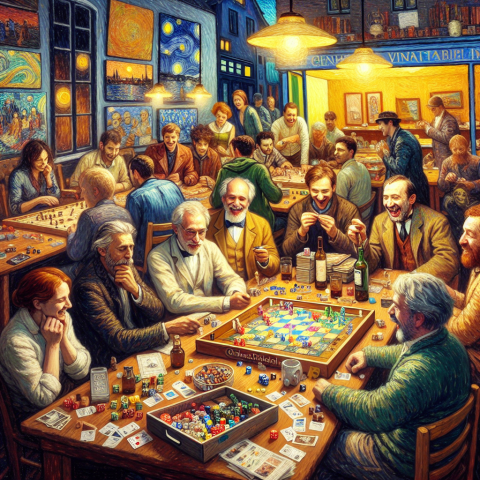
Unraveling The Phenomenon Of Happy Salmon
By Tom Seest
At BestBoardGameNews, we help people who love board games by collating information and news about board games.
Be sure to read our other related stories at BestBoardGameNews to learn more about board games.
What Makes The Party Game Happy Salmon So Popular?
In an age dominated by touchscreens and streaming services, it’s a delightful surprise to witness a resurgence of good old-fashioned, face-to-face fun. Enter Happy Salmon, a party game that has captured the hearts of players everywhere—and it’s not hard to see why. This game isn’t just a test of dexterity or a mental workout; it embodies the spirit of connection, laughter, and unabashed silliness.
At first glance, Happy Salmon might seem like a simple premise: players race against each other to match a series of actions with a partner in a flurry of energetic enthusiasm. The game’s stripped-down structure—no complicated rules or lengthy setups—means you can dive straight into the action. Within minutes, the room transforms from a gathering of acquaintances into a chorus of laughter and cheers. It’s not just the mechanics of the game that create this atmosphere; it’s the sheer joy of silliness that bubbles to the surface.
Picture this: you’re leaping from player to player, high-fiving, fist-bumping, and performing exaggerated fish-like movements. The physicality of the game breaks down barriers. Personal inhibitions disappear, and you suddenly find yourself laughing with friends old and new. It’s a whirlwind of energy that makes even the shyest among us feel like a rock star. In a world that often asks us to take ourselves too seriously, Happy Salmon offers an invigorating reminder that play is a vital aspect of life.
But there’s more to its allure than just infectious enthusiasm. Happy Salmon leans heavily into inclusivity. With simple mechanics and no minimum age requirement, players of all backgrounds and skill levels can join in. You don’t need a lengthy explanation to get started—just a willingness to let loose and enjoy the ride. This accessibility makes it a go-to choice for both casual gatherings and larger events, creating a universal language of laughter that bridges generational divides.
Moreover, the game offers a unique blend of unpredictability and structure. Each round unfolds with a delightful chaos, yet it’s all rooted in clear actions that players can quickly grasp. This balance keeps the game fresh and exhilarating. As rounds zip by, a sense of camaraderie builds, making it an unforgettable experience that lingers long after the game has ended.
When you break it down, Happy Salmon ticks all the boxes: it’s simple, inclusive, and above all, fun. It’s a perfect blend of spontaneity and connection, all wrapped up in a joyous package. So, if you haven’t played yet, grab a group of friends and prepare for a laughter-filled spectacle that proves that sometimes, the best things in life are the simplest.

What Makes The Party Game Happy Salmon So Popular?
What Makes The Party Game Happy Salmon So Popular?
- Happy Salmon is a party game embracing face-to-face fun amidst a digital age.
- The game involves players racing to match actions with partners, fostering energetic enthusiasm.
- Its simple rules and quick setup allow for immediate engaging play, transforming gatherings into lively experiences.
- Physicality and silliness encourage players to break down barriers, promoting laughter and connection.
- Happy Salmon is inclusive, accommodating players of all ages and skill levels without complex instructions.
- The game balances unpredictability with clear actions, maintaining excitement and camaraderie throughout rounds.
- Ultimately, it proves that simplicity and spontaneity can lead to unforgettable moments of joy.

What Makes The Party Game Happy Salmon So Popular?
Table Of Contents
- What Makes The Party Game Happy Salmon So Popular?
- What Are The Core Mechanics Of Happy Salmon?
- How Does Happy Salmon Promote Interaction?
- What Age Groups Enjoy Happy Salmon The Most?
- How Does The Game Encourage Teamwork And Cooperation?
- What Makes Happy Salmon Suitable For Various Occasions?
- What Strategies Can Players Use To Win In Happy Salmon?
- How Does The Fast-Paced Nature Enhance The Game Experience?
- What Are Common Misconceptions About Happy Salmon?
- How Does Happy Salmon Compare To Other Party Games?
- What Elements Make Happy Salmon Easy To Learn?
- How Important Is The Social Aspect In Happy Salmon?
- What Feedback Have Players Given About Happy Salmon?
- What Unique Themes Does Happy Salmon Incorporate?
- How Can Happy Salmon Be Adapted For Larger Groups?
- Conclusion
- Other Resources
- Glossary Of Terms
- Other Questions
- Haiku
- Poem
- Checklist
What Are The Core Mechanics Of Happy Salmon?
If you’ve ever found yourself in a room filled with the sounds of laughter, shrieks of excitement, and the occasional “NO WAY!” then you’ve likely stumbled into a game of Happy Salmon. Let’s break down what makes this quirky little card game not just fun, but an absolute must-try for gatherings of all kinds.
At the heart of Happy Salmon lies its fundamental premise: the joy of connectivity. Yes, you heard that right; we’re talking about a game that thrives on the sheer delight of human interaction. The game’s mechanics are refreshingly straightforward, relying on a deck of colorful cards and a heaping dose of enthusiasm. Each player starts with a hand of cards showcasing a series of actions, from “Happy Salmon” to “High Five” and “Pound It.” The goal? To shake off those cards by completing the actions with other players!
Here’s where things get interesting. When the game begins, everyone shouts out the action they want to perform. If two players call the same action, they’ve struck gold, and it’s time to jump out of the mundane routine of life and into a whirlwind of friendship and fun. Each completed action allows players to discard a card, and the first to empty their hand is the big winner. Sounds simple, right? It is, but it’s also a recipe for uproarious chaos.
Now, let’s take a minute to appreciate the beauty of what’s happening here. Anyone can join in, regardless of age or gaming prowess. The actions are easy to understand, making this an inclusive experience that can bring family and friends together in a way that few other games can. Whether you’re a seasoned gamer or someone who thinks “strategy” is just a fancy word for meal planning, Happy Salmon levels the playing field.
Finally, while the mechanics are simple, each round feels like an exciting roller-coaster ride. The frantic pace keeps everyone on their toes, and every loud shout or burst of laughter drives home the essence of spirited competition. It’s not just about winning; it’s about creating those unforgettable memories—like when Aunt Janice tried to “Pound It” and ended up on the floor.
HHappy Salmon serves as a delightful reminder that sometimes, the best moments come not from carefully plotted strategies, but from the simple joy of connecting with others in an uproarious celebration of fun. So grab a card, take a deep breath, and let the good times roll!

What Are The Core Mechanics Of Happy Salmon?
What Are The Core Mechanics Of Happy Salmon?
- Happy Salmon is a lively card game that emphasizes joy and human connection.
- The game features a deck of colorful cards with actions like “Happy Salmon,” “High Five,” and “Pound It.”.
- Players call out actions, and matching actions lead to quick, fun interactions with others.
- The objective is to complete actions with other players and discard cards, aiming to empty your hand first.
- It’s easy for anyone to join, making it inclusive for all ages and skill levels.
- The fast-paced nature of the game contributes to a fun and chaotic atmosphere.
- Happy Salmon highlights the joy of connecting with others over winning, creating lasting memories.

What Are The Core Mechanics Of Happy Salmon?
How Does Happy Salmon Promote Interaction?
In a world that’s often disconnected, Happy Salmon emerges as a beacon of face-to-face interaction. Picture this: you’ve gathered a handful of friends or family, perhaps around a kitchen table or in a lively backyard. There’s a sense of anticipation in the air, and as the deck of colorful cards is shuffled and handed out, you’re instantly drawn into a whirlwind of energy that encourages laughter, competition, and, most importantly, connection.
What sets Happy Salmon apart is its simplicity and chaotic charm. Players are instructed to perform quick, physical actions linked to the cards they draw. You might high-five a friend, perform a joyful salmon dance, or race to find other players who share your card. In those frantic moments, barriers are broken down, and what started as a mundane get-together transforms into a vibrant exchange of joy and camaraderie. The appeal here is that it doesn’t matter where you come from or what your background is; the game artists have designed it to be inclusive.
From toddlers to grandparents, everyone can join in. No one is left out, and that’s the key; it’s an equalizer of sorts. When you’re busy slapping hands and hopping around like a fish out of water, your worries fade away. You’re not just playing a game; you’re embracing spontaneity, and that fosters a deeper understanding between participants. The laughter is infectious, the excitement palpable, and the camaraderie unmistakable.
Happy Salmon also bellies up to the bar of creativity. Each game session can be different based on the players’ dynamics. Some might get into wild interpretations of the salmon dance, while others might turn it into a friendly competition. This adaptability keeps the interaction fresh and exciting, making you come back for more. The game is designed to break the ice and create space for memorable moments, whether it’s a quirky dance-off or a lively debate over who executed the best high-five.
In a nutshell, Happy Salmon serves as a powerful reminder of what it means to engage with one another, stripped of pretense and flooded with spontaneity. Not only does it invite you to play, but it encourages you to connect—and that’s a game-changer in this fast-paced world we live in. So roll up your sleeves, shuffle those cards, and prepare to unleash the joyful chaos that is Happy Salmon!

How Does Happy Salmon Promote Interaction?
How Does Happy Salmon Promote Interaction?
- Happy Salmon promotes face-to-face interaction in a disconnected world.
- The game involves colorful cards that encourage quick, physical actions.
- Players engage in activities like high-fives and joyful dances to connect.
- It’s an inclusive game suitable for all ages, from toddlers to grandparents.
- The game’s chaotic charm and spontaneity foster deeper understanding and camaraderie.
- Each session is unique based on player dynamics, maintaining fresh excitement.
- Happy Salmon serves as a reminder of the importance of genuine connections in today’s fast-paced society.
How Does Happy Salmon Promote Interaction?
What Age Groups Enjoy Happy Salmon The Most?
When it comes to the game “Happy Salmon,” you might think it’s just a whimsical little creation destined for children’s birthday parties. But, like a good piece of wrangling gear, it’s versatile and built to tackle a wide range of ages and personalities. So who really enjoys this fast-paced, laughter-inducing game the most? Let’s dive in.
First up, we have the little ones—the kindergarten crew. Kids aged 5 to 10 usually come to the table with a natural enthusiasm for games that involve silly motions and vibrant colors. With its catchy theme and simple rules, “Happy Salmon” engages their imaginations and gets them moving. It’s a perfect way to channel that boundless energy. When they yell “Happy Salmon!” and perform those joyful high-fives or fishy pushes, it’s not just a game; it’s an expression of pure delight. Untamed giggles and spontaneous dance moves are the signature joys of this age group, making them the true champions of the game.
Next, we transition into the pre-teen domain. Kids aged 11 to 14 still feel the echoes of childhood whimsy but now have a penchant for friendly competition. They relish the opportunity to perfect the action of the game, adding their own flair and strategies, making it a race for laughter and victory. “Happy Salmon” allows them to connect with friends in a socially dynamic way, promoting teamwork and camaraderie. It’s not about who wins or loses; it’s about creating memorable experiences while testing their reflexes and responsiveness.
But here’s the kicker: folks in their late teens and early twenties might just be the dark horse of the “Happy Salmon” fandom. College groups and young adults often take to this game with a flair for the theatrical. It becomes a catalyst for riotous gatherings—imagine a rowdy dorm room filled with laughter and a bunch of friends letting loose over what is essentially glorified fish slapping. They appreciate the nostalgia of a carefree childhood, mixed with the thrill of competition. In this setting, the game transforms into a treasured staple for social bonding.
Lastly, let’s not forget the adults. In a corporate setting or at family gatherings, “Happy Salmon” can break the ice like a dolphin breaking through the waves. The simplicity allows everyone to join in, no matter their skill level. Rediscovering their playful side, grown-ups find joy in reliving those childhood moments, laughing at themselves, and embracing the silliness.
“Happy Salmon” is a chameleon of a game, adapting to various age groups and magnifying the spirit of fun wherever it swims. Whether you’re a giggling kindergartner, a strategic pre-teen, spirited college student, or an adult looking for a slice of joy, it invites everyone to dive in and make a splash.
What Age Groups Enjoy Happy Salmon The Most?
What Age Groups Enjoy Happy Salmon The Most?
- Happy Salmon” is a versatile game enjoyed by a wide range of ages and personalities.
- Young children (ages 5-10) bring natural enthusiasm to the game with silly motions and vibrant colors.
- Pre-teens (ages 11-14) enjoy friendly competition and adding their own strategies to the game.
- College students and young adults appreciate the nostalgic and theatrical aspects, using the game to bond socially.
- Adults can enjoy “Happy Salmon” in corporate settings or family gatherings as an icebreaker.
- The game’s simplicity allows everyone to participate, regardless of skill level.
- Happy Salmon” encourages playfulness and fun across all age groups, inviting everyone to join in.

What Age Groups Enjoy Happy Salmon The Most?
How Does The Game Encourage Teamwork And Cooperation?
In a world where collaboration often feels like a lost art, this game reintroduces the concept of teamwork in a way that makes you realize just how much we need each other. At first glance, you might think it’s all about individual skill and strategy. But as you delve deeper, you quickly discover that success hinges on the players behind the avatars, working in concert to overcome challenges.
One of the game’s cornerstone mechanics is its emphasis on interdependence. Characters boast unique abilities, each serving a distinct purpose. You can’t charge into battle and expect to carry the day solo; you won’t get far without relying on the strengths of your teammates. This promotes an organic form of cooperation. A heavy-hitter may create a diversion to allow the healer time to mend wounds, while the strategist plans the next move. It’s like a well-oiled machine—every cog matters, every role crucial.
Players quickly learn that clear communication isn’t just essential; it’s the lifeblood of progress. The game’s interface often prompts dialogue through objectives that require input from multiple players. Strategies evolve in real time as gamers chip away at problems together. Ah, the beauty of brainstorming sessions, minus the conference room woes! Real conversations sprout from necessity, turning strangers into allies, and sometimes even friends.
In a competitive landscape, the game does something remarkable: it fosters an environment where collaboration is rewarded. You’re not just racking up points for personal glory; milestones are often tied to collective achievements. Players are incentivized to strategize together, to celebrate each other’s victories, and to pick each other up after defeats. It imbues every small victory with meaning, reinforcing a sense of camaraderie that persists long after the match is over.
Additionally, obstacles are deliberately designed to challenge groups, forcing players to band together and pool their resources. Whether thwarting an impending doom or solving a perplexing puzzle, these moments become catalysts for connection. You can almost feel the pulse of teamwork as players brainstorm solutions, their excitement palpable through the screen.
In a digital landscape often filled with lone wolves, this game cultivates a community of cooperation. It’s a reminder that when we unite our strengths, we can overcome even the toughest hurdles. And that, my friends, is a lesson that extends beyond the digital realm—it’s something we could all stand to remember in our day-to-day lives.

How Does The Game Encourage Teamwork And Cooperation?
How Does The Game Encourage Teamwork And Cooperation?
- The game reintroduces the importance of teamwork in a collaborative world.
- Success depends on players working together rather than relying solely on individual skills.
- Unique character abilities promote interdependence, encouraging organic cooperation.
- Clear communication is essential for progress and is integrated into the game’s mechanics.
- The game rewards collaboration, tying achievements to collective efforts rather than personal glory.
- Obstacles are designed to encourage team problem-solving and resource pooling.
- The experience fosters a sense of community, highlighting the value of cooperation beyond the game.
How Does The Game Encourage Teamwork And Cooperation?
What Makes Happy Salmon Suitable For Various Occasions?
When you think of happiness in a can, you might envision golden moments at sunset, laughter echoing around a campfire, or even a heartwarming holiday gathering. In that realm of bliss, Happy Salmon fits right in. But what exactly makes Happy Salmon an ideal choice for various occasions? Grab a seat, and let’s dive into the details.
First and foremost, its versatility stands out. Happy Salmon isn’t just another face in the crowd; it adapts to any setting like a chameleon on a color wheel. Whether you’re hosting a backyard barbecue with the neighbors or trying to break the ice during a first date, this vibrant, flavorful delight can effortlessly elevate your culinary experience. The fresh taste of the salmon—seasoned just right—adds a flair of sophistication without the bells and whistles.
Speaking of ease, let’s talk preparation. Life is busy, and few people have the luxury of a free afternoon to spend cooking intricate meals from scratch. Happy Salmon breezes into your life, prepped and ready, allowing you to spend less time in the kitchen and more time enjoying the moment. Just a quick sear, a sprinkle of seasoning, and voilà! You’ve got a gourmet centerpiece for your dinner table that pairs effortlessly with a summer salad or a hearty grain dish. It’s almost like you summoned a top chef with minimal effort.
Moreover, this delectable fish isn’t just limited to fancy dinners. Its casual charm makes it a fantastic addition to game nights or tailgate parties—quick, easy to share, and even easier to enjoy. It’s the kind of dish that invites conversation and camaraderie, drawing everyone to the table and breaking down barriers between old friends and new acquaintances alike. The shared experience of indulging in something delicious is a universal connector, and Happy Salmon wraps that up beautifully.
Finally, let’s not forget the health aspect. In a world where people often prioritize convenience over nutrition, Happy Salmon checks both boxes. Packed full of omega-3s and protein, it’s a guilt-free choice that leaves you feeling invigorated rather than weighed down. Whether you’re serving it at a wedding banquet or a simple family gathering, you’re offering guests a dish that tastes great and nourishes them too.
HHappy Salmon serves as a delicious reminder that happiness can be found in the simplest of pleasures—food, camaraderie, and shared experiences, no matter the occasion. So go ahead, make that next gathering a little brighter with a splash of flavor and a side of happy.

What Makes Happy Salmon Suitable For Various Occasions?
What Makes Happy Salmon Suitable For Various Occasions?
- Happy Salmon enhances joyful moments, perfect for occasions like sunsets, campfires, and holiday gatherings.
- Its versatility allows it to adapt to various settings, from backyard barbecues to first dates.
- Preparation is effortless, requiring just a quick sear and minimal seasoning for a gourmet experience.
- Happy Salmon is suitable for casual events such as game nights and tailgate parties, promoting conversation and connection.
- Health-conscious, it is rich in omega-3s and protein, making it a nutritious choice.
- It offers a delicious way to nourish guests while ensuring they enjoy their meals.
- Happy Salmon embodies the idea that happiness comes from simple pleasures like good food and shared experiences.
What Makes Happy Salmon Suitable For Various Occasions?
What Strategies Can Players Use To Win In Happy Salmon?
When it comes to the frenetic fun of Happy Salmon, strategy isn’t just a luxury; it’s your ticket to victory. While the game’s essence thrives on spontaneity and energy, savvy players can craft a game plan that enhances their chances of coming out on top. So, let’s dive into some strategies that can help you swim with the current rather than against it.
First and foremost, communication is key. Happy Salmon is all about teamwork and interaction, so vocalizing your intentions can help build synergy with your fellow players. Don’t just shout “Happy Salmon!” and hope for the best—call out the actions you’re about to perform. By doing so, you not only keep your teammates in the loop but also create an atmosphere that encourages collaboration. Use your voice to rally the troops or pump each other up, making the whole experience more engaging.
Next up, anticipate your opponents’ moves. Observing how other players operate can give you a significant edge. Everyone has their own rhythm, and by paying attention to the tempo of those around you, you can adjust your own strategy accordingly. If your friend to the left seems to struggle with the “high five,” perhaps it’s time for you to swoop in and claim that action before they do. Timing is everything, and an astute player will always be looking to capitalize on the actions others are fumbling.
An effective strategy also involves mastering the art of flexibility. A rigid approach can leave you floundering if things don’t go as planned. Be ready to switch gears at a moment’s notice. If the “taco” is your go-to move, don’t be afraid to pivot to a quick “clap” or “slap” if you see the opportunity arise. Adapting on the fly can turn the tides in this fast-paced game.
Don’t overlook the importance of camaraderie. Happy Salmon is a social game at heart, and building rapport with other players enriches the experience. By fostering a sense of fun and connection, you not only enhance your own performance but also that of your allies, making the whole game more enjoyable.
Lastly, practice makes perfect. The more you play, the more instincts you’ll develop. Those quirky signals and actions become second nature. So gather your friends, embrace the chaos, and keep refining your strategies, because in Happy Salmon, it’s all about making waves in style!
What Strategies Can Players Use To Win In Happy Salmon?
What Strategies Can Players Use To Win In Happy Salmon?
- Strategy is crucial for success in Happy Salmon, enhancing the spontaneous energy of the game.
- Effective communication is key; vocalizing intentions builds teamwork and encourages collaboration.
- Anticipating opponents’ moves can provide a significant advantage; observe their rhythms to adjust your strategy.
- Flexibility is essential; be ready to adapt your actions based on the evolving dynamics of the game.
- Camaraderie enriches the gameplay experience; fostering connections with other players enhances overall enjoyment.
- Practice leads to improvement; the more you play, the more instinctive and second nature your actions become.
- Embrace the chaos and keep refining your strategies to make waves in style during gameplay.
What Strategies Can Players Use To Win In Happy Salmon?
How Does The Fast-Paced Nature Enhance The Game Experience?
In a world that’s always on the go, where everything seems to unfold at lightning speed, the fast-paced nature of gaming stands out as a thrilling experience that hooks players into a compelling whirlwind of excitement. The rapid tempo elevates not just the action, but also the emotional stakes, making every moment count. It’s a lifestyle, a dance of quick decisions and rapid reflexes that often feels more like a high-stakes competition than mere entertainment.
Firstly, let’s talk about adrenaline. When you’re in the thick of a fast-paced game, your heart races, your mind sharpens, and you become acutely aware of every sound and flicker on the screen. The urgency to act quickly forces you into a heightened state of awareness. It’s not just about playing; it’s about surviving, thriving, and outsmarting your opponent in a frantic, thrilling battle. Every split-second decision can be the difference between victory and defeat, fostering a sense of urgency that keeps players engaged and invested.
Moreover, this frenetic pace cultivates camaraderie among players. When you and your friends dive into a co-op mission or face off in a competitive arena, the fast tempo brings a natural rhythm to teamwork. Synchronized strategies evolve in the heat of the moment, building trust and communication as players rely on each other’s rapid responses. It’s like a family reunion with a twist—a competitive adrenaline rush where every action is a testament to your collective skill and savvy.
Then there’s the element of evolution. Fast-paced games often require players to adapt to shifting circumstances at a moment’s notice, honing their ability to stay agile in unpredictable environments. This constant evolution not only keeps gaming fresh but also mirrors real-life challenges, offering players a chance to build resilience and quick thinking that can translate outside the virtual world.
Finally, let’s not forget the sheer joy of unleashing chaos. There’s a delightful freedom in the velocity of these games—a chance to break rules, push boundaries, and immerse oneself in a playground where time is a mere suggestion. The exhilaration of sprinting through a battlefield or racing against friends fosters an infectious thrill that leaves players craving more.
The fast-paced nature of gaming isn’t just about speed; it’s about life lessons, friendships, adrenaline, and the pure, unadulterated fun of being alive in a world that moves just a little too fast.

How Does The Fast-Paced Nature Enhance The Game Experience?
How Does The Fast-Paced Nature Enhance The Game Experience?
- The fast-paced nature of gaming provides a thrilling experience that captivates players.
- Adrenaline rush is a key component, heightening awareness and urgency during gameplay.
- Every split-second decision can determine victory or defeat, keeping players engaged.
- Fast-paced gaming fosters camaraderie through teamwork and communication among players.
- Players must adapt quickly to changing circumstances, enhancing resilience and quick thinking.
- The joy of gaming comes from the freedom to push boundaries and unleash chaos in the virtual world.
- Overall, fast-paced gaming offers life lessons, friendships, and pure fun in an ever-moving world.
How Does The Fast-Paced Nature Enhance The Game Experience?
What Are Common Misconceptions About Happy Salmon?
When it comes to salmon, there’s a lot more beneath the surface than most folks realize. The term “Happy Salmon” might conjure images of fish frolicking in pristine waters, but let’s dive a little deeper into some misconceptions that often swim alongside it.
First, let’s tackle the idea that all salmon happily thrive in the wild. While it’s a lovely thought, the truth is that many salmon species face significant threats from habitat loss, pollution, and overfishing. It’s a tough world out there, and these fish don’t always get to dance with joy. In reality, the plight of salmon is often a tale of survival, marked more by struggle than splendor.
Then there’s the notion that farmed salmon are inherently happier or healthier than their wild counterparts. The farmed variety may look pretty good on your plate, but don’t be fooled by the rosy façade. These fish are raised in controlled environments that often lack the complex ecosystems found in the wild. The reality is, when salmon are farmed, they can face their own share of challenges, including crowded conditions that can lead to disease. So, while they may not be swimming against a current, their quality of life can still be far from “happy.”
Next up is the idea that all salmon are created equal. Ah, if only it were that simple. There are several species of salmon, each with distinct tastes, textures, and habitats. From Chinook to Coho, the variability is vast, and so too are their experiences in nature. The belief that all salmon tastes the same? That’s a misconception that can leave your taste buds feeling rather dull.
Another common misunderstanding is the belief that the term “Happy Salmon” solely refers to fish welfare. While it’s important to consider ethical standards in fishing and farming, the term can also relate to the sustainability of salmon populations. Just because a salmon is labeled as “happy” doesn’t mean it comes from a sustainable source. Enthusiasts need to be savvy about where and how their salmon is caught or raised, as the sustainability of the fishery plays a crucial role in the overall happiness of the entire ecosystem.
Understanding the real story behind happy salmon is about peeling away the layers of misinterpretation. The more we know, the better decisions we can make—not just for our palates, but for the waters and habitats that sustain these magnificent fish. So next time you hear “Happy Salmon,” take a moment to ponder what that truly means.
What Are Common Misconceptions About Happy Salmon?
What Are Common Misconceptions About Happy Salmon?
- The idea of “Happy Salmon” often masks deeper misconceptions about salmon welfare.
- Many salmon species face threats from habitat loss, pollution, and overfishing.
- Farmed salmon can face challenges such as crowded conditions and disease, despite their appearance.
- There are several species of salmon, each with unique tastes, textures, and habitats.
- The term “Happy Salmon” also pertains to the sustainability of salmon populations.
- Consumers should be aware of the source of their salmon, as sustainability impacts ecosystem health.
- Understanding the true story behind happy salmon encourages better food and environmental choices.
What Are Common Misconceptions About Happy Salmon?
How Does Happy Salmon Compare To Other Party Games?
When it comes to party games, the landscape is teeming with vibrant options that tickle the funny bone and test your social smarts. Among this eclectic mix, “Happy Salmon” swims to the surface like a buoyant, neon fish, ready to enliven gatherings and turn dull moments into a whirlwind of laughter and camaraderie. So, how does this lively little game stack up against its competitors?
First off, let’s talk about accessibility. Many party games often come with complex rules and setups that might as well come with a manual thicker than a phone book. Happy Salmon, on the other hand, tosses the rule book aside like a salad at a picnic. It’s refreshingly simple: players engage in a series of high-energy actions and call out matching cards. You could teach Grandma how to play while she’s still pouring her morning coffee. This instant now-or-never appeal makes it a frontrunner for any gathering, from casual barbeques to rowdy family reunions.
What’s more, the physicality of “Happy Salmon” adds an extra layer of fun that many card games simply cannot replicate. As players leap, dash, and do the titular Happy Salmon handshake, they’re not just playing a game—they’re breaking down walls. This physical element invites not only hilarity but also genuine social interaction, something many traditional board games lack. Let’s face it, competing over a game of Monopoly often leads more to a family feud than fellowship.
However, when stacking it against other frenetic party games like “Telestrations” or “Catch Phrase,” Happy Salmon shines in its commitment to continual interaction. While many games might cause a drop in energy during quiet turns or intensive strategizing, this game keeps everyone engaged, heart rates up, and spirits high. You’re always in the thick of it, immersed in laughter and competition, even if you clearly can’t dance to save your life.
That said, you might find Happy Salmon’s unbridled chaos less appealing if you prefer a calculated game night where cunning strategy rules the roost. For some, the noise and movement might feel a bit overwhelming. Still, for those who thrive on spontaneity and shared joy, this game delivers a flavor you won’t find in a typical board game.
HHappy Salmon isn’t just another party game; it’s an experience that turns any gathering into an unforgettable celebration of spontaneity and connection. For those seeking to inject a good dose of hilarity into their social evenings, this game is one fin-tastic alternative.
How Does Happy Salmon Compare To Other Party Games?
How Does Happy Salmon Compare To Other Party Games?
- “Happy Salmon” is a lively party game that enhances gatherings with laughter and camaraderie.
- The game is highly accessible with simple rules that can be learned quickly, making it suitable for players of all ages.
- Physical actions and interactive gameplay promote genuine social interaction, unlike many traditional board games.
- It maintains high energy throughout, keeping all players engaged and preventing lulls common in other games.
- Players enjoy a mix of chaos and humor, ideal for those who thrive on spontaneity and fun.
- It may not appeal to those who prefer strategic, quieter game nights due to its lively and chaotic nature.
- “Happy Salmon” stands out as a unique experience that transforms gatherings into unforgettable celebrations.

How Does Happy Salmon Compare To Other Party Games?
What Elements Make Happy Salmon Easy To Learn?
When it comes to board games, simplicity can be the secret sauce that pulls everyone to the table. Happy Salmon, that delightful little card game, has mastered the art of easy learning through a few key elements that make it a surefire hit for families and friends alike.
First up, let’s talk about the rules—or rather, the lack thereof. Happy Salmon doesn’t clutter your mind with complex mechanics or lengthy rulebooks. In fact, the instructions can be boiled down to a couple of simple concepts that anyone can grasp in mere minutes. When you gather around the table, you’re not reading a manual; you’re diving straight into the action. This immediacy is a game-changer. With no need to decipher complicated guidelines, players can jump in and start having fun right away.
Next, we have the physical aspect of the game. Happy Salmon is bound to get everyone out of their chairs and into the action. Players are required to perform simple, goofy actions like slapping hands or doing a happy dance, and these movements are not just fun—they’re essential to gameplay. This physical engagement breaks down barriers and fosters interaction, turning a game session into a lively social event. It’s a fantastic icebreaker, especially for folks who might be shy or unsure. Instead of sitting around, staring at your cards, you’re up, moving, and laughing. What’s not to love?
Then there’s the theme and aesthetics. The colorful artwork and playful design invite you to join in on the fun. It’s hard not to smile when you see those vibrant cards, all designed with joyful expressions and lively characters. The eye-catching visuals themselves create an atmosphere that feels friendly and inclusive, persuading even the most hesitant participants to join in on the fun.
Finally, the game shines in its inclusivity. With rules flexible enough for all ages, it welcomes everyone to the table. Young kids can easily pick it up while adults find just enough humor and spontaneity to keep it engaging. The result? A dynamic where multiple generations can bond over the same game, creating memories that linger long after the last card is played.
When you put all these elements together, you get more than just a card game; you get an experience that invites everyone in on the joy. Happy Salmon is a testament to the notion that sometimes, less is more—and laughter is the universal language that brings us all together.

What Elements Make Happy Salmon Easy To Learn?
What Elements Make Happy Salmon Easy To Learn?
- Simplicity in rules allows quick understanding and immediate gameplay.
- Physical engagement through goofy actions fosters interaction and socialization.
- Colorful artwork and playful design create a joyful atmosphere.
- Inclusive for all ages, making it easy for kids and engaging for adults.
- Encourages bonding across generations, creating lasting memories.
- Transforms a game session into a lively social event rather than just play.
- Demonstrates that sometimes, less is more, with laughter as a universal language.
What Elements Make Happy Salmon Easy To Learn?
How Important Is The Social Aspect In Happy Salmon?
How Important Is the Social Aspect in Happy Salmon?
When you crack open a box of Happy Salmon, you’re not just unearthing a fancy deck of cards; you’re diving headfirst into a whirlwind of connections, laughter, and just plain fun. This game isn’t merely about who can slap the most fish tails—it’s all about that electric energy that buzzes when people get together. It’s the very essence of what makes us human: the innate need to connect, communicate, and, dare we say, celebrate our quirks.
Happy Salmon is designed for a lively gathering. The game is simple enough that even your great-aunt Mildred, who hasn’t played anything more complex than bingo for the last decade, can jump in without missing a beat. This accessibility factored into its design allows players from all walks of life—kids, grandparents, the sometimes-curmudgeonly neighbors—to join in on the fun. And make no mistake, the camaraderie that develops is what elevates this little card game from a mundane activity to an unforgettable experience.
Imagine the chaos: players erupt into laughter as they awkwardly mimic the fish toss or dodge each other in a mad scramble to find their partners. It’s not just about competition; it’s about shared moments and inside jokes that arise when players are forced to throw caution (and their inhibitions) to the wind. Those moments are priceless, and that’s where the social aspect truly shines.
Give it a go at a party, and you’ll see connections forged faster than you can say “Happy Salmon.” The laughter rings out, and in those moments, it’s clear that everyone—strangers or old friends—are united in the shared joy of the game. Throw in a well-timed joke or a friendly ribbing, and bonds that might otherwise take years to form can be crafted in mere moments.
But don’t overlook the serious side of this social interaction. In an age where screen time often trumps face time, games like Happy Salmon serve a purpose beyond mere entertainment. They’re reminders of the importance of engaging with one another in the real world, fostering teamwork, building friendships, and creating shared memories. So the next time you pull out that deck of cards, relish not just in the competition of the game, but in the rich social tapestry it weaves. After all, in the celebrating of the mundane, we find joy—and isn’t that, ultimately, what it’s all about?

How Important Is The Social Aspect In Happy Salmon?
How Important Is The Social Aspect In Happy Salmon?
- Happy Salmon is more than a card game; it fosters connections, laughter, and fun.
- The game is designed for easy accessibility, allowing players of all ages and backgrounds to participate.
- It promotes camaraderie and transforms mundane activities into memorable experiences.
- Chaos and laughter arise as players engage in physical and humorous interactions.
- Shared moments and inside jokes contribute significantly to the social experience.
- Happy Salmon encourages real-world engagement, fostering teamwork and friendships.
- The game highlights the joy in connecting with others amidst everyday life.
How Important Is The Social Aspect In Happy Salmon?
What Feedback Have Players Given About Happy Salmon?
In the lively world of tabletop games, feedback can often be as colorful as a deck of cards. When it comes to *Happy Salmon*, players have certainly let their voices ring out, and the chorus is overwhelmingly positive.
First off, let’s talk about the sheer joy that comes with playing. Many players have described *Happy Salmon* as a breath of fresh air, a rip-roaring whirlwind of laughter and camaraderie that breaks the ice faster than you can say “party game.” It’s not just a pastime; it’s a celebration. The game’s unique mechanics invite participants to leap into action—literally! Whether it’s high-fives, the titular “Happy Salmon” shake, or the cacophony of shouts, it’s clear that this game isn’t for the faint of heart or those without a sense of humor. One player summed it up perfectly: “It’s like a carnival for your living room.”
In addition to its infectious energy, folks adore the accessibility of *Happy Salmon*. Reviews routinely highlight how easy it is to pick up. There’s no convoluted setup or complex rulebook; just a simple deck that invites players of all ages to dive in. Families appreciate that it can entertain kids and adults alike, bridging gaps and sparking joy across generations. A parent remarked, “We don’t just play the game; we bond over it. Even my teenage son puts down his phone for this one.” Now, that’s saying something.
But it’s not all sunshine and rainbows. Some players have pointed out that while the game is fantastic in large groups, it can feel a bit chaotic if there are fewer participants. The more, the merrier seems to be the underlying principle here, leading some to suggest that it truly shines best at parties or gatherings. Additionally, a few critics have mentioned that the novelty can wear off after repeated sessions. Like any good recipe, it requires just the right balance of fun and freshness to keep taste buds awake.
The feedback resonates like a symphony—the harmony of laughter, a dash of chaos, and a sprinkle of friendly competition. *Happy Salmon* certainly doesn’t leave a player dry; instead, it immerses everyone in a current of joy, making it a noteworthy entry in the realm of party games that leaves everyone eager for more.
What Feedback Have Players Given About Happy Salmon?
What Feedback Have Players Given About Happy Salmon?
- Players overwhelmingly praise *Happy Salmon* for its joy and camaraderie.
- The game is described as a lively and entertaining party experience, akin to a carnival.
- Unique mechanics encourage physical action and humor, creating a festive atmosphere.
- *Happy Salmon* is noted for its accessibility, suitable for players of all ages.
- Families enjoy bonding over the game, with a notable impact on intergenerational play.
- Some players feel it can be chaotic with fewer participants, best enjoyed in larger groups.
- Critics suggest that the novelty may diminish over time, requiring balance for sustained enjoyment.
What Feedback Have Players Given About Happy Salmon?
What Unique Themes Does Happy Salmon Incorporate?
Picture this: a vibrant living room packed with friends and family, all chasing that elusive blend of chaos and camaraderie. In the midst of laughter and light-hearted banter, a game bursts onto the scene, and suddenly, everyone is fueled by a single, uncontrollable urge – to slap those salmon cards. Welcome to Happy Salmon, a game that dances on the edges of silliness and connection, effectively knitting bonds among players with the kind of deftness an angler uses to reel in a catch.
At its core, Happy Salmon is alive with themes of teamwork and interaction. You see, this isn’t your average, sit-down-and-think kind of game. No, this is a whirlwind of energy, a kaleidoscope of motion where players must communicate nonverbally, relying on body language and instincts rather than the usual strategic plotting. When you’re hollering “Happy Salmon!” and flapping your arms like a fish fresh out of water, you realize that collaboration trumps competition. It’s not about who has the cleverest strategy but rather about who can get silly the fastest.
Then there’s the theme of spontaneity. Happy Salmon revels in the unexpected. Just when you think you’ve got a handle on the rules, you realize each round can take on a new flair. Whether it’s the unexpected turns of play or the spontaneous laughter that erupts with every card flip, you’re invited to embrace the moment. You’re not just participating in a game; you’re diving headfirst into an experience. That unpredictability forms a backdrop where memorable moments are created, weaving together stories and inside jokes that will be recounted for years.
Another striking theme is inclusivity. Happy Salmon doesn’t adhere to strict age limits or complicated rules. It breaks down barriers, inviting everyone from toddlers to grandparents to join in the fun. You don’t have to be a board game aficionado to pick up a card and slap a hand; all you need is a willingness to let go and laugh. It’s that universal enjoyment that makes Happy Salmon equally at home at family gatherings or casual get-togethers with friends.
In a world that often feels separated by screens and rigid schedules, Happy Salmon stands tall as a reminder of the joyous connections that can be cultivated through simple, genuine interactions, and perhaps a little fishy fun.
What Unique Themes Does Happy Salmon Incorporate?
What Unique Themes Does Happy Salmon Incorporate?
- Happy Salmon is a lively game fostering chaos and camaraderie among friends and family.
- The game emphasizes teamwork and nonverbal communication over strategic planning.
- Players engage in silly antics, prioritizing collaboration over competition.
- Each round of the game can bring unexpected twists, adding to its spontaneity.
- Happy Salmon fosters memorable moments and stories that players cherish for years.
- It’s accessible to all ages, breaking down barriers for everyone to join in on the fun.
- The game encourages genuine interactions, highlighting joy amidst a tech-heavy world.
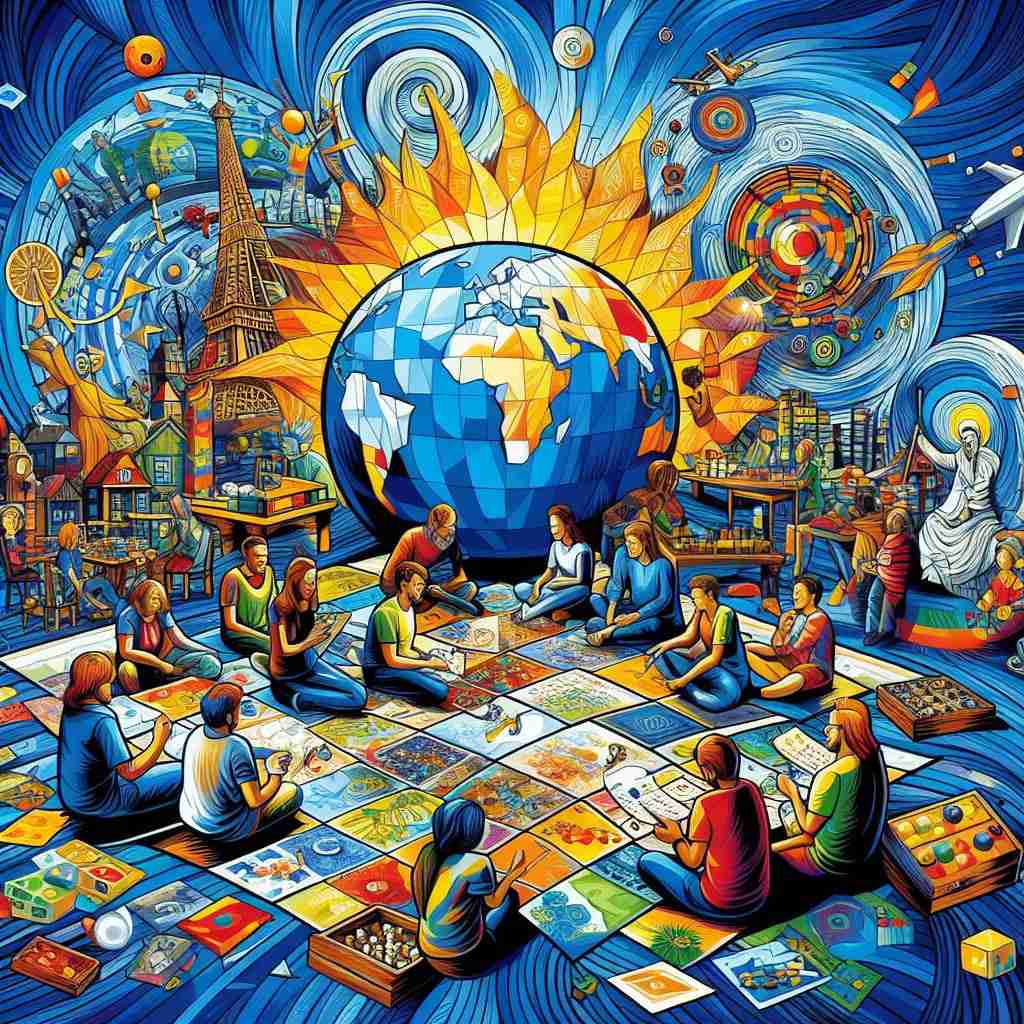
What Unique Themes Does Happy Salmon Incorporate?
How Can Happy Salmon Be Adapted For Larger Groups?
When you think of party games, you might imagine a few friends huddled around a table, jostling for laughs and competition. But what happens when your friend group suddenly transforms into a full-blown gathering? Those intimate games can feel as cramped as a can of sardines, leaving you craving something bigger, something bolder—a game that thrives on chaos and camaraderie, like Happy Salmon.
Now, don’t fret, because Happy Salmon was practically designed with flexibility in mind. First, let’s talk numbers. The original version of the game supports up to eight players, but when you’re dealing with larger groups, we can get a bit creative. Grab a second or even a third set of cards, and you can easily accommodate 16 or 24 lively folks ready to flap their fins and high-five their way into victory. Just make sure you add extra space—that energetic atmosphere thrives on movement!
Next, consider the setup. You’re not in a cozy living room anymore; this is a social gathering room, or maybe even the backyard! Spread the playing area wider to oversee the hustle and bustle. This means giving your players plenty of room to flail about, as they’ll be bounding around like excited dogs at a dog park. Each corner of your space can serve as a staging ground for different groups, where players shuffle between partners. It transforms into a mix of teamwork and free-for-all chaos—a creative melee of joy.
To further enhance the game for larger groups, think about implementing a tournament style. Break your large gathering into smaller teams and run several rounds. The teams compete to see who can slap the most fins in a specific time frame. It’s a chance for everyone to showcase their skills, and it allows interlopers to get in on the fun without feeling lost. Winners can advance to the ‘final round,’ where the mightiest players face off for the title of Happy Salmon Champion—complete with makeshift crowns, of course.
Don’t forget to remind everyone to let loose. Happy Salmon is not just about winning; it’s about energy, laughter, and connection. So, whether you’re getting your group fitted for a tournament or just diving into a sea of energetic chaos, embrace the improv spirit of the game. Because when you adapt Happy Salmon for larger groups, you’re not just playing a game—you’re creating a tidal wave of laughter that’s bound to make a splash.
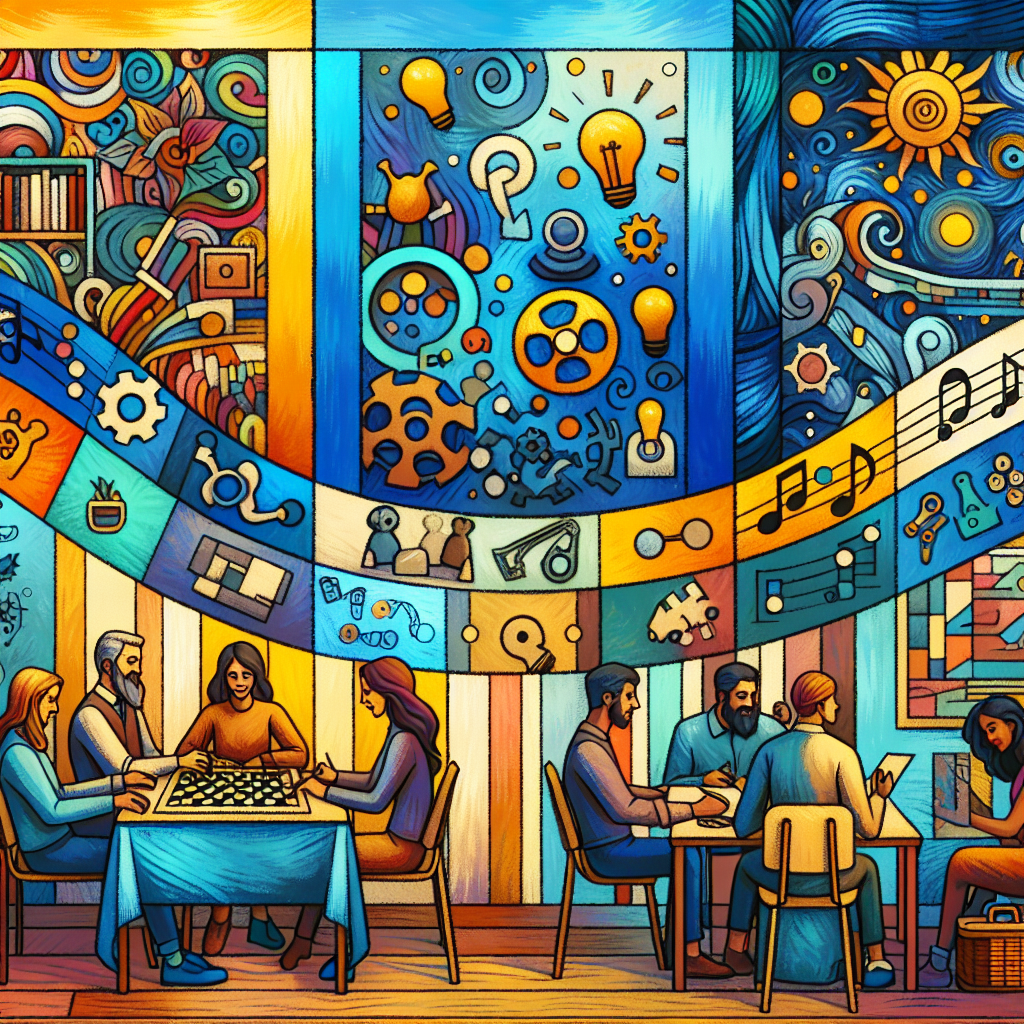
How Can Happy Salmon Be Adapted For Larger Groups?
How Can Happy Salmon Be Adapted For Larger Groups?
- Happy Salmon is ideal for larger gatherings, fostering chaos and camaraderie.
- The game supports up to eight players, with flexibility to accommodate up to 24 by adding more card sets.
- Set up the game in spacious areas, like backyards, allowing players to move freely and interact.
- Create a dynamic playing environment with different corners serving as staging grounds for teams.
- Implement a tournament style to engage players in competitive rounds, flapping fins to win.
- Encourage a fun atmosphere focused on energy, laughter, and connections rather than just winning.
- Embracing the improvisational spirit of Happy Salmon creates a memorable, laughter-filled experience.

How Can Happy Salmon Be Adapted For Larger Groups?
Conclusion
As we reel in our exploration of *Happy Salmon*, it’s clear that this quirky little game has cast a wide net of joy, camaraderie, and downright silliness. In a world that often feels like it’s racing past in a blur of screens and solitude, *Happy Salmon* invites everyone to throw caution—and perhaps a bit of decorum—overboard.
At its core, this game embodies the pure essence of connection. Players rise from their chairs, yelling out actions like “High Five!” and performing the unrestrained dance of a salmon. The simplicity and accessibility of the gameplay allow players of all ages and backgrounds to join in without any prerequisite, bridging generational divides in a flurry of laughter and activity. You could have Aunt Millie, toddlers, and teenagers all grabbing hands to execute the “Salmon Shuffle” without missing a beat, and that’s what makes the magic happen.
But what goes beyond just throwing cards is that *Happy Salmon* breaks the barriers of competition and elevates the spirit of teamwork. Players revel in the chaotic camaraderie that emerges when competing for a common goal: getting rid of cards by slapping hands and performing silly antics. The vibrant energy is infectious, and within minutes, acquaintances morph into friends sharing belly laughs. Talk about an icebreaker for gatherings where social awkwardness might loom!
The unpredictable nature of the game fosters an atmosphere that keeps everyone engaged, proving that sometimes simpler means better. Critical thinking and strategies take a backseat to the heart of the play, reminding everyone that spontaneous fun is an integral part of life. Admittedly, *Happy Salmon* has its quirks—like some players feeling overwhelmed by the pace—but for those who savor the adrenaline rush of frantic fun, it’s an absolute delight.
In the end, the constructive feedback from players consistently highlights that *Happy Salmon* is not just about winning; it’s about forging connections, creating lasting memories, and embracing the silliness that life has to offer. So, the next time you gather your friends or family, toss aside the tech and make room for a whirlwind of fish-flapping fun. Trust me, dive into *Happy Salmon*, and you’ll find a celebration of laughter that proves, yet again, that some of the best things in life are indeed the simplest. Now go, get your friends together, and prepare to unleash the joyful chaos that *Happy Salmon* embodies—it’s a tidal wave of laughter just waiting to be experienced!
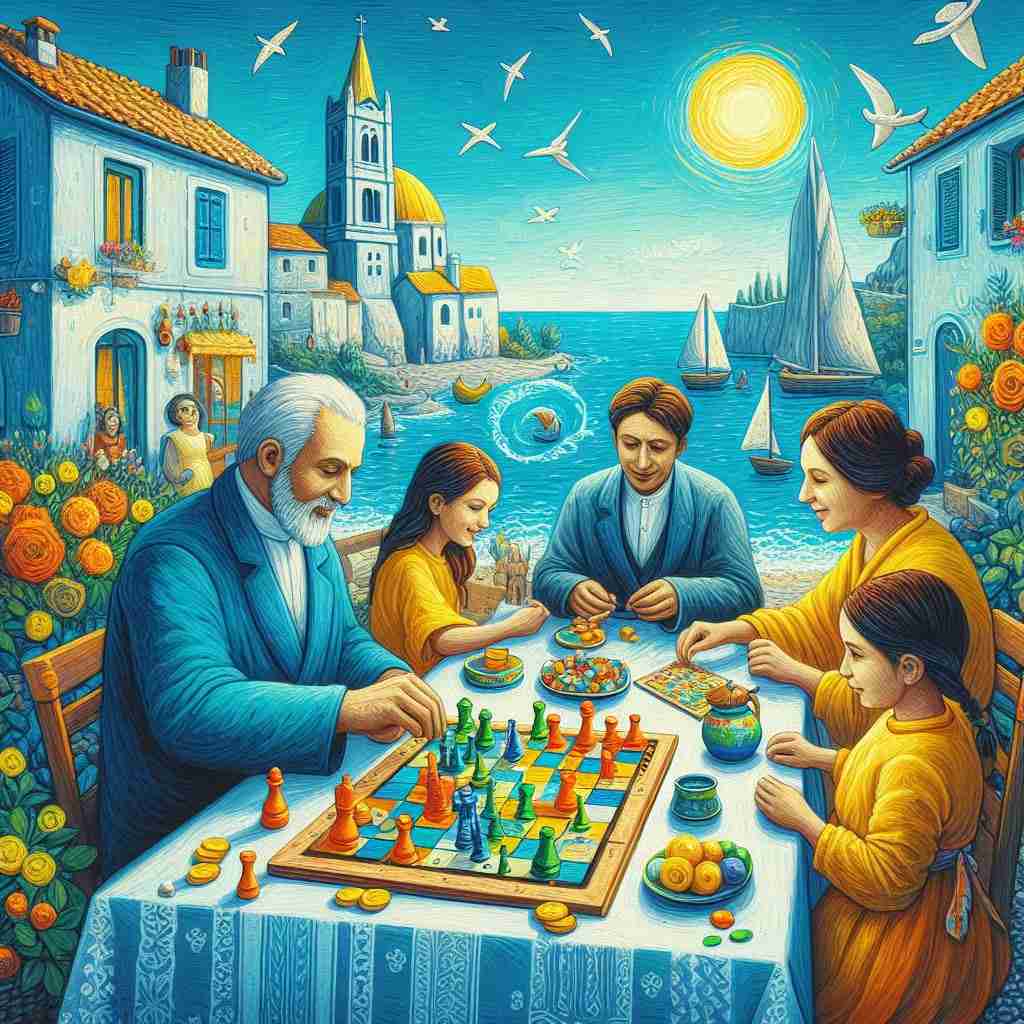
Conclusion
Conclusion:
- *Happy Salmon* is a quirky game that promotes joy, camaraderie, and silliness.
- The game encourages players to embrace connection by performing fun actions like “High Five!” and the “Salmon Shuffle..
- Its simplicity makes it accessible for all ages and backgrounds, bridging generational divides.
- *Happy Salmon* fosters teamwork and turns competition into chaotic camaraderie focused on getting rid of cards.
- The unpredictable nature keeps players engaged and highlights the importance of spontaneous fun.
- Feedback indicates the game is more about forging connections and creating memories than winning.
- Gather friends and family to enjoy the joyful chaos of *Happy Salmon* and experience the celebration of laughter.
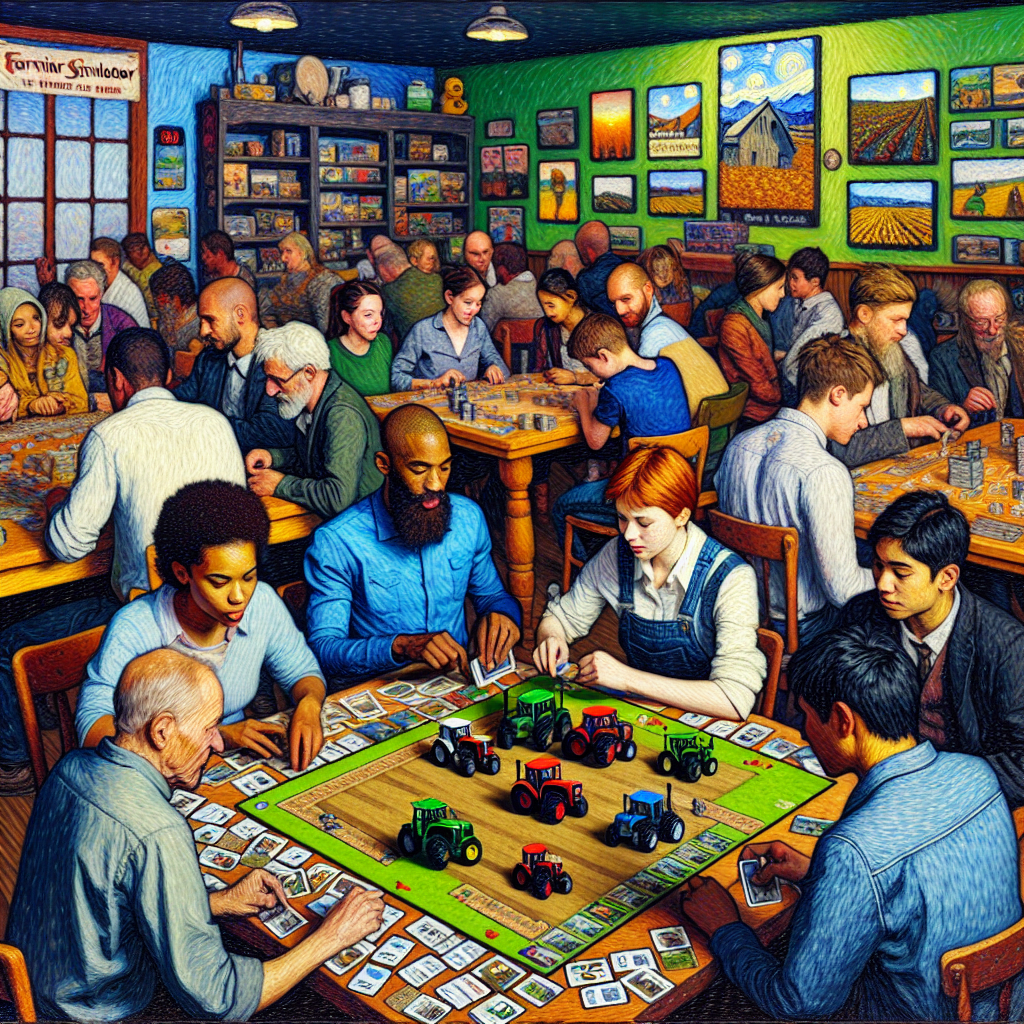
Conclusion
Other Resources

Other Resources
Here is a list of other resources you can review online to learn more:
Use This Prompt To Get More Resources With Your Favorite Online AI Tool: Please provide me with a list of online articles with their URLS in a bulleted list that I can read regarding What Makes The Party Game Happy Salmon So Popular?

Other Resources
Glossary Terms
What Makes The Party Game Happy Salmon So Popular? – Glossary Of Terms
1. Happy Salmon: A fast-paced card game focused on quick interactions and physical activity among players.
2. Social Interaction: The primary appeal of Happy Salmon, where players engage and communicate actively.
3. Fast-Paced: The game’s quick gameplay encourages rapid turns and minimal downtime among players.
4. Physical Activity: Players perform fun physical actions (like high-fives and fist bumps) that promote movement and energy.
5. Accessibility: Easy to learn rules make the game suitable for a wide range of ages and skill levels.
6. Inclusivity: The game is designed to be playable by diverse groups, ensuring everyone can participate and enjoy.
7. Simplicity: Straightforward gameplay mechanics allow for quick understanding and engagement without complexity.
8. Laughter: A key outcome of the game, where humorous interactions and reactions enhance the overall experience.
9. Teamwork: Some game variations involve players working together, reinforcing connections and camaraderie.
10. Card Game: A tabletop game format that primarily involves playing cards to fulfill objectives or tasks.
11. Game Duration: Typically quick rounds (about 2-10 minutes) keep the energy high and players returning for more.
12. Replayability: The game’s dynamic nature makes it enjoyable to play multiple rounds in one sitting.
13. Party Atmosphere: Ideal for gatherings and parties, fostering a vibrant and lively environment.
14. Game Components: Includes colorful cards and simple props that enhance the visual appeal and engagement.
15. Family-Friendly: The game is designed to be appropriate for all ages, making it ideal for family gatherings.
16. Energy Levels: The physical aspects of the game help boost players’ energy levels, contributing to excitement.
17. Strategic Variability: While primarily reliant on chaos and spontaneity, players can employ different strategies to win.
18. Cognitive Engagement: Encourages quick thinking and adaptability as players must respond swiftly to changing scenarios.
19. Player Dynamics: The game fosters unique interactions based on players’ personalities and relationships.
20. Visual Appeal: Brightly illustrated cards attract players’ attention and enhance overall enjoyment.
21. Word Recognition: Involves players quickly recognizing and acting upon card prompts, stimulating cognitive functions.
22. Multi-player: Designed for a group setting, allowing anywhere from 3 to 8 players to play simultaneously.
23. Game Variations: Multiple ways to play or modify the game, adding layers to the gameplay experience.
24. Cultural Popularity: Gained traction in various social contexts and demographics, contributing to its widespread appeal.
25. Competitive Spirit: Engages players in light-hearted competition, increasing excitement and motivation.
26. Community Building: Strengthens friendships and social bonds through active participation and shared laughter.
27. Nostalgia: May evoke fond memories of classic party games, appealing to a sense of shared history among players.
28. Event Integration: Frequently played at social gatherings, team-building events, and recreational activities, increasing visibility.
29. Game Mechanics: The rules and interactions designed to enhance fun and engagement, differing from traditional card games.
30. Word of Mouth: The game’s popularity often spreads through positive personal recommendations from players to friends and family.

Glossary Of Terms
Other Questions
What Makes The Party Game Happy Salmon So Popular? – Other Questions
If you wish to explore and discover more, consider looking for answers to these questions:
- What are the specific rules of Happy Salmon?
- How long does a typical game of Happy Salmon last?
- Can Happy Salmon be played outdoors?
- What age groups find Happy Salmon most engaging?
- What are some variations of Happy Salmon for different skill levels?
- How does Happy Salmon compare to other family-friendly games?
- Are there expansions or additional accessories for Happy Salmon?
- What settings are best for playing Happy Salmon (e.g., parties, family gatherings)?
- How can Happy Salmon promote physical activity?
- What do players say about the game’s replayability?
- How can you encourage shy players to participate in Happy Salmon?
- Are there any cultural adaptations or themes in Happy Salmon?
- What are some common strategies to increase enjoyment while playing?
- How does Happy Salmon cater to players with different abilities?
- What do players typically criticize about Happy Salmon?
Other Questions
Haiku
What Makes The Party Game Happy Salmon So Popular? – A Haiku
Laughter fills the air,
Quick moves break the silence,
Joyful chaos reigns.
Haiku
Poem
What Makes The Party Game Happy Salmon So Popular? – A Poem
In the Current of Laughter: A Happy Salmon Ode
In a world where screens often steal the show,
A joyful splash brings laughter’s glow.
Gather round, let the games begin,
With Happy Salmon, joy is the win.
Cards in hand, a simple delight,
High-fives and dances, pure chaos ignites.
With silly motions and shouts of glee,
We break down the walls, setting spirits free.
Young and old, all join the fun,
In this whirlwind of laughter, we’re all one.
No need for rules that tie us down,
Just joyous movements, shared in this town.
In kitchens and backyards, or rooms filled with cheer,
The bonds we create draw us all near.
From giggling kids to aunts who dare,
We find our connection in light-hearted flare.
Each round an adventure, spontaneous and wild,
In a playful dance, even the shyest find style.
With every “Happy Salmon!” that fills the air,
Memories are made with love and with care.
Quick on our feet and sharp with our wits,
We shout and we scramble, evoking the grins.
As laughter echoes, our troubles drift away,
In this joyous chaos, let spontaneity play.
A game to unite, to bring hearts to the fold,
With every flapping fin, the stories unfold.
From family reunions to gatherings wide,
Happy Salmon reminds us—let joy be our guide.
So gather your friends, let the laughter cascade,
For in this simple game, memories are made.
With each playful moment, sharpened spirits we’ll find,
In the current of laughter, together intertwined.

Poem
Checklist
What Makes The Party Game Happy Salmon So Popular? – A Checklist
1. Gather Your Group
_____ Invite friends, family, or colleagues (the more, the merrier!).
2. Set Up the Space
_____ Ensure you have enough room for players to move around freely.
_____ Consider outdoor spaces for larger gatherings.
3. Preparation
_____ Have a deck of Happy Salmon cards ready.
_____ Familiarize yourself with the game’s mechanics: actions like “Happy Salmon,” “High-Five,” and “Pound It. ”
4. Explain the Rules
_____ Keep it simple: no complicated setups—each player communicates their desired action and pairs up to perform it.
_____ Encourage everyone to embrace silliness and spontaneity.
5. Encourage Inclusivity
_____ Remind players of all ages they can join in on the fun—children, teens, and adults welcome!
_____ Consider variations for younger players or those who need a bit more guidance.
6. Promote Teamwork
_____ Encourage players to communicate and tally up their completed actions collectively.
7. Add a Competitive Element
_____ For larger groups, consider tournament-style play with smaller teams.
_____ Track which team brings the most energy or completes the most actions in a set time.
8. Celebrate Laughs
_____ Take note of funny interactions or mishaps—these will be the stories to recount later!
_____ Create a fun atmosphere where laughter is a priority.
9. Follow Up
_____ After your game session, discuss what everyone enjoyed most.
_____ Share ideas for how to enhance the experience for next time.
10. Play Again
_____ Plan to revisit Happy Salmon!
_____ Explore different themes or settings to keep the experience fresh.
With this checklist, you’re well on your way to ensuring a lively and engaging experience with Happy Salmon—bringing joy, connection, and plenty of laughter to your gatherings!
Checklist
At BestBoardGameNews, we help people who love board games by collating information and news about board games.
Be sure to read our other related stories at BestBoardGameNews to learn more about board games.