Uncovering The Allure Of Magic Maze
By Tom Seest
At BestBoardGameNews, we help people who love board games by collating information and news about board games.
Be sure to read our other related stories at BestBoardGameNews to learn more about board games.
What Makes The Party Game Magic Maze So Popular?
In the world of party games, where laughter and competition collide, few titles have captured the imaginations of players quite like *Magic Maze*. This cooperative treasure-hunt experience wields a certain je ne sais quoi that transforms an evening of friendly challenges into an electrifying race against the clock. But what exactly is it that makes this game so appealing?
To start, let’s talk about the mechanics. *Magic Maze* thrives on the principles of teamwork and communication—or rather, the exhilarating lack thereof. Players take on the roles of quirky fantasy characters, trapped in a labyrinthine shopping mall filled with the tantalizing allure of loot. Each player’s task is simple: guide their character through the maze to gather resources and ultimately escape. What may sound straightforward at first quickly spirals into frantic chaos. Why? Because each player can only control movement in certain directions—North, South, East, or West. The catch is that players can’t verbally communicate their plans. Therein lies the magic. The tension that erupts when everyone knows what they need to do but the words can’t flow creates a contagious energy that fuels the game.
It’s this thrilling blend of strategy and spontaneity that aligns with the communal spirit sought after in any great party setting. Picture this: a group of friends leaning in closer, eyes wide with focus, hearts racing. The silence is deafening as players communicate through frantic gestures and shared glances, each moment a potential disaster or a glorious triumph. The clock ticks mercilessly, heightening both the urgency and the excitement. It’s a near-constant dance of cooperation, where every second counts, and collective decision-making leads the way to victory—or defeat.
Aesthetically, *Magic Maze* is a treat for the eyes, with its vibrant artwork and clever map design that invites players into an enchanting world. This visual flair adds to the game’s charm, making it not just enjoyable to play but enticing to behold. It’s the kind of game that almost visually narrates the adventure, pulling players into its whimsical universe right from the get-go.
At its core, *Magic Maze* is more than a game; it’s a catalyst for connection. It ignites laughter and fosters camaraderie, creating memorable moments that linger long after the board is packed away. That’s the real magic—transforming a simple gathering into an unforgettable experience, one frantic move at a time.
What Makes The Party Game Magic Maze So Popular?
What Makes The Party Game Magic Maze So Popular?
- *Magic Maze* combines laughter and competition in a cooperative treasure-hunt experience.
- Players control quirky fantasy characters trapped in a labyrinthine shopping mall filled with loot.
- Each player can only move in certain directions and cannot verbally communicate, creating tension and excitement.
- The game emphasizes teamwork and non-verbal communication, leading to frantic and engaging gameplay.
- Aesthetically appealing with vibrant artwork and clever map design, enhancing player immersion.
- *Magic Maze* serves as a catalyst for connection, igniting laughter and fostering camaraderie among players.
- The game transforms simple gatherings into unforgettable experiences filled with memorable moments.
What Makes The Party Game Magic Maze So Popular?
Table Of Contents
- What Makes The Party Game Magic Maze So Popular?
- What Is The Main Appeal Of Magic Maze As A Party Game?
- How Does Cooperative Gameplay Enhance The Experience?
- What Age Groups Enjoy Playing Magic Maze The Most?
- How Does The Time Constraint Affect Player Interaction?
- What Strategies Can Players Use To Succeed In Magic Maze?
- How Does The Design Of Magic Maze Contribute To Its Popularity?
- Why Is Non-Verbal Communication Essential In This Game?
- What Elements Create A Sense Of Urgency In Magic Maze?
- How Does Magic Maze Differ From Traditional Party Games?
- What Themes Are Present In The Gameplay Of Magic Maze?
- How Many Players Can Participate In A Game Of Magic Maze?
- What Are Some Common Challenges Players Face In Magic Maze?
- How Do Players React To Losing In Magic Maze?
- What Role Does Laughter Play In The Enjoyment Of The Game?
- How Have Reviews Influenced The Popularity Of Magic Maze?
- Conclusion
- Other Resources
- Glossary Of Terms
- Other Questions
- Haiku
- Poem
- Checklist
What Is The Main Appeal Of Magic Maze As A Party Game?
Magic Maze invites players into a world brimming with excitement, strategy, and a dash of chaos. At its core, this cooperative real-time game draws players into a frantic race against the clock, where every decision packs a punch and camaraderie is tested. The beauty of Magic Maze lies in its unique blend of urgency and teamwork, creating an atmosphere that pulsates with energy and laughter.
First and foremost, the real-time mechanic ratchets up the intensity. Players are not just pondering their next move in the tranquil silence of a typical game night. No, they’re caught in a whirlwind, frantically maneuvering their character pieces through a labyrinthine shopping mall while racing against a relentless sand timer. Each second feels like an eternity, as the pressure mounts and the stakes skyrocket. The clock doesn’t just make time feel fleeting; it transforms the gameplay into a thrilling experience that thrives on tension and anticipation.
But what truly sets Magic Maze apart is the cooperative nature of the game. Communication is key, yet there’s a delightful twist: players can only communicate non-verbally. This leads to a symphony of gestures, frantic pointing, and eyebrow raises, as teammates decipher each other’s intentions amidst the chaos. It’s a remarkable exercise in collective problem-solving, where silent teamwork becomes the lifeblood of success. The joy of collaboration and shared victory strengthens bonds as players work harmoniously to navigate obstacles, enhance their strategies, and ultimately raid the shopping mall before time runs out.
Additionally, the game’s simplicity draws players of all ages and gaming backgrounds. With straightforward rules that can be grasped quickly, newcomers feel right at home alongside seasoned players. This accessibility ensures that everyone can join in on the fun, creating a beautifully diverse atmosphere. You’ll find friends, families, and even coworkers merging their minds and efforts, which produces unforgettable moments filled with laughter, exhilaration, and a tad bit of chaos.
Lastly, the replayability factor cannot be overlooked. With modular board setups and varying scenarios, each game of Magic Maze offers something fresh and exciting. No two sessions are alike, keeping players coming back for more. When you combine that with the visceral thrill of racing against time and the delightful insanity of group strategy, you have a recipe for one heck of a party game that resonates long after the last timer ticks down.
What Is The Main Appeal Of Magic Maze As A Party Game?
What Is The Main Appeal Of Magic Maze As A Party Game?
- Magic Maze is a cooperative real-time game that emphasizes strategy and teamwork.
- The game features a real-time mechanic, creating a fast-paced and intense atmosphere.
- Players maneuver through a labyrinthine shopping mall against a sand timer, heightening the pressure.
- Communication is non-verbal, relying on gestures and body language for teamwork.
- The game’s simplicity makes it accessible to players of all ages and backgrounds.
- Replayability is enhanced with modular board setups and varying scenarios, ensuring unique experiences.
- Magic Maze fosters memorable moments filled with laughter, excitement, and collaboration.
What Is The Main Appeal Of Magic Maze As A Party Game?
How Does Cooperative Gameplay Enhance The Experience?
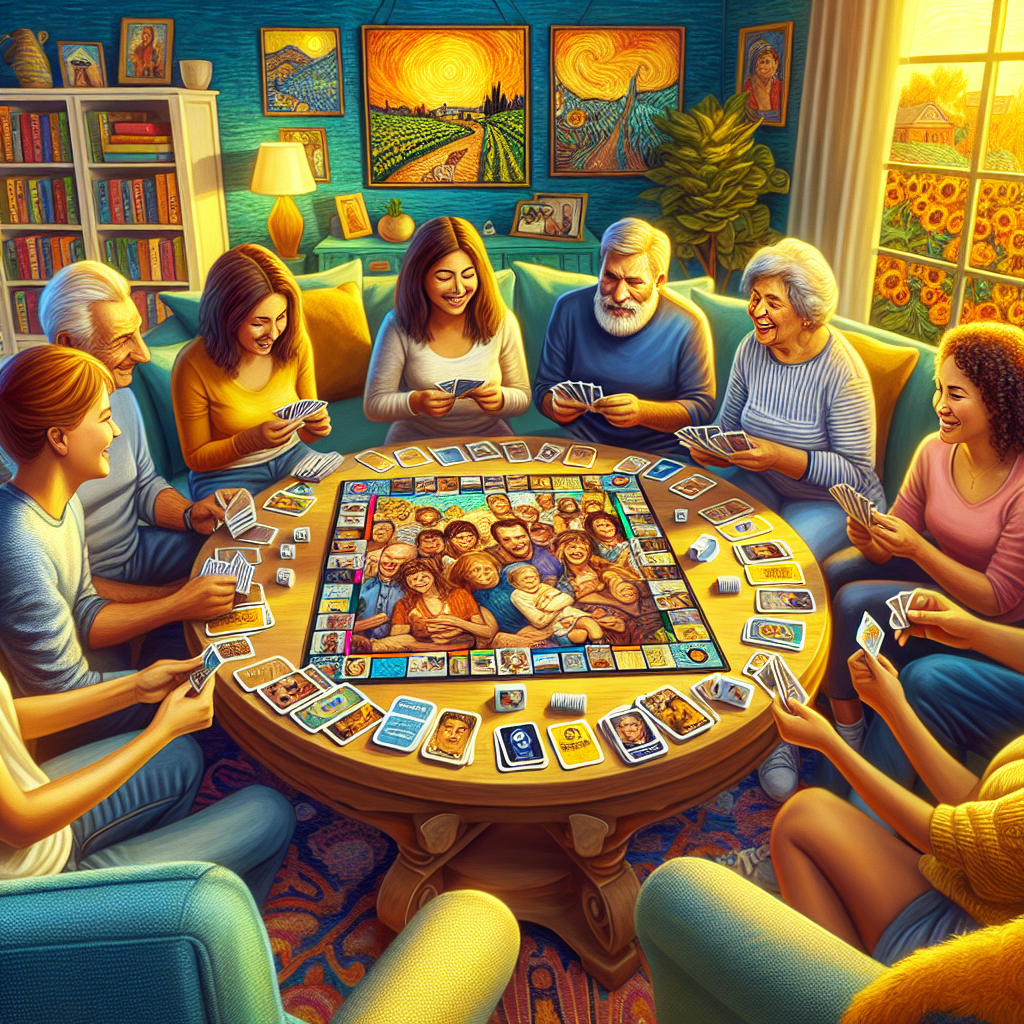
Cooperative gameplay is like a well-oiled machine, where each cog—each player—turns with purpose to achieve a common goal. It’s not merely about winning; it’s about the journey and the friendships forged along the way. When players come together, they create a shared experience that transcends the confines of the game itself, delivering a rich tapestry of laughter, strategy, and sometimes even a little tension.
Think about it: when you sit down with your pals to tackle a challenging dungeon or storm the virtual battlefield, you’re not just pushing buttons on a controller; you’re engaging in a delicate dance of teamwork. Communication becomes your lifeline. In those moments, you learn to read each other’s cues almost instinctively. Whether it’s a quick call-out for backup or a strategic plan shouted across the virtual expanse, that synergy breeds a sense of camaraderie that simply can’t be replicated in solo play.
Then there’s the thrill of shared achievement—the moment you conquer a level that seemed impossible just hours before. There’s a particular magic in lifting each other up, celebrating every victory, no matter how small. When you slay a fierce dragon or complete a complex puzzle after hours of collaboration, it’s not just one player’s triumph. It’s a collective accomplishment that leaves a lasting imprint on your gaming memory.
Coop gameplay also allows for a diverse approach to problem-solving. With multiple perspectives at the table (or couch), strategies evolve, ideas flow, and creativity reigns supreme. While one player may favor brute force, another excels at tactical maneuvering, and yet another shines in resource management. This blend of skills transforms challenges into exhilarating escapades, where each player can shine in their own right.
But let’s not forget the learning aspect. In a cooperative setting, players are continually adapting and evolving. They absorb knowledge from one another, refining their tactics and enhancing their skill sets. This reciprocal relationship fosters growth, turning players into better adversaries and collaborators.
In essence, cooperative gameplay enhances the experience by weaving a narrative that’s not just about the finish line but about every step you take together. Success tastes sweeter, laughter rings louder, and challenges become stepping stones to deeper connections. So the next time you pick up a game, consider rallying your friends. After all, the best adventures are the ones shared with others, creating not just memories but bonds that last well beyond the game screen.
How Does Cooperative Gameplay Enhance The Experience?
How Does Cooperative Gameplay Enhance The Experience?
- Cooperative gameplay emphasizes teamwork, where each player contributes to achieve a common goal.
- It’s about the shared journey and friendships built, transcending the game’s confines.
- Effective communication is vital, creating a synergy that enhances player interaction.
- Shared achievements foster a sense of camaraderie and collective triumph among players.
- Diverse problem-solving approaches emerge, allowing for varied strategies and creativity.
- Players learn from each other, improving their skills and tactics in a cooperative environment.
- The experience fosters lasting memories and bonds, making adventures shared with friends more meaningful.
How Does Cooperative Gameplay Enhance The Experience?
What Age Groups Enjoy Playing Magic Maze The Most?
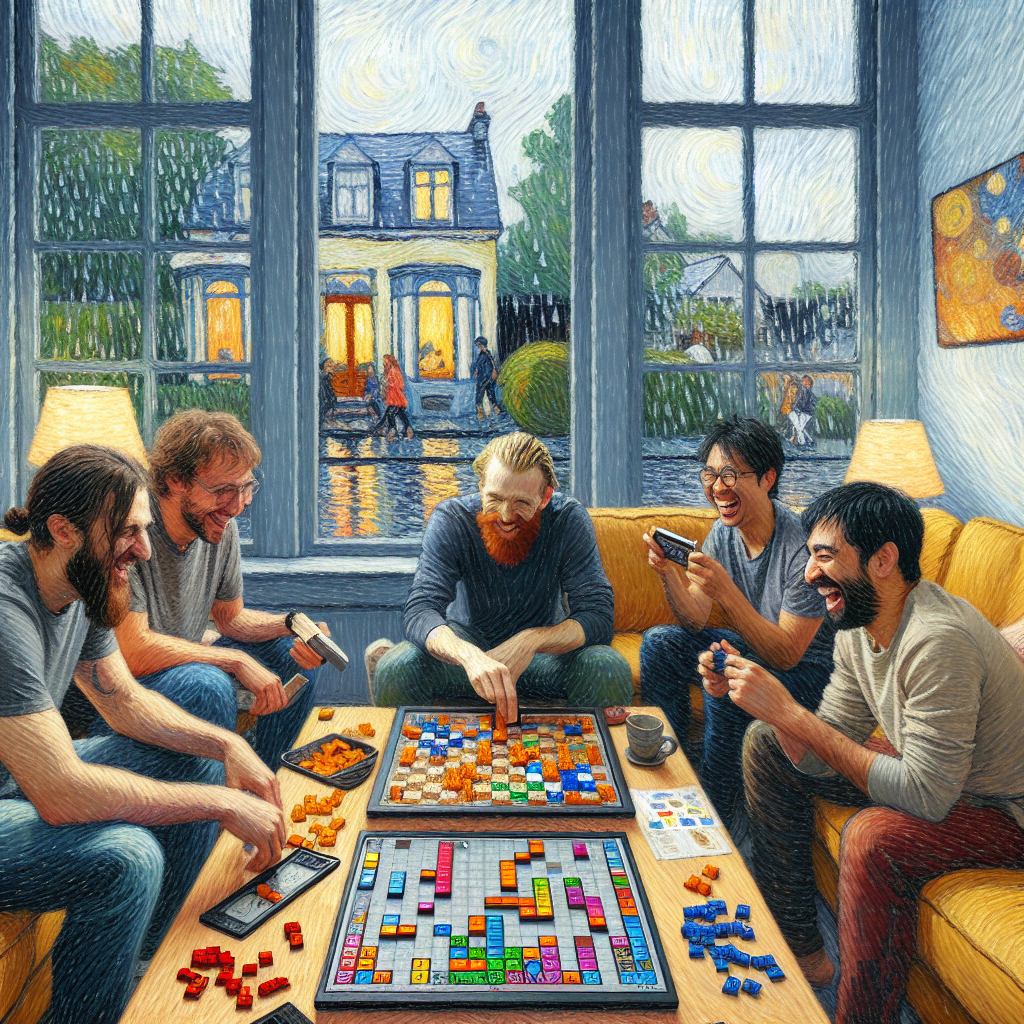
When it comes to board games, few can conjure the frenzy and excitement quite like Magic Maze. This cooperative game, where players become frenetic little pawns navigating a labyrinth of shops, has managed to carve out a cozy niche in the gaming world. But as we dive into the demographics, a question arises: which age groups really savor the mad dash of Magic Maze?
First up, we have the younger crowd—those sprightly kids aged 8 to 12—who seem to thrive on the game’s chaotic charm. For them, the world of Magic Maze is more than just a board and some tokens; it’s an exhilarating rite of passage. With bright colors, dynamic gameplay, and the thrill of working together (albeit in a wildly hectic way), it’s a perfect cocktail for captivating young minds. Not to mention, it stealthily promotes teamwork and communication skills while providing the adrenaline boost that makes strategizing with friends feel like a secret quest. A birthday party with Magic Maze? Count them in!
Next, let’s roll the dice on the teens—ages 13 to 19. This demographic is generally no stranger to competition, and within the dizzying rush of time restraints and tactical dilemmas, they find a unique blend of pressure and camaraderie that keeps them engaged. The challenge of staying silent while navigating the maze heightens their problem-solving skills and team dynamics. Add a few friends and some snacks, and you’ve got a social event that makes strategizing a thrilling experience. Plus, let’s be real—a little chaos is practically a rite of passage for teenagers, and Magic Maze provides just the right dose.
Now, don’t be too quick to dismiss the grown-ups, aged 25 to 40. Surprisingly, they find joy in the game’s mercurial nature too. Life has its fair share of complications, and sometimes adults long for a taste of the whimsiness of youth. Magic Maze offers just that—a break from the mundane. It becomes a portal back to simpler times, where the biggest obstacles were figuring out which shop to unlock next instead of the daily grind of adulthood.
While all age groups can find something delightful in Magic Maze, it appears to strut its best legs among children, teens, and those young at heart. It’s a game that fosters connections across ages, proving that no matter how seasoned you are in the game of life, there’s always room for a little chaos and collaboration.
What Age Groups Enjoy Playing Magic Maze The Most?
What Age Groups Enjoy Playing Magic Maze The Most?
- Magic Maze is a cooperative board game known for its excitement and chaotic charm.
- Young players (ages 8 to 12) enjoy its vibrant gameplay, which promotes teamwork and communication.
- Teenagers (ages 13 to 19) appreciate the competitive aspect and the social interaction it fosters.
- For adults (ages 25 to 40), the game offers a nostalgic escape from everyday routines.
- All age groups can find enjoyment in Magic Maze, making it popular across demographics.
- The game enhances problem-solving skills and encourages collaboration under pressure.
- Magic Maze serves as a connection point across generations, blending chaos with teamwork.
What Age Groups Enjoy Playing Magic Maze The Most?
How Does The Time Constraint Affect Player Interaction?
When the clock starts ticking, the atmosphere changes dramatically. Suddenly, a game that was once a leisurely romp through fantastical landscapes morphs into a high-stakes race against time. In these moments, every decision is amplified, and interactions among players become a complex dance of urgency and strategy. It’s fascinating how time constraints not only heighten the thrill of the game but also reshape the very fabric of player interaction.
Imagine a group of players gathered around a digital table, their avatars poised for action. With a countdown clock looming overhead, that casual banter about the best class builds or favorite strategies quickly gives way to a frantic scramble for cooperation. Players who might normally take their time in deliberating over each move now find themselves motivated by a primal instinct: survival. The time constraint fosters an environment where every second counts, often leading to faster decision-making and a greater reliance on instinct rather than careful planning.
This sense of urgency can transform camaraderie into chaos, as players must quickly assess each other’s strengths and weaknesses. The usual lead-up to collaboration—a discussion that hones in on strategies and roles—shrinks into quick glances and hurried instructions. The effectiveness of communication takes on new dimensions, and body language, even if virtual, plays a pivotal role. Are they leaning in with urgency, signaling a plan? Or are they standing back, cautioning against a reckless charge? Time pressures players into roles, sometimes bonding them in the shared thrill of the clock while at other times creating fractures where decisions are questioned in haste.
Moreover, the ticking clock often forces players to make split-second choices, turning some into leaders and others into followers. Those who are decisive can seize the reins, guiding the group with a composure that’s admirable, if not occasionally annoying to those who prefer planning over impulse. Meanwhile, players who hesitate can find themselves sidelined, their ideas drowned out by the urgency of the moment. This dynamic can lead to feelings of frustration or elation, depending on how well the group adapts to the time limit.
In essence, the imposition of time constraints strips away the leisurely layers of gameplay and thrusts players into an intense, interactive crucible. It’s a pressure cooker that brings out both the best and the worst in players, fundamentally altering the way they interact and engage with one another. In game design, understanding this psychological twist can deepen engagement and create memorable gaming experiences that resonate long after the clock runs out.
How Does The Time Constraint Affect Player Interaction?
How Does The Time Constraint Affect Player Interaction?
- The atmosphere shifts dramatically when a countdown clock is introduced, turning leisurely gameplay into a high-stakes race for survival.
- Time constraints amplify decision-making, fostering a more urgent and strategic interaction among players.
- Casual discussions shift to frantic cooperation as players scramble to make quick decisions under pressure.
- Body language and non-verbal cues become crucial in communication, as players must assess each other’s strengths and weaknesses rapidly.
- Time pressure creates a dynamic where decisiveness can elevate players to leadership roles, while hesitation may lead to frustration or being sidelined.
- This intensity in gameplay strips away leisurely elements, transforming player interactions into a high-pressure environment.
- Understanding these psychological impacts can enhance game design, leading to more engaging and memorable player experiences.
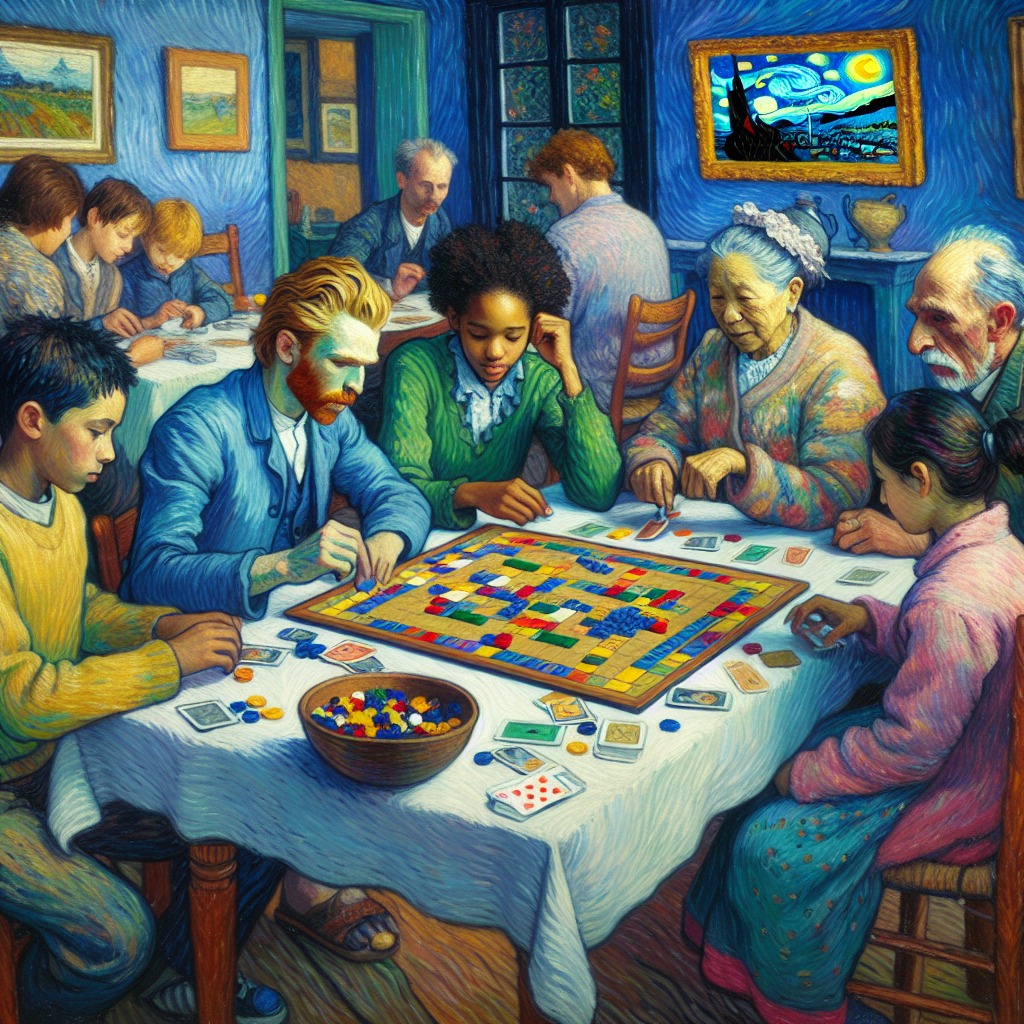
How Does The Time Constraint Affect Player Interaction?
What Strategies Can Players Use To Succeed In Magic Maze?
Magic Maze is a game that dances on the edge of chaos, and if there’s one thing we’ve learned from the many adventures in this maze of tiles, it’s that strategy isn’t just a nice-to-have—it’s an absolute necessity. Now, let’s be clear: this isn’t about putting on your game face and relying solely on your wits. No, sir. Success in Magic Maze requires teamwork, communication, and a generous dose of creativity. So, saddle up; it’s time to explore some strategies that can turn confusion into coordination.
First off, let’s talk about roles. Each player controls a character, but the beauty of Magic Maze lies in the shared responsibility of navigating the labyrinth. Assign roles at the start of the game based on each player’s strengths and preferences. Maybe one of you is a master at keeping track of the time, while another has a knack for identifying the quickest path. Capitalizing on each other’s skills can mean the difference between a triumphant escape and an embarrassing end.
Next, communication is key, but there’s a twist—players can’t speak during the game. This might sound like a recipe for disaster, but it forces you to get creative. Use gestures, point, or even develop a silent code amongst team members to indicate when you need help. Watching the energy in the room as players grasp each other’s intentions without words can be as exhilarating as the game itself.
Pacing is also crucial. With time ticking down, the urgency can lead to frantic movements and hasty decisions. Encourage your group to take a breath and assess the board before charging into action. Sometimes slowing down can provide a clearer perspective and lead to better strategies. A well-timed pause can save precious seconds and focus efforts on the most pressing tasks at hand.
Lastly, always have a plan, but be ready to adapt. The maze changes with every turn and new challenge, and being overly rigid can lead to missteps. Keep your eyes peeled for opportunities and obstacles alike, and adjust your strategy on the fly. Flexibility in your approach allows for creative solutions when the unexpected arises.
Success in Magic Maze is about collaboration and adaptability. Embrace the chaos, leverage your team’s strengths, and let the thrill of the chase guide you. Who knows? You may just find that the real treasure lies not in the victory, but in the journey through the maze itself.
What Strategies Can Players Use To Succeed In Magic Maze?
What Strategies Can Players Use To Succeed In Magic Maze?
- Magic Maze requires strategy, teamwork, communication, and creativity for success.
- Assign roles based on players’ strengths and preferences for better navigation.
- Communication is key, but must be non-verbal using gestures or a silent code.
- Pacing is crucial; assess the board before rushing into decisions.
- Slow down when needed to gain perspective and improve strategy.
- Always have a plan but be flexible and ready to adapt to changes in the maze.
- Collaboration and adaptability are essential; the journey is just as important as the victory.

What Strategies Can Players Use To Succeed In Magic Maze?
How Does The Design Of Magic Maze Contribute To Its Popularity?
When you first catch a glimpse of the board for Magic Maze, you might be struck by the chaotic, colorful frenzy of it all. Now, I’ve seen many games in my day, but there’s something undeniably captivating about the design of Magic Maze that makes it stand out from the crowded tabletop landscape. Its very visual appeal locks you in like a moth to a flame, drawing you into the bustling world of frantic adventurers trying to escape a mall. Here, simplicity meets innovation in a way that sparks curiosity and enthusiasm.
The board itself is a modular design, with the game’s layout changing each time you play, like a shape-shifting mirage. This keeps players on their toes, ensuring no two sessions feel alike. It’s a refreshing antidote to those predictable games that can fall into mind-numbing repetition. The tiles fit together in a way that reflects the rushed environment of a shopping complex—an experience that resonates with anyone who’s ever found themselves lost amid a sea of sales and storefronts. This clever thematic choice already sets the stage for what’s to come.
But here’s where it gets truly intriguing. Magic Maze employs a unique cooperative mechanic that places its players in the roles of various adventurers, each with their own abilities and needs. However, and this is critical, players are forbidden from communicating verbally during the game. Now, talk about a tension-building design choice! The frantic, non-verbal coordination required to navigate this crazy labyrinth generates an atmosphere that’s electric. It’s like watching a group of seasoned dancers attempt a routine, but instead of gracefully gliding across the board, they’re weaving through a chaotic jumble, pointing and signaling like a wild game of charades.
The timer adds another layer of pressure, creating a palpable sense of urgency within the gameplay. As each minute ticks away, the players find themselves racing against the clock, which intensifies the camaraderie—or at times, the rivalry—that builds as the game unfolds. Escapes and victories are celebrated with triumph, while mistakes lead to a collective groan that echoes through the room, reminding everyone of the stakes involved.
Magic Maze isn’t just a game; it’s an experience that translates a playful concept into reality. The melding of thematic design, cooperative mechanics, and a dash of pressure is precisely what makes it a beloved staple in game night rotations everywhere. It encourages not just strategy, but communication, connection, and perhaps a few laughs at the chaos that ensues. That, my friends, is the magic behind Magic Maze.
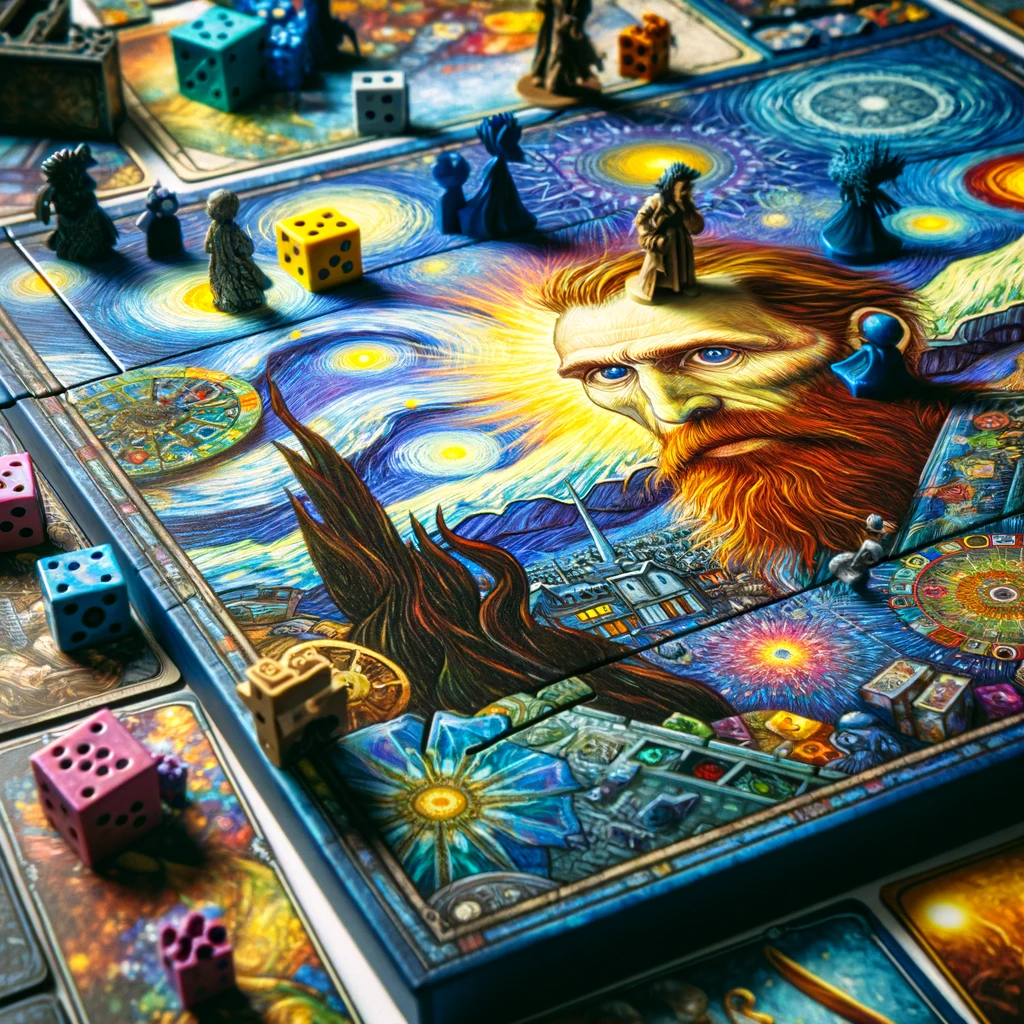
How Does The Design Of Magic Maze Contribute To Its Popularity?
How Does The Design Of Magic Maze Contribute To Its Popularity?
- Magic Maze features a chaotic, colorful board that captivates players with its unique design.
- The game utilizes a modular layout, ensuring that each play session is different and unpredictable.
- Thematically centers on adventurers navigating a shopping mall, reflecting the hectic experience of being lost in a crowded space.
- Players take on roles of various adventurers with unique abilities, but cannot communicate verbally during gameplay.
- This non-verbal coordination fosters an electric atmosphere of tension and excitement among players.
- A timer adds urgency to the game, creating a mix of camaraderie and rivalry as players race against the clock.
- Magic Maze blends thematic design, cooperative mechanics, and pressure, making it a cherished staple for game night.
How Does The Design Of Magic Maze Contribute To Its Popularity?
Why Is Non-Verbal Communication Essential In This Game?
When you step onto the field—or any arena for that matter—what greets you isn’t just a battleground of physical skill but also a rich tapestry of non-verbal communication. It’s a layer of interaction that happens beneath the surface, one that influences every play, every strategy, and ultimately, every outcome. Why is this aspect so essential in the game? Let’s break it down.
First off, think about the sheer chaos of competition. The noise, the adrenaline, the constant motion—all of it creates an environment where verbal cues often become lost in the shuffle. In that split second when the ball is in the air or an opponent’s charge is imminent, there’s little time for a lengthy explanation or a shouted directive. Welcome to the world of facial expressions, hand signals, and body posture—the unsung heroes of successful gameplay.
Picture this: a quarterback reading the defense. With just a glance, he can assess whether his receivers are in position, if the defense is prepared, or if it’s time to pivot to Plan B. No audio needed. A quick nod, a pointed finger, or even a subtle shift in body weight can convey everything necessary. It’s about anticipation, instinct, and an intuitive understanding of your teammates’ movements. Such synergy doesn’t just happen; it’s nurtured through the silent language of the game.
Moreover, non-verbal cues help cultivate trust among teammates. When you develop a shared understanding through unspoken signals, it fosters an environment where everyone is in sync. This synergy can lead to seamless plays that are executed with the precision of a well-oiled machine. An open hand can signal for support on defense; a raised eyebrow can indicate an incoming challenge. Each subtle shift and gesture builds the rapport that turns a group of individuals into a cohesive unit.
And let’s not forget the psychological edge that non-verbal communication can provide. Intimidation, confidence, and focus all manifest through body language. A steely gaze can send shivers down the spine of the competition, while an erect posture can inspire teammates in moments of doubt. It’s about owning the moment, leveraging every tool at your disposal, and often, words just can’t do justice to the intensity of those emotions.
In essence, non-verbal communication is the invisible thread that ties players together in the heat of battle. It’s a powerful, instinctual language that transcends words, allowing athletes to navigate the complex choreography of competition with grace and precision. So, the next time you’re watching a game, pay close attention to the unspoken exchanges that unfold. They might just be the most telling plays of all.
Why Is Non-Verbal Communication Essential In This Game?
Why Is Non-Verbal Communication Essential In This Game?
- Non-verbal communication plays a crucial role in athletic performance, influencing strategies and outcomes.
- The chaotic environment of competition often obscures verbal cues, making non-verbal signals essential.
- Facial expressions, hand signals, and body posture serve as vital tools for players to communicate instinctively.
- Successful players can assess situations and coordinate actions using quick, non-verbal cues without spoken words.
- Shared understanding through non-verbal signals builds trust among teammates, promoting synchronized gameplay.
- Body language conveys psychological elements like intimidation and confidence, impacting performance on the field.
- Non-verbal communication is a powerful instinctual language that enhances athletic teamwork and strategy.

Why Is Non-Verbal Communication Essential In This Game?
What Elements Create A Sense Of Urgency In Magic Maze?
In the world of cooperative board games, few titles manage to concoct the potent mix of tension and excitement as vividly as Magic Maze. But what exactly stirs that bubbling cauldron of urgency and sweaty-palmed chaos? It’s all about elements that propel players into that exhilarating rush where every second feels critical.
First off, let’s talk about the clock. The timer—perhaps the game’s most defining feature—serves as both a motivator and a malevolent force. When the countdown begins, players suddenly transform into a frenzied ensemble, sprinting through the maze in a desperate attempt to catch the elusive gnawing sensation of ‘time’s running out.’ It’s the game’s heartbeat, a rhythmic pulse that quickens with each tick. Players are not just racing against each other but against that merciless digital display. The pressure mounts, and with it, the sense of urgency escalates to a fever pitch.
Next, consider the physical element of movement. With every character controlled simultaneously but without being able to speak, the frantic flurry creates a beautifully chaotic harmony. Team members find themselves weaving through the maze in perfect synchronization—or at least that’s the aspiration. The absence of verbal communication compels players to rely on gestures and frantic eye contact. It’s a chaotic ballet, a dance of urgency where each wrong move can send precious seconds slipping through one’s fingers like grains of sand.
Adding to this pulse-pounding atmosphere is the multi-faceted nature of the game’s objective. Each character has specific items to collect, and the maze isn’t merely a backdrop; it evolves. As players advance, navigating the layout transforms into a race against both time and the unpredictable twists of the game itself. Real-time decision-making amplifies the sense of urgency, where the best-laid plans can dissolve into frantic reactions. The stakes feel high, and players must trust their instincts and each other.
Lastly, there’s the thrill of the chase. Once the timer runs out and the players haven’t completed their objective, the game doesn’t just halt. It continues to taunt with the looming shadow of failure, as the collective group must silently grapple with the consequences of their haste or lack of coordination.
So, whether you’re maneuvering through the maze or watching the clock dwindle, every element of Magic Maze combines to create an exhilarating sense of urgency that propels players into a whirlwind of frantic, collective action—a jubilant scramble where every decision counts.
What Elements Create A Sense Of Urgency In Magic Maze?
What Elements Create A Sense Of Urgency In Magic Maze?
- Magic Maze is a cooperative board game known for its mix of tension and excitement.
- The timer is the game’s defining feature, motivating players while creating a sense of urgency.
- Players move simultaneously without verbal communication, relying on gestures and eye contact.
- The evolving maze forces players to adapt quickly to unpredictable challenges.
- Real-time decision-making heightens the stakes, requiring trust among team members.
- When the timer runs out, the game continues to challenge players with the threat of failure.
- Overall, every aspect of Magic Maze contributes to a whirlwind of frantic, collective action.
What Elements Create A Sense Of Urgency In Magic Maze?
How Does Magic Maze Differ From Traditional Party Games?
Magic Maze breaks the mold of traditional party games in several notable ways, transforming social gatherings into dynamic, collaborative adventures that are as much about strategy as they are about spectacle. Most party games thrive on the spirit of competition, with players jockeying for position, accumulating points, and vying for victory over their peers. In contrast, Magic Maze places a premium on teamwork and coordination, forging bonds between players as they work together towards a shared goal: escaping a labyrinthine shopping mall.
One of the most striking differences is the real-time element woven into the fabric of gameplay. In typical party games, players often take turns, allowing time for banter, strategy discussions, and the occasional dramatic pause for effect. But in Magic Maze, the clock is perpetually ticking, creating a palpable tension that keeps everyone on their toes. You don’t have the luxury of plotting your next move in solitude; instead, you must communicate visual cues, tapping into a non-verbal language of urgency and instinct. Players must navigate the maze in a frenetic race against the clock, reacting swiftly and decisively to the evolving situation, which can lead to both hilarity and chaos.
Another key distinction is the absence of a single “winner.” Instead of the usual cutthroat competition, Magic Maze emphasizes a collective victory. Success isn’t about one player triumphing over another but rather about escaping together as a team. This collaborative ethos fosters an unusual mix of camaraderie and urgency, as players share in the rise and fall of their fortunes as one cohesive unit. The stakes are shared, and the burden of failure—should you not beat the clock—falls upon everyone, creating a unique shared experience that transcends traditional winners and losers.
Furthermore, Magic Maze’s unique blend of simplicity and depth appeals to a wider array of players. The game is easy to learn yet offers layers of strategic complexity that can keep even seasoned gamers engaged. This accessibility invites newcomers to join the fray without feeling intimidated, effectively lowering the barrier to entry. It encourages participation from diverse groups, whether they’re seasoned strategists or casual players looking for a good time.
In essence, Magic Maze redefines what it means to engage in a party game. It forges alliances, cultivates teamwork, and sets the stage for a colorful tapestry of shared memories, making it a refreshing alternative to the traditional party game landscape.
How Does Magic Maze Differ From Traditional Party Games?
How Does Magic Maze Differ From Traditional Party Games?
- Magic Maze redefines traditional party games through dynamic and collaborative gameplay.
- Focuses on teamwork and coordination rather than competition, as players aim to escape a shopping mall together.
- Incorporates a real-time element, creating a sense of urgency and constant engagement among players.
- Relies on non-verbal communication and visual cues, enhancing interaction and collective decision-making.
- Emphasizes collective victory, with no single winner, fostering camaraderie and shared experiences.
- Offers a balance of simplicity and strategic depth, appealing to both seasoned gamers and newcomers.
- Encourages participation from diverse groups, making it a refreshing alternative in the party game landscape.

How Does Magic Maze Differ From Traditional Party Games?
What Themes Are Present In The Gameplay Of Magic Maze?
In the world of board games, few titles capture the essence of teamwork and urgency quite like Magic Maze. At first glance, it may seem like an eclectic mix of fantasy tropes—elves, wizards, and mazes—but peel back the layers, and you’ll uncover themes that resonate on a deeply human level, reflecting our everyday experiences of collaboration, communication, and the sheer adrenaline of problem-solving under pressure.
Central to the gameplay of Magic Maze is the theme of cooperation. Here, players are thrust into the role of a ragtag band of adventurers who must navigate a labyrinthine shopping mall in search of essential gear. The catch? Everyone plays simultaneously, but no one can speak. You are bound by your chosen character’s abilities, leading to a chaotic dance of silent strategizing and non-verbal cues. This design choice elevates the game into a thrilling experience that mirrors real-world situations where effective teamwork is essential, yet often stifled by misunderstandings. Each player’s success hinges not just on their own decisions but on their ability to recognize and respond to the actions of others—something that mirrors the dynamics of many workplaces and social situations.
Another striking theme in Magic Maze is the urgency that accompanies the ticking timer. As players race against the clock, the tension mounts, creating a palpable sense of pressure that adds to the overall thrill. This is not just play; it’s a microcosm of life’s demands. Deadlines loom, resources are scarce, and quick thinking becomes paramount. Here, players must learn to adapt—sometimes sacrificing their own plans for the greater good of the team. There’s a profound lesson buried beneath the chaos: sometimes the greatest victories come from trusting others and finessing diverse skill sets.
Lastly, Magic Maze showcases the power of adaptability. The maze shifts in real-time, and with every move, the game evolves. Players quickly learn that flexibility is key: your plan may need a pivot, a character swap, or a race to another part of the map. It embodies the idea that life is rarely predictable, and the ability to respond to changing circumstances can mean the difference between progress and stagnation.
In essence, Magic Maze captures the exhilarating complexity of human interaction—the frustration and triumph that arises when we navigate our paths together. It’s a reminder that in both games and life, collaboration is an art, and sometimes, silence speaks louder than words.
What Themes Are Present In The Gameplay Of Magic Maze?
What Themes Are Present In The Gameplay Of Magic Maze?
- Magic Maze emphasizes teamwork and urgency through its unique gameplay dynamics.
- Players assume the roles of adventurers navigating a shopping mall for essential items.
- The game requires players to work together silently, enhancing non-verbal communication skills.
- Success hinges on recognizing and responding to the actions of others, mirroring real-world collaboration dynamics.
- A ticking timer heightens the sense of urgency and pressure, reflecting real-life demands for quick thinking.
- The game’s evolving maze design teaches players the importance of adaptability in the face of changing circumstances.
- Magic Maze serves as a microcosm of human interaction, illustrating the complexities of collaboration and the power of silent teamwork.
What Themes Are Present In The Gameplay Of Magic Maze?
How Many Players Can Participate In A Game Of Magic Maze?
Gather ‘round, fellow gamers, because we’re diving headfirst into the labyrinthine world of Magic Maze. This isn’t your typical board game where players leisurely stroll through their turns like they’re on a Sunday drive. No, my friends, Magic Maze transforms you into a frantic, adrenaline-fueled crew of adventurers trying to escape the clutches of a mall after-hours. So, the question arises—just how many daring souls are needed to navigate this high-octane adventure?
Magic Maze is designed to accommodate anywhere from 1 to 8 players, which is as versatile as it gets in the realm of tabletop entertainment. That wide range means that you can embark on this escapade solo, perhaps if you’re feeling particularly brave—or blissfully masochistic—or you can rally a sizable contingent for a full-blown team effort. Now, let’s break it down a bit more because, like negotiating a tricky maze, details matter.
If you opt for the solo route, the game adapts beautifully. You’ll control all four characters while weaving through the chaos. Sounds like a walk in the park, right? Well, let me tell you, it’s as challenging as it sounds. Keeping track of multiple moves while battling against the clock is no small feat. But hey, nothing spells “overachiever” quite like conquering this maze solo.
Now, with 2 to 4 players, the game truly begins to shine. Picture this: each player has a shared responsibility, but no one can speak. That’s right! Words are left at the door, and if you want to communicate a vital strategy to your fellow adventurers, you’ve got to wave your arms like you’re trying to flag down a passing ship. The frantic energy and immersive teamwork demanded in this setup transform the experience, making the challenges more exhilarating—and more hilarious.
When you crank it up to 5 to 8 players, Magic Maze begins to feel like a well-orchestrated orchestra gone slightly out of tune. The larger group means more eyes on the game board, which can lead to a flurry of chaotic suggestions, desperate gestures, and yes, the occasional friendly scuffle over who spots the exit first.
In summary, whether you’re a lone wolf or a battalion of adventurers, Magic Maze is designed to squeeze enthusiasm out of every player, ensuring laughter, excitement, and just a sprinkle of good-natured chaos. So gather your crew, grab your characters, and prepare for a thrilling escapade that promises to be anything but ordinary!
How Many Players Can Participate In A Game Of Magic Maze?
How Many Players Can Participate In A Game Of Magic Maze?
- Magic Maze is a fast-paced board game centered on escaping a mall after-hours.
- The game accommodates 1 to 8 players, offering flexible play options.
- Solo play involves controlling all four characters, creating a challenging experience.
- With 2 to 4 players, communication is non-verbal, enhancing teamwork and making the game more exciting.
- Playing with 5 to 8 players results in a chaotic and lively atmosphere with numerous suggestions and actions.
- The game promotes enthusiasm and laughter, regardless of the number of players.
- Magic Maze guarantees a thrilling experience filled with excitement and chaos.

How Many Players Can Participate In A Game Of Magic Maze?
What Are Some Common Challenges Players Face In Magic Maze?
What Are Some Common Challenges Players Face in Magic Maze?
Picture this: a group of friends, all huddled around a table, laser-focused on a board laden with colorful pieces and a ticking sand timer. It’s game night, and the atmosphere is electric with anticipation. But lurking beneath the excitement is a simmering pressure; that’s the essence of Magic Maze, a real-time cooperative game where teamwork is not just encouraged—it’s essential for survival. As players navigate a maze of challenges, they find themselves entangled in a web of camaraderie and tension.
One of the first hurdles players encounter is the non-verbal communication rule. In this frantic race against time, one must master the art of conveying thoughts without uttering a single word. This isn’t just a fun twist; it’s a fundamental flaw in many strategies. Suddenly, players find themselves gesturing frantically, eyes darting around the board, trying to telegraph a game plan. It requires acute awareness of not just the game pieces but also the body language of fellow teammates. If someone misses a cue, the entire operation could fall apart faster than a house of cards in a windstorm.
Then, there’s the insidious ticking of the sand timer itself—a palpable heartbeat of pressure that looms over the game. Each grain that slips away heightens anxiety and can lead to knee-jerk decisions. Strategies that seemed flawless in a calm moment suddenly dissolve under the heat of imminent defeat. Players dive headfirst, often going rogue, causing confusion rather than cohesion in this pressure-cooker scenario. Keeping cool under pressure? That’s easier said than done when time feels like an unforgiving specter hovering just out of reach.
Add to this the tough terrain of the maze, which demands that players not just work together harmoniously, but also navigate a labyrinth filled with twists, turns, and obstacles. It’s a genuine test of group dynamics; you learn quickly who thrives in high-pressure situations and who crumbles. The maze itself can lead to misaligned objectives and misunderstanding, as each player controls one character while striving to reach the collective goal. If one person veers off course—distracted perhaps by shiny objects or tantalizing shortcuts—they can throw the entire team off balance.
MMagic Maze isn’t just a game; it’s an exploration of collaboration, communication, and a deep dive into the complexities of teamwork. Each challenge is not merely an obstacle, but an opportunity for players to streamline their synergy and become stronger as a unit.
What Are Some Common Challenges Players Face In Magic Maze?
What Are Some Common Challenges Players Face In Magic Maze?
- Magic Maze is a real-time cooperative game that relies heavily on teamwork for success.
- The non-verbal communication rule presents a significant challenge; players must convey thoughts without speaking.
- Players often struggle with body language awareness, making miscommunication a common issue.
- The ticking sand timer amplifies anxiety, leading to impulsive decisions and potential chaos.
- The maze itself poses navigation challenges, testing group dynamics and individual teamwork capabilities.
- Misaligned objectives can arise as each player controls a character, necessitating careful coordination.
- Overall, the game fosters collaboration and provides opportunities to strengthen teamwork amidst challenges.
What Are Some Common Challenges Players Face In Magic Maze?
How Do Players React To Losing In Magic Maze?
In the frenetic world of “Magic Maze,” players find themselves thrust into the chaos of a mall heist, forced to cooperate in near silence, as they navigate a maze filled with obstacles and growing tension. When the thrill of the chase takes a turn for the worse, reactions to defeat vary widely, illuminating the spectrum of emotions that surface in this unique cooperative game.
Losing in “Magic Maze” isn’t just about the final score; it’s about the collective experience—a symphony of frustration, camaraderie, and the sting of unfulfilled potential. Picture this: a group of friends, once united in purpose, suddenly confronting the realization that their synchronized efforts have unraveled into a chaotic scramble. There’s often a palpable shift in tone, where the lighthearted banter morphs into a heavier atmosphere filled with sighs and rolled eyes.
For some, losing sparks passionate outbursts. These players wear their hearts on their sleeves, voicing their frustrations with theatrical flair. “Why did you go left when I said right?” they exclaim, their hands animatedly gesturing to illustrate their disbelief. This raw reaction, while it may seem volatile, is often a sign of the investment these players have in the game and their desire for better coordination next time.
Conversely, there are those who react with quiet resignation. After a particularly brutal round, they lean back in their seats, arms crossed, brows furrowed. They ponder the missteps in silence, analyzing what went wrong with the intensity of a detective scrutinizing a crime scene. Their approach isn’t as boisterous, but the disappointment can linger like a thick fog, tinged with the desire for redemption.
Then there are the optimists—the steadying presence in the room. They remind everyone that it’s just a game, encouraging their fellow players to shake off the defeat and laugh about their misadventures. “Next time, we’ve got this!” they proclaim, their infectious enthusiasm acting as a balm for bruised egos.
In the aftermath of a defeat, players often engage in an impromptu post-mortem session, dissecting strategies and sharing their thoughts on what went awry. It’s a moment of reflection that fosters stronger bonds, turning the sting of a loss into an opportunity for growth. In this ever-evolving maze of cooperation and communication, every situation—win or lose—becomes a stepping stone to building teamwork and understanding, enriching the magic of the game.
How Do Players React To Losing In Magic Maze?
How Do Players React To Losing In Magic Maze?
- “Magic Maze” immerses players in a chaotic mall heist requiring near-silent cooperation.
- Defeats reveal a spectrum of emotions, highlighting both frustration and camaraderie.
- Losing affects group dynamics, transitioning from lightheartedness to a heavier atmosphere.
- Some players react with passionate outbursts, showing their investment in the game.
- Others respond with quiet reflection, analyzing their missteps like detectives.
- Optimists in the group help maintain morale, reminding players that it’s just a game.
- Post-game discussions foster stronger bonds and turn losses into growth opportunities.
How Do Players React To Losing In Magic Maze?
What Role Does Laughter Play In The Enjoyment Of The Game?
In the grand tapestry of sports, laughter wields an unassuming yet powerful role. It’s the thread that weaves camaraderie among fans, players, and coaches alike, fostering a sense of unity and joy that transcends the final score. Whether you’re sitting in the bleachers, huddled around a television, or sharing post-game anecdotes over a cold drink, laughter is the secret ingredient that elevates the experience from mere observation to full-on participation.
Imagine for a moment the scene at a local baseball game. The crack of the bat resonates through the air, and the crowd erupts into cheers and groans. But amid the tension, there’s another soundtrack—a collective chuckle about a misplayed ball or a player’s comical run to first base. Moments like these remind us that while winning is fantastic, the true essence of sport lies in the unpredictable nature of the game. It’s about those hilarious blunders and unexpected surprises that remind us all we’re human.
Consider the impact of laughter on the players themselves. When a team takes itself too seriously, the pressure can be stifling. But when teammates share a good laugh on the field, whether it’s from a flubbed play or a witty remark, that stress dissipates. It’s a release valve in a high-stakes environment. Laughter turns the weight of competition into something light, transforming a tense moment into a shared experience among friends. It helps build resilient teams, where the bonds formed in laughter prove as crucial as those forged in victory.
Moreover, it’s important to remember the role laughter plays in the interaction between players and fans. Those absurd moments that leave everyone in stitches create a connection that’s palpable. They’re the stories that get retold in cafes and offices long after the final whistle has blown. “Remember that time when…?” Conversations fueled by laughter invite new fans to join in, creating an inclusive atmosphere where everyone feels welcomed regardless of their knowledge of the game.
In essence, laughter is the heartbeat of the game. It reminds us that while we may cheer for victories or mourn defeats, the journey is often more delightful than the destination. Whether it’s the quirky antics of a mascot, a player’s off-the-cuff joke, or simply the joy of being surrounded by friends, laughter serves as the ultimate reminder that sports, at their core, are meant to be enjoyed. And sometimes, the greatest moments arise from the most unexpected sources of joy.
What Role Does Laughter Play In The Enjoyment Of The Game?
What Role Does Laughter Play In The Enjoyment Of The Game?
- Laughter plays a significant role in sports, fostering unity and joy among fans, players, and coaches.
- It transforms passive observation into active participation during sporting events.
- Humorous moments, like misplayed balls, highlight the unpredictable nature of sports and our shared humanity.
- Sharing laughter helps alleviate pressure among players, turning tense situations into light-hearted experiences.
- Laughter promotes strong team bonds and resilience, which are crucial for success.
- Absurd and funny moments create connections between players and fans, leading to memorable stories.
- Ultimately, laughter is the heartbeat of sports, enhancing enjoyment and reminding us that the journey is more delightful than the destination.
What Role Does Laughter Play In The Enjoyment Of The Game?
How Have Reviews Influenced The Popularity Of Magic Maze?
In the ever-evolving landscape of tabletop gaming, few titles have managed to carve out a niche quite like Magic Maze. This cooperative game, designed to blend humor with strategy, has taken the board game community by storm. But how did it rise to its current level of popularity? A significant part of that story can be traced back to the reviews that proliferated across gaming websites and social media platforms.
Picture this: A game that not only stirs the imagination but also invites players to literally run around a board, coordinating their actions in a real-time frenzy. Magic Maze hinges on teamwork, chaos, and a touch of brilliant design. Reviews often emphasize its unique concept and dynamic gameplay, showcasing moments where players must silently guide their characters through a maze to escape with stolen loot. That tantalizing balance of strategy and mayhem translates beautifully to written words, and reviewers have been quick to capitalize on it.
The beauty of a well-crafted review lies not just in its accuracy but in the way it captures the spirit of the game. Reviewers have peppered their thoughts with vivid descriptions, painting a picture of the laughter and frustration that fills the room as players grapple with the ticking clock and each other. It’s this blend of storytelling and analysis that draws in potential players, igniting their curiosity and leading them straight to the gaming table.
Moreover, platforms like BoardGameGeek and YouTube have turned casual gamer chatter into a powerful engine for publicity. Enthusiastic reviews featuring engaging videos showcase actual gameplay, allowing newcomers to feel the pulse of the action before even unboxing the game. This multimedia approach rallies a tribe of supporters who can’t help but spread the word to their friends and family, creating a ripple effect that solidifies Magic Maze’s presence in the gaming world.
Of course, no discussion of reviews would be complete without mentioning the power of negative feedback. Occasionally, a reviewer will highlight a game’s shortcomings, sparking intrigue. Readers often feel compelled to judge for themselves, prompting them to seek out the experience—good or bad—often serving as an unexpected catalyst for interest.
In summary, the rise of Magic Maze from a clever concept to a standout favorite is intrinsically linked to the voices of reviewers. Through evocative storytelling, multimedia engagement, and the dual-edged sword of praise and criticism, reviews have not only influenced its popularity but have shaped a community around it, connecting players one enthusiastic discussion at a time.

How Have Reviews Influenced The Popularity Of Magic Maze?
How Have Reviews Influenced The Popularity Of Magic Maze?
- Magic Maze has carved out a niche in the tabletop gaming community, blending humor with strategy.
- The game’s popularity is significantly attributed to reviews on gaming websites and social media.
- It features real-time gameplay where players coordinate actions to escape a maze with stolen loot.
- Reviewers highlight the balance of strategy and chaos, showcasing vibrant moments of gameplay.
- Platforms like BoardGameGeek and YouTube enhance publicity through engaging reviews and videos.
- Negative feedback can spark curiosity, prompting potential players to experience the game for themselves.
- The community around Magic Maze is shaped by reviews that combine storytelling with analysis, connecting players.
How Have Reviews Influenced The Popularity Of Magic Maze?
Conclusion
Conclusion: The Enchantment of *Magic Maze*
So, what is it that makes *Magic Maze* not just a game, but a phenomenon? It’s like tossing a handful of fireworks into a pot of water—suddenly, there’s explosion and excitement! This cooperative experience takes the simple premise of gathering loot and running like mad through a mall, then cranks the energy up to eleven with its real-time, non-verbal communication mechanics. Picture it: a group of friends, hearts racing, feedback loops of urgency driving their every move, all while holding back the instinct to shout instructions. It’s delightful chaos!
Communication—that’s where the secret sauce is. The game embraces silence, compelling players to rely on frantic gestures and meaningful eye contact. The thrill of not knowing whether your buddy is on the same wavelength while the clock count-down rings in your ears? That’s pure gold in fostering camaraderie! Each second feels like an eternity; one wrong move can derail the whole operation, leading to a riotous mix of tension and laughter.
Speaking of laughter, it’s the glue that binds the experience. Every blunder—every misstep—adds another layer of hilarity. Watching your friends scramble, pointing and flailing about in what can only be described as a chaotic dance, brings about a joy that’s difficult to replicate. It’s not just about winning; it’s about these shared moments that resonate long after the game is put away.
Moreover, *Magic Maze* welcomes everyone to the table. Whether you’re a competition-craving teen or an adult seeking a break from reality, it invites players of all ages to join in on the mayhem. Thanks to its brilliantly simple mechanics, even newcomers feel right at home.
Replayability? Check! Each game offers a fresh and unpredictable challenge with its modular board and unique scenarios. So there’s always a reason to gather your crew and dive back into the fray.
At its core, *Magic Maze* is about connection. Amid the chaos and adrenaline, it transforms you and your friends into a synchronized collective, creating memories that are as rich as they are riotous. So, as you polish off your game night snacks and pack away the board, remember this: the real magic isn’t just in the loot or the escape; it’s in the laughter, the frenzied communication, and the camaraderie that blooms within the maze. Dive in, embrace the chaos, and let the adventure begin!
Conclusion
Conclusion:
- *Magic Maze* is more than just a game; it’s a thrilling cooperative experience filled with excitement and urgency.
- The game features real-time, non-verbal communication, creating delightful chaos among players.
- Communication relies heavily on gestures and eye contact, which fosters camaraderie and builds tension.
- Laughter emerges from shared blunders and the chaotic dynamics of teamwork, enhancing the overall experience.
- *Magic Maze* is inclusive and accessible, appealing to players of all ages with simple mechanics.
- Each game is uniquely refreshing due to its modular board and various scenarios, offering high replayability.
- The essence of the game lies in the connections formed, turning players into a synchronized group while creating lasting memories.
Conclusion
Other Resources
Other Resources
Here is a list of other resources you can review online to learn more:
- “Magic Maze”
- “• Board Game Arena”
- “Magic Maze | Board Game”
- “After being stripped of all their possessions”
- “Magic Maze”
- “Reality Is Broken”
- “Games Library”
- “How to Play – Magic Maze”
Use This Prompt To Get More Resources With Your Favorite Online AI Tool: Please provide me with a list of online articles with their URLS in a bulleted list that I can read regarding What Makes The Party Game Magic Maze So Popular?
Other Resources
Glossary Terms
What Makes The Party Game Magic Maze So Popular? – Glossary Of Terms
1. Cooperative Gameplay: A style of play where players work together towards a common goal, fostering teamwork and communication.
2. Real-time Mechanics: Elements of the game that require players to act within a set time limit, creating urgency and excitement.
3. Strategy: The plan or methodology players develop to navigate through the game effectively and achieve objectives.
4. Nonverbal Communication: Interactions among players that occur without spoken words, often essential in cooperative games like Magic Maze.
5. Maze: The game’s central feature, representing a labyrinth that players must navigate, symbolizing obstacles and challenges.
6. Role Assignment: Different character roles that players can take on, each with unique abilities or responsibilities within the game.
7. Game Board: The playing surface that represents the maze and the various locations within it.
8. Symbolism: The use of symbols in the game to represent actions, items, or pathways, enhancing the visual experience.
9. Tension: The feeling of excitement and stress that develops as players race against time to complete goals.
10. Pacing: The speed and rhythm at which the game progresses, crucial for maintaining player engagement throughout.
11. Replayability: The ability of the game to be played multiple times with varied experiences, keeping it fresh and intriguing.
12. Player Interaction: The dynamic exchange between players that enhances social engagement and enjoyment from the game.
13. Visual Design: The aesthetic aspects of the game, including artwork and layout, which contribute to its appeal.
14. Challenges: Obstacles or tasks players must overcome to progress, adding depth and complexity to gameplay.
15. Game Length: The duration of a typical game session, which can influence its popularity based on how much time players are willing to commit.
16. Accessibility: How easy it is for new players to learn and enjoy the game, aiding in attracting a wider audience.
17. Immersion: The sense of being absorbed in the game environment, enhanced by engaging elements like theme and mechanics.
18. Competition: The drive among players to achieve success, even within a cooperative framework, which can heighten the stakes.
19. Event Cards: Special cards that may introduce sudden changes or effects, requiring players to adapt their strategies immediately.
20. Mission Objectives: Specific goals that players must achieve during the game, guiding their actions and decisions.
21. Dynamic Gameplay: The ever-changing nature of the game that keeps players on their toes, contributing to sustained interest.
22. Social Interaction: The bonds formed among players as they strategize and celebrate victories together.
23. Family-Friendly: The game’s suitability for players of various ages, making it a popular choice for gatherings and events.
24. Game Mechanics: The rules and systems that dictate how players interact with the game, shaping the overall experience.
25. Turn-Based Elements: Aspects of the game that may involve taking turns, balancing cooperation with individual strategy.
26. Deterministic Outcomes: The predictability of certain game outcomes based on player decisions, leading to strategic planning.
27. Testing Skills: The way the game challenges players to use critical thinking and problem-solving abilities.
28. Visual Appeal: The attractive artistry and graphical elements that draw players into the game world.
29. Feedback Loops: The immediate reactions players experience based on decisions made during the game, reinforcing or adjusting strategies.
30. Community Engagement: The collective involvement of players in sharing experiences, resulting in a stronger fanbase that enhances the game’s popularity.
Glossary Of Terms
Other Questions
What Makes The Party Game Magic Maze So Popular? – Other Questions
If you wish to explore and discover more, consider looking for answers to these questions:
- What is the recommended age range for players of Magic Maze?
- Are there expansion packs or additional content for Magic Maze?
- How long does a typical game of Magic Maze last?
- What skills or traits make a good Magic Maze player?
- Can Magic Maze be played remotely or online with friends?
- What are some tips for first-time players of Magic Maze?
- How does the game scale in difficulty with different player counts?
- What kind of themes can be found in the different scenarios in Magic Maze?
- Are there any notable awards that Magic Maze has won?
- What is the backstory or lore of Magic Maze?
- How often do players choose to play Magic Maze compared to other games?
- What are the most common misconceptions about Magic Maze?
- How has Magic Maze been received in various countries or cultures?
- Are there any notable Twitch or YouTube streamers who regularly feature Magic Maze?
- How can players keep the experience fresh after multiple plays?

Other Questions
Haiku
What Makes The Party Game Magic Maze So Popular? – A Haiku
Frantic maze we race,
Silent cues, laughter ignites,
Together we triumph.
Haiku
Poem
What Makes The Party Game Magic Maze So Popular? – A Poem
In the Maze of Magic: A Game to Share
In a world of laughter, where friends convene,
A treasure hunt beckons, vibrant and serene,
*Magic Maze*, the name, stirs excitement anew,
With teamwork and chaos, in each challenge we brew.
A labyrinth awaits, with paths to explore,
A quirky crew hustles; they’re seeking for more,
But here’s the sweet catch, the twist of the plot:
No words can be spoken, just actions begot.
Silent the signals, with glances and gestures,
Frantic movement blends with playful adventures,
The clock, it is ticking, a race we must meet,
With hearts pounding fast, we move to the beat.
Each player holds magic, unique in their skill,
Navigating chaos requires nerves of steel,
Like dancers we flow in a rhythm divine,
The blend of strategy ignites our design.
Children find joy in the colorful chase,
With teens and with grown-ups, all join in the race,
All ages converge, in this merry delight,
Transforming mere gatherings into jubilant nights.
The game blooms with bold art, a visual feast,
Each session is fresh; no two are released,
From laughter to trials, together we rise,
In victory shared, or defeat in disguise.
With clocks as our heartbeat, the stakes only climb,
Yet even in loss, we savor each time,
For camaraderie flourishes in shared defeat,
And the bond of connection makes every win sweet.
So gather your friends, let the mayhem unfold,
With *Magic Maze*, memories turn into gold,
In laughter and teamwork, true treasure we find,
For the magic is woven in the hearts left behind.
Poem
Checklist
What Makes The Party Game Magic Maze So Popular? – A Checklist
1. Game Mechanics
_____ Cooperative gameplay encourages teamwork.
_____ Players can control movement only in designated directions.
_____ No verbal communication during play enhances challenge.
2. Player Engagement
_____ Fast-paced and real-time gameplay creates urgency.
_____ Encourages non-verbal cues and body language.
_____ Appeals to diverse age groups (8-40+ years).
3. Visual Appeal
_____ Vibrant artwork and imaginative design attract players.
_____ Modular board setup increases replayability and variety.
4. Emotional Experience
_____ Generates excitement and adrenaline during gameplay.
_____ Fosters moments of camaraderie and laughter.
_____ Creates lasting memories and connections among players.
5. Accessibility
_____ Simple rules that are easy to learn.
_____ Engages both new and seasoned players seamlessly.
6. Communication Dynamics
_____ Develops creative communication strategies through gestures.
_____ Players learn to read each other’s intentions quickly.
7. Strategic Elements
_____ Players can assign roles based on strengths.
_____ Importance of pacing and flexibility in strategy.
_____ Opportunities for collective problem-solving.
8. Challenges and Adaptability
_____ Overcoming the non-verbal communication barrier.
_____ Coping with the pressure of the timer.
_____ Adjusting strategies as the game evolves.
9. Anticipatory Fun
_____ Encourages a lighthearted approach to mistakes.
_____ Celebrates collective victories instead of individual wins.
10. Summary of Appeal
_____ Combines elements of strategy, urgency, and teamwork.
_____ Unique journey each game, packed with thrills and laughter.
11. Player Demographics
_____ Popular among kids (8-12).
_____ Engaging for teens (13-19) and adults (25-40).
Use this checklist to assess the key elements that contribute to the popularity of Magic Maze. Whether you’re playing with friends or analyzing how to improve group dynamics, this guide will serve as a helpful reference to understand the magic behind the game. Enjoy your play!
Checklist
At BestBoardGameNews, we help people who love board games by collating information and news about board games.
Be sure to read our other related stories at BestBoardGameNews to learn more about board games.