Decode The Secret Behind Times Up’s Popularity
By Tom Seest
At BestBoardGameNews, we help people who love board games by collating information and news about board games.
Be sure to read our other related stories at BestBoardGameNews to learn more about board games.
What Makes The Party Game Time’s Up So Popular?
What Makes The Party Game Times Up So Popular?
In the world of party games, there’s a magical blend of laughter, competition, and camaraderie that truly brings people together. And if there’s one game that encapsulates this spirit, it’s Times Up! What makes this game so popular, you ask? Well, let’s dive into the delightful chaos that makes it a staple at gatherings.
First off, the essence of Times Up! lies in its simplicity. The rules are straightforward, making it an easy pick-up-and-play kind of game. Whether you’re a seasoned party-goer or someone just learning the ropes, you can quickly grasp the concept of charades and guess-the-phrase. It’s this uncomplicated nature that gives it universal appeal, allowing players of all ages and backgrounds to join in without a second thought.
But here’s where it gets interesting—Times Up! evolves as you play. The game is structured in three distinct rounds, each with its own unique twist, which keeps the energy flowing and the laughter erupting. In the first round, players describe characters using any words they want, creating a frenzy of clues and guesses. By the second round, it’s a race against time as players resort to one-word clues. And come the final round, it’s all about gestures and miming, forcing even the most articulate players to devolve into interpretive dancers. This progression not only intensifies the fun but also fuels an absolute barrage of silliness that bridges the gap between participants, regardless of their natural competitiveness.
Let’s not forget the social aspect. Times Up! encourages collaboration, communication, and a bit of friendly rivalry, making it an excellent icebreaker. Picture this: a group of friends or family, some of whom may have never met before, huddled together, sharing stories, and working as a team to decipher clues. It’s in these shared moments of hilarity that bonds are forged, conversations sparked, and unforgettable memories created.
Further enhancing its charm is the diverse range of categories and themes available, ensuring that no two games are ever the same. From pop culture icons to historical figures, the variety keeps players on their toes, offering a taste of nostalgia as they reminisce about favorite movies or famous personalities.
Ultimately, what makes Times Up! soar in popularity is its ability to capture the essence of gathering—pure, unadulterated fun mixed with a dash of competition. In a world filled with digital distractions, it manages to drag everyone back to a time when laughter was the highlight of the night, reminding us all of the joy that comes from simply being together. And isn’t that what it’s all about?

What Makes The Party Game Time’s Up So Popular?
What Makes The Party Game Time’s Up So Popular?
- Times Up! is a popular party game known for its blend of laughter, competition, and camaraderie.
- The game’s simple rules make it accessible for players of all ages and backgrounds.
- Times Up! features three distinct rounds that evolve in gameplay: describing characters, one-word clues, and miming.
- This progression adds energy and encourages players to embrace silliness, enhancing the fun.
- The game promotes collaboration and communication, serving as an excellent icebreaker among participants.
- It offers a diverse range of categories and themes, ensuring no two games are identical.
- Times Up! captures the essence of gathering, promoting pure fun and connection in a world of distractions.
What Makes The Party Game Time’s Up So Popular?
Table Of Contents
- What Makes The Party Game Time’s Up So Popular?
- What Are The Rules Of The Game Times Up?
- How Does Times Up Promote Teamwork?
- What Age Group Enjoys Times Up The Most?
- What Are The Benefits Of Playing Times Up?
- How Does Times Up Differ From Other Party Games?
- What Strategies Can Improve Your Times Up Performance?
- Why Is Humor Important In Times Up?
- What Types Of Cards Are Used In Times Up?
- Can Times Up Be Played With Large Groups?
- How Long Does A Typical Game Of Times Up Last?
- What Makes Times Up Suitable For Various Occasions?
- How Does Times Up Encourage Communication Skills?
- What Are Some Memorable Moments In Playing Times Up?
- Why Do Some Players Prefer The Charades Aspect Of Times Up?
- How Can Times Up Be Adapted For Virtual Play?
- Conclusion
- Other Resources
- Glossary Of Terms
- Other Questions
- Haiku
- Poem
- Checklist
What Are The Rules Of The Game Times Up?
What Are The Rules of the Game Time’s Up?
In a world that seems perpetually divided, there’s something refreshingly simple about Games. You gather your friends, you grab a snack or two, and you immerse yourself in the exhilaration of competition—each player’s wit and charm on display. Among these games, “Time’s Up!” stands as a uniquely engaging experience that combines strategy, memory, and a dash of theatrical flair. But what are the rules that govern this delightful romp into the realm of wordplay?
First off, let’s get to the basics: what’s in the box? Time’s Up!” generally comprises a set of cards, each featuring a name of a public figure, character, or object. You’ll want enough players to form two teams, giving everyone a chance to shine. Typically, a game requires a minimum of four players, but the more, the merrier—provided your living room can accommodate the chaos!
Now, the game unfolds in three distinct rounds. Each round builds upon the previous one, escalating both the pressure and the laughter. In Round One, players can describe the person or object on their card using any words they like. The goal is simple: get your team to guess as many names as possible before the timer runs out. Familiar faces and outlandish names will race to your memory like a scene from a frantic movie montage.
Round Two takes a delightful twist by limiting the clues to just one word. That’s right—out goes the sprawling description. Now, you must rely on your teammates’ understanding and recall of your previous clues to connect the dots. Picture the tension and comedy as a single word sparks a flood of “aha!” moments—or utterly results in blank stares. It’s a feat of both memory and strategy!
Round Three? Prepare for the ultimate test of creativity. This time, players can only use gestures—no words, just the artistry of mime. Channel your inner actor as you flail your arms, point dramatically, or draw abstract sculptures in the air, all while trying to convey the essence of the elusive phrase.
Victory is sweet, but the real triumph lies in the shared experience. Time’s Up!” transcends the scoreboard; it’s about laughter, connection, and the unmistakable joy that comes with playing, guessing, and even making a complete fool of yourself in front of friends. So gather round, embrace the chaos, and dive into the wild world of “Time’s Up!”—it’s game time!
What Are The Rules Of The Game Times Up?
What Are The Rules Of The Game Times Up?
- “Time’s Up!” is a game that combines strategy, memory, and theatrical flair.
- The game includes a set of cards featuring names of public figures, characters, or objects.
- A minimum of four players is required, ideally forming two teams.
- The game consists of three rounds, each escalating in difficulty and creativity.
- In Round One, players can use any words to describe the card for their team to guess.
- Round Two limits clues to just one word, enhancing memory and strategy challenges.
- In Round Three, players must use gestures only, relying on mime to convey clues.
What Are The Rules Of The Game Times Up?
How Does Times Up Promote Teamwork?
How Does Time’s Up Promote Teamwork?
In a world where collaboration is often undervalued, Time’s Up takes the reins and exemplifies the power of teamwork in a manner that offers not just results, but genuine camaraderie. The ethos of Time’s Up is rooted in collaboration, and it thrives on the belief that diverse teams yield richer ideas and more robust solutions. But how does this organization weave the fabric of teamwork into everything it does?
First and foremost, Time’s Up emphasizes the importance of communication. They create environments where all voices are not just heard but celebrated. In meetings, every team member is encouraged to share their insights and perspectives, fostering an atmosphere that is ripe for innovation. That means no idea is too small, and no voice too quiet. This culture of openness leads to more minds on a single problem, illuminating pathways that may have remained concealed under a less inclusive approach.
Next, they focus on building relationships. Teamwork isn’t merely about pooling resources or dividing tasks; it’s about forging bonds among colleagues. By organizing team-building activities that appeal to diverse interests—from volunteering in the community to engaging in creative workshops—Time’s Up allows team members to connect on a personal level. This forges trust, diminishes barriers, and cultivates an environment where collaboration comes naturally. When individuals understand one another beyond the confines of the workplace, they’re more likely to support each other and rally together when challenges arise.
Furthermore, Time’s Up demonstrates that effective teamwork is also about accountability. Each member understands their role and the importance of weaving their skills into the collective fabric of the team. When commitments are made, they’re honored with a sense of responsibility. This accountability nurtures a collective ownership of projects, encouraging teams to celebrate successes as a unified front while also tackling setbacks together.
Lastly, Time’s Up places a premium on adaptability. In a world that constantly shifts, the ability to pivot is essential for any team. By encouraging a culture where change is embraced rather than feared, team members learn to adjust, collaborate, and innovate, fostering resilience that helps every individual grow in their role.
Whether through fostering open communication, building relationships, ensuring accountability, or embracing adaptability, Time’s Up truly exemplifies how effective teamwork can drive success. With every collaborative effort, they continue to prove that when individuals come together, fueled by trust and shared vision, they can not only accomplish great things but also make the journey worthwhile.
How Does Times Up Promote Teamwork?
How Does Times Up Promote Teamwork?
- Time’s Up promotes teamwork by exemplifying the power of collaboration and camaraderie.
- The organization believes that diverse teams lead to richer ideas and robust solutions.
- Open communication is prioritized, encouraging all team members to share their insights.
- Team-building activities help forge personal bonds among colleagues, fostering trust.
- Accountability is emphasized, with each member understanding their role in the team’s success.
- Adaptability is cultivated, allowing teams to embrace change and foster resilience.
- Time’s Up illustrates the synergy of effective teamwork in achieving collective goals.
How Does Times Up Promote Teamwork?
What Age Group Enjoys Times Up The Most?
What Age Group Enjoys Time’s Up the Most?
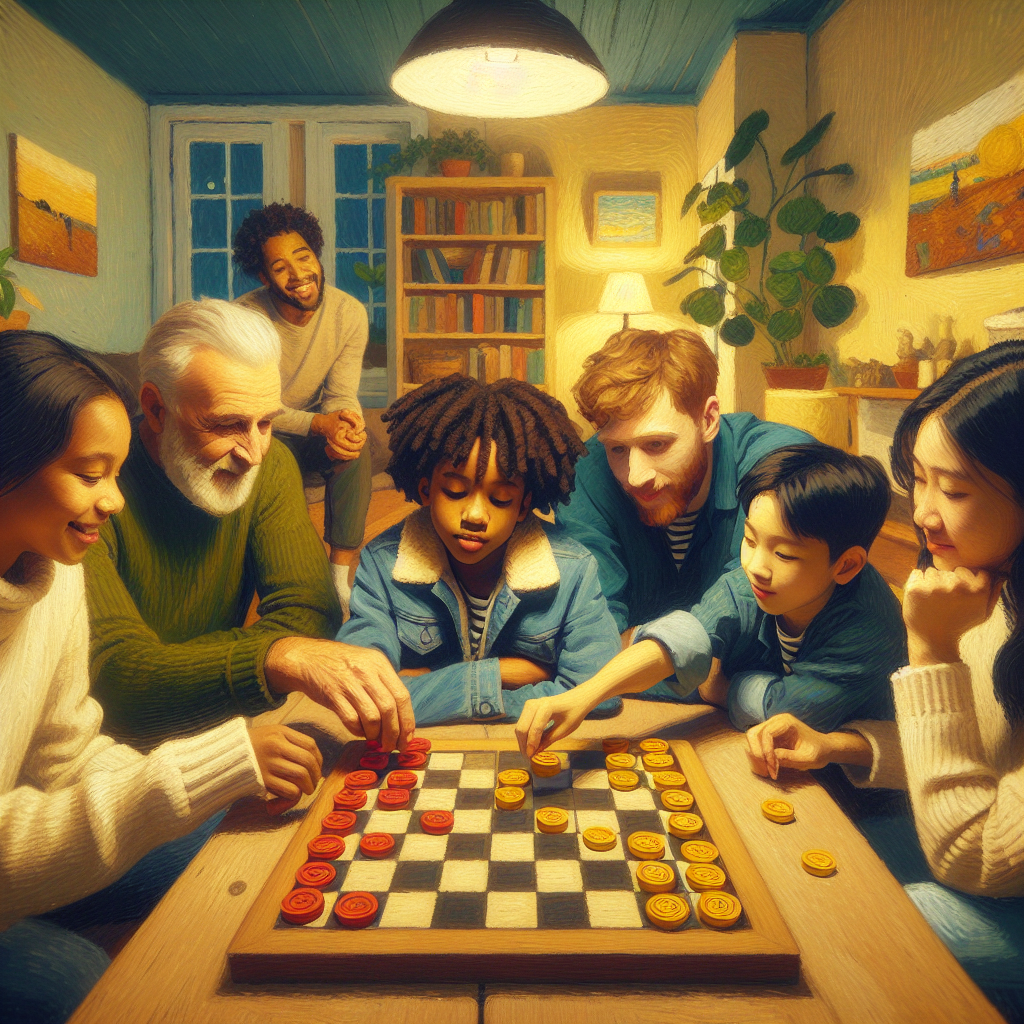
When it comes to the popular party game Time’s Up, the question of which age group enjoys it the most is not as straightforward as it may seem. This delightful blend of charades, trivia, and good ol’ fashioned guesswork might appeal to a broad spectrum of players, but certain age groups really know how to bring the heat to game night.
Let’s start with the Millennials, those social media-savvy thirty-somethings who grew up with technology yet retain a nostalgic affinity for the simple joys of cardboard and dice. Millennials are often seen as the torchbearers of interactive entertainment. With their penchant for blending the digital and physical worlds, they relish the challenge of eliciting hysterical guesses from friends while dashing through the names of long-forgotten celebrities and pop culture references. There’s an energy in the air when they play, a kind of cocktail of friendly competition and whimsical nostalgia that sets the stage for endless laughter.
Then there are Gen Zers, those sprightly souls typically in their teens and early twenties. For them, Time’s Up is more than just a game; it’s an opportunity for connection in a world consumed by screens. They might be the kingpins of TikTok dances, but when they gather around a game board, they immerse themselves in the hilarity of representation through gestures and mimes. They bring an infectious enthusiasm to the game, often resulting in fits of laughter that echo long after the games have ended. This age group thrives on being spontaneous, and Time’s Up, with its emphasis on quick thinking and even quicker guessing, fits their vibe like a well-worn glove.
However, let’s not overlook the charm of the Baby Boomers. Coming from a generation that proudly remembers passing the time with board games, Boomers appreciate the opportunity for some good-natured fun. More seasoned players might not wield their smartphones quite like the younger crowd, but their knowledge and wit add a delightful depth to the game. They often carry with them a wealth of cultural references that can leave younger players scratching their heads in awe.
TTime’s Up transcends age groups, bringing people together in understanding and laughter. Whether you’re a Millennial, Gen Zer, or a Baby Boomer, the game allows everyone to put their own spin on the fun, making it a timeless choice for gatherings of all kinds.

What Age Group Enjoys Times Up The Most?
What Age Group Enjoys Times Up The Most?
- Time’s Up is a popular party game that engages a broad spectrum of players across different age groups.
- Millennials, in their thirties, blend digital and physical entertainment, creating hilarity through celebrity and pop culture references.
- Gen Zers, typically in their teens and early twenties, use the game to connect in a screen-dominated world, bringing spontaneity and infectious enthusiasm.
- Baby Boomers enjoy the board game experience, adding knowledge and cultural references that enrich the game for all players.
- The game’s focus on charades, trivia, and guesswork appeals to the unique characteristics of each generation.
- Time’s Up fosters understanding and laughter, transcending age groups and promoting interaction among players.
- All age groups can enjoy their own take on the game, making it a timeless choice for gatherings.
What Age Group Enjoys Times Up The Most?
What Are The Benefits Of Playing Times Up?
What Are The Benefits Of Playing Time’s Up?
When you think about games, your mind might drift to the latest video game or think of high-stakes poker nights—a riveting showdown of wits and luck. But let me draw your attention to a simpler, yet equally rewarding experience: the classic party game, Time’s Up. If you haven’t dipped your toes into this game, it’s time to consider what you might be missing. The benefits of immersing yourself in Time’s Up reach far beyond mere entertainment; they dig deep into the core of human interaction, skill development, and camaraderie.
First and foremost, let’s talk about communication. In Time’s Up, players must convey ideas and clues without the luxury of extensive vocabulary. You learn to transmit information efficiently, honing the art of non-verbal cues. Imagine a group of friends gathered around a table, laughter echoing as they employ gestures, facial expressions, and, yes, even strategic pauses to get their point across. This is not only entertaining; it cultivates communication skills that extend beyond the game. In our fast-paced, tech-dominated world, the ability to communicate effectively is a diamond in the rough.
Next up, let’s address teamwork. Life, much like a night spent playing Time’s Up, often requires collaboration. It teaches you about reliance on others, whether you’re squeaking by on a team’s collective wit or strategizing ways to outwit opponents. Players have to think on their feet, adapt their approach based on their partner’s strengths, and gel as a unit. This shared experience fosters a sense of belonging, and by the end of the evening, you walk away with a reinforced bond that builds trust and understanding.
Additionally, there’s an undeniable cognitive workout involved in Time’s Up. The need to recall names, words, and clues stimulates mental agility like few other games can. Each round is a brain teaser, forcing you to access memories and process information faster than a caffeinated cheetah. It’s a delightful way to keep those mental gears turning while laughing at the often absurd outcomes of your best attempts.
Lastly, let’s not forget about sheer joy. There’s something remarkable about gathering friends and family to engage in a little friendly competition over a few rounds of Time’s Up. The stories shared, the bonds forged, and the laughter that erupts paint a vivid picture of joy far removed from our typical day-to-day grind.
In short, playing Time’s Up is more than just a pastime; it’s a doorway to improve communication, foster relationships, sharpen your mind, and ultimately, share a hearty laugh. And when was the last time you could say that about a game? So why not gather some friends, shuffle the cards, and dive headfirst into the remarkable world of Time’s Up? Your next great adventure awaits.
What Are The Benefits Of Playing Times Up?
What Are The Benefits Of Playing Times Up?
- Time’s Up is a classic party game that provides more than just entertainment; it enhances human interaction and skill development.
- The game promotes effective communication, encouraging players to use non-verbal cues, gestures, and expressions to convey ideas.
- Collaboration and teamwork are essential, teaching players to rely on each other’s strengths and foster a sense of belonging.
- Playing Time’s Up offers a cognitive workout, enhancing mental agility through memory recall and quick thinking.
- It creates joyful experiences through friendly competition, laughter, and shared stories among friends and family.
- Time’s Up reinforces relationships, builds trust, and provides an opportunity for meaningful interactions.
- Overall, the game serves as a gateway to improve communication, sharpen the mind, and enjoy quality time with loved ones.
What Are The Benefits Of Playing Times Up?
How Does Times Up Differ From Other Party Games?
How Does Time’s Up Differ From Other Party Games?
When it comes to party games, you could say there’s a bit of a menu out there. You’ve got your classics—charades, Pictionary, and the inevitable board game showdown where friendships might go to die. But then there’s a game that’s quietly carving out its niche, a game that slaps the party atmosphere squarely in the face and demands your attention: Time’s Up.
Now, let’s peel back the layers of the onion here. What sets Time’s Up apart from the herd of party games? The genius lies in its simple yet compelling premise: you’re not just guessing; you’re in a race against the clock with a ticking emphasis on creativity and a dash of good old-fashioned teamwork. It’s all about who you know, how well you know them, and how quickly you can decipher a hint that might range from the outright ludicrous to the downright brilliant.
In the traditional sense, many party games operate on a straightforward mechanics: players take turns, wait for their moment, and hope luck rides with them. Time’s Up, however, flips that model on its head. It’s a whirlwind of action, where you’re not merely participants but actors in a frenzied dramatis personae. Each round is like a theatrical production gone awry, filled with laughter, frenzied gestures, and enough banter to fuel an entire sitcom. The first round is all about description, the second morphs into a game of charades, and the third is a mad scramble for one-word clues. It’s a delightful crescendo of creativity, where each phase demands a different set of skills and, dare I say it, a level of adaptability rarely required in other games.
Let’s not forget the build-up: with every round, the stakes rise. Familiarity with your teammates snowballs, and the stakes become whether you can turn the mundane into a burst of cleverness. Each guess is layered with anticipation—your heart races as you dial back the metaphorical clock and think, “Did they really just perform a shimmy for Cleopatra?”
In a world where everyone’s glued to their screens, Time’s Up hits a refreshing sweet spot. It’s less about winning and more about the collective experience, drawing participants from all walks of life together in a ball of hilarity and merriment. In short, Time’s Up is a celebration of being human, and if that doesn’t set it apart, I don’t know what does.
How Does Times Up Differ From Other Party Games?
How Does Times Up Differ From Other Party Games?
- Time’s Up distinguishes itself from traditional party games like charades and Pictionary.
- The game focuses on teamwork, creativity, and quick thinking against the clock.
- Unlike many party games, Time’s Up emphasizes a dynamic, action-packed experience.
- The gameplay evolves through three distinct rounds: description, charades, and one-word clues.
- Each round increases familiarity among teammates, raising the stakes and excitement.
- Time’s Up prioritizes collective fun over winning, fostering connection among participants.
- The game serves as a refreshing break from screen time, celebrating human interaction.

How Does Times Up Differ From Other Party Games?
What Strategies Can Improve Your Times Up Performance?
When it comes to your performance in Times Up, let’s face it: we’re all looking for that edge. Whether you’re a seasoned player or a newcomer trying to make a splash, the game isn’t just about luck. It’s about strategy, preparation, and the ability to think on your feet. So let’s break down some strategies that can elevate your game and improve your performance to a whole new level.
First off, you can never underestimate the power of teamwork. Sure, you might have a dynamo on your team, but collaboration is key. Harness the strengths of each player. Know who excels at guessing, who’s great at mimicking, and who can pull the right word out of thin air at just the right moment. Leverage those talents! Also, establish a communication style that works for you. If it means developing your own special gestures or a secret signal that only your team understands, go for it. In a fast-paced game, having that unspoken language can be a game-changer.
Practice makes perfect, and that applies to Times Up too. The more you play, the more familiar you become with the types of prompts you’re likely to encounter. Set aside time, even if it’s just an hour a week, to engage with friends or family members in mock rounds. This not only helps in getting used to the time pressure but also hones your ability to convey ideas quickly and effectively. Who knows? You might just discover some quirky ways to describe a character or concept, which can lead to those sweet, sweet points.
Next, let’s talk about focus and pacing. The clock is your best friend and worst enemy. Keeping an eye on the time will help you pace yourselves; don’t rush, but don’t dawdle either. It’s a balancing act. Pay attention to your team’s energy. If things are getting frantic, take a moment to regroup, breathe, and assess the situation. A calm team is often a successful team.
Lastly, don’t forget to have fun. Ultimately, Times Up is a game, and if you lose sight of enjoyment, you might not bring your A-game to the table. Embrace the creativity, the chaos, and the camaraderie. With the right blend of teamwork, practice, focus, and a sprinkle of joy, your performance is bound to soar, delivering those thrilling moments that make the game so memorable. So get out there and make your Times Up experience one for the books!
What Strategies Can Improve Your Times Up Performance?
What Strategies Can Improve Your Times Up Performance?
- Performance in Times Up requires strategy, preparation, and quick thinking, not just luck.
- Teamwork is essential; leverage each player’s strengths and establish effective communication methods.
- Practice regularly to become familiar with prompts and improve your ability to convey ideas quickly.
- Focus on pacing; keep an eye on the timer and adjust the team’s energy accordingly.
- Take moments to regroup and breathe during frantic situations to maintain team composure.
- Remember to have fun; enjoyment enhances creativity and teamwork during the game.
- With teamwork, practice, focus, and enjoyment, your Times Up performance will shine.
What Strategies Can Improve Your Times Up Performance?
Why Is Humor Important In Times Up?
In a world that sometimes feels like a perpetual storm, humor emerges as the lighthouse guiding us through the fog. When the waves of life get rough and the skies turn gray, it’s often laughter that keeps us afloat. The importance of humor during tumultuous times can’t be understated—it’s not merely a distraction; it’s a survival mechanism, a balm for the psyche, and a universal language that brings people together.
At times when the world’s weight seems unbearable—be it through global challenges, personal strife, or societal upheaval—we have a choice. We can either wallow in despair or lean into the lighter side of existence. By choosing humor, we not only lighten our own loads but also offer a little relief to those around us. After all, laughter is infectious. You crack a smile, and before you know it, two, three, or more are joining in. That simple act can create a brief oasis in the desert of stress and anxiety, where people come together, if only for a moment, forgetting their troubles.
Now, let’s talk science. Studies show that laughter releases endorphins, those marvelous little chemicals that make us feel good. It acts almost like a natural antidepressant, providing a much-needed release of tension and helping to foster connections among people. When we share a laugh, we’re tapping into a shared experience, reminding ourselves that we’re not alone in our struggles. So, during difficult moments—be it concerning work, family, or broader societal issues—finding humor can serve as a reminder that life is still filled with absurdity and joy, even in its messiest forms.
Moreover, humor can foster resilience. It teaches us to face adversity with a light heart and a clear mind because, let’s be honest, sometimes life is just plain absurd. When we chuckle in the face of life’s challenges, we’re telling ourselves that it’s okay to let our guard down. It’s okay to be imperfect. It’s perfectly human to find folly in the serious, and it’s this embrace of our shared humanity that binds us all.
So, when the going gets tough, seek out the laughter. Share a joke, engage in a silly story, or reminisce about that time you tripped over your own feet. Because in times like these, humor isn’t just important—it’s absolutely essential.
Why Is Humor Important In Times Up?
Why Is Humor Important In Times Up?
- Humor acts as a lighthouse in turbulent times, guiding us through challenges.
- It serves as a survival mechanism and a balm for our psyche, fostering connection.
- Choosing humor can alleviate personal and shared burdens during difficult situations.
- Laughter is infectious, creating a momentary oasis amidst stress and anxiety.
- Scientific studies demonstrate that laughter releases endorphins, acting as a natural antidepressant.
- Humor fosters resilience, encouraging us to face life’s absurdities with lightheartedness.
- Engaging in humor is essential for coping with tough times; it’s a vital part of our humanity.

Why Is Humor Important In Times Up?
What Types Of Cards Are Used In Times Up?
What Types Of Cards Are Used In Time’s Up?
Alright, folks, let’s dive into the world of Time’s Up!, a game that’s all about quick thinking, fast talking, and, let’s face it, some serious good times. But at the heart of the fun are the cards—the unsung heroes of this lively pastime. So, what types of cards can you expect to come across while you’re dodging clues and racing against the timer? Buckle up, because we’re breaking it down!
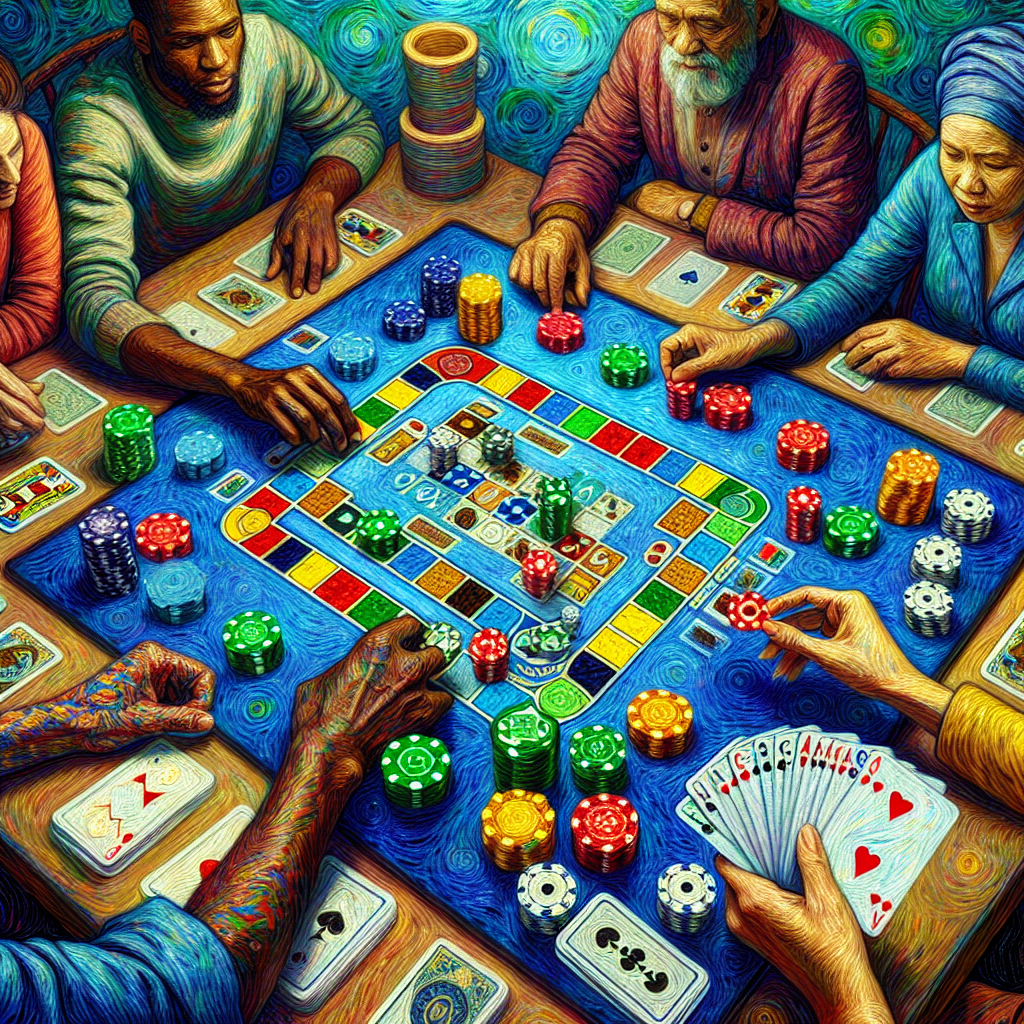
First off, we have the beloved Character Cards. These bad boys feature a wide array of personalities ranging from historical figures, like Albert Einstein and Cleopatra, to pop culture icons, such as Beyoncé and Batman. The variety is staggering; you never know when you might pull a card featuring a famous celebrity from the silver screen or a legendary figure from your history books. Each game is a journey through time and space, and these characters serve as your trusty guides along the way.
Next up are the Category Cards. Now, these are the real gems of the game, as they help set the tone for the round. You might find categories like Movies, TV Shows, or even Sports. These cards are vital for honing in on the right direction to steer your teammate’s guesses. Remember, it’s all about communication here. The better you know your categories, the better your chances of success. It’s like a roadmap for your guessing game, helping you navigate the twists and turns of the clues.
And then there are the special rounds that spice things up. In these rounds, you might flip those cards over to find rules that change the game entirely. These could require you to do charades, speak in one word, or even hum a tune. Now that could make for some epic moments—and maybe a little embarrassment, too. Who can resist the allure of trying to convey the essence of Elvis without saying a single word?
Let’s not forget the scoring card that keeps everything organized and ensures no one gets left behind in this whirlwind of fun. Whether you’re racking up points or just trying to keep pace with the frenetic energy, these cards are your lifeline, grounding the chaos into something a bit more manageable.
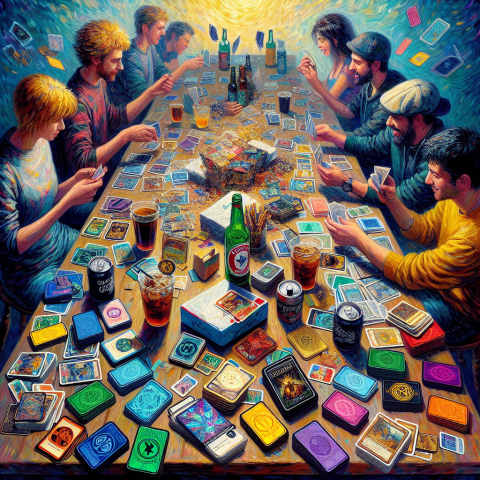
So there you have it—the colorful cast of cards that brings Time’s Up! to life. From Characters to Categories and those funky rule switches, these cards are what make every game a new adventure. So gather your friends, shuffle up those cards, and get ready to unleash the laughter—because in Time’s Up!, every round is a chance to create some unforgettable memories!
What Types Of Cards Are Used In Times Up?
What Types Of Cards Are Used In Times Up?
- Character Cards feature a wide variety of personalities, including historical figures and pop culture icons.
- Category Cards set the tone for each round, with categories like Movies, TV Shows, and Sports.
- Special rounds change gameplay rules, introducing challenges like charades, one-word responses, or humming.
- Scoring Cards help keep track of points and maintain organization during the game’s frenetic pace.
- The variety of cards helps create unique and memorable gameplay experiences in each session.
- The game encourages quick thinking and effective communication among players.
- Time’s Up! is designed to bring friends together for fun and laughter, making every round an adventure.
What Types Of Cards Are Used In Times Up?
Can Times Up Be Played With Large Groups?
Can Time’s Up Be Played With Large Groups?
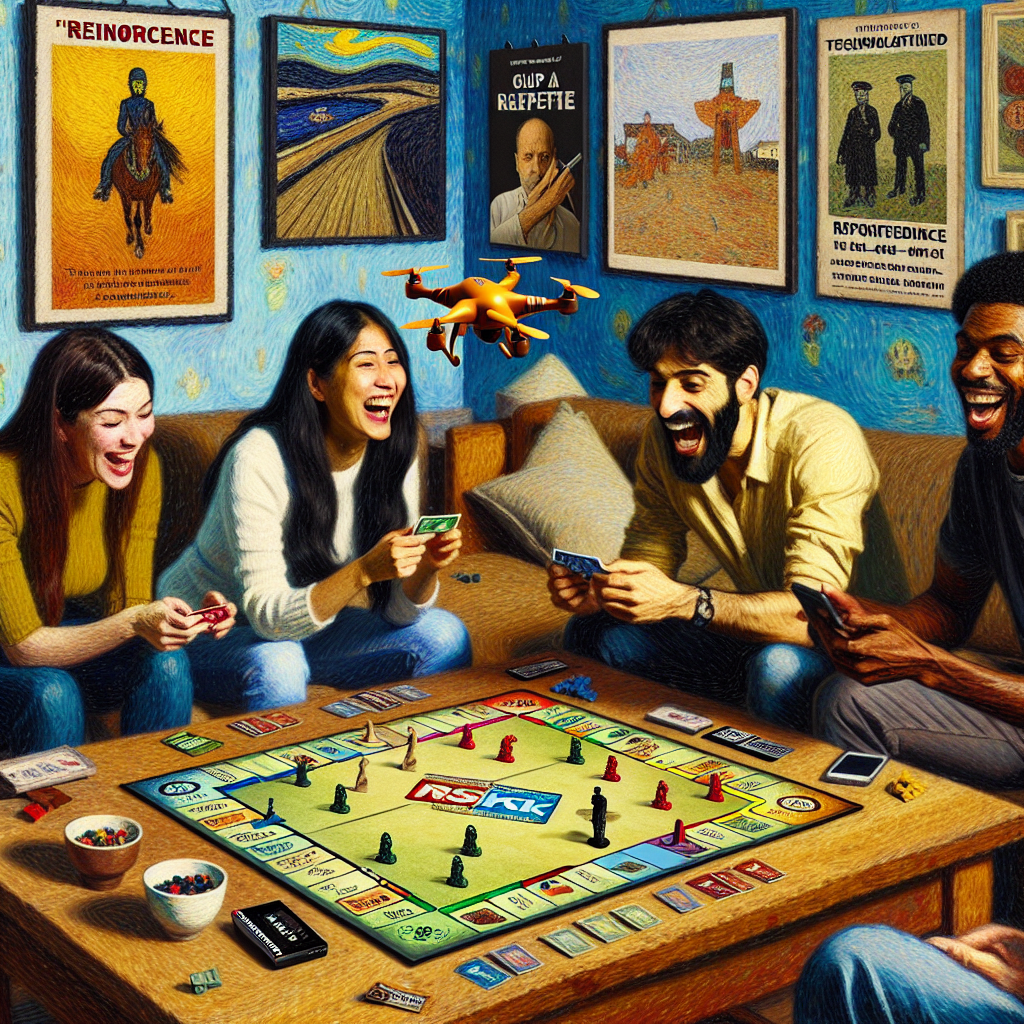
Gather ’round, folks, because we’re diving into the raucous world of Time’s Up, a party game that thrives on laughter, quick wit, and a sprinkle of chaos. Now, if you’re anything like me, you know that nothing ignites a gathering like a good game—the kind that transforms even the most reserved of folks into raucous competitors, tongues wagging, and laughter echoing off the walls. So, the burning question arises: can Time’s Up be played with large groups?
To put it simply, yes! Time’s Up is as versatile as a Swiss Army knife when it comes to accommodating a crowd. The official version is designed for about four to twelve players, but the spirit of the game is far more forgiving. You see, with a little creativity and a sense of adventure, you can easily split up larger groups into manageable teams. Picture a room filled with eager participants, forming alliances, plotting strategies, and shouting answers like their lives depend on it—now that’s a scene worth orchestrating!
So how do we get this ball rolling? First, gather everyone around and divide them into teams, making sure to balance out the seasoned players with the rookies. A mix of experience can provide that delightful unpredictability that makes every round unique. Just imagine the scene—a team of die-hard board game enthusiasts matched against a group of casual players. The tension rises as the clock ticks down, and you’ve got a real game on your hands.
Next, you’ll want to adapt your approach a bit. Since Time’s Up consists of three rounds that progressively become more challenging, consider appointing a moderator to keep the gameplay flowing smoothly. This person can act as the referee, ensuring that everyone gets a fair shake and the enthusiasm stays high. Plus, it’s a great way to keep things organized, especially when enthusiasm levels begin to spike.
Finally, don’t forget to embrace the pandemonium! Large groups mean laughter can fill every corner, and the game can take unexpected turns worthy of a comedy sketch. You might even stumble upon the genius of an unexpected player who has a knack for impersonations or the one who can rattle off clues faster than you can catch your breath.
So go ahead and gather the masses! With a little ingenuity, Time’s Up can be a rollicking good time for all involved, transforming your gathering into unforgettable memories that will be recounted for years to come. Embrace the energy, the noise, and the shared laughter; that’s where the magic truly lies.
Can Times Up Be Played With Large Groups?
Can Times Up Be Played With Large Groups?
- Time’s Up is a party game full of laughter and quick wit, suitable for gatherings.
- The official version accommodates 4 to 12 players, but can be adapted for larger groups.
- To play with large groups, divide players into balanced teams of experienced and casual players.
- Consider appointing a moderator to manage gameplay and maintain enthusiasm.
- The game consists of three rounds that become progressively more challenging.
- Embrace the chaos and unpredictability that large groups can bring to the game.
- With creativity, Time’s Up can create unforgettable memories filled with laughter.
Can Times Up Be Played With Large Groups?
How Long Does A Typical Game Of Times Up Last?
When it comes to the classic party game “Time’s Up,” one burning question often arises: just how long does a typical game last? Anyone who’s gathered around a table with friends knows that the experience can vary dramatically, so let’s dive into the factors that influence the duration of this lively guessing game.
First off, the size of your group plays a crucial role. If you’re huddled in a homey little circle of four or five players, you might find that a game wraps up in a neat 30 to 45 minutes. The more players you add into the mix—say, reaching twenty for an epic showdown—the longer the game stretches. Larger groups typically mean more rounds and a more spirited atmosphere, extending the overall experience upwards to an hour or even more, depending on everyone’s guessing prowess.
Then there’s the structure of the game itself. “Time’s Up” is divided into distinct rounds, each requiring different skills and strategies. In Round One, players can use any words they like to describe their term, which keeps the pace brisk. But come Round Two, when you can only use one-word hints, things can slow down as players must dig deeper into their mental repositories to convey their clues. The introduction of even more complex rules in Round Three adds a different dynamic, causing time to ebb and flow as memories are jogged and laughter cascades around the room.
And we mustn’t underestimate the impact of enthusiasm on the game’s length. A lively group that takes their roles seriously, bursting with excitement and passion, might find themselves spending extra minutes on each turn, to the point where the minutes feel like hours. On the other hand, a more relaxed crew might zip through each round with a casual breeze, checking off those categories like a well-oiled machine.
Finally, we have to talk about distractions. Whether it’s a particularly chatty player regaling everyone with tales of past gaming adventures, an unexpected pizza delivery mid-game, or someone trying to perfect their charade technique, these moments can add time to your game clock as laughter erupts and stories unfold.
In short, while you might initially think “Time’s Up” is just a simple game of guessing, the reality is that factors like group size, game structure, enthusiasm, and inevitable distractions can seamlessly stretch that typical game duration anywhere from half an hour to well over an hour. So, gather your friends, set your timer, and let the good times roll—just be prepared for a fun ride!
How Long Does A Typical Game Of Times Up Last?
How Long Does A Typical Game Of Times Up Last?
- The duration of “Time’s Up” can vary greatly based on group size.
- A small group (4-5 players) typically finishes in 30 to 45 minutes.
- Larger groups (up to 20) tend to extend game time to over an hour.
- The game’s structure includes three rounds, each requiring different skills.
- Round One allows free wording, making it quicker than Round Two’s one-word hints.
- Enthusiasm impacts the game length, with lively groups taking longer per turn.
- Distractions, such as chatty players or unexpected deliveries, can prolong the game.
How Long Does A Typical Game Of Times Up Last?
What Makes Times Up Suitable For Various Occasions?
Imagine a gathering filled with chatter, laughter, and the comforting clink of glasses. In the midst of it all, you find yourself at the heart of a conversation that could go in a hundred different directions. That’s where Times Up steps in, not just as a game, but as a virtual Swiss Army knife of social interaction.
First off, Times Up is like the ultimate icebreaker. Think about it: you walk into a party where you don’t know many faces, and the tension is palpable. Hand someone a card from Times Up, and watch as that tension dissipates faster than snow in the sun. The game taps into the universal joy of guessing and reminiscing about pop culture, which instantly creates a common ground. It’s perfect for those occasions when you need to break the ice or heat up a chilly atmosphere.
Now, consider family gatherings—a classic territory for both awkward silences and familiarity. Times Up dives into the pool of nostalgia, pulling out references that resonate across generations. Grandma might reminisce about an old movie star while the kids giggle over a contemporary icon. Suddenly, everyone’s connecting over shared memories and laughter, and the family dynamic shifts from polite smiles to genuine joy. It’s as if the game has handed everyone a key to unlock stories, making those moments together priceless.
But let’s not forget versatility. Times Up isn’t just for raucous parties or heartwarming family reunions; it’s equally suitable for a casual get-together with friends. Think game night or a cozy evening in—Times Up doesn’t require an elaborate setup or a degree in strategy; it’s straightforward fun that keeps everyone engaged. The rules are simple: guess the words, and laugh until your sides hurt. Whether you’re playing with a tight-knit group or expanding your circle, the game adapts effortlessly.
Lastly, if you’re in charge of organizing a corporate team-building event, don’t overlook Times Up. It’s a unique way to foster camaraderie among co-workers while adding a splash of friendly competition. It softens formal boundaries and encourages creativity and teamwork that could benefit office dynamics long after the game is over.
In essence, Times Up transcends occasions. It’s a versatile companion, ready to spice up the mundane or elevate the extraordinary, proving that the best memories often come from simple moments of shared laughter and connection.
What Makes Times Up Suitable For Various Occasions?
What Makes Times Up Suitable For Various Occasions?
- Times Up serves as an ultimate icebreaker, easing tension in social situations.
- The game taps into pop culture, creating common ground for players.
- It invokes nostalgia, helping family members connect over shared memories.
- Versatile for different settings, including parties, family gatherings, and casual get-togethers.
- Simple rules make it easy for anyone to join, ensuring engagement and fun.
- Can be utilized as a team-building tool in corporate settings to enhance teamwork and camaraderie.
- Overall, Times Up fosters memorable moments through laughter and connection, regardless of the occasion.
What Makes Times Up Suitable For Various Occasions?
How Does Times Up Encourage Communication Skills?
How Does Time’s Up Encourage Communication Skills?
When it comes to fostering communication skills, Time’s Up is like that trusty workhorse you never knew you needed until the tools are in your hands. In a world where clear, effective dialogue is often lost in a haze of digital noise, this initiative stands as a beacon of clarity, teaching individuals how to express thoughts, feelings, and ideas—whether they are pitching a new project or navigating everyday conversations.
At its core, Time’s Up is a call to action, an invitation to roll up your sleeves and get down to the nitty-gritty of meaningful communication. This isn’t your typical lecture or dry seminar. No, it’s about getting right into the trenches. The program emphasizes practical exercises that are as valuable as they are enjoyable. Think role-playing scenarios, workshops that simulate real-life situations, and dialogue circles where participants can share their stories. Through these activities, people learn not just how to speak, but how to listen—a skill that is often overlooked.
One of the standout aspects of Time’s Up is its focus on feedback. Let’s face it—constructive criticism can sting, but it’s also the fertile ground from which strong communicators grow. Participants are encouraged to give and receive feedback in a nurturing environment, cultivating a culture where mistakes are seen as stepping stones rather than stumbling blocks. This dynamic interaction sharpens their ability to articulate their thoughts with precision and confidence, a must-have tool in the proverbial toolbox of any successful communicator.
Moreover, Time’s Up emphasizes the importance of body language, tone, and the subtle nuances that often speak louder than words. The program coaches participants on how to wield these elements to enhance their message, understanding that communication is a full-body experience. It’s not just about what you say; it’s how you say it and how you carry yourself while doing it.
In addition to individual skill-building, Time’s Up cultivates a sense of community among its participants. When people come together to share experiences, they forge connections that elevate the entire group. Collaborating in such an atmosphere fosters open dialogue, allowing for a rich exchange of ideas and perspectives. This shared journey not only bolsters individual skills but creates a ripple effect, encouraging an ongoing culture of communication well beyond the confines of the program.
In today’s fast-paced world, where miscommunication can lead to missed opportunities, Time’s Up isn’t just promoting better speakers; it’s nurturing better listeners and more empathetic individuals who understand the true art of conversation. And let’s be honest—aren’t we all striving for that?
How Does Times Up Encourage Communication Skills?
How Does Times Up Encourage Communication Skills?
- Time’s Up enhances communication skills by providing practical tools for expression in various contexts.
- The program employs hands-on activities like role-playing, workshops, and dialogue circles to facilitate learning.
- Participants are trained to both speak effectively and listen attentively, addressing a commonly overlooked skill.
- Constructive feedback is central to the program, fostering growth and resilience in communication skills.
- Body language, tone, and non-verbal cues are emphasized as critical components of effective communication.
- Time’s Up promotes community building among participants, enhancing collaboration and idea exchange.
- The initiative aims to cultivate not just better speakers, but also empathetic listeners and effective conversationalists.

How Does Times Up Encourage Communication Skills?
What Are Some Memorable Moments In Playing Times Up?
What Are Some Memorable Moments in Playing Time’s Up?
If you’ve ever gathered with friends and family for an evening of laughter and competition, chances are high that Time’s Up has graced your table. It’s more than just a game; it’s a juggernaut of wit and camaraderie, a delightful jumble of names, clues, and frantic gestures. As you dive into a round, prepare for those unforgettable moments that linger long after the last card has been laid down.
Picture this: a friend who valiantly attempts to act out “Albert Einstein.” As they furrow their brow, scratch their head, and dramatically point to an imaginary chalkboard, it becomes less about the physics and more about the performance. Suddenly, they shift gears, transforming into a wild-haired cloud of chaos, shouting out nonsensical equations and leaving everyone in stitches. It’s not just humorous; it’s a celebration of creativity and the sheer joy of unleashing a healthy dose of absurdity.
Then there’s the iconic “silent struggle.” You know that moment when the clock is ticking down, and a teammate is desperately trying to get you to guess “The Mona Lisa?” Your mind races. Is it a person? A painting? Maybe it’s just their way of saying they need to visit an art gallery. You can see the intensity on their face—a mix of frustration and determination—as they convey concepts with wild gestures. The sheer energy in the room is electric, filled with intrigue and anticipation, and in one fleeting moment, that tension erupts into laughter over the realization that your best guess was “mona pizza.”
Don’t forget about the moments where friendships are tested. Imagine a player confidently throwing out names and clues, and just as they’re about to cradle a triumphant moment, someone calls out “nearly! Not quite!” The tension in the air shifts, laughter turns into playful banter, and alliances are momentarily strained over rules bent and eluded. It feels like a mini Olympic event—who can outsmart whom while riding the fine line between teamwork and rivalry?
And then, of course, there’s the classic mishap—the moment when someone reveals their enthusiasm a tad too early, inadvertently spoiling a clue for everyone. Gasps echo around the room, teasing ensues, but ultimately, it all just adds fuel to the fiery spirit of the game. Each round becomes a collection of inside jokes and delightful memories, encapsulating what it truly means to spend time with those you cherish most. After all, it’s not just about winning; it’s about the laughter, the connections, and those moments worth cherishing.

What Are Some Memorable Moments In Playing Times Up?
What Are Some Memorable Moments In Playing Times Up?
- Time’s Up is a game filled with wit and camaraderie, creating memorable moments amongst friends and family.
- Players often engage in humorous performances, such as acting out “Albert Einstein” with exaggerated gestures and chaotic creativity.
- The “silent struggle” moment creates intense energy as teammates desperately convey clues, often leading to humorous misunderstandings like “mona pizza.”.
- Friendships can be tested during gameplay, as players navigate the fine line between teamwork and playful rivalry.
- Classic mishaps, such as spoiling clues prematurely, often result in laughter and teasing within the group.
- Each game round contributes to a collection of inside jokes and cherished memories.
- Ultimately, Time’s Up is about the joy of connections and the laughter shared, rather than just winning.
What Are Some Memorable Moments In Playing Times Up?
Why Do Some Players Prefer The Charades Aspect Of Times Up?
Why Do Some Players Prefer The Charades Aspect of Time’s Up?
When you think of party games, you might picture the raucous laughter, the well-timed jokes, and the sheer chaos that accompanies the struggle to communicate without uttering a single word. Enter Time’s Up, that delightful blend of trivia and theatrics that has captivated friends and family alike. For some players, it’s not just a game; it’s an arena where creativity, intuition, and, yes, a little bit of pandemonium collide. The charades aspect is what gets them hooked.
At its core, the appeal of charades lies in its primal essence. You’re stripped of the conversational crutch that language provides, leaving only your pile of expressive gestures and over-the-top antics to convey a concept, character, or catchphrase. For many, this liberating experience brings out a sort of childlike glee. It’s no longer about the right answer; it’s about the shared experience, the connection, and sometimes, the outright ridiculousness of the conveyance itself.
Players who gravitate toward the charades portion often cherish the spontaneity it brings. The unpredictability of watching a friend contort their body in a valiant attempt to signify “light bulb” or “sneeze,” makes for moments that stand apart from the usual competitive atmosphere. Everyone’s in on the joke, and the laughter that erupts is infectious. Unlike trivia questions that can lead to tension and over-analysis, the sheer absurdity and silliness of charades welcome mistakes. You might not get the word right, but you’ll likely create a memory that could bring a tear to your eye.
Additionally, there’s an intrinsic sense of teamwork and camaraderie that comes with charades. Players must rely heavily on non-verbal communication, which fosters a unique bond. Each squint, flail, and exaggerated facial expression becomes a signal—an unspoken language spoken only among teammates. This dynamic creates not just entertainment but connections that run deeper than a mere game night.
In essence, the charm of the charades aspect of Time’s Up speaks to a universal truth: sometimes, the best way to connect with others is to drop the formalities, embrace the silliness, and let the chaos lead the way. Whether you’re knocking over a chair in your fervor or finding newfound talent in pantomime, that little charade can make all the difference, reminding everyone that the game isn’t just about winning—it’s about experiencing the joy of togetherness.
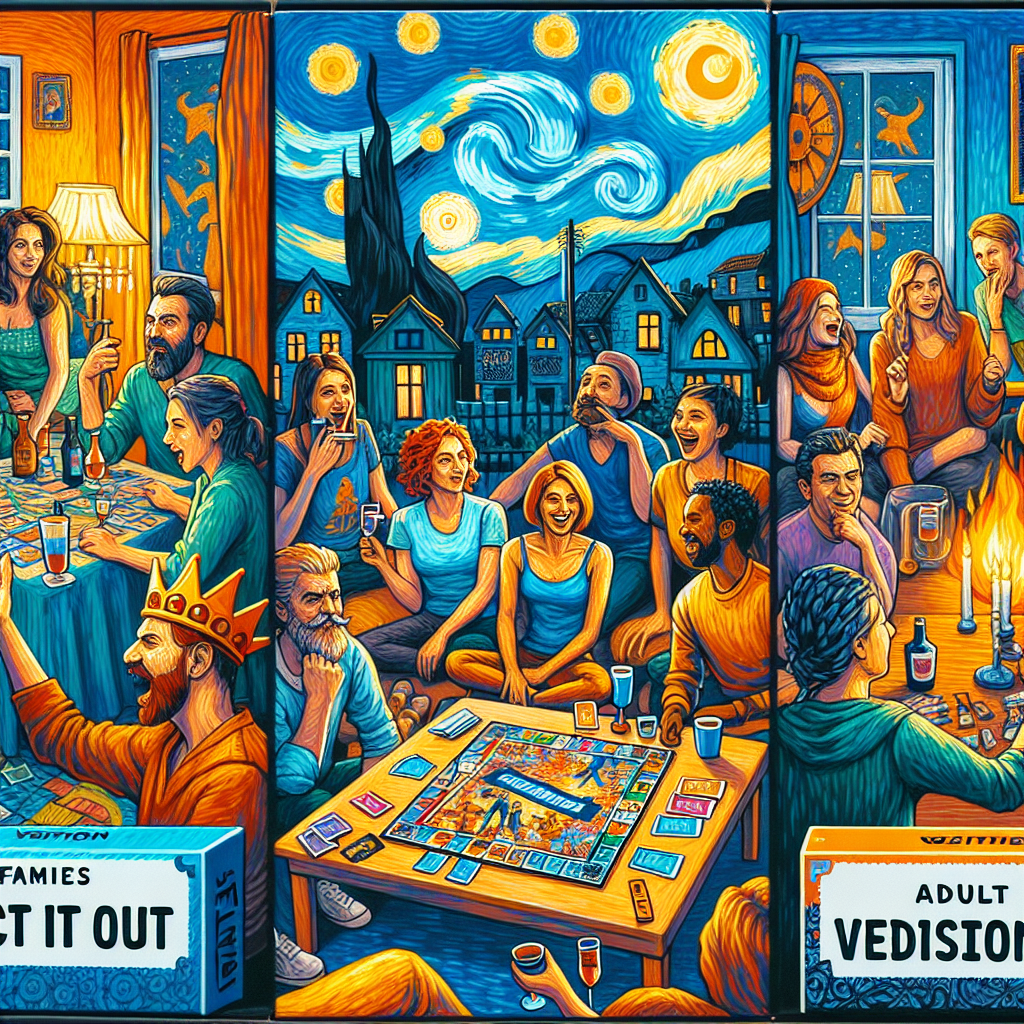
Why Do Some Players Prefer The Charades Aspect Of Times Up?
Why Do Some Players Prefer The Charades Aspect Of Times Up?
- Time’s Up combines trivia and theatrics, creating an engaging party game.
- The charades element fosters creativity and spontaneous fun among players.
- Players enjoy the liberating experience of communicating without words.
- Charades emphasizes shared experiences and ridiculousness over correct answers.
- The unpredictability of gestures and antics leads to memorable moments.
- Non-verbal communication encourages teamwork and deeper connections among players.
- The essence of charades celebrates joy and togetherness over competition.

Why Do Some Players Prefer The Charades Aspect Of Times Up?
How Can Times Up Be Adapted For Virtual Play?
How Can Time’s Up Be Adapted For Virtual Play?
In a world rapidly shifting towards virtual interaction, adapting beloved games like Time’s Up for online play is not just a necessity; it’s an opportunity. For those unfamiliar, Time’s Up is a fast-paced guessing game that has brought laughter and friendly competition to countless gatherings. With a little ingenuity, we can harness the spirit of the game while making the transition to a digital realm seamless and engaging.
First off, let’s talk logistics. The beauty of Time’s Up lies in its simplicity. You don’t need a fancy setup to make it work online. Start by gathering your crew on a video call platform—Zoom, Microsoft Teams, or whatever floats your boat. Divide your players into teams, and make sure everyone has a reliable internet connection. Pro tip: a good old-fashioned timer can keep the energy high and heart rates pumping, even if it means relying on a trusty smartphone timer instead.
Next, the clue-giving strategy changes in the virtual realm, but that’s half the fun! One way to keep the game true to its roots is to share clues using a private chat function. This way, the guessers can only see the clues meant for them, maintaining that element of surprise and urgency that makes Time’s Up so thrilling.
If you’re looking to get really crafty, create an online document—like a shared Google Doc—where clues can be scattered for everyone to access in real-time. This method adds a tech-savvy twist, allowing for creativity in how clues are presented. Players could even add images or gifs to spice things up. After all, who needs words when a well-timed meme can get the point across?
Don’t forget about the rounds! Time’s Up traditionally consists of three rounds where the rules change progressively—first descriptive, then one word, then charades. Keeping this structure enhances the game’s natural evolution. You can adapt the charades portion through the camera, encouraging players to get up and move, using their whole bodies to convey the clues.
Lastly, integrate a scoring system that’s easily trackable and visible to all players. A simple scoreboard can keep the competitive spirit alive, ensuring everyone stays engaged.
Ultimately, adapting Time’s Up for virtual play requires a spirit of collaboration and creativity. With a little tech maneuvering and a whole lot of enthusiasm, players can experience the same joy and camaraderie that has defined this timeless game—no matter the distance. So gather your friends, fire up that laptop, and get ready to laugh until it hurts, because the game is far from over!
How Can Times Up Be Adapted For Virtual Play?
How Can Times Up Be Adapted For Virtual Play?
- Time’s Up is a popular fast-paced guessing game that can be adapted for online play.
- To play virtually, use video call platforms like Zoom or Microsoft Teams and ensure all players have good internet connections.
- Utilize private chat functions for clue-giving to maintain surprise and urgency.
- Consider creating a shared Google Doc for clues, allowing creative presentations like images or gifs.
- Maintain the traditional three-round structure: descriptive, one word, and charades, adapting charades to camera-based performance.
- Implement a visible scoring system to keep the competitive spirit alive.
- With collaboration and creativity, players can enjoy the same fun and camaraderie in a virtual setting.
How Can Times Up Be Adapted For Virtual Play?
Conclusion
In the world of party games, where chaos often reigns and laughter is the main currency, Time’s Up! stands as a unique titan, captivating hearts and igniting hilarity across generations. So, what’s behind this phenomenon? At its essence, Time’s Up! is a masterclass in simplicity. It’s like that favorite old T-shirt you can throw on in seconds while still feeling great. The rules are straightforward; you describe, guess, and act out, all wrapped up in a whirlwind of friend-induced frenzy. This accessibility invites everyone—kids, parents, the eccentric uncle no one quite understands—to jump in and let loose, ensuring that no one’s left out of the fun.
But what really sets Time’s Up! apart is its three-round layout. It’s the evolution of the game that transforms what starts off as a leisurely stroll into an outright sprint filled with creative twists. In the first round, all bets are off; players spit out clues to their teammates. Come round two, the pressure cranks up, and it’s one-word hints. Then, just when you think you’re getting a handle on it, round three rolls in, where it’s all silent mimes and interpretative moves that can have participants flailing around like a bunch of gyroscopes. The game challenges you to think on your feet while enriching shared experiences that foster friendships and family bonds: we’re talking camaraderie and laughter at its finest.
It’s in these ups and downs that players find not just competition, but a solid social glue that says we’re in this together. The joy of shouting out wrong answers—a hilarious mix-up that sends your team into fits of laughter—forms stories that will be recounted for years to come. From Grandma reminiscing about her favorite movie stars to the Gen Z kid busting out unexpected pop culture references, Time’s Up! bridges generational gaps.
In a digital world rife with distractions, Time’s Up! serves as a reminder of what truly brings us together: authentic, face-to-face fun. It pulls us away from our screens and into each other’s lives, reminding us of the joy in simply being together. So if you’re looking for a game that’s packed with laughter, enchantment, and unforgettable moments, it’s time to shuffle those cards and call up the crew for a round of Time’s Up! Because at the end of the day, it’s not just about the game—it’s about the connections forged and the good times shared. And isn’t that what life’s really all about?
Conclusion
Conclusion:
- Time’s Up! is a beloved party game that brings joy and laughter across generations.
- The game is known for its simplicity, inviting players of all ages to participate.
- It features a unique three-round layout that evolves from open clues to silent mimes.
- The game fosters camaraderie and strengthens friendships through shared experiences.
- Players create memorable stories filled with humor and mischief that span generations.
- Time’s Up! serves as a reminder of the importance of face-to-face interactions in a digital world.
- The game emphasizes connections and shared fun, showcasing the essence of human relationships.
Conclusion
Other Resources
Other Resources
Here is a list of other resources you can review online to learn more:
- “Asmodee – Time’s Up Big Box: Party – Divertente Gioco da …”
- “Time’s Up! Party: the best-selling party game”
- “Time’s Up! Party Board Game”
- “Time’s Up! | Board Game”
- “Time’s Up! (game)”
- “Time’s Up!® – Family & Party Game”
- “SPORT VALUES IN EVERY CLASSROOM”
- “The 20 Fun Office Games to Keep Your Team Connected”
Use This Prompt To Get More Resources With Your Favorite Online AI Tool: Please provide me with a list of online articles with their URLS in a bulleted list that I can read regarding What Makes The Party Game Time’s Up So Popular?

Other Resources
Glossary Terms
What Makes The Party Game Time’s Up So Popular? – Glossary Of Terms
1. Charades: A form of acting out a word or phrase without speaking, commonly seen in party games, including Time’s Up.
2. Guessing: The act of trying to identify the word or phrase being acted out or described by teammates.
3. Clue: A hint or piece of information given to help others guess the correct answer in the game.
4. Rounds: Different phases of play in Time’s Up, typically involving distinct rules for each round.
5. Teams: Groups of players who work together to guess words or phrases during the game.
6. Timer: A device or method used to count down the time allocated for each round of play.
7. Cards: Pieces of paper that contain words or phrases that players must act out or describe.
8. Mimicry: The act of imitating a word or phrase through gestures, sounds, or facial expressions.
9. Fast-paced: Describes the quick tempo of the game, where players must think and act quickly.
10. Diversity: The variety in the categories of phrases and characters, making the game enjoyable for different players.
11. Audience: Other players who may not be actively participating in a round but are part of the experience.
12. Interaction: The communication and engagement between players, which enhances the social aspect of the game.
13. Creativity: The imaginative ways in which players come up with clues or performances for their teammates.
14. Memorization: The ability of players to remember words, phrases, or hints from previous rounds.
15. Humor: The comedic elements that arise from the interpretations and performances during the game.
16. Strategy: The planned approach teams use to maximize their chances of guessing correctly.
17. Inclusiveness: The game appeals to a broad audience, making it suitable for different ages and backgrounds.
18. Competition: The element of rivalry as teams strive to outperform each other, contributing to excitement.
19. Socializing: The main draw of Time’s Up, encouraging players to connect with friends and family in a fun environment.
20. Adaptability: The ability of the game to be modified with house rules or different themes for various occasions.
21. Laughter: The joyful sound that often fills the room as players engage in the fun and sometimes silly actions.
22. Engagement: The level of interest players have in the game, which is typically high due to its interactive nature.
23. Nostalgia: The fond memories players might have of past game nights, enhancing the experience of playing again.
24. Pacing: The rhythm of the game that keeps players captivated and engaged throughout.
25. Learning: The knowledge gained about pop culture, history, or other themes through the clues and phrases used.
26. Collaboration: The teamwork required to successfully guess and act out phrases together.
27. Challenge: The difficulty of certain clues that adds an element of risk and excitement.
28. Facilitation: The role of the game host or leader who guides players through the rounds and rules.
29. Escapism: The temporary relief from everyday life that players experience while engaging in the fun of the game.
30. Tradition: The practice of playing Time’s Up during gatherings, reinforcing social bonds and keeping the game alive.
These terms capture various aspects of what makes “Time’s Up” not just a game but a cherished social experience.

Glossary Of Terms
Other Questions
What Makes The Party Game Time’s Up So Popular? – Other Questions
If you wish to explore and discover more, consider looking for answers to these questions:
- What other popular party games are similar to Times Up?
- How can I create my own custom cards for Times Up?
- Are there any expansion packs or themed versions of Times Up?
- What are some tips for hosting a successful Times Up game night?
- How does Times Up accommodate players with different skill levels?
- Can Times Up be played with fewer players, and if so, how?
- What are some common mistakes players make while playing Times Up?
- Are there any age restrictions for playing Times Up?
- How does Times Up compare to traditional board games in terms of engagement?
- Can Times Up be used as a teaching tool in classrooms?
- How do different personality types affect the way people play Times Up?
- What are some famous moments or stories from Times Up tournaments?
- How can Times Up be modified for educational purposes?
- What kind of feedback have players provided about their experience with Times Up?
Other Questions
Haiku
What Makes The Party Game Time’s Up So Popular? – A Haiku
Laughter fills the room,
Clues through words and gestures shared,
Times Up unites all.

Haiku
Poem
What Makes The Party Game Time’s Up So Popular? – A Poem
In the Realm of Times Up, Let Laughter Reign
In gatherings bright, where laughter flows,
A game ignites, and excitement grows.
Oh, Times Up! – a dance of wits and cheer,
With every round, the joy draws near.
Three rounds unfold, a spirited spree,
First with words, then one, then mime, oh glee!
As gestures bloom and charades take flight,
We turn simple moments into pure delight.
Across ages and backgrounds, all unite,
From Boomers to Gen Z, in friendly fight.
A tapestry woven with nostalgia’s thread,
As memories spark, and new ones are bred.
With teammates close, we share private cues,
An unspoken bond in the laughter we choose.
Communication blooms, both refined and free,
In each silly act, we find unity.
When clocks tick down, frantic guesses ignite,
In moments of chaos, everything feels right.
Whether a wild dance or laughter that soars,
It’s connection that comforts, as friendship restores.
Adaptations abound, as screens bridge the gap,
Virtual rounds filled with joy, without a mishap.
So gather your crew, let the laughter take cue,
For in Times Up! we discover what’s true.
Bound together, in play we will thrive,
In every guess shared, in the moments alive.
With silliness towering, beneath the review,
Let’s celebrate joy, in the magic of you.

Poem
Checklist
What Makes The Party Game Time’s Up So Popular? – A Checklist
Preparation
_____ Gather a diverse group of players (more is merrier!)
_____ Ensure all players understand the rules and structure of the game
_____ Create teams balancing experienced players with novices
_____ Have a timer ready (can be a smartphone or stopwatch)
Gameplay Strategies
_____ Establish a unique communication style with your team (signals or gestures)
_____ Practice with mock rounds to familiarize players with prompts
_____ Rotate team roles to leverage each player’s strengths
_____ Keep an eye on the timer and pace your team’s guesses effectively
Teamwork Focus
_____ Encourage open communication and share ideas freely during gameplay
_____ Foster an atmosphere of trust and support among team members
_____ Celebrate team successes and learn from mistakes together
Embrace the Fun
_____ Focus on enjoying the game over winning
_____ Encourage silliness and creativity—don’t be afraid to act outrageous
_____ Capture memorable moments on camera for laughter later
Adaptation for Large Groups
_____ Split larger groups into manageable teams if necessary
_____ Assign a moderator to keep order and flow in large gatherings
_____ Consider using visual aids or props to enhance gameplay
Virtual Play Adjustments
_____ Use a video call platform to connect with remote players
_____ Share clues via a private chat feature
_____ Adapt charades to incorporate full-body movements visible via camera
_____ Maintain a shared digital scoreboard to keep track of points
Post-Game Reflection
_____ Discuss memorable moments and what worked well during the game
_____ Solicit feedback from players on how to improve for next time
_____ Consider trying different themed decks or categories for variety
Use this checklist to ensure a fantastic game night filled with laughter, engagement, and unforgettable memories!
Checklist
At BestBoardGameNews, we help people who love board games by collating information and news about board games.
Be sure to read our other related stories at BestBoardGameNews to learn more about board games.