The Psychology Behind Trust Me, I’m A Doctor’s Popularity
By Tom Seest
At BestBoardGameNews, we help people who love board games by collating information and news about board games.
Be sure to read our other related stories at BestBoardGameNews to learn more about board games.
What Makes The Party Game Trust Me, I’m a Doctor So Popular?
What Makes The Party Game “Trust Me, I’m a Doctor” So Popular?
In a world where our daily interactions can sometimes feel scripted and sterile, “Trust Me, I’m a Doctor” brings a breath of fresh air with its blend of humor, competition, and a dash of camaraderie. This game doesn’t just rely on luck; it thrives on the unpredictable nature of human behavior. It’s a challenge to one’s wits and a celebration of the absurd, turning every player into a know-it-all for just a few glorious moments.
At its core, the beauty of this game lies in its simple yet engaging premise: players are tasked with making outrageous medical claims, backed by what might just pass for evidence. It taps into the universal allure of pretending to be an authority, even if, in reality, you couldn’t tell a stethoscope from a shoelace. The format encourages creativity and boldness, pushing players to think outside the box—and sometimes well beyond the bounds of reason. As everyone takes turns crafting the most outlandish medical “facts” they can muster, a delightful chaos ensues. Laughter is ever-present, fueled by the bizarre interactions brought forth by friends and family embracing their inner quack.
The game also shines due to its inherently social nature. Unlike many of today’s video games, which often isolate players in a digital bubble, “Trust Me, I’m a Doctor” demands face-to-face interaction. It brings folks together, allowing the fun to unfold organically. As players navigate the hilarity of trying to convince others of their ludicrous claims, they build connections through shared laughter and playful banter. The game takes on a life of its own when competitive spirits come into play, as players employ their best poker faces and persuasive techniques. It’s astounding how quickly the room warms up, transforming ordinary gatherings into raucous spectacles of wit and imagination.
Moreover, the game glances cheekily at the world of medicine and science, challenging players to question the very experts they rely on. It serves as a reminder that sometimes, expertise can be as entertaining as it is educational. In an age rife with misinformation, the game satirically prompts participants to be discerning—even when it’s all in good fun.
Ultimately, “Trust Me, I’m a Doctor” celebrates the absurdities of life and human nature, making it a popular choice at parties. So, gather some friends, roll the dice of creativity, and prepare for a laughter-filled exploration of the medical madness that only this game can deliver.
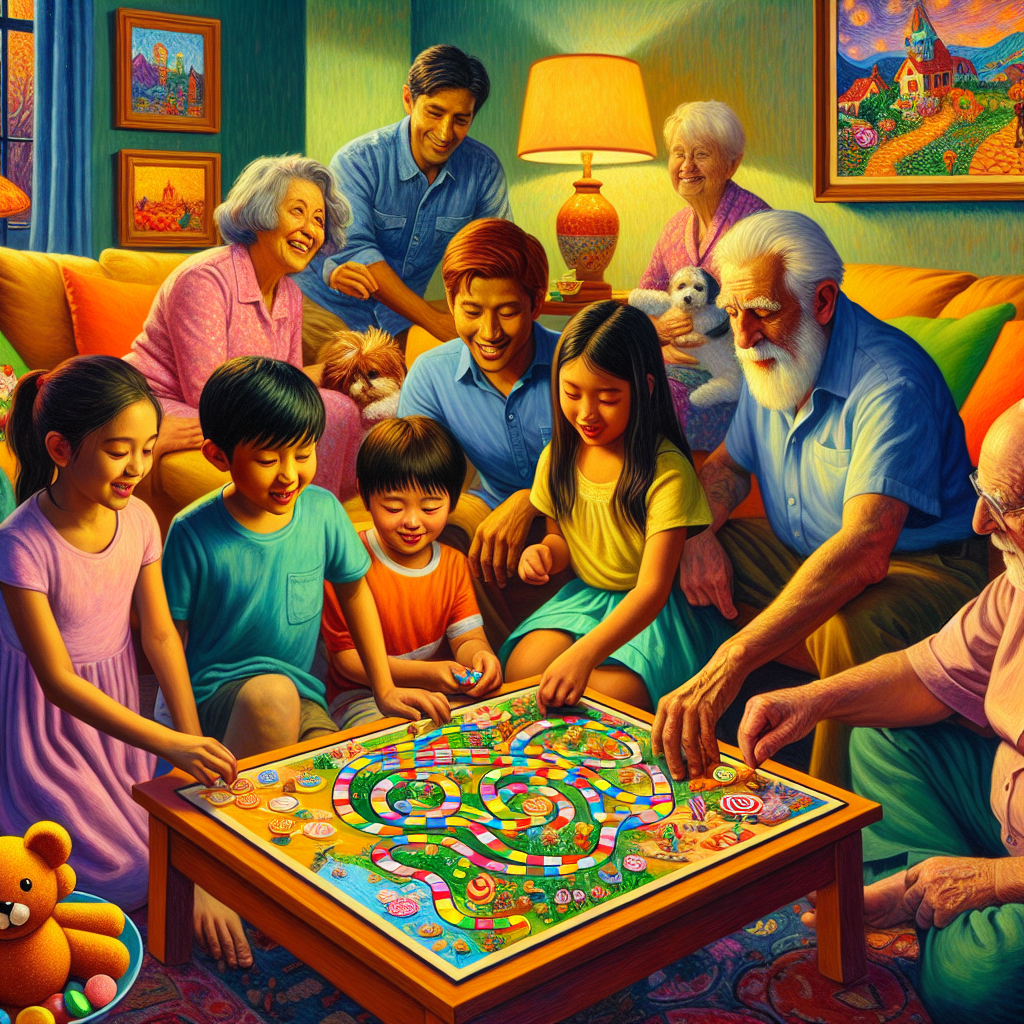
What Makes The Party Game Trust Me, I’m a Doctor So Popular?
What Makes The Party Game Trust Me, I’m a Doctor So Popular?
- Offers a mix of humor, competition, and camaraderie in a fun party setting.
- Players make outrageous medical claims, showcasing creativity and boldness.
- Encourages social interaction, transforming gatherings into lively experiences.
- Fosters connections through laughter and playful banter among participants.
- Challenges perceptions of medical experts, providing a satirical view of expertise.
- Promotes critical thinking in a light-hearted manner in an age of misinformation.
- Celebrates life’s absurdities, making it a favorite choice for parties.
What Makes The Party Game Trust Me, I’m a Doctor So Popular?
Table Of Contents
- What Makes The Party Game Trust Me, I’m a Doctor So Popular?
- How Does The Game Encourage Player Interaction?
- How Long Does A Typical Game Session Last?
- What Strategies Can Players Use To Win The Game?
- How Is Humor Incorporated Into The Game?
- What Themes And Topics Are Covered In The Game?
- How Does Game Mechanics Enhance Player Engagement?
- What Demographics Are Drawn To Trust Me, I’M A Doctor?
- What Are The Key Strategies For Winning The Game?
- How Do Social Dynamics Influence Gameplay?
- What Challenges Do Players Face During Trust Me, I’M A Doctor?
- Why Do Players Keep Coming Back For More Sessions?
- How Does The Game Foster Teamwork And Competition?
- What Reviews Or Feedback Highlight Its Appeal?
- How Can New Players Quickly Learn The Game?
- What Expansions Or Variations Exist For Increased Fun?
- How Does This Game Compare To Other Party Games?
- How Can You Effectively Host A Game Night Featuring This Title?
- Conclusion
- Other Resources
- Glossary Of Terms
- Other Questions
- Haiku
- Poem
- Checklist
How Does The Game Encourage Player Interaction?
In the world of gaming, player interaction isn’t just a feature; it’s the lifeblood that animates a virtual universe, transforming solitary play into a dynamic experience. Take a moment to picture this: you’re not just battling computer-generated foes or grinding through levels alone. No, you’re amidst a vibrant tapestry of real, live, interacting players—each with their own aspirations, quirks, and strategies. The game we’re talking about is a masterclass in engaging its community, and it does so with a blend of design and intention that pulls players together like moths to a flame.
First off, consider the social hubs—those bustling areas where players gather akin to a town square at festival time. These locales are more than mere waiting rooms; they’re spaces for real connection. Here, adventurers can share stories of triumph, exchange tips for conquering particularly vexing challenges, and showcase their hard-earned loot. This form of interactivity encourages players to step outside their shell, reaching out to others to form alliances that may just turn the tide of battle. Every exchange, every shared laugh brings a colorful brushstroke to the shared canvas of the game.
The quests themselves further stimulate interaction. Many missions require players to team up, pooling skills and resources in a cooperative dance of strategy and skill. This camaraderie isn’t just about busting heads in a raid; it’s about the connections forged through collective effort and shared objectives. Each victory becomes a story, and every defeat a lesson learned—bound together by the shared experience.
Let’s not overlook the competitive edge either. Leaderboards and tournaments crop up like wildflowers, inviting players to pit their skills against one another. Here, rivalry isn’t a dirty word; it’s a catalyst for growth and engagement. Friends become rivals, and strangers become comrades over the unifying goal of climbing the ranks. When players strive to outdo one another, they inadvertently elevate the entire gaming experience, pushing everyone to refine their approach and skill set.
Communication tools are the unsung heroes in this tale of interaction. Through chat functions, voice messages, or even gesture systems, players can express everything from tactical commands to simple hello’s, thereby enhancing the interaction layer. The result is a living ecosystem, teeming with potential friendships and alliances forged in the fires of shared goals and challenges.
In this intricate web of interaction, every player plays a pivotal role, making the gaming experience not just a pastime, but a shared adventure. So, whether you’re fighting alongside buddies or working your way through the ranks, know that each interaction adds a rich layer to this ever-evolving digital narrative.
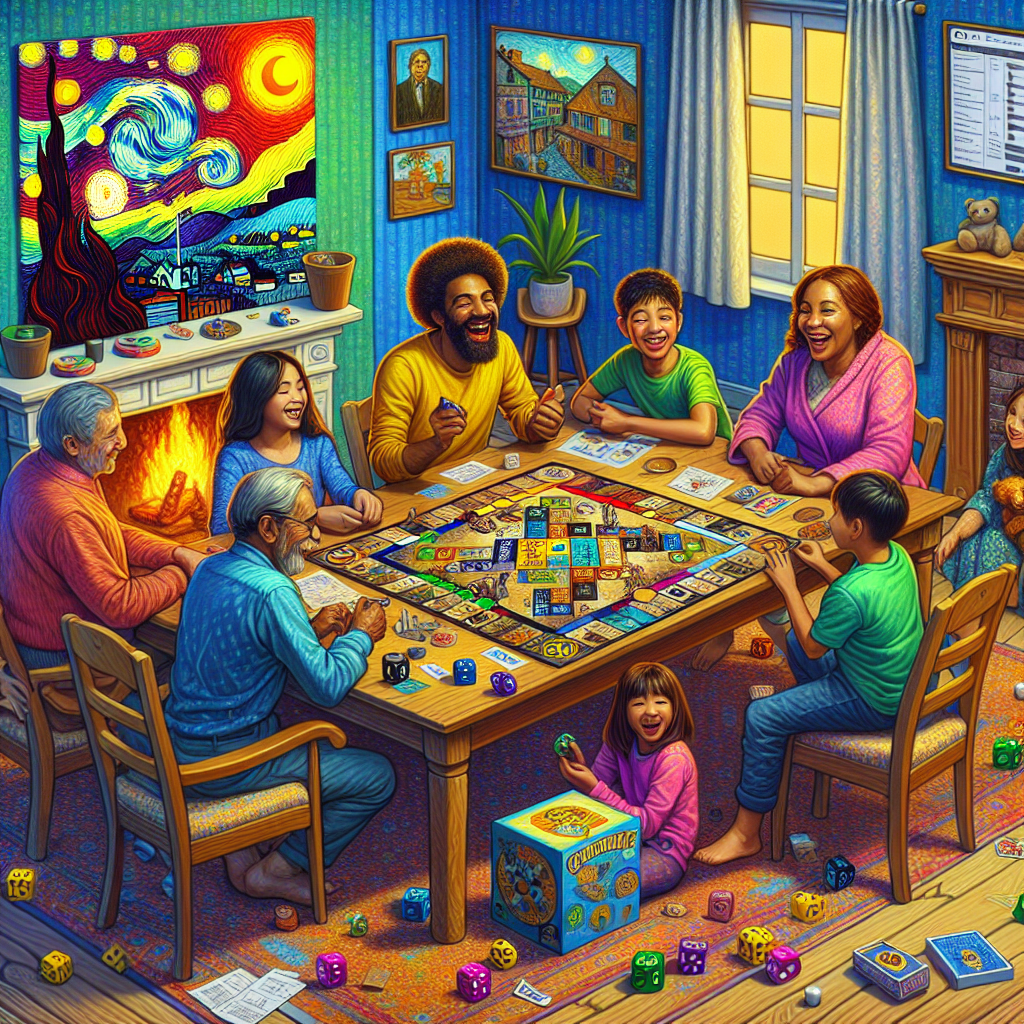
How Does The Game Encourage Player Interaction?
How Does The Game Encourage Player Interaction?
- Player interaction transforms solitary gaming into a dynamic experience.
- Social hubs act as vibrant gathering places for players to connect and share experiences.
- Quests encourage team collaboration, forging connections through shared objectives.
- Competitive elements like leaderboards and tournaments foster rivalry that enhances engagement.
- Communication tools, including chat and voice functions, facilitate deeper interactions among players.
- Every player contributes to a living ecosystem of friendships and alliances within the game.
- Each interaction enriches the gaming experience, turning it into a shared adventure.
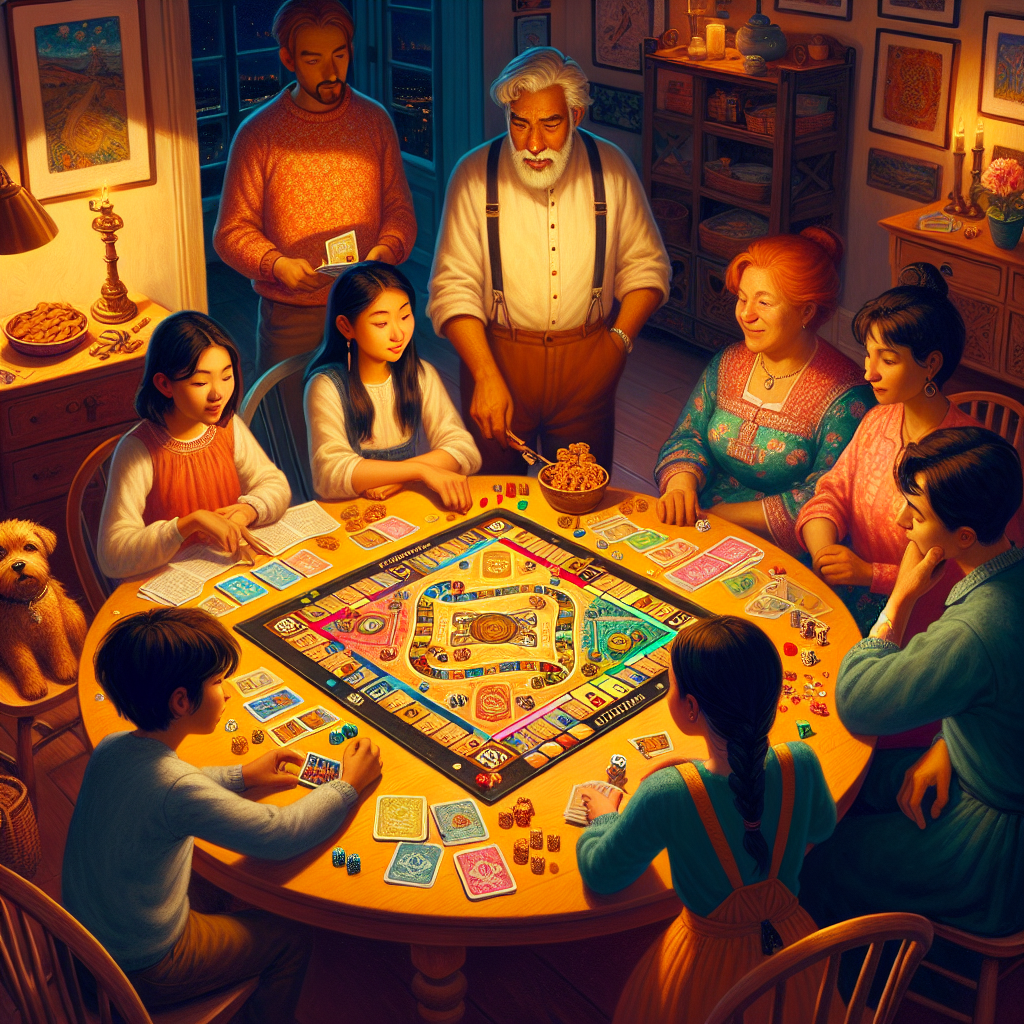
How Does The Game Encourage Player Interaction?
How Long Does A Typical Game Session Last?
When it comes to gaming, the question of how long a “typical” session lasts is as elusive as a rare Pokémon during a thunderstorm. The short answer? It depends.
Picture it: you’ve just settled into your gaming chair after a long day, fueled by a mixture of excitement and caffeine. The console hums to life; the screen glows with possibilities. You think to yourself, “I’ll just play for a quick hour.” But we all know how that story goes. The minutes tick away like hours, and suddenly, you’re deep into a quest that has you battling mythical creatures or conquering alien worlds and time is but a distant memory.
For many casual gamers, a session might last about an hour or two, perfect for unwinding after a day at work or school. It’s that sweet spot—long enough to dive into a game but short enough not to feel like you’ve wasted the entire evening. Games that lend themselves to bite-sized experiences, like puzzle games or mobile apps, can provide instant gratification in as little as 15 to 30 minutes.
Now, for the hardcore enthusiasts, the numbers swell dramatically. These folks often find themselves lost in sprawling multi-hour marathons, sometimes spanning an entire weekend. We’re talking about RPGs, open-world adventures, and competitive online matches, which can stretch into the twilight hours. A typical session for these players could range anywhere from three to five hours or more. And let’s be honest—sometimes, when that epic boss battle beckons, who’s really keeping track of time?
Another factor to consider is community and multiplayer dynamics. Online games thrive on player interaction. A quick match could quickly evolve into a mini-tournament with friends, stretching an hour into several. The shared thrill of victory or the agony of defeat has a way of keeping folks glued to their screens.
Lastly, let’s not forget the age-old adage that time flies when you’re having fun. Whether you’re a casual gamer or a die-hard fan, the experience of gaming often transcends the clock, pulling you into a realm where the only time that matters is the time spent immersed in adventure. So, if you hear someone rattling on about how long their gaming session was, just remember: it’s not about the minutes logged but the memories made in the process.

How Long Does A Typical Game Session Last?
How Long Does A Typical Game Session Last?
- The length of a typical gaming session varies widely among players.
- Casual gamers usually play for about one to two hours for relaxation.
- Quick gaming experiences, like puzzle games or mobile apps, can be done in 15 to 30 minutes.
- Hardcore gamers often engage in marathon sessions lasting three to five hours or even the whole weekend.
- Multiplayer dynamics can extend a quick game into longer sessions due to player interaction.
- Time tends to fly when gamers are having fun, often leading to extended playtime.
- The focus of gaming should be on experiences and memories rather than the exact time spent playing.
How Long Does A Typical Game Session Last?
What Strategies Can Players Use To Win The Game?
In the world of competitive gaming, success doesn’t come from luck alone; it’s a calculated blend of strategy, awareness, and adaptability. Whether you’re traversing a treacherous battlefield, outsmarting an opponent, or building the ultimate fortress, understanding effective strategies can elevate your gameplay from amateur to elite. Here’s a look at some proven tactics players can employ to increase their chances of victory.
Know Your Environment
Before you jump into the action, take a moment to understand the lay of the land. Every game has unique terrains, hiding spots, and resource locations. Mapping out your surroundings can provide you with a tactical advantage. Know where the power-ups spawn, where enemies are likely to lurk, and any escape routes at your disposal. The more familiar you are with your environment, the better your chances of making informed decisions when the heat of competition heats up.
Master the Art of Timing
In any game, timing is everything. Whether you’re launching a surprise attack or waiting for the perfect moment to retreat, the ability to gauge the right timing can turn the tide in your favor. Pay attention to your opponents’ patterns and rhythms; understanding their moves can help you predict their next steps. Sticking to a rigid plan can often lead to disaster, so stay flexible and be prepared to adapt when the moment calls.
Learn From the Best
Even the most seasoned players can benefit from observing the pros. Watch streams, study gameplay videos, and analyze the techniques of top players. Take note of their decision-making processes, positioning, and maneuvers. Many professionals share their thought processes in real time, providing valuable insights that can be applied to your own style of play. Remember, every great player was once a novice; the key is to harness that knowledge.
Communication is Key
Whether you’re playing solo or in a team, effective communication can make all the difference. Relay critical information to your teammates, whether it’s enemy locations, strategy adjustments, or resource needs. Even if you’re playing with strangers, a few well-placed words can foster collaboration and elevate the group’s overall performance.
Practice, Practice, Practice
Finally, there’s no substitute for good old-fashioned practice. Familiarize yourself with game mechanics, refine your skills, and learn from your mistakes. Regardless of the game, spending consistent time honing your craft will pay dividends when it matters most. Embrace both victory and defeat as part of the journey, and watch as your skills grow, paving the way for the wins you seek.
What Strategies Can Players Use To Win The Game?
What Strategies Can Players Use To Win The Game?
- Success in competitive gaming requires strategy, awareness, and adaptability, not just luck.
- Understanding your environment, including terrain and resource locations, can provide a tactical advantage.
- Timing is critical; recognizing the right moment for attacks or retreats can influence the outcome of the game.
- Learning from professional players by watching streams and analyzing their techniques can enhance your gameplay.
- Effective communication with teammates is vital for relaying information and improving overall team performance.
- Consistent practice is essential for refining skills and familiarizing yourself with game mechanics.
- Embrace both victories and defeats as part of the learning journey to improve your gameplay.

What Strategies Can Players Use To Win The Game?
How Is Humor Incorporated Into The Game?
In the realm of gaming, humor often serves as the seasoning that elevates an otherwise ordinary dish. Just as a delightful sprinkle of salt can transform a bland meal into a culinary masterpiece, a well-timed joke or a clever pun can turn a mundane gaming experience into an unforgettable adventure. Developers have become expert chefs in this regard, willingly blending humor into everything from dialogue to gameplay mechanics, ensuring players not only battle ferocious beasts or solve intricate puzzles but also chuckle along the way.
Take, for instance, the colorful world of platformers. Who could forget the nostalgic days of bouncing on platforms while a character delivers witty one-liners that leave you chuckling? It’s not merely about hopping from point A to B; it’s about the melodrama of a cartoonish character stumbling, falling, or engaging in slapstick antics that invite laughter at every turn. The whimsical animations and exaggerated reactions evoke nostalgia while simultaneously reinforcing the joy of play.
Then, there are the RPGs, where conversations become a playground for comic relief. These games often find themselves at the intersection of drama and comedy, creating deep narratives flavored with humor. You have the wise-cracking sidekick—ever ready with a snarky remark—who lightens the perilous atmosphere. Imagine gearing up for a fierce battle with a dragon when your teammate cracks a joke about the dragon’s awful breath. Suddenly, the tension is punctuated with laughter, reminding players that even in the most dire scenarios, humor has its place.
Additionally, many games successfully incorporate tongue-in-cheek references or absurd scenarios that challenge the boundaries of reality. Games that embrace the ludicrous—whether it’s a protagonist wearing a giant fruit costume or a quest revolving around rescuing a stolen pizza—embrace a level of absurdity that leaves players in stitches. It’s an invitation not to take oneself too seriously, to revel in the silliness of the virtual world, and to appreciate the creativity of the developers who dared to take those leaps.
Even mechanics themselves become conduits of humor. Picture a player’s mini-game where they must dodge flying rubber chickens or leap over banana peels. These absurd challenges create moments of levity in otherwise intense gameplay, proving that a good laugh can go hand in hand with victory.
Ultimately, in a world where stakes can be high and narratives can be dramatic, humor acts as a reminder that gaming is, at its core, a celebration of fun. It’s the laughter echoing through dungeons, the cheeky banter during mountaintop conquests, and the joyful absurdity that keeps players coming back for more.
How Is Humor Incorporated Into The Game?
How Is Humor Incorporated Into The Game?
- Humor enhances gaming experiences, much like seasoning improves a meal.
- Developers integrate humor into dialogue and gameplay mechanics for more engaging adventures.
- In platformers, witty one-liners and slapstick antics evoke nostalgia and joy.
- RPGs use comedy in deep narratives, with characters providing comic relief during serious moments.
- Absurd scenarios and tongue-in-cheek references challenge reality and invite players to embrace silliness.
- Gameplay mechanics can incorporate humor, like dodging flying rubber chickens in mini-games.
- Ultimately, humor reminds players that gaming is a celebration of fun amidst high-stakes narratives.
How Is Humor Incorporated Into The Game?
What Themes And Topics Are Covered In The Game?
In this game, players find themselves on a rugged journey that delves deep into the human experience, tackling themes that resonate with grit and authenticity. The narrative weaves together threads of resilience, loss, friendship, and the relentless pursuit of purpose, each one echoing the trials and triumphs that define our very existence.
At its core, the game explores the theme of resilience. Participants encounter challenges that not only test their skills but also their spirit. Characters are faced with insurmountable odds, mirroring the real-world struggles we all experience. It’s about getting knocked down and finding the tenacity to stand up again, a reflection of the human condition that many can relate to. Resilience is not just about bouncing back; it’s about learning, growing, and evolving from each setback, encapsulating the essence of perseverance.
Then there’s the theme of loss, woven intricately into the fabric of the story. Players witness characters grappling with heart-wrenching moments, reminding us that loss is a universal experience. It’s raw and unfiltered, presenting a stark reflection of reality. The characters’ journeys through grief serve as poignant reminders of the importance of cherishing our connections, underscoring that every ending paves the way for new beginnings. Through these narratives, the game invites players to confront their own experiences with loss while fostering a deeper understanding and empathy for others.
Friendship also plays a crucial role in the storyline. The bonds formed in adversity are depicted with heartfelt sincerity, showcasing how true companionship can provide light in the darkest of times. As players navigate treacherous terrains and face daunting decisions, the alliances forged reveal the strength found in unity. It’s this camaraderie that often helps individuals push beyond their limits, emphasizing that together, we are capable of overcoming even the most formidable challenges.
Lastly, the pursuit of purpose is a recurring theme that resonates throughout the game. Characters embark on quests that profoundly challenge their identities and values, leading them to question what they truly stand for. This exploration of purpose encourages players to reflect on their own lives, prompting a deeper inquiry into what drives them forward and keeps them grounded.
In essence, the game doesn’t just offer entertainment; it serves as a medium through which players can pause, reflect, and connect with the very fabric of human experience—one challenge, one loss, one friendship, and one quest for purpose at a time.
What Themes And Topics Are Covered In The Game?
What Themes And Topics Are Covered In The Game?
- The game presents a rugged journey that explores deep human experiences with themes of grit and authenticity.
- Resilience is a core theme, with challenges that test both skills and spirit, reflecting real-world struggles.
- Players witness characters dealing with loss, presenting raw, universal experiences that emphasize the importance of connections.
- Friendship plays a crucial role, showcasing how bonds formed in adversity provide light during dark times.
- The game’s narrative highlights the strength found in unity, demonstrating that together, challenges can be overcome.
- The pursuit of purpose prompts characters to question their identities and values, encouraging personal reflection for players.
- Ultimately, the game serves as a medium for players to pause and connect with essential human experiences through challenges, loss, friendships, and quests for purpose.
What Themes And Topics Are Covered In The Game?
How Does Game Mechanics Enhance Player Engagement?
When it comes to the world of gaming, it’s easy to get swept up in the glimmering graphics and epic narratives. But underneath all the flashy visuals and dramatic storytelling lies a unique set of game mechanics—those carefully crafted systems that drive player engagement. These mechanics are akin to the unsung heroes of the gaming realm, shaping the player experience in ways that often go unnoticed.
Now, let’s break it down. Game mechanics are the rules and systems that govern how players interact with the game. Think of them as the DNA of the virtual universe, providing structure while also allowing for creativity and exploration. From the simplest actions, like jumping and running, to complex systems involving economic trading or social relationships, these mechanics engage players and hook them in.
First off, let’s talk about challenges and rewards. There’s something primal about overcoming obstacles. Mechanics that create challenges, whether through puzzles, quests, or competitive elements, can drive players to dig deeper. When you finally conquer a difficult level or score that elusive achievement, it’s not just a sense of accomplishment; it’s a dopamine hit that keeps you coming back for more. Crafting a rewarding loop encourages players to invest time and effort—turning casual players into die-hard fans.
Next, consider the role of choice. Game mechanics often empower players to make decisions that influence their paths. These choices can range from the mundane, like selecting a weapon or a character skin, to profound impacts on the storyline. When players feel their decisions carry weight, they become emotionally invested. They’re not just playing a game; they’re shaping their own narrative. That sense of ownership cultivates a deeper connection to the world and its characters.
Let’s not forget the social dynamics at play. Many modern games employ mechanics that foster collaboration or competition among players. Cooperative mechanics encourage teamwork and camaraderie; competitive mechanics drive rivalries and enhance the thrill of victory. Engaging with others unleashes a whole new layer of excitement and urgency, making the gaming experience not just about individual success but about belonging to a larger community.
So, wrap all this together—game mechanics enhance player engagement by creating challenges, offering meaningful choices, and fostering social interactions. They are the invisible threads that weave players into the fabric of the game, drawing them into a universe where every decision counts and every achievement feels monumental. In the grand tapestry of gaming, these mechanics are the glue that keeps us glued to our screens, eager to embark on one more adventure.
How Does Game Mechanics Enhance Player Engagement?
How Does Game Mechanics Enhance Player Engagement?
- Game mechanics are the foundational rules and systems influencing player interactions in gaming.
- They serve as the “DNA” of games, providing structure while enabling creativity and exploration.
- Challenges and rewards in game mechanics drive player engagement and foster a sense of accomplishment.
- Players feel emotionally invested when their choices impact gameplay and narrative direction.
- Social dynamics in games promote collaboration and competition among players, enhancing the experience.
- Game mechanics draw players into an immersive universe where every decision matters.
- These mechanics are essential to maintaining player interest and creating memorable adventures.
How Does Game Mechanics Enhance Player Engagement?
What Demographics Are Drawn To Trust Me, I’M A Doctor?
What Demographics Are Drawn To Trust Me, I’m A Doctor?
When you look at the audience of *Trust Me, I’m A Doctor*, it’s like peering into a kaleidoscope of curiosity and diversity. The show attracts a broad range of viewers, from the health-conscious millennials seeking the latest wellness trends to seasoned baby boomers eager for trusted medical advice. It’s a melting pot of demographics, each drawn in by its own thread of intrigue.
You’ve got the millennials, the generation that grew up with Google at their fingertips. They’re savvy, skeptical, and always hunting for the next breakthrough in health that’s going to elevate their fitness game or solve the latest fad diet conundrum. This group thrives on information, and *Trust Me, I’m A Doctor* provides the kind of relevant content that matches their quest for not just knowledge, but actionable insights. They tune in to debunk myths, challenge popular health claims, and stay ahead of wellness trends—while comfortably digesting their avocado toast.
On the other end of the spectrum, you find the baby boomers, who are navigating an ever-shifting landscape of health as they age. Their concerns are often more visceral—think chronic conditions, preventative measures, and maintaining quality of life. They’re not just passive observers; they’re actively engaged in a quest to manage their health. This demographic appreciates the practical advice delivered in an approachable manner, stripping away the jargon and ultimately making complex medical concepts digestible. They see the show as a trusted companion in their journey toward smarter health decisions.
And let’s not forget those who fall somewhere in between these two groups—the Gen Xers—who balance family health matters with their own well-being. They’re often the caretakers, juggling the needs of their children and aging parents, all while striving to maintain their own health. This multifaceted audience is drawn to the show for its relatability and its validation of their everyday health concerns, offering reassurance that they aren’t alone in the chaos.
Finally, let’s pay homage to the curious and the concerned—those who aren’t typically a part of any defined demographic group but still crave knowledge to make informed choices about their health. They tune into *Trust Me, I’m A Doctor* out of a fundamental desire to understand the mechanics of their bodies and the science behind their lifestyle choices. It’s an eclectic mix, and that’s the beauty of it—the show resonates with anyone who has ever sought clarity in a world brimming with health information.
What Demographics Are Drawn To Trust Me, I’M A Doctor?
What Demographics Are Drawn To Trust Me, I’M A Doctor?
- *Trust Me, I’m A Doctor* attracts a diverse audience with varying demographics.
- Millennials seek the latest wellness trends and actionable health insights.
- Baby boomers focus on chronic conditions and value practical, jargon-free advice.
- Gen Xers balance family health needs while managing their own well-being.
- The show appeals to those craving knowledge about their health and lifestyle choices.
- Viewers tune in to debunk myths and challenge popular health claims.
- The eclectic mix of audience members reflects a shared desire for clarity in health information.
What Demographics Are Drawn To Trust Me, I’M A Doctor?
What Are The Key Strategies For Winning The Game?
Winning isn’t just about brute strength or sheer luck; it’s a finely-tuned mix of strategy, preparation, and a touch of intuition that can make all the difference. Whether you’re facing off on the field, the court, or any competitive arena, let’s break down some essential strategies that might just give you the edge you need.
First and foremost, know your opponent. Understanding the strengths, weaknesses, and tendencies of those you’re up against is crucial. Imagine stepping into a boxing ring. You wouldn’t throw punches blindly; you’d study your opponent’s stance, their guard, and their moves. The same goes for your competitors. Watch their previous games, analyze their strategies, and take mental notes. Knowledge is power, my friend, and it can be your best weapon.
Next, focus on teamwork. No one wins a game alone. Even the most skilled individuals rely on their teammates to execute a plan. Communication is key; it’s essential to have clear and open lines of dialogue among players. Whether it’s a quick shout on the field or a nod during a critical play, being in sync can mean the difference between success and failure. Build trust with your teammates, as they are your allies in the heat of battle.
Preparation can’t be overstated—practice relentlessly. Put in the hours, sweat the small stuff, and keep refining your skills. The greats didn’t get there by wishing upon a star; they did the work. Regular drills, scrimmages, and strategies rehearsed under pressure build not just skill but also confidence. When game day arrives, that preparation translates into instinctual play, freeing you to make swift decisions in the crunch moments.
Another critical strategy is to stay adaptable. Rigidity can be a competitor’s downfall. The game evolves, and unexpected scenarios arise. Think on your feet and have contingency plans ready. If a play doesn’t unfold as expected, pivot swiftly without losing your focus. Flexibility allows you to capitalize on opportunities that others may miss.
Finally, maintain a winning mindset. Confidence, resilience, and a positive attitude go a long way. There will be setbacks; the key is to learn and shake them off without letting them define your performance. Cultivating mental fortitude ensures that you remain poised under pressure and can rise to the occasion when it counts.
In a nutshell, winning is a multi-faceted endeavor. By knowing your opponent, working as part of a cohesive team, putting in the countless hours of practice, staying adaptable, and maintaining a positive outlook, you’re not just hoping for victory—you’re strategizing for it. Now, go out there and play to win!
What Are The Key Strategies For Winning The Game?
What Are The Key Strategies For Winning The Game?
- Winning involves strategy, preparation, and intuition, not just strength or luck.
- Knowing your opponent’s strengths and weaknesses is crucial for developing effective strategies.
- Teamwork and communication among players enhance chances of success.
- Consistent practice and refinement of skills are essential for building confidence and instinctual play.
- Staying adaptable to changing circumstances and having contingency plans is vital for capitalizing on opportunities.
- Maintaining a winning mindset with confidence and resilience helps overcome setbacks.
- Strategizing through understanding opponents, effective teamwork, preparation, adaptability, and a positive attitude is key to achieving victory.
What Are The Key Strategies For Winning The Game?
How Do Social Dynamics Influence Gameplay?
When we think about gaming, we often picture pixelated heroes battling pixelated foes, navigating constraints of time and space. Yet, beneath the surface lies a complex web of social dynamics that shapes our experiences far beyond the screen. The interactions between players, their motivations, and their chosen strategies unfold in real-time and significantly influence how a game evolves, becoming a living organism of sorts—a delicate dance of cooperation and competition.
Picture a multiplayer online game. You’re not just a lone warrior on a quest; you’re part of a vast community, populated by individuals with varying skills, backgrounds, and temperaments. Here, alliances are forged in the heat of battle, friendships blossom over shared victories, and rivalries can ignite with a single ill-timed comment in the chat box. Each player brings their unique flavor to the mix, and this diverse interaction colors the gameplay, giving rise to dynamic shifts in tactics and playstyles.
But the influence isn’t just about who’s in the room; it also hinges on the social hierarchies and norms that develop. Consider the role of the leader—a charismatic figure who can rally others, turning a disparate group of avatars into a formidable force. Their ability to inspire trust, motivate teammates, and enact strategies can mean the difference between victory and defeat. Conversely, a toxic environment fostered by a few negative players can suffocate enthusiasm and stifle creativity, leading even the strongest of teams to falter.
Moreover, social dynamics often dictate how players approach in-game objectives. Some thrive on collaboration, forming tight-knit guilds that tackle massive challenges with joint effort. Others, preferring a more solitary path, focus on personal achievements and individual accolades. This interplay affects not only the immediate game outcome but also the wider gaming community, crafting narratives and shared histories that extend well beyond the confines of gameplay.
In essence, how we interact with one another in the gaming world transcends mere clicks and commands; it’s an intricate dance that can elevate the experience from mundane to memorable. Recognizing the weight of these social dynamics can deepen our understanding of the games we love and perhaps even teach us something about ourselves. After all, each session is more than a series of quests; it’s a social experiment where human behavior takes center stage, reminding us that, at the end of the day, we’re all players in this grand game called life.
How Do Social Dynamics Influence Gameplay?
How Do Social Dynamics Influence Gameplay?
- Gaming extends beyond pixelated battles, involving complex social dynamics that shape player experiences.
- Multiplayer games create communities with diverse skills, backgrounds, and motivations, impacting gameplay.
- Interactions between players lead to the formation of alliances, friendships, and rivalries that enrich the game.
- Social hierarchies and norms, exemplified by charismatic leaders, influence team dynamics and success.
- A toxic player environment can dampen enthusiasm and creativity, affecting even strong teams.
- Players approach objectives differently, with some favoring collaboration while others focus on individual achievements.
- Understanding social dynamics enhances our appreciation of gaming and reflects broader human behavior.
How Do Social Dynamics Influence Gameplay?
What Challenges Do Players Face During Trust Me, I’M A Doctor?
In the world of Trust Me, I’m A Doctor, the challenges are as intense as they are unpredictable. Players find themselves navigating a whirlwind of medical scenarios that test not only their knowledge but also their composure under pressure. Imagine standing in front of a crowd, with the weight of a stethoscope dangling from your neck, and the eyes of your peers trained on you as they await your diagnosis. Sounds easy, right? Think again.
First off, the knowledge barrier is a formidable foe. Players must familiarize themselves with an array of medical terminologies, symptoms, and treatments that can send even the most dedicated armchair doctor into a tailspin. It’s akin to trying to master a foreign language overnight—each term is a potential lifebuoy or anchor, depending on how well it’s understood. As players grapple with complex medical scenarios, the stakes feel alarmingly high, and the pressure mounts to exhibit expertise that often comes only with years of experience.
Then, there’s the psychological component. The real test lies not just in spouting off correct answers but in exuding confidence in the face of uncertainty. Making decisions with limited information—like diagnosing a rash while the patient’s family nervously paces in the waiting room—is a challenge that can rattle even the steeliest nerves. The psychological weight can be a double-edged sword, bringing out sharp instincts in some but overwhelming paralysis in others.
Team dynamics add another layer of complexity. In many cases, players must work in squads, where collaboration and communication are crucial. A single misstep—like failing to relay vital information—can spiral into a greater issue, jeopardizing the team’s entire approach. Players must cultivate trust among their peers, yet also balance their individual ambitions with the collective goal of delivering patient care. Who steps up to lead, and who takes a backseat? The dynamic can fluctuate rapidly, requiring players to pivot their strategies mid-game.
Finally, let’s not forget the ticking clock. Each scenario is a race against time, where players feel compelled to make quick yet informed decisions. This relentless countdown can create a level of anxiety that colors every choice made. In Trust Me, I’m A Doctor, players are not just battling complex medical puzzles; they are wrestling with the very essence of decision-making under pressure. Ultimately, it’s a gut check that tests not only their intellect but their courage in the most pressing situations. So, grab your lab coat and prepare for a rollercoaster ride of intrigue, because in this arena, every choice counts.
What Challenges Do Players Face During Trust Me, I’M A Doctor?
What Challenges Do Players Face During Trust Me, I’M A Doctor?
- Players navigate intense and unpredictable medical scenarios in “Trust Me, I’m A Doctor.”.
- Knowledge barrier requires familiarity with complex medical terminologies, symptoms, and treatments.
- The psychological component tests players’ confidence and decision-making under uncertainty.
- Team dynamics are essential, where collaboration and communication can impact patient outcomes.
- Players must balance individual ambitions with the collective goal of effective patient care.
- Each scenario involves time constraints, increasing pressure to make quick, informed decisions.
- The game challenges players’ intellect and courage in high-stakes medical situations.

What Challenges Do Players Face During Trust Me, I’M A Doctor?
Why Do Players Keep Coming Back For More Sessions?
In the bustling world of gaming, the phenomenon of players returning for more sessions is a testament to something profound at work—an intricate blend of challenge, community, and the simple joy of play. Let’s peel back the layers of this captivating engagement.
First off, there’s the thrill of challenge. Many players are driven by the desire to conquer the next level, beat their high score, or unlock that elusive achievement. It’s much like climbing a mountain; each ascent might test your skills and resolve, but the view from the top makes every struggle worthwhile. Each session offers fresh hurdles, new strategies to master, and that sweet, sweet taste of victory when everything comes together perfectly. It’s a cycle of failure and triumph that keeps players coming back, eager for another go at the game that refuses to let them give up.
Next up is the undeniable power of community. Unlike the solitary pursuits of yesteryear, gaming today is a social affair. Players gather in virtual realms, forging friendships that often extend beyond the game itself. Those late-night raids or cozy co-op sessions foster camaraderie that can’t easily be replicated elsewhere. There’s something magical about sharing victories and defeats, strategizing together, and laughing in the face of digital nemeses. This sense of belonging—like being part of an exclusive club where everyone shares a common interest—fuels the desire to return. After all, who wants to miss out on the next big adventure with their friends?
Let’s not forget the allure of exploration and creativity. Games offer vast, vibrant worlds filled with untold stories waiting to be experienced. Whether it’s crafting a perfect city, solving intricate puzzles, or unraveling the lore of a beautifully crafted universe, there’s something to ignite the imagination in every session. Players are not just participants; they are explorers, creators, and storytellers. Each new session is an invitation to dive deeper into these expansive narratives and to alter the very fabric of the world they inhabit.
The convergence of challenge, community, and creative exploration creates a magnetic pull. Players find themselves at the intersection of accomplishment and companionship, where every session is an opportunity not just to play but to grow. And therein lies the secret—once you’ve tasted that, who could resist coming back for more?
Why Do Players Keep Coming Back For More Sessions?
Why Do Players Keep Coming Back For More Sessions?
- The thrill of challenge keeps players engaged, motivating them to conquer levels and unlock achievements.
- Each gaming session presents fresh hurdles that test skills and provide a rewarding sense of victory.
- The power of community enhances the gaming experience, fostering friendships and shared adventures.
- Collaborative gameplay, such as late-night raids, creates camaraderie that strengthens the desire to return.
- Players enjoy exploration and creativity, engaging with vast worlds filled with stories and opportunities to create.
- Gaming transforms players into explorers and storytellers, enhancing the immersive experience.
- The combination of challenge, community, and creativity creates a magnetic pull, encouraging players to return for more.

Why Do Players Keep Coming Back For More Sessions?
How Does The Game Foster Teamwork And Competition?
When you think about teamwork and competition, what often comes to mind is a well-oiled machine-of-sorts, where each cog needs to engage precisely with the others. And that’s exactly what happens in this game. It’s a dynamic blend of collaboration and individual prowess, making it a rich breeding ground for both camaraderie and competition.
At the heart of the game lies the essence of teamwork. Players are not just isolated units, roaming through their own solo escapades; instead, they are part of a larger fabric where each thread contributes to the overall design. Strategic planning becomes crucial as participants must communicate effectively, sharing insights and coordinating moves. A simple yet profound aspect of teamwork is in the trust built among players. When one player takes a risk or makes a bold move, the rest must step in to support that decision, reinforcing the bond and encouraging a group mentality. It’s like watching a dance unfold, where everyone knows their steps but also adapts to the rhythm set by their fellow dancers.
Now, let’s talk about competition. This game doesn’t shy away from the thrill of one-upping the opponent. Players thrive on the adrenaline that comes with pushing boundaries and striving for excellence. It serves as a catalyst for sharpening skills and testing limits. But here’s the kicker—it’s not just about beating the other players; it’s about being the best version of yourself. The competition dovetails seamlessly with teamwork; as players push each other to improve, they are often dependent on their teammates to reach those heights. A friendly rivalry cultivates personal growth while also enhancing the overall performance of the group.
What’s particularly striking is how the game fosters resilience, both individually and collectively. It’s not all glory and triumph; setbacks are inevitable in both the cooperative and competitive arenas. With every stumbling block, players must rally their teammates and rebuild, fostering a community that supports one another through thick and thin. This synergistic relationship transforms failures into learning opportunities and cultivates a resilient spirit that permeates the team dynamic.
So whether you’re strategizing around a table or competing in the digital arena, this game becomes more than just points on a scoreboard. It becomes a lesson on the power of collaboration amidst healthy competition, teaching participants that while winning feels great, it’s the bonds built along the way that truly define victory.
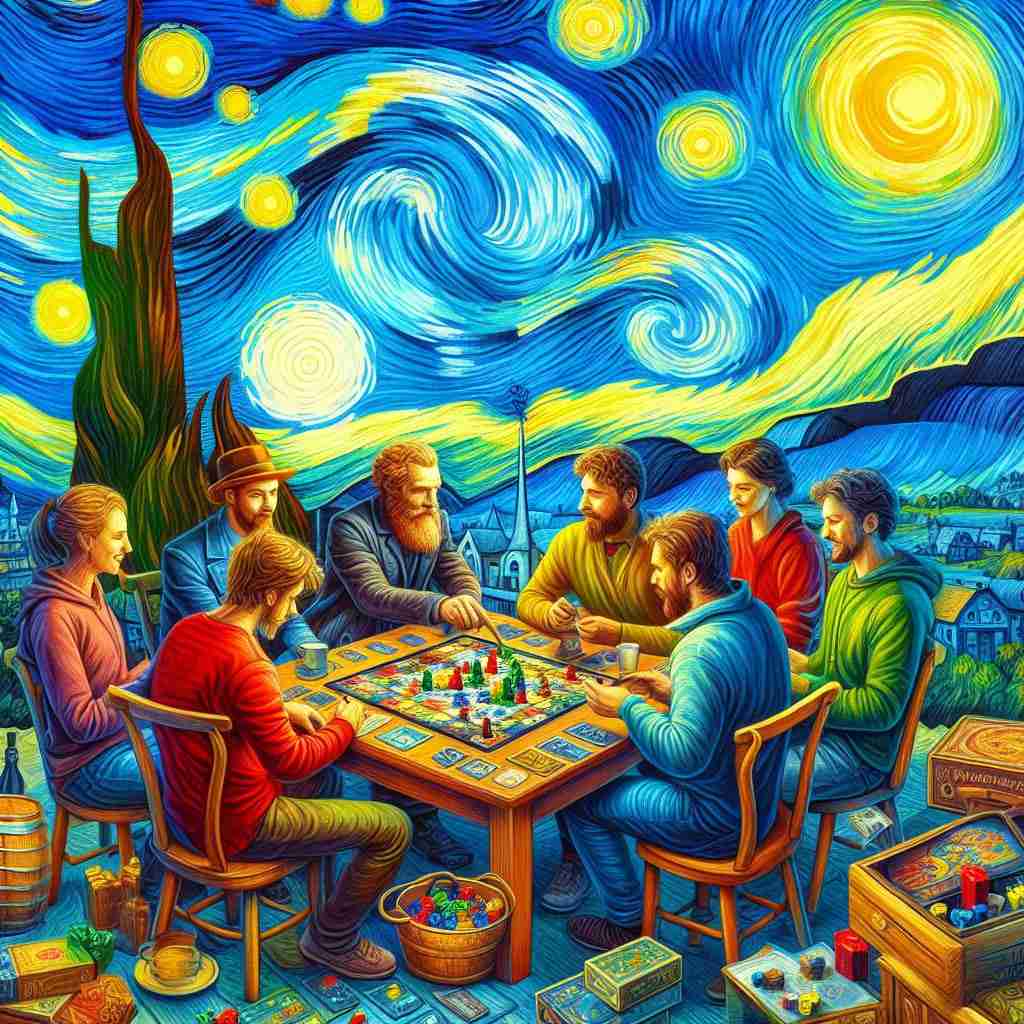
How Does The Game Foster Teamwork And Competition?
How Does The Game Foster Teamwork And Competition?
- The game embodies a blend of teamwork and individual skill, creating camaraderie and competition.
- Teamwork is essential, with players contributing to a collective strategy rather than playing in isolation.
- Effective communication and trust among players are critical for supporting bold moves and fostering group cohesion.
- Competition provides a thrilling environment that encourages players to push their limits and seek personal excellence.
- Players depend on their teammates for improvement, promoting a culture of friendly rivalry that enhances group performance.
- The game nurtures resilience, as players support each other through setbacks and turn failures into learning opportunities.
- Overall, it teaches the value of collaboration in healthy competition, emphasizing that relationships are the true measure of victory.
How Does The Game Foster Teamwork And Competition?
What Reviews Or Feedback Highlight Its Appeal?
When it comes to gauging the appeal of any product, project, or experience, few things carry as much weight as the words of those who’ve already taken the plunge. You can build a beautifully crafted sales pitch, but it’s the reviews and feedback that really tell the story. They slice through the marketing jargon and reveal the raw truth that lies beneath.
Take a moment to scroll through the reviews on this particular offering, and you’ll find a tapestry of opinions, woven together by a shared experience. What do people love? For starters, it’s the authenticity—an unmatched sincerity that resonates with users from all walks of life. Reviewers often laud that it’s not just a service or product; it’s a connection to something real. When they engage with it, they feel as though they’re part of a community, not just a transaction. It’s this sense of belonging that many identify as a cornerstone of its appeal.
But that’s just the tip of the iceberg. Praise often flows in torrents over the sheer quality of what’s on offer. Users speak with contagious enthusiasm about the effectiveness and reliability. They appreciate the attention to detail—a hallmark of craftsmanship that doesn’t go unnoticed. It’s the little things that make a big difference, whether it’s the intuitive design that enhances user experience or the durability that speaks to a commitment to excellence. Many a review waxes poetic about how it exceeds expectations, turning the mundane into the extraordinary.
Then there’s the emotional resonance, a thread that runs through countless testimonials. Whether it’s the joy of learning something new or the satisfaction of achieving a long-sought goal, users often express a sense of fulfillment that reaches beyond the surface. They paint vivid pictures of personal triumphs and shared moments, illustrating how this product or service played a pivotal role in those experiences.
Lastly, it’s worth noting the dedication shown by those behind this offering. Reviewers often commend the responsive support and the willingness to listen to feedback. It’s not just about selling; it’s about fostering relationships, and people recognize that. When users feel heard and valued, they become advocates, spreading the word and building a community, one testimonial at a time.
It’s the blend of authenticity, quality, emotional connection, and customer care that aligns beautifully, making it clear why so many can’t help but share their positive experiences. It’s an appeal that’s as genuine as it gets.

What Reviews Or Feedback Highlight Its Appeal?
What Reviews Or Feedback Highlight Its Appeal?
- The words of prior users provide significant insight into a product’s appeal.
- Reviews cut through marketing language to reveal the authentic experience.
- Users appreciate the sense of community and connection rather than just a transactional relationship.
- Quality and attention to detail receive widespread praise from enthusiastic users.
- Emotional resonance is a common theme, with users sharing personal triumphs and satisfaction.
- Responsive support and a focus on customer relationships enhance user loyalty.
- A combination of authenticity, quality, emotional connection, and customer care drives positive testimonials.
What Reviews Or Feedback Highlight Its Appeal?
How Can New Players Quickly Learn The Game?
For those fresh-faced newcomers stepping onto the sometimes bewildering battlefield of gaming, it can feel like you’ve just landed in a foreign country where the language is a mix of code and click. But fear not, my friends, because learning the ropes doesn’t have to be a Herculean task—if you know where to start.
First off, let’s talk about resources. The internet is a treasure trove of guides, forums, and videos that can serve as your compass in this uncharted territory. Seek out tutorials on platforms like YouTube, where seasoned players break down tricks and strategies that can save you from utter humiliation. A well-crafted beginner’s guide can turn the tide, transforming what seems like a chaotic mess into a manageable roadmap.
Next, dive into the community. Gamers are a varied bunch, and many are eager to share their hard-earned wisdom. Join forums or social media groups dedicated to the game you’re playing. Whether it’s discussing strategies or laughing about your latest blunders, these interactions can provide nuggets of insight that you won’t find in any manual. Remember, everyone was a novice at some point, and chances are there are others waiting to welcome you to the fold.
Now, let’s talk practice. You’ve heard the saying, “practice makes perfect,” and it certainly rings true in gaming. Don’t shy away from the less glamorous parts of your journey, like grinding through the early levels. Each struggle is a step toward mastery. Embrace the learning, even if it feels more like stumbling at times. The more you play, the more familiarity breeds comfort.
Another trick of the trade is to focus on one aspect of the game at a time. Whether it’s mastering a character, learning the maps, or understanding the mechanics, breaking it down into bite-sized chunks will prevent that overwhelming feeling of information overload. Concentrate, absorb, and then move on to the next challenge. It’s like learning to ride a bike; first, you need to find your balance before you start gaining speed.
Finally, don’t forget the power of curiosity. Ask questions; seek clarification when something befuddles you. The inquisitive spirit will fuel your progress and keep the experience enjoyable. Gaming isn’t just about winning; it’s about the journey. So strap on your virtual gear, keep your head up, and remember: the most seasoned players were once in your shoes. Dive in, and you might just find a world waiting to be discovered.
How Can New Players Quickly Learn The Game?
How Can New Players Quickly Learn The Game?
- Newcomers to gaming may feel overwhelmed, like being in a foreign land.
- The internet offers numerous resources such as guides, forums, and videos to assist beginners.
- Engage with the gaming community through forums and social media for tips and camaraderie.
- Practice is essential; every struggle contributes to skill mastery, so embrace the learning process.
- Focus on mastering one game aspect at a time to avoid feeling overwhelmed.
- Maintain curiosity by asking questions and seeking clarification to enhance your experience.
- Remember that every expert was once a beginner; approach gaming as a journey of discovery.
How Can New Players Quickly Learn The Game?
What Expansions Or Variations Exist For Increased Fun?
What Expansions or Variations Exist for Increased Fun?
When you delve into the world of board games, it’s like unearthing a treasure chest filled with endless possibilities. It’s not just about the game itself; it’s about the twists and variations that can transform an ordinary evening into an extraordinary experience. Let’s face it, who doesn’t want the chance to spice things up every now and then?
Take the classic game of Settlers of Catan, for instance. Sure, it’s a blast to trade sheep and build roads, but introduce the “Seafarers” expansion, and suddenly you’re sailing the high seas, uncovering new islands, and vying for domination over maritime trade routes. The beauty is in its complexity; the original mechanics remain, but now you have additional strategies to master, alliances to forge, and new stories to tell.
Then there are the themed variations. Imagine hosting a game night where instead of gathering resources, you’re organizing a zombie apocalypse survival plan with a game like Zombicide. With different characters, unique missions, and the constant threat of undead hordes, it’s more than a game; it’s an immersive experience that ignites your inner strategist and survivor.
Let’s not overlook the expansion packs that offer new characters or roles. Dungeons & Dragons, for example, has a wealth of supplementary materials, from new classes to entire campaign settings that can inject fresh life into your sessions. Whether you’re a noble paladin or a cunning rogue, these expansions can vastly change the dynamics of your group—or should I say “party”—by introducing new personalities, abilities, and epic quests.
And how about those party games that encourage players to let their hair down? Expansions for games like Cards Against Humanity or Codenames can bring in raucous laughter and wild imagination. New cards or roles can create an atmosphere that promotes creativity and brings out sides of players you didn’t even know existed.
It’s all about keeping the spirit of fun alive. Variations and expansions breathe new life into tried-and-true favorites, offering alternate perspectives and fresh challenges. So, whether you’re unpackaging a new box or tweaking the rules of a beloved classic, remember: the goal is to have fun, forge connections, and turn that game night into a memorable adventure. Embrace the chaos, revel in the unexpected, and let the good times roll!

What Expansions Or Variations Exist For Increased Fun?
What Expansions Or Variations Exist For Increased Fun?
Here’s the summary presented as a formatted bulleted HTML list:
- Board games offer endless possibilities for fun through expansions and variations.
- The “Seafarers” expansion of Settlers of Catan introduces maritime strategies and new gameplay elements.
- Themed game nights, such as Zombicide, create immersive experiences focused on unique missions and challenges.
- Dungeons & Dragons expansions add new characters and campaign settings, altering group dynamics and gameplay.
- Party game expansions, like those for Cards Against Humanity, enhance creativity and promote a lively atmosphere.
- Variations and expansions breathe new life into classic games, providing fresh challenges and perspectives.
- The essence of game night is to have fun, create connections, and embrace the unexpected.
What Expansions Or Variations Exist For Increased Fun?
How Does This Game Compare To Other Party Games?
When diving into the vibrant pool of party games, it’s essential to understand how this particular title stacks up against its competitors. The world of party games is rich and diverse, much like a well-stocked buffet, with each option serving up its unique blend of flavor, engagement, and memorable moments. This game, with its seamless blend of strategy, humor, and straightforward mechanics, stands out in a sea of traditional options, and here’s why.
First, let’s talk about accessibility. Many party games can feel exclusive or complex, requiring a manual thicker than a college textbook. This game, however, welcomes players with open arms, inviting both seasoned veterans and curious novices alike to join in the fun without the anxiety of grappling with intricate rules. It offers a refreshing break from the usual brain-bending mechanics, allowing players to focus on the joy of interaction rather than the stress of strategizing.
Then there’s the element of camaraderie. At its core, this game encourages players to connect, laugh, and engage in a way that few others can. While some party games lean too heavily on competition, almost encouraging rivalries that can leave a sour note, this game strikes an impressive balance. It infuses teamwork and collaboration into the mix, fostering an atmosphere where laughter prevails over animosity, and friendships are strengthened rather than strained.
Now, let’s examine longevity. One of the pitfalls of many party games is the risk of becoming stale after a handful of plays. This title, however, dynamically evolves with each session. Whether it’s the unpredictable twists that emerge through player choices or the humor that unfolds in unexpected moments, you’ll find that it has the capacity to keep the experience fresh. Players can dive into a myriad of strategies and approaches, ensuring that each game feels new, even after repeated visits.
The aesthetic appeal of the game shouldn’t be overlooked either. The design and artwork speak to the spirit of fun, enhancing the overall experience. In a world where visuals can often be an afterthought, this title goes above and beyond to create an inviting atmosphere that brings people to the table, eager to see what comes next.
In summary, when comparing this game to other offerings in the party game genre, it becomes clear that it’s a refreshingly accessible adventure. From its engaging interactions to its inherent ability to foster friendships, it shines brightly against a backdrop of familiarity, making it a standout choice for gatherings big and small.

How Does This Game Compare To Other Party Games?
How Does This Game Compare To Other Party Games?
- This party game stands out due to its unique blend of strategy, humor, and simple mechanics.
- It offers accessibility for both experienced players and novices, avoiding complex rules.
- The game promotes camaraderie and collaboration, fostering laughter and strengthening friendships.
- It avoids the risk of becoming stale by evolving with each session and player choices.
- The humor and unpredictability add freshness to repeated plays, keeping the experience enjoyable.
- Its impressive design and artwork enhance the inviting atmosphere for players.
- Overall, it is a refreshingly accessible and engaging choice for diverse gatherings.
How Does This Game Compare To Other Party Games?
How Can You Effectively Host A Game Night Featuring This Title?
Hosting a game night isn’t just about slapping a few snacks on the table and hoping for the best. No, my friends, it’s a meticulous dance of strategy, atmosphere, and a wee bit of improvisation that can turn an ordinary evening into an unforgettable experience. So, if you’re planning a showdown featuring this title, buckle up, and let’s get down to brass tacks.
First, let’s talk atmosphere. Lighting is key. You don’t want harsh fluorescent lights glaring down like you’re in a dentist’s office. Instead, aim for warm, inviting light—think lamps, fairy lights, or even some well-placed candles. Set the mood with a playlist that complements the theme of your game. Whether it’s suspenseful soundtracks or upbeat tunes, music can kick your game night into high gear.
Next, let’s address the snacks. No one wants to be elbow-deep in chips while trying to strategize their next move. Keep it simple and fun. Finger foods like sliders, veggie platters, or even a nacho bar offer easy munching options. If you want to elevate the experience, theme your refreshments after the game. It’s a small detail, but it shows dedication and sets an immersive tone.
Now, you’ve got your ambiance and your snacks. But what about the players? Gather your crew, each with a healthy dose of competitive spirit but also an understanding that it’s all in good fun. Before diving into the game, take the time to explain the rules clearly, with extra emphasis on any nuances that could trip folks up. You want everyone to have a fair shot, and a clear understanding can prevent any potential squabbles over the game board.
As the game rolls on, remember that the ultimate goal is engagement and laughter. Be ready to adapt on the fly—sometimes, the most memorable moments come from spontaneous detours or a surprise guest. Encourage friendly banter, but also keep an eye on the scoreboard. When emotions run high, take a breather to remind everyone that it’s just a game—unless, of course, it’s that title we all know can spark some fierce rivalries.
Lastly, don’t forget to capture the moments. Snap photos, record the laughter, and share those triumphs and defeats. At the end of the night, you’re not just walking away with potential bragging rights; you’re building lasting memories with your friends. So, there you have it—an effective blueprint for hosting a game night that’ll have everyone talking long after the last piece’s been played. Now get out there and make it happen!
How Can You Effectively Host A Game Night Featuring This Title?
How Can You Effectively Host A Game Night Featuring This Title?
- Game night requires careful planning, strategy, and a welcoming atmosphere.
- Set the right mood with warm lighting and a themed music playlist.
- Choose simple, finger-friendly snacks that align with the game’s theme.
- Gather a competitive yet friendly group and clarify the game rules beforehand.
- Focus on engagement and laughter, being adaptable to spontaneous moments.
- Encourage friendly banter while keeping track of scores to maintain fun.
- Capture the evening with photos to create lasting memories with friends.
How Can You Effectively Host A Game Night Featuring This Title?
Conclusion
Conclusion: Why “Trust Me, I’m a Doctor” is the Party Game Everyone is Talking About
Let’s face it, folks: we live in a world where predictability often rules the day, and genuine laughter can be harder to come by than a raincoat in a drought. Enter “Trust Me, I’m a Doctor,” a party game that shoves aside the mundane and beckons players with an irresistible blend of humor, creativity, and social interaction. If you’re wondering what makes this game so appealing, well, it all boils down to a few key ingredients that stir up a delightful concoction of banter and bonding.
First off, the core premise is a riot. Players transform into self-proclaimed medical experts, concocting outrageous medical claims that no sane person would believe. It’s a lunatic’s daydream where the erratic nature of human behavior shines. And let’s be honest, there’s something cathartic about letting loose and embracing our inner goofballs, even if it involves pretending that a banana peel is the key to a healthier lifestyle. It’s all in fun and games, and that playful absurdity infuses joy into everyone’s face.
But “Trust Me, I’m a Doctor” doesn’t just stop at humor; it pulls people together in a way that most modern entertainment simply doesn’t. Players gather around tables instead of screens to engage in raucous laughter and spirited debates about who’s lying through their teeth and who might just be onto something. It’s a refreshing reminder that social life, with all its ups and downs, thrives on connection, shared experiences, and the delightful chaos that ensues when the stakes are fanciful and the stories are even more outlandish.
Another sweet spot of this game is its inherently competitive nature. Nothing spices up a gathering like a friendly rivalry, and when players start flexing their persuasive muscles, the potential for hilarity and mishaps skyrockets. “Trust Me, I’m a Doctor” serves as a pressure cooker for creativity, encouraging participants to dream up the wildest schemes to stay ahead. With laughter echoing, the ordinary morphs into extraordinary, turning an evening with friends into a cascade of unforgettable moments.
So, if you’re on the fence about your next game night, do yourself a favor: ditch the predictable games and give “Trust Me, I’m a Doctor” a shot. Grab some friends, throw conventionality out the window, and prepare for a night filled with laughter that makes you question everything you thought you knew about medical expertise—or lack thereof. After all, in this game, the only thing that can hold you back is a lack of imagination. Now go on, embrace the absurd!
Conclusion
Conclusion:
- “Trust Me, I’m a Doctor” is a party game that combines humor, creativity, and social interaction.
- Players take on the role of self-proclaimed medical experts, creating outrageous and unbelievable medical claims.
- The game fosters a cathartic experience, allowing players to embrace their playful side.
- It encourages social engagement by gathering players around a table for laughter and spirited debates.
- The competitive nature of the game heightens the fun, as players showcase their creativity and persuasive skills.
- The game transforms ordinary gatherings into unforgettable evenings filled with joy and connection.
- It offers a refreshing alternative to predictable games, promoting imagination and absurdity.

Conclusion
Other Resources
Other Resources
Here is a list of other resources you can review online to learn more:
- Trust Me, I’m A Doctor Review – Tabletop Gaming
- Trust Me, I’m a Doctor Review! – YouTube
- Trust Me, I’m a Doctor – Half Monster Games
Use This Prompt To Get More Resources With Your Favorite Online AI Tool: Please provide me with a list of online articles with their URLS in a bulleted list that I can read regarding What Makes The Party Game Trust Me, I’m a Doctor So Popular?
Other Resources
Glossary Terms
What Makes The Party Game Trust Me, I’m a Doctor So Popular? – Glossary Of Terms
1. Accessibility: The ease with which players of varying ages and skill levels can understand and enjoy the game, contributing to its broad appeal.
2. Collaboration: The aspect of the game that encourages players to work together, fostering teamwork and social interaction.
3. Creativity: The opportunity for players to use their imagination when crafting humorous or inventive responses to prompts.
4. Humor: The comedic elements embedded in the game that enhance its entertainment value and promote laughter among players.
5. Engagement: The level of interest and participation among players, which is heightened by interactive gameplay and lively discussions.
6. Role-Playing: The act of assuming different personas or characters during the game, which adds an entertaining layer of fun.
7. Accessibility: The game’s design allows players of all backgrounds to participate without extensive prior knowledge, making it welcoming for everyone.
8. Social Dynamics: The influence of friendships and interactions among players that can intensify the enjoyment and competitiveness of the game.
9. Challenges: The obstacles or prompts that players must respond to, designed to provoke thought and creativity.
10. Feedback: Responses from peers that can reinforce positive social bonds and encourage ongoing participation.
11. Tension: The playful suspense created during decision-making moments, adding excitement to the gameplay experience.
12. Improv: Short for improvisation; the ability of players to think on their feet and come up with spontaneous, funny answers.
13. Strategy: The planning and thought process involved in how players construct their responses and engage with others.
14. Competition: The friendly rivalry that arises as players strive to outdo each other with funny or clever responses.
15. Theme: The overarching concept of medical scenarios, which provides context and makes the game cohesive and entertaining.
16. Narrative: The storytelling aspect of the game that can unfold based on players’ responses, creating a unique experience every time.
17. Inclusivity: The design feature that encourages participation from diverse groups and demographics, enhancing the game’s popularity.
18. Rounds: The individual phases or turns in the game where players contribute answers, keeping the pace exciting and varied.
19. Judging: The process of evaluating answers, which often leads to additional humor and social engagement as players discuss the merits of each.
20. Memorability: The quality of moments created during gameplay that leave lasting impressions on players, often leading to inside jokes.
21. Easiness: The straightforwardness of the rules and play style, making it easy to introduce and start playing.
22. Replayability: The game’s ability to remain fresh and entertaining through multiple sessions, encouraging players to return.
23. Instruction Manual: The guide that outlines game rules and mechanics, helping new players get started.
24. Icebreaker: The ability of the game to initiate conversations and interactions within a group, making it great for social gatherings.
25. Energy: The lively atmosphere generated during gameplay as players react to each other and share jokes.
26. Anecdote: A personal story or experience that players may draw upon to create more relatable or funny responses.
27. Timing: The importance of delivering responses at the right moment, which can enhance the comedic effect.
28. Satisfaction: The feeling players experience when their responses resonate well with others, contributing to a positive atmosphere.
29. Trends: Current cultural phenomena or popular references that can be incorporated into the game, making the experience more relatable.
30. Community: The collective group of players who share in the fun, often leading to stronger connections and friendship formation.
Glossary Of Terms
Other Questions
What Makes The Party Game Trust Me, I’m a Doctor So Popular? – Other Questions
If you wish to explore and discover more, consider looking for answers to these questions:
- What are the rules of Trust Me, I’m a Doctor?
- What age group is the game suitable for?
- How many players can participate in a single game session?
- Are there any specific strategies unique to Trust Me, I’m a Doctor?
- What are some memorable moments shared by players during the game?
- How does the game compare to similar party games like Cards Against Humanity or Codenames?
- Are there any official expansions for the game?
- How can players enhance their creativity while playing?
- What platforms can the game be played on (physical board, online, etc.)?
- What is the origin or background of the game?
- How do various player demographics affect gameplay experiences?
- What tips are there for those looking to host a successful game night?
- Are there any community events or tournaments related to the game?
- What feedback do players provide about its replayability?
- How do you ensure a competitive yet friendly atmosphere during gameplay?
Other Questions
Haiku
What Makes The Party Game Trust Me, I’m a Doctor So Popular? – A Haiku
Laughter fills the room,
Trust in absurdity,
Doctors lead the game.

Haiku
Poem
What Makes The Party Game Trust Me, I’m a Doctor So Popular? – A Poem
Trust in the Game
In a world of scripts, so tight and confined,
“Trust Me, I’m a Doctor” offers a breath,
With humor and chaos, it joyfully unwinds,
As wit finds its rhythm, laughter dances with depth.
Players become doctors, making wild claims,
Outlandish assertions, backed by brave hearts,
Each round sparks a frenzy; no one plays tame,
Creativity blooms, as every jest imparts.
Gone are the screens that isolate play,
This game calls us close, to share in good cheer,
With friends in a circle, we banter and sway,
Connections grow stronger, through laughter we steer.
A cheeky glance at the world of the wise,
As players debate, question fact with a jest,
In the dance of the absurd, we challenge the guise,
Examining truths, in our humorous quest.
Beneath the giggles lies strategy’s thread,
Learning the quirks of the players we face,
With trust and communication, we forge ahead,
Balancing teamwork in a lively embrace.
So gather your friends, let the rollicking start,
For each claim spun from the depths of the mind,
Will weave tales of folly, with laughter as art,
In this medical mania, joy is unconfined.
A game where we ponder and play without fear,
“Trust Me, I’m a Doctor,” we’re tangled in fun,
Every session a journey, with moments so dear,
Where the absurdity shines, and our hearts become one.
Poem
Checklist
What Makes The Party Game Trust Me, I’m a Doctor So Popular? – A Checklist
1. Set the Atmosphere
_____ Choose warm, inviting lighting (lamps, fairy lights, candles).
_____ Create a playlist to match the game’s theme (suspenseful or upbeat tunes).
2. Prepare Snacks and Beverages
_____ Select easy-to-eat finger foods (sliders, veggie platters, nacho bar).
_____ Consider theming refreshments after the game for an immersive touch.
_____ Have non-messy drink options available (bottled water, soft drinks).
3. Gather Your Players
_____ Invite a diverse group with a mix of competitive spirits and social players.
_____ Ensure all invitees are clear on the date, time, and location.
4. Game Setup
_____ Clearly explain the rules of “Trust Me, I’m a Doctor” to all players.
_____ Make sure all game pieces are accounted for and in good condition.
_____ Create a comfortable playing area with enough space for everyone.
5. Encourage Engagement and Laughter
_____ Foster a fun, light-hearted atmosphere to minimize competitiveness.
_____ Encourage friendly banter during gameplay.
6. Monitor Player Dynamics
_____ Keep an eye on the group dynamics; intervene if any tensions arise.
_____ Remind players that it’s all in good fun to keep spirits high.
7. Capture the Moments
_____ Take photos or videos of the gameplay and reactions.
_____ Share memorable moments on social media or group chats post-game.
8. Post-Game Reflection
_____ Facilitate a fun recap session where players can share their favorite moments.
_____ Gather feedback from your players on what they enjoyed and if they have suggestions for future game nights.
9. Plan for Future Gameplay
_____ Consider scheduling another game night based on the group’s interest.
_____ Explore expansions or variations of “Trust Me, I’m a Doctor” for upcoming sessions to keep the experience fresh.
10. Enjoy Every Moment
_____ Embrace the chaos and unexpected outcomes.
_____ Remember to focus on connection and fun rather than just winning.
With this checklist in hand, you are all set to host an engaging and memorable game night featuring “Trust Me, I’m a Doctor! Enjoy the laughter and connection that comes from this unique party game experience.
Checklist
At BestBoardGameNews, we help people who love board games by collating information and news about board games.
Be sure to read our other related stories at BestBoardGameNews to learn more about board games.