The Hottest Party Game: Tumblin-Dice Secrets
By Tom Seest
At BestBoardGameNews, we help people who love board games by collating information and news about board games.
Be sure to read our other related stories at BestBoardGameNews to learn more about board games.
What Makes The Party Game Tumblin-Dice So Popular?
In an age where screens dominate our lives, there’s something wonderfully refreshing about a game like Tumblin-Dice. This delightfully chaotic tabletop game brings people together in a way that few modern distractions can manage. The allure of Tumblin-Dice is multifaceted, but at its core, it captures the spirit of good, old-fashioned fun—something we often overlook in our fast-paced world.
First off, let’s talk about the simplicity of the rules. Tumblin-Dice requires little more than a few minutes of instruction to get everyone on board. Players take turns flicking dice down a sloped board, aiming for points based on where they land. It’s easy enough for kids to grasp yet layered enough for adults to engage in tactical decision-making—making it the rare gem that appeals across generations. Whether you’re a seasoned gamer or someone who struggles to remember where you parked your car, Tumblin-Dice welcomes you to the table.
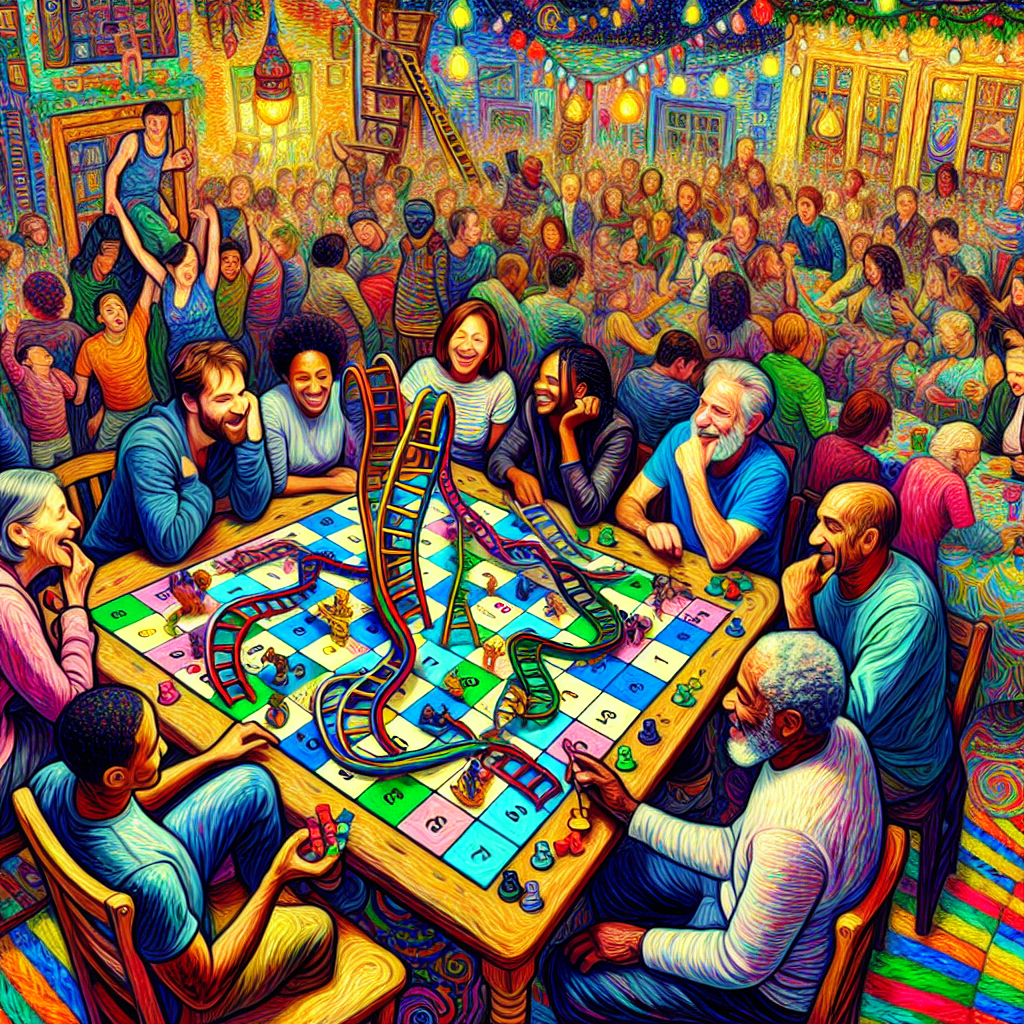
Then there’s the social aspect—oh boy, the social aspect. Unlike many games that pit players against one another in a solitary quest for victory, Tumblin-Dice thrives on camaraderie. Imagine the collective hooting and hollering as the dice tumble not just toward destiny, but into hearts. Laughter fills the air as the competition intensifies, and moments of triumph—or defeat—become shared experiences. In an era where meaningful human interaction can sometimes feel scarce, Tumblin-Dice fosters bonds that transcend the game itself.
Let’s not forget the visual appeal, either. The game’s vibrant colors and dynamic design draw players in, creating a sensory feast that attracts even the most casual observer. There’s something hypnotic about those dice tumbling down the board, each roll a dance of chance that keeps everyone on the edge of their seat. It’s a compelling spectacle that transforms a simple night into an event.
Finally, the thrill of randomness plays a significant role in its popularity. In life, just like in Tumblin-Dice, you never really know what’s going to happen next. One moment, you’re coasting along; the next, your carefully laid plans can come crashing down with a single dice roll. This unpredictability keeps everyone engaged, ensuring that the game never feels stale.
In a world clamoring for genuine connection and unpolished joy, Tumblin-Dice stands out like a beacon. It’s a reminder that sometimes, the greatest pleasures lie in simplicity, laughter, and the shared experience of just trying to have a good time.
What Makes The Party Game Tumblin-Dice So Popular?
What Makes The Party Game Tumblin-Dice So Popular?
- Tumblin-Dice is a refreshing tabletop game that fosters social interaction amidst screen-dominated lives.
- The game has simple rules that are easy to learn, appealing to both kids and adults.
- Players take turns flicking dice down a sloped board, aiming for points based on their landing spots.
- Tumblin-Dice encourages camaraderie, with laughter and shared experiences enhancing the enjoyment.
- The game’s vibrant colors and dynamic design create an engaging visual spectacle for players and observers.
- Randomness and unpredictability keep players engaged and ensure the game never feels stale.
- Tumblin-Dice highlights the joy of simplicity and meaningful connections through shared experiences.
What Makes The Party Game Tumblin-Dice So Popular?
Table Of Contents
- What Makes The Party Game Tumblin-Dice So Popular?
- What Is The Basic Gameplay Of Tumblin-Dice?
- Why Is Tumblin-Dice Suitable For All Ages?
- What Skills Are Developed By Playing Tumblin-Dice?
- How Does Tumblin-Dice Encourage Social Interaction?
- What Makes Tumblin-Dice Different From Other Dice Games?
- How Many Players Can Join A Game Of Tumblin-Dice?
- What Strategies Can Enhance Your Chances Of Winning?
- Are There Expansions Or Variations Of Tumblin-Dice?
- How Do The Game Components Affect The Gameplay Experience?
- Why Do Players Enjoy The Tactile Aspect Of Tumblin-Dice?
- What’s The History Behind The Creation Of Tumblin-Dice?
- How Easy Is It To Learn Tumblin-Dice For New Players?
- How Does Tumblin-Dice Promote Friendly Competition?
- What Are Common Mistakes New Players Make In Tumblin-Dice?
- How Have Reviews Influenced The Popularity Of Tumblin-Dice?
- Conclusion
- Other Resources
- Glossary Of Terms
- Other Questions
- Haiku
- Poem
- Checklist
What Is The Basic Gameplay Of Tumblin-Dice?
When you crack open a box of Tumblin-Dice, you’re not just unearthing a game; you’re diving headfirst into a delightful mix of skill, chance, and a good dose of friendly competition. At its core, Tumblin-Dice is a dice-rolling game that transforms the classic mechanics of dice play into a lively, dynamic showdown. Picture a gaming arena where each player’s aim is to navigate their dice across a wooden board reminiscent of a scaled-down bowling alley, but with even more twists and turns.
The game kicks off with players selecting their dice—each marked with various numbers of pips that dictate their point value. Each turn begins with the roll of your chosen die, where the slope of the board adds an extra layer of excitement. The board tilts at an angle, creating a unique challenge for each roll. Your objective? To land your dice in scoring zones at the bottom of the board while keeping an eye on your competitors as they try to do the same.
But it’s not just about rolling and hoping for the best. Strategy and finesse are your allies here. Players take turns launching their dice down the board, attempting to hit the sweet spots and rack up points as they tumble into the various scoring areas. Landing a die in higher-scoring slots is a risk—and a gamble worth taking—because while you may score big, it’s also easier for your dice to tumble out of bounds or land in lower-scoring areas.
The beauty of Tumblin-Dice lies in its ability to blend chance with skillful play. As the game progresses, players need to adapt their strategies based on how their competitors are faring. Are they more aggressive, trying to snatch the high-scoring zones? Or are they playing it safe, seeking consistent smaller scores? Your choices matter, and they shape the outcome of each round.
To elevate the tension, players can also knock competitors’ dice off the board—or at least attempt to. That’s right: as if it weren’t challenging enough, risk-taking transforms the game into a hilarious battle of wit and dexterity. With every roll, every strategic decision, and every laugh shared, Tumblin-Dice becomes a joyful romp that turns your average game night into a spectacle of camaraderie, competition, and unexpected victories.
What Is The Basic Gameplay Of Tumblin-Dice?
What Is The Basic Gameplay Of Tumblin-Dice?
- Tumblin-Dice is a dynamic dice-rolling game mixing skill, chance, and friendly competition.
- Players navigate their dice across a wooden board designed like a mini bowling alley.
- The game starts with players selecting dice marked with pips that determine point values.
- The board’s tilt adds excitement and a unique challenge to rolling the dice.
- Strategy is essential; players aim for higher-scoring zones while managing risk.
- Players can disrupt each other’s progress by attempting to knock competitor’s dice off the board.
- Tumblin-Dice transforms game nights into a fun mix of camaraderie, competition, and laughter.
What Is The Basic Gameplay Of Tumblin-Dice?
Why Is Tumblin-Dice Suitable For All Ages?
When you think of classic games, you might picture something that embodies simplicity while simultaneously sparking creativity and excitement. Tumblin-Dice fits that bill perfectly, making it an exceptional choice for gamers of all ages. The game’s appeal lies in its unpretentious design and versatile gameplay, creating an inviting atmosphere for both seasoned players and newcomers.
First off, let’s talk about accessibility. Tumblin-Dice is as easy to set up as it is to understand. The mechanics revolve around rolling dice and attempting to stack them in a way that maximizes scoring while navigating the whims of chance. That means whether you’re a toddler or a grandparent, you can dive right in without needing a degree in engineering. The rules are straightforward enough for a six-year-old to grasp but possess layers of strategy that will keep even the most seasoned gamer engaged. These qualities create a perfect storm for family game night, where no one gets left out and everyone can have a good time.
Now, let’s not forget the social element that enhances this game’s charm. Tumblin-Dice isn’t just about rolling dice; it’s about the laughter and camaraderie that arises when everyone gathers around to compete or collaborate. It breaks down barriers—age, skill level, or otherwise—inviting each participant to engage in friendly rivalry. It fosters interactions, prompts stories, and ignites conversations about strategies and memorable plays. As the dice tumble, so does the generational gap, and players find themselves sharing moments that bridge years.
Furthermore, the tactile nature of rolling dice and the visual spectacle of watching them tumble adds a sensory element that resonates with everyone. It’s gratifying to hear the clatter of dice and see them land, encouraging players to cheer or groan together. This dynamic leads to communal experiences that are often hard to come by in our tech-driven lives.
Lastly, let’s consider the educational angle. Tumblin-Dice naturally taps into fundamental math skills, such as counting and probability, making it subtly educational without feeling like a chore. Parents can feel good knowing that while the kids are having a blast, they’re also honing valuable cognitive skills.
In summary, Tumblin-Dice flourishes in its simplicity, accessibility, and social interaction, making it a game that resonates with young and old alike. So gather around the table, toss some dice, and enjoy moments that will keep you coming back for more!
Why Is Tumblin-Dice Suitable For All Ages?
Why Is Tumblin-Dice Suitable For All Ages?
- Tumblin-Dice is a classic game known for its simplicity and creativity, appealing to gamers of all ages.
- The game is easy to set up and understand, revolving around rolling dice and stacking them for maximum scoring.
- Its straightforward rules are accessible for children while offering strategic depth for seasoned players.
- Tumblin-Dice enhances social interaction by fostering laughter, camaraderie, and friendly rivalry among participants.
- The tactile experience of rolling dice and the visual aspect of their movement create communal moments.
- The game subtly incorporates educational elements, helping children develop math skills like counting and probability.
- Tumblin-Dice effectively bridges generational gaps, making it a perfect choice for family game nights.

Why Is Tumblin-Dice Suitable For All Ages?
What Skills Are Developed By Playing Tumblin-Dice?
What Skills Are Developed by Playing Tumblin-Dice?
Some folks might raise an eyebrow at the idea of a dice game being anything more than mere chance, but let me tell you, Tumblin-Dice is like a hidden workshop for the mind and spirit, churning out a whole toolbox of skills as you play. It’s not just rolling and counting; it’s a full-blown exercise in strategy, focus, and camaraderie.
First off, let’s dive into strategy. Each round of Tumblin-Dice presents an opportunity to assess risks and make calculated decisions. Players must think critically about where to place their dice, weighing potential risks against possible rewards. Do you aim for high-value spots and risk your investment if your dice tumble off the board? Or do you play it safe, taking lower scores and maximizing your odds? Each choice shapes your outcome, mirroring life decisions that require both foresight and adaptability.
Then there’s the importance of focus and concentration. As the dice cascade down the ramp, each player’s heart races, and you learn soon enough that distractions can lead to disaster. Keeping your eye on the prize—and the dice—helps hone your ability to concentrate amid chaos. It’s like mastering a craft where precision matters; a lesson that goes beyond the table and seeps into everyday life.
Now, let’s talk about social skills. Tumblin-Dice isn’t just a solo expedition; it’s a gathering of friends, family, and challengers. Engaging with fellow players nurtures communication, negotiation, and even sportsmanship. You’ll find yourself laughing, teasing, and cheering (or grumbling) together, learning that how you interact can greatly affect the atmosphere of the game—and your own enjoyment.
Added to the mix is a hearty dose of patience and resilience. Not every roll will go your way, and that’s part of the charm. Learning to deal with unexpected outcomes fosters a fortitude that’s invaluable in life. You might end up with a lousy roll, but it’s how you bounce back that truly defines you.
So next time you sit down to roll those dice, remember: you’re not just playing a game. You’re sharpening your wits, honing your focus, and strengthening your ties with others, all while having a blast. Life is a lot like Tumblin-Dice—a wild roll of the dice, but it’s the skills you cultivate along the way that make the experience worthwhile.
What Skills Are Developed By Playing Tumblin-Dice?
What Skills Are Developed By Playing Tumblin-Dice?
- Tumblin-Dice enhances strategic thinking through risk assessment and decision-making.
- Players learn to weigh potential risks against rewards in their gameplay choices.
- Focus and concentration are vital, especially amid distractions during gameplay.
- The game fosters social skills, including communication, negotiation, and sportsmanship.
- Engagement with others enhances enjoyment and game atmosphere.
- Players develop patience and resilience through handling unexpected outcomes.
- Overall, Tumblin-Dice serves as a tool for personal growth and skill development.
What Skills Are Developed By Playing Tumblin-Dice?
How Does Tumblin-Dice Encourage Social Interaction?
In a world where digital screens often eclipse face-to-face interaction, Tumblin-Dice emerges as a welcome respite, a physical game that brings folks together around a table, a counter, or even a patch of grass. It’s not just a game of chance and skill; it’s a catalyst for laughter, camaraderie, and unforgettable memories, proving that sometimes, the simplest activities lead to the most profound connections.
From the moment you crack open the box and set the wooden board atop a sturdy surface, the stage is set for a delightful clash of wits and strategy. Players gather, drawn by the magnetic pull of competition, but what they might not realize is that their real prize lies in the interactions that unfold. As dice tumble and tumble down the inclined board, cheers erupt, light banter flows, and playful jabs create an atmosphere that can only be described as infectious. You see, there’s something inherently social about watching a dice roll toward victory or disaster, and it stirs a communal spirit among participants.
But it’s not just the excitement of the game that promotes connection; it’s the shared experience of it all. Each roll becomes a moment of suspense, where players hold their breath in unison, and every victory is met with a collective cheer, reinforcing bonds that are sometimes hard to maintain in this fast-paced world. The back-and-forth banter—where one player might call Captain Dice and lay claim to the luckiest rolls—creates an atmosphere ripe for storytelling, as players share tales of past games, outlandish victories, and ultimate humiliations. This is where friendships are forged, over playful rivalries and shared aspirations.
Moreover, Tumblin-Dice is versatile, able to cater to different group sizes and ages. Whether you’re gathered around a kitchen table with family, mingling at a gathering with friends, or in a park with a group of acquaintances, the game seamlessly adapts to the vibe of the crowd. It encourages engagement, breaking the ice among new friends or rekindling the playful spirit in long-time pals.
In essence, Tumblin-Dice is more than just a game; it’s a vessel for connection. It offers a unique blend of excitement and interaction that reflects the simple joy of being with others, reminding us that while winning can be sweet, it’s the time spent together that’s the real treasure. So, the next time you crack open that box and hear those dice rattle, remember: you’re not just playing a game; you’re nurturing relationships.
How Does Tumblin-Dice Encourage Social Interaction?
How Does Tumblin-Dice Encourage Social Interaction?
- Tumblin-Dice is a physical game that fosters face-to-face interaction in a digital world.
- It serves as a catalyst for laughter, camaraderie, and unforgettable memories.
- The game promotes a delightful clash of wits and strategy among players.
- Shared experiences during gameplay, including suspenseful rolls and collective cheers, enhance social bonds.
- Engaging banter and storytelling deepen friendships through playful rivalries and shared aspirations.
- Tumblin-Dice is versatile, appealing to various group sizes and ages in different social settings.
- The game emphasizes that the real treasure lies in the time spent together, not just winning.
How Does Tumblin-Dice Encourage Social Interaction?
What Makes Tumblin-Dice Different From Other Dice Games?
When it comes to dice games, many tend to follow a well-trodden path: roll the dice, tally the points, and pray to Lady Luck that she’s in a good mood. But in a realm flooded with chance and luck-based mechanics, Tumblin-Dice steps onto the scene like a charming rogue, flipping the script on traditional dice gaming. So, what makes Tumblin-Dice a standout?
First and foremost, Tumblin-Dice isn’t your average roll-and-churn affair. It brings the physicality of a carnival midway into the comfort of your living room. Picture it: a tiered wooden platform, sloped just so, inviting players to flick their dice down its face. Unlike most games where you shake the dice and hope for the best, Tumblin-Dice requires skill, strategy, and a light touch – call it a dance between finesse and fate. You can’t just toss those dice; you’ve got to finesse an angle, sending them tumbling down the ramp, and watch as they bounce and land on different scoring zones. It’s a delightful chaos that keeps everyone on their toes, with each roll morphing into a mini-event.
Then there’s the scoring. Many dice games adhere to the simple model of accumulating points per roll. In stark contrast, Tumblin-Dice incorporates tiers with varying point values, encouraging players to aim for higher-risk rewards. Want to go for the big score? The highest tier requires not just luck, but a well-executed plan. Do you risk it all for a potential high payoff, or play it safe and watch your competitors leapfrog ahead? The psychological elements at play here would make any strategist sit up and take note – it’s a thrill that can turn the tide of a game with just one nerve-wracking flick.
Moreover, Tumblin-Dice embraces the social spirit of gaming. It’s not merely about the numbers rolling off the table; it’s the camaraderie, the banter, and the collective groans as a seemingly perfect roll bounces away from its intended target. It’s a game that thrives on interaction, where players can share strategies, eye-rolls, and celebratory high-fives as fortunes rise and fall.
In a market oversaturated with passive play experiences, Tumblin-Dice breaks free from convention. It’s not just a game of chance; it’s a test of skill, a catalyst for camaraderie, and a joyous celebration of playful unpredictability. So gather your friends, set the dice tumbling, and let the games commence. In the world of dice, Tumblin-Dice is here to make a statement, one epic tumble at a time.

What Makes Tumblin-Dice Different From Other Dice Games?
What Makes Tumblin-Dice Different From Other Dice Games?
- Tumblin-Dice redefines traditional dice games with a unique gameplay approach.
- Players roll dice down a tiered wooden platform, combining skill and strategy with luck.
- Scoring incorporates multiple tiers with varying point values, encouraging risk-taking.
- The game invokes psychological elements, making players weigh high rewards against safer plays.
- Tumblin-Dice promotes social interaction and camaraderie among players.
- Contrasts with passive play experiences, offering a dynamic and engaging environment.
- Tumblin-Dice celebrates playful unpredictability, making it a standout choice in dice gaming.
What Makes Tumblin-Dice Different From Other Dice Games?
How Many Players Can Join A Game Of Tumblin-Dice?
Gather ’round, folks, because when it comes to Tumblin-Dice, the answer isn’t just a number; it’s an invitation to roll the dice on a game that’s all about strategy, luck, and a bit of good-natured competition. Now, if you’re pondering how many players can hop into the fray, the good news is that Tumblin-Dice is as flexible as your grandma’s famous meatloaf recipe—perfectly adaptable to your gaming crew.
At its core, Tumblin-Dice accommodates anywhere from two to eight players, turning a laid-back family night into an all-out dice-rolling extravaganza. Picture this: you’ve gathered with your pals after a long week, and the last thing you want is to sit around a table staring at each other, counting sheep. This game invites everyone to the table, fostering a lively atmosphere where laughter and playful banter reign supreme.
What makes Tumblin-Dice particularly charming is its ability to engage both the board game aficionados and the casual players who may just be tagging along for the fun. Each round is filled with anticipation as players take turns flipping their dice down a tiered board, aiming for points and trying to outsmart one another. The dynamics change subtly depending on how many players participate—more players mean more chaos, more calculated strategies, and inevitably, more hilarity.
For those who’ve only played with three or four buddies, an eight-player showdown is an entirely different beast. With more faces around the table, you’re bound to see some fierce competition, as strategies evolve and players jockey for position, hoping to land their dice in high-scoring slots while effectively dodging their opponents’ tactics. It’s a whirlwind of excitement, and with each roll, you’ll find that not just your luck, but your social skills might also get put to the test—after all, in the world of Tumblin-Dice, a little friendly rivalry can go a long way.
Now, before you rush to set up your next game night, remember that while the game plays well with up to eight, you can create an even more intimate adventure with smaller groups. Like any good recipe, it’s about finding the right ingredients. So, whether it’s two or eight rolling dice across the table, one thing is certain: Tumblin-Dice promises a rollicking good time for every player involved. So grab those dice, gather your friends, and prepare for some spirited competition; it’s showtime!

How Many Players Can Join A Game Of Tumblin-Dice?
How Many Players Can Join A Game Of Tumblin-Dice?
- Tumblin-Dice combines strategy, luck, and friendly competition.
- The game accommodates 2 to 8 players, making it versatile for different group sizes.
- It creates a lively atmosphere filled with laughter and playful banter.
- Engages both board game enthusiasts and casual players alike.
- Gameplay involves flipping dice down a tiered board to score points and outsmart opponents.
- In larger groups, strategies evolve, leading to intense and exciting competition.
- Regardless of group size, Tumblin-Dice guarantees a fun experience for all players.
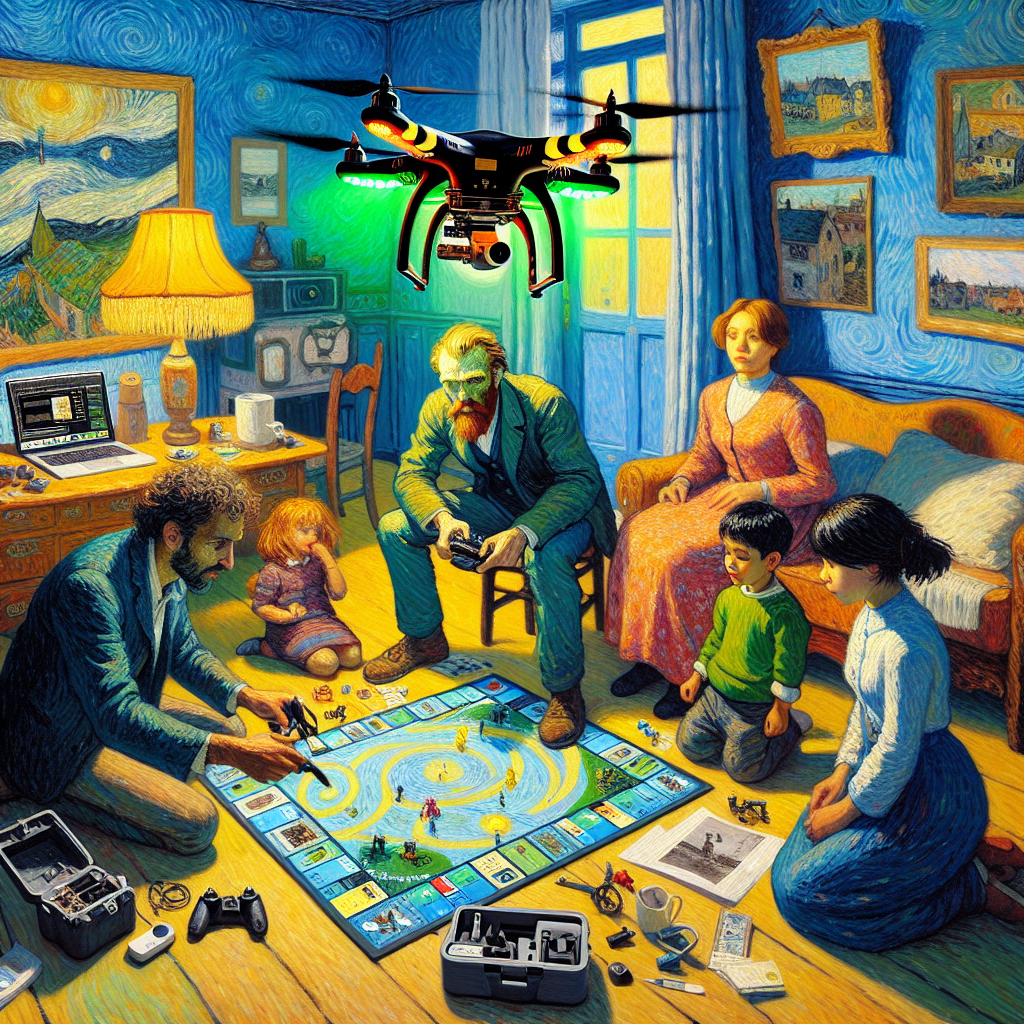
How Many Players Can Join A Game Of Tumblin-Dice?
What Strategies Can Enhance Your Chances Of Winning?
When it comes to improving your odds in any competitive endeavor—be it a game, a job interview, or life itself—having a few solid strategies can make all the difference. The reality is, life isn’t just about luck; it’s about preparation and strategy. Let’s explore some practical approaches that can significantly enhance your chances of winning.
First off, knowledge is power. It’s essential to understand the landscape you’re diving into. This means researching your competition, whether you’re facing opponents on a racetrack or contenders in a professional setting. Knowing your rivals’ strengths and weaknesses gives you invaluable insight, allowing you to exploit gaps and avoid pitfalls. This isn’t about sneaky underhanded tactics; it’s about informed decision-making.
Next, practice and repetition cannot be overstated. Think of it as forging a sword; it takes time in the fire and the forge to create something powerful. Putting in the hours—be it through drilling, rehearsing, or honing a craft—will not only build your skill set but also boost your confidence. The more comfortable you are with your abilities, the better you’ll perform under pressure.
Building a support network is another game-changer. Surround yourself with people who uplift you, offer constructive criticism, and share in your goals. This team—be it friends, family, or mentors—acts as both a safety net and a motivational force. They’ll help keep you accountable and offer valuable perspectives that you might overlook when you’re deeply entrenched in your own ambitions.
Let’s not forget about adaptability. In any competitive arena, the ability to pivot quickly in response to unforeseen challenges can set you apart. Stay aware of changing circumstances and be ready to adjust your game plan. Flexibility shows resilience and can often lead to opportunities that a rigid approach might miss.
Finally, maintain a positive mindset. Winning isn’t just about the outcome; it’s also about the journey. Embrace setbacks as learning experiences, and don’t let fear of failure consume you. The best competitors are those who view every challenge as a stepping stone rather than a stumbling block.
In essence, enhancing your chances of winning boils down to preparation, support, adaptability, and mindset. Equip yourself with these strategies, and you’ll find that success is less a stroke of luck and more a well-executed plan.

What Strategies Can Enhance Your Chances Of Winning?
What Strategies Can Enhance Your Chances Of Winning?
- Improving odds in competitive endeavors requires solid strategies beyond just luck.
- Thorough knowledge of the competition helps exploit weaknesses and avoid pitfalls.
- Practice and repetition build skills, confidence, and performance under pressure.
- A supportive network provides motivation, accountability, and valuable perspectives.
- Adaptability enables quick pivots to overcome unforeseen challenges in competition.
- A positive mindset transforms setbacks into learning experiences and strengthens resilience.
- Success hinges on preparation, support, adaptability, and mindset rather than mere luck.

What Strategies Can Enhance Your Chances Of Winning?
Are There Expansions Or Variations Of Tumblin-Dice?
When it comes to Tumblin-Dice, the delightful game that seamlessly blends luck and skill, enthusiasts often find themselves asking, “Are there expansions or variations out there?” The short answer is yes, indeed! Like a promising batch of cookies pulled fresh from the oven, the world of Tumblin-Dice has much more to offer than just the original recipe.
First up, let’s talk about the core of the game. Tumblin-Dice features a charming combination of rolling dice and scoring points by landing them on various platforms, reminiscent of the childhood joy we once felt tossing coins into a fountain. While the foundational mechanics are thrilling enough to keep players engaged, creative minds have crafted a delightful series of expansions and variations to shake things up.
One such expansion is the Tumblin-Dice Deluxe, which takes everything we love about the original and turns the volume up to eleven. This version introduces additional scoring opportunities, new dice with different values, and even a multi-level board that adds layers of strategy as players navigate their rolls. The fundamental premise remains intact, so long-time fans can enjoy familiarity with a splash of innovation.
And let’s not overlook the themed versions. Picture this: Tumblin-Dice meets your favorite horror movie or classic TV show. Themed editions inject personality and humor into gameplay, allowing fans to immerse themselves even further into the experience. Imagine rolling your dice while dodging zombies or battling alongside your favorite sitcom characters – it’s an iconic blend of fun and nostalgia that breathes new life into the table.
Variations of the game, too, abound. Some players like to spice up the rules, adding house variations that introduce new ways to score or play. For instance, some enthusiasts might play with custom scoring rules or special challenges for each round. These little tweaks can turn a familiar game night into a spontaneous adventure, driving home the idea that Tumblin-Dice is more than just a game; it’s a canvas for creativity.
Whether you’re diving into expansions or experimenting with homebrew variations, Tumblin-Dice remains a versatile gem in the board game world. So gather your friends, roll those dice, and let the good times tumble.

Are There Expansions Or Variations Of Tumblin-Dice?
Are There Expansions Or Variations Of Tumblin-Dice?
- Tumblin-Dice combines luck and skill, sparking interest in expansions and variations.
- The original game involves rolling dice and scoring points on various platforms, evoking nostalgic childhood enjoyment.
- The Tumblin-Dice Deluxe expansion enhances the game with additional scoring opportunities and a multi-level board.
- Themed versions of Tumblin-Dice offer unique experiences, allowing players to engage with favorite movies or shows.
- Players create their own house variations, introducing custom scoring rules and special challenges.
- The game fosters creativity, turning familiar gameplay into spontaneous adventures.
- Tumblin-Dice is celebrated as a versatile gem in the board game community, perfect for group gatherings.
Are There Expansions Or Variations Of Tumblin-Dice?
How Do The Game Components Affect The Gameplay Experience?
When it comes to the world of gaming, the components—the pieces, the cards, the dice, the boards—might seem like mere accessories, like the tools in a workshop. But just as a craftsman knows that the right tool can make all the difference, savvy gamers understand that the components significantly shape the gameplay experience.
Let’s take a closer look at those pieces. Imagine a game that uses dull, flimsy cardboard tokens. They might serve their purpose, but the clatter of such components lacks the satisfaction that comes with heavier, well-crafted pieces. Wooden or resin tokens exude a sense of permanence, a tactile delight that draws players in. When you move that oak meeple or toss those hefty metal dice, it feels less like a game and more like an adventure—a physical connection to the world being built at the table.
Next, think about the graphics and design. A vibrant, visually appealing board doesn’t just catch the eye; it sets the tone, breathing life into the game’s theme. A beautifully illustrated map or card can transport players from their living room to a fantastical realm or a sweeping battlefield. It’s akin to opening a well-crafted book; the imagery invites exploration and engagement, pulling players into a narrative where they lose track of time. On the flip side, drab artwork can feel like a chore—more labor than leisure—and can diminish the excitement, leaving players less inclined to immerse themselves.
And let’s not forget about the rules and their presentation. A well-organized rulebook is akin to having a clear roadmap. When it’s easy to understand, players can dive headfirst into the action, fostering camaraderie and collaboration. Contrarily, a poorly structured guide can feel like navigating a maze blindfolded—frustration can settle in, stifling that initial thrill of discovery and turning a game night into a drawn-out exercise in confusion.
Finally, there’s the social component—how the pieces foster interaction. Some games encourage players to negotiate, bluff, and strategize with one another, while others isolate them in their own little bubbles. The choice of components has a profound impact on whether you’re engaged in spirited diplomacy or stuck in silent contemplation.
The game components are more than superficial trappings. They shape every heartbeat of the gameplay experience. They invite players to touch, to see, to connect with one another. A well-rounded game isn’t just played; it’s lived, and each component plays its part in scripting that play. So, next time you gather around the table, remember: what you’re holding in your hand might just be the key to a memorable evening amongst friends.
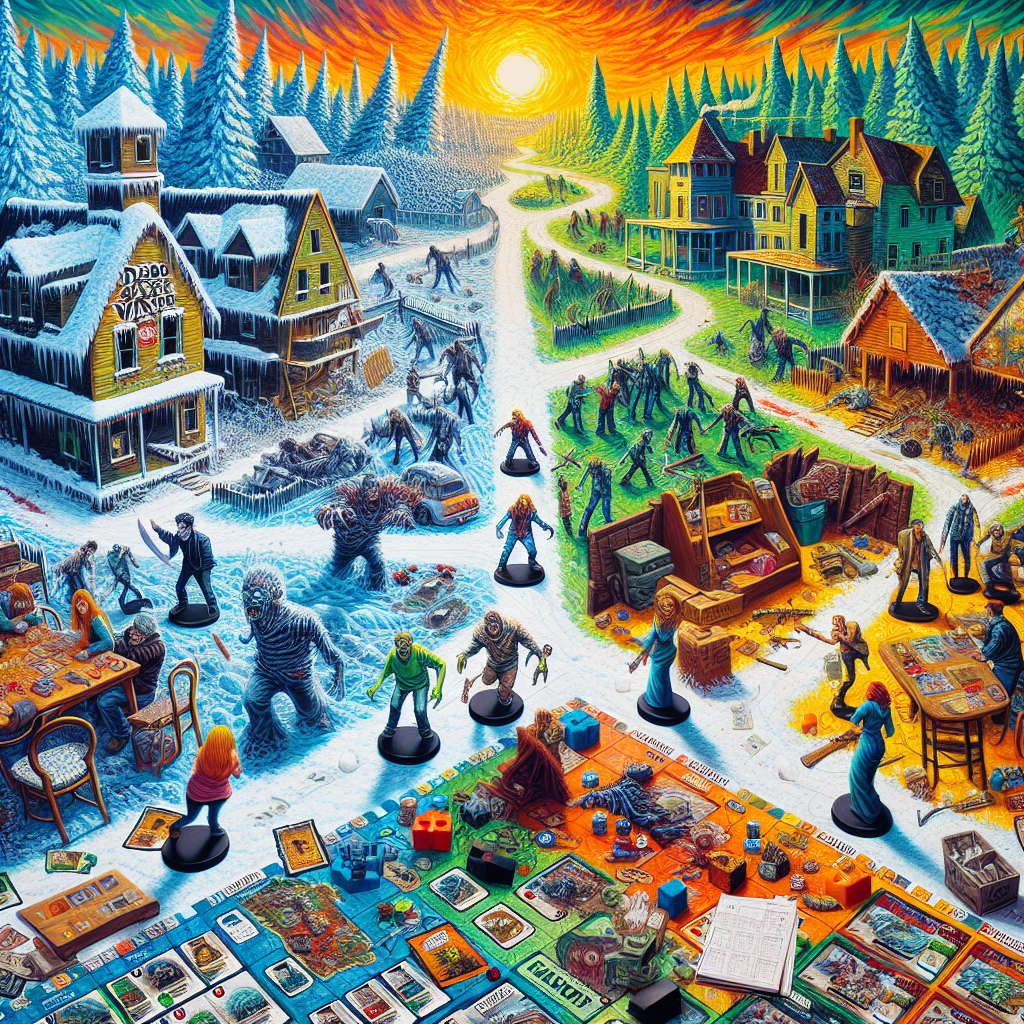
How Do The Game Components Affect The Gameplay Experience?
How Do The Game Components Affect The Gameplay Experience?
- Game components, including pieces, cards, and boards, significantly affect gameplay experience.
- High-quality materials, like wood or metal, enhance the tactile pleasure of gaming.
- Vibrant graphics and designs create a thematic atmosphere that engages players.
- A well-illustrated game can transport players into diverse realms and adventures.
- A clear and organized rulebook facilitates understanding and enhances gameplay dynamics.
- Poorly designed components can lead to frustration and reduce player immersion.
- Game components influence player interaction, fostering either collaboration or isolation.
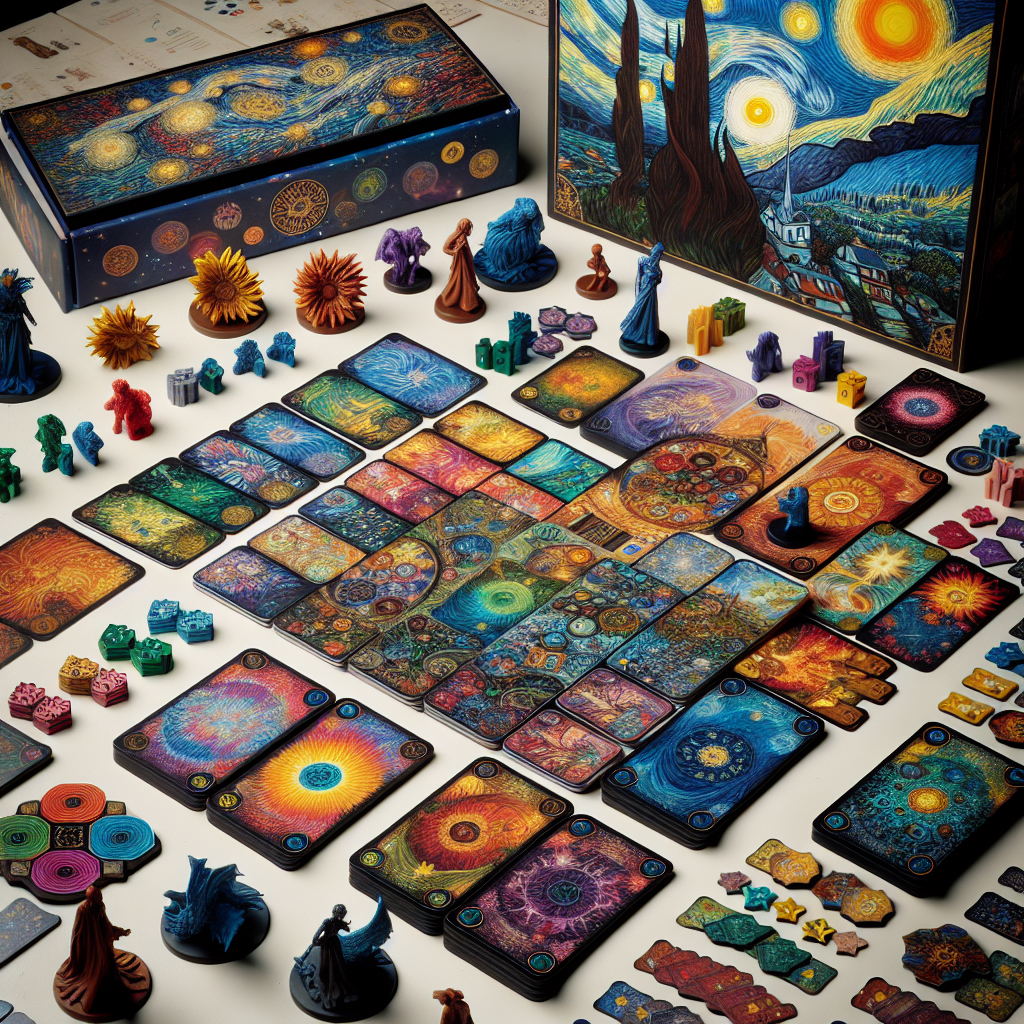
How Do The Game Components Affect The Gameplay Experience?
Why Do Players Enjoy The Tactile Aspect Of Tumblin-Dice?
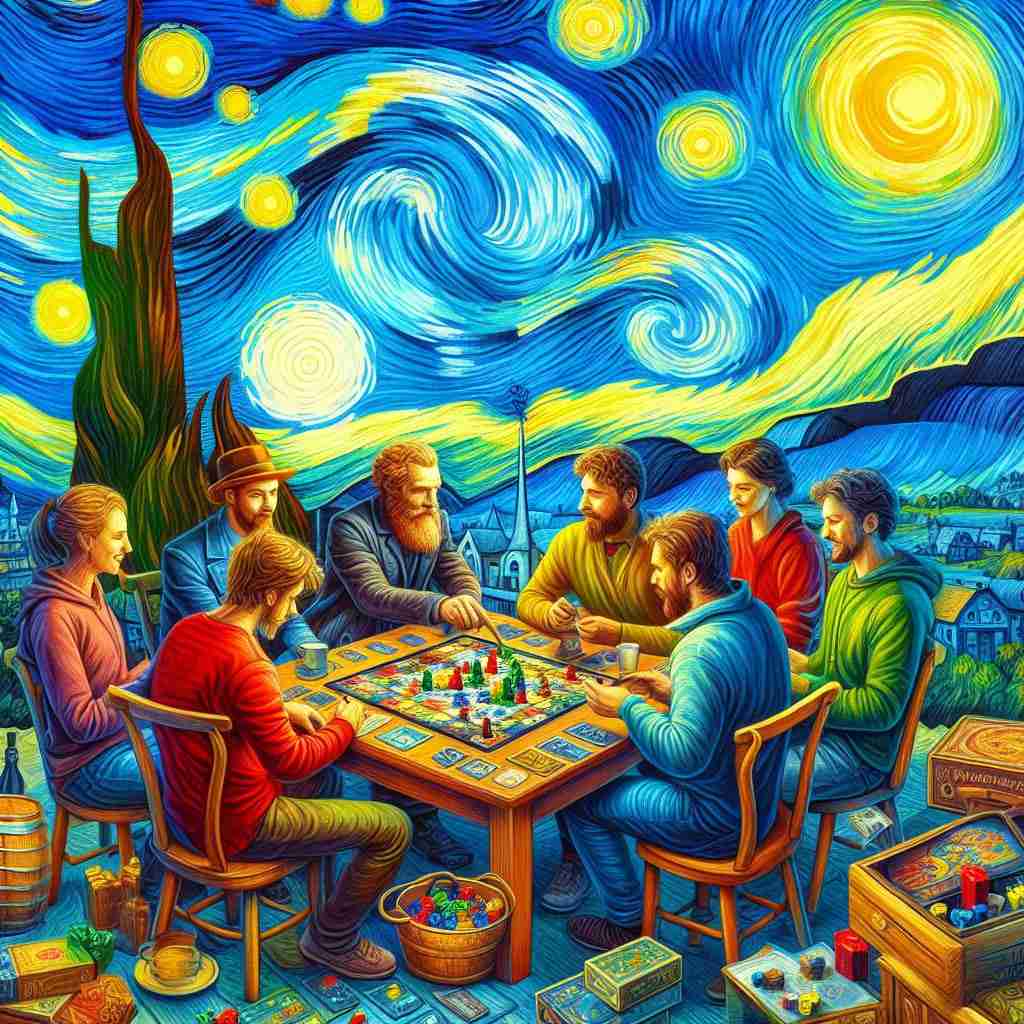
There’s something undeniably magnetic about the tactile experience of tumbling dice. It goes beyond the numbers and the strategy; it’s about the intimate connection between player and game. In an age dominated by screens and touch interfaces, the act of physically handling dice brings participants back to a more primal form of entertainment—one that engages not just the mind but also the senses.
When players pick up a die, they’re not just clutching a plastic object; they’re holding potential. Each little cube represents a world of outcomes, risks, and rewards. The weight of the dice, the coolness of the plastic against their fingertips, and the anticipation that builds as they prepare to release it all combine to create an exhilarating prelude to the rush of chance. The sound of the dice tumbling across a surface is a symphony of possibilities, a percussion of expectation that echoes in the hearts of players as they watch the dice dance, defy gravity, and ultimately settle into place.
Moreover, the physicality inherent in tumblin-dice amplifies the social aspect of gaming. Players are not just spectators; they are active participants in a shared experience, huddled around a table, eyes glued to the cascading dice as they land, flip, and roll. This vivid interaction fosters camaraderie, igniting laughter, gasps, and a little good-natured ribbing among friends. The tactile back-and-forth—picking up the die, releasing it, celebrating victories or commiserating losses—creates a feeling of connection that a digital game can rarely replicate.
The multi-sensory nature of tumblin-dice deepens the immersion. The texture of the surface beneath the dice, the clatter as they collide with each other, and the sight of the numbers finally facing up are all part of the experience that engages players on multiple levels. It demands focus and presence, urging players to push aside distractions and fully dive into the moment.
In essence, it’s not just about the outcome but the journey of the game—the way the dice take flight and bring people together. In a world where many interactions are fleeting and virtual, the tactile aspect of tumblin-dice serves as both a reminder and a celebration of what it means to truly play, to connect, and to enjoy each roll together.
Why Do Players Enjoy The Tactile Aspect Of Tumblin-Dice?
Why Do Players Enjoy The Tactile Aspect Of Tumblin-Dice?
- Tumbling dice create a magnetic tactile experience, engaging both mind and senses.
- Each die symbolizes potential outcomes, risks, and rewards, enhancing the anticipation of gameplay.
- The sound of dice rolling creates a symphony of possibilities, enriching the emotional experience.
- Physical dice gameplay amplifies social interactions, fostering camaraderie among players.
- The tactile back-and-forth of tumbling dice cultivates connection beyond what digital games offer.
- Multi-sensory experiences deepen immersion, requiring focus and presence from players.
- Tumbling dice celebrations highlight the journey of gaming and the importance of shared experiences.

Why Do Players Enjoy The Tactile Aspect Of Tumblin-Dice?
What’s The History Behind The Creation Of Tumblin-Dice?
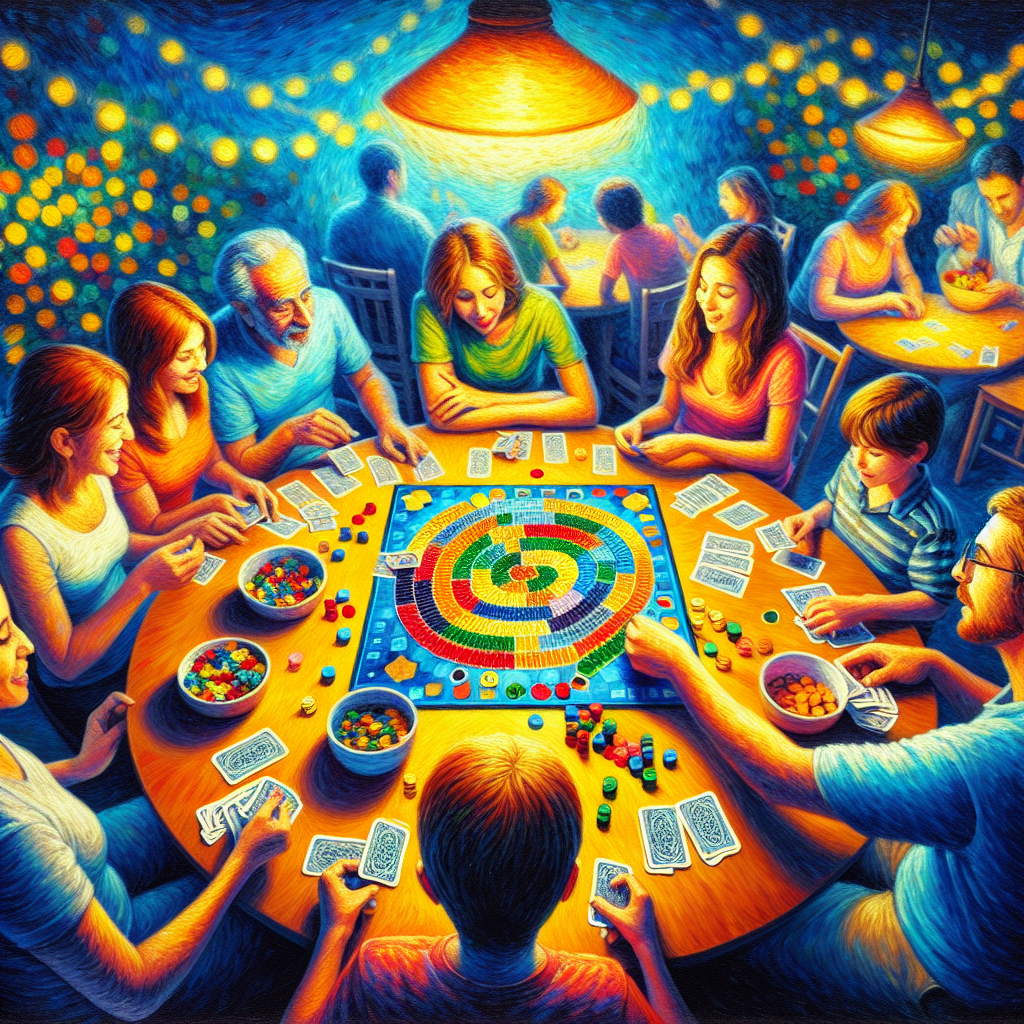
Imagine a time when technology meant carving wood with your bare hands, and entertainment revolved around simple pleasures. Such was the world when Tumblin-Dice first rolled onto the scene. The game as we know it today has its roots firmly planted in a history rich with camaraderie, competition, and, quite frankly, a bit of chaos—a recipe for gaming magic.
The genesis of Tumblin-Dice can be traced back to the mid-20th century, a time when the rise of tabletop games was beginning to capture the imaginations of families and friends everywhere. While many would roll the dice in simple card games or board games, a group of creative thinkers in a small workshop decided it was time to kick things up a notch. They sought to combine the thrill of chance with the skillful maneuvering of a well-crafted game board.
It all started with a simple concept: take the classic idea of dice rolling and add a physical twist. The team devised a tiered wooden board where players could send dice tumbling down, landing in scoring zones that rewarded both luck and strategy. The game quickly turned into a lively spectacle; as the dice danced their way down the ramps, players found themselves shouting encouragements, commiserations, and plenty of good-natured ribbing.
But Tumblin-Dice wasn’t born purely from the desire to have fun—it represented a charming challenge in a world that was rapidly urbanizing. It echoed the essential aspects of human interaction: competition, cooperation, and creativity. The game offered families and friends a chance to step away from screens and back into the warm glow of shared experiences.
Over the years, minor tweaks to the design led to a variety of adaptations, but the essence remained intact. You still roll your dice, you still hope for that perfect combination, and you still have a blast while doing it. The beauty of Tumblin-Dice lies not only in its gameplay but also in the way it invites laughter, strategy, and a touch of friendly rivalry into any gathering.
From humble beginnings to a popular gamer’s delight, the history of Tumblin-Dice isn’t just about wood and dice—it’s about the people who play it and the stories they create with each roll. In a world that sometimes moves a little too fast, Tumblin-Dice reminds us to take a moment, gather around, and let the good times roll.
What’s The History Behind The Creation Of Tumblin-Dice?
What’s The History Behind The Creation Of Tumblin-Dice?
- Tumblin-Dice emerged from a time of simple technology and entertainment focused on community interaction.
- The game traces its origins to the mid-20th century amidst the rise of tabletop gaming.
- A creative team designed a tiered wooden board for dice to tumble down into scoring zones, blending chance and strategy.
- The gameplay of Tumblin-Dice turned into a lively spectacle encouraging player engagement through cheers and camaraderie.
- The game offered an escape from urban life, focusing on key human interactions like competition, cooperation, and creativity.
- Despite design tweaks over the years, the essence of the game—rolling dice and enjoying friendly rivalry—remains unchanged.
- Tumblin-Dice serves as a reminder to cherish shared experiences and enjoy moments of laughter and fun with loved ones.
What’s The History Behind The Creation Of Tumblin-Dice?
How Easy Is It To Learn Tumblin-Dice For New Players?
When it comes to games that blend chance with a splash of strategy, Tumblin-Dice stands out like a beacon in a foggy harbor. It’s a delightful concoction of skill, luck, and a touch of finesse, all wrapped up in a package that’s as inviting as a backyard barbecue. But the real question that looms large in the minds of new players is: just how easy is it to learn this whimsical dice-rolling game?
First off, let’s address the elephant in the room—this isn’t a game that requires a PhD in mathematics or advanced calculus to grasp. The basic premise is simple enough: players roll dice down a ramp and aim to land them on various scoring spaces. How hard can it be? It’s like throwing rocks into a pond, right? But wait! The nuances of Tumblin-Dice begin to reveal themselves once you dive a little deeper.
When you first sit down with this game, it may seem like a free-for-all; dice rolling and colorful chips scattered about can feel a touch chaotic. But therein lies the beauty. The mechanics are straightforward, yet they create layers of strategy that keep you coming back for more. You’ll quickly find that the initial appearance of randomness gives way to delightful complexity. Timing, aiming, and placement are all part of the art.
The first few rounds might have you feeling like a toddler learning to walk, but once you find your rhythm, you’ll feel like a seasoned pro navigating the waves. New players will benefit from a few practice rounds where everyone gets a chance to find their footing without the pressure of competition. And let’s be honest—who doesn’t enjoy watching a die tumble and roll, sometimes blessing you with points, and other times mocking your efforts by teetering on the edge?
What makes Tumblin-Dice truly compelling for newcomers is the community aspect. It’s not just a roll-and-score situation; it’s an experience. Laughter rings out as friends and family rally around the game, teasing each other about dice that just won’t cooperate. With each turn, bonds are forged, and rivalries are born—even if only for an afternoon.
So, is it easy to learn Tumblin-Dice? Absolutely. The rules are as accessible as your favorite pair of jeans. But mastering it? That’s where the fun truly lies. It’s not just about winning or losing; it’s about the journey of shared laughter and the roll of a die across a felt surface that makes Tumblin-Dice an experience worth cherishing.

How Easy Is It To Learn Tumblin-Dice For New Players?
How Easy Is It To Learn Tumblin-Dice For New Players?
- Tumblin-Dice combines skill, luck, and finesse in a unique dice-rolling game.
- The game is easy to learn, with a simple premise of rolling dice down a ramp to score points.
- Initial gameplay may appear chaotic, but it offers layers of strategy and complexity.
- New players should take practice rounds to build confidence and familiarity.
- The community aspect enhances the experience, fostering laughter and camaraderie among players.
- While learning the rules is straightforward, mastering the game requires practice and skill.
- Tumblin-Dice is celebrated for the enjoyment it brings, beyond just winning or losing.
How Easy Is It To Learn Tumblin-Dice For New Players?
How Does Tumblin-Dice Promote Friendly Competition?
Ah, Tumblin-Dice—a game that looks unassuming enough but offers a gateway to fun and camaraderie, bubbling with a dash of friendly rivalry. Picture this: a group of friends gathered around a table, the soft clatter of dice spilling down a wooden incline, laughter erupting as they jostle for sides. That’s where the magic happens, and it’s all rooted in the spirit of competition.
At its core, Tumblin-Dice is more than just a game; it’s a clever cocktail of strategy, chance, and a bit of good old-fashioned bragging rights. Imagine rolling those dice, racing to accumulate points while trying to outmaneuver your pals. You can’t just rely on luck; you’ve got to plot your moves. Which die to play? When to take a risk and go for higher points, or play it safe? These decisions create a dynamic environment that keeps everyone on their toes, all while allowing the competitive fires to burn without turning the atmosphere sour.
But let’s not kid ourselves—what truly elevates Tumblin-Dice beyond being just another game is the way it encourages interaction among players. Unlike solitary pursuits where the only interaction is with your own thoughts, Tumblin-Dice fosters an atmosphere ripe for banter and friendly heckling. “Nice roll!” or “Watch out, I’m coming for you!” flow effortlessly, and suddenly, a casual game night transforms into a raucous contest marked by lighthearted exchanges.
Moreover, what’s delightful about this competition is its accessibility. People of all ages can jump in, making it a perfect family gathering highlight or a weekend staple for friends. The simplicity of the rules allows new players to adapt quickly, meaning that seasoned veterans don’t just steamroll the competition—there’s always room for surprises. Watching a newcomer unexpectedly rack up a staggering score is the kind of twist that invigorates the experience, encouraging seasoned players to think strategically and adjust their game.
Even after a hard-fought battle, Tumblin-Dice ensures that the victor and the defeated can share a hearty laugh over the evening’s ups and downs. The kind of competition it promotes isn’t about crushing your rival; rather, it’s a celebration of the shared experience. More than just a game, Tumblin-Dice becomes a reminder that even in a world of competition, the real winner is the bond forged between friends over a game played in good fun. And isn’t that what it’s all about?
How Does Tumblin-Dice Promote Friendly Competition?
How Does Tumblin-Dice Promote Friendly Competition?
- Tumblin-Dice is a game that combines fun, camaraderie, and friendly rivalry.
- The game involves rolling dice and accumulating points through strategic decision-making.
- Players interact and engage in banter, creating a lively atmosphere during gameplay.
- The competition is accessible to all ages, making it ideal for family gatherings and friend get-togethers.
- The simple rules allow new players to join easily without overshadowing experienced players.
- Unexpected successes can happen, keeping the game exciting for everyone involved.
- Tumblin-Dice emphasizes shared experiences and friendships over just winning, promoting a sense of community.

How Does Tumblin-Dice Promote Friendly Competition?
What Are Common Mistakes New Players Make In Tumblin-Dice?
Common Mistakes New Players Make In Tumblin-Dice
When you dive headfirst into the chaotic world of Tumblin-Dice, there’s one thing you can count on: the learning curve might as well be a steep hill littered with slippery marbles. New players often stumble not just on the dice themselves but on strategies that seem straightforward yet are deceptively tricky. Let’s break down some of the common missteps that can send even the most enthusiastic newcomers tumbling into a pile of regret.
First, let’s talk about the temptation to roll too high, too fast. In Tumblin-Dice, it’s all about striking a balance between risk and reward. Many players, fueled by excitement, aim for the highest number, forgetting the golden rule – every roll has its consequences. Rolling for glory can lead to disaster, leaving your dice dangling precariously at the edge while you watch your hopes plummet into the abyss below. Instead, taking smaller, calculated risks can often yield more consistent results.
Next on the list is the art of defensive play, or lack thereof. Newcomers are often so focused on their own score that they neglect the importance of watching their opponents. Keeping an eye on what others are doing can provide invaluable insights. Is your rival piling up points? Perhaps it’s time to adjust your strategy and play a little more defensively, blocking their paths and taking calculated risks to undercut their advantage. Remember, in Tumblin-Dice, it’s as much about your opponents as it is about you.
Then there’s the classic overconfidence. Nothing can sour the sweet taste of victory faster than a big-headed approach. Just because you managed to toss those dice into the scoring zone a couple of times doesn’t make you a seasoned pro. It’s easy to underestimate the randomness of dice rolls, so don’t let your initial successes cloud your judgment. Always stay humble and keep your strategy flexible, ready to adapt to whatever the dice decide to throw your way.
Lastly, let’s not forget the importance of patience. New players often rush through turns, eager to see where the dice will land. But taking a moment to deliberate can mean the difference between a high score and a tumble into the lower tiers. Consider your options and weigh your decisions carefully; after all, patience is a virtue even in a game that’s all about reckless fun.
In the wild world of Tumblin-Dice, the mistakes you make can teach you just as much as the successes you rack up. Embrace the chaos, learn from the tumbles, and let the good times roll!

What Are Common Mistakes New Players Make In Tumblin-Dice?
What Are Common Mistakes New Players Make In Tumblin-Dice?
- New players often struggle with the steep learning curve and tricky strategies.
- Many aim to roll too high too quickly, neglecting the balance of risk and reward.
- Watch opponents closely to adjust your strategy, as defensive play is crucial.
- Overconfidence can lead to mistakes; initial successes don’t guarantee proficiency.
- Patience is important; rushing through turns can result in poor decision-making.
- Embrace mistakes as learning opportunities within the game’s chaotic nature.
- Adaptability and strategy flexibility enhance the enjoyment and success in Tumblin-Dice.
What Are Common Mistakes New Players Make In Tumblin-Dice?
How Have Reviews Influenced The Popularity Of Tumblin-Dice?
When it comes to board games, the chatter around the water cooler—or these days, social media—can make or break a title quicker than you can roll a set of dice. Tumblin-Dice, a game that combines luck, skill, and a heap of competitive spirit, has found itself in the spotlight largely due to the avalanche of reviews that have emerged since its inception. You see, in an age where opinions are just clicks away, the collective voice of gamers can have a profound impact on any game’s success.
Let’s picture it. You’ve got a catchy name, a beautifully designed product, and dice that tumble like acrobats. But if the reception isn’t favorable, you might as well be peddling ice to Eskimos. It’s here that reviews became the game’s lifeline. Enthusiasts took to platforms like BoardGameGeek, YouTube, and social media to showcase their experiences. The creative conveyance of gameplay, eye-catching visuals, and genuine excitement shared in these reviews birthed a word-of-mouth phenomenon; the kind that no marketing budget could buy.
Positive reviews did more than just highlight Tumblin-Dice’s mechanics and aesthetic appeal—they tapped into the emotional aspect of gaming. Reviewers shared stories of family game nights and friendly rivalries, transforming the concept of rolling dice into an experience filled with laughter and nostalgia. This resonated with many prospective buyers. There’s something about seeing a game in action, paired with a genuine endorsement, that triggers a sense of confidence. Everybody wants to feel like they’re making a solid decision, right?
Moreover, a sticky element of the game’s nature is its accessibility. Reviewers raved about how easy it was to learn and set up, making it a hit at gatherings. The more players experienced the thrill of competing—watching their dice cascade, hoping for the perfect roll—the more they engaged with the game and its community. One game night turned into a viral phenomenon, and suddenly, you’ve got a must-own title on your hands.
So, as Tumblin-Dice continues to find its way into game closets around the world, it’s clear: reviews have shaped its popularity. They’ve escalated it from a mere product to a social experience that brings people together, solidifying its place in the pantheon of modern board games. It’s no longer just about rolling the dice; it’s about rolling them with friends, and that’s something every player can appreciate.
How Have Reviews Influenced The Popularity Of Tumblin-Dice?
How Have Reviews Influenced The Popularity Of Tumblin-Dice?
- Tumblin-Dice’s popularity is significantly influenced by social media reviews and gamer opinions.
- The game combines luck, skill, and competitive spirit, appealing to diverse audiences.
- Positive reception and reviews from platforms like BoardGameGeek and YouTube contributed to its success.
- Reviewers highlighted the emotional aspects of the game, sharing stories of family fun and rivalries.
- The game is praised for its accessibility and ease of learning, making it suitable for gatherings.
- Tumblin-Dice has evolved from a product into a social experience that fosters community engagement.
- The game’s popularity emphasizes the importance of word-of-mouth promotion over traditional marketing.

How Have Reviews Influenced The Popularity Of Tumblin-Dice?
Conclusion
If there’s one takeaway from the whirlwind world of Tumblin-Dice, it’s this: sometimes, the best experiences are born from simplicity wrapped in a dash of chaos. In an era where we’re glued to our screens, this delightful game steps forward like a breath of fresh air, reminding us that genuine, human connection often lies in the unpolished joy of rolling dice and sharing laughter.
At its heart, Tumblin-Dice is refreshingly straightforward. With rules that can be explained in mere minutes, players of all ages—whether it’s toddlers or grandparents—can gather around the table without feeling out of place. That sense of inclusion is critical in a gaming landscape that too often alienates newcomers. And let’s face it: every time those dice tumble down the sloped board, you can’t help but feel that rush of excitement and camaraderie in the air.
But simplicity alone doesn’t cut it. What truly makes Tumblin-Dice sing is the social element. This is a game designed for interaction, where playful banter flies as often as the dice do. The cheers, the gasps, and the friendly ribbing that accompanies each roll forge bonds that elevate your average game night into a vibrant celebration of togetherness. It transforms moments of triumph and defeat into shared experiences that linger well past the last roll.
Additionally, the kaleidoscope of colors and dynamic design is crafted to draw in even the most casual observers, turning a night of dice-rolling into a captivating spectacle. You’ve got thrills of randomness mingling with the strategic layers of gameplay, where skill mixes seamlessly with luck—and that, my friends, is a recipe for endless replayability.
From the therapeutic feel of rolling dice to the intimate gatherings they foster, Tumblin-Dice is a reminder that sometimes, the greatest pleasures come not from screen time but from time spent with those we cherish. It’s a potent mix of nostalgia, strategy, and tactile enjoyment that elevates it above mere amusement. So why do folks love Tumblin-Dice? It’s simple: it brings us together, invites us to just have fun, and helps us forge memories that, unlike dice, will never roll away. Get ready to roll, laugh, and reconnect—because in the world of Tumblin-Dice, the good times are always just a flick away.
Conclusion
Conclusion:
- Tumblin-Dice emphasizes simplicity and chaos, promoting genuine human connection.
- Rules are straightforward and can be explained in minutes, making it accessible for all ages.
- The game fosters an inclusive environment, preventing newcomers from feeling alienated.
- Social interaction is key, with playful banter creating a festive atmosphere during gameplay.
- The vibrant design and colors attract even casual observers, enhancing the game night experience.
- Combines elements of strategy and luck, offering endless replayability.
- Tumblin-Dice highlights the joy of spending quality time with loved ones, creating lasting memories.
Conclusion
Other Resources
Other Resources
Here is a list of other resources you can review online to learn more:
- “TUMBLIN DICE”
- “Buy Tumblin-Dice – Board Game – Ferti”
- “Buy Tumblin’ Dice (2022 Edition) Online Game”
- “The Development of Play”
- “Your Turn!: The Guide to Great Tabletop Game Design …”
- “Tumblin Dice Board Game 2022 Edition by Eagle-Gryphon …”
- “Tumblin Dice”
- “Resource Guide”
- “sec_E_SB_ELA_G7.pdf”
- “tumblin-dice-regle.pdf”
- “Tumblin’ Dice Play Through – We battle math and each other!”
Use This Prompt To Get More Resources With Your Favorite Online AI Tool: Please provide me with a list of online articles with their URLS in a bulleted list that I can read regarding What Makes The Party Game Tumblin-Dice So Popular?
Other Resources
Glossary Terms
What Makes The Party Game Tumblin-Dice So Popular? – Glossary Of Terms
1. Tumblin-Dice: A dynamic dice-rolling game where players roll dice down a ramp to score points.
2. Gameplay: The structured process through which players engage with Tumblin-Dice, involving rolling and placing dice to achieve points.
3. Strategy: The planned method of playing the game, including when to take risks for higher scores or play it safe.
4. Scoring: The points awarded based on the position and number rolled on the dice, which can involve combinations that affect overall game strategy.
5. Dice: Cubic objects with numbers on each face, used in the game to determine movement and scoring.
6. Ramp: The inclined surface from which players roll the dice, which adds an element of skill and trajectory to the game.
7. Luck: The element of chance that influences the outcome of each roll, contributing to the game’s unpredictability.
8. Social Interaction: The engagement between players that promotes conversation, laughter, and camaraderie, integral to Tumblin-Dice’s appeal.
9. Accessibility: How easy it is for new players, both young and old, to learn and enjoy the game quickly.
10. Replayability: The game’s potential to be played multiple times while remaining enjoyable, often due to variability in rolls and strategies.
11. Competition: The friendly rivalry that arises during gameplay, motivating players to improve their skills and scores.
12. House Rules: Variations on standard gameplay that players might introduce to personalize the experience.
13. Components: The physical elements of the game, including the dice, ramp, scoring board, and any additional pieces.
14. Turn Order: The sequence in which players take their turns, which can affect strategy and game dynamics.
15. Target Audience: The demographic groups that are most likely to enjoy Tumblin-Dice, including families and friends at gatherings.
16. Game Night: Social events where friends and family gather to play games, often featuring Tumblin-Dice as a popular choice.
17. Visual Appeal: The attractiveness of the game components that enhance the overall gaming experience.
18. Skill vs. Chance: The balance between players’ abilities to control the outcome through skill and the random nature of rolling dice.
19. Fun Factor: The overall enjoyment derived from playing Tumblin-Dice, influenced by the elements of strategy, luck, and socializing.
20. Team Play: A variant where players can form teams, adding another layer of strategy and interaction.
21. Pacing: The speed at which the game progresses, which keeps players engaged and interested.
22. Learning Curve: The level of difficulty new players face when trying to understand the rules and strategies of Tumblin-Dice.
23. Game Complexity: The degree of intricacy in the rules and strategies that can either attract or deter players.
24. Equipment Durability: The sturdiness of the game’s components, ensuring it can withstand regular play during gatherings.
25. Customization: The ability to adjust or modify gameplay elements, such as scoring or rules, to suit players’ preferences.
26. Multiplayer Format: The capacity for multiple players to participate simultaneously, enhancing the social aspect of the game.
27. Thematic Appeal: Any themes or concepts associated with Tumblin-Dice that might resonate with players, adding to its allure.
28. Event Integration: The use of Tumblin-Dice in social events, parties, or gatherings, making it a staple for entertainment.
29. Player Engagement: The level of involvement and excitement players experience during the game, crucial for its popularity.
30. Memorable Moments: Unique or funny incidents that occur during gameplay that contribute to shared experiences and stories among players.
Glossary Of Terms
Other Questions
What Makes The Party Game Tumblin-Dice So Popular? – Other Questions
If you wish to explore and discover more, consider looking for answers to these questions:
- What are the recommended age groups for Tumblin-Dice?
- How long does a typical game of Tumblin-Dice last?
- What materials are used to make Tumblin-Dice?
- Where can I purchase Tumblin-Dice?
- Are there any official tournaments for Tumblin-Dice?
- What do players say about the replayability of Tumblin-Dice?
- Can Tumblin-Dice be played in teams?
- What are some house rules players commonly implement for Tumblin-Dice?
- Are there any notable strategies for beginners?
- How does Tumblin-Dice compare in complexity to other popular board games?
- Is there a digital version of Tumblin-Dice available?
- What are some tips for improving skills in Tumblin-Dice?
- Are there fan communities or forums for Tumblin-Dice enthusiasts?
- What DIY modifications can be made to enhance the game?
- How do the aesthetics of Tumblin-Dice contribute to its popularity?

Other Questions
Haiku
What Makes The Party Game Tumblin-Dice So Popular? – A Haiku
Laughter fills the room,
Dice cascade with hope and cheer,
Connections made clear.

Haiku
Poem
What Makes The Party Game Tumblin-Dice So Popular? – A Poem
Dice Dance of Tumblin-Dice
In a world where screens brightly glow,
Lies a game where laughter and friendships flow,
Tumblin-Dice, with its colorful charm,
Draws all ages in, away from the harm.
Simple rules, a flick of the wrist,
New players learn, none can resist,
Dice tumble and roll on a sloped wooden ramp,
Creating excitement, like a carnival camp.
With strategy and risk, each turn ignites,
Calculating moves under playful lights,
Sharing moments of triumph, and also of fall,
In this joyous gathering, connection stands tall.
The tactile delight as dice clatter and spin,
A symphony played, where all can join in,
As they tumble together, in fate’s fickle embrace,
Building bonds of laughter, each smile a trace.
Not merely a game of chance, it’s a lively show,
Crafted with care, letting friendships grow,
Accessible fun, for young hearts and old,
In each cautious roll, new memories unfold.
So gather your friends, let the good times flow,
With Tumblin-Dice in hand, watch the camaraderie grow,
In this dance of chaos, where skill meets delight,
May your laughter resound through each game night.

Poem
Checklist
What Makes The Party Game Tumblin-Dice So Popular? – A Checklist
Pre-Game Preparation
_____ Gather 2 to 8 players for a fun game night.
_____ Set up the Tumblin-Dice board on a stable surface.
_____ Select a comfortable seating arrangement for all players.
Game Understanding
_____ Read through the rules to familiarize yourself with basic gameplay mechanics.
_____ Take note of scoring zones on the board for strategic planning.
_____ Discuss any house rules or variations you would like to implement before starting.
Gameplay Strategy
_____ Assess risks and rewards before each roll; decide whether to aim for high-value spots or play it safe.
_____ Keep an eye on opponent strategies while maintaining your gameplay.
_____ Practice patience; don’t rush your turns.
Enhancing Social Interaction
_____ Encourage light-hearted banter and playful rivalry to maintain a fun atmosphere.
_____ Celebrate small victories and learn from missteps together; maintain a healthy competition spirit.
_____ Share stories of previous games and experiences to build camaraderie.
Focus and Concentration
_____ Eliminate distractions in your environment to foster a better playing experience.
_____ Engage fully in each player’s turn; share the excitement of each roll together.
Learning and Improvement
_____ After each game, reflect on strategies used and decisions made – what worked, what didn’t?
_____ Encourage feedback from fellow players on strategies or tips for future rounds.
Enhancements to Gameplay
_____ Consider trying expansions or themed versions of Tumblin-Dice for a fresh twist.
_____ Explore custom variations or house rules to keep the game exciting.
Post-Game Reflections
_____ Discuss the fun moments and unexpected turns during the game with your group.
_____ Plan for a rematch or future game night to continue the fun!
Enjoy your time with Tumblin-Dice! Each roll brings new opportunities for laughter and connection.
Checklist
At BestBoardGameNews, we help people who love board games by collating information and news about board games.
Be sure to read our other related stories at BestBoardGameNews to learn more about board games.