Bridging The Gap: The Power Of Engaging Games
By Tom Seest
At BestBoardGameNews, we help people who love board games by collating information and news about board games.
Be sure to read our other related stories at BestBoardGameNews to learn more about board games.
Will Engaging Games Bring Generations Together?
In an age where screens dominate our attention, the allure of a simple board game might seem a relic from a bygone era. Yet, there lies an undeniable charm in rolling dice and moving colorful pieces around a cardboard battlefield. The act of gathering around a table to engage in a little friendly competition can be a bridge across generations, connecting the old and the young in ways that texting and instant messaging simply cannot replicate.
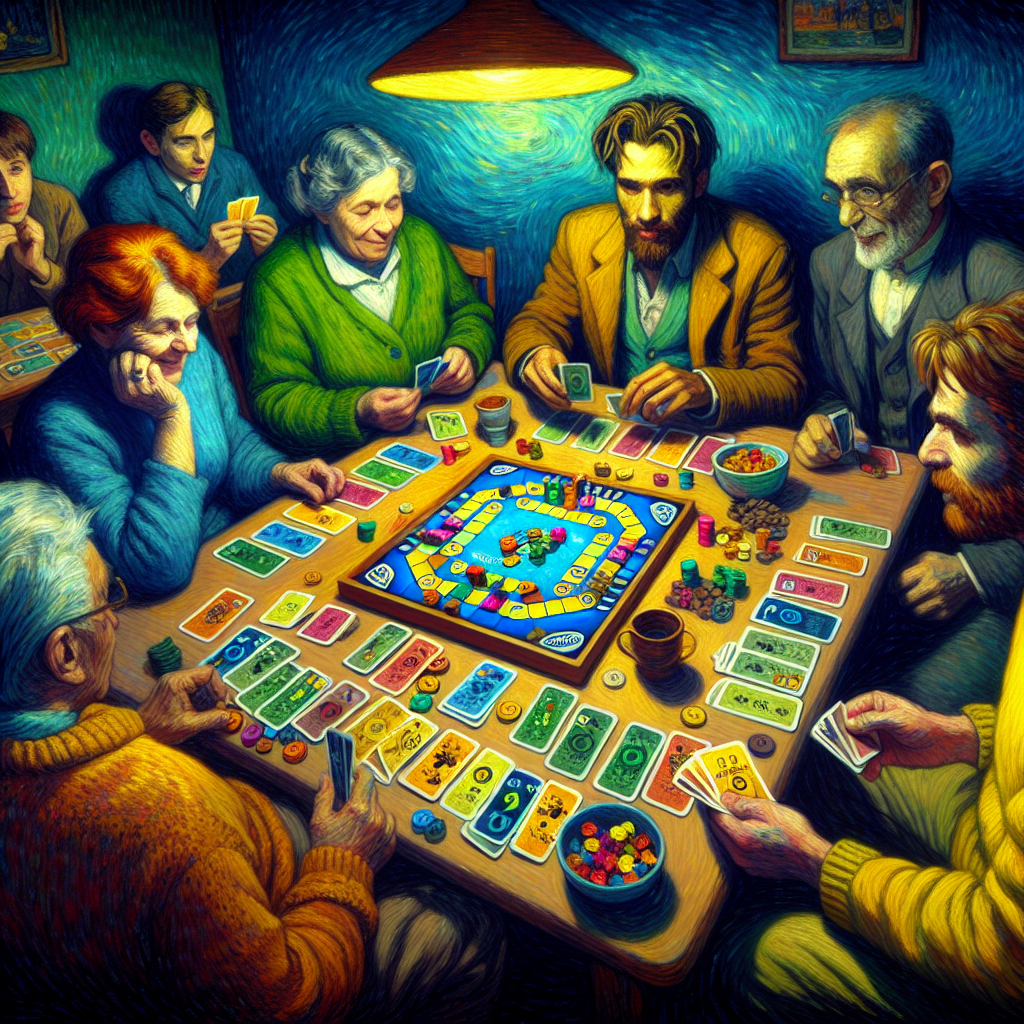
Imagine the scene: grandparents, parents, and kids all huddled together, armed with snacks and a collective spirit of fun. As the game unfolds, stories are shared, laughter rings out, and strategies are debated. For many families, game nights have become a sanctuary from the relentless pace of modern life. A board game transforms a mundane evening into a tapestry of memories, woven from the threads of friendly banter and playful rivalry.
Sure, technology has made leaps and bounds, introducing immersive video games that allow people to connect from thousands of miles away. But there’s something uniquely tangible about sitting across from one another, feeling the weight of the pieces in your hands, and seeing the expressions on your opponent’s face as you make that final, triumphant move. There’s a sense of camaraderie that transcends the medium, reminding us all that competition is not just about winning—it’s about the experiences we share along the way.
And let’s not forget the invaluable lessons these games impart. Whether it’s strategizing over a game of Settlers of Catan or navigating the property market in Monopoly, board games teach patience, critical thinking, and perhaps most importantly, humility in defeat. They encourage communication and teamwork, creating a space where children learn to express themselves and older generations pass down wisdom disguised as playful advice.
As more families turn to these engaging games, they may find that the divisions brought about by age or technological preferences begin to fade. Instead of just talking past one another, various generations can sit down, laugh, and engage with the same set of rules—like an unspoken agreement to put aside their differences for the sake of play.
While the world races on at breakneck speed, a board game can serve as a gentle reminder that sometimes the best connections are made not through screens, but around a simple table, sharing nothing more than a few hours of authentic human interaction. In a society often fragmented by distractions, such moments may just be the glue that keeps families together.
Will Engaging Games Bring Generations Together?
Will Engaging Games Bring Generations Together?
- Board games provide a charming alternative to screen-based activities, bridging generational gaps.
- Gathering around a table fosters family connections and shared experiences through laughter and friendly competition.
- Game nights become a sanctuary from modern life’s hectic pace, creating memorable moments for families.
- Playing board games offers a tangible experience, enhancing camaraderie and emphasizing the journey over winning.
- Board games impart valuable lessons in patience, critical thinking, and humility, while encouraging communication and teamwork.
- They facilitate intergenerational dialogue, allowing families to engage openly and share wisdom through playful interactions.
- Engaging in board games reminds us that authentic connections are often made through in-person interactions rather than screens.
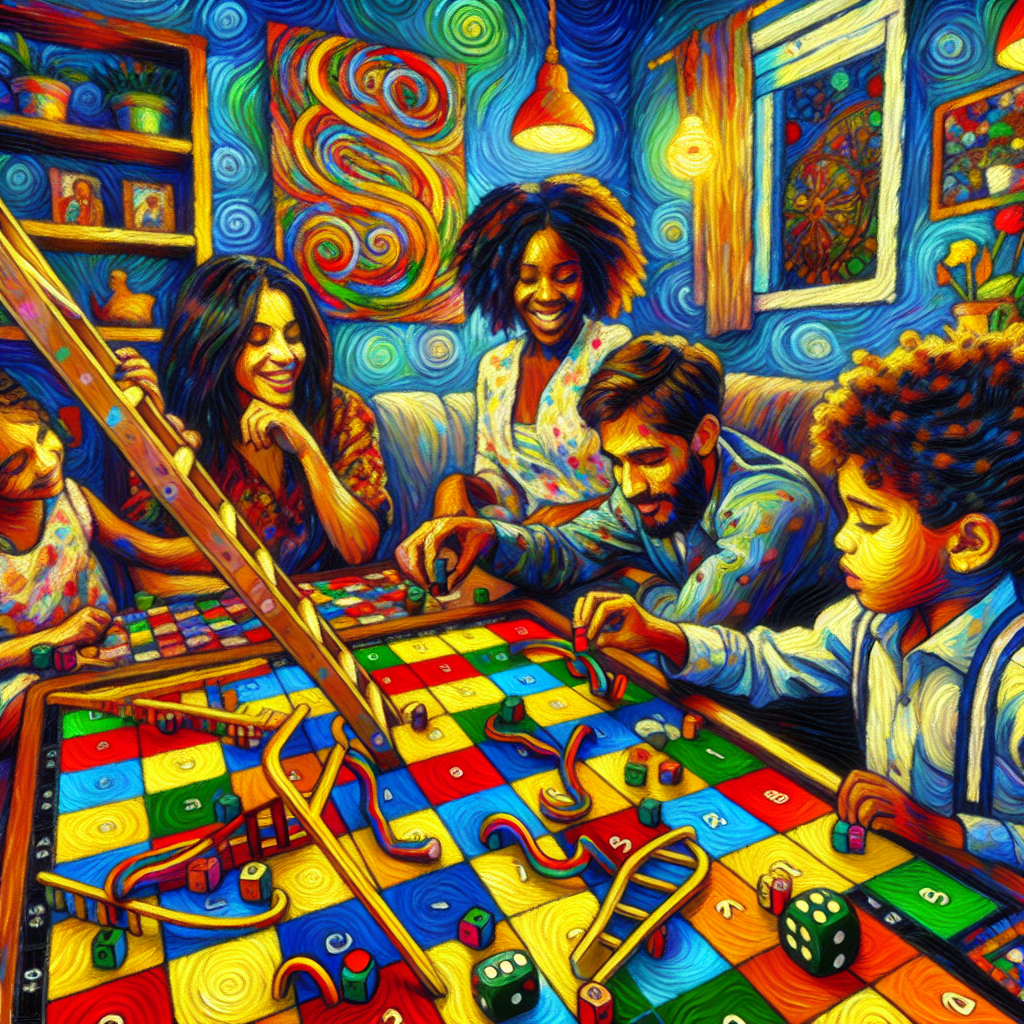
Will Engaging Games Bring Generations Together?
Table Of Contents
- Will Engaging Games Bring Generations Together?
- How Can Engaging Games Bridge The Gap Between Different Age Groups?
- What Types Of Games Appeal To Both Younger And Older Generations?
- How Do Cooperative Games Promote Teamwork Across Ages?
- What Are The Benefits Of Family Game Nights For All Ages?
- Can Nostalgia In Games Create Common Ground For Different Generations?
- What Challenges Do Generations Face When Playing Games Together?
- How Can Game Design Encourage Inclusivity For All Ages?
- Conclusion
- Other Resources
- Glossary Of Terms
- Other Questions
- Haiku
- Poem
- Checklist
How Can Engaging Games Bridge The Gap Between Different Age Groups?
In a world brimming with screens, the humble board game is holding its own as a delightful antidote to digital noise. Picture this: a family gathered around a table in the evening light, laughter echoing off the walls, and good-natured banter punctuating the clatter of dice and the shuffle of cards. Engaging games have a remarkable ability to dissolve the generational divide, creating a shared experience that can draw everyone together, regardless of age.
At the heart of this phenomenon is the board game itself—a crafted experience that invites players to strategize, negotiate, and cooperate. Unlike fleeting digital interactions, a board game demands attention and fosters a sense of presence that transcends age barriers. You’ve got grandma on one side, scheming her way through a game of “Settlers of Catan,” while your tech-savvy teen is trading resources and strategizing alliances. In that moment, old expectations melt away, replaced by a simple desire to connect and compete.
The beauty of these games lies not only in their mechanics but in their storytelling potential. They act as vessels for shared narratives, where players craft experiences that are uniquely their own but universally relatable. Younger players might indulge in the competitive spirit, while seasoned participants can offer wisdom in gameplay. Conversations spring forth about strategies, past experiences, and even life lessons—each layer adding richness to each turn taken.
Beyond the laughter and competition, board games also encourage patience and empathy. They require players to recognize others’ perspectives, promoting understanding and mutual respect. While some might lean towards the high-energy thrills of a good card race, others appreciate the slow, methodical nature of a complex board strategy. This variety caters to diverse preferences, offering something for everyone, effectively bridging the gap between the quick-paced nature of youth and the more contemplative pace of adulthood.
Let’s not overlook the tactile experience of a board game—the feel of the pieces, the sound of the dice rolling, and the sight of a well-crafted game board. These sensory aspects promote engagement in ways digital platforms often cannot. Each game session isn’t just a contest of wits; it’s a gathering, a nostalgic nod to simpler times, and a celebration of connection.
In short, engaging games, particularly board games, can serve as a bridge for different age groups—offering a communal space where stories are shared, laughter is abundant, and bonds are fortified, reminding us that, at the end of the day, we’re all just players at the same table.

How Can Engaging Games Bridge The Gap Between Different Age Groups?
How Can Engaging Games Bridge The Gap Between Different Age Groups?
- Board games provide a refreshing alternative to digital distractions, creating memorable family moments.
- They promote intergenerational bonding, allowing players of all ages to connect through shared experiences.
- Board games encourage strategic thinking, negotiation, and cooperation, fostering deeper engagement among players.
- The storytelling potential in board games enhances the gameplay experience, allowing for uniquely relatable narratives.
- Games cultivate virtues like patience and empathy by encouraging players to understand different perspectives.
- The tactile and sensory elements of board games enhance engagement, creating a rich, hands-on experience.
- Overall, board games serve as a communal space that strengthens relationships and shared memories across generations.

How Can Engaging Games Bridge The Gap Between Different Age Groups?
What Types Of Games Appeal To Both Younger And Older Generations?
When it comes to bridging the gap between younger and older generations, few mediums offer a more inclusive experience than games. Whether it’s the nostalgia of family game nights or the thrill of competition, certain types of games naturally appeal across age lines. One shining example? The classic board game.
Now, let’s take a moment to appreciate what makes board games so universally enjoyable. They demand interaction, strategy, and sometimes, a little luck—elements that transcend age. Younger players are often drawn to the vibrant colors, exciting themes, and sometimes, the endless possibilities of modern mechanics. Meanwhile, older generations might revel in the familiar faces of traditional games, perhaps remembering evenings spent around the table with family.
Games like Monopoly or Scrabble provide a delightful blend of both worlds. Younger players can appreciate the slick designs of newer editions, while older players savor the simplicity and deep-rooted traditions these games present. It’s more than just rolling dice or spelling words; it’s about sharing experiences and stories. A simple swap of the game piece can evoke memories of youth, sparking conversations that connect the past and the present.
But let’s not forget the rise of cooperative games, which have gained traction across all age groups. These games require teamwork and communication—traits that everyone can appreciate, regardless of their age. Titles such as Pandemic or Forbidden Island have become staples in homes, where players collaborate to achieve a common goal. The camaraderie that develops during these sessions often leads to lasting bonds, proving that the shared goal of victory is an ageless pursuit.
Video games are another realm where generational barriers fade. While many older folks might have considered gaming a pastime for kids, titles like Animal Crossing or Mario Kart invite everybody to join in, often leading to laughter, friendly rivalries, and—and this is important—good old-fashioned fun. Just imagine grandparents racing their grandkids in a colorful virtual world; it’s a beautiful sight and a testament to shared joy.
Ultimately, the games that appeal to both younger and older generations are those that create connections—between players, memories, and experiences. Whether through board games that spark nostalgia or video games that highlight teamwork, the essence remains the same: togetherness. No matter the style of play, it’s the joy of being together that truly matters.
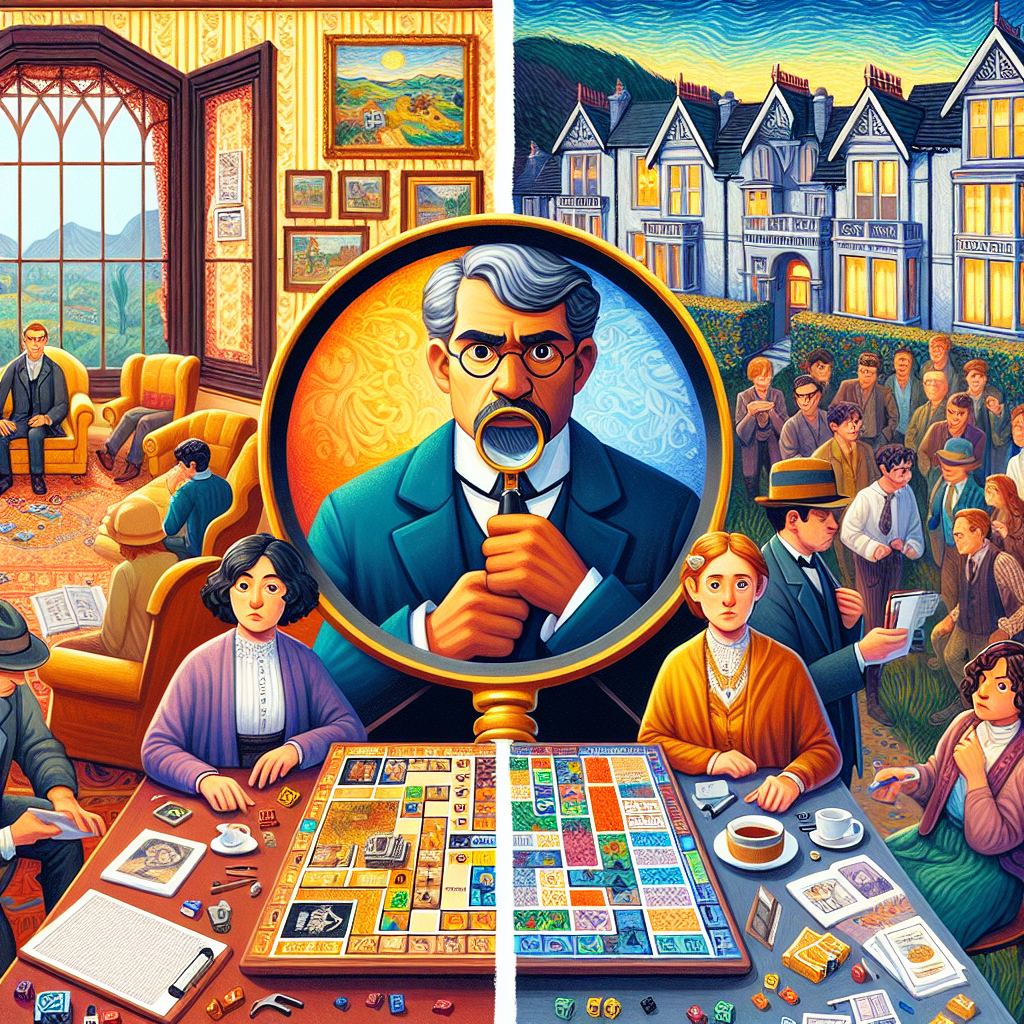
What Types Of Games Appeal To Both Younger And Older Generations?
What Types Of Games Appeal To Both Younger And Older Generations?
- Games bridge the gap between younger and older generations by offering inclusive experiences.
- Board games, such as Monopoly and Scrabble, appeal across age lines through interaction, strategy, and nostalgia.
- Younger players enjoy vibrant designs and mechanics, while older generations cherish traditional games and their memories.
- Cooperative games like Pandemic and Forbidden Island foster teamwork and communication among all ages.
- Video games, including Animal Crossing and Mario Kart, invite everyone to enjoy and share laughter and fun.
- Games create connections between players, memories, and experiences regardless of age.
- Ultimately, the joy of being together is what truly matters in gaming experiences.

What Types Of Games Appeal To Both Younger And Older Generations?
How Do Cooperative Games Promote Teamwork Across Ages?
When you think about the concept of teamwork, what often comes to mind? Maybe it’s the camaraderie shared in a bustling workplace, or perhaps it’s that magical moment during a family gathering when everyone rallies together to complete a daunting jigsaw puzzle. Whatever the scenario, teamwork is at the heart of our daily lives, and cooperative games, particularly board games, can strengthen this vital skill across generations.
Imagine a rainy afternoon spent around the table, a board game sprawled before you, pieces gleaming with potential. A sense of anticipation hangs in the air, an unspoken agreement that today, it’s not about winning or losing—it’s about working together. Whether it’s a quick card game or an intricate strategy board game, the mechanics of play demand communication, patience, and problem-solving from every participant. Children learn valuable lessons about sharing and taking turns, while adults brush up on their negotiation skills and strategic thinking. Age melts away, and what emerges is a palpable sense of unity.
In cooperative play, there are no lone wolves. Every player has a role, and each contribution is integral to the collective goal. This environment allows participants to engage and interact, fostering a healthy exchange of ideas. Picture kids huddled over a game board, strategizing ways to defeat a common foe, expressing their thoughts and listening to others in equal measure. These young minds are not just having fun; they’re building social skills and empathy—two pillars of effective teamwork.
As players navigate challenges and celebrate small victories, they develop resilience and learn to deal with setbacks. Rather than finger-pointing or blaming, cooperative games encourage a mindset focused on finding solutions as a team. This experience can be especially beneficial for older adults who may feel isolated or less inclined to engage socially. Inviting them to join in a game creates a bridge, bringing generations together, reinforcing bonds, and sparking conversations that might not otherwise happen.
Ultimately, cooperative board games provide a unique opportunity for individuals of all ages to come together, learn from one another, and cultivate a rich environment of collaboration where differences are embraced and creativity flourishes. In a world where isolation can sometimes overpower connection, that’s a win worth celebrating—a reminder that teamwork, much like a well-loved board game, can unify us all, one move at a time.

How Do Cooperative Games Promote Teamwork Across Ages?
How Do Cooperative Games Promote Teamwork Across Ages?
- Teamwork is a crucial aspect of daily life, often exemplified through cooperative activities.
- Board games serve as a platform to strengthen teamwork across different generations.
- Games encourage communication, patience, and problem-solving among players regardless of age.
- Every participant plays a vital role, promoting engagement and collaborative idea exchange.
- Children enhance their social skills and empathy while adults refine negotiation and strategic thinking.
- Cooperative games foster resilience, emphasizing team-based solutions rather than blaming individuals for setbacks.
- These activities help bridge generational gaps, fostering connections and conversations among players.
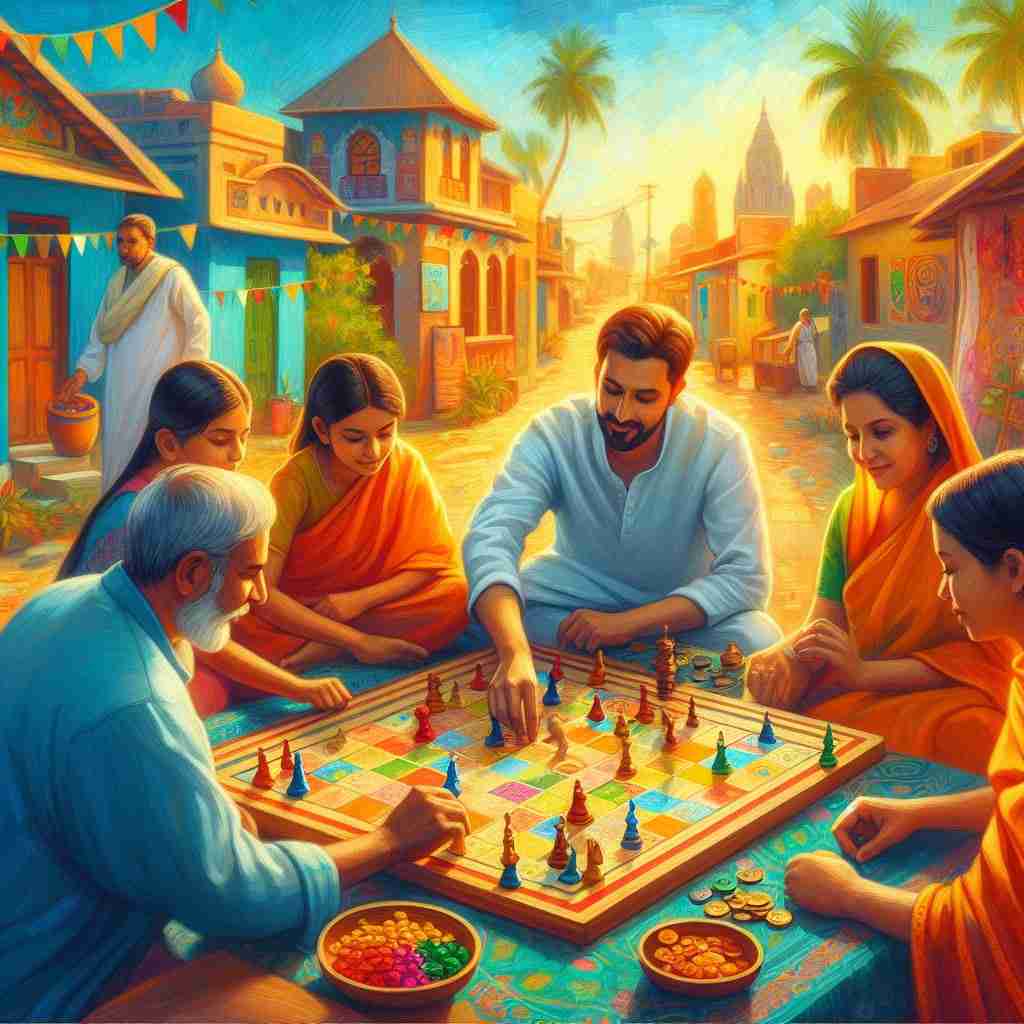
How Do Cooperative Games Promote Teamwork Across Ages?
What Are The Benefits Of Family Game Nights For All Ages?
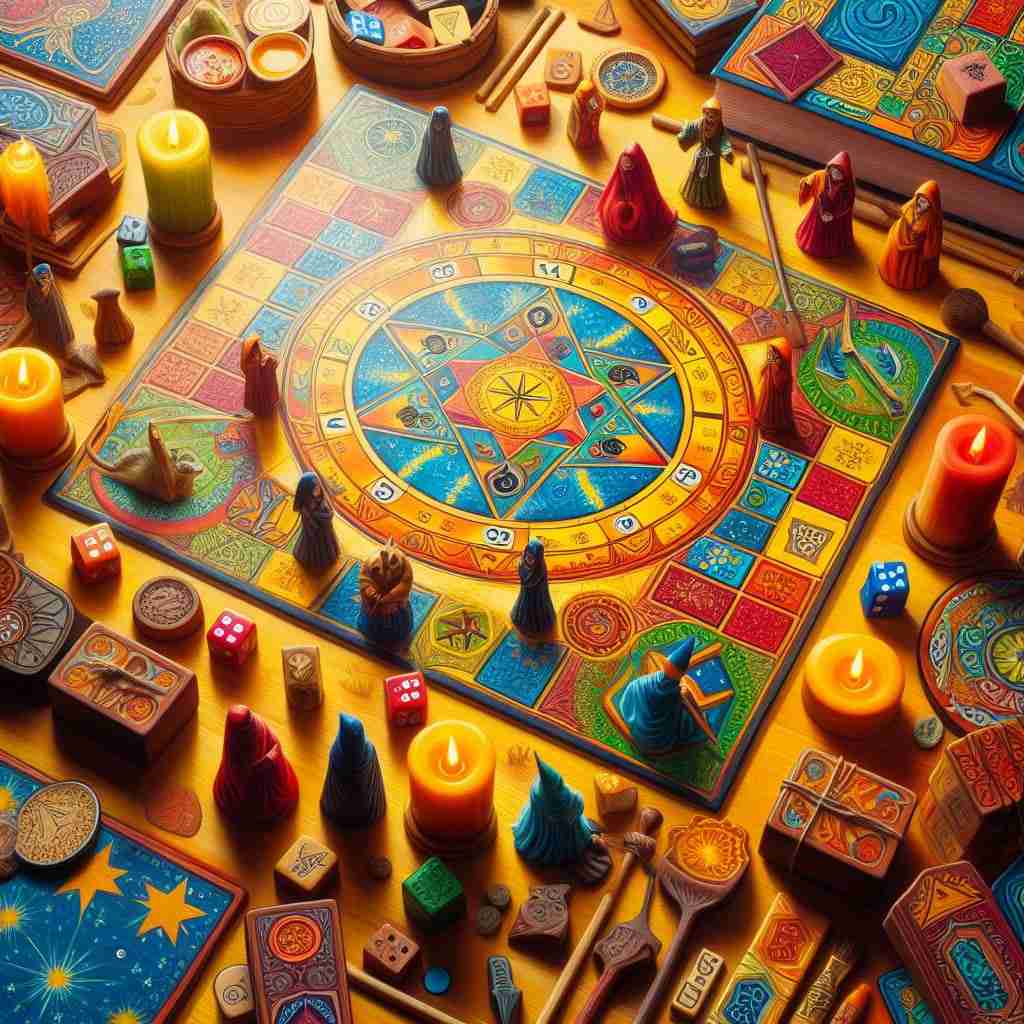
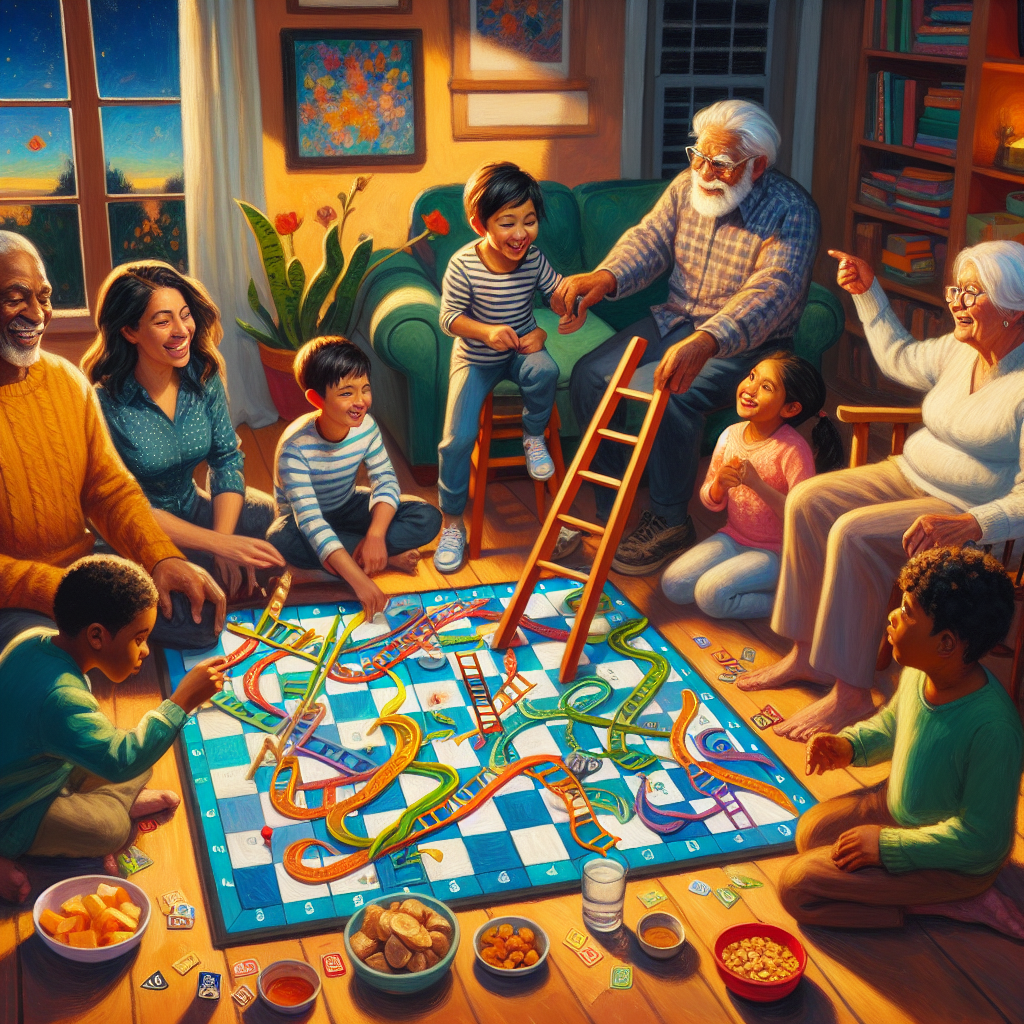
When you think of a family game night, the images that spring to mind often involve laughter, a table strewn with snacks, and perhaps, a few friendly arguments over the rules of a board game. But while it might seem like mere entertainment, the benefits of gathering the family for an evening of competition and connection are as rich and varied as the games themselves.
First off, let’s talk about bonding. In our fast-paced world, where everyone is glued to screens and running from one activity to the next, a board game night serves as a sanctuary for meaningful interaction. There’s something uniquely powerful about sitting around a table, engaging with each other face-to-face, that fosters stronger relationships. Whether you’re teaming up against each other in a game like Scrabble or throwing some dice in Yahtzee, the laughter and stories shared during the gameplay create lasting memories.
Moreover, the educational aspect should not be overlooked. Many modern board games are designed to enhance strategic thinking, problem-solving skills, and even basic math. When kids take on the role of game leaders, they start to learn valuable lessons about teamwork, patience, and resilience. Watching a child find joy in strategizing their moves or handling unexpected setbacks can inspire critical thinking skills that are vital in the real world.
Let’s not forget the joy of healthy competition. A little rivalry can spice things up and encourage everyone to bring their A-game. There’s a sense of accomplishment that a win can provide, but equally important is the grace in defeat. Learning how to handle both success and failure — lessons that extend well beyond the board game — equips families with emotional intelligence and resilience.
Finally, let’s address the sheer fun of it all. The excitement of pulling out a classic game, the silly reactions when someone lands on a bad square, and the unpredictable twists that can lead to sudden upsets add an element of thrill that simply cannot be matched by solitary entertainment. Game nights are a great escape from the everyday grind, inviting families to celebrate being together in the simplest yet most rewarding of ways.
So, if you haven’t set aside a night for family board games lately, consider making it a regular tradition. The benefits are abundant, the lessons are valuable, and the laughter is bound to be contagious. A family that plays together truly stays together, and that’s a win-win for everyone involved.
What Are The Benefits Of Family Game Nights For All Ages?
What Are The Benefits Of Family Game Nights For All Ages?
- Family game nights foster meaningful interaction and bonding.
- They provide a sanctuary for face-to-face engagement in a fast-paced world.
- Board games can enhance strategic thinking, problem-solving, and basic math skills.
- Children can learn valuable lessons about teamwork, patience, and resilience.
- Healthy competition encourages emotional intelligence and resilience.
- Game nights offer fun and excitement, breaking the monotony of daily life.
- Regular family game nights can strengthen family ties and create lasting memories.
What Are The Benefits Of Family Game Nights For All Ages?
Can Nostalgia In Games Create Common Ground For Different Generations?
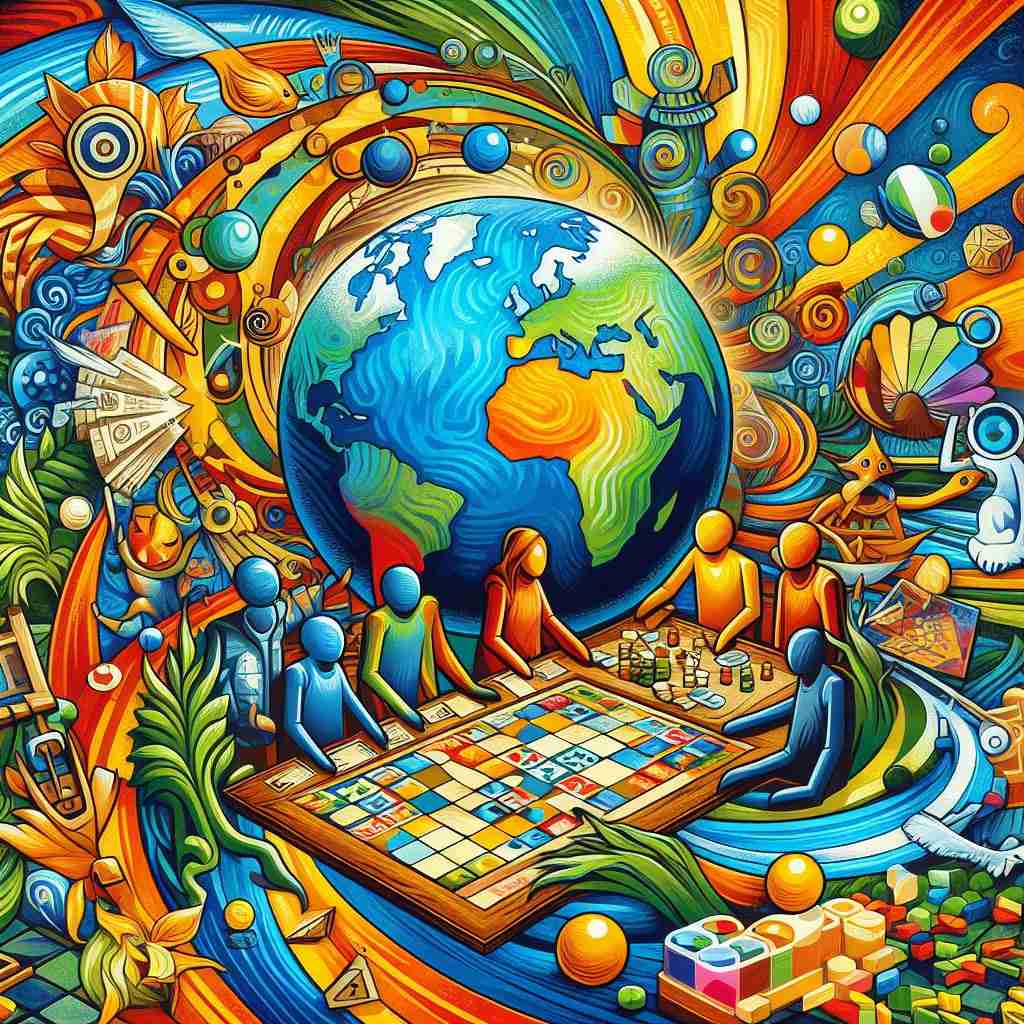
Nostalgia has a powerful way of bridging the gap between generations—especially in the realm of games. Whether it’s a board game, a classic console, or even the old-school card games we might have played as kids, these interactions can tug at heartstrings and evoke memories that resonate across diverse age groups. When families sit around a table full of brightly colored pieces, the laughter that ensues can dissolve the barriers that typically separate younger players from their elders. It’s not just about winning or losing; it’s about shared experiences and the playful banter that unfolds.
Take, for instance, a simple board game. It serves as more than just a competitive pastime; it’s a portal to yesteryear. As a grandparent teaches their grandchild the rules of a classic—let’s say Monopoly—a wealth of stories unfolds. They regale the little one with tales of how they played the game with their own siblings, recounting how they almost went bankrupt or how they once staged a faux family coup to take over Park Place. This sharing of stories transforms a mere pastime into a rite of passage, crystalizing the generational divide into something beautifully mundane.
Furthermore, the visuals and tactile feel of board games offer a sensory experience that digital games often overlook. The smoothness of wooden pieces, the intricate designs of the game board, and the satisfying clatter of dice all evoke an essence of nostalgia that resonates at a fundamental level. In a world saturated with high-definition graphics and complex mechanics, there’s something refreshingly simple about rolling dice and strategizing over a shared laugh.
For those who stretched their imaginations with tabletop RPGs or gathered around a crowded living room with friends for a game night, the nostalgia isn’t just a fleeting trip down memory lane. It’s connective tissue, ensuring that someone born in the ’90s or even the ’00s can find common ground with those who once faced the world’s trials and tribulations armed only with a handful of dice and dog-eared character sheets.
So, the next time you pull a board game off the dusty shelf, remember that you’re not just igniting your own nostalgia but creating a bridge for different generations. It’s in these seemingly small moments of shared gameplay that an understanding of one another can blossom, proving that, at our core, we’re all just kids at heart, looking to connect amidst the joy of play.

Can Nostalgia In Games Create Common Ground For Different Generations?
Can Nostalgia In Games Create Common Ground For Different Generations?
- Nostalgia in games can bridge generational gaps, fostering connections through shared experiences.
- Board games and classic consoles evoke memories that resonate across different age groups.
- Family game nights promote laughter and dissolve barriers between younger and older players.
- Playing games like Monopoly allows grandparents to share personal stories, transforming playtime into cherished memories.
- Tactile experiences of board games evoke nostalgia that digital games often miss.
- Tabletop RPGs and game nights create lasting connections across generations, allowing people to bond over shared history.
- Engaging in board games can foster understanding and connection, reminding us of our shared childhood joy.
Can Nostalgia In Games Create Common Ground For Different Generations?
What Challenges Do Generations Face When Playing Games Together?
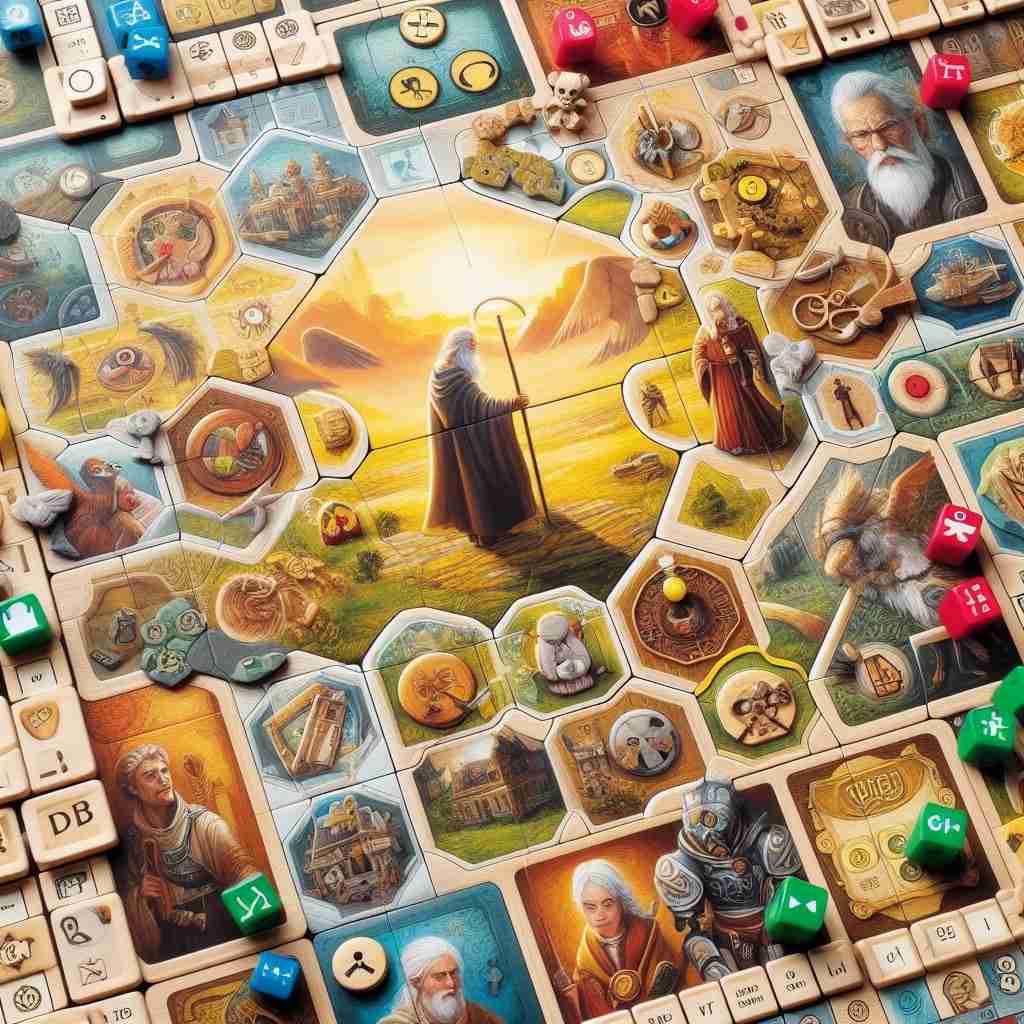
When it comes to gathering around the table for a game night, there’s something universally appealing about the clatter of dice, the shuffle of cards, and the shared laughter that fills the air. However, it’s not all fun and games, especially when you throw different generations into the mix. The truth is, for every heartfelt moment shared over a *board game*, there’s a whole heap of challenges just waiting to derail the evening.
First off, let’s talk about the pace of play. Younger generations, raised on fast-paced video games, are accustomed to rapid-fire action and instant gratification. They expect a game to be engaging and over in a flash. Meanwhile, older generations often favor long, strategic *board games* that can stretch on for hours. This mismatch can lead to frustration on both sides. The young ones might start subconsciously tapping their fingers, ready to move on to the next exciting thing, while the seasoned players find this impatience baffling, reminiscing about games that unfolded at a leisurely pace.
Next up, we have the rules. Ah, the rules! Some families swear by house rules that have been passed down like heirlooms, while others are sticklers for the original game manuals. For a younger player, unfamiliar with the sacred rituals of a particular *board game*, being introduced to an entirely new set of rules can feel like deciphering ancient hieroglyphics. On the flip side, the older players might find themselves sighing at what they perceive as a lack of respect for the game’s tradition.
Then there’s the technological gap. Today’s youth are digital natives, comfortable with screens and supple in the language of tech. This means they might be better equipped for newfangled *board games* that incorporate apps or online elements. Let’s not forget, though, that for some older folks, the idea of their beloved game evolving into something that requires a smartphone can feel disorienting—almost a betrayal.
Lastly, there’s the ever-present challenge of communication. One generation may express excitement with loud proclamations and animated gestures, while another prefers subdued strategy sessions. Misunderstandings can crop up quicker than a wild card, turning what should be a joyous gathering into a game of frustration.
So, as you gather your loved ones for an evening of *board games*, remember: it’s not just about winning or losing, but about bridging gaps and building memories—one roll of the dice at a time.

What Challenges Do Generations Face When Playing Games Together?
What Challenges Do Generations Face When Playing Games Together?
- Game nights bring together different generations for fun, but can also present challenges.
- Younger players prefer fast-paced games, while older generations enjoy long, strategic ones.
- This difference in pace can lead to frustration for both sides.
- House rules and original game manuals can create confusion between generations.
- Younger players are adept with tech enhancements in games, while older players may find this disorienting.
- Communication styles vary, leading to misunderstandings during gameplay.
- Ultimately, game nights are about bridging generational gaps and creating memories together.
What Challenges Do Generations Face When Playing Games Together?
How Can Game Design Encourage Inclusivity For All Ages?
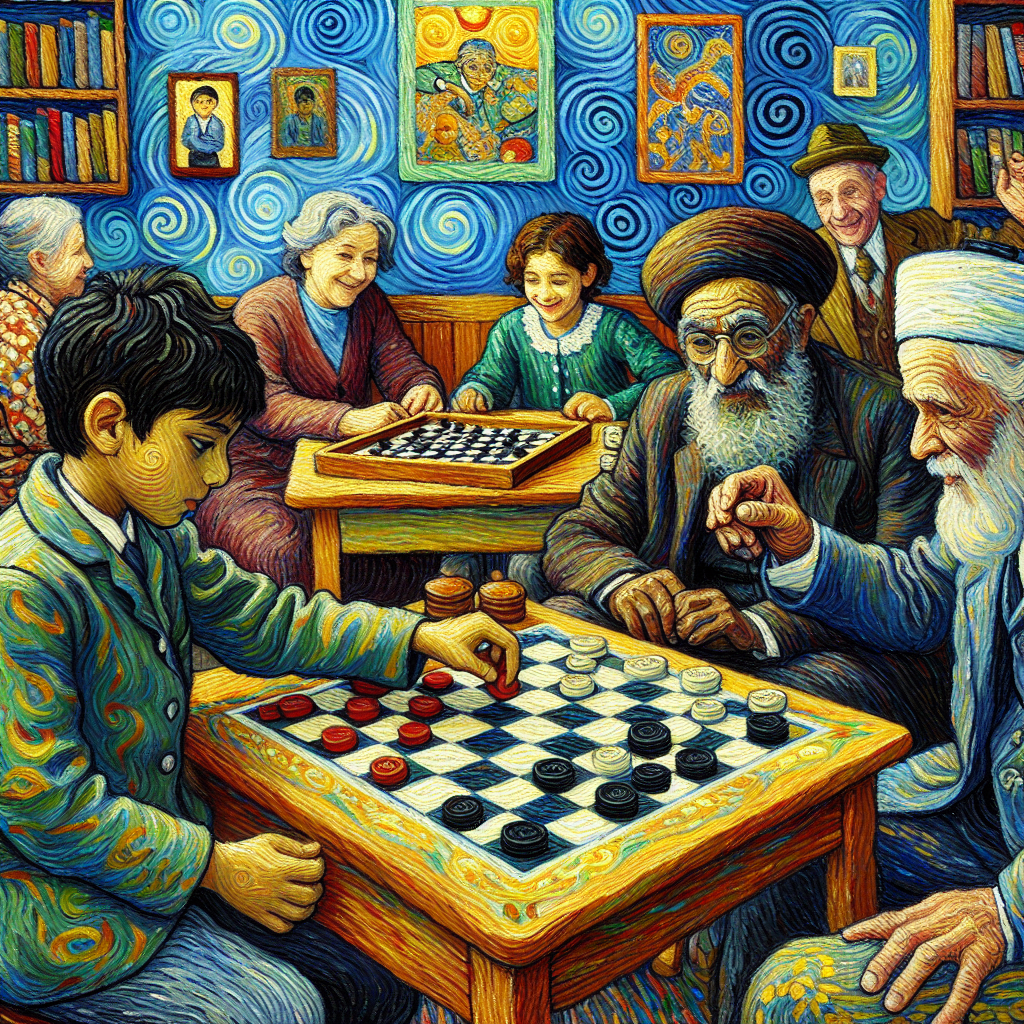
When it comes to the world of game design, the challenge of inclusivity can feel like trying to carry a jigsaw puzzle piece that just doesn’t fit. But here’s the thing: creating games that cater to all ages isn’t just about making something that everyone can play; it’s about crafting an experience that brings people together. A board game can be more than just a collection of rules and pieces—it can be a bridge that connects generations, inviting young and old alike to the table for a shared adventure.
Take a moment to think about it. A well-designed board game doesn’t just cater to one demographic. It should engage the imagination of a five-year-old and stimulate the strategic thinking of a grandparent. Inclusivity means stepping away from the notion that games are only for specific age groups or skill levels. Instead, it’s about creating a space where players of all backgrounds can thrive, communicate, and ultimately find joy in the experience.
One approach to designing an inclusive board game is to incorporate adaptable mechanics. This could be a rule system that scales with the players’ ages and abilities—maybe younger players get certain advantages while older ones have to play under more stringent conditions. This not only fosters a sense of fairness, but it also encourages older players to mentor and guide their younger counterparts, creating valuable intergenerational bonds.
Visual design is another crucial aspect. Graphics and themes should resonate with diverse audiences, avoiding complex or niche references that might alienate some players. Instead, consider imagery that is relatable and universal—like animals, nature, or everyday objects—that can spark everyone’s imagination, regardless of their life experience. This invitation to engage can be the ingredient that encourages inclusivity at the game table.
And let’s not forget about the importance of storytelling in game design. A game that tells a compelling story is a game that invites conversation. It allows players of different ages to share their perspectives and experiences, enriching the gameplay. A great narrative can draw in everyone, creating moments of laughter, surprise, and shared accomplishment.
Inclusivity in game design isn’t just about accommodating different ages; it’s about weaving a rich tapestry of experiences that encourages connection, understanding, and, in the end, the kind of camaraderie that lasts well beyond the last roll of the dice. So, when you’re designing your next board game, think about that table filled with laughter and stories—after all, every game is an opportunity to shape a community.
How Can Game Design Encourage Inclusivity For All Ages?
How Can Game Design Encourage Inclusivity For All Ages?
- Inclusivity in game design is about creating experiences that connect people of all ages.
- A well-designed board game engages both young and older players, fostering imagination and strategic thinking.
- Games should move beyond targeting specific demographics to create inclusive environments for diverse players.
- Incorporating adaptable game mechanics allows for fairness and encourages mentorship between generations.
- Visual design should use relatable imagery to resonate with a broad audience and spark engagement.
- A compelling narrative in game design fosters conversation and enriches gameplay for players of varying ages.
- Ultimately, inclusive game design cultivates connection and camaraderie, shaping a sense of community.
How Can Game Design Encourage Inclusivity For All Ages?
Conclusion
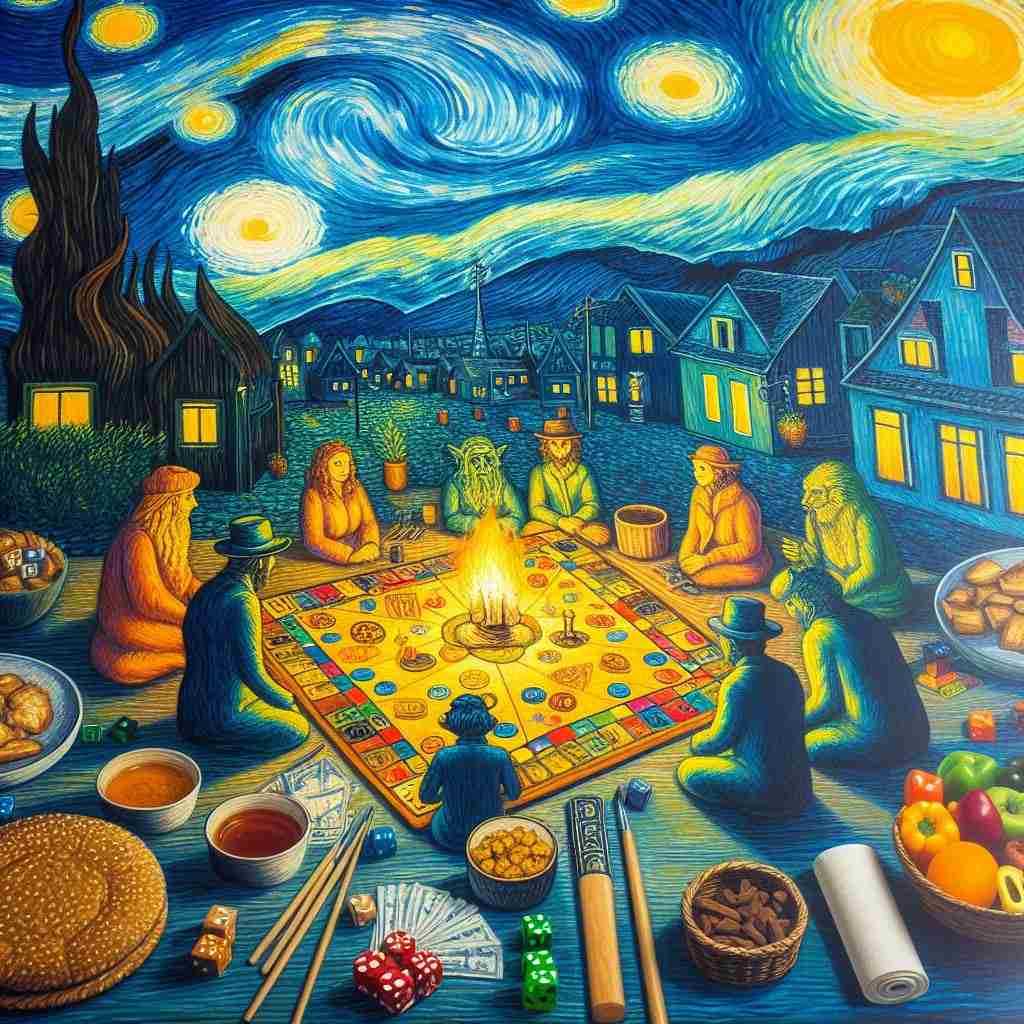
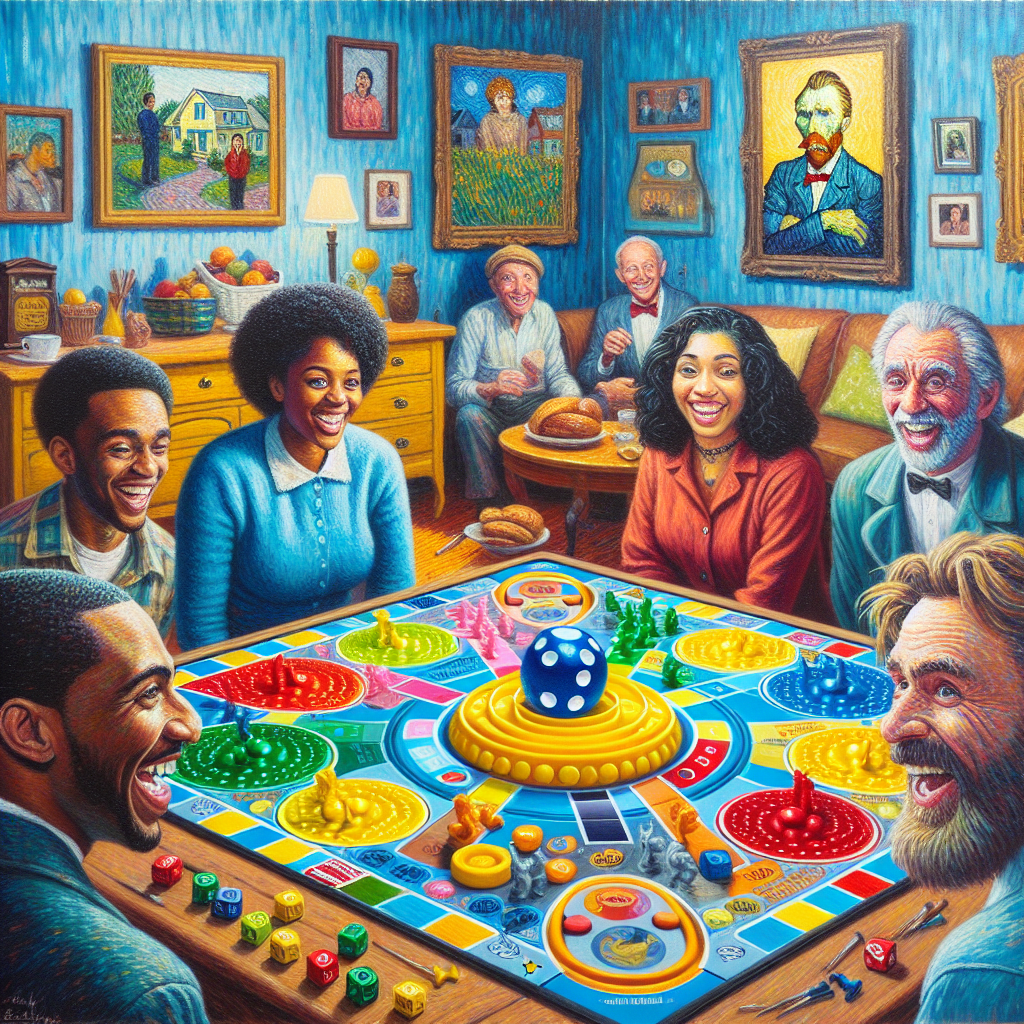
In today’s world, where digital noise often drowns out genuine connection, the resurgence of board games offers a refreshing antidote to the chaos. By inviting family members of all ages to gather around the table, engaging games create a unique platform for bridging generational divides. Picture this: a living room filled with laughter, snacks, and a lively competition unfolding over a well-loved game. As the dice roll and cards shuffle, the participants—grandparents, parents, kids—forge bonds that transcend the typical barriers of age and technology. In this intimate arena, everyone has a seat at the table, united by a shared experience that’s refreshingly personal.
Now, let’s discuss what makes these board games effective. They deliver far more than transient entertainment; each session becomes a meaningful opportunity for voices to be heard and stories to be shared. When younger players strategize alongside their elders, they don’t just learn about the game itself—they absorb wisdom and life lessons that can’t be taught through a screen. These games encourage critical thinking, patience, and communication, all while simultaneously fostering camaraderie and connection.
Moreover, the tactile nature of board games resonates deeply with players. The joy of handling pieces, feeling dice in hand, and observing each other’s expressions infuses the experience with authenticity that digital games often lack. Whether it’s the satisfaction of building a civilization in *Settlers of Catan* or the nail-biting suspense of *Monopoly,* the interactions become a tapestry of shared triumphs, setbacks, and laughter that create lifelong memories.
However, the power of engaging games extends beyond simple fun. They serve as invaluable teaching tools, instilling qualities like teamwork and empathy as players work together to achieve a common goal. Particularly in cooperative games, individuals unite their talents, navigate challenges, and celebrate victories as one cohesive force. Everyone—regardless of age—has a role to play, enriching the experience and nurturing a sense of belonging.
Ultimately, when you strip away the technological distractions, the essence of board games is about connection. They remind us that joy can be found in shared moments, laughter, and healthy competition. So, let’s roll the dice, shuffle the cards, and gather around that table more often. In a whirlwind world that often pulls us apart, engaging games can serve as the glue that brings families closer together, one playful move at a time. After all, at the end of the day, we’re all just players in this fantastic game called life.
Conclusion
Conclusion:
- Board games provide a refreshing antidote to digital noise, fostering genuine connections in a chaotic world.
- They create a platform for bridging generational divides, bringing together family members of all ages.
- Game sessions allow participants to bond through shared experiences, transcending age and technological barriers.
- Playing board games offers meaningful opportunities for communication, storytelling, and life lessons beyond screen-based learning.
- The tactile experience of handling game pieces enhances authenticity and creates lasting memories.
- Engaging games teach teamwork and empathy while fostering camaraderie among players working towards a common goal.
- Ultimately, board games remind us of the joy found in shared moments, strengthening family bonds in a hectic world.

Conclusion
Other Resources
Other Resources
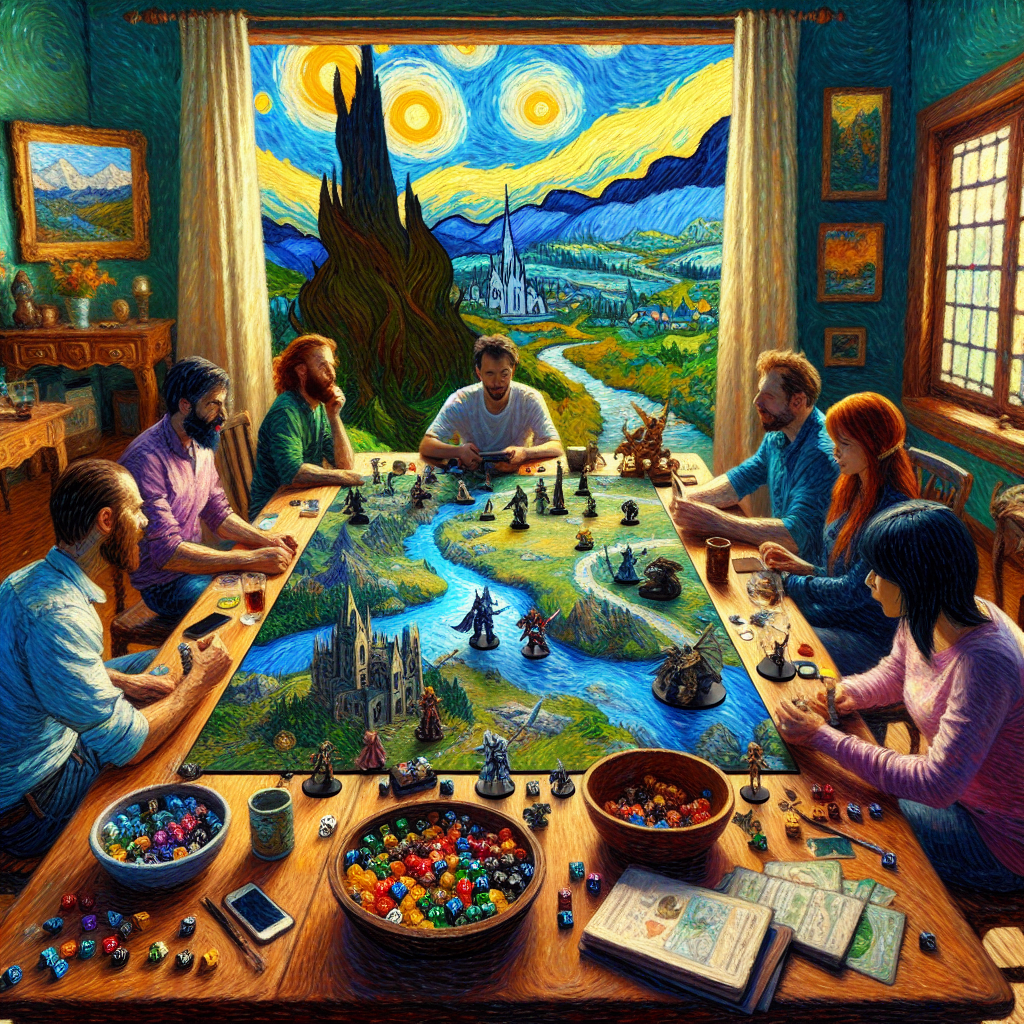
Here is a list of other resources you can review online to learn more:
- Wizards of the Coast
- Atlas Games
- Eurogamer
- Keyflower: The Farmers Expansion
- Portal Games
- Paizo Publishing
- Android: Netrunner
- Clank!: A Deck-Building Adventure
- Puerto Rico (with two expansions)
- Spirit Island: Branch & Claw Expansion
Use This Prompt To Get More Resources With Your Favorite Online AI Tool: Please provide me with a list of online articles with their URLs in a bulleted list that I can read regarding Will Engaging Games Bring Generations Together?
Other Resources
Glossary Terms
Will Engaging Games Bring Generations Together? – Glossary Of Terms
1. Gamification: The use of game-like elements in non-game contexts to enhance engagement and motivation.
2. Intergenerational: Relating to interaction or relationships between different generations, often emphasizing the sharing of knowledge and experiences.
3. Social Connectivity: The way that individuals connect and communicate with others, often facilitated by games that encourage teamwork and collaboration.
4. Digital Literacy: The ability to effectively find, evaluate, and communicate information in various digital formats, important for engaging with modern games.
5. Nostalgia: A sentimental longing for the past, often evoked in older generations by games they played in their youth, fostering connections with younger players.
6. Cooperative Gameplay: A style of play where players work together toward a common goal, promoting teamwork across age groups.
7. Competitive Gameplay: A style of play where players compete against each other, which can bridge generational gaps by creating shared goals and rivalries.
8. Cultural Exchange: Sharing and learning about different perspectives and traditions through gaming, which can unite individuals from various backgrounds.
9. Skill Development: The process of acquiring new abilities, which games can promote across generations, enhancing cognitive and social skills.
10. Lifelong Learning: The continuous, self-motivated pursuit of knowledge, which can be facilitated by engaging games that appeal to all ages.
11. Family Bonding: Strengthening ties within a family unit, which can be enhanced through shared gaming experiences.
12. Empathy: The ability to understand and share the feelings of others, often cultivated through storytelling in games that resonate with different age groups.
13. Game Mechanics: The rules and systems that govern gameplay, which can vary widely and affect how different generations engage with a game.
14. Player Agency: The degree of control a player has over their actions within a game, fostering engagement and investment from players of all ages.
15. Virtual Reality (VR): A technology that immerses players in a computer-generated environment, providing innovative gaming experiences that can attract diverse generations.
16. Augmented Reality (AR): The integration of digital information with the user’s environment, creating interactive experiences that can engage both young and old players.
17. Accessibility: The design of games to ensure that they can be enjoyed by people with various abilities and disabilities, promoting inclusivity across generations.
18. Community Building: The process of creating a sense of belonging among players, which games can facilitate through shared experiences and interactions.
19. Shared Experience: Engaging in an activity together, which can foster connections between people from different age groups over the same game.
20. Cognitive Skills: Mental abilities related to how we process information; engaging games often enhance skills like problem-solving and critical thinking.
21. Role-Playing Games (RPGs): Games that allow players to assume the roles of characters in a fictional setting, which can facilitate storytelling and collaboration across generations.
22. Emotional Engagement: The level of emotional investment a player has in the game, crucial for making connections between players of different ages.
23. Diversity: The inclusion of different perspectives, experiences, and backgrounds within games, which can bring together players of all ages.
24. Game Design: The process of creating a game, taking into account elements that appeal across different demographic groups.
25. Streaming: Broadcasting gameplay online, which can foster community interaction and enable generational connections through shared interests.
26. Team-Based Games: Games that require players to work as a team, often bridging generational divides by fostering collaboration and communication.
27. Mobile Gaming: Gaming on smartphones and tablets, which has broadened access and appeal across age ranges.
28. Gamers’ Culture: The collective practices, beliefs, and values associated with those who play games, impacting how generations relate to one another.
29. Storytelling: The art of conveying narratives within games, which can resonate with players of different ages and create shared emotional experiences.
30. Sociability: The quality of being sociable and interacting with others, a crucial aspect of engaging games that can promote generational bonding.
Glossary Of Terms
Other Questions
Will Engaging Games Bring Generations Together? – Other Questions
If you wish to explore and discover more, consider looking for answers to these questions:
- What are some popular board games that appeal to multiple generations?
- How can families encourage participation from older generations in game nights?
- What strategies can be used to enhance communication between generations during games?
- How do cultural differences impact the choice of games for different age groups?
- What role do game mechanics play in fostering cooperation between young and old players?
- Are there studies that support the benefits of playing board games across generations?
- What can families do to resolve conflicts that arise during game play?
- How can parents teach their children about sportsmanship through games?
- What innovative game designs have successfully bridged age gaps?
- How often should families have game nights to maintain strong connections?
Other Questions
Haiku
Will Engaging Games Bring Generations Together? – A Haiku
A table of friends,
Laughter bridging the ages,
Games weave hearts as one.
Haiku
Poem
Will Engaging Games Bring Generations Together? – A Poem
In a world where screens abound,
A table’s warmth is where love is found.
With dice that clatter, pieces in play,
Families gather, joy on display.
From grandparents’ tales to children’s delight,
In shared laughter, the day turns bright.
Friendly rivalry and playful debate,
Each turn, a bond, each roll, a fate.
Strategies crafted, patience in hand,
Lessons of life in games we stand.
Cooperative play, where teamwork thrives,
In pixels or boards, connection arrives.
Nostalgia whispers through cards and boards,
Uniting the young, with stories of yore.
A simple game night, a cherished retreat,
Where generations meet and hearts skip a beat.
Yet challenges linger, pace may clash,
Old rules and new dreams sometimes clash.
But with patience and laughter, we’ll find a way,
To connect and create in the light of day.
For in every game shared is a chance to see,
The pure joy of together—just you and me.
So roll the dice, let the games begin,
In the heart of each family, everyone wins.
Poem
Checklist
Will Engaging Games Bring Generations Together? – A Checklist
Preparing for Game Night
_____ Select a Variety of Games: Choose both classic and modern games that appeal to different age groups.
_____ Check Game Rules: Ensure everyone understands the rules; consider introducing house rules that make the game more enjoyable for everyone.
_____ Set Up a Comfortable Environment: Create a welcoming atmosphere with comfortable seating and accessible snacks.
During Game Play
_____ Encourage Communication: Foster open dialogues about strategies and experiences during the game to enhance understanding across generations.
_____ Balance Game Pace: Be mindful of the pace at which games are played; allow younger players to express their need for speed while respecting older players’ enjoyment of strategy.
_____ Incorporate Cooperative Games: Include games that require teamwork, promoting collaboration and communication among players.
Enhancing Connections
_____ Share Stories: Encourage participants, especially older generations, to share nostalgic stories related to the games being played.
_____ Celebrate Small Victories: Recognize and celebrate achievements, no matter how small, to build positive reinforcement and enjoyment.
_____ Embrace the Thrill of Healthy Competition: Acknowledge the fun of winning while also teaching the importance of graciousness in defeat.
After the Game
_____ Discuss Experiences: Take time after the game to talk about what everyone enjoyed and learned; gather feedback to improve future game nights.
_____ Make It a Regular Tradition: Consider establishing a regular game night to strengthen relationships and create lasting memories.
_____ Create a Game Night Journal: Record memorable moments, funny quotes, and reflections to revisit in the future, enriching the family narrative.
Additional Considerations
_____ Adaptability in Game Design: If you’re creating or selecting games, look for those that can adapt to different skill levels and encourage mentorship between generations.
_____ Encourage Inclusivity: Foster an environment where everyone feels included and valued, regardless of age or experience.
_____ Capture the Moments: Document the game night with photos or videos to create a visual memory shared among all generations.
By following this checklist, you can create meaningful and enjoyable game nights that strengthen bonds between generations and promote shared experiences.

Checklist
At BestBoardGameNews, we help people who love board games by collating information and news about board games.
Be sure to read our other related stories at BestBoardGameNews to learn more about board games.