Building Bridges Through Game Nights
By Tom Seest
At BestBoardGameNews, we help people who love board games by collating information and news about board games.
Be sure to read our other related stories at BestBoardGameNews to learn more about board games.
Will Game Nights Save Fractured Family Relationships?
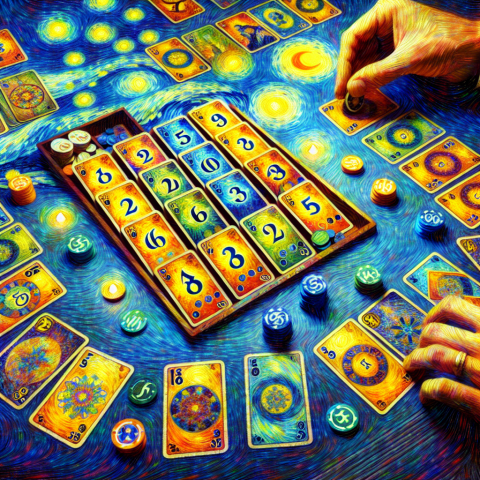
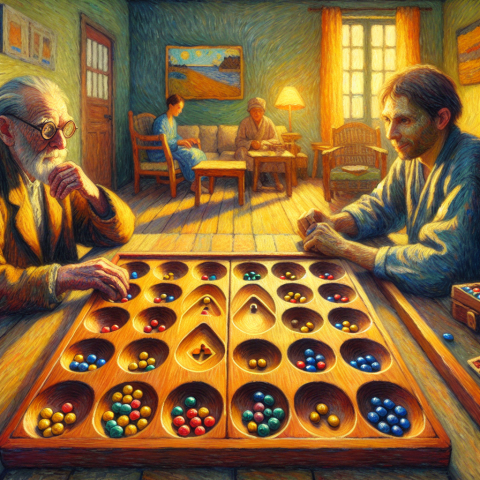
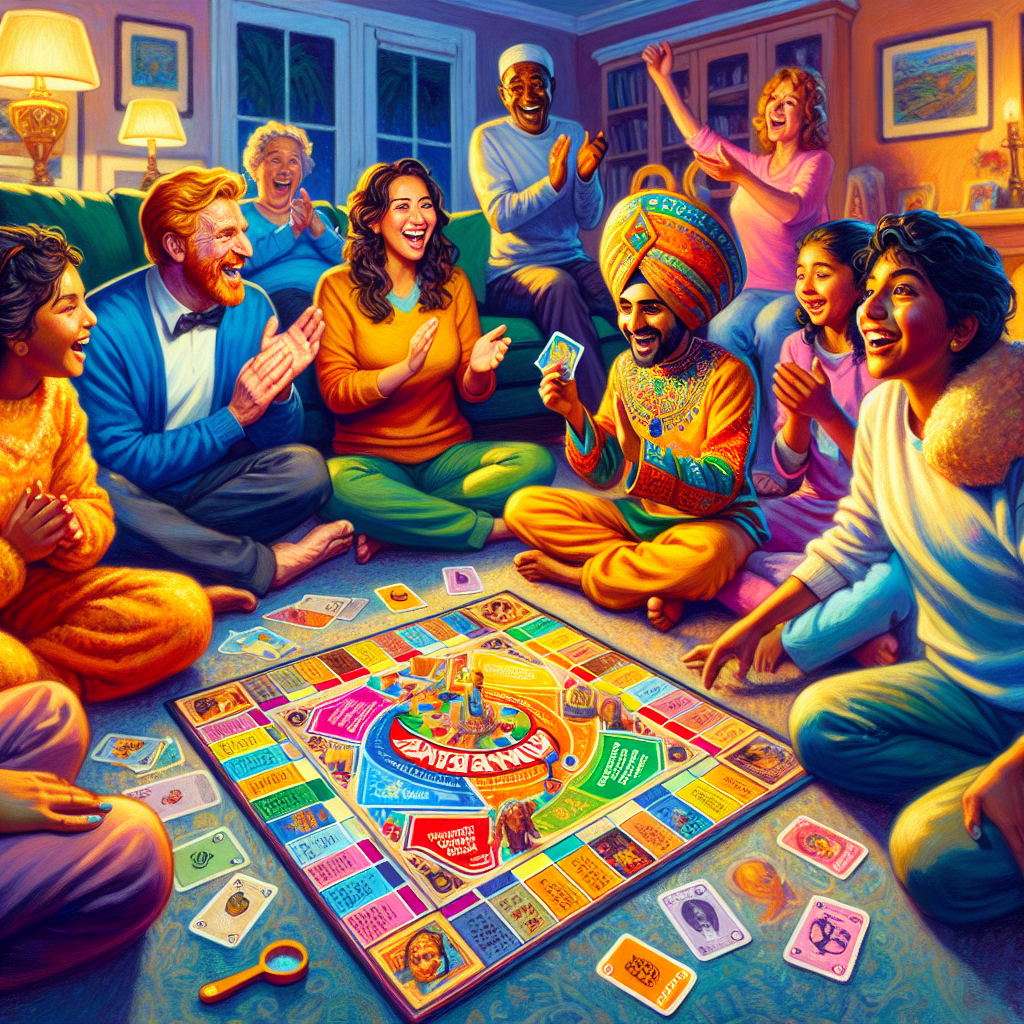
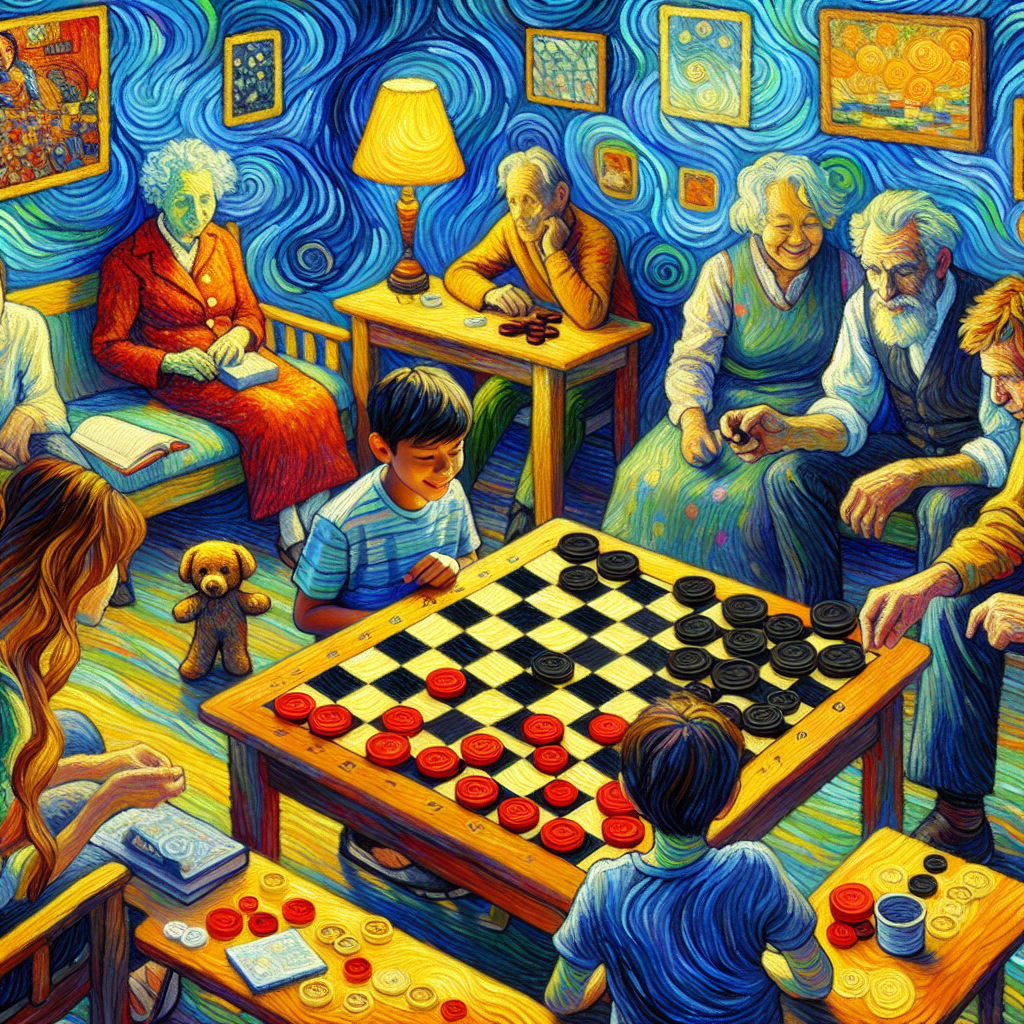
In an age where screens dominate our attention and meaningful conversations have become a rare commodity, the humble board game may just serve as the bridge to mend the increasingly fragile fabric of family relationships. Picture this: a group of individuals, once bound by blood but now divided by technology and the relentless drone of daily life, gather around a table, dice clattering and laughter echoing—sounds that were once commonplace but fell victim to the digital era.
For a family that has been splintered by misunderstandings, grievances, or simply the ever-present distraction of smartphones, the board game emerges like a knight in shining armor. It’s not just about the cardboard and plastic pieces; it’s about the moments that traverse beyond the game itself. The act of playing involves strategy, teamwork, and sometimes good-natured competition, allowing everyone to engage in a way that feels effortless yet profoundly unifying.
Now, let’s talk about what happens around that table. You might encounter friendly banter turning into spirited debates. Perhaps Aunt Carol will finally disclose her infamous strategy, long kept secret. Or maybe the youngest sibling, having mastered the art of persistence, will unexpectedly win a round—this sparks joy and jubilation unlike any social media success could muster. These are moments that can begin to heal old wounds, stitch together rifts, and remind family members of the memories that bind them together, like those childhood surprises that came from the most unexpected places.
Yet, it’s not merely the act of playing that holds the power; it’s the atmosphere fostered around game nights. Dedication to engaging in a shared activity draws members away from their screens and into a realm where empathy and laughter reign supreme. And let’s face it: there’s something therapeutic about the laughter that arises from a well-timed joke or a catastrophic game move. Those moments can shatter all the tension that simmered below the surface.
As family members gather around the table, surrounded by those colorful cardboard squares, they rediscover each other. They remember that their greatest achievements lie not just in their careers or daily hustle, but in these shared experiences that reflect their humanity. Indeed, game nights may just be the lifeline that helps families rediscover kinship in a time when isolation often feels like the norm. For many, if there’s hope for restoration, it starts with a simple board game.
Will Game Nights Save Fractured Family Relationships?
Will Game Nights Save Fractured Family Relationships?
- Board games can help restore family relationships weakened by technology and life distractions.
- They provide a platform for laughter, strategy, and teamwork, fostering a sense of unity.
- Game nights can lead to memorable moments, including friendly banter and unexpected victories.
- Such gatherings help heal old wounds and remind family members of shared memories.
- The atmosphere of game nights promotes empathy and laughter, creating a therapeutic environment.
- Family members rediscover one another and reflect on their shared experiences beyond daily achievements.
- Board games may serve as a lifeline for families looking to reconnect in times of isolation.
Will Game Nights Save Fractured Family Relationships?
Table Of Contents
- Will Game Nights Save Fractured Family Relationships?
- What Are The Benefits Of Family Game Nights?
- How Can Games Improve Communication?
- What Types Of Games Are Best For Families?
- How Do You Choose The Right Game For Everyone?
- What If Family Members Have Different Interests?
- How Can Game Nights Reduce Stress In Families?
- Are There Specific Strategies For Successful Game Nights?
- Conclusion
- Other Resources
- Glossary Of Terms
- Other Questions
- Haiku
- Poem
- Checklist
What Are The Benefits Of Family Game Nights?
Picture this: a table surrounded by laughing faces, the clatter of dice, and the infectious thrill of competition. You might think it’s a scene straight out of a movie, but it’s the reality of a family game night. And let’s be honest, in today’s busy world, there’s something genuinely special about setting aside time to gather around a board game.
First off, family game nights are a fantastic way to strengthen bonds. In a world buzzing with distractions, from smartphones to streaming services, gathering around a board game helps create an atmosphere of connection that you simply can’t replicate online. Engaging in friendly banter over Monopoly or strategizing in Settlers of Catan encourages families to communicate and interact in a way that can often get lost in daily routines.
While it may sound trivial, the act of playing can actually nurture valuable life skills. Board games often require critical thinking, negotiation, and problem-solving. Whether it’s figuring out your next move in chess or convincing your sibling that they should trade that one vital card with you, these exchanges foster a sense of planning and foresight. So, in essence, your family game night is a stealthy masterclass in life skills disguised as fun.
Then there’s the great equalizer: laughter. Who can forget the hilarity that ensues when someone forgets the rules of a game or when Uncle Joe lands on a hotel for the third time? It’s those spontaneous moments of humor that create lasting memories, giving families stories to share for years to come. This kind of shared joy is invaluable; it builds resilience and camaraderie, reminding everyone that it’s not just about winning or losing, but about enjoying each other’s company.
Moreover, family game nights offer a break from screens—something we could all use a bit more of these days. Instead of binge-watching another series, why not roll some dice instead? Spending time together around a board game promotes engagement and interaction, all while keeping everyone’s eyes off those shining screens, even if just for a little while.
In summary, family game nights are more than just a leisure activity; they are an opportunity for connection, learning, and laughter. So the next time you’re pondering how to spend an evening, consider gathering around a board game and seeing just how enriching the experience can be.
What Are The Benefits Of Family Game Nights?
What Are The Benefits Of Family Game Nights?
- Family game nights create a special atmosphere away from everyday distractions.
- They strengthen familial bonds through communication and interaction.
- Playing games nurtures valuable life skills like critical thinking and problem-solving.
- Laughter and humor during gameplay create lasting memories and shared joy.
- Game nights provide a break from screens and encourage face-to-face engagement.
- These evenings offer opportunities for connection, learning, and fun.
- Consider family game night as an enriching way to spend time together.

What Are The Benefits Of Family Game Nights?
How Can Games Improve Communication?
Games, whether they’re played on a sprawling tabletop or through the confines of a smartphone screen, serve a purpose that goes well beyond mere entertainment. They can be a powerful tool for improving communication skills, weaving social threads that bring people together in ways that often go unnoticed. Let’s take a closer look at how this happens, particularly through the classic board game.
Picture this: a group of friends gathers around a table, excitement buzzing in the air as they shuffle through the pieces of a board game. The rules are laid out, but what really matters is how players engage with one another. To win, they must not only strategize but also express their thoughts clearly and listen intently to the plans of their opponents. Board games can transform a typical social gathering into a laboratory of communication.
For starters, consider the act of negotiation. In many board games, players must trade resources or form alliances to secure their victory. This requires articulating needs and desires while gauging the reactions of others. In essence, it’s practice for the real world—a space where we constantly negotiate everything from work deadlines to family responsibilities. The beauty of a board game is that the stakes are low; a loss doesn’t carry the same weight as a blown business deal or a family rift.
Moreover, the structure of a board game fosters teamwork and collaboration. Sometimes, players must join forces to tackle a common adversary, contributing to a conversational rhythm that many might find refreshing. Communication isn’t just about speaking—it’s about understanding body language, tone, and the nuances of shared goals. In this controlled environment, individuals learn how to discuss strategies, compromise on decisions, and celebrate collective victories.
Then there’s the element of conflict resolution. Not every game goes smoothly—misunderstandings can arise, rules can be questioned, and tempers can flare. But through this chaos, players learn how to navigate disagreements, articulate their points of view, and find middle ground. They emerge from these interactions better equipped to handle conflicts in everyday life.
In summary, games—especially board games—can significantly enhance communication skills by creating an engaging and low-pressure environment. They teach us to articulate, listen, negotiate, and resolve conflicts, offering a playful yet profound commentary on how we connect with each other in the world beyond the tabletop. So next time you roll the dice, remember: it’s about more than just winning; it’s about building bridges for better communication.

How Can Games Improve Communication?
How Can Games Improve Communication?
- Games extend beyond entertainment, serving as a tool for improving communication skills.
- Board games create a social atmosphere that enhances engagement among players.
- Players must strategize, express thoughts, and listen to opponents to succeed.
- Negotiation in board games mirrors real-world situations, allowing practice in a low-stakes environment.
- Board games encourage teamwork, fostering collaboration and understanding through shared goals.
- Conflict resolution skills are developed as players navigate misunderstandings and disagreements.
- Overall, games offer a playful yet impactful way to enhance communication and build connections.

How Can Games Improve Communication?
What Types Of Games Are Best For Families?
When it comes to family bonding, few activities can rival the joy of gathering around a table for some good old-fashioned fun. And what’s the heart of that table-top excitement? You guessed it—a mighty fine board game. But what types of games rise above the rest when we talk about family-friendly entertainment? Let’s dive right in.
First off, consider cooperative games. These gems are perfect for uniting your clan under one shared objective while fostering camaraderie instead of competition. Games like “Forbidden Island” invite family members of different ages to work together, strategizing and communicating to achieve a common goal. This shared experience not only strengthens relationships but also provides valuable lessons in teamwork and patience.
Now, let’s switch gears. Perhaps your family thrives on a little friendly rivalry. In that case, classic board games like “Monopoly” or “Scrabble” can spark that delightful, competitive spirit. These games have stood the test of time and can adapt to varying age groups, ensuring that even the youngest players can contribute—avoiding the trap of a bored bystander. They engage minds, foster creativity, and don’t shy away from a little healthy competition, which is all part of the fun.
Next, we can’t ignore the educational board games that sneak in learning while everyone’s having a blast. Games like “Catan” and “Timeline” offer opportunities to develop skills in strategic thinking, resource management, and even a little history. They make you feel like a genius without the pressure of a classroom setting. Plus, who doesn’t love the thrill of outsmarting their opponents while simultaneously slipping in some brain training?
And we must give a nod to the ever-expanding world of party games. Family gatherings can sometimes feel staid, but lively games like “Codenames” or “Cranium” can up the ante, injecting energy and laughter into the atmosphere. These experiences are invaluable in creating cherished memories filled with smiles and perhaps even the occasional hearty laugh at a friendly gaffe.
The best types of games for families encapsulate a blend of cooperation, competition, and most importantly, connection. Whether it’s strategizing over board games, engaging in educational challenges, or enjoying the lively spirit of party games, these activities bring hearts closer and create that familial bond we all treasure. So, gather ‘round the table, shuffle those cards, and roll those dice—because family game night is about to rev up!

What Types Of Games Are Best For Families?
What Types Of Games Are Best For Families?
- Family bonding is enhanced by gathering around a table for games.
- Cooperative games, like “Forbidden Island,” foster teamwork and communication.
- Classic board games, such as “Monopoly” and “Scrabble,” encourage friendly rivalry and creativity.
- Educational games like “Catan” and “Timeline” promote strategic thinking and resource management.
- Party games, such as “Codenames” and “Cranium,” inject energy and laughter into family gatherings.
- The best family games balance cooperation, competition, and connection.
- Family game night brings families closer and creates cherished memories.

What Types Of Games Are Best For Families?
How Do You Choose The Right Game For Everyone?
Selecting the right game for a group can be as daunting as trying to herd cats. When it comes to a Board Game, you need to consider the unique blend of personalities, ages, and skill levels in the room. Everyone has their preferences, just like some folks prefer a solid steak while others are vegetarians. That’s where the challenge lies: finding something that appeals to a diverse crowd.
First, understand the dynamics of your group. Are they a competitive bunch, or do they favor cooperation over confrontation? A Board Game meant for the cutthroat could leave the more laid-back players feeling as if they’ve been thrown into a gladiator arena. In contrast, a cooperative game might be the perfect avenue for a friendly gathering, allowing everyone to work toward a common goal without stepping on anyone’s toes.
Next, consider the age range and experience level. Just because Grandma knows how to play checkers doesn’t mean she’ll appreciate the complexity of a fantasy-themed Board Game with intricate rules. Read the room! Gauge everyone’s comfort level with strategy and mechanics. Some games, with their complicated rules and lengthy playtimes, can come off as exhausting, while others might flow like a refreshing breeze. You want to keep the energy up, not watch as excitement withers away like a forgotten plant.
Now, let’s talk duration. Nothing can kill the vibe faster than a game that drags on for hours. A great rule of thumb is to keep it under two hours unless you know your crew is ready to settle in for an epic marathon. Shorter games can serve as mood lifters, while longer ones require commitment, much like a great novel that you can’t put down.
Lastly, don’t shy away from involving everyone in the decision. Allowing group input can create buzz and enthusiasm. Make it a part of your gathering’s culture to discuss and choose games together. You’ll find that when everyone has a hand in the selection, they’re more likely to engage and enjoy the experience.
In summary, choosing the right Board Game for everyone is an art and a science that hinges on understanding your group, their preferences, and creating an inviting atmosphere where fun reigns supreme. With a little consideration, you can turn a simple game night into an unforgettable experience.
How Do You Choose The Right Game For Everyone?
How Do You Choose The Right Game For Everyone?
- Choosing a Board Game requires understanding the group’s unique blend of personalities, ages, and skill levels.
- Identify the group’s dynamics: Are they competitive or do they prefer cooperation?
- Consider the age and experience level of players; not every game suits every individual.
- Avoid complicated games with lengthy playtimes to maintain energy and excitement.
- Keep game duration under two hours unless the group is ready for a longer session.
- Encourage group input in the game selection process to enhance engagement and enjoyment.
- Successful game choice can transform a simple game night into an unforgettable experience.
How Do You Choose The Right Game For Everyone?
What If Family Members Have Different Interests?
Let’s get one thing straight: a family isn’t a monolith. It’s more like a patchwork quilt stitched together from a myriad of different fabrics, each with its own color, texture, and purpose. Sometimes, these interests can clash like oil and water, leaving us with a peculiar family dynamic. But fear not; navigating differing passions doesn’t mean you have to throw the baby out with the bathwater.
Take, for instance, the idea of a cozy family night. One member might be itching to dive into a rigorous strategy Board Game, while another would prefer to binge-watch the latest superhero flick on Netflix. This is where the magic of compromise and creativity comes into play. You could mix it up—start with the board game and, once the competitive juices are flowing, ease into a movie to cool down the emotional high stakes. It’s all about finding that sweet spot where everyone gets a piece of the action.
Now, let’s be honest: not everyone fits neatly into the box labeled “Family Fun.” If your kid is a budding artist while your spouse is a football fanatic, it’s essential to find activities that allow each of these passions to coexist. Try an evening where everyone takes turns showcasing their interest. Set up a mini art gallery with your child’s creations, followed by a backyard football game. This way, you’re not just accommodating differences; you’re celebrating them.
If all else fails and compromise feels like trying to mix oil and water, embrace the concept of “interest-sharing.” That doesn’t mean forcing a die-hard soccer fan to sit through an entire exposition on quantum mechanics. Instead, it means creating an environment where each person gets a chance to express their enthusiasm. It’s about making space for each individual while still coming together as a family.
In the grand scheme of things, a family’s diverse interests can become a wellspring of creativity and opportunity. Each difference is a chance to learn something new. So, whether you’re rolling dice over a board game or tackling a new genre of movies, remember: it’s not about the activity; it’s about the camaraderie and connection that comes with it. After all, those unique passions could very well be the glue that holds you all together.

What If Family Members Have Different Interests?
What If Family Members Have Different Interests?
- A family is a diverse entity, resembling a patchwork quilt of unique interests and passions.
- Compromise and creativity are key when navigating differing family interests, such as games versus movies.
- Activities can be blended, like starting with a board game and then transitioning to a movie.
- It is important to accommodate and celebrate each family member’s individual interests.
- Engage in interest-sharing by allowing everyone to express their passions in a supportive environment.
- Diverse interests within a family can lead to creativity and learning opportunities.
- The focus should be on camaraderie and connection rather than the specific activities chosen.

What If Family Members Have Different Interests?
How Can Game Nights Reduce Stress In Families?
When life tosses us into a whirlwind of responsibilities and chaos, it doesn’t take long for stress levels to ratchet up. Work demands, school schedules, and the relentless buzz of everyday life can leave families feeling a bit frayed at the edges. Enter the humble board game—a seemingly simple tool that can work wonders in bringing families together and reducing stress.
Picture this: After a long day of juggling commitments, the din of screens and responsibilities fades away as everyone gathers around the kitchen table. The clattering of dice, the shuffling of cards, and the warm exchange of laughter fill the air. This is where board games shine; they provide a necessary pause—a good ole’ fashioned break from the hustle.
Board games aren’t just a means of entertainment; they also demand engagement and focus. When you’re strategizing your next move or trying to remember that rule you read in the instruction manual, your mind shifts away from the burdens of the day. For a few blissful hours, those weighty thoughts about bills, deadlines, and work pressure are tossed aside. Instead, players are immersed in a world of tactics, bluff, and chance—where the biggest problem is whether to trade a sheep for a wheat or navigate a path that will lead to victory.
Family dynamics often benefit from the healthy competition that board games encourage. Sibling rivalries can take on a lighthearted tone, and family members who might feel estranged can find common ground. The shared experience of strategizing, negotiating, and celebrating victories (and sometimes sulking at defeats) fosters a bond that’s hard to replicate elsewhere.
Moreover, the laughter that erupts during game night is like a balm for the soul. It’s powerful and contagious, creating an atmosphere of joy that can melt away tension, if only for a while. In those moments, the worries of the world seem to ebb away, replaced with smiles, playful banter, and maybe a hearty dose of friendly smack talk.
So, the next time stress comes knocking at your family’s door, consider opening up a box of board games. You may just discover that a few hours of play can bring more than just entertainment—it can deliver a dose of relief that lingers long after the last game piece is put away. Embrace the beauty of connection, laughter, and simple fun. It’s not just a game; it’s a lifeline in the whirlwind of life.

How Can Game Nights Reduce Stress In Families?
How Can Game Nights Reduce Stress In Families?
- Life’s demands can lead to increased stress for families.
- Board games serve as a simple yet effective way to bring families together.
- They provide a break from daily responsibilities, encouraging quality time.
- Engaging in board games helps shift focus away from stressors.
- Healthy competition fosters positive family dynamics and connections.
- Laughter during game nights creates an uplifting and joyful atmosphere.
- Playing board games offers relief from stress and enhances family bonding.

How Can Game Nights Reduce Stress In Families?
Are There Specific Strategies For Successful Game Nights?
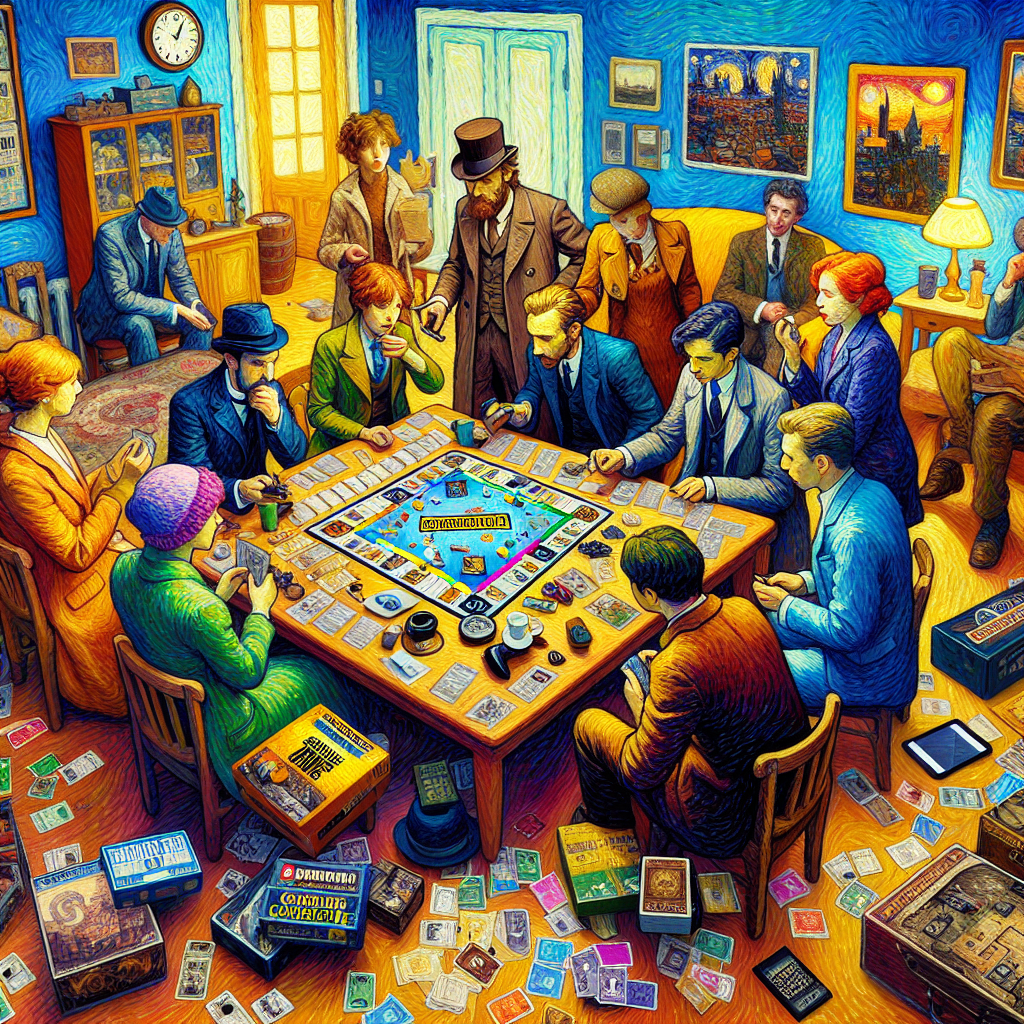
When you envision a perfect game night, picture this: lighthearted laughter bouncing off the walls, the collective strategic pondering over a board game, and friends huddled around a table, each with a drink in hand. But let’s be real here—success isn’t just luck. It requires some thoughtful preparation and a sprinkle of strategy.
First off, selecting the right board game is crucial. You want something that suits the crowd’s interests and skill levels. There’s a big difference between a fast-paced trivia game that gets the heart racing and a complex strategy game that’ll have your friends scratching their heads. Consider your audience—do they like friendly competition or deep, tactical challenges? Picking the right board game sets the tone for the night and can steer clear of any awkwardness that arises when someone can’t quite keep up.
Next, don’t underestimate the power of ambiance. You might not think that mood lighting matters, but cozy lighting can help create a comfortable environment that encourages everyone to dive into the world of the game. Set the table, grab some snacks, and throw in some upbeat music to enhance the experience. Remember, the goal is to keep spirits high—nothing crushes enthusiasm quicker than a poorly lit room and stale chips.
Now, let’s talk about the guests. Mix it up a bit! Invite a diverse group, blending board game novices with a few die-hard enthusiasts. The seasoned players can offer tips to newcomers, creating a fun and instructional atmosphere. The key is to ensure that everyone feels included and valued. This is where some pre-game rules come in handy. Setting expectations about gameplay, and emphasizing fun over fierce competition can minimize any tension that arises in the heat of the moment.
Don’t forget the breaks. Just because you’ve unpacked a board game doesn’t mean you can’t pause for a moment to breathe. Ensure that everyone has an opportunity to grab a drink, stretch their legs, or chat about something other than point values and turn sequences. These intermissions can re-energize your gathering and give folks a chance to strategize on the fly without the pressure of the game.
So, what does all this boil down to? If you want successful game nights, it’s about balance—choosing the right board game, creating the right environment, blending your guest list, and ensuring that everyone has a bit of downtime. Follow these strategies, and you’re bound to create an unforgettable experience that’ll leave everyone looking forward to the next game night.
Are There Specific Strategies For Successful Game Nights?
Are There Specific Strategies For Successful Game Nights?
- Choose a board game that matches the group’s interests and skill levels to set a positive tone.
- Create an inviting ambiance with cozy lighting, snacks, and upbeat music to enhance the experience.
- Invite a mix of board game novices and enthusiasts to ensure everyone feels included and valued.
- Establish pre-game rules to focus on fun over fierce competition and minimize tension.
- Include breaks during the game to allow guests to recharge and engage in casual conversation.
- Balance the elements of the game night for a more enjoyable experience.
- Implement these strategies for an unforgettable game night that leaves everyone eager for the next gathering.
Are There Specific Strategies For Successful Game Nights?
Conclusion
In the ever-evolving landscape of family dynamics, where screens and responsibilities often hold us hostage, the ancient art of game nights emerges as a shining beacon of hope. You see, families are like intricate jigsaw puzzles—unique pieces that need to interlock to form a complete picture. Game nights, with their board games and a sprinkle of laughter, can help us rediscover the connection we often take for granted. Picture this: a thrumming evening full of laughter, friendly banter, and a flurry of dice rolling—sounds almost nostalgic, doesn’t it? In today’s rapidly digitizing world, where meaningful conversations are as rare as a snowstorm in July, gathering around a table for a session of Monopoly or Codenames can be transformative. It’s not merely about the games; it’s about the moments that unfold around them.
As family members lean in, strategizing their next moves, hidden tensions begin to dissolve. The game table becomes a sanctuary where communication flows freely—venting frustration over an unexpected loss or sharing a secret strategy that yields giggles and gasps alike. This shared experience naturally stitches together the fabric of relationships, allowing us to confront old grievances or even learn something new about each other. What we often forget is that amidst the competition and the clattering of game pieces, we’re also honing critical communication skills and nurturing life lessons—like negotiation and teamwork—all while keeping our eyes off those bright, blinking screens.
Moreover, let’s talk about the levity that follows laughter. It’s contagious, a balm for our stressed lives. When someone lands on “Go to Jail” for the umpteenth time, the ensuing chuckles can break barriers and soften hearts. Game nights gently remind us that it’s not just about winning; it’s about cherishing the time spent with those we care about—our allies in this chaotic world.
So, if you’re looking for a potential remedy to fractured family relationships, why not consider organizing a game night? It’s a simple, yet profound approach to rebuilding connections, rekindling joy, and infusing a little humanity back into the mix. Remember, in a bustling world, it could just be the thing that reminds families of the beauty that lies within them. So gather your crew, roll the dice, and let the games begin!

Conclusion
Conclusion:
- The ancient art of game nights revitalizes family dynamics in a digital age.
- Game nights serve as a means to strengthen connections, like pieces of a jigsaw puzzle coming together.
- Engaging activities such as Monopoly or Codenames encourage meaningful conversation.
- Game tables become spaces where hidden tensions dissolve and communication flourishes.
- Laughter and shared experiences during game nights enhance bonding and teach valuable life lessons.
- Humor during gameplay acts as a stress relief and softens familial relationships.
- Organizing game nights can be a simple yet effective way to reinforce connections and bring families closer.
Conclusion
Other Resources
Other Resources
Here is a list of other resources you can review online to learn more:
- Board Game Quest
- Nürnberger-Spielkarten-Verlag (NSV)
- Arcane Wonders
- A Feast for Odin
- WordPress
- Descent: Journeys in the Dark (Second Edition)
- Hive
- Cardboard Republic
- Wingspan
Use This Prompt To Get More Resources With Your Favorite Online AI Tool: Please provide me with a list of online articles with their URLs in a bulleted list that I can read regarding Will Game Nights Save Fractured Family Relationships?

Other Resources
Glossary Terms
Will Game Nights Save Fractured Family Relationships? – Glossary Of Terms
1. Game Night: A designated evening where family members gather to play board games, card games, or video games, aimed at fostering connection and enjoyment.
2. Family Dynamics: The patterns of interaction and relationships among family members, which can influence overall family cohesion.
3. Communication: The process of sharing information, thoughts, and feelings. Effective communication is crucial for repairing and maintaining family relationships.
4. Conflict Resolution: Techniques and strategies employed to resolve disagreements and disputes within a family, often essential for mending relationships.
5. Bonding: The process of strengthening emotional ties among family members, which can be facilitated through shared activities, like game nights.
6. Therapeutic Play: Engaging in games and activities that offer emotional support and promote relational healing, often used in family therapy.
7. Social Skills: The abilities required to communicate, interact, and form relationships with others, which can be enhanced through interactive games.
8. Trust: Confidence in the reliability and honesty of family members. Building trust is key to repairing fractured relationships.
9. Empathy: The ability to understand and share the feelings of another, an essential component in resolving family conflicts.
10. Inclusivity: Ensuring all family members feel valued and included during game nights, which can help bridge gaps in relationships.
11. Fun: A spontaneous enjoyment of an activity, which can create positive memories and experiences for families during game nights.
12. Neglect: Situations where family members feel ignored or unimportant, often leading to strained relationships.
13. Shared Experience: A mutual activity that family members participate in together, like playing games, which can strengthen connections.
14. Stress Relief: The reduction of tension and anxiety, often achieved through fun and engaging activities, such as playing games.
15. Distraction: Temporary diversion from negative thoughts or feelings, which games can provide, allowing families to focus on positive interactions.
16. Cooperation: Working together towards a common goal, often essential in games, helping to foster teamwork and understanding among family members.
17. Conflict: Disagreements or clashes between family members, which game nights may help address through positive interaction.
18. Resilience: The ability of family members to bounce back from conflicts or difficulties, which can be developed through positive experiences.
19. Forgiveness: The act of letting go of grudges or resentment, crucial for healing relationships that have been strained.
20. Quality Time: Meaningful interactions spent together, which can be fostered through dedicated game nights.
21. Engagement: The level of involvement and participation of family members during activities, critical for effective bonding and communication.
22. Tradition: Established rituals, such as regular game nights, that can strengthen family bonds and provide a sense of belonging.
23. Healing: The process of recovering from emotional pain or conflict, which may be supported through shared activities like games.
24. Teamwork: Collaborative effort among family members, especially during cooperative games that require joint strategy and communication.
25. Open-mindedness: Willingness to consider different perspectives and ideas, which can lead to more productive discussions during game nights.
26. Playfulness: An attitude that embraces fun and spontaneity, encouraging a light-hearted atmosphere during family interactions.
27. Disconnection: The feeling of emotional distance among family members, which game nights aim to bridge or mend.
28. Conflict Management: Techniques for handling disagreements effectively, which can be enhanced through the practice of playing games together.
29. Setting Boundaries: Establishing clear and respectful limits in family interactions, important for maintaining healthy relationships.
30. Emotional Investment: The level of care and commitment that family members have towards each other, which can be reinforced through shared activities and experiences.
These terms encapsulate various aspects of family relationships and the potential impact that game nights can have in fostering connection and resolving conflicts.

Glossary Of Terms
Other Questions
Will Game Nights Save Fractured Family Relationships? – Other Questions
If you wish to explore and discover more, consider looking for answers to these questions:
- What types of board games are best for different age groups?
- How often should families schedule game nights to be effective?
- What are some go-to snacks for enhancing game night?
- How can game nights help with family conflict resolution?
- What are the best strategies for introducing new games to the family?
- How can families ensure everyone remains engaged during game nights?
- What role does facilitation play during game nights?
- How can families handle game night disagreements or frustrations?
- Are there any recommended games for larger family gatherings?
- How can technology be incorporated into game nights without distractions?
- What are some creative themes for game nights?
- How do families manage diverse interests during game nights?
- What are some tips for maintaining a positive atmosphere during gameplay?
- How can families utilize game nights for educational purposes?
- Are there special considerations for families with younger children?
Other Questions
Haiku
Will Game Nights Save Fractured Family Relationships? – A Haiku
Gathered ’round the board,
Laughter mends fractured spirits—
Games weave bonds anew.
Haiku
Poem
Will Game Nights Save Fractured Family Relationships? – A Poem
In a world where screens cast shadows wide,
Family ties fray, connection’s denied.
Yet around a table, hearts can unite,
With laughter and strategy to share the night.
Dice clatter, laughter fills the air,
A wondrous melody of love and care.
Board games beckon us to take a chance,
To rediscover magic in a simple glance.
Uncle Joe’s antics, Aunt Carol’s sly ruse,
Moments of joy, the sweetest of cues.
Through friendly banter, old wounds start to mend,
As we remember the laughter, each round, a friend.
Cooperation builds, the common goal shines,
In games like *Forbidden Island*, kinship entwines.
Life skills are honed amid playful delight,
Critical thinking, negotiation take flight.
Screens fade away as we shuffle and spin,
Family game nights, where the fun can begin.
For every child’s giggle and each playful shout,
Reveals all the warmth that love can’t live without.
When tensions may rise and frustrations collide,
Board games become bridges, where we can confide.
A world of connection, where stress starts to shrink,
In each roll of the die, we pause and we think.
So gather ’round, dear family, choose a game to explore,
From classics to new finds, there’s love at the core.
In laughter, in challenge, together we thrive,
Through simple game nights, our spirits revive.
Let each piece we place, each strategy spun,
Remind us of togetherness, the joy and the fun.
For in those shared moments, the essence of grace,
Family ties strengthen; let laughter embrace.

Poem
Checklist
Will Game Nights Save Fractured Family Relationships? – A Checklist
Preparing for Game Night
_____ Select the Right Game
_____ Consider the group’s interests, ages, and skill levels.
_____ Choose between cooperative, competitive, educational, or party games based on family dynamics.
_____ Set the Date and Time
_____ Plan a specific date and time that works for all family members to minimize conflicts.
_____ Create an Inviting Atmosphere
_____ Adjust the lighting to be warm and inviting.
_____ Arrange the seating to promote interaction.
Game Night Essentials
_____ Gather Supplies
_____ Ensure all necessary game pieces, rules, and materials are ready.
_____ Stock up on snacks and drinks for the players to enjoy.
_____ Set Up the Space
_____ Clear a large enough space for everyone to play comfortably.
_____ Arrange tables and chairs to accommodate all participants.
During Game Night
_____ Establish Ground Rules
_____ Discuss the focus on fun and enjoyment over winning.
_____ Encourage respectful competition and sportsmanship.
_____ Encourage Participation
_____ Motivate quieter family members to engage and voice their strategies or decisions.
_____ Take Breaks
_____ Schedule short breaks for stretching and refreshing drinks or snacks.
Communication and Connection
_____ Foster Communication
_____ Create opportunities for friendly banter and laughter during gameplay.
_____ Encourage discussion about strategies to enhance cooperation.
_____ Celebrate Achievements
_____ Acknowledge both wins and funny losses to build a sense of community and resilience.
Post-Game Reflection
_____ Share Highlights
_____ Discuss favorite moments and engage in storytelling about the game.
_____ Plan the Next Gathering
_____ Gauge interest in future games and gather suggestions for what to play next.
Additional Tips
_____ Adapt to Interests
_____ Mix game types or switch to different activities if interests diverge, allowing everyone to share their passions.
_____ Embrace the Learning Experience
_____ Highlight the life skills gained through games, such as teamwork, strategizing, and problem-solving.
Following this checklist can help ensure a successful and enjoyable family game night, strengthening bonds and creating lasting memories.

Checklist
At BestBoardGameNews, we help people who love board games by collating information and news about board games.
Be sure to read our other related stories at BestBoardGameNews to learn more about board games.