Unlocking The Potential: Boosting Senior Brain Health
By Tom Seest
At BestBoardGameNews, we help people who love board games by collating information and news about board games.
Be sure to read our other related stories at BestBoardGameNews to learn more about board games.
Will Memory-Boosting Games Improve Senior Brain Health?
As we age, the conversation around brain health becomes more prevalent, and it often leads us to a series of questions: Are memory-boosting games really effective? Can a simple board game hold the secret to sharper cognitive skills in seniors? Now, before we dive too deep into the rabbit hole of research and studies, let’s take a moment to consider what these games actually do.
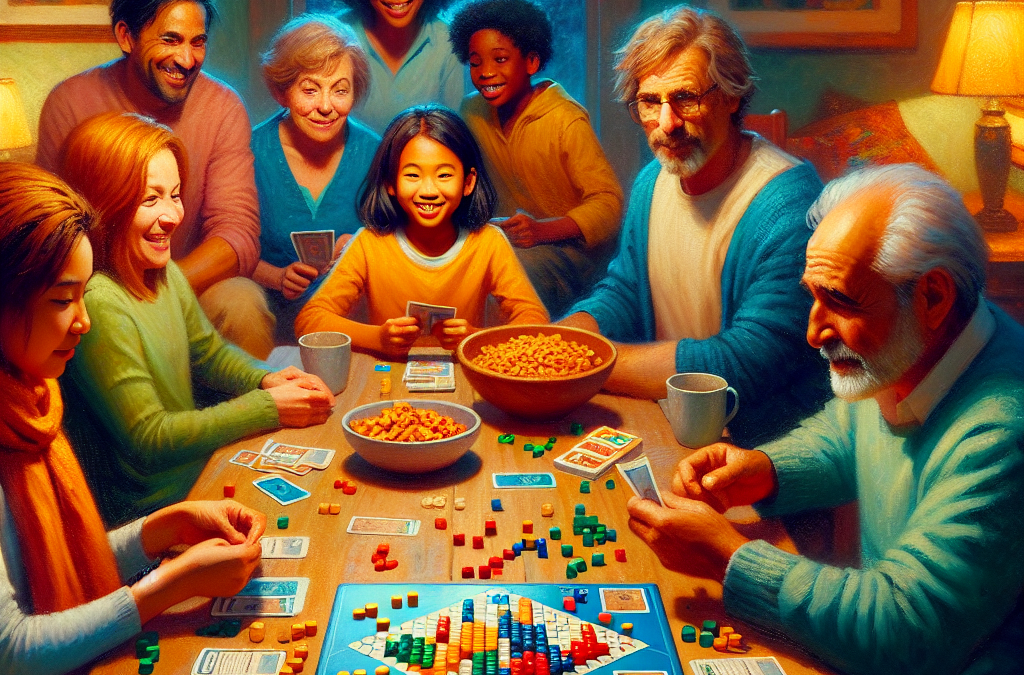
Picture this: a group of seniors huddled around a table, laughter punctuating the air as they engage in a spirited match of Scrabble. This isn’t just a casual pastime; it’s a workout for the mind. Board games, whether they’re classics like chess or modern hits designed specifically for cognitive enhancement, rely on strategic thinking and problem-solving, two activities that are essential for keeping the brain agile. As most folks who have encountered the joy of a game night can attest, there’s a lot more going on than just moving pieces or scoring points.
Research supports the notion that these activities can have tangible benefits. Engaging in memory-boosting games can stimulate brain functioning through the activation of neural pathways. When seniors challenge themselves with puzzles, trivia, or even simple card games, they’re not just passing the time; they’re effectively giving their brain a gym membership—one that doesn’t have a monthly fee but pays dividends in mental clarity.
Moreover, let’s not forget the social factor. Interaction with peers enhances the experience. When people play games together, they’re not merely engaging in competition; they’re sharing stories and forging connections. Social engagement is a crucial part of maintaining cognitive health, particularly as the years go by. Board games become a bridge for conversation, a chance for laughter, and an opportunity to share a moment, all of which contribute to a healthier mindset.
Still, it’s essential to set realistic expectations. While memory-boosting games can certainly contribute to improved brain health, they should be recognized as part of a broader strategy that includes physical activity, a balanced diet, and overall mental wellness practices. So, if you find yourself suggesting a board game to the seniors in your life, know that you’re not just tossing the dice—you’re fostering connections and potentially bolstering their cognitive resilience. Why not turn a simple game night into an opportunity for growth and a little competition for brain supremacy? After all, who couldn’t use a little brain training?

Will Memory-Boosting Games Improve Senior Brain Health?
Will Memory-Boosting Games Improve Senior Brain Health?
- The conversation about brain health grows as we age, raising questions about the effectiveness of memory-boosting games.
- Board games like Scrabble and chess promote strategic thinking and problem-solving, which are vital for brain agility.
- Research shows these games can activate neural pathways, effectively functioning as a “gym membership” for the brain.
- Engaging in puzzles and card games enhances mental clarity and cognitive function.
- Social interaction during game play fosters connections, sharing stories, and laughing, which are important for cognitive health.
- Memory-boosting games should be part of a holistic approach to brain health, including physical activity and a balanced diet.
- Game nights can be transformed into opportunities for growth and competition, promoting cognitive resilience in seniors.

Will Memory-Boosting Games Improve Senior Brain Health?
Table Of Contents
- Will Memory-Boosting Games Improve Senior Brain Health?
- Will Memory-Boosting Games Really Enhance Cognitive Function?
- How Do Memory Games Impact Memory Retention In Seniors?
- What Types Of Memory Games Are Best For Older Adults?
- Are There Scientific Studies Supporting Memory Games For Seniors?
- How Often Should Seniors Play These Games For Best Results?
- Can Online Memory Games Be As Effective As Traditional Ones?
- What Other Activities Complement Memory Games For Brain Health?
- Conclusion
- Other Resources
- Glossary Of Terms
- Other Questions
- Haiku
- Poem
- Checklist
Will Memory-Boosting Games Really Enhance Cognitive Function?
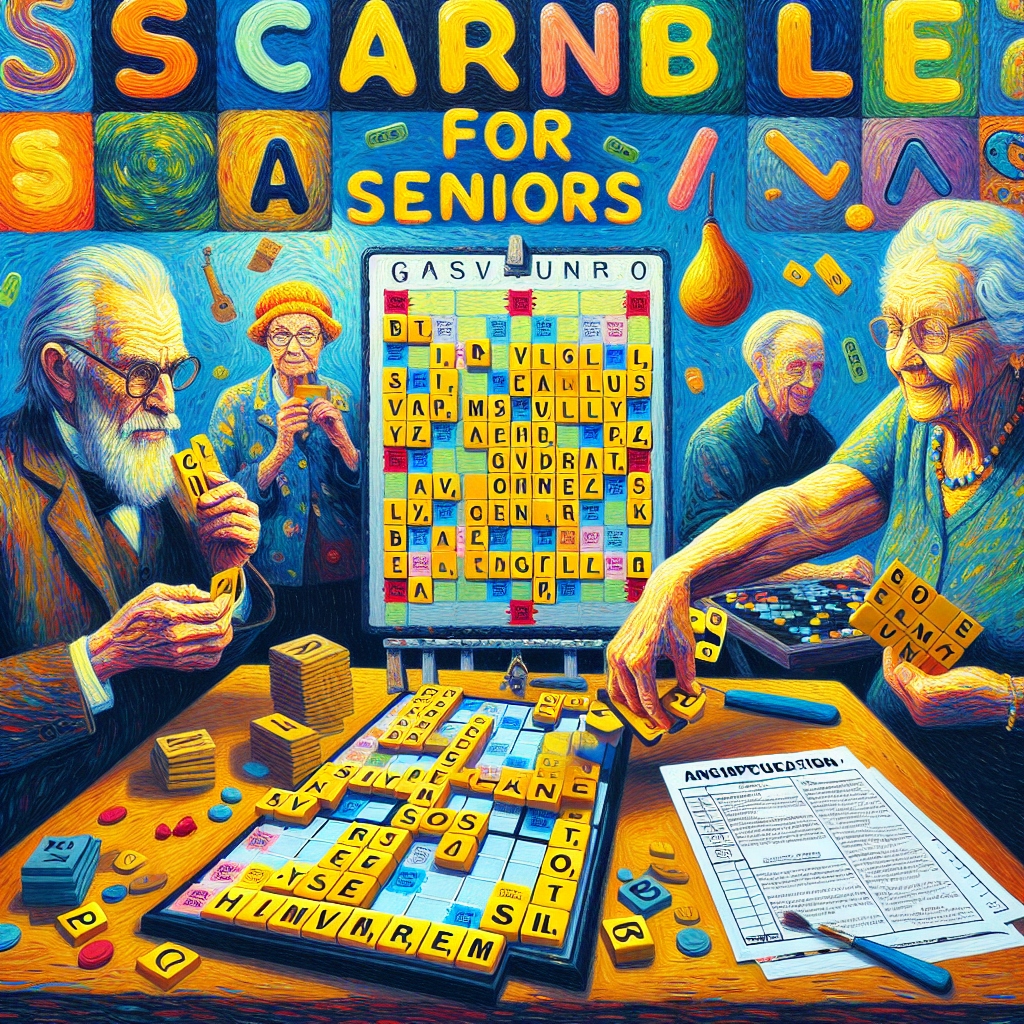
In today’s fast-paced world, where multitasking is often seen as a badge of honor, the pursuit of cognitive enhancement has become a popular past-time. Enter memory-boosting games: from traditional board games like chess and Scrabble to digital brain training apps that promise to turn you into the next Einstein. But here’s the kicker: do these games actually enhance cognitive function, or are they simply an elaborate distraction masquerading as mental exercise?
Let’s focus on board games first. These tactile triumphs—complete with pieces, visual strategies, and the occasional piece of popcorn that mysteriously ends up behind the couch—have been around for centuries. Studies suggest that engaging with these games can indeed offer some cognitive benefits. When you’re strategizing your next move in chess or trying to recall letter combinations in Scrabble, your brain is hard at work. It’s a mini workout, pushing your memory and critical thinking skills to the limits. And let’s face it, gathering friends around a board game brings a social element into the mix, which is equally valuable. Human interaction, laughter, and a good-natured rivalry can heighten the overall experience, making it enjoyable and beneficial at the same time.
Now, let’s juxtapose that against the plethora of brain-training apps that have flooded the digital space. These programs often promise to improve memory and speed up cognitive processing, yet many experts caution against falling for the allure of quick fixes. Some research indicates that while these platforms can enhance performance on the specific tasks they train for, they may not translate into real-world cognitive improvements. Think about it: honing your ability to match card pairs in a sleek app is a far cry from solving complex problems or remembering appointments.
Ultimately, the key to cognitive enhancement likely lies not in any single game, board or digital, but in a balanced mix. Just like you wouldn’t rely solely on running to stay fit, relying on memory games alone may not cut it when it comes to sharpening those mental faculties. Engaging with a variety of activities—reading, learning new skills, playing board games, and yes, even indulging in brainy apps—could be your best bet.
So, will memory-boosting games really enhance cognitive function? They might just play a role, but it’s the commitment to lifelong learning and a well-rounded approach to mental fitness that will truly keep our minds in their prime.
Will Memory-Boosting Games Really Enhance Cognitive Function?
Will Memory-Boosting Games Really Enhance Cognitive Function?
- The pursuit of cognitive enhancement has gained popularity in today’s fast-paced world.
- Memory-boosting games, including board games and digital apps, promise cognitive benefits.
- Board games like chess and Scrabble can improve memory and critical thinking skills.
- Social interaction during board games adds to their cognitive benefits and enjoyment.
- Brain-training apps claim to enhance memory, but real-world benefits may be limited.
- A balanced mix of activities—reading, learning, and games—may provide the best cognitive outcomes.
- Lifelong learning and a well-rounded approach enhance mental fitness and cognitive function.

Will Memory-Boosting Games Really Enhance Cognitive Function?
How Do Memory Games Impact Memory Retention In Seniors?
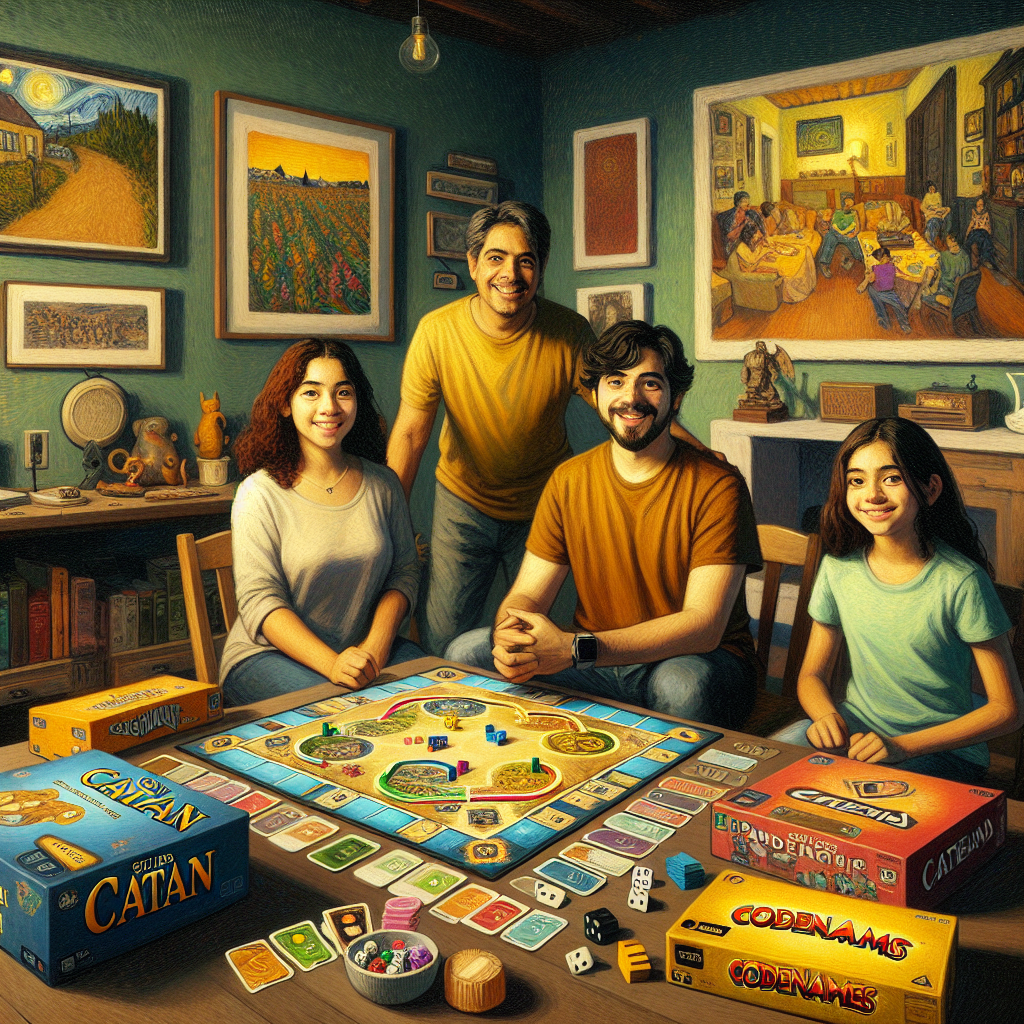
When it comes to memory retention in seniors, it’s a bit like cracking open a stubborn jar of pickles. The right tools can make all the difference, and these tools often come in the form of engaging activities—like memory games. Imagine gathering around a table with loved ones, ready to take on a challenging board game. Laughter fills the room, and at that moment, cognitive engagement begins to take root. In essence, these games serve a dual purpose: enjoyment and mental exercise, all wrapped up in a neat little package.
Board games designed for memory enhancement often require players to recall names, sequences, and strategies—a sort of mental gymnastics that keeps the brain nimble and active. With each turn taken, seniors engage in a delightful fusion of strategy and memory recall. This unique combination can bolster cognitive functions and, over time, help improve memory retention. It’s like exercising the mind with the same dedication someone would apply to a morning workout.
What’s particularly fascinating is how these games create a social atmosphere. Seniors aren’t just sitting in isolation, staring at screens; they’re interacting with friends and family, sharing stories and strategies. This interaction can elevate mood and reduce the risk of loneliness, which is a significant factor in cognitive decline. A lively game night is not just about winning; it’s about that shared experience that weaves bonds and strengthens memory—both for the stories being told and those waiting to be recalled.
Moreover, many memory games are structured to adapt to various skill levels, making them accessible to seniors regardless of their current cognitive abilities. Whether it’s a simple matching game or a more intricate challenge, there’s something for everyone. These games encourage a little friendly competition, which can motivate seniors to push their mental boundaries further than they might on their own.
However, don’t forget that the impact of these games isn’t instantaneous. Just like a hearty stew needs time to simmer, regular play is essential for long-term benefits. So, gather your loved ones, shuffle those cards, set up that board game, and let the good times roll. It may just be the boost that helps those precious memories stick around a little longer. After all, when it comes to memory retention, the blend of fun and function can work wonders.

How Do Memory Games Impact Memory Retention In Seniors?
How Do Memory Games Impact Memory Retention In Seniors?
- Memory retention in seniors can be improved through engaging activities, particularly memory games.
- Board games encourage cognitive engagement and provide enjoyment and mental exercise simultaneously.
- These games require players to recall names, sequences, and strategies, acting as mental gymnastics for the brain.
- Playing memory-enhancing games can bolster cognitive functions and improve memory retention over time.
- Social interaction during game nights helps elevate mood and reduce feelings of loneliness, which can contribute to cognitive decline.
- Many memory games cater to different skill levels, making them accessible and enjoyable for seniors with varying cognitive abilities.
- Regular play is crucial for long-term benefits, reinforcing the importance of gathering loved ones for fun and functional memory retention.
How Do Memory Games Impact Memory Retention In Seniors?
What Types Of Memory Games Are Best For Older Adults?
When it comes to memory games for older adults, the options are as varied as the people playing them. But let’s face it, finding the right type of game is more than just picking what’s trendy; it’s about engaging the mind, sparking joy, and sometimes, a little friendly competition. When it comes to memory enhancement, some games really stand out from the pack.
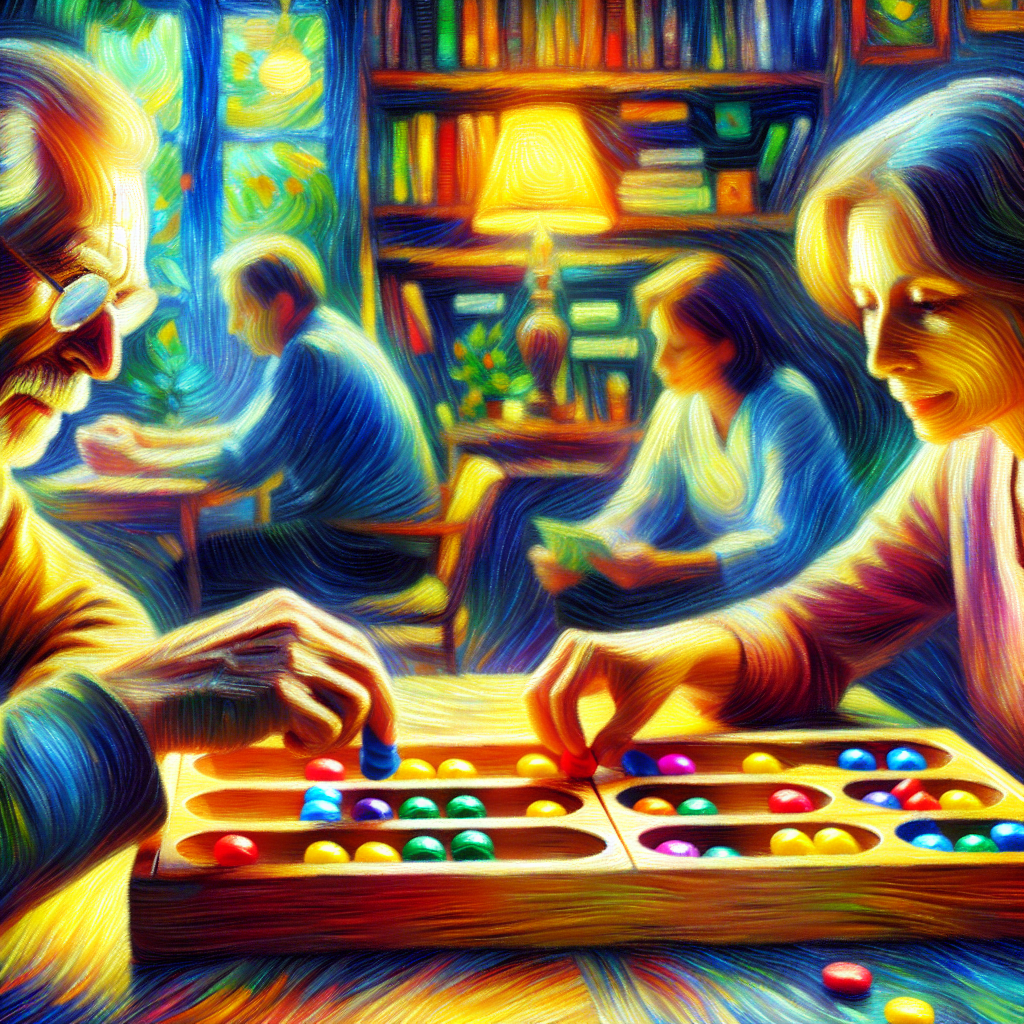
First up, we have the classic board game. These aren’t just relics gathering dust on a shelf; they’re a gateway to camaraderie and cognitive challenge. Take games like “Memory,” where players turn over cards to find pairs. The beauty of these games is their simplicity; they invite players to immerse themselves in the task at hand, sharpen their recall skills, and, let’s be honest, offer the chance for a little lighthearted banter. There’s nothing quite like a little trash talk amidst the match!
Now, if those classic board games aren’t quite cutting it, why not delve into trivia games? They can range from general knowledge to specific categories like history or pop culture. These games not only help recall facts but trigger discussions that can lead to deeper social connections. Nothing sparks nostalgia quite like recalling the names of old TV shows or music from yesteryears.
Memory-based apps and digital games, while somewhat of a departure from traditional board games, are becoming increasingly popular too. They work great for tech-savvy seniors or those willing to give it a shot. Games tailored specifically for memory improvement often involve matching tiles, recalling sequences, or solving puzzles that keep the brain active—just the ticket to keep those neurons firing.
Don’t forget about word games; think Scrabble or crossword puzzles, which are fantastic for keeping the brain buzzing. These games can help seniors socialize, share ideas, and even learn new words along the way.
For those who enjoy a bit of creativity, storytelling games can provide a fantastic outlet. Here, players weave narratives from prompt cards, which not only boosts memory as they recall story elements but also taps into the imagination, making it an enriching experience.
At the end of the day, the best memory games for older adults are those that encourage participation, foster connections, and keep the mind active. So whether it’s a classic board game night or a spirited trivia session, the key is to have fun while exercising those important brain muscles. Remember, it’s not just about winning; it’s about enjoying the ride!
What Types Of Memory Games Are Best For Older Adults?
What Types Of Memory Games Are Best For Older Adults?
- Memory games for older adults offer diverse options that prioritize engagement and joy.
- Classic board games, like “Memory,” foster camaraderie and sharpen recall skills through simple gameplay and friendly banter.
- Trivia games enhance memory recall and facilitate social connections through discussions of familiar topics.
- Memory-based apps and digital games are popular among tech-savvy seniors, featuring activities like matching tiles and solving puzzles.
- Word games, such as Scrabble and crosswords, promote social interaction and vocabulary building.
- Storytelling games boost memory and imagination by allowing players to create narratives from prompts.
- The best memory games encourage participation and fun, emphasizing enjoyment over competition.

What Types Of Memory Games Are Best For Older Adults?
Are There Scientific Studies Supporting Memory Games For Seniors?
When it comes to memory games for seniors, the conversation often takes a turn towards the scientific, with people wondering if these activities truly carry any cognitive weight or if they’re just fancy versions of an old board game collecting dust in the attic. Well, let’s dive into the nitty-gritty.
Several scientific studies have made a significant effort to quantify the benefits of memory games and similar cognitive exercises for older adults. These studies generally focus on how engaging in memory strategies, whether through digital apps, traditional card games, or even a good old-fashioned board game, can yield tangible results in improving recall and overall cognitive function.
One prominent body of research highlights that participating in mentally stimulating activities can reduce the risk of cognitive decline. A study published in the *Journal of the American Geriatrics Society* found that seniors who regularly participated in memory-training exercises exhibited improved memory skills compared to those who engaged in less cognitively demanding tasks. In a world where the inbox fills up faster than one can say “short-term memory,” such findings provide hope.
Furthermore, activities specifically designed to enhance memory and brain function—think puzzles, word games, and, yes, even a good old board game—encourage social interaction. This is not only about flexing those gray cells; it’s about building connections. A major study noted that social engagement is a crucial element in maintaining healthy cognition. Seniors, who might be facing feelings of isolation, can benefit considerably from the camaraderie fostered through games. It’s about laughter, friendly competition, and the thrill of nostalgia as they challenge each other to recall the rules from that board game they played decades ago.
However, like any good narrative, there are caveats. Not all memory games or exercises are created equal. The type and frequency of engagement seem to play vital roles in determining their effectiveness. Some experts suggest a balanced approach that combines various types of cognitive exercises along with physical activity and a nutritious diet—after all, our brains are part of a whole system.
In summary, scientific studies do indeed support the idea that memory games can provide significant benefits for seniors. So whether it’s the intrigue of a digital app or the charm of a classic board game, investing time in these activities might just keep the mind sharp—one move at a time.
Are There Scientific Studies Supporting Memory Games For Seniors?
Are There Scientific Studies Supporting Memory Games For Seniors?
- Memory games for seniors have sparked interest regarding their cognitive benefits versus being mere entertainment.
- Scientific studies indicate memory games and cognitive exercises can significantly improve recall and cognitive function in older adults.
- Research from the *Journal of the American Geriatrics Society* shows that regular participation in memory-training improves memory skills.
- Cognitive activities also promote social interaction, which is essential for maintaining healthy cognition among seniors.
- Games provide opportunities for connection, laughter, and friendly competition, particularly combating feelings of isolation.
- Not all memory games are equally effective; type and frequency of engagement are crucial for their success.
- A balanced approach including cognitive activities, physical exercise, and a nutritious diet is recommended for optimal brain health.
Are There Scientific Studies Supporting Memory Games For Seniors?
How Often Should Seniors Play These Games For Best Results?
In the vibrant world of leisure activities for seniors, it’s easy to overlook the incredible benefits that come from engaging in simple pastimes such as board games. Let’s face it: life can easily get a bit mundane, and injecting a healthy dose of fun into your routine can do wonders for your cognitive health. But how often should seniors dive into these delightful diversions for the best results?
First, let’s get one thing straight: it’s not about racing against time or adhering to a strict schedule—it’s about embracing the joy of the moment. Ideally, playing board games two to three times a week strikes a good balance. This frequency allows for enough regularity to sharpen those mental faculties while ensuring that it never feels like a chore. Playing once a week is a solid start, but it can often lead to a forgettable routine among all the other commitments filling your day.
Consider who you’re playing with—friends, family, or even the neighbors down the hall. Creating an enjoyable atmosphere can enhance the experience significantly, turning a simple game into a social event. Regular gatherings not only stimulate those connections but also foster a sense of community, making the games feel that much richer. And let’s talk strategy: picking different games can keep things fresh. Classic board games like Scrabble, Chess, or even newer options with varying complexities can provide both cognitive challenge and laughter.
Now, there’s more than socializing at the board. Engaging in these games can develop critical thinking skills, enhance memory, and improve overall mental agility. It’s like a workout for your brain—minus the sweat! Seniors, especially, benefit from activities that stimulate thought processes and keep them engaged. So, consistency is key, but so is variety. Rotate favorite titles or introduce new ones to capture those fleeting interests.
Lastly, don’t forget about the spirit of competition. A little friendly rivalry can work wonders. But here’s the golden rule: keep it light! After all, the laughter and camaraderie shared at the table often overshadow the end result of who won or lost. So, whether it’s two or three times a week, every session is an opportunity to not just pass the time, but to thrive. Grab that board game, round up your team, and let the fun commence! Remember, it’s the journey, not just the destination, that counts.

How Often Should Seniors Play These Games For Best Results?
How Often Should Seniors Play These Games For Best Results?
- Engaging in simple pastimes like board games offers significant cognitive benefits for seniors.
- Playing board games two to three times a week is ideal for maintaining mental sharpness without it feeling like a chore.
- Socializing during games with friends, family, or neighbors builds community and enhances the gaming experience.
- Diverse game selection keeps the experience fresh, offering both cognitive challenges and entertainment.
- Board games help develop critical thinking, enhance memory, and improve overall mental agility.
- Incorporate a spirit of light-hearted competition to add fun while focusing on camaraderie over winning.
- Ultimately, the journey of playing together is more important than the outcome; it’s about enjoying the moments shared.
How Often Should Seniors Play These Games For Best Results?
Can Online Memory Games Be As Effective As Traditional Ones?
When we think about memory games, our minds often drift to the familiar sight of a cozy living room, perhaps a board game set up on a wooden table, surrounded by family and friends. The heartfelt laughter, the friendly banter, and the simple joy of turning over cards to uncover matching pairs—there’s something inherently satisfying about the tactile nature of traditional games. These moments have forged connections and sharpened minds for generations. But, as we find ourselves in a digital age, the question arises: can online memory games pack the same punch?
To start with, let’s acknowledge the landscape of gaming has transformed dramatically. Where once we were confined to board games, often dependent on the physical presence of others, we now have a world of online memory games at our fingertips. These games range from interactive apps to elaborate web-based platforms, all designed to challenge our cognitive skills in engaging ways. But does that mean they’re as effective as those old-school board games?
One crucial element in this debate lies in the social aspect of gaming. When you gather around a board game, you can’t help but feel the charged atmosphere—face-to-face interactions, shared experiences, and that electric competition that can only be fully appreciated in person. Online memory games can simulate some of these experiences through multiplayer options, allowing players to connect and compete from the comfort of their own homes. But does it really compare?
Then there’s the format and mechanics of gameplay. Traditional board games often require strategic thinking, memory recall, and an understanding of rules that deepen engagement. Online memory games, designed with a different architecture, might prioritize quick bursts of play and instant gratification, potentially sacrificing depth for speed. However, some digital versions have integrated elements like timed challenges and varied levels of complexity that can offer a unique stimulation of the brain.
Ultimately, the effectiveness of online memory games versus traditional ones hinges on personal preference. For some, the tactile nature of a board game is irreplaceable, while others might relish the convenience and accessibility of digital platforms. Whether you’re flipping cards on a tabletop or tapping screens, the goal remains the same—to enhance memory and cognitive function. In a world where both formats coexist, it’s up to each person to determine which method suits them best.
Can Online Memory Games Be As Effective As Traditional Ones?
Can Online Memory Games Be As Effective As Traditional Ones?
- Memory games evoke nostalgic memories of family gatherings and traditional board games.
- The gaming landscape has shifted from physical games to a variety of online memory games.
- Online memory games offer interactive experiences through apps and web-based platforms.
- Social interaction in traditional games creates a unique atmosphere that may be hard to replicate online.
- Online games can include multiplayer features, allowing for connection and competition from home.
- The gameplay mechanics differ, with traditional games focusing on strategy and depth, while online games may prioritize quick play.
- The choice between online and traditional memory games ultimately depends on personal preference and desired experiences.

Can Online Memory Games Be As Effective As Traditional Ones?
What Other Activities Complement Memory Games For Brain Health?
Now, let’s not kid ourselves: Memory games are fantastic for keeping our noggins sharp. But if you’re looking to really build a fortress of brain health, you need to expand your horizons beyond just flipping cards and recalling sequences. It’s like adding a turbocharger to an already decent engine – things can really take off.
Board games, for instance, are a fantastic way to engage multiple cognitive functions. Think about it: when you sit down with friends or family for a game night, you’re not just exercising your memory; you’re also working on strategic thinking, problem-solving, and social skills. Whether it’s a classic like Scrabble or something a bit more modern, these games require you to think ahead, make decisions, and sometimes even bluff your way to victory. Considering that social interaction is another pillar of brain health, board games provide both mental stimulation and a hearty dose of camaraderie.
Then, there’s the world of puzzles. Jigsaw puzzles, crosswords, and Sudoku can be excellent complements to memory games. They challenge your brain in distinct ways, requiring focus and spatial awareness. Puzzles also give your brain a workout without the pressure of competition – perfect for those quieter evenings when you just want to relax yet keep your mind engaged. Dive into a 1,000-piece monster puzzle, and before you know it, you’re honing your visual memory skills while piecing together a masterpiece.
Physical activity, too, plays a crucial role in brain health. And let’s not forget dance classes or a good old-fashioned aerobics session. When you move, your blood flows better, your mood lifts, and, believe it or not, your brain gets healthier too. Add in tasks that require you to remember steps and sequences, and you’re combining memory work with aerobic exercise, a combo that’s tough to beat. Whether it’s salsa dancing or yoga, your brain will thank you for the cardio.
Last but certainly not least, engaging in creative hobbies like painting, writing, or even cooking can enhance brain function. These activities stimulate different areas of the brain, promoting neuroplasticity—the brain’s ability to adapt and grow. So grab those brushes or aprons, and don’t be shy about experimenting with flavors or colors!
In the grand scheme of things, combining various activities with memory games creates a well-rounded approach to brain health. After all, it’s all about diversifying your routine and keeping that mind as sharp as a tack, one board game at a time!
What Other Activities Complement Memory Games For Brain Health?
What Other Activities Complement Memory Games For Brain Health?
- Memory games help keep the mind sharp, but it’s important to diversify activities for optimal brain health.
- Board games engage cognitive functions such as strategic thinking, problem-solving, and social skills.
- Playing board games adds an element of social interaction, enhancing mental stimulation and camaraderie.
- Puzzles like jigsaw puzzles, crosswords, and Sudoku provide distinct cognitive challenges without competition pressure.
- Physical activity, including dance and aerobics, improves blood flow, mood, and overall brain health.
- Creative hobbies such as painting, writing, and cooking stimulate neuroplasticity and promote brain adaptability.
- Diversifying activities, alongside memory games, leads to a more comprehensive approach to maintaining brain health.

What Other Activities Complement Memory Games For Brain Health?
Conclusion
As we embark on the journey of aging, one of the most intriguing side quests we find ourselves on is the quest for keeping our brains sharp. The rise of memory-boosting games has sparked an ongoing conversation about their actual efficacy in enhancing cognitive health in seniors. Are board games, trivia challenges, and digital brain teasers the secret weapons in this fight against cognitive decline? The answer, my friends, is a hearty maybe, with a caveat: they certainly contribute, but they work best as part of a larger fitness plan for your noggin.
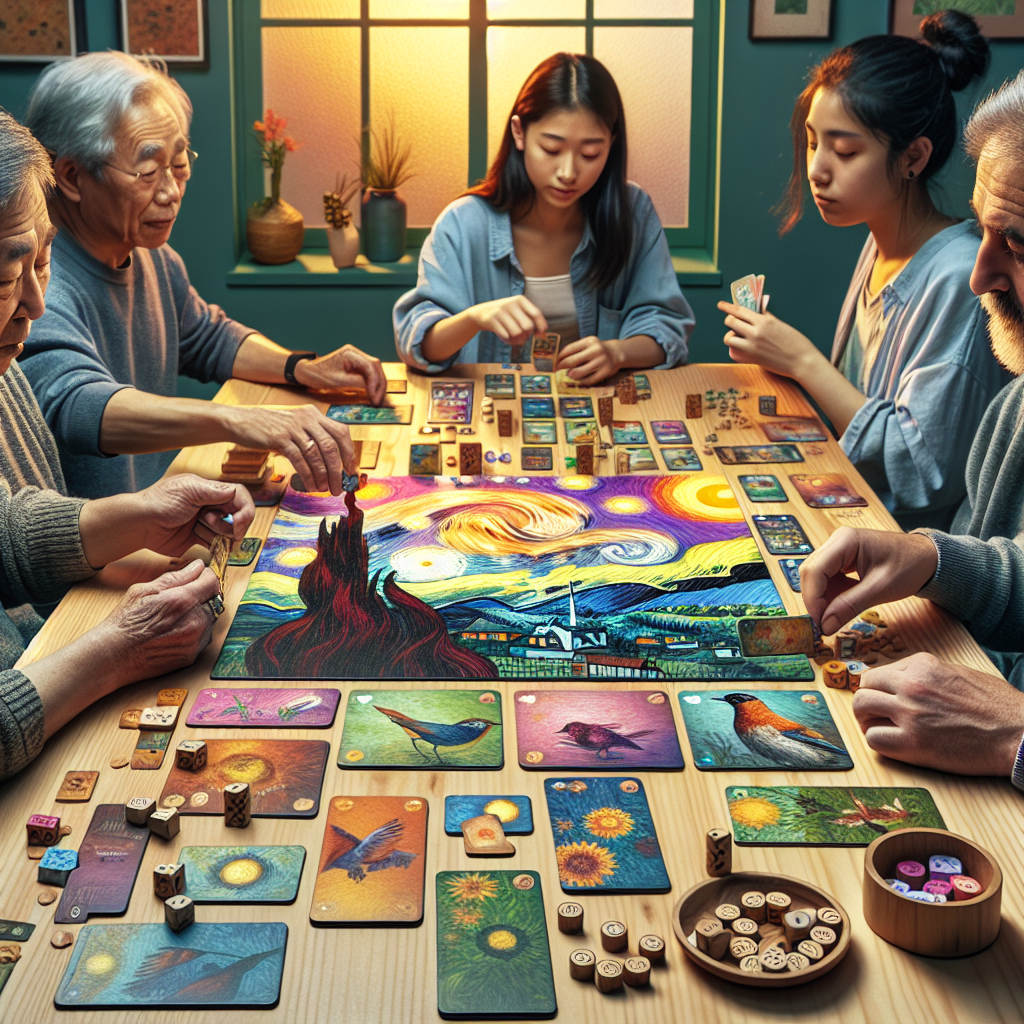
Picture a group of seniors laughing around a table, engrossed in a competitive match of Scrabble. This is no mere leisure activity—it’s a brain workout. Engaging in memory games activates those essential neural pathways, promoting mental agility while rousing the spirit of competition and camaraderie. The combination of strategic thinking, problem-solving, and, yes, even a dash of friendly trash talk, not only boosts memory functions but also fortifies social connections. That social element? It’s key. Isolating oneself while fixated on a screen does little for one’s cognitive health, but getting together for game night? That’s a winner.
Sure, there’s significant research backing the cognitive benefits of memory activities, but we need to sprinkle a bit of realism into the mix: no game can single-handedly transform a brain. Engaging in a variety of cognitive exercises—like combining board games with physical activity and a rich diet—is the real ticket to maintaining those faculties as the years slip by. It’s a hustle that demands commitment.
So, the next time you’re pondering a game night with the seniors in your life, remember, you’re not merely tossing dice or flipping cards; you’re fostering connections and supporting mental resilience. Embrace the laughter, the friendly rivalry, and don’t hesitate to dive into new games. Whether it’s testing your vocabulary in Scrabble or navigating the complexities of Chess, rest assured that you’re giving the brain the love and attention it deserves.
In the end, memory-boosting games can certainly play a pivotal role in enhancing cognitive function, but the magic lies in making it a part of a broader lifestyle that prioritizes joy, social interaction, and lifelong learning. So let’s gear up, gather the troops, and make the pursuit of brain health a delightful competition. After all, it’s not just about outsmarting your opponent; it’s about keeping that mind sharp, one fun game at a time!

Conclusion
Conclusion:
- The pursuit of cognitive health in seniors is enhanced through memory-boosting games.
- Board games and trivia challenges activate neural pathways and promote mental agility.
- Engaging in social activities is crucial for cognitive health, as isolation negatively affects mental well-being.
- No single game can transform cognitive abilities; a diverse approach combining games, physical activity, and a healthy diet is essential.
- Game nights foster connections, support mental resilience, and encourage friendly competition.
- Memory-boosting games should complement a broader lifestyle focused on joy, social interaction, and lifelong learning.
- The aim is to keep the mind sharp and enjoy the journey of cognitive fitness through fun and engaging activities.
Conclusion
Other Resources
Other Resources
Here is a list of other resources you can review online to learn more:
- Spades
- Memoir ’44
- Root
- Alchemists
- Odnoklassniki
- Alderac Entertainment Group
- Portal Games
- Fluxx
- Battlestar Galactica: The Board Game
Use This Prompt To Get More Resources With Your Favorite Online AI Tool: Please provide me with a list of online articles with their URLs in a bulleted list that I can read regarding Will Memory-Boosting Games Improve Senior Brain Health?
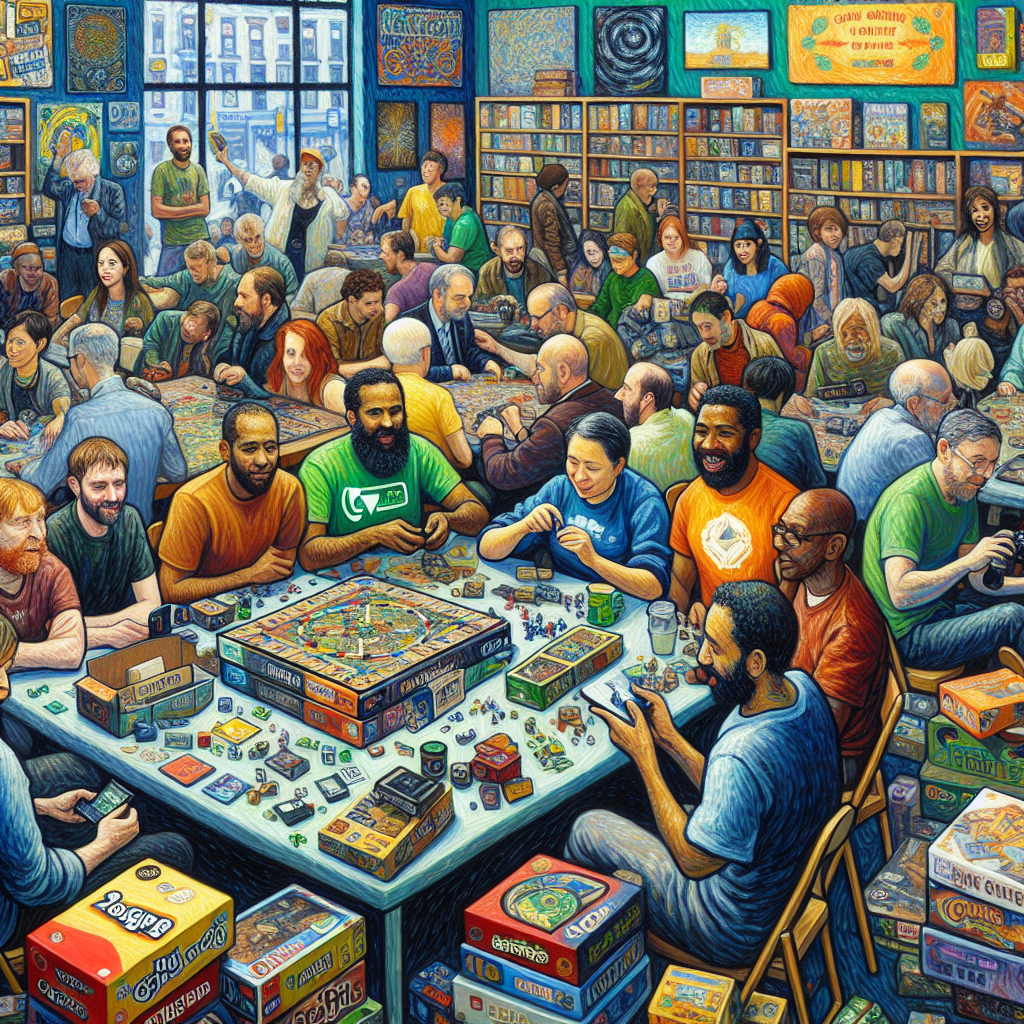
Other Resources
Glossary Terms
Will Memory-Boosting Games Improve Senior Brain Health? – Glossary Of Terms
1. Aging: The process of becoming older, which can affect cognitive functions and memory in older adults.
2. Cognition: The mental action or process of acquiring knowledge through experience, thought, and senses, including memory, attention, and reasoning.
3. Neuroplasticity: The brain’s ability to reorganize itself by forming new neural connections throughout life, which can aid in recovery and learning.
4. Cognitive Decline: A gradual loss of cognitive function, including memory, attention, and problem-solving abilities, commonly observed in older adults.
5. Memory: The faculty by which the mind stores and remembers information, essential for everyday functioning and learning.
6. Gamification: The use of game design elements in non-game contexts to enhance engagement and motivation, often used in memory-boosting games.
7. Brain Training: Activities or programs designed to improve various cognitive skills, including memory, reasoning, and processing speed.
8. Alzheimer’s Disease: A progressive neurodegenerative disease that primarily affects memory and other cognitive functions in older adults.
9. Dementia: A general term for a decline in mental ability severe enough to interfere with daily life, encompassing various conditions, including Alzheimer’s.
10. Cognitive Reserve: The brain’s resilience to damage and aging, influenced by factors such as education, occupation, and engagement in mentally stimulating activities.
11. Neurons: Specialized cells in the brain and nervous system responsible for transmitting information throughout the body, essential for memory and learning.
12. Synapses: The connections between neurons that allow them to communicate, playing a crucial role in memory formation and retrieval.
13. Short-Term Memory: The capacity to hold a small amount of information in an active state temporarily, usually for a few seconds to minutes.
14. Long-Term Memory: The ability to store and retain information over extended periods, ranging from days to a lifetime.
15. Engagement: The level of interest and involvement in an activity, which can enhance motivation and learning outcomes in memory games.
16. Executive Function: Higher-level cognitive processes that enable planning, decision-making, and problem-solving, often assessed in cognitive training.
17. Attention: The ability to focus on specific stimuli while ignoring distractions, crucial for effective learning and memory.
18. Visual-Spatial Skills: The capacity to understand and manipulate visual and spatial relationships, often targeted in memory-boosting games.
19. Social Interaction: The act of engaging with others, which can boost cognitive health and memory by promoting emotional well-being and stimulation.
20. Memory Games: Specifically designed games that challenge and engage memory capabilities, often featuring puzzles, matching pairs, or problem-solving tasks.
21. Digital Literacy: The ability to effectively use digital technology and communicate through devices, becoming increasingly important for older adults in engaging with memory apps.
22. Mental Stimulation: Activities that engage cognitive processes, thought to help maintain and improve brain functions.
23. Cognitive Assessment: Testing designed to evaluate various cognitive functions, used to identify areas of decline or improvement in memory and thinking skills.
24. Lifestyle Factors: Elements of one’s daily life, such as diet, exercise, social engagement, and cognitive activity, that can influence overall health and brain function.
25. Serotonin: A neurotransmitter that affects mood and cognition; imbalances are associated with cognitive decline and mood disorders.
26. Mindfulness: A mental practice that involves focusing on the present moment, shown to positively impact cognitive functions and emotional resilience.
27. Challenging Tasks: Activities or exercises that require significant mental effort, believed to improve brain function by pushing cognitive limits.
28. Multisensory Learning: An educational approach that engages more than one sense at a time, beneficial in enhancing memory retention and recall.
29. Lifestyle Diseases: Health conditions influenced by lifestyle choices, such as obesity or diabetes, which can negatively impact cognitive health.
30. Empirical Evidence: Data and research findings derived from observation or experiments that support or refute claims regarding memory games and cognitive health.
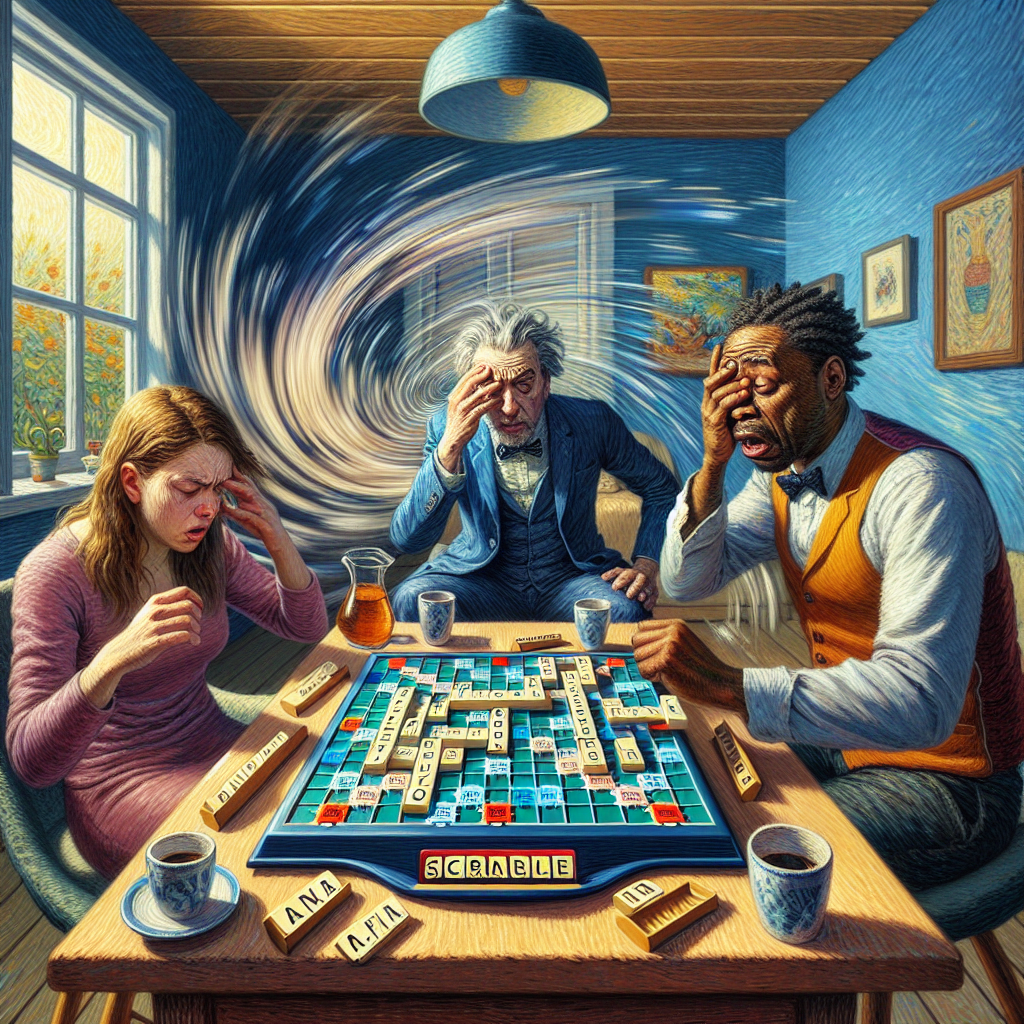
Glossary Of Terms
Other Questions
Will Memory-Boosting Games Improve Senior Brain Health? – Other Questions
If you wish to explore and discover more, consider looking for answers to these questions:
- What specific brain health benefits come from memory-boosting games for seniors?
- How do different types of memory games compare in effectiveness?
- What other forms of cognitive exercises can seniors engage in?
- Are there any potential downsides to playing memory-boosting games?
- How can caregivers encourage seniors to participate in these games?
- Are there particular age groups within seniors that benefit more from memory games?
- How can families incorporate memory games into their visits with seniors?
- What signs should seniors look for that indicate improvement in cognitive function?
- How do individual preferences affect the choice of memory games?
- What resources are available for finding suitable memory games for seniors?
- How does regular engagement in memory games affect long-term cognitive health?
- Can memory games be effective for seniors with cognitive impairments or dementia?

Other Questions
Haiku
Will Memory-Boosting Games Improve Senior Brain Health? – A Haiku
Games for aging minds,
Bonding, laughter, thought combined—
Health blooms in each round.

Haiku
Poem
Will Memory-Boosting Games Improve Senior Brain Health? – A Poem
In golden years, when laughter rings,
Beneath the gaze of time’s soft wings,
A table set with joy and flair,
Where memory games spark thoughts to share.
Each Scrabble tile, each move precise,
Is like a dance of intellect—advice
That sharpens minds, ignites delight,
A workout done not in grey’s twilight.
With friends assembled, bonds entwine,
In games of wit, where spirits shine,
Nostalgia blooms, laughter collides,
As youthful hearts in the old reside.
Neural pathways weave and twine,
As puzzles and trivia intertwine;
A treasure trove of thoughts renewed,
In friendly rivals, joy pursued.
Yet wisdom whispers, “Set your pace,”
For fitness requires a balanced grace.
Add art and dance to the mental play,
Let health converge in a vivid array.
So gather all, both young and old,
Embrace the stories and laughter told.
For in each game, a truth we find:
Connection grows, and sharpens the mind.
Not mere distraction, but paths to tread,
In the dance of neurons, life is fed.
Share a moment, play your part,
For in the game, a thriving heart.
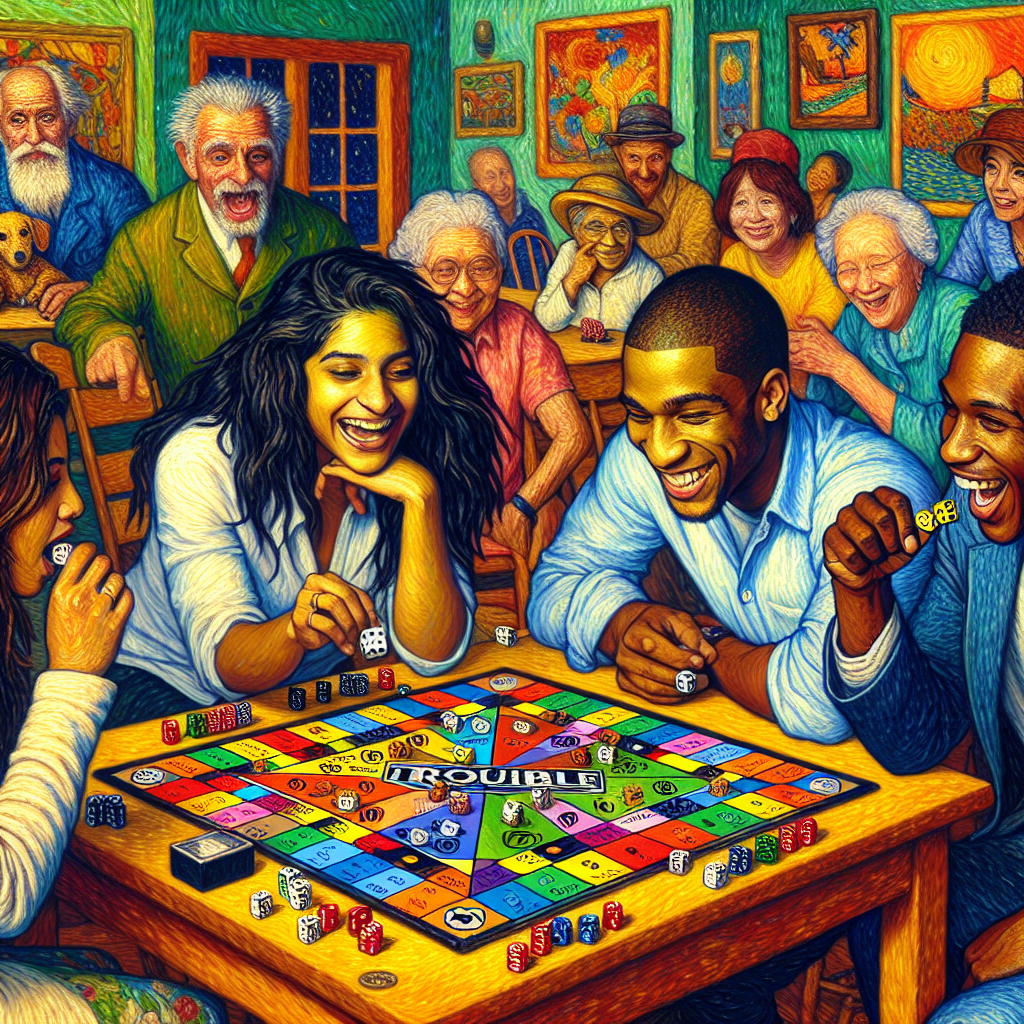
Poem
Checklist
Will Memory-Boosting Games Improve Senior Brain Health? – A Checklist
1. Choose Engaging Memory Games:
_____ Select classic board games (e. g. , Scrabble, Chess, Memory).
_____ Consider trivia games for social interaction and recalling facts.
_____ Explore digital memory games and apps tailored for seniors.
_____ Incorporate word games (e. g. , crossword puzzles) to boost vocabulary and cognitive skills.
_____ Try storytelling games for creativity and mental engagement.
2. Establish a Regular Game Schedule:
_____ Aim to play games 2-3 times a week for optimal cognitive benefits.
_____ Ensure game sessions are enjoyable and feel like a social event rather than a chore.
3. Encourage Social Interaction:
_____ Organize game nights with friends, family, or community members.
_____ Foster a friendly competitive spirit to enhance the experience.
4. Diversify Gaming Activities:
_____ Rotate through various types of games to keep the mind engaged and prevent monotony.
_____ Include puzzles (jigsaw, crossword, Sudoku) as complementary cognitive activities.
5. Incorporate Physical Activity:
_____ Engage in physical exercises or dance classes alongside memory games to improve overall brain health.
_____ Choose activities that encourage memorization (e. g. , learning dance sequences).
6. Explore Creative Hobbies:
_____ Encourage painting, writing, or cooking as they promote neuroplasticity and cognitive engagement.
_____ Select hobbies that involve problem-solving and creativity.
7. Set Realistic Expectations:
_____ Understand that improvements in memory and cognitive function will take time and consistent engagement.
_____ Emphasize the importance of maintaining a positive attitude while playing.
8. Use Game and Learning Resources:
_____ Research and review games that are specifically designed for seniors’ cognitive enhancement.
_____ Seek out educational materials or workshops focusing on brain health.
9. Monitor Progress:
_____ Reflect on any changes in memory retention or cognitive abilities after regular gameplay.
_____ Encourage sharing of experiences and personal stories during game nights to reinforce memories and connections.
10. Stay Informed:
_____ Keep up with scientific research regarding the effectiveness of memory games for seniors.
_____ Look for updates on new types of games that can offer cognitive benefits.
By following this checklist, seniors and caregivers can effectively utilize memory-boosting games to enhance cognitive health while enjoying meaningful social interactions.

Checklist
At BestBoardGameNews, we help people who love board games by collating information and news about board games.
Be sure to read our other related stories at BestBoardGameNews to learn more about board games.