Connecting Through Play Across Generations
By Tom Seest
At BestBoardGameNews, we help people who love board games by collating information and news about board games.
Be sure to read our other related stories at BestBoardGameNews to learn more about board games.
Will Simple Games Spark Conversations Across Generations?
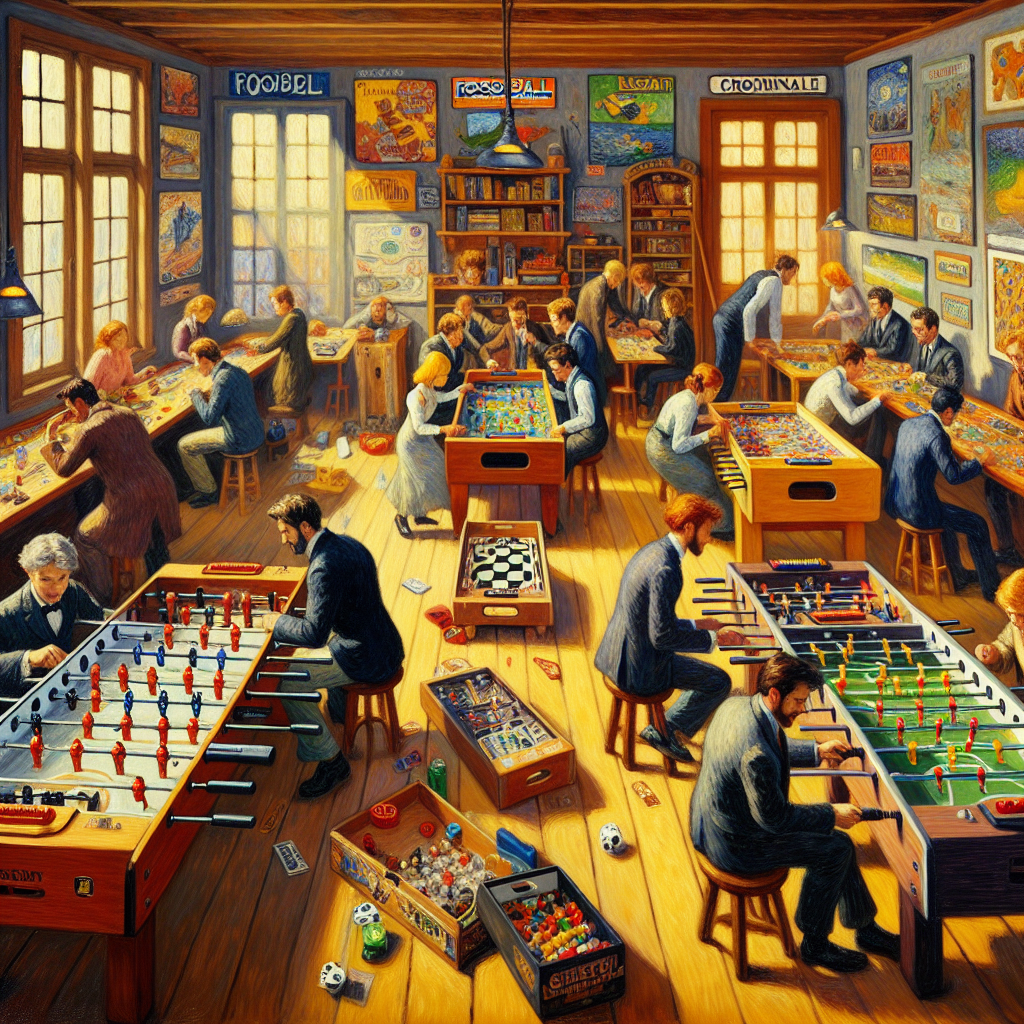
When you think of a board game, you might envision a table surrounded by family or friends engaged in lively conversation, laughter mingling with a touch of friendly competition. It’s fascinating how something as simple as rolling dice or drawing cards can create a bridge across generations, reviving memories and sparking new discussions.
Take a moment to visualize a Sunday afternoon. The clatter of pieces sliding across a board, the soft shuffle of cards, and the occasional cheer as someone lands on “Go” in Monopoly; these sounds resonate with a certain nostalgia. For grandparents, these games could evoke memories of their own childhood, a time when evenings were spent gathering with neighbors, sharing strategies over a game of Scrabble or Clue. Their stories might spill out—anecdotes colored by laughter and sometimes competition that transcends mere chance.
Now, move the scene forward a generation. Imagine children and teenagers engaging in these traditional pastimes, smiling as they navigate the complex strategies of a game that has been around for decades. For them, it’s not just about winning; it’s about the shared experience. Conflict resolved over the cheery banter of a game night, each play mined for a bit of familial wisdom, and every lost piece standing as a testament to moments spent together.
The intrigue comes in how simple games often lead to profound conversations. They act as the catalysts, prompting questions about childhood, dreams, and values—a sort of personalized history lesson wrapped in the guise of fun. Kids might ask their grandparents what games they enjoyed, which leads to discussions about life before smartphones and social media. The elders, in turn, find themselves tapping into their own youthful exuberance, recounting tales of resilience, creativity, and connection in a world that seems so different now.
In an era marked by screens and isolation, the humble board game rises to the occasion. Picture a family huddled together, leaning in to analyze their next move, allowing them to cultivate a sense of belonging. What was once a simple pastime unfolds into stories shared, lessons learned, and laughter shared—conversations that might have otherwise languished in the void of digital distractions.
The allure of board games isn’t just in their simplicity. It’s in their ability to dissolve barriers, drawing us together across generational divides. Perhaps, in a world seemingly defined by division, these little pieces of cardboard may hold the key to nurturing understanding and connection. So, set up that board game, gather around, and let the conversations flow. It might just be the start of something beautiful.

Will Simple Games Spark Conversations Across Generations?
Will Simple Games Spark Conversations Across Generations?
- Board games create a bridge across generations through shared experiences and memories.
- They evoke nostalgia, with sounds like dice clattering and cards shuffling reminiscent of family gatherings.
- Grandparents share childhood anecdotes, reinforcing connections through stories of past games.
- Children and teenagers enjoy these games for the shared experience, emphasizing fun over competition.
- Games prompt deeper conversations about childhood, dreams, and family values beyond the digital age.
- Board games foster belonging and togetherness in an era dominated by screens and isolation.
- Ultimately, they dissolve barriers, nurturing understanding and connection across generations.
Will Simple Games Spark Conversations Across Generations?
Table Of Contents
- Will Simple Games Spark Conversations Across Generations?
- Is The Appeal Of Simple Games Universal Across Age Groups?
- What Types Of Simple Games Foster Intergenerational Interaction?
- How Do Simple Games Promote Communication Among Different Ages?
- Can Gameplay Help Bridge The Generational Gap In Families?
- What Benefits Do Simple Games Offer For Socialization?
- How Do Cultural Differences Impact The Enjoyment Of Simple Games?
- Are There Specific Simple Games That Work Better For All Ages?
- Conclusion
- Other Resources
- Glossary Of Terms
- Other Questions
- Haiku
- Poem
- Checklist
Is The Appeal Of Simple Games Universal Across Age Groups?
When you think of a Board Game, what comes to mind? Maybe it’s the image of a family gathered around a table, laughter echoing off the walls, dice clattering against the surface as players strategize their next moves. Simple games, those timeless classics we often relegate to dusty shelves, have a particular charm that seems to transcend generations. But is their appeal truly universal across age groups?
To answer that, we need to examine the essence of what makes a simple game so attractive. Take, for instance, the experience of rolling dice and watching them tumble as the anticipation builds. It doesn’t matter if you’re eight or eighty; that sense of anticipation is a universal thrill. These games often strip away the complexities of life, creating a space where everyone, regardless of age, can engage on common ground.
Furthermore, simple games foster connection. They act as social glue, bringing together individuals who might otherwise drift apart in the hustle and bustle of life. Picture a group of friends gathering for a Board Game night. The laughter, the banter, and perhaps even a little friendly rivalry reignite old friendships. And while the younger players might be drawn in by bright colors and easy-to-understand rules, older participants often relish the nostalgia these games evoke, reminding them of the carefree days of youth.
But let’s not confuse simplicity with a lack of depth. Many simple games are layered with strategic thinking and skill. Young players might approach them with an instinctual enthusiasm, while seasoned gamers develop strategies honed over years of experience. This blending of perspectives creates a vibrant gaming environment where everyone can learn from one another.
Yet, there’s also an undeniable trend here—modern technology has introduced complex gaming landscapes that often overshadow the charm of simple games. In a world dominated by flashy graphics and intricate narratives, it’s easy to overlook the elegance found in the simplicity of a well-crafted Board Game. But perhaps it’s this very simplicity that speaks to the core of human interaction—an opportunity to play, connect, and enjoy each other’s company, no matter the age.
So, are simple games universally appealing? The evidence stacks up in their favor. Whether a child discovering the joy of play or a grandparent reliving fond memories, simple Board Games hold a unique ability to bring people together, proving that sometimes, less really is more.

Is The Appeal Of Simple Games Universal Across Age Groups?
Is The Appeal Of Simple Games Universal Across Age Groups?
- Board games evoke imagery of family gatherings and shared laughter.
- They possess a timeless charm that transcends generations.
- Rolling dice offers a universal thrill of anticipation across all ages.
- Simple games foster social connections and revive old friendships.
- They carry nostalgia for older players while attracting younger players with their accessibility.
- Many simple games are layered with strategic depth, benefiting players of all experience levels.
- Despite the rise of complex modern games, simple board games remind us of the joy of human interaction.

Is The Appeal Of Simple Games Universal Across Age Groups?
What Types Of Simple Games Foster Intergenerational Interaction?
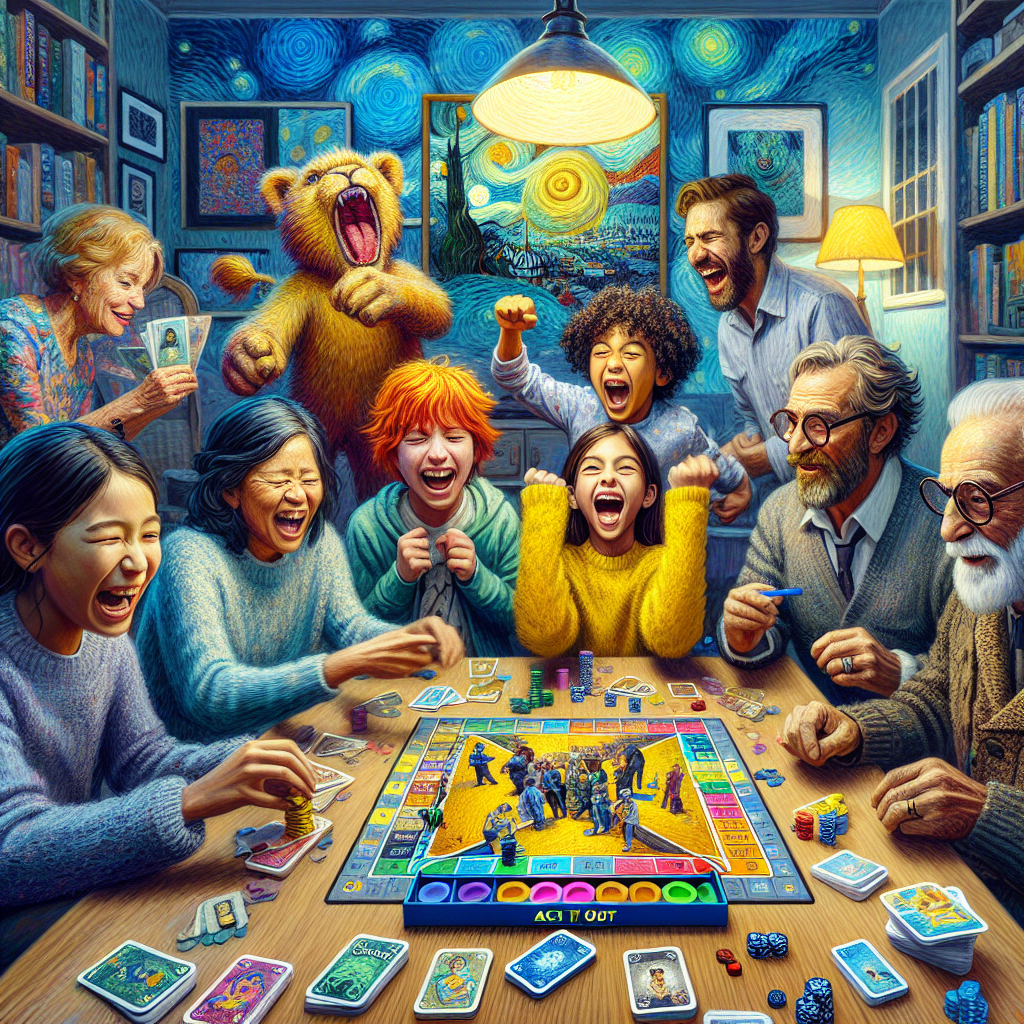
When it comes to fostering intergenerational interaction, a classic approach often works best: simple games. These engaging pastimes invite people of all ages to sit around a table, roll some dice, and share laughter. In a tech-driven world, the value of a good old-fashioned board game cannot be overstated.
Board games provide a structured, yet flexible environment that encourages conversation, strategy, and, most importantly, connection. Its gameplay is typically straightforward, enabling grandparents, parents, and children to participate without needing to memorize complex rules or advanced tactics. The simplicity of these games serves as a common ground that reduces barriers and opens up communication channels.
Take, for instance, games like Uno or Connect Four. Their easy-to-understand mechanisms allow players to dive right into the action, fostering an atmosphere where friendly banter can thrive. These games challenge both the critical thinking of adults and the learning abilities of children. When Grandpa is strategizing his next move against his ten-year-old granddaughter, they’re building bridges of understanding and respect, leaving behind the generational gaps that often exist.
Then there’s the ageless charm of Scrabble. This isn’t just a test of vocabulary; it’s a nurturing space for sharing stories and reliving memories. An exchange of words could turn into a history lesson, a tradition-filled conversation, or a playful debate about the merits of obscure vocabulary—from “qi” to “za.” Those moments become snapshots of life that everyone cherishes.
And let’s not ignore the importance of hands-on interaction. Game nights with classic board games evoke nostalgia, invoking memories of yesteryear for older generations, while teaching younger players valuable lessons: patience, sportsmanship, and the occasional art of losing gracefully. Remarkably, the simple act of gathering around a table can transform a mundane evening into a vibrant tapestry of stories, laughter, and learning.
In this fast-paced digital age, where interactions often occur through screens, opting for board games as a vehicle for intergenerational connection is a breath of fresh air. So, dust off those boxes, gather the family around the table, and let the games begin! After all, building memories and fostering interaction doesn’t require complex tech or fancy equipment; sometimes, all it takes is a piece of cardboard, a few tokens, and a genuine love for playing together.

What Types Of Simple Games Foster Intergenerational Interaction?
What Types Of Simple Games Foster Intergenerational Interaction?
- Simple games are an effective method for fostering intergenerational interaction.
- Board games create a structured yet flexible environment that promotes conversation and connection.
- Easy-to-understand games reduce barriers, allowing all ages to participate without complex rules.
- Games like Uno and Connect Four encourage critical thinking and learning, bridging generational gaps.
- Scrabble serves as a space for storytelling and sharing memories, enhancing family bonds.
- Classic board game nights evoke nostalgia and teach valuable lessons like patience and sportsmanship.
- In a digital age, board games provide a refreshing way to build memories and foster interaction without technology.
What Types Of Simple Games Foster Intergenerational Interaction?
How Do Simple Games Promote Communication Among Different Ages?
When we think about communication across generations, we often picture earnest conversations over dinner or the hands-on guidance provided by grandparents to their curious grandchildren. Yet, one of the most effective—and enjoyable—ways to bridge that gap lies hidden in something we’ve all experienced: a good old-fashioned board game.
Board games have an uncanny ability to bring people together, whether you’re six or sixty. The simple act of rolling dice or moving pieces around an intricate board can spark conversations and laughter that transcend age barriers. Why is that? For starters, the competitive spirit cuts through the often complex social nuances of navigating intergenerational interactions. In a board game, everyone is on an equal playing field. The goal is straightforward: win the game. And that singular focus creates a shared experience that encourages dialogue in a natural way.
Think about it. As kids strategize how to build the biggest empire in a game like Settlers of Catan, that excitement translates into chatter about their plans. They might ask for advice or talk about their friends at school. Meanwhile, grandma, with her seasoned wisdom, might share stories of her own childhood, weaving in bits of her life experiences that suddenly feel relevant. And just like that, a seemingly simple board game becomes a conduit for connection.
Moreover, the rules of board games often invite questions, creating a perfect opportunity for different age groups to interact. Kids are learning to ask “Why?” and “How?” while older players can guide those inquiries with their knowledge. It becomes a give-and-take, a lesson in patience and understanding that fosters empathy. Something as simple as explaining game mechanics can lead to deeper conversations about concepts like fairness, loss, and the importance of teamwork—ideas that resonate regardless of age.
The beauty lies in the simplicity. Unlike digital games that can sometimes isolate players behind screens, traditional board games require face-to-face interaction. You can see the joy in a child’s eyes or the amusement on a grandparent’s face as they land on a particularly troublesome space. Those visual cues and personal interactions are critical in fostering experiences that help cultivate communication skills.
From strategic thinking to storytelling, the exchange of ideas, jokes, and life lessons flows effortlessly around the game board. So, the next time you shuffle some cards or set up a game piece, remember that you’re not just playing a game; you’re building bridges that connect different ages through the shared joys of competition, laughter, and unforgettable stories.

How Do Simple Games Promote Communication Among Different Ages?
How Do Simple Games Promote Communication Among Different Ages?
- Board games effectively bridge the communication gap across generations.
- They promote interaction and laughter, making intergenerational conversations easier.
- The competitive spirit in games creates a level playing field, focusing on shared goals.
- Board games facilitate storytelling and wisdom-sharing between younger and older players.
- Game rules foster questions and encourage dialogue and understanding between age groups.
- Traditional board games enhance face-to-face interaction, fostering personal connections.
- Engaging in board games allows for the sharing of life lessons and experiences through play.

How Do Simple Games Promote Communication Among Different Ages?
Can Gameplay Help Bridge The Generational Gap In Families?
In today’s fast-paced digital age, it seems like there’s an invisible wall dividing generations. You’ve got tech-savvy youngsters with their smartphones and gaming consoles, while older generations may still think a “board game” is something you pull out for family gatherings or rainy days. But beneath this surface of apparent disparity lies an opportunity – the chance to bridge that generational gap through gameplay.
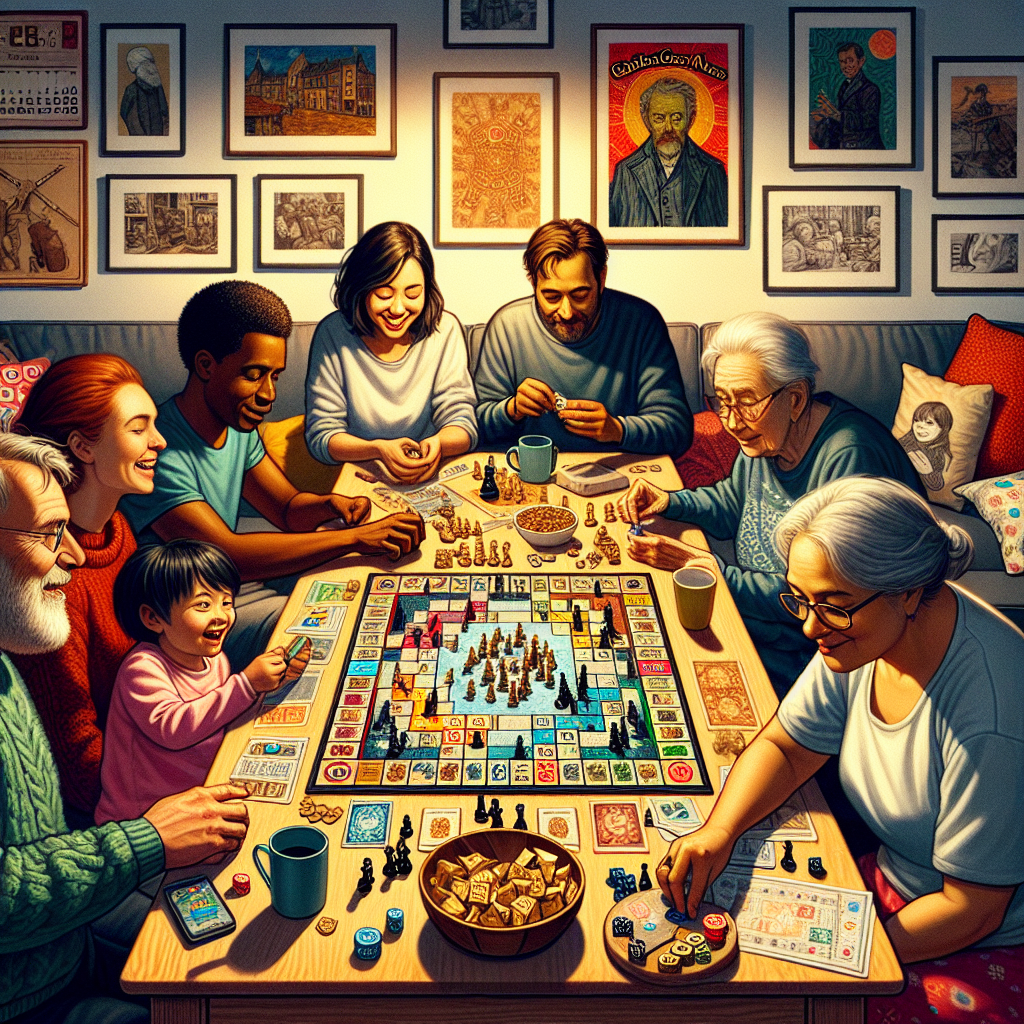
Imagine a scenario where a family gathers around a table, a mix of ages seated together, the dim light bouncing off the colorful cardboard of their favorite board game. The cherished memories of Monopoly and Scrabble start creeping in, each turn of a card or dice roll echoing past laughter and competition. In a world where face-to-face interaction has dwindled thanks to screens, these classic board games offer a tactile experience that digital formats simply can’t replicate.
Engaging in such games encourages conversations that might otherwise remain unheard. Players of all ages share stories, swap strategies, and fill the room with the kind of laughter that can dissolve any tension. The older generation can impart wisdom with every successful move while the younger players breathe new life into old strategies. It morphs into a history lesson wrapped in the guise of play, showcasing that knowledge knows no age.
Let’s not overlook the value of friendly competition. Board games often come with a built-in framework for resilience and sportsmanship. When the young ones win, they learn humility, and when the seasoned players triumph, they practice grace. This back-and-forth dynamic cultivates mutual respect and understanding, fostering relationships that extend beyond the game itself.
Now, let’s be clear: it’s not just about using board games as a tool for connection; it’s about dismantling the barriers that age can create. Every time the dice are rolled or a card is drawn, family members create common ground, enabling conversation that leads to deeper emotional ties. In these moments of play, differences become less pronounced.
So the next time you gather with your family, think twice before grabbing the remote. Dust off those old board games, shuffle the cards, and roll the dice. After all, the path to bridging the generational gap might just be a game night away.
Can Gameplay Help Bridge The Generational Gap In Families?
Can Gameplay Help Bridge The Generational Gap In Families?
- The digital age has created a divide between tech-savvy youngsters and older generations.
- Board games offer an opportunity to bridge this generational gap through gameplay.
- Playing classic games like Monopoly and Scrabble encourages face-to-face interaction and nostalgia.
- Family gaming fosters conversations, allowing players of all ages to share stories and strategies.
- Board games teach valuable lessons in resilience, sportsmanship, humility, and grace.
- Game nights create common ground, helping to break down age-related barriers.
- Choosing board games over digital entertainment can enhance family connections and emotional ties.

Can Gameplay Help Bridge The Generational Gap In Families?
What Benefits Do Simple Games Offer For Socialization?
When you think about socialization, a lot of people might picture crowded bars, lavish parties, or even coffee shops buzzing with conversation. But sometimes, the most effective way to foster connection happens around a simple board game on a kitchen table, devoid of the glitter and noise of modern social settings. Sure, we live in a world obsessed with digital distractions, but there’s something inherently valuable about gathering around a physical game that can’t be replicated by swiping on a screen.
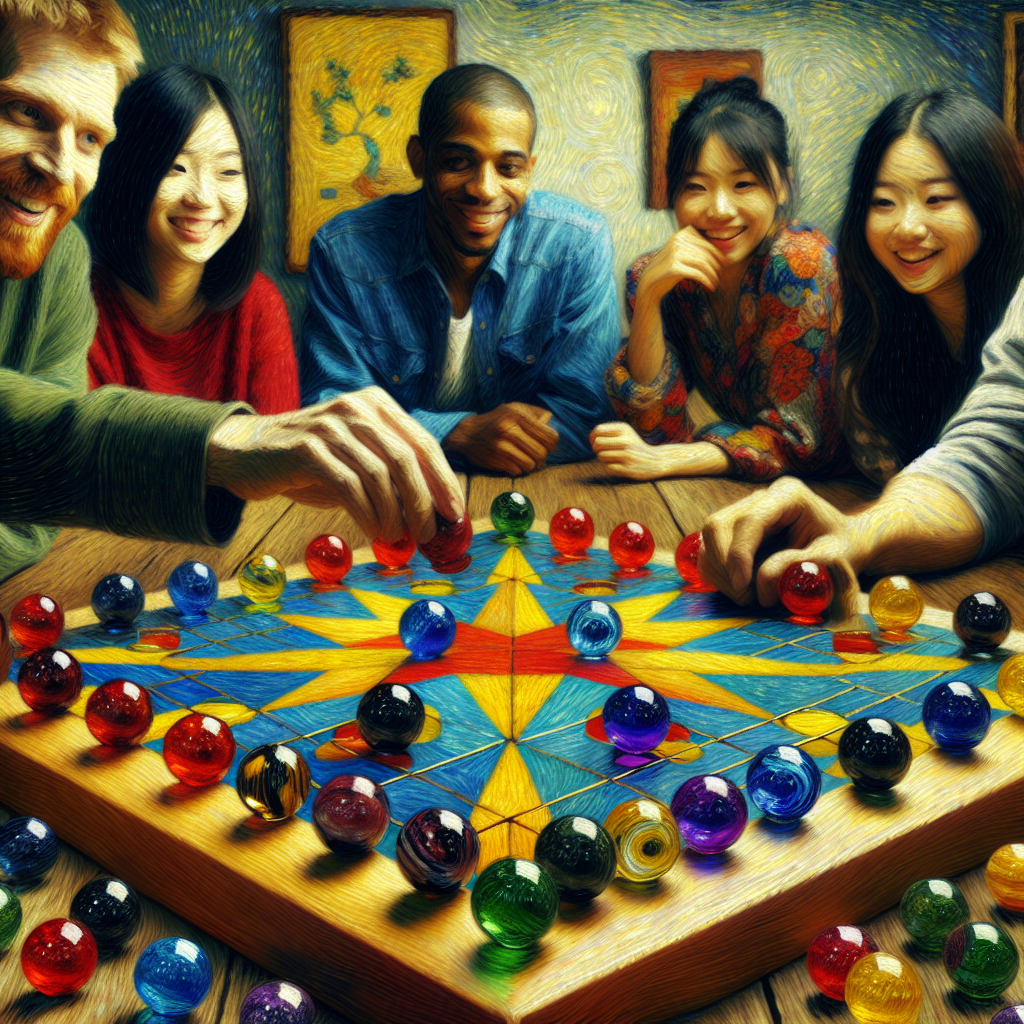
First off, simple board games create an environment conducive to interaction. Whether it’s a classic like Scrabble or a newer favorite like Ticket to Ride, these games require players to engage with one another, and not just in a superficial way. You’re not just rolling dice or moving pieces; you’re strategizing, negotiating, and sometimes even battling it out, all while sharing laughter and lighthearted banter. It’s a communal experience that can break down walls and foster camaraderie, letting people from different backgrounds meet at the same table.
Moreover, simple games often level the playing field. They provide a foundation where anyone can jump in, regardless of skill or expertise. You could have a seasoned board gamer seated next to a complete novice, and what’s beautiful is that the game doesn’t discriminate. The only requirement is a willingness to engage and have fun. In that scenario, the focus shifts from who knows more to how best you can work together or compete in a friendly manner. This dynamic helps reduce social anxiety, allowing individuals to feel more comfortable and open.
Another often-overlooked benefit of these games is their ability to facilitate conversation. The moments between turns often yield the richest interactions. Players share stories, strategize their next move, or even discuss personal anecdotes inspired by the course of play. These conversations can lead to deeper connections, transforming acquaintances into friends and, in some cases, lifelong bonds.
In a world increasingly dominated by technology, getting together over a simple board game can remind us of the human element in socialization. We seek connection, interaction, and camaraderie. Sometimes, all it takes to spark that magic is a few colorful pieces and some good company around a shared table. So, the next time you’re pondering how to bring people together, consider bringing out a board game; it may very well be the key to unlocking deeper relationships.
What Benefits Do Simple Games Offer For Socialization?
What Benefits Do Simple Games Offer For Socialization?
- Socialization often conjures images of crowded venues, but meaningful connections can occur over simple board games.
- Board games foster interaction, requiring players to engage communally rather than superficially.
- These games level the playing field, allowing anyone to participate, regardless of skill or expertise.
- The focus shifts from competition to cooperation, reducing social anxiety among players.
- Board games facilitate conversations, leading to richer interactions and connections among players.
- They remind us of the human element in a tech-dominated world, emphasizing connection and camaraderie.
- Consider using board games as a tool for bringing people together and fostering deeper relationships.

What Benefits Do Simple Games Offer For Socialization?
How Do Cultural Differences Impact The Enjoyment Of Simple Games?
When it comes to the joy of simple games, you might think we’re all on the same page, but that’s where cultural differences come into play. Imagine gathering around a table with friends for a board game. The laughter, the anticipation, the occasional competitive edge—all elements that should create a universal experience, right? But what if I told you that the way we approach these games is as varied as the games themselves?
In some cultures, a board game night is a casual affair. It’s a chance for friends to unwind, share stories, and enjoy each other’s company. In many Western cultures, the objective might be to play the game and let the chips fall where they may, turbo-charged by the thrill of competition. But in other parts of the world, a board game is less about winning and losing and more about fostering connections. There’s an inherent understanding that while the game may end, the relationships forged or strengthened during play are what truly matter.
Moreover, the types of games enjoyed and the manner in which they are played can also yield stark contrasts. A simple game like chess may be revered in some cultures as a deep strategic exercise, each move a calculated journey towards victory. In others, games like Ludo or Snakes and Ladders might dominate the scene, where fate heavily influences the outcome, and the experience is filled with laughter, surprises, and perhaps a bit of chaos.
Even the materials and aesthetics of board games draw from local culture. For instance, some traditional games incorporate intricate designs and symbols that resonate deeply within a specific cultural context. The colors, shapes, and even the types of symbols used can spark nostalgia, making every roll of the dice or draw of a card a journey back to home—or a window into someone else’s world.
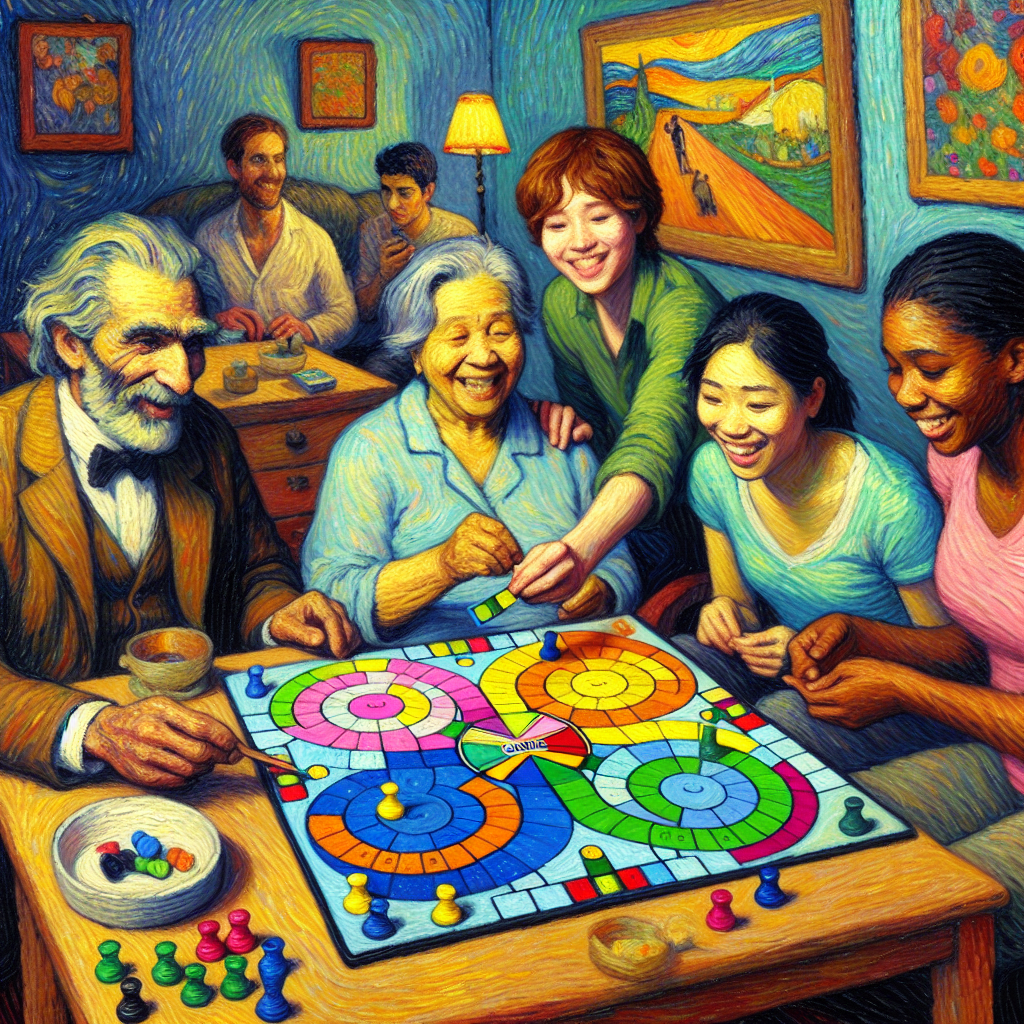
And let’s not forget about family dynamics. In many cultures, playing a board game is an intergenerational affair. Children, parents, and grandparents gather around not just to play but to share their life stories and lessons—in a way, the game becomes a vessel for conveying culture and tradition. This unique aspect adds layers of enjoyment that go beyond mere mechanics.
In short, cultural differences shape our experiences of simple games in profound ways. They influence how we play, the games we choose, and the very essence of enjoyment, making every board game night a unique tapestry woven from shared experiences across generations and worlds.

How Do Cultural Differences Impact The Enjoyment Of Simple Games?
How Do Cultural Differences Impact The Enjoyment Of Simple Games?
- Cultural differences significantly influence our experiences with simple games.
- Board game nights vary by culture, with some prioritizing relaxation and companionship over competition.
- In Western cultures, games often focus on winning, while other cultures emphasize relationship building.
- Different cultures prefer distinct types of games; for example, chess is viewed as a strategic endeavor, while games like Ludo are more about chance and fun.
- The materials and aesthetics of board games reflect local culture, enhancing connections to home and cultural identity.
- Board games often serve as intergenerational activities, fostering family bonding and sharing of life stories.
- Overall, cultural backgrounds shape game preferences and enhance the enjoyment of board games across generations.
How Do Cultural Differences Impact The Enjoyment Of Simple Games?
Are There Specific Simple Games That Work Better For All Ages?
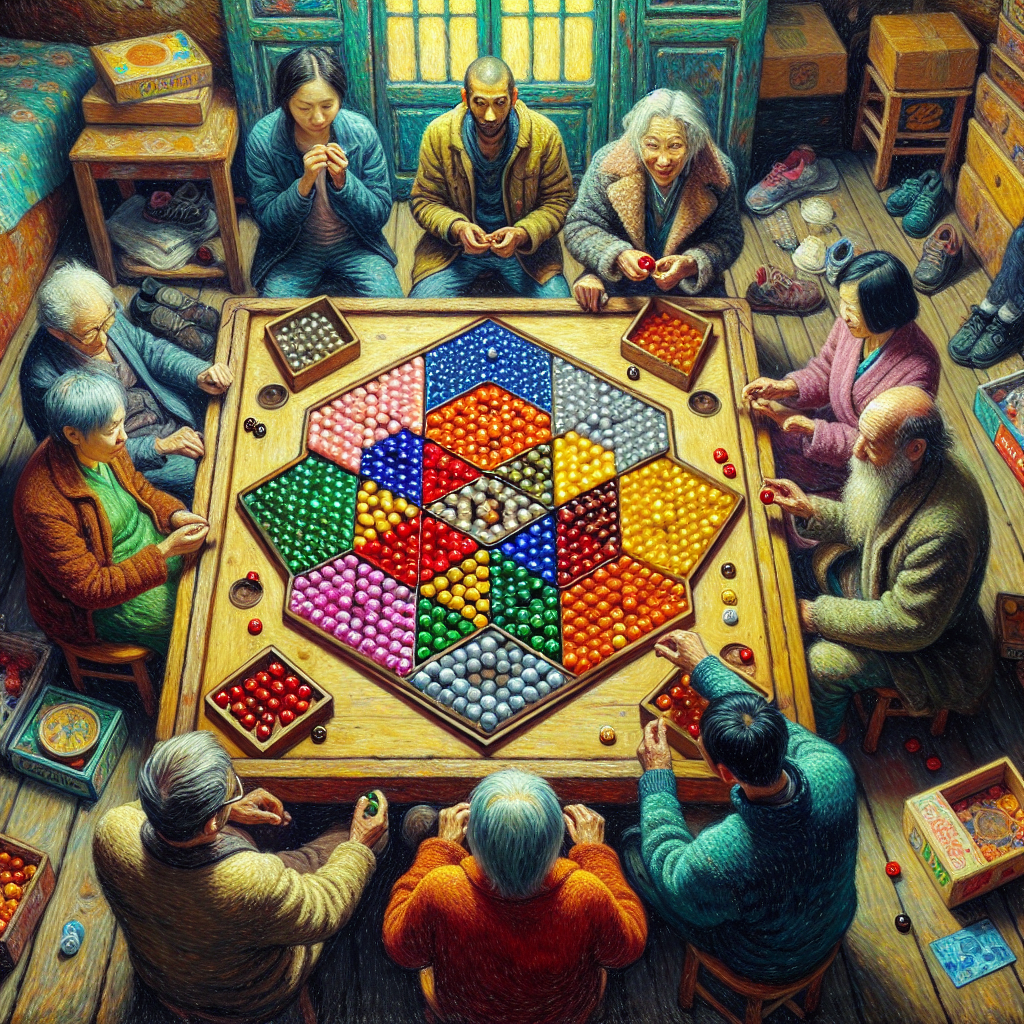
When it comes to games that can bridge the gap between the young and old, simplicity often reigns supreme. Picture a rainy afternoon, a group gathered around a table, laughter bubbling up as players engage over an old-fashioned board game. The power of such a game lies not just in its rules, but in its ability to foster connection across generations. In an age where screens dominate our entertainment, these tangible games remind us of the joy of personal interaction.
Now, what makes a board game truly timeless? For starters, a straightforward concept is key. Games that are easy to learn but hard to master tend to captivate everyone, from toddlers to grandparents. Think about classics like Checkers or Connect Four; their rules can be grasped in minutes, yet they offer layers of strategy that keep players coming back for more. The simplicity in their design encourages creativity and critical thinking, which is a bonus for players of all ages.
Another crucial factor is a sense of balance. Games that allow for both skill and luck tend to level the playing field. Take Uno, for example. While younger players might rely on luck to draw the card they need, older players can employ memory and strategy to tip the balance in their favor. This combination creates a friendly rivalry that can stir up excitement and suspense, making for memorable gaming sessions.
Then there’s the unquantifiable element: fun. A good board game taps into a wellspring of laughter and enjoyment. Games like Apples to Apples or Pictionary offer absurd scenarios that encourage creativity and humor, making them ageless classics. In fact, it’s these very experiences that forge bonds and create stories worth retelling.
Don’t forget about adaptability, either! Simple games can often be customized, allowing players to modify rules or scoring to suit their group’s dynamic. This flexibility means that whether you’re playing with an energetic group of kids or a more laid-back bunch of adults, everyone can find a way to enjoy it.
While technology continues to evolve, the allure of a good old-fashioned board game persists. They serve as a reminder that entertainment doesn’t have to be complex to be effective. Sometimes, all it takes is a simple game to bring people together, spark joy, and create lasting memories. So, gather those loved ones, pull out a classic board game, and let the fun unfold!
Are There Specific Simple Games That Work Better For All Ages?
Are There Specific Simple Games That Work Better For All Ages?
- Simple board games can bridge generational gaps, fostering connection and personal interaction.
- A straightforward concept is essential for a timeless board game, making it easy to learn yet hard to master.
- Games like Checkers and Connect Four provide layers of strategy while being accessible to all ages.
- Balance between skill and luck enhances the gaming experience, as seen in games like Uno.
- A good board game should be fun, tapping into laughter and creativity, exemplified by classics like Apples to Apples and Pictionary.
- Adaptability allows players to customize rules for different group dynamics, enhancing enjoyment for everyone involved.
- Old-fashioned board games serve as a reminder that entertainment can be simple yet effective in creating lasting memories.

Are There Specific Simple Games That Work Better For All Ages?
Conclusion
As we wrap up this exploration of simple games and their power to bridge the generational divide, it’s clear that something as unassuming as a board game can work wonders in nurturing relationships across age groups. Picture this: a family sitting around a table, energized by the clatter of dice, the shuffle of cards, and bursts of laughter that echo with shared joy and competition. In this moment, games become more than just a pastime; they transform into a conduit for connection, revealing layers of nostalgia and experience that spark conversations as rich as the stories behind them.
These games, whether it’s a classic Monopoly session or an intense round of Uno, strip away complexities and draw players into a shared space where everyone can engage on equal ground. It doesn’t matter if you’re eight or eighty; the thrill of a well-timed move or the suspense of an unexpected twist transcends age. This level playing field fosters an atmosphere of friendly rivalry, where young players can learn from the wisdom of their elders, while grandparents rediscover the youthful exuberance that life can sometimes overshadow. Every roll of the dice or play of a card can spin into discussions about childhood memories, lessons learned, or even a lively debate about the best strategies—conversations that would otherwise be lost in a busy world dominated by screens.
Moreover, these games transcend mere entertainment; they serve as valuable interactions that nurture crucial social skills such as communication, teamwork, and empathy. Through gameplay, children learn important life lessons about patience and graciousness in defeat, while older players can reminisce about their own childhood games, enriching the family narrative. In essence, simple games offer an elegant solution in a time of division, bringing together diverse perspectives and creating shared experiences that resonate long after the last piece is packed away.
So, the next time you find yourself pondering how to bridge that generational gap, consider reaching for an old board game instead of the remote. In doing so, you’re not just pulling out a fun activity; you’re unraveling a world of laughter, understanding, and cherished moments that can beautifully weave together the tapestry of your family’s history. So, dust off those boxes, gather your loved ones around the table, and let the games begin—who knows? You just might ignite a conversation that sparks a deeper connection between all ages, and that, my friends, is a win for everyone involved!
Conclusion
Conclusion:
- Simple games bridge the generational divide by nurturing relationships across age groups.
- Board games create a shared space for connection, filled with laughter and competition.
- Players of all ages can engage equally, fostering a friendly rivalry and mutual learning.
- Games spark rich conversations, drawing on nostalgia and shared memories.
- They teach essential social skills such as communication, teamwork, and empathy.
- Players can reminisce about childhood, enriching family narratives and connections.
- Playing games together transforms simple moments into cherished family experiences.

Conclusion
Other Resources
Other Resources
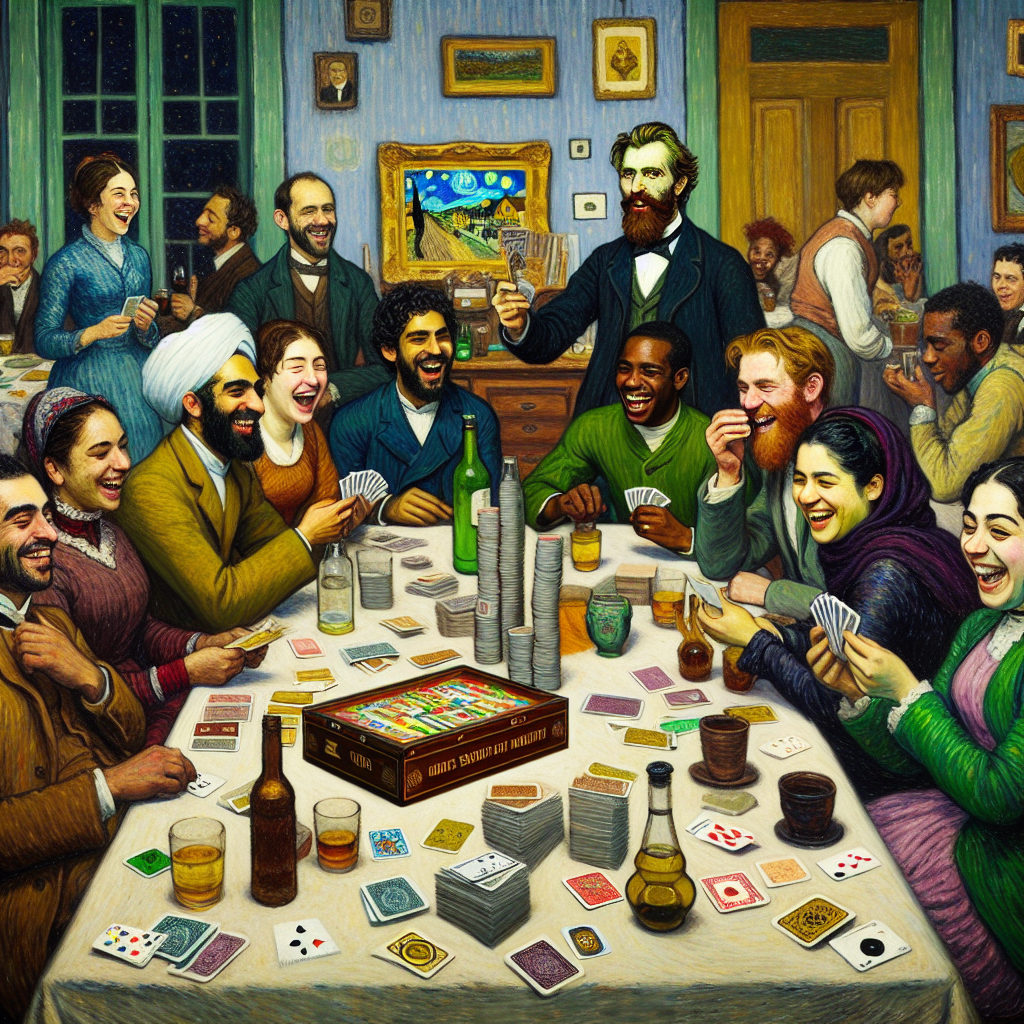
Here is a list of other resources you can review online to learn more:
- Dominion: Seaside (Second Edition)
- Arkham Horror: The Card Game – The Dunwich Legacy Expansion
- AEG
- Rio Grande Games
- Watch It Played
- Osprey Games
- Renegade Game Studios
- Gamelyn Games
- Gloomhaven: Jaws of the Lion
- Magic: The Gathering
Use This Prompt To Get More Resources With Your Favorite Online AI Tool: Please provide me with a list of online articles with their URLs in a bulleted list that I can read regarding Will Simple Games Spark Conversations Across Generations?
Other Resources
Glossary Terms
Will Simple Games Spark Conversations Across Generations? – Glossary Of Terms
1. Anecdote: A short, often amusing story about a real incident or person, often shared during conversations.
2. Bridging: The act of connecting different generations through shared activities, like games, fostering understanding.
3. Collaboration: Working together towards a common goal, often observed in games involving multiple players from different age groups.
4. Communication: The process of exchanging information, ideas, and feelings, crucial for intergenerational interactions.
5. Cognitive Skills: Mental abilities that involve thinking, reasoning, and problem-solving, which can be developed through gameplay.
6. Engagement: The level of interest and participation in an activity, such as playing games.
7. Family Bonds: Connections and relationships between family members, often strengthened through shared activities like gaming.
8. Generation Gap: Differences in opinions, values, and behaviors between people of different generations, which games can help bridge.
9. Interactivity: The quality of engaging with others actively, essential in games that encourage participation from all ages.
10. Icebreaker: An activity or game designed to help people become acquainted and ease into conversation.
11. Inclusivity: The practice of including people from diverse backgrounds and ages in activities like gaming, fostering conversation.
12. Nostalgia: A sentimental longing for the past, often triggered by playing games that were popular during one’s youth.
13. Participation: The act of taking part in an activity, especially in games that require cooperation among players.
14. Playfulness: The quality of being fun and lighthearted, which can make intergenerational interactions more comfortable.
15. Reflection: The process of thinking deeply about experiences and memories, often sparked by discussions around games.
16. Retro Games: Classic or old-fashioned games that evoke memories and conversations among different generations.
17. Rules: Prescribed guidelines that define how games are played, which can initiate discussions about strategy and fairness.
18. Social Interaction: The process by which people act and react in relation to others, often enhanced through shared games.
19. Teamwork: Cooperative effort by players toward a common game goal, facilitating communication across generations.
20. Tradition: Long-established customs or practices, which may include family game night or favorite childhood games.
21. Turn-Taking: A game mechanic where players alternate turns, encouraging patience and communication between ages.
22. Verbal Interaction: The exchange of spoken communication, important during gameplay to share strategies and experiences.
23. Visual Learning: A learning style that benefits from graphics and visuals, which can be significant in many simple games.
24. Warm-Up Games: Fun, easy games that can get participants comfortable and ready for deeper conversations.
25. Winning and Losing: Concepts inherent in games, used as talking points for discussing competition and sportsmanship.
26. Empathy: The ability to understand and share the feelings of others, cultivated through shared gaming experiences.
27. Cultural Exchange: Sharing cultural traditions through games that represent different backgrounds, fostering dialogue.
28. Skill Development: The improvement of various abilities, like strategic thinking or social skills, through playing games.
29. Storytelling: The art of sharing stories that is often integrated into games, promoting connections across generations.
30. Trust-Building: The process of establishing confidence among players, often enhanced through collaborative gameplay experiences.

Glossary Of Terms
Other Questions
Will Simple Games Spark Conversations Across Generations? – Other Questions
If you wish to explore and discover more, consider looking for answers to these questions:
- What are some examples of simple games that can foster conversations across generations?
- How can families incorporate more game nights into their routines?
- What skills do simple games teach that are valuable for all ages?
- Are there modern games that also promote intergenerational interaction?
- How can simple games be adapted for individuals with different abilities or preferences?
- What impact do simple games have on family dynamics and relationships?
- How can parents encourage their children to engage with simple games?
- What are some common misconceptions about board gaming across different generations?
- How do cultural backgrounds influence the types of games played in families?
- What role do simple games play in building community connections beyond family?
Other Questions
Haiku
Will Simple Games Spark Conversations Across Generations? – A Haiku
Gather at the table,
Simple games bridge the ages,
Laughter weaves the tales.

Haiku
Poem
Will Simple Games Spark Conversations Across Generations? – A Poem
In circles bright where laughter roams,
Beside the board where friendship blooms,
A game unfolds, both old and new,
Uniting hearts with every move.
Dice tumble down, cards take their flight,
Moments linger in shared delight—
Across the table, ages blend,
Generational tales the cards can send.
From Monopoly’s vast, moneyed schemes
To Scrabble’s words where memory gleams,
Each piece a bridge in cheerful play,
Igniting stories of yesterday.
Here, grandpa shares a fable spun,
Of summers lost and races won,
While children ask, their eyes aglow,
Of life in times both long ago.
Simple sets pave the way for grace,
Both skill and luck find their embrace,
No tech can rival such warmth, you see—
The joy of touch, the sounds of glee.
So gather ’round, let games ignite,
Conversations spark, connections tight,
In playful moments, wisdom flows,
In humble games, our unity grows.
For behind each laugh and friendly cheer,
A chance to cherish those we hold dear,
Let’s dust those boxes, set the scene,
In simple games, we weave the dream.

Poem
Checklist
Will Simple Games Spark Conversations Across Generations? – A Checklist
1. Choosing the Right Games:
_____ Select classic board games that are easy to learn and play (e. g. , Uno, Scrabble, Connect Four).
_____ Look for games that incorporate elements of luck and strategy to engage players of all ages.
_____ Consider adaptable games that allow rule modifications to fit your group’s dynamic.
2. Setting the Scene:
_____ Create a comfortable and inviting atmosphere (e. g. , cozy lighting, snacks).
_____ Ensure everyone has a space at the table to feel included.
3. Encouraging Participation:
_____ Invite family members of all ages to join and emphasize the joy of participation over competition.
_____ Allow younger players to lead in explaining game rules or strategies to enhance confidence.
4. Creating Conversational Opportunities:
_____ During gameplay, promote casual discussions about childhood memories or stories related to the games.
_____ Encourage players to share personal anecdotes that arise during the game.
_____ Introduce questions that spark deeper conversations (e. g. , “What was your favorite game as a child?”).
5. Celebrating Small Wins:
_____ Highlight and celebrate small victories, both winning and losing, to create a positive environment.
_____ Discuss the importance of sportsmanship and what players can learn from each game session.
6. Reflecting and Learning:
_____ After the game, take time to reflect on what was learned or enjoyed during gameplay.
_____ Encourage family members to express how the gaming experience impacted their understanding of each other.
7. Making It a Regular Tradition:
_____ Schedule regular game nights to strengthen connections and build anticipation for family gatherings.
_____ Rotate the selection of games to introduce new experiences and enhance engagement.
8. Documenting the Experience:
_____ Consider creating a shared family ‘game journal’ where players can write down humorous moments or memories made during game nights.
_____ Capture photos during game night to visually document these experiences and create lasting connections.
9. Addressing Cultural Differences:
_____ Be mindful of the diverse backgrounds of players and explore games that align with various cultural traditions.
_____ Encourage discussion of cultural differences in gaming styles and preferences to promote understanding and openness.
10. Enjoying the Process:
_____ Remember that the goal is connection, not just competition; make sure everyone is having fun.
_____ Foster an atmosphere of laughter, storytelling, and camaraderie during each game session to ensure lasting memories.
By following this checklist, families can create a nurturing environment that leverages the power of simple games to bridge generational gaps, facilitate communication, and promote deeper understanding and bonds across ages.

Checklist
At BestBoardGameNews, we help people who love board games by collating information and news about board games.
Be sure to read our other related stories at BestBoardGameNews to learn more about board games.