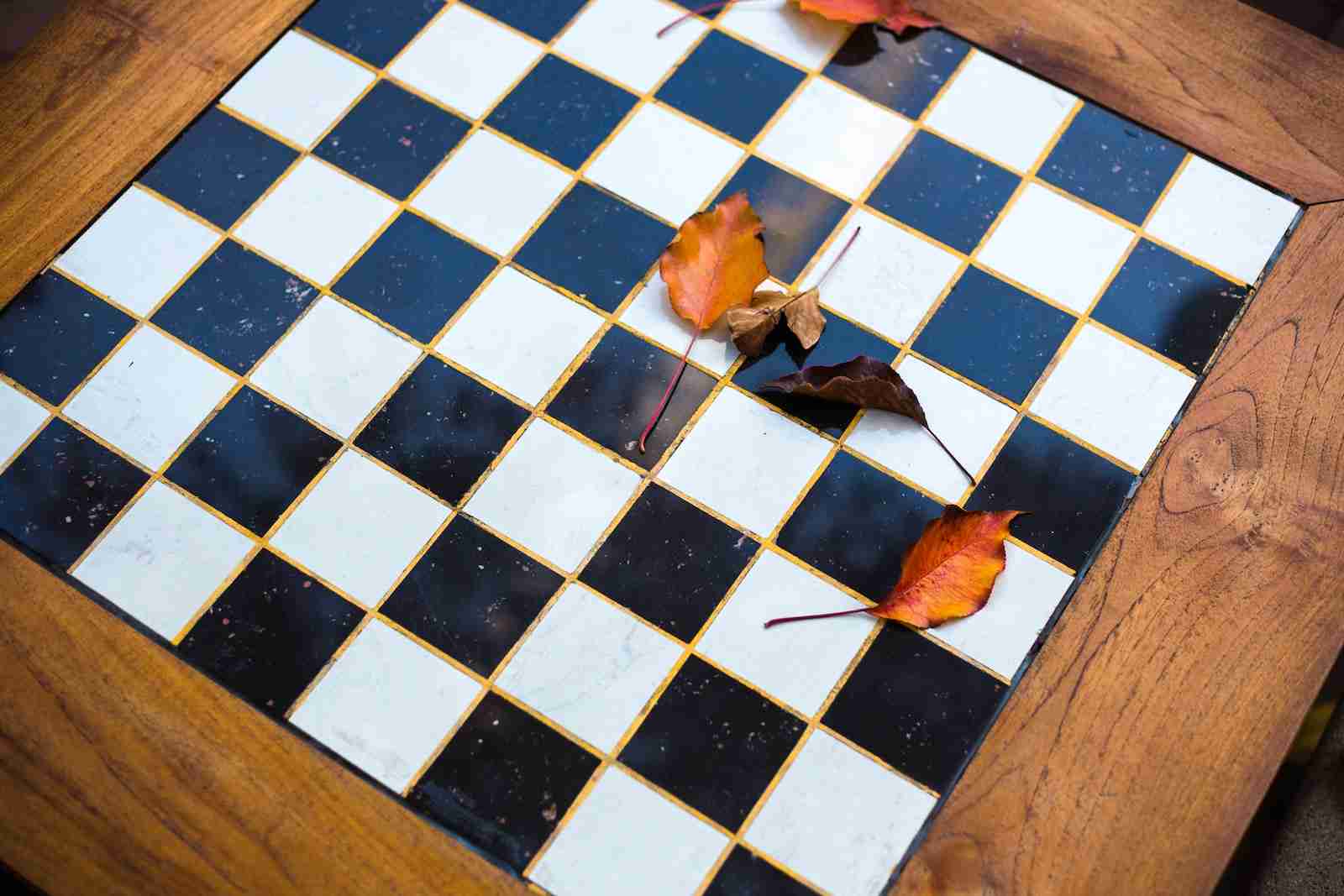
Boosting Brainpower: The Impact Of Strategy Games On Senior Cognition
By Tom Seest
At BestBoardGameNews, we help people who love board games by collating information and news about board games.
Be sure to read our other related stories at BestBoardGameNews to learn more about board games.
Will These Strategy Games Sharpen Seniors Cognitive Skills?
In today’s fast-paced, digital world, the importance of keeping our minds sharp can’t be understated, especially for seniors looking to stay mentally agile. Enter the realm of strategy games—those delightful pastimes that not only entertain but challenge cognitive skills in profound ways. If you haven’t considered the merits of a good old-fashioned board game, it might be time to take a second look.
Imagine gathering around a table with friends or family, the air thick with excitement as you plot your next move in a game of chess or strategize your way to victory in Settlers of Catan. These seemingly simple board games are more than just pastimes; they are a gateway to cognitive engagement. You see, each move you make is like a little workout for your brain, forcing you to think ahead, weigh your options, and anticipate your opponent’s strategy. This mental gymnastics can do wonders for memory retention, problem-solving skills, and even social interaction—an important factor for overall mental health among seniors.
What’s particularly fascinating is how these games facilitate connection. In a world where digital interactions dominate, the tactile experience of a board game brings people together, fostering communication and camaraderie. Whether it’s a friendly rivalry or cooperative gameplay, these dynamics provide a social outlet that combats the isolation many seniors face. And let’s not forget the humor that often accompanies these games, throwing in a dash of joy and laughter that’s known to enhance mood and well-being.
The cognitive benefits don’t stop at social interaction. Research suggests that engaging in strategic games can improve critical thinking and adaptability—two skills that are increasingly valuable as we navigate life’s changes. The key here is to keep the mind engaged continuously. Whether you prefer the strategic complexity of a classic like Risk or the fast-paced decision-making found in quick-play games, the important thing is to play regularly.
So, will these strategy games sharpen cognitive skills for seniors? The evidence overwhelmingly suggests yes. They provide not only a means of entertainment but also a structured way to keep the mind active, foster relationships, and challenge oneself. So why not break out a board game tonight? You might discover that the real treasure isn’t just winning—it’s the joy of the game and the sharpness of your mind that you reap in the process.

Will These Strategy Games Sharpen Seniors Cognitive Skills?
Will These Strategy Games Sharpen Seniors Cognitive Skills?
- Strategy games are crucial for seniors to maintain mental agility in a digital world.
- Board games like chess and Settlers of Catan provide cognitive engagement through strategic thinking.
- Each game move serves as a mental workout, enhancing memory, problem-solving skills, and social interaction.
- Board games foster real connections and communication among players, combating social isolation.
- Humor and joy in gameplay contribute to improved mood and overall well-being for seniors.
- Research indicates that playing strategic games enhances critical thinking and adaptability.
- Regularly engaging in strategy games not only entertains but also sharpens cognitive skills and nurtures relationships.

Will These Strategy Games Sharpen Seniors Cognitive Skills?
Table Of Contents
- Will These Strategy Games Sharpen Seniors Cognitive Skills?
- What Are The Benefits Of Strategy Games For Seniors?
- How Do Strategy Games Improve Memory In Seniors?
- Do Strategy Games Help Maintain Cognitive Function With Age?
- What Types Of Strategy Games Are Best For Seniors?
- How Often Should Seniors Play Strategy Games For Benefits?
- Can Online Strategy Games Be Beneficial For Seniors?
- Are There Any Specific Strategy Games Recommended For Seniors?
- Conclusion
- Other Resources
- Glossary Of Terms
- Other Questions
- Haiku
- Poem
- Checklist
What Are The Benefits Of Strategy Games For Seniors?
In a world bursting with fast-paced entertainment, it’s easy to overlook the value of a good old-fashioned board game, especially for our senior population. The benefits of strategy games for seniors can be profound, not just for their mental faculties but for their social lives and emotional well-being as well. Let’s dive into the unique advantages these games offer.
First off, strategy games challenge the mind. It’s no secret that as we age, it’s crucial to keep our brains engaged. Games like chess, checkers, or even modern favorites like Settlers of Catan require players to plan, strategize, and think critically. This mental workout can enhance memory, boost cognitive skills, and potentially slow down age-related decline. By assessing risks and rewards, seniors sharpen their decision-making abilities, keeping their mental gears well-oiled for years to come.
But it’s not just about flexing those cerebral muscles; it’s also a splendid way to build and maintain social connections. Imagine a group of friends gathered around a board game, sharing laughs, stories, and maybe even a bit of friendly competition. These interactions reduce feelings of loneliness and isolation, which can often plague older adults. Engaging in strategy games fosters camaraderie, encourages communication, and reinforces bonds within the community. In fact, simply gathering for a board game night can be a joyous ritual that transforms an ordinary evening into something memorable.
Moreover, many strategy games are designed to accommodate various skill levels, making them accessible and inviting for seniors. Whether it’s a quick round of Scrabble or a more in-depth session of Risk, these games can be tailored to suit any player’s pace and preference. The social aspect encourages participants to help one another, creating a nurturing environment where learning and growth take precedence over competition.
Let’s not forget the emotional benefits. Playing strategy games often invokes problem-solving and critical thinking, granting seniors a sense of accomplishment as they overcome challenges. This consequently boosts self-esteem and confidence. Engaging in a friendly match offers a delightful distraction from the worries of everyday life, allowing players to immerse themselves in a world of fun, creativity, and tactical prowess.
So, if you’re looking to enrich the lives of seniors, consider setting up a game night with a diverse range of board games. Not only will you witness the joy it brings, but you may also help spark a lifelong passion for strategy that nurtures the mind, body, and spirit.

What Are The Benefits Of Strategy Games For Seniors?
What Are The Benefits Of Strategy Games For Seniors?
- Board games offer significant benefits for seniors, enhancing mental, social, and emotional well-being.
- Strategy games stimulate the mind, improving memory and cognitive skills while slowing age-related decline.
- Engaging in games encourages social connections, helping to reduce feelings of loneliness and isolation.
- Group game sessions foster camaraderie and communication among seniors, creating enjoyable gatherings.
- Many strategy games cater to various skill levels, making them accessible and inviting for all players.
- Playing these games enhances self-esteem and confidence through problem-solving and overcoming challenges.
- Organizing game nights can enrich seniors’ lives and help cultivate a lasting passion for strategy games.

What Are The Benefits Of Strategy Games For Seniors?
How Do Strategy Games Improve Memory In Seniors?
In the golden years, when life slows down and the days seem to stretch out like a lazy Sunday morning, many seniors find joy in the company of friends and family. In this delightful arena of camaraderie, board games have taken center stage. These timeless pastimes are more than just a way to pass the time; they can also serve as powerful tools to bolster memory and cognitive function.
Picture this: a group of seniors gathered around a table, faces lit up by laughter and the friendly banter that echoes through the room. They roll the dice, move their pieces, and strategize their next move. This is more than just a game; it’s a mental workout that can keep the mind sharp. Engaging in strategy games requires players to think critically, make decisions, and remember previous moves—skills that become increasingly valuable as we age.
As players dive into the world of strategy games, they are prompted to recall past experiences and learned tactics, activating different areas of the brain. The act of remembering not just one’s own strategy but also anticipating the moves of opponents helps strengthen neural connections. This brain play can lead to improved cognitive ability and enhanced memory retention. Studies suggest that regular engagement in games that require strategy encourages neuroplasticity—the brain’s marvelous ability to form new connections and adapt.
But there’s more to it than just the mental gymnastics. The social aspect of playing board games helps ward off feelings of loneliness and isolation, which can be detrimental to both mental and physical health. When seniors gather around a game board, they are not only sharpening their minds but also building meaningful relationships. The laughter, shared stories, and friendly rivalry contribute to an overall sense of well-being that transcends the battlefield of the game itself.
In a world that’s often too quick to overlook the wisdom of our elders, we must recognize the importance of fostering environments that allow seniors to engage actively. Board games are a delightful vessel for this purpose, blending entertainment with mental exercise. So, whether it’s a classic like chess or a modern favorite, these games are not just fun; they’re a ticket to improved memory, sharper minds, and deeper connections in the golden years. Let’s roll the dice and keep the game alive!

How Do Strategy Games Improve Memory In Seniors?
How Do Strategy Games Improve Memory In Seniors?
- In the golden years, many seniors enjoy the company of friends and family, with board games taking center stage.
- Board games serve as powerful tools to bolster memory and cognitive function.
- Engaging in strategy games provides a mental workout, helping to keep minds sharp as players think critically and make decisions.
- Playing strategy games activates different areas of the brain and strengthens neural connections through recalling strategies and anticipating opponents’ moves.
- Regular engagement in strategic games encourages neuroplasticity, allowing the brain to form new connections and adapt.
- The social aspect of board games helps combat feelings of loneliness and isolation, contributing to overall mental and physical health.
- Board games blend entertainment with mental exercise, fostering environments for seniors to engage actively and build meaningful relationships.

How Do Strategy Games Improve Memory In Seniors?
Do Strategy Games Help Maintain Cognitive Function With Age?
Let’s face it—getting older isn’t exactly a walk in the park. As the years stack up, navigating the intricacies of daily life becomes a bit like maneuvering a vintage car with a stuck steering wheel. Ever felt the urge to keep your mental engine revved while watching the world zoom past? That’s where strategy games come into play.
Picture this: a cozy evening with friends, gathered around a table, the scent of coffee hangs in the air, and a board game sits invitingly at the center. It’s more than just a fun pastime; it’s a cerebral workout waiting to happen. Research has shown that engaging in these kinds of games isn’t merely an excuse to relive your glory days in Monopoly; it’s a way to keep that rusty mental engine firing on all cylinders.
When you settle down with a board game, your brain kicks into high gear. Each move requires foresight and planning, demanding a level of strategic thinking that can sharpen your cognitive functions. You’re not just flipping cards or rolling dice; you’re making decisions and anticipating others’ reactions, keeping your mind agile. It’s a dance of intellect, and it’s a dance that shows no signs of slowing down with age.
Studies suggest that playing strategy games frequently correlates with improved memory, quicker decision-making, and enhanced problem-solving skills. These games provide a mental challenge, akin to lifting weights for your brain, helping to stave off memory decline that often comes with age.
Now, while you might raise an eyebrow and think, “Can a board game really make that much of a difference?” the evidence is stacking up neatly, like the pieces of a well-played chessboard. Experts agree that consistent engagement in mentally stimulating activities can keep cognitive decline at bay.
Moreover, on top of the mental benefits, strategy games offer a social component that cannot be overlooked. Engaging with family and friends fosters social bonds, which can also contribute positively to our cognitive health. The laughter, the friendly banter, and the occasional friendly rivalry can elevate not just your mood but also your mental sharpness.
So, if you’re looking for a way to stand your ground against the relentless march of time, consider dusting off those old board games. Embrace the challenge, and who knows? You might just find that the path to maintaining cognitive function is as easy as rolling the dice.

Do Strategy Games Help Maintain Cognitive Function With Age?
Do Strategy Games Help Maintain Cognitive Function With Age?
- Getting older presents challenges that can affect daily life.
- Strategy games serve as an effective way to keep the mind active and engaged.
- Playing board games fosters strategic thinking and helps maintain cognitive functions.
- Research indicates that regular engagement in strategy games correlates with improved memory and decision-making.
- Strategy games act as a mental workout, helping to stave off memory decline with age.
- Social interaction during gameplay enhances cognitive health through bonding with friends and family.
- Playing games can be a simple yet effective method to support cognitive functions as we age.

Do Strategy Games Help Maintain Cognitive Function With Age?
What Types Of Strategy Games Are Best For Seniors?
When pondering the best types of strategy games for seniors, it’s important to recognize that not all games are created equal. Activities that stimulate the mind, foster social interaction, and can be played at a comfortable pace often stand out. So, let’s take a closer look at some options that resonate well with the golden years—especially when it comes to the good old board game.
First off, board games are a classic choice. They’ve been around for centuries and have an undeniable charm. With a tactile experience that counters the digital distractions of today, these games can spark deep conversations and laughter, all while engaging those gray cells. Think of games like chess or checkers, which offer strategic depth without overwhelming complexity. For many seniors, the familiar feel of wooden pieces and the sight of a well-organized board can evoke nostalgia and spark joy.
Next up, we can’t forget cooperative games. These games, where players join forces against a common challenge, can create a wonderful sense of camaraderie. Titles like Pandemic or Forbidden Island engage players in strategy without the pressure of competition. Instead of clashing against one another, seniors can unite, sharing ideas and planning their moves collectively. This not only hones their strategic thinking but also promotes emotional connections. It’s a win-win!
Puzzle board games also bring a unique flavor to the table—literally and figuratively! Games like Tsuro or Calico combine simple mechanics with beautiful aesthetics, allowing players to immerse themselves in the experience. These games often require spatial awareness and planning, which can keep cognitive functions sharp and engaged.
Moving beyond traditional board games, we shouldn’t overlook card games. Classic card games like Rummy or Bridge foster social bonds while requiring strategic thought and memory. These games can be played in groups or smaller gatherings, making them highly versatile. Plus, the setup is generally simpler, making them more accessible for those seeking a relaxed game night.
Lastly, consider the growing trend of modern board games that are designed with accessibility in mind. Many new games focus on intuitive gameplay and streamlined rules, ensuring everyone can participate regardless of experience level.
When it comes to choosing strategy games for seniors, the options are rich and varied. From classic board games to cooperative challenges, the key is to find games that provide mental stimulation and promote social interaction. Age should never be a barrier to fun.

What Types Of Strategy Games Are Best For Seniors?
What Types Of Strategy Games Are Best For Seniors?
- Not all strategy games are suitable for seniors; key factors include mental stimulation, social interaction, and a comfortable pace.
- Board games offer a classic and charming choice, stimulating conversation and engagement with tactile experiences.
- Games like chess and checkers provide strategic depth without being overly complex, evoking nostalgia.
- Cooperative games, such as Pandemic and Forbidden Island, foster camaraderie and shared strategy among players.
- Puzzle board games like Tsuro and Calico enhance spatial awareness and cognitive engagement with simple yet immersive mechanics.
- Card games like Rummy and Bridge promote social bonds and require strategic thinking, suitable for various group sizes.
- Modern board games designed for accessibility focus on intuitive gameplay, ensuring inclusivity for players of all experience levels.

What Types Of Strategy Games Are Best For Seniors?
How Often Should Seniors Play Strategy Games For Benefits?
When it comes to strategy games, seniors have a unique opportunity to engage not just in play, but in an activity that ignites their mental faculties and creates a thriving sense of community. So, how often should they dive into these board games? Well, let’s unpack that question, shall we?
First off, let’s clarify what we mean by “strategy games.” This isn’t just about pushing tokens around and rolling dice—although there’s a delightful nostalgia in that, too! Strategy games challenge players to think ahead, consider multiple variables, and plan their next moves. Whether it’s a classic like Chess or more modern board games, these activities can sharpen cognitive skills and offer emotional rewards, like camaraderie and laughter.
So, how frequently should seniors engage in this delightful brain exercise? Ideally, aiming for a couple of game nights each week is a sweet spot that balances mental stimulation and social interaction. Regular play keeps the mind active and encourages consistent problem-solving skills. Plus, the very act of gathering around a board game has a social dimension that’s vital for seniors. After all, who wouldn’t want to swap stories and strategies over a round of Settlers of Catan?
Now, you might be wondering—what if the avid gamers have a competitive streak? That’s totally okay! The trick is to keep the atmosphere light-hearted and enjoyable. Game nights should feel less like a tournament and more like a gathering of friends and family. Encouraging multiple gaming sessions could lead to delightful traditions and strengthen bonds.
But let’s not forget the importance of balance. While it’s essential to engage in strategy games, it’s just as crucial to mix things up with other activities, be it physical exercise, reading, or even gardening. Each of these pursuits complements one another, creating a holistic approach to well-being.
Ultimately, it isn’t just about how often seniors play strategy games; it’s about how those games fit into the larger tapestry of their lives. Engage them a few times a week in friendly competition over the dining room table, and watch as not only their minds thrive but their spirits lift. So gather your friends, grab a board game, and let the laughter (and perhaps a bit of good-natured rivalry) commence!

How Often Should Seniors Play Strategy Games For Benefits?
How Often Should Seniors Play Strategy Games For Benefits?
- Seniors benefit from strategy games by enhancing mental faculties and fostering community.
- Strategy games involve thinking ahead and planning, beyond just simple play.
- Aiming for a couple of game nights each week provides mental stimulation and social interaction.
- Regular game nights encourage problem-solving skills and bonding through shared experiences.
- Maintain a light-hearted atmosphere during game nights to ensure enjoyment over competition.
- Balance game nights with other activities like exercise, reading, or gardening for overall well-being.
- Engaging in strategy games a few times a week uplifts both mental health and social spirits.

How Often Should Seniors Play Strategy Games For Benefits?
Can Online Strategy Games Be Beneficial For Seniors?
Let’s face the facts: when we think about strategy games, our minds often wander to sprawling board game afternoons filled with family members, lively banter, and the occasional competitive spirit. But as the world evolves, so does the nature of these games. Enter online strategy games, a realm that’s not just reshaping how we play but also proving to be surprisingly beneficial for our seniors.
Picture this: a cozy living room with a senior sitting comfortably in their chair, their laptop or tablet lit up with new challenges. The beauty of online strategy games lies not just in the fun but in the mental exercise involved. When seniors engage in these digital escapades, they’re doing more than just passing the time—they’re navigating complex problems, honing their decision-making skills, and often collaborating with others, perhaps even strangers from around the globe.
The cognitive workout that comes from strategizing and planning within these games is akin to the good old-fashioned board game experience, but with an added layer of accessibility. No need to set up a table or find that one missing game piece. The digital domain allows for quick connections and easy access to a range of challenges, all from the comfort of home. For seniors, this is not just play; it’s a ticket to brain health. Research has shown that engaging in these mentally stimulating activities could potentially delay the onset of cognitive decline. That’s a win-win if you ask me.
Moreover, let’s not overlook the social interaction that online strategy games cultivate. Many of these platforms feature chat functions or forums where players can discuss strategies, share tips, and even forge friendships. It creates a sense of community that might be hard to find otherwise, allowing seniors to connect with like-minded players and engage in banter much like the old board game nights.
In essence, while we may associate strategy games with a group gathered around a table, the online realm offers unparalleled benefits that cater specifically to seniors. By blending mental stimulation with social connection, these games are transforming the game for an older generation, making technology not just a tool, but a means to enrich lives and foster connections. So, the next time you think of strategy games, consider the digital possibilities—they just might hold the key to a sharper mind and a happier heart.

Can Online Strategy Games Be Beneficial For Seniors?
Can Online Strategy Games Be Beneficial For Seniors?
- Online strategy games offer a new form of gameplay for seniors, evolving from traditional board games.
- These games provide cognitive exercises, helping seniors navigate complex problems and improve decision-making skills.
- Engagement in online games can help delay the onset of cognitive decline, contributing to brain health.
- Seniors can enjoy these games from the comfort of their homes without the hassle of physical game setups.
- The social interaction facilitated by chat functions and forums allows seniors to connect and share experiences.
- Online strategy games create a sense of community, reminiscent of traditional game nights with family and friends.
- These digital platforms enrich seniors’ lives by blending mental stimulation and social connection, enhancing their overall well-being.

Can Online Strategy Games Be Beneficial For Seniors?
Are There Any Specific Strategy Games Recommended For Seniors?
When it comes to strategy games recommended for seniors, the landscape is as rich and varied as a quilt stitched by experienced hands. The beauty of strategy games lies not only in their ability to challenge the mind but also in their capacity to forge connections across generations. Now, whether you’re sitting around a table in the living room or gathered in a cozy community center, picking the right game can be a delightful experience.
Let’s start with the classic Board Game: it’s a timeless choice that instantly brings a sense of nostalgia. Think about titles like “Settlers of Catan” or “Ticket to Ride,” both of which offer intuitive gameplay while allowing for strategic maneuvering. These games are perfect for seniors who want to flex their cognitive muscles without getting lost in complicated rules or excessive setup time. They are accessible but offer layers of strategy that keep players engaged.
Next on the list are cooperative games like “Pandemic” and “Forbidden Island.” These games encourage teamwork and communication, which can be wonderful for maintaining social ties. After all, what’s more fulfilling than strategizing with friends to outsmart a game? Working together not only sharpens decision-making skills but also fosters camaraderie, essential for any vibrant social life.
For seniors who enjoy puzzles, “Azul” is a splendid choice. This tile-placement game is all about aesthetics, making it visually captivating. The gameplay is simple enough to grasp quickly, but the strategy unfolds beautifully over the course of each round. The tactile nature of placing tiles can also kick up those pleasant feelings of craftsmanship that many seniors cherish.
Of course, we can’t overlook the digital frontier. Since many older adults are increasingly tech-savvy, digital strategy games like “Civilization VI” offer an engaging option. Players can immerse themselves in expansive worlds while honing their strategic skills from the comfort of their armchair, all without the need for extensive setups or tear-downs.
Strategy games not only offer fun and entertainment but also vital cognitive engagement. Whether you’re rolling dice in a Board Game: or conquering civilizations digitally, these experiences can keep our minds sharp and our spirits high. So, dust off that game shelf or log into your favorite platform; there’s a whole world of strategic fun waiting to be explored.

Are There Any Specific Strategy Games Recommended For Seniors?
Are There Any Specific Strategy Games Recommended For Seniors?
- Strategy games recommended for seniors are diverse and encourage mental engagement.
- Classic board games like “Settlers of Catan” and “Ticket to Ride” provide accessible yet strategic gameplay.
- Cooperative games such as “Pandemic” and “Forbidden Island” promote teamwork and strengthen social connections.
- “Azul” offers a visually appealing tile-placement experience that combines simplicity and deep strategy.
- Digital strategy games like “Civilization VI” allow seniors to enjoy engaging gameplay without complicated setups.
- These games foster cognitive engagement, keeping minds sharp and spirits high.
- Exploring various strategy games can provide seniors with enjoyable and fulfilling social experiences.

Are There Any Specific Strategy Games Recommended For Seniors?
Conclusion
Let’s take a moment to recap why strategy games hold such immense potential for our senior population. In an era where quick fixes and fleeting distractions dominate, the simple act of gathering around a table to engage in a classic board game offers a breath of fresh air. These games are more than mere entertainment; they serve as vital tools for sharpening cognitive skills, fostering social connections, and boosting emotional well-being.
Imagine the scene: a group of seniors huddled around a table, laughter rising over friendly banter as they strategize and plot their moves. Each decision—whether in chess, Catan, or a card game—becomes a small workout for their brains, stimulating critical thinking, memory, and even problem-solving abilities. This isn’t just a nostalgic trip down memory lane; it’s science-backed enrichment that can slow cognitive decline. Research shows that regular engagement in strategy games builds neural connections and enhances cognitive functions, helping seniors stay mentally agile.
But let’s not overlook the social benefits intertwined with this brain work. In a world increasingly dominated by digital interactions, there’s magic in the tactile experience of a board game. These games create opportunities for connection, camaraderie, and joy. Whether it’s sharing in friendly competition or collaborating against a common adversary, these interactions combat loneliness and enrich lives—turning ordinary evenings into cherished rituals.
What’s truly remarkable is the variety available. From classic board games to modern cooperative experiences and even online platforms, there’s something out there for everyone, no matter their skill level or preferences. It’s not just about the games themselves but how they mold into the larger picture of maintaining a fulfilling, engaged life in one’s golden years.
So here’s the bottom line: strategy games aren’t just a playful pastime. They’re a pathway to sharper minds and deeper connections. The next time you find yourself pondering how to enrich the lives of the seniors around you, consider setting up a game night. Bust out those traditional favorites or explore newer options. The laughter, the victories, and yes—the occasional defeat—will form moments of joy and growth, proving that it’s never too late to level up your life. Go ahead, roll the dice, make your move, and let the game begin!

Conclusion
Conclusion:
- Strategy games provide immense potential for seniors, offering a refreshing alternative to quick distractions.
- These games sharpen cognitive skills while also fostering social connections and boosting emotional well-being.
- Engaging in games like chess or Catan serves as a mental workout, enhancing critical thinking, memory, and problem-solving abilities.
- Regular participation in strategy games can slow cognitive decline by building neural connections and enhancing cognitive functions.
- Board games facilitate personal interactions, creating opportunities for connection and camaraderie that combat loneliness.
- The variety of games available caters to different skill levels and preferences, merging play with maintaining a fulfilling life in later years.
- Strategy games offer a pathway to sharper minds and deeper connections; setting up game nights can lead to moments of joy and growth.

Conclusion
Other Resources

Other Resources
Here is a list of other resources you can review online to learn more:
- Uno
- Matagot
- Meeple Mountain
- Pinochle
- Terra Mystica
- Keyflower
- What’s Your Game?
- Telegram
- Capstone Games
Use This Prompt To Get More Resources With Your Favorite Online AI Tool: Please provide me with a list of online articles with their URLs in a bulleted list that I can read regarding Will These Strategy Games Sharpen Seniors Cognitive Skills?

Other Resources
Glossary Terms
Will These Strategy Games Sharpen Seniors Cognitive Skills? – Glossary Of Terms
1. Cognitive Skills: The mental abilities used in the process of acquiring knowledge, including thinking, reasoning, memory, and attention.
2. Strategy Games: Games that require players to use decision-making skills, planning, and foresight to overcome challenges and achieve objectives.
3. Executive Function: A set of cognitive processes that include working memory, flexible thinking, and self-control, essential for planning and executing plans.
4. Neuroplasticity: The brain’s ability to reorganize itself by forming new neural connections in response to learning or experience.
5. Memory Recall: The process of retrieving information from the past, which can be enhanced through engagement in cognitive activities.
6. Attention Span: The amount of time a person can concentrate on a particular task or activity without becoming distracted.
7. Problem-Solving: The process of finding solutions to difficult or complex issues, which is often practiced through strategic gameplay.
8. Mental Agility: The ability to think quickly and accurately, adapting to new situations and solving problems efficiently.
9. Social Interaction: Engaging with others, which in the context of games can foster communication skills and emotional well-being.
10. Cognitive Decline: The gradual decrease in cognitive function, often associated with aging, which strategy games may help mitigate.
11. Alzheimer’s Disease: A progressive neurological disorder that affects memory, thinking, and behavior, often leading to severe cognitive decline.
12. Dementia: An umbrella term for a range of neurological disorders that impact memory, thinking, and social abilities significantly enough to interfere with daily life.
13. Game Mechanics: The rules and systems that govern how a game operates, influencing player interaction and problem-solving.
14. Critical Thinking: The objective analysis and evaluation of an issue in order to form a judgment, a skill that can be honed through strategy games.
15. Brain Training: Activities designed specifically to enhance cognitive functions, which may include strategy games or specific puzzles.
16. Engagement: The level of involvement and interest a player has in a game, which can affect the cognitive benefits gained from playing.
17. Simulation: A game that replicates real-life scenarios, requiring players to plan and strategize based on potential outcomes.
18. Risk Assessment: The process of identifying and analyzing factors that could negatively affect the outcome of a decision in gameplay.
19. Visual-Spatial Skills: The ability to understand and remember the spatial relationships among objects, often enhanced through gaming.
20. Pattern Recognition: The ability to see patterns within information or behavior; a skill crucial to many strategy games.
21. Multiplayer Dynamics: Interactions that occur when multiple players engage in a game together, promoting teamwork and communication skills.
22. Focus: The ability to concentrate attention on a task or game, critical for successful strategy execution.
23. Game Theory: A study of strategic decision-making that analyzes the behavior of players in competitive situations.
24. Adaptability: The ability to adjust strategies and tactics based on changing conditions and new information during gameplay.
25. Motivation: The drive to engage in a particular activity; games can enhance intrinsic motivation through rewards and achievements.
26. Turn-Based Gameplay: A type of game where players take turns in playing, which often requires preparing strategies between turns.
27. Resource Management: The strategic use and allocation of resources (e. g. , time, materials) to maximize effectiveness within a game.
28. Emotional Resilience: The ability to cope with stress and setbacks, which can be developed through competitive gaming experiences.
29. Peer Learning: Learning from fellow players, which can enhance social skills and cognitive development through shared strategies.
30. Skill Transfer: The application of skills learned from gaming in real-life situations, including planning, teamwork, and critical thinking.

Glossary Of Terms
Other Questions
Will These Strategy Games Sharpen Seniors Cognitive Skills? – Other Questions
If you wish to explore and discover more, consider looking for answers to these questions:
- What are some specific strategy games recommended for seniors?
- How can seniors find local groups to play strategy games with?
- What are the cognitive benefits of playing strategy games compared to other types of games?
- Are there any studies that support the cognitive benefits of strategy games for seniors?
- How do online strategy games compare to traditional board games for seniors?
- What are some tips for hosting a game night for seniors?
- What is the recommended time duration for playing strategy games to achieve cognitive benefits?
- Are there any specific types of strategy games that are too complex for seniors?
- How can caregivers encourage seniors to participate in playing strategy games?
- What role does humor play in enhancing the benefits of strategy games for seniors?

Other Questions
Haiku
Will These Strategy Games Sharpen Seniors Cognitive Skills? – A Haiku
Games sharpen the mind,
Seniors gather, laugh, and play—
Joy found in each move.

Haiku
Poem
Will These Strategy Games Sharpen Seniors Cognitive Skills? – A Poem
In a world that rushes, where time slips away,
Seniors seek joy in games they can play.
With dice, and cards, and boards laid with care,
They sharpen their minds and cherish the fare.
Gathered ’round tables, laughter fills the air,
In chess and Catan, their strategies flare.
Each move a puzzle, each turn a delight,
A cerebral workout, as day turns to night.
Memory dances, like pieces in flight,
While friendships are kindled in ventures so bright.
No longer are they bound by the burdens of age,
For in the warm glow, they leave behind rage.
Games like Pandemic bring players as friends,
Uniting their forces, where the competition ends.
Together they tackle the challenges they face,
In camaraderie’s arms, they find their grace.
Yet it’s not just about rolling the die,
For each laugh, every thought, lifts spirits up high.
With puzzles and challenges that hold their own thrill,
They nurture the mind while time seems to stand still.
Digital realms now open doors wide,
With online games offering fun worldwide.
Each click, a connection to minds near and far,
Empowering seniors to reach for the stars.
So dust off those games, let the good times commence,
For joy and connection are the heart’s recompense.
In strategy’s embrace, let passions ignite,
A treasure of laughter, a sharp mind’s delight.

Poem
Checklist
Will These Strategy Games Sharpen Seniors Cognitive Skills? – A Checklist
Selecting Strategy Games
_____ Choose Familiar Board Games: Pick classic games like Chess, Checkers, or Scrabble that are easy to set up and understand.
_____ Incorporate Cooperative Games: Select games like Pandemic or Forbidden Island that encourage teamwork and communication.
_____ Try Puzzle Games: Opt for visually engaging games like Azul that combine aesthetics with strategic play.
_____ Explore Digital Options: Consider tech-friendly games like Civilization VI for a new spin on strategy that can be played solo or with others online.
Gaming Setup
_____ Create a Comfortable Environment: Ensure adequate lighting and comfortable seating for an enjoyable gaming session.
_____ Gather Friends or Family: Invite others to join the game to foster social interaction and enhance the experience.
_____ Organize Game Nights: Schedule regular game nights (at least twice a week) to build a routine and anticipate time with friends.
Gameplay
_____ Encourage Critical Thinking: Remind players to think ahead, weigh options, and strategize during the game.
_____ Foster Laughter and Fun: Keep the atmosphere light-hearted to ensure enjoyment and camaraderie.
_____ Balance with Other Activities: Mix strategy games with other activities like reading or physical exercise for overall well-being.
Mental Health & Community Engagement
_____ Combat Loneliness: Use game nights as an opportunity to combat social isolation among seniors.
_____ Encourage Storytelling: Create space for players to share stories or memories related to the games to strengthen bonds.
_____ Promote a Sense of Accomplishment: Celebrate small victories during games to boost confidence and self-esteem.
Cognitive Engagement
_____ Reflect on Learning and Strategies: After the game, discuss what worked and what didn’t to reinforce learning.
_____ Engage in Discussions: Utilize chat functions in online games for additional social interaction and sharing tactics.
_____ Maintain a Flexible Approach: Be open to trying new games and adjusting gameplay styles based on players’ comfort levels.
Conclusion
_____ Celebrate the Game: End each session with a positive reflection on the time spent together, fostering a love for board games and continuous cognitive engagement.
By following this checklist, seniors can enhance their cognitive skills, enjoy social interaction, and create lasting memories through the world of strategy games.

Checklist
At BestBoardGameNews, we help people who love board games by collating information and news about board games.
Be sure to read our other related stories at BestBoardGameNews to learn more about board games.